Chengkan Ancient Village Overview
An incredibly well-preserved and less touristy ancient village designed according to the 'Eight Trigrams' principles of Feng Shui, offering a highly authentic glimpse into rural Huizhou life.
Chengkan Ancient Village Opening Hours & Tickets
- 07:30 to 17:30
- Best season: Summer for lotus blossoms, and Autumn (September to November) for the traditional custom of drying colorful crops on rooftops.
- Ticket note:
Foreigners need passports to buy tickets. Discounted tickets or multi-day passes...
Essential Chengkan Ancient Village Visitor Information
- Enquiries: +86 559 3536666
- Parking
- Basic restrooms
- Local farmer restaurants
How to Get to Chengkan Ancient Village
Direct tourist buses from Huangshan North Railway Station take about 30 minutes. Ride-hailing apps are also a convenient and affordable option.
Chengkan Ancient Village Travel Safety & Advice
Dial 120 for medical emergency. A local clinic is located in the Chengkan town area.
Chengkan Ancient Village Travel FAQ
Is Chengkan Ancient Village wheelchair accessible?
Partially. The main path from the entrance to Yongxing Lake is flat and paved, but once you enter the alleys, there are steps and uneven stones. Wheelchair users will struggle in the inner lanes. I’d recommend hiring a local guide who can help navigate — the ticket office can arrange one for 50 RMB. Alternatively, stick to the main loop and skip the side lanes.
I only have 2 hours. What should I not miss?
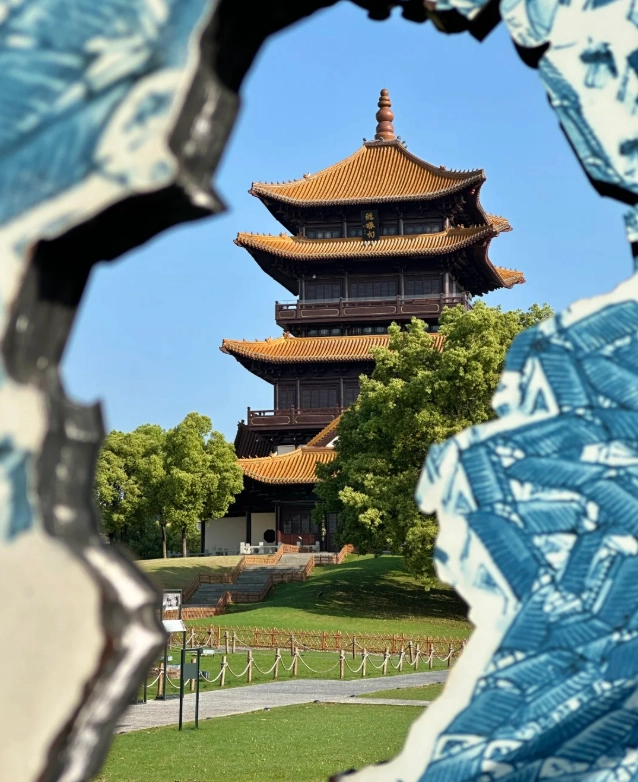
Prioritize Yongxing Lake, Baolun Pavilion, and one walk through the Eight Trigrams Lane. Skip the hill viewpoint and the souvenir street. If you rush, you can cover the essence in 90 minutes. But honestly, 2 hours is tight — you’ll miss the atmosphere. Better to stay at least 3 hours.
Can I use my international credit card to buy tickets at the gate?
At the ticket booth, they usually accept Visa and Mastercard, but the terminal often fails for foreign cards due to connection issues. I’ve seen many travelers get stuck. Safe bet: bring enough cash (200 RMB is plenty) or have Alipay/WeChat Pay linked to your international card. Book online via Trip.com for a hassle-free experience.
Are there English-speaking guides available?
Yes, but rarely on the spot. You can request one when buying your ticket — they charge around 150 RMB for a 1-hour tour. The quality varies; some guides have thick accents. If you can, download a self-guided audio tour app (like “Chengkan Walk”) beforehand. I always tell my group to read a little history first — it makes the carvings and layouts 10x more interesting.
What’s the nearest restroom to the parking lot?
There’s a public toilet right next to the ticket office. It’s clean but small — women often queue for 5-10 minutes. I recommend using the facilities at the bus station before coming. Inside the village, there’s another restroom near the Baolun Pavilion, but it’s squat-style with no toilet paper. Always carry your own tissues.
Can I stay inside Chengkan Ancient Village itself?
Yes, there are a few guesthouses inside, like Baozhong Garden Inn and a couple of homestays. They offer the most immersive experience. However, note that motor vehicles are banned inside the village after 8 PM, so you'll carry your luggage on foot. Also, some old buildings have thin walls—earplugs recommended.
Is it better to stay in Chengkan or in Huizhou District?
If you want to soak up the village atmosphere after dark, stay in Chengkan. If you need more nightlife, restaurants, or hotel amenities, Huizhou District is a 20-minute drive away. I usually suggest first-timers spend one night in the village and the rest in Huizhou District.
What about safety for solo female travelers?
Chengkan is very safe. The local people are friendly. Guesthouse owners are used to international visitors. I've sent solo female guests to Baozhong Garden Inn and Lily's Courtyard without any issues. Just use common sense: avoid walking alone in unlit areas after 10 PM.
Do hotels near Chengkan accept credit cards?
Only larger hotels like Xingye Resort and Holiday Inn Express accept credit cards. Most family-run guesthouses prefer cash or WeChat Pay. Bring enough cash (RMB) for small places, or set up Alipay before you arrive.
How far in advance should I book for autumn foliage season (October)?
Book at least 3-4 weeks ahead. October is peak season for photography and domestic tourism. Prices can triple, and many guesthouses fill up. If you wait until the last minute, you might end up in Huizhou District.

Recent Reviews
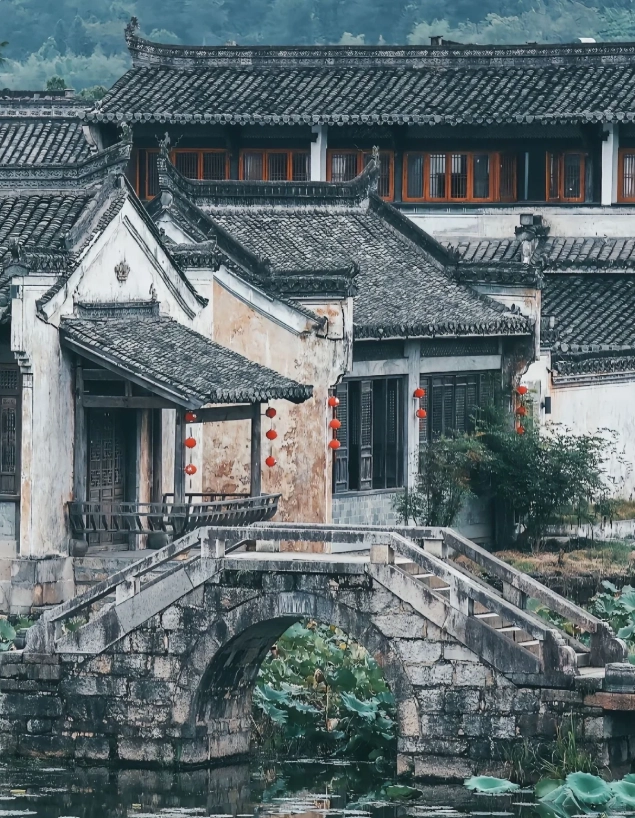
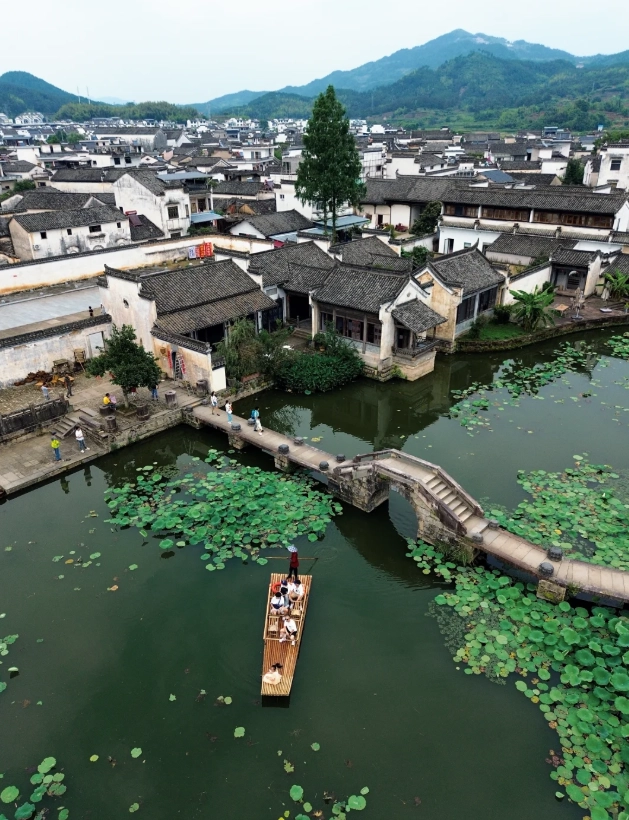
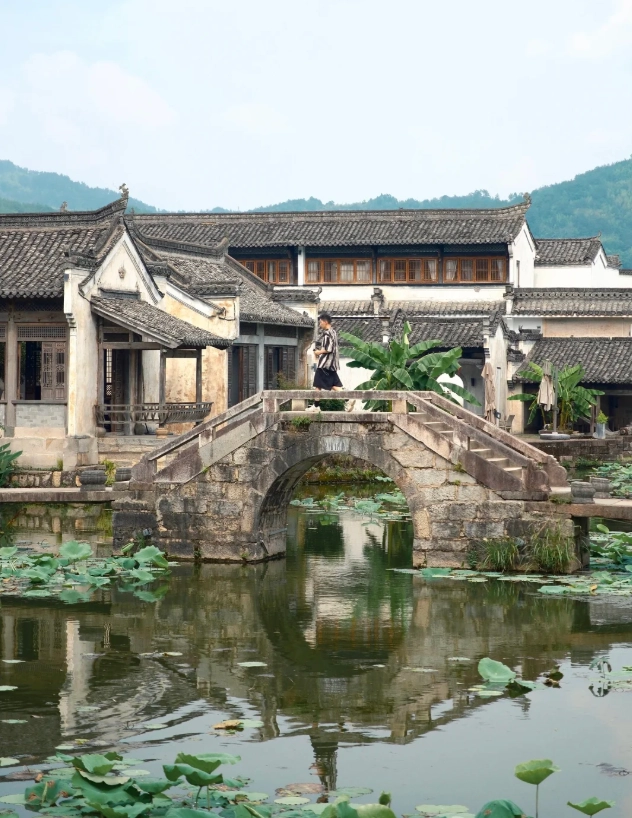
Okay, Chengkan is the real deal. I’ve been to several ancient Huizhou villages, but this one felt different — much less commercial, no endless souvenir stalls, just people living around beautiful relic houses. The entrance with the big pond and stone causeway is postcard-perfect, and the little stone bridges over the stream are honestly magical in the late afternoon light. We climbed up to the small hill by the eastern edge and looked over the whole village — black tiles, white walls, bamboo groves, and mountains behind. There’s also a lovely little charm in the courtyard of one of the residencies; I didn’t catch its name, but the sunlight filtering through the carved lattice was unforgettable. Bring good walking shoes and just let yourself get lost. Five stars, no doubt.
What an exceptional place. Chengkan is often described as a smaller, quieter alternative to Hongcun, but to me it’s absolutely its own masterpiece. The complex layout follows a canal system that was designed centuries ago, and you can see how every lane connects around a central ancestral hall. We were lucky to have a local guide from the guesthouse, who explained the feng shui reasoning behind the village plan. Standing inside the main hall with its massive wooden pillars and carved brackets made me feel incredibly small. It’s a living village — chickens, old folks sitting at thresholds, clothes drying under eaves — and that authenticity is priceless. Highly recommend going early, then grabbing tea near the pond. I’ll remember Chengkan for a long time.
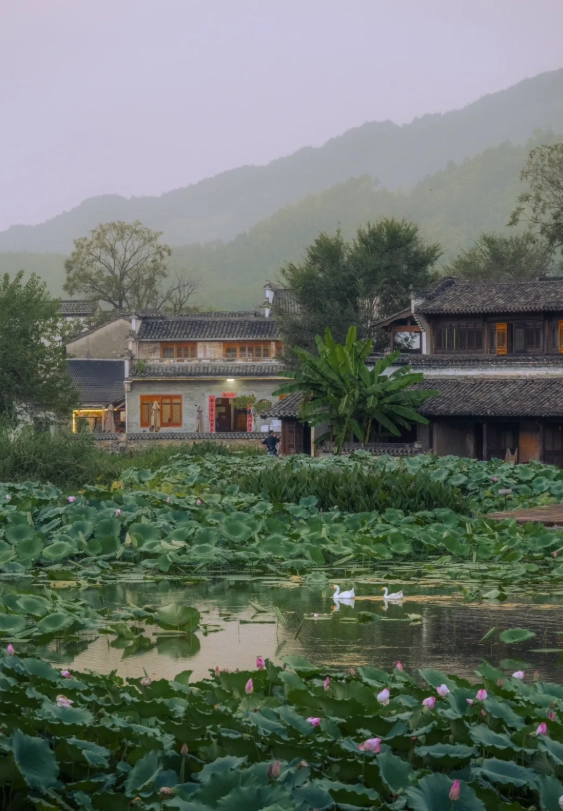
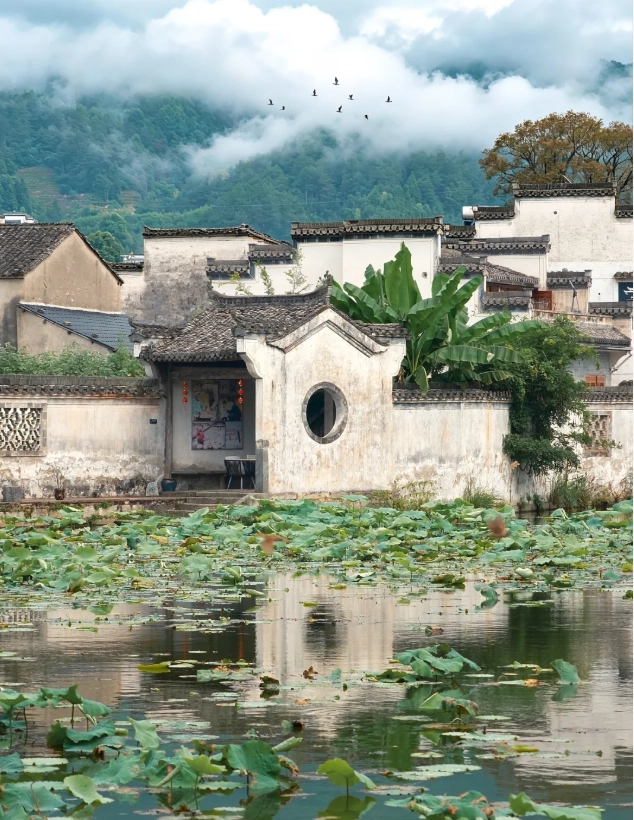
Chengkan stole my heart. We arrived just as the morning mist was lifting and the whole village looked like a Chinese ink painting. The water-mouth garden by the eastern entrance is stunning — lotus leaves, small bridges, and stone paths winding through. I loved how untouristy it felt compared to Xidi. We wandered for hours through narrow lanes, discovering ancient arches and carved doorsteps that felt untouched by time. The peaceful pace, the soft sound of water running along every lane, the warm evening lights from wooden windows — everything was perfect. If you love quiet places with soul, don’t skip Chengkan.
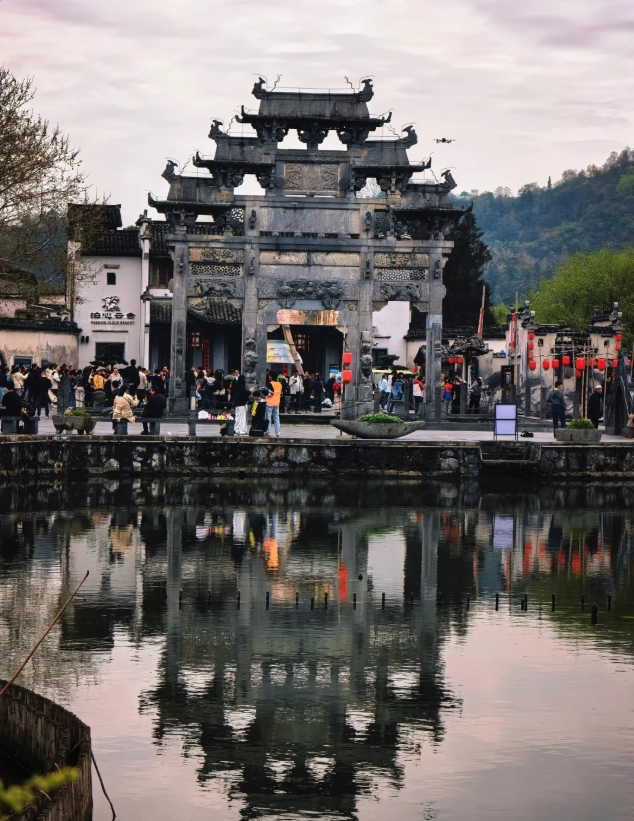
Stumbled onto Chengkan after a morning hike near Huangshan and honestly enjoyed it more than expected. The entrance lotus pond with the ancient pavilion reflection is a photographer’s dream, and the maze-like alleys made getting lost fun rather than stressful. A local granny sold me warm, freshly baked rice cakes near the river — such a simple pleasure. Only reason it’s not a 5 is that some of the old houses are locked up and you can’t go inside without hiring a guide, which felt a bit frustrating. Still, a beautiful spot if you like exploring at your own pace.
Chengkan is a lovely break from the busier Hongcun, but I left with mixed feelings. The village itself is genuinely atmospheric — worn stone lanes, old water channels gurgling past the doorsteps, and a few beautifully preserved Luo family halls. However, the ticket office felt a bit chaotic and we almost got charged for the shuttle we didn’t need. Some of the alleyways are also lined with newer concrete houses that break the old-world vibe. If you have time and want something quieter than Hongcun, it’s worth a half day. Just don’t expect everything to be perfectly polished.
Wow. We almost skipped Chengkan to save time, but our guesthouse owner insisted we go. So glad we did. The village is a maze—in a good way—and every corner has a little detail: a stone carving, a tiny bridge, a cat sunning on a wall. We took a local guide named Wu, a retired teacher, who made the feng shui layout really interesting. The food at a small homestay near the main square was simple but delicious, especially the bamboo shoots. If you want a peaceful, authentic slice of Anhui, go before it gets too famous.
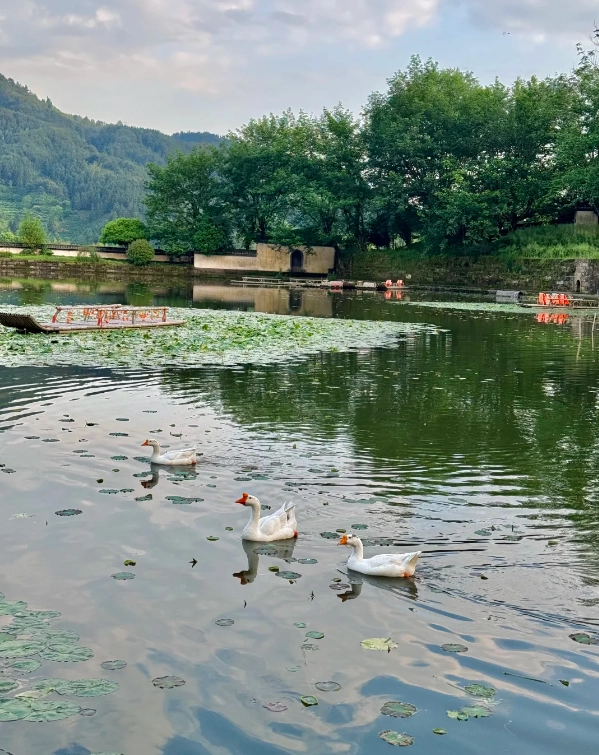
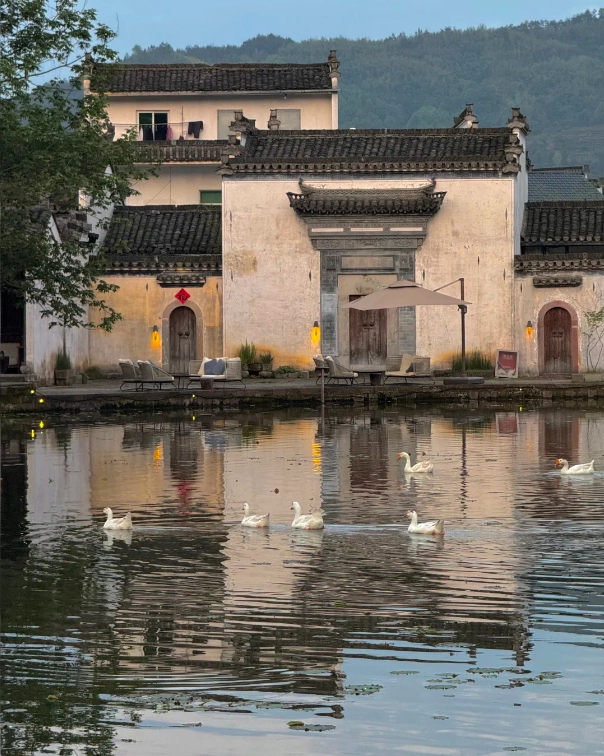
Chengkan is the real deal. If you're tired of the commercialized ancient towns, this one still has its soul. The stone paths are a bit uneven but that's part of the charm. I came early in the morning and watched an old lady making bamboo baskets by her doorway; she smiled and let me take a photo. The water lanes are ingeniously designed—every turn follows feng shui. I sat by the pond at the center for almost an hour, just watching ducks and dragonflies. This is the kind of place that makes you slow down. Can't recommend enough.
I really wanted to love Chengkan, but I left a bit underwhelmed. Maybe it was the grey weather, or maybe I was expecting more after Hongcun. The water system is cool, and the lanes are atmospheric, but many of the old houses are now souvenir shops or locked up. We paid for a guided tour, but ours rushed through the main sights in under an hour. Also, there is construction near the entrance, so the first impression is kind of messy. It's a nice place for a quiet walk, but I wouldn't make a special trip.
Pretty, tranquil, and full of history. I enjoyed wandering the narrow lanes and the old ancestral halls, especially the Cheng family temple with those tall carved columns. The village is genuinely lived-in, not just a museum. Why not 5? The signage is confusing and we got lost several times—though that’s also part of the fun—and a few buildings were closed for restoration. Also, the ticket price felt a bit steep for what you get, but if you take your time it’s good value.
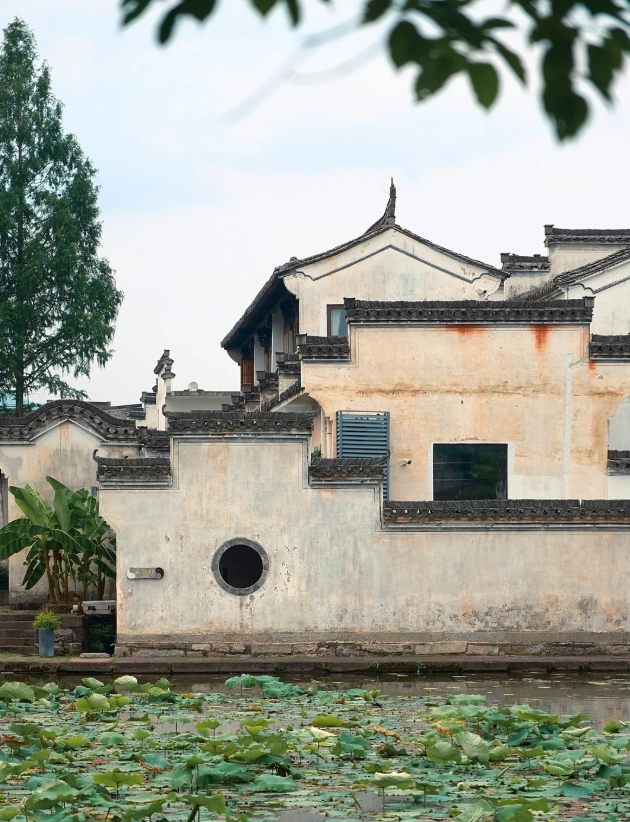
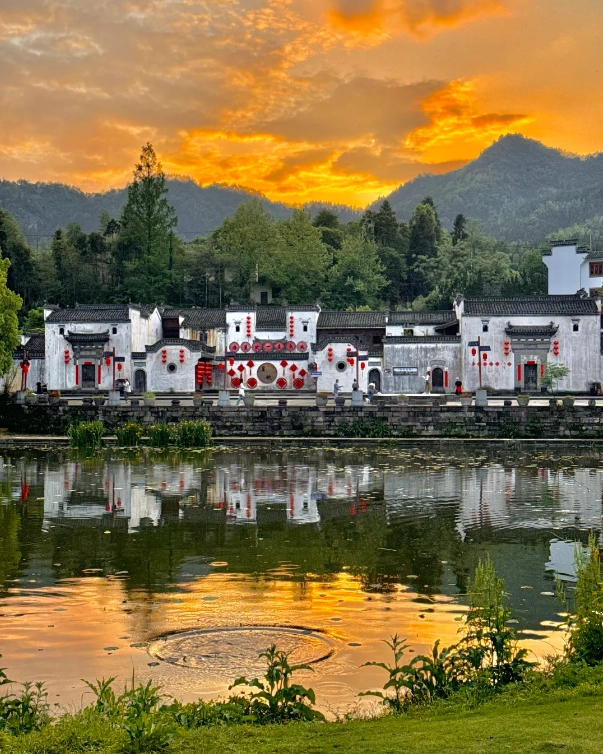
Chengkan blew me away. The moment I stepped through the village gate, I felt like I'd walked into a living ink painting. The water channels running along the stone lanes are crystal clear, and locals still wash vegetables and clothes in them. The old Huizhou houses have these amazing carved lintels. We hired an older villager as a guide for 50 yuan, and she explained the yin-yang layout and showed us the eight-trigram wells. Sunset from the small hill behind the village is magical—roof lines and horse-head walls glowing gold. Far less crowded than Hongcun, and way more authentic. Absolutely worth the detour.
I came here on a budget and it was one of the highlights of my Anhui trip. Compared to other ancient villages, Chengkan feels more authentic and less touristy. I loved getting lost in the narrow lanes and discovering hidden courtyards. The highlight was the Bagua layout – you can really feel the feng shui. Perfect for solo travelers who enjoy quiet exploration. 5/5!
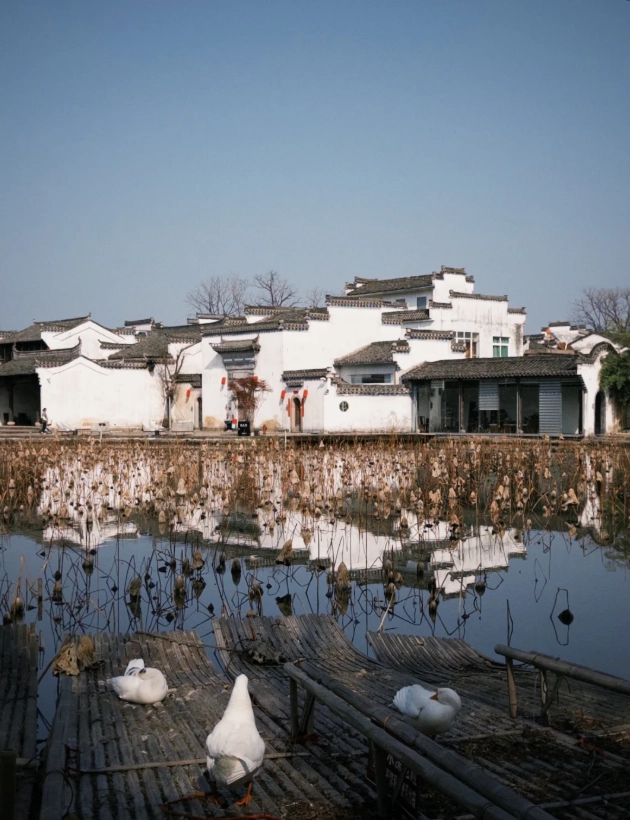
As a photographer, this place is a dream. The morning mist over the ponds, the intricate wood carvings in the Cheng family temple, and the reflection of white walls in the water – every corner is a postcard. I visited during spring and the flowers were blooming. The ticket price is worth it for the stunning shots. Bring a wide lens!
Absolutely loved it! Chengkan is a hidden gem away from the tourist crowds of Hongcun and Xidi. The winding alleys, the peaceful lotus ponds, and the ancient stone bridges make you feel like you've stepped back in time. The locals were friendly and even invited us for tea. Highly recommend spending a couple of hours just wandering without a map. Pure magic!
A decent visit overall. The layout is interesting with the Yin Yang fish pond and the old ancestral halls. It's quite photogenic, especially early morning. However, I wish there were more informational signs in English. We ended up following a guided group to understand the history. Also, the restrooms could be cleaner. Still, a pleasant half-day trip.
Honestly, I felt a bit underwhelmed. The village itself has some beautiful old buildings, but it felt overly commercialized with tons of souvenir shops and loud tour groups. The entrance fee is steep for what you get. Also, some sections were under construction, which killed the vibe. If you've seen other ancient villages in the area, this one might not stand out.
What a magical place! I visited during a light drizzle and the whole village looked like a traditional ink painting. The roof tiles glistened, and the air smelled of wet stone and old wood. The locals were friendly – an elderly lady even invited me into her courtyard to see her persimmon tree. It’s not as commercialized as some other ancient towns, which I loved. For anyone seeking peace, culture, and authenticity, Chengkan is a dream. 5 stars, no question.
Without a doubt one of the most fascinating ancient villages in China. The feng shui principles behind the layout are incredible – you can feel the harmony as you walk. Our local guide shared stories about the Luo family and the Ming dynasty architecture that brought the place to life. The stone bridges and ancestral halls are breathtaking. Every corner is a photo op. If you appreciate genuine history, this village is a gem. Highly, highly recommended!
A solid 4 stars. The village is genuinely beautiful and well-preserved in many parts. I loved the layout and the quiet corners away from the main route. The only reason I’m not giving 5 is that the signage could be better – I got lost a couple of times trying to find the famous 'yin yang' pond. Also, some local vendors were a bit pushy. But overall, it’s a wonderful place for photography and learning about Huizhou culture. Recommend going early before the crowds.
Honestly, I was a bit let down. Maybe because I came on a weekend and it was packed, but the 'ancient tranquility' was hard to find. Lots of souvenir stalls and selfie sticks everywhere. The entrance fee felt steep for what you get – 107 yuan? Some of the old buildings are in rough shape and could use better preservation. The guide we hired was nice, but the whole experience felt rushed. For the price, I’d rather go to Hongcun or Xidi.
Absolutely stunning! Chengkan is like stepping back in time. The layout is exactly as described – a mysterious Bagua village that feels both calm and deeply spiritual. I spent hours wandering the narrow alleys, admiring the intricate wood carvings on the old houses. The lotus pond in the center was picture-perfect, especially in the late afternoon light. If you love authentic ancient towns without the over-the-top tourist traps, this is a must. I’ll definitely come back for a longer stay.
Incredible place. Chengkan has this peaceful, timeless energy that's hard to describe. I'm not usually into historical sites, but the way the village seamlessly blends with nature — rivers, hills, rice paddies — just blew me away. Stayed in a local guesthouse inside the village and waking up to the sound of flowing water and birds was pure bliss. The owner cooked a delicious dinner with ingredients from her own garden. Highly recommend spending at least one night here. This is what travel should feel like.
Hands down the highlight of my trip to Anhui! Chengkan is less crowded than Hongcun but just as beautiful — maybe even more authentic. I loved how the village is arranged like a bagua (eight trigrams) pattern; it makes exploring feel like a treasure hunt. The locals were warm and even invited me into their home to see a century-old wood carving. The fried tofu snack at the market stall was SO good. Pro tip: go early in the morning to beat the tour groups and enjoy the mist over the ponds. Unforgettable experience!
Absolutely magical! Chengkan Ancient Village is like stepping into a living painting. The lotus ponds, the winding alleys, the moss-covered walls — every corner is a photo opportunity. I spent the whole afternoon just wandering around and soaking in the atmosphere. The local guides are super friendly and shared fascinating history about the clan system and feng shui layout. If you love photography or traditional Chinese culture, this is an absolute must. One of the best preserved villages I've ever seen. Will definitely come back!
Chengkan is a nice place to spend a few hours, but it didn't wow me like I expected. The layout of the village is interesting with all the waterways and stone bridges, and I liked the ancient architecture. However, maintenance could be better — some of the old buildings looked a bit neglected. Also found the signage confusing; got lost several times even with a map. It's still a solid stop if you're in the area, but I wouldn't go out of my way for it. The tea house near the entrance was a nice break though.
I was really excited to visit Chengkan after seeing so many stunning photos online, but honestly it felt a bit overhyped. The village itself is beautiful in a quiet way, but it's super commercialized now — every other house is a souvenir shop or restaurant, and locals keep pushing you to buy stuff. The entrance fee is also quite steep for what you get; there's not much to do besides walk around the old lanes. If you've seen one ancient village in China, you've kinda seen them all. Would recommend skipping this one unless you have extra time.
Chengkan Ancient Village totally blew me away! Not only is the architecture stunning, but the vibe is so authentic. I spent hours just sitting by the pond watching ducks and locals doing their daily chores. The little teahouse near the south gate serves amazing local green tea—the owner was super warm and told stories about the village's 1,800-year history. 100% coming back again.
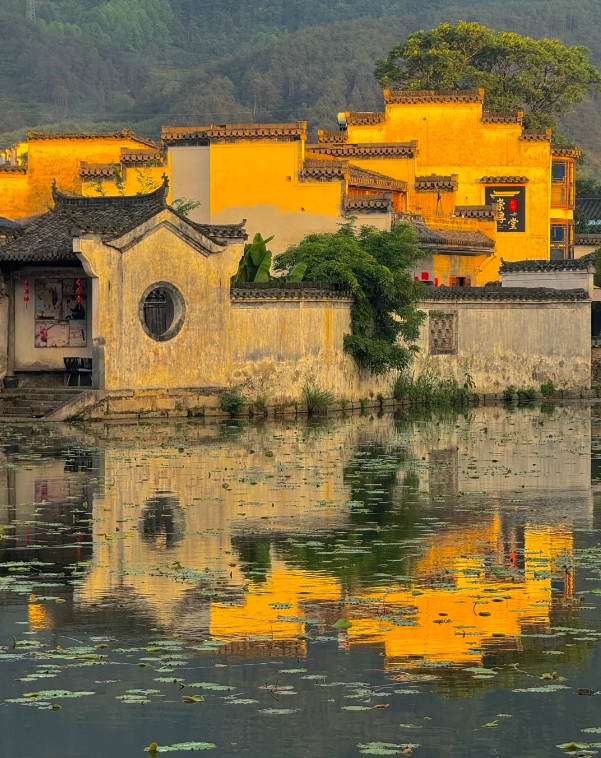
This place is magical, especially around golden hour when the sunlight hits the white walls and dark tiles. I loved how quiet and untouched it felt compared to the touristy spots. The ancient祠堂 (ancestral hall) is a must-see—the stone carvings are breathtaking. Bring your walking shoes because the cobblestone paths can be slippery, but it's totally worth it. 5 stars without a doubt.
Honestly a bit disappointed. The village itself is pretty from a distance, but up close many of the buildings are in disrepair or under renovation. We paid 80 RMB for entry and were done in under an hour—there's not much to see beyond the main pond and a few halls. Also, the local snack stalls were overpriced. Would skip if you've seen other Huizhou villages like Xidi or Hongcun.
I've been to several ancient villages in the region, and Chengkan stands out for its unique Bagua layout. Walking through the narrow alleys felt like solving a maze—every corner revealed a new courtyard with intricate wood carvings. The entrance fee is reasonable, and the place wasn't overcrowded when I visited in early autumn. A solid 4-star experience, just wish there were more English signage.
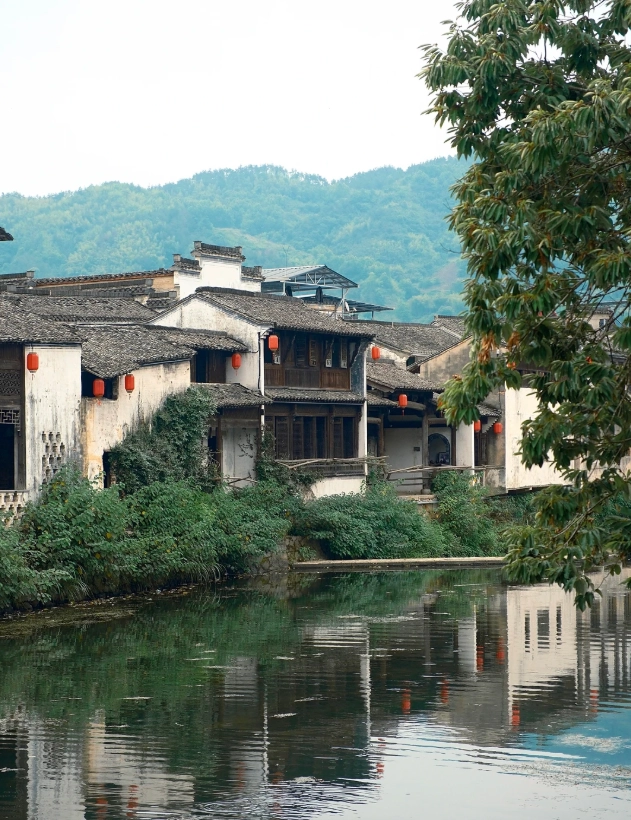
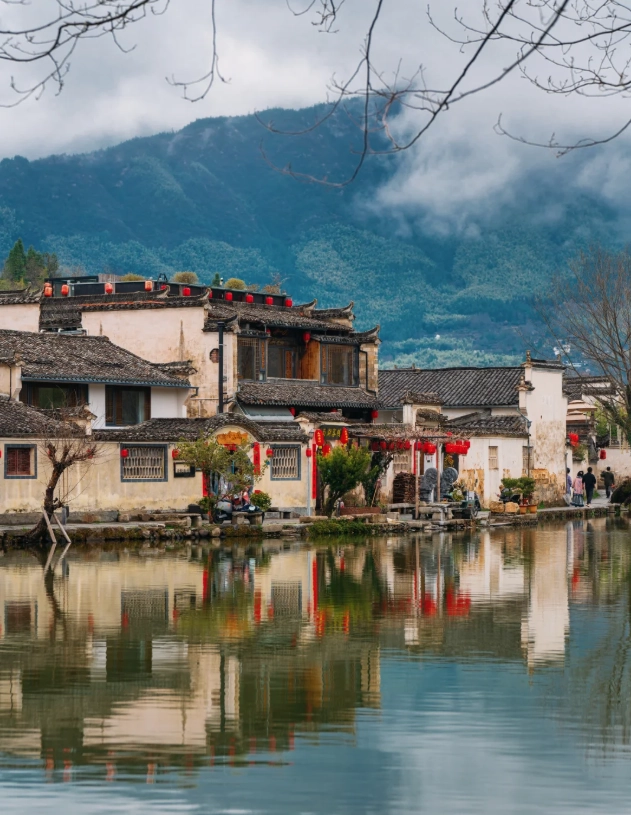
Chengkan is a hidden gem! The ancient lanes are incredibly well-preserved, and the pond with the reflection of the traditional houses is a photographer's dream. We spent a peaceful afternoon wandering around, and the locals were friendly—one elderly lady even showed us how they make tofu. Absolutely recommend for anyone seeking authentic Chinese village life.
We arrived around 4pm and almost had the whole place to ourselves – that's the best time to go! The elderly locals sitting by their doorways were friendly and waved at us. The ancestral halls are stunning inside, with intricate wood carvings. We grabbed a cup of tea at a tiny courtyard cafe and just soaked in the atmosphere. Absolutely worth the detour from Huangshan. Would come back in a heartbeat.
As a photographer, Chengkan was pure gold. The light hitting the white walls and black tiles in the late afternoon creates incredible contrasts. I especially loved the reflection in the lotus pond near the entrance. The village feels genuine and not overly touristy compared to Hongcun. Spent hours just wandering – every corner is a picture. Highly recommend bringing a good lens!
Visited with my parents on a weekday and had a lovely time. The layout of the village based on the Eight Trigrams is fascinating – definitely hire a local guide if you can. We learned so much about the feng shui and the ancient drainage system. The local snacks (especially the mochi) were delicious. A solid 4-star experience, only knocked off one star because the restrooms could be cleaner.
Honestly, I was a bit let down. The village itself has charm, but it's way too commercialized now – every other house is a souvenir shop or a tea stall. The ticket price feels steep for what you get, and I found some of the restoration work a bit sloppy. If you've seen other ancient villages in the area, this one might feel a little tired.
Chengkan is a peaceful escape from the city crowds. The ancient architecture is well-preserved, and I loved wandering through the narrow lanes lined with stone walls. The tranquility in the morning, with mist hanging over the ponds, was absolutely magical. Definitely a hidden gem if you're into history and photography. My only regret is not staying longer!
What a hidden treasure! I was blown away by the tranquility and beauty of Chengkan. Unlike the crowded tourist traps, this village feels alive and genuine. The layout of the village in a yin-yang pattern is fascinating—I spent ages trying to follow the waterways. The local tea house near the south gate serves the best huangshan maofeng I've ever tasted. Came for an afternoon, stayed until sunset. Perfect for anyone who loves photography, history, or just a peaceful escape from the city.
Hands down the most authentic ancient village I've visited in China. No tacky gift shops blasting pop music—just real life going on. I saw farmers drying tea leaves in their courtyards, kids playing badminton in the narrow alleys, and an old man carving wood by hand. The scenery around the village with the green hills and clear stream is breathtaking. I spent three hours here and wished I had booked a homestay overnight. If you're in the Huangshan area, don't skip this gem!
Absolutely magical! Chengkan Ancient Village completely exceeded my expectations. From the moment I stepped onto the stone paths, I was transported back in time. The ancestral halls are incredibly well preserved, and the locals are friendly—one elderly lady even invited me into her home to see her embroidery. The lotus pond in the center is a perfect photo spot at golden hour. This is the kind of place that makes you want to sit on a step and just soak it all in. Highly recommend combining with a visit to nearby Tangmo Village. 10/10!
A solid 4 stars. Chengkan is beautiful and much less crowded than Hongcun or Xidi. I loved the intricate wood carvings and the unique bagua layout—you can actually feel the history here. The only downside was that some of the signage explaining the buildings was only in Chinese, and a few of the lanes smelled a bit musty from the damp weather. Still, a peaceful place to wander for a couple of hours. Grab some local snacks from the stalls near the entrance!
Honestly, I was a bit underwhelmed by Chengkan. The village itself has nice historic architecture, but it felt overly commercialized with tons of souvenir shops and vendors pushing you to buy things. The entrance fee was steep for what you get—many of the old houses are locked or in disrepair. I also saw a group of tourists being rushed through by a loud guide. If you've seen one ancient village in Anhui, you've seen them all. Not worth the detour from Huangshan.
Honestly a bit let down. The village itself is pretty but it's heavily commercialized now — half the old houses have been turned into trinket shops and tea stalls. The crowds were annoying even on a weekday. I also had a bad experience with a self-proclaimed ‘village guide’ who followed me for 10 minutes demanding money. For the entrance price, I expected better maintenance of the paths (some stone slabs were loose). Skip it and go to Xidi or Nanping instead if you want a more authentic feel.
Beautiful village with lots of photo opportunities, especially the reflection of the ancient houses in the water. I gave it 4 stars instead of 5 because the entrance fee (around 100 yuan) felt a bit steep for what you get — it's smaller than I expected. Also there were a few souvenir vendors who were a bit pushy near the main gate. But if you go early or late afternoon, the atmosphere is lovely. I'd recommend combining it with a trip to nearby Tangmo.
Took our two kids (ages 7 and 10) here during spring break. They loved running through the narrow lanes and feeding the koi fish in the ponds. The village is compact enough that they didn't get too tired, but there's plenty to explore. We also did a short bamboo raft ride on the lake nearby — the kids thought that was the highlight. Only minor downside: some steps near the ancestral hall are slippery, so watch your step. Overall a fantastic family day out!
If you're a history buff like me, Chengkan is a must. The unique bagua (eight trigrams) layout is fascinating — I spent hours just wandering and trying to figure out the pattern. The local guide we hired (only 50 yuan) shared stories about the ancient ancestral halls and explained the water system. Every alley feels like stepping back 500 years. One of the most authentic ancient villages I've visited in China. 5 stars without a doubt.
Absolutely loved my time here! The ancient streets are so well-preserved, and the lotus ponds in the center are breathtaking. I arrived early in the morning before the crowds and had the whole village almost to myself — the sound of birds and distant temple bells was magical. Highly recommend for anyone who wants to soak in real Huizhou architecture without the touristy chaos of Hongcun. Will definitely come back in autumn for the colors!
Leave a Review