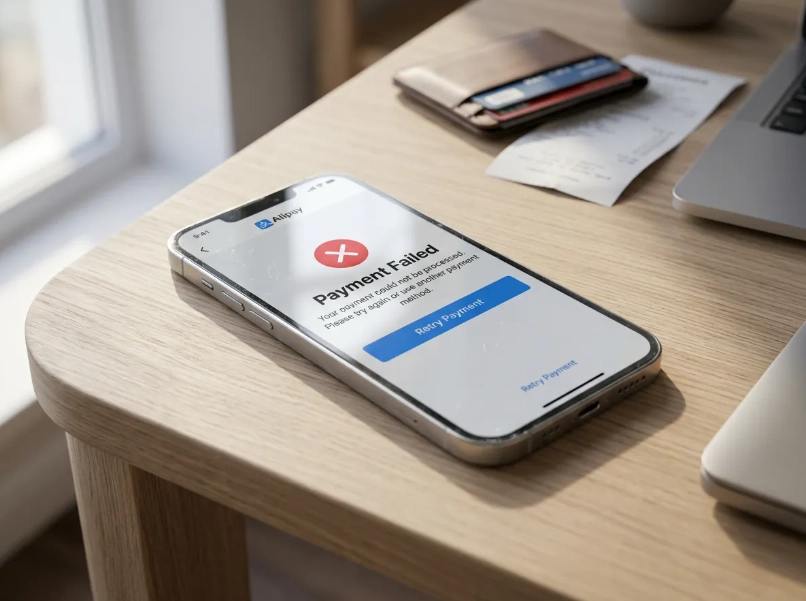
Alipay Not Working in China: 5 Fixes That Work
Alipay not working in China? Learn why your payments fail and how to fix it fast. Complete passport verification, link a foreign card, and use WeChat Pay as backup. Simple steps from a local guide.
The capital of the People's Republic of China; a global powerhouse blending three millennia of history with futuristic architecture and as the nation's political, cultural, and educational heart.
Beijing boasts seven UNESCO World Heritage Sites, the highest concentration of any city in the world.
Thousands of narrow alleys called 'Hutongs' still crisscross the city, preserving traditional courtyard-style living (Siheyuan).
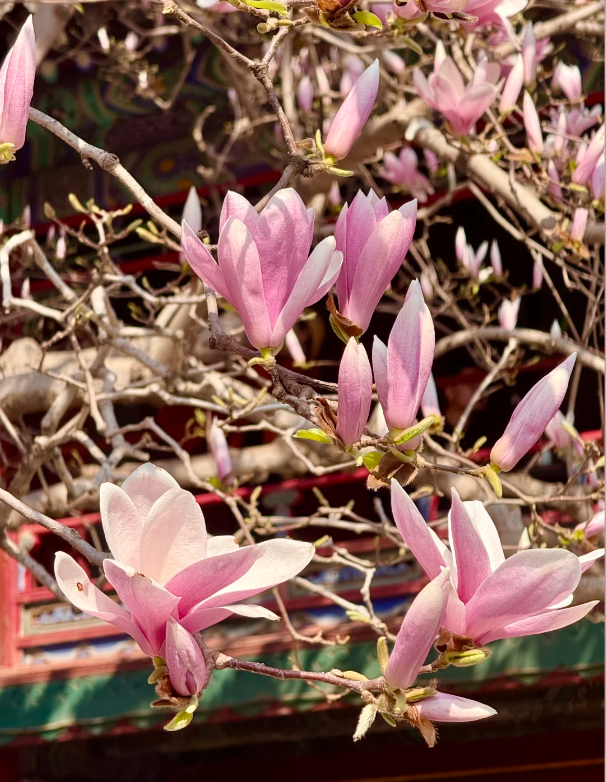
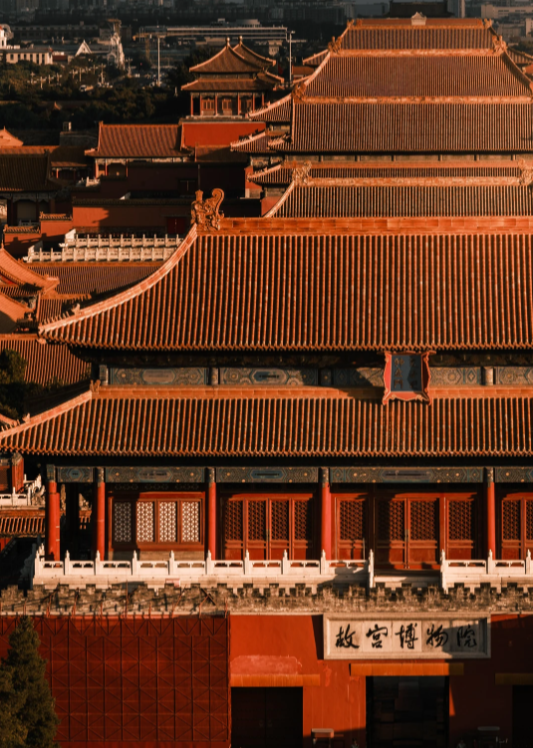 World Heritage
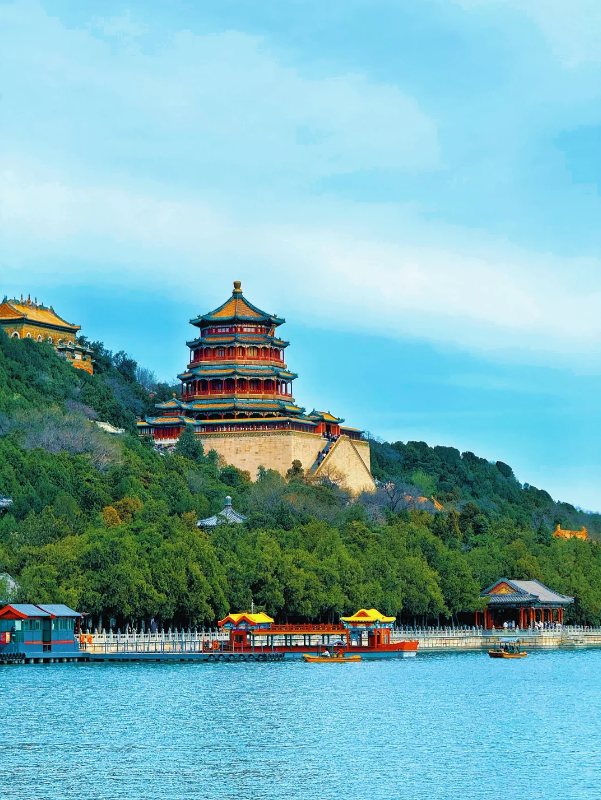 World Heritage
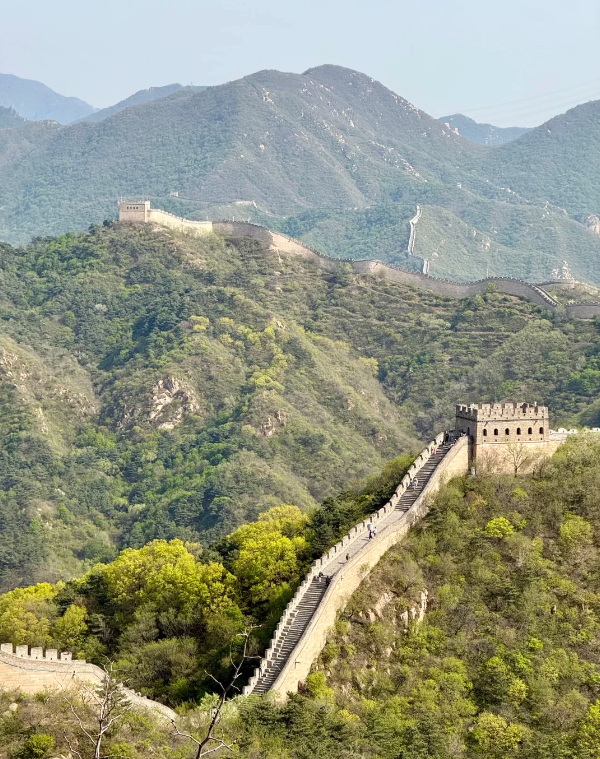 World Heritage
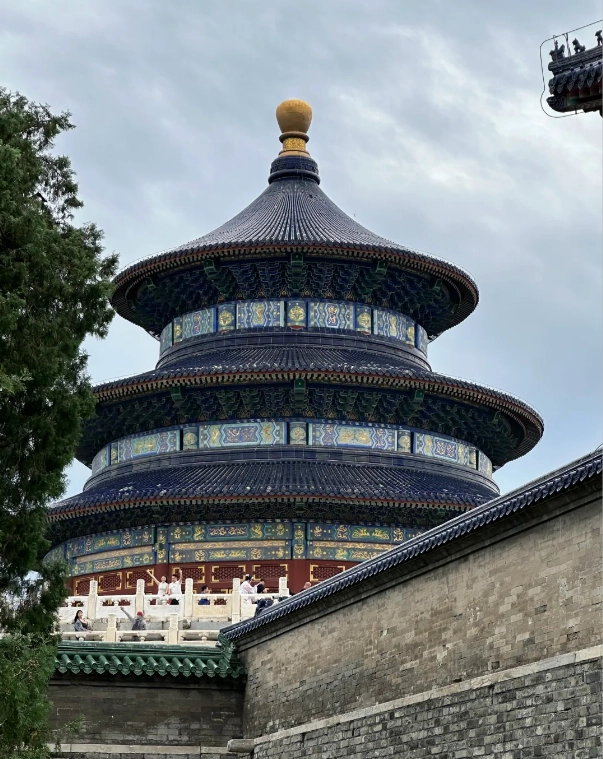 World Heritage
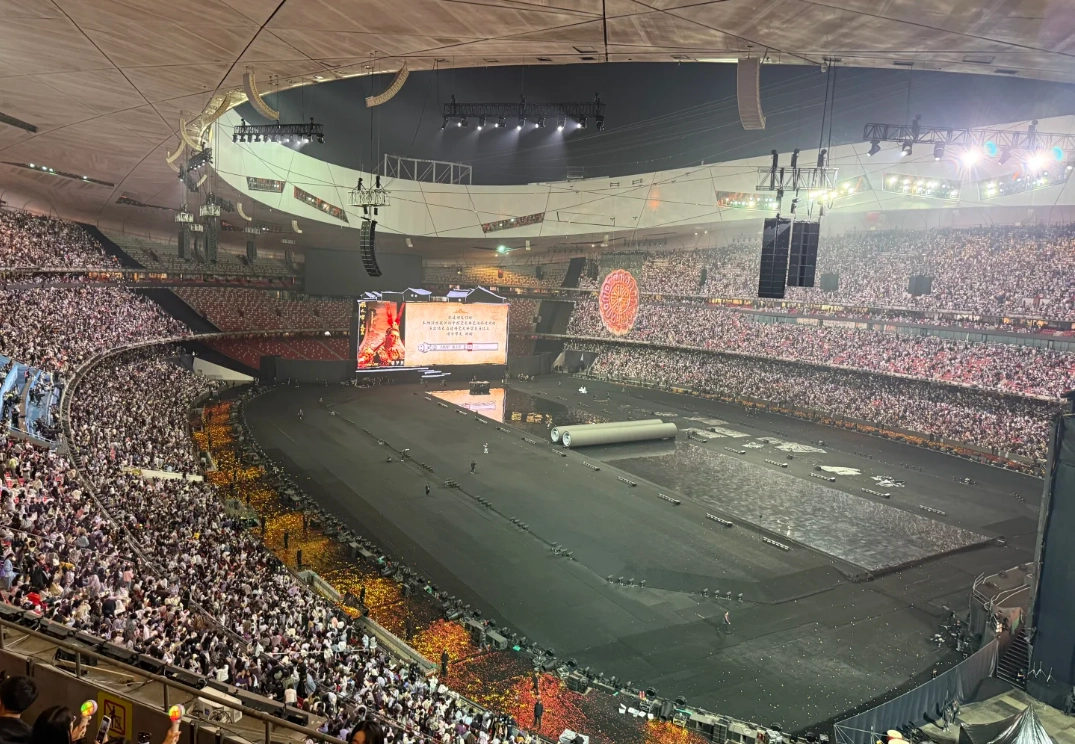
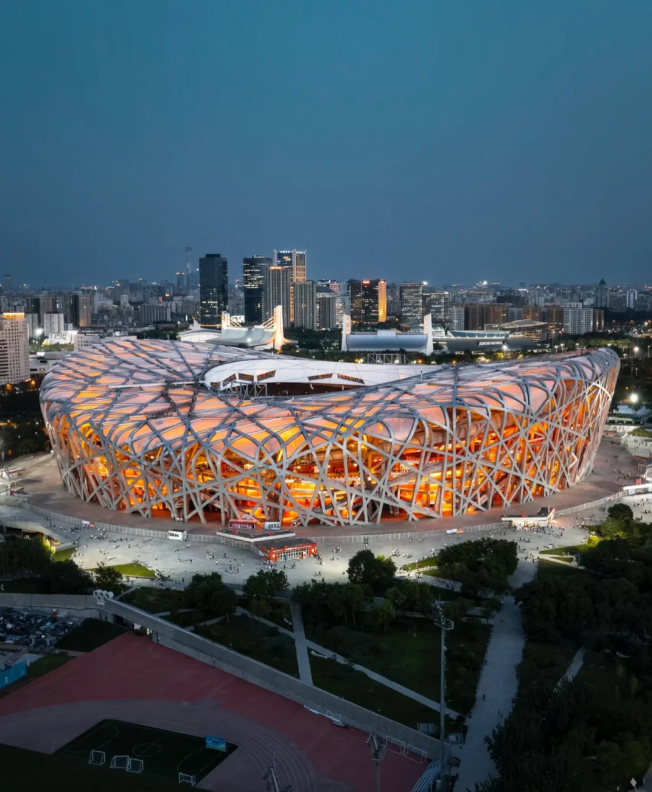 Olympic Architecture
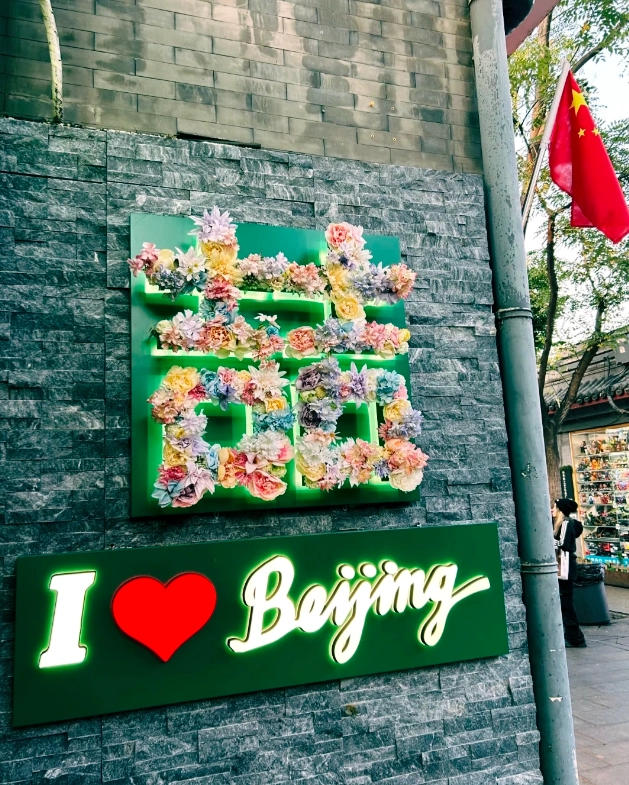
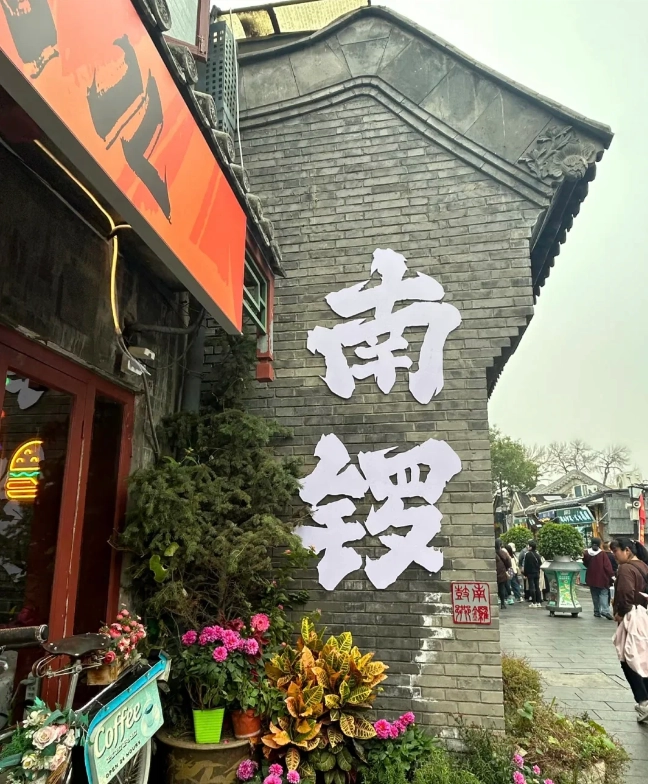 Cultural Hutong
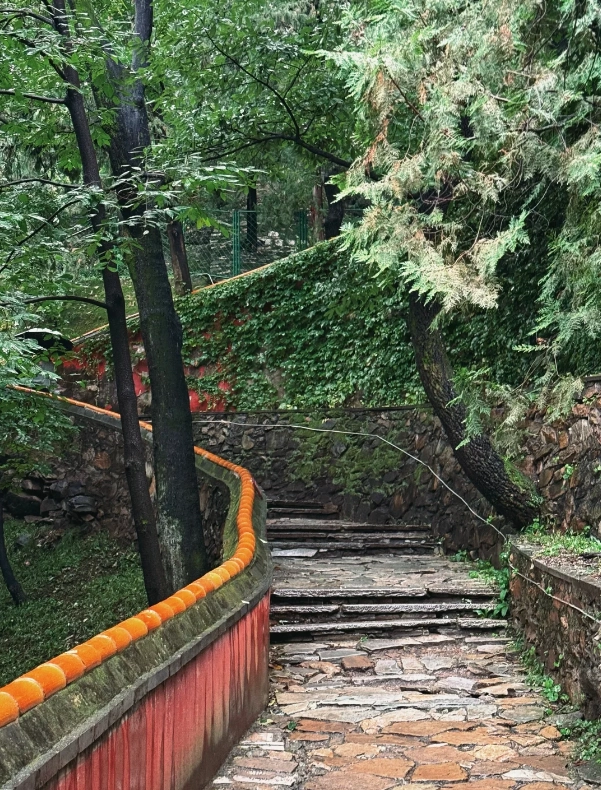
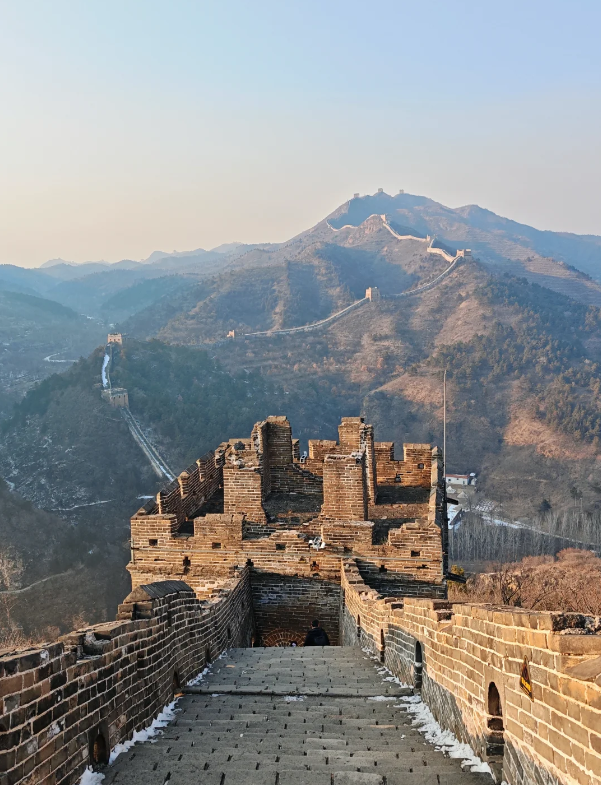 AAAA Scenic Area & World Heritage
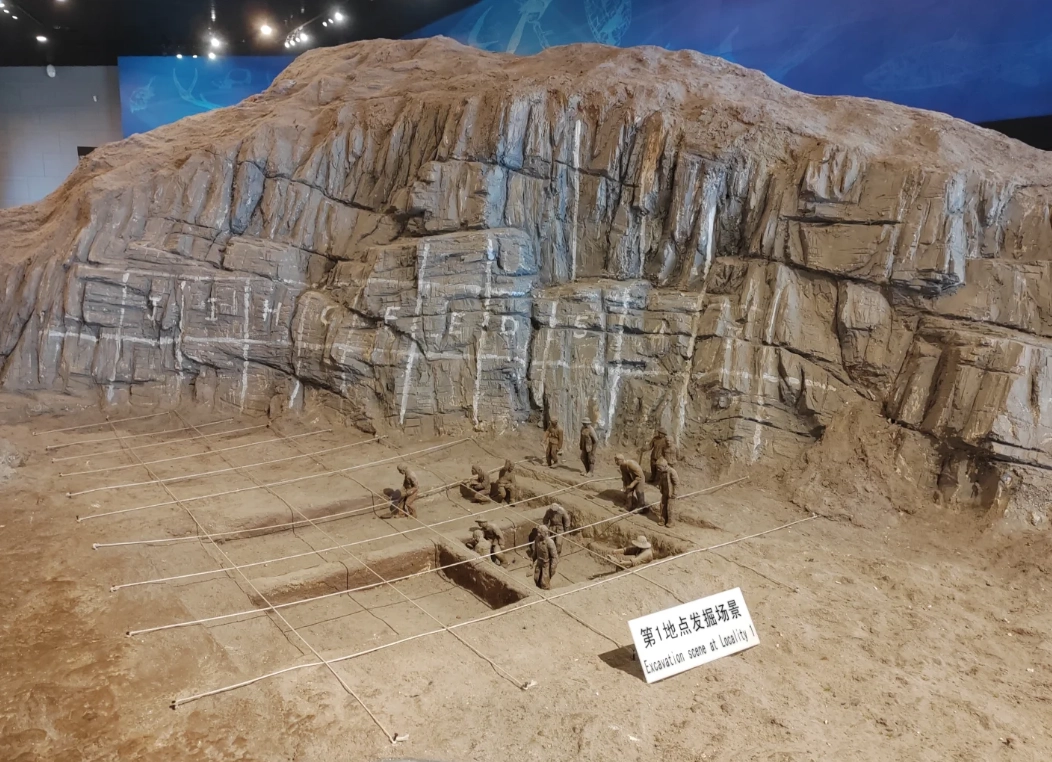
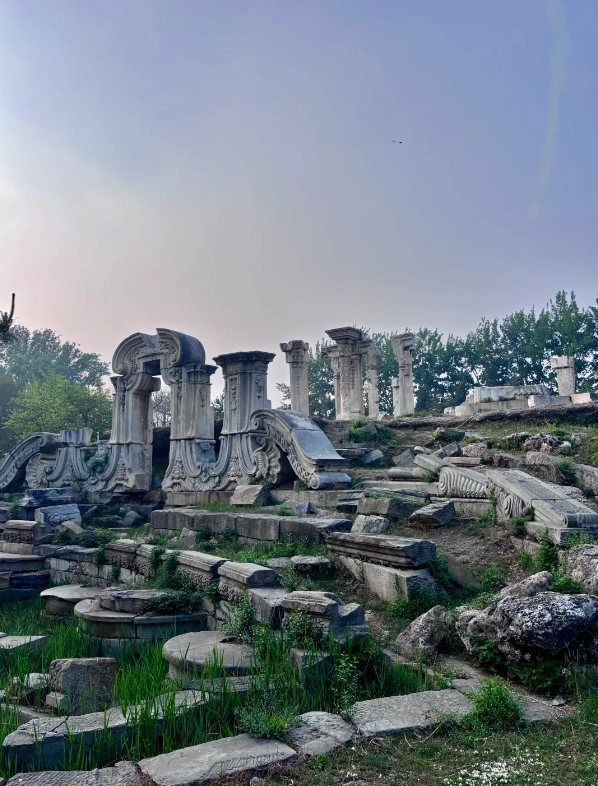 National Archeological Park
Alipay not working in China? Learn why your payments fail and how to fix it fast. Complete passport verification, link a foreign card, and use WeChat Pay as backup. Simple steps from a local guide.
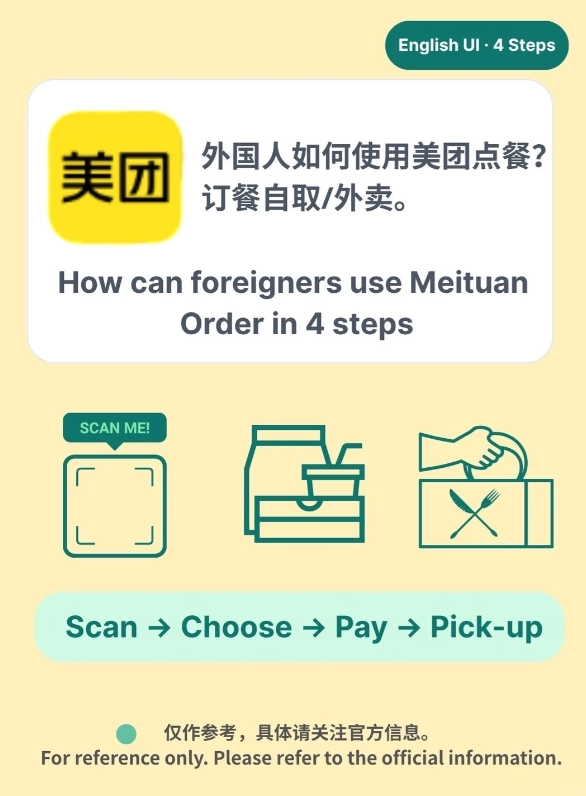
Struggling with the Meituan app in Chinese? Discover proven methods to navigate, order, and pay without reading a single character. From in-app tricks to translation tools, this guide covers everything you need to use Meituan in English.
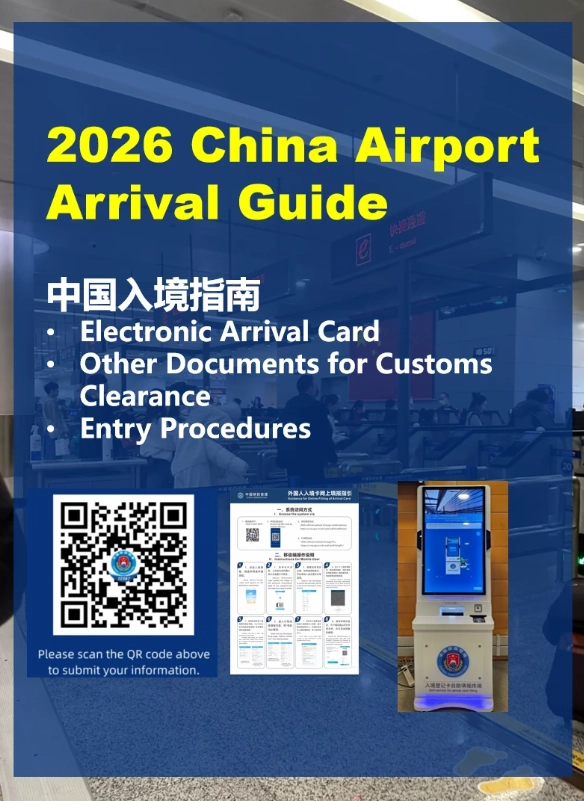
Wondering what to declare at Chinese customs? Avoid fines and delays with this guide covering prohibited items, duty-free limits, and the digital declaration form. Proven tips from a local guide.
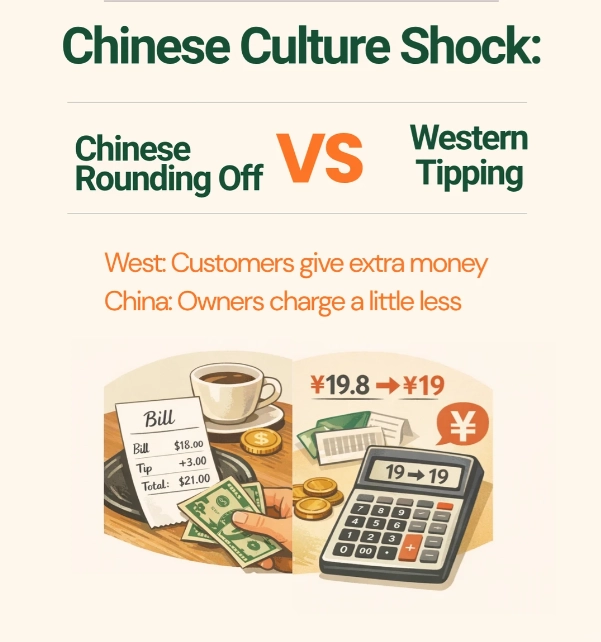
Should you tip in China? After a decade of guiding, I'm breaking down the real tipping policy—when it's appreciated, when it's insulting, and exactly how much to give in cash or via WeChat.
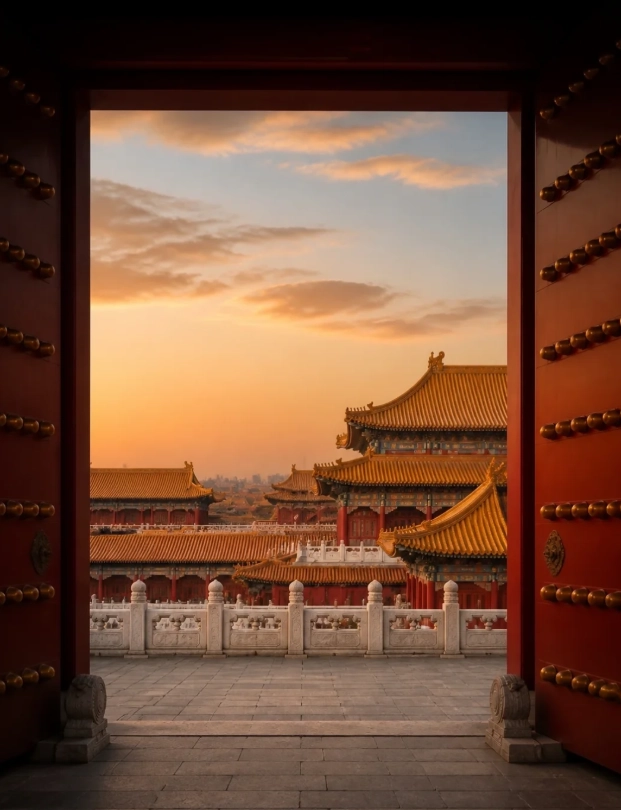
Planning a trip to Beijing and wondering what to do? This local guide covers must-see attractions, hidden gems, practical tips on payments, transport, and booking, plus a 3-day itinerary to help you dodge crowds and see the real city.
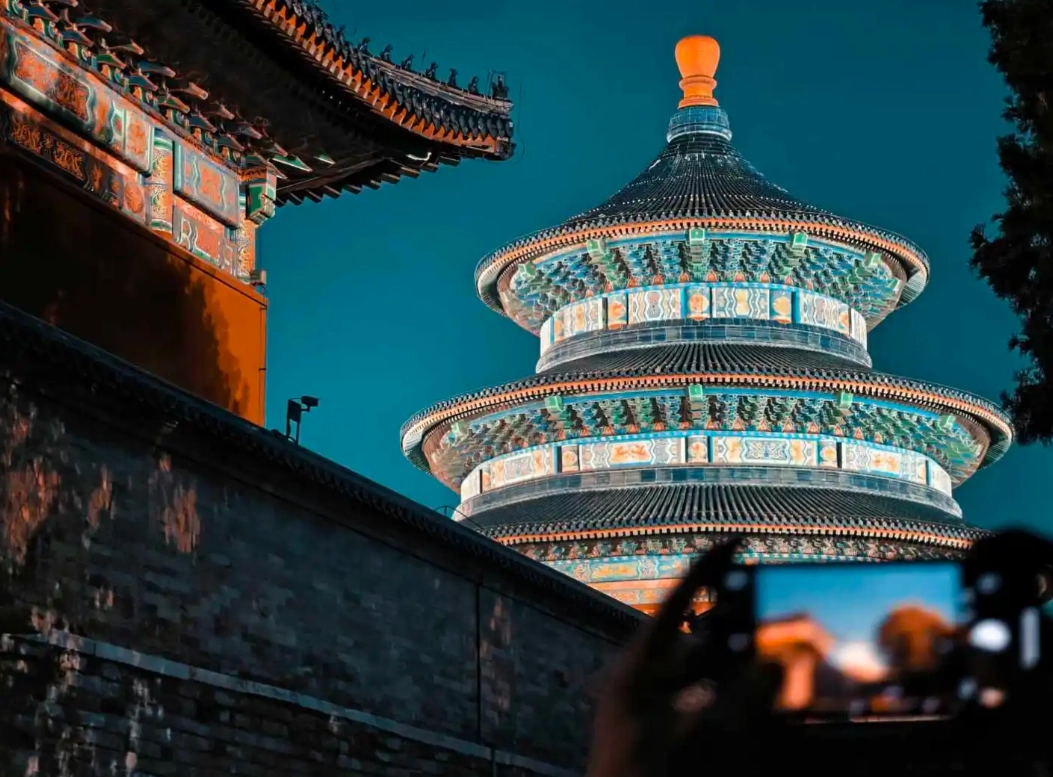
Wondering what to do in Beijing at night? From glowing Great Wall to hutong bar streets, discover 15 real local picks with costs, transport, and insider tips. Packed with practical info for foreign visitors.
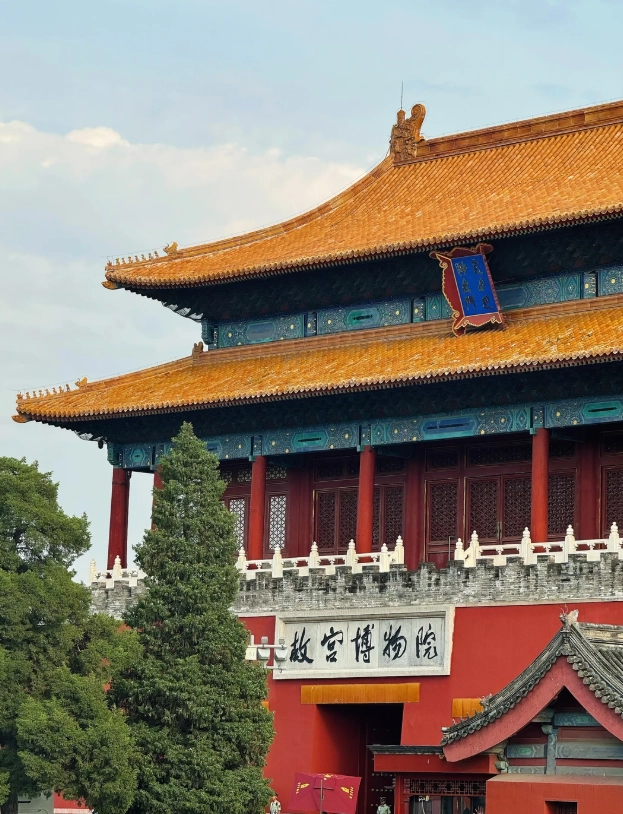
What are the real must-see in Beijing that deserve your vacation days? This guide from a local expert covers top attractions, ticket booking, crowd avoidance, and payment hacks — all you need to plan your trip.
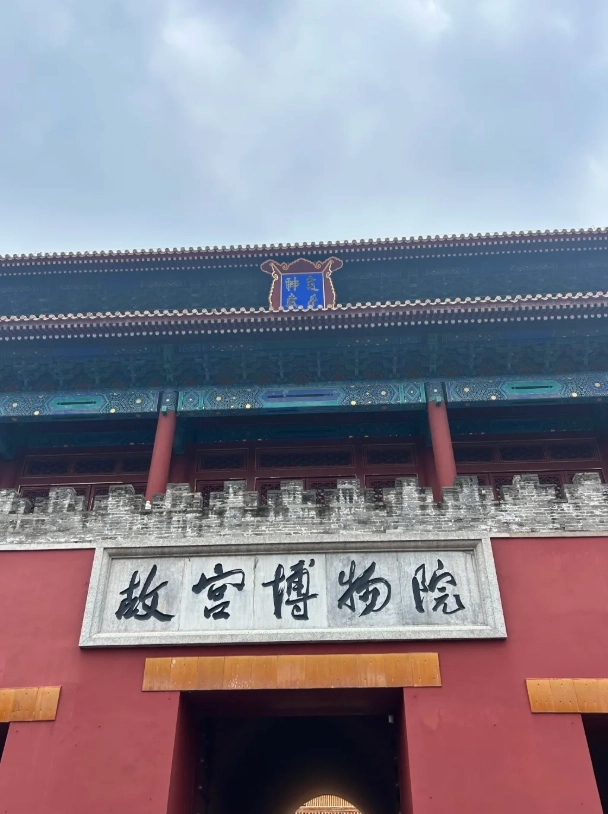
Planning a spontaneous weekend in Beijing? Here's exactly what to do in Beijing for a weekend, including a day-by-day itinerary, must-visit spots like the Forbidden City and Mutianyu Great Wall, plus insider tips on payments, public transport, and avoiding tourist traps.
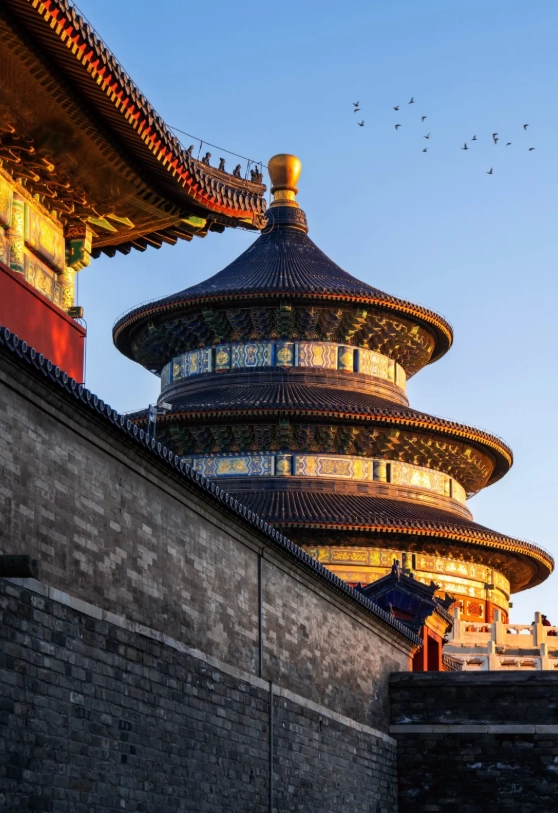
How many days to spend in Beijing? Discover the ideal trip length—3, 5, or 7 days—with my proven itineraries, practical transport tips, and local hacks to make every second count.
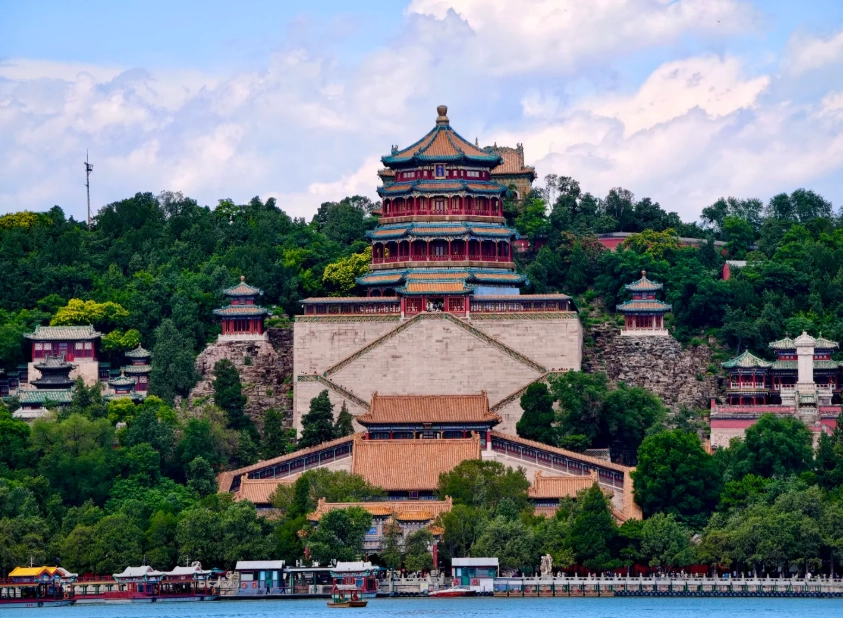
Planning a family trip to Beijing? Wonder what things to do in Beijing with kids will actually delight them without a meltdown? In this guide, a local tour guide shares proven spots, smart timing tricks, and insider tips on payments, booking, and navigation.
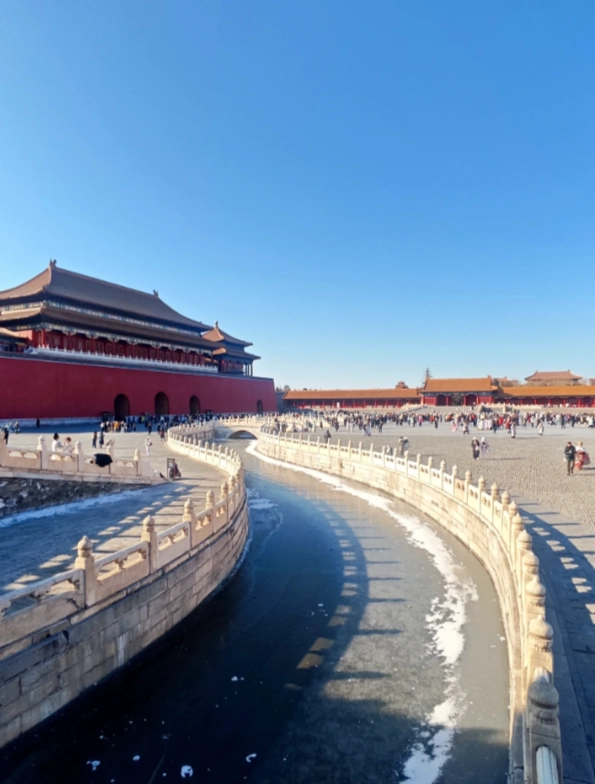
Looking for the best places to visit in Beijing? This insider guide reveals crowd-free times, ticket hacks, and hidden gems from a local tour guide. Save hours with proven tips on transport, payment, and booking. Perfect for first-timers planning their dream Beijing trip.
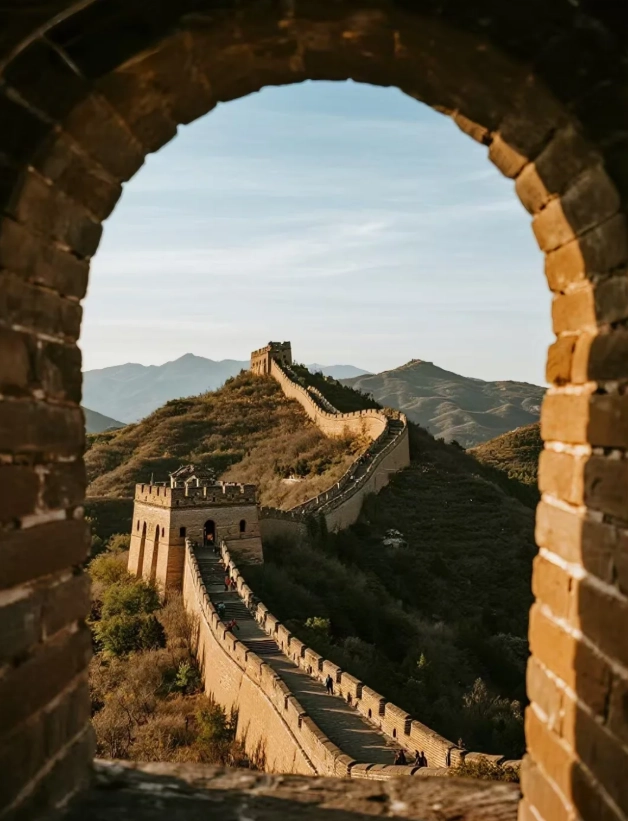
Planning a family summer trip to China? Get insider tips to beat the crowds, handle the heat, and keep kids happy. From Great Wall hacks to panda cuddles, here’s exactly what you need to know.
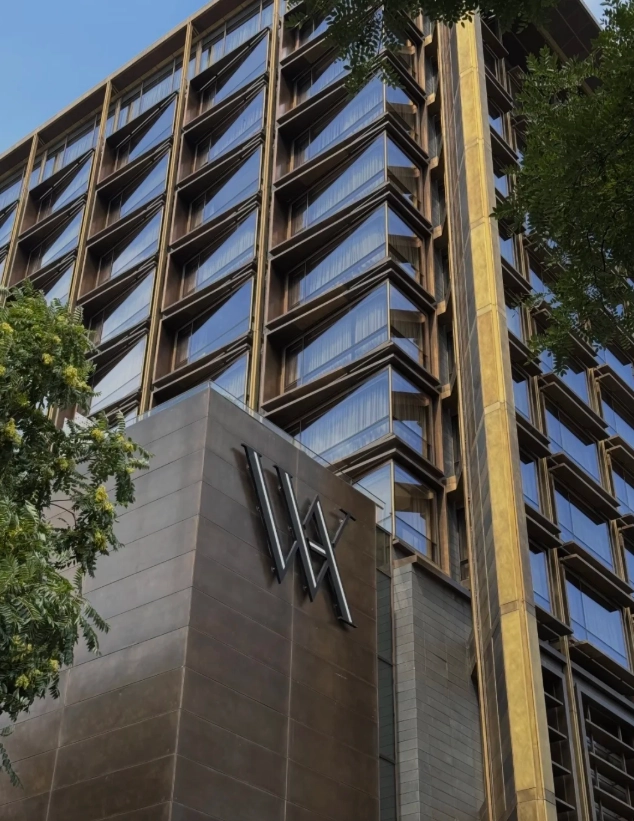
Struggling to find a Beijing hotel that accepts your foreign credit card and speaks English? Discover hand-picked hotels with easy booking, VPN-friendly wifi, and concierge that understand international travelers. Inside: real prices, WeChat workarounds, and a personal guide's top picks.
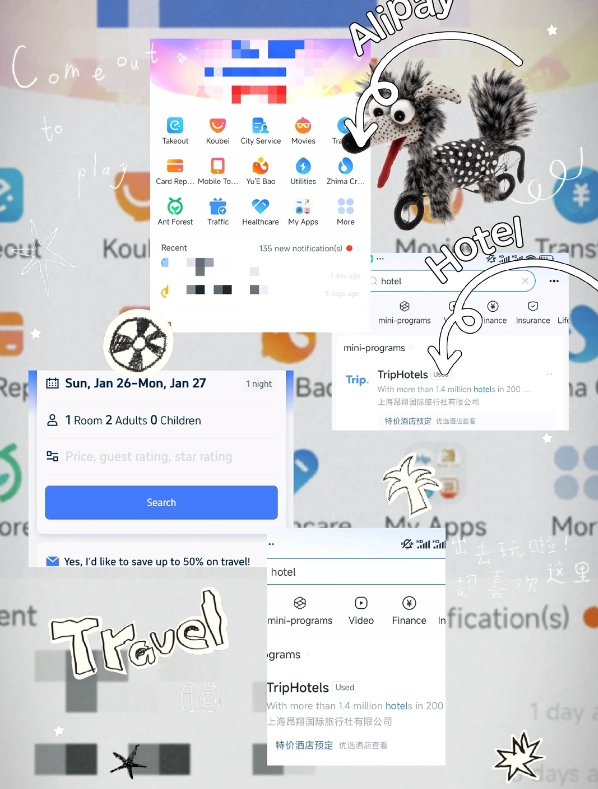
Struggling to book hotels in China? From payment hurdles to address confusion, here are insider tips to secure your stay hassle-free. Learn which platforms work, how to pay, and what to expect.
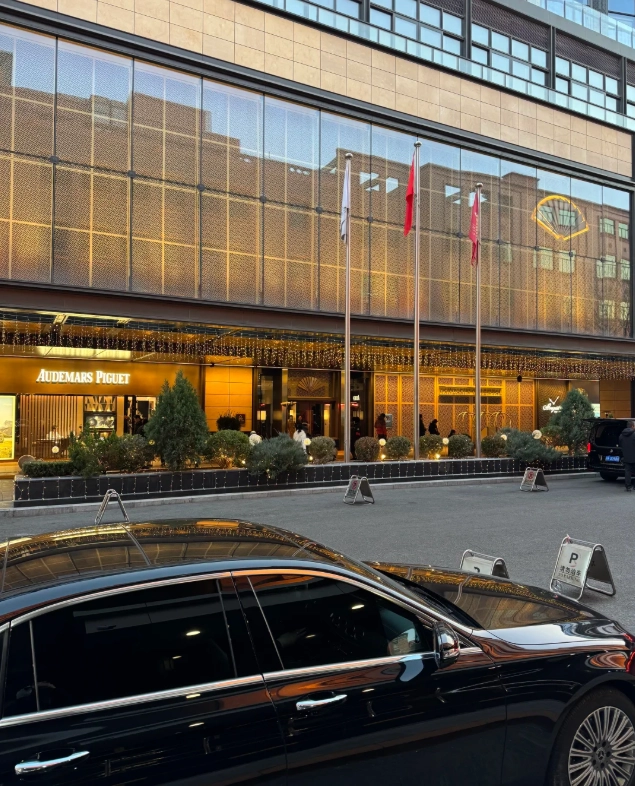
Dreaming of a lavish stay in China's capital? Discover our handpicked selection of Beijing luxury hotels with insider tips on booking, location, and hidden perks that most guides miss.
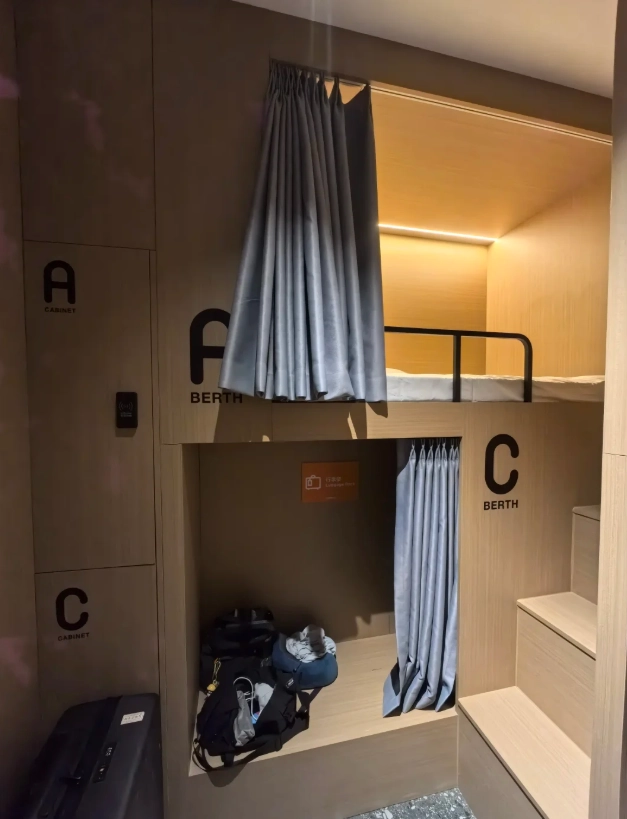
Looking for a clean, safe hostel in Beijing without wrecking your wallet? I share my top budget picks, booking tricks, and the sneaky fees most guides won't tell you about.
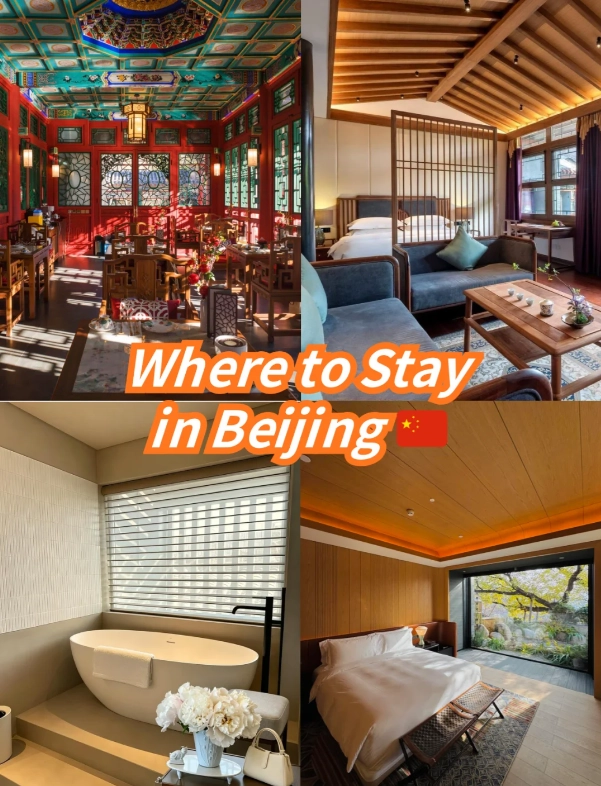
Overwhelmed by Beijing's size? This guide cuts through the noise. Based on a decade of guiding tourists, I break down the four best areas to stay for first-timers, with specific hotel picks, transport hacks, and what most blogs won't tell you.
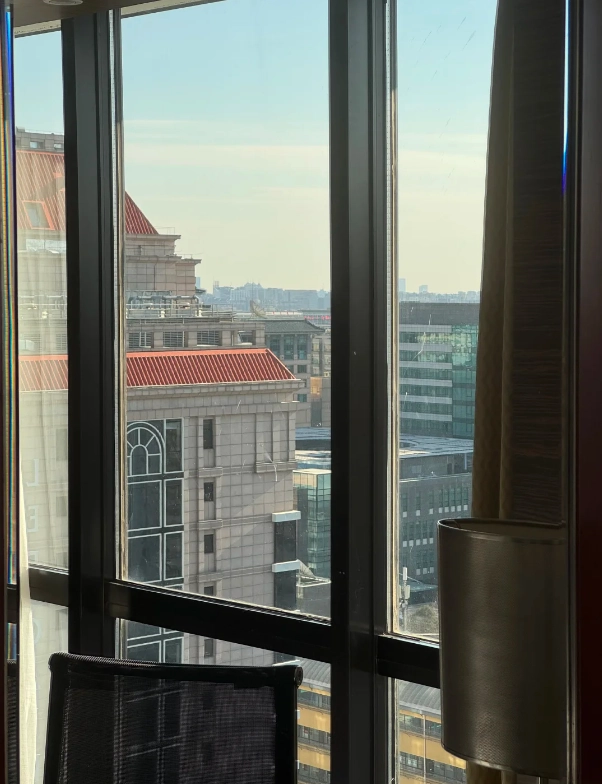
Wondering where to stay near the Forbidden City for the best experience? As a local guide with years of experience, I reveal the top neighborhoods, specific hotels, and insider secrets to optimize your visit, from quiet nights to easy access.
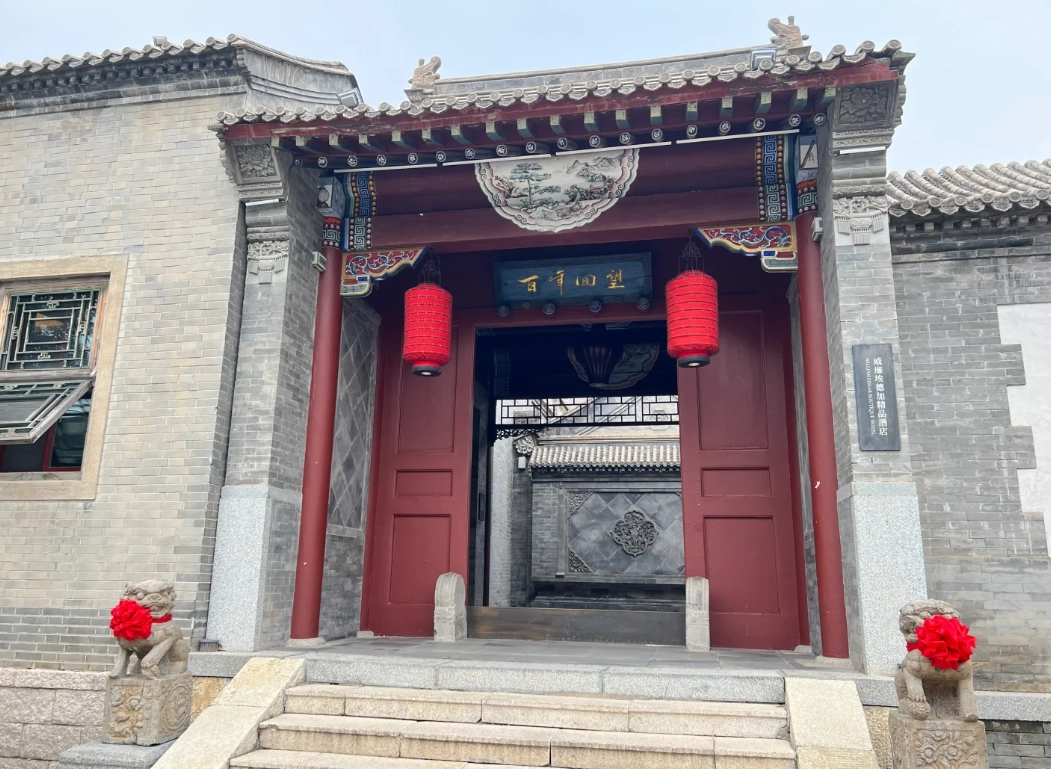
Planning a trip to the iconic Gubei Water Town and Simatai Great Wall but unsure where to stay? This guide cuts through the confusion with clear comparisons, insider tips, and actionable advice for choosing the perfect hotel, guesthouse, or homestay based on your budget and travel style.
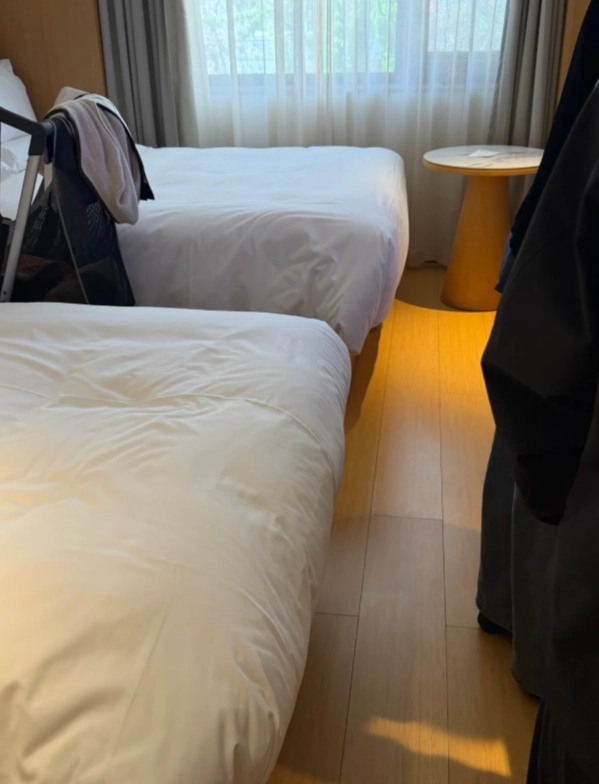
Wondering where to stay near Beijing Wildlife Park for a hassle-free visit? Get expert hotel recommendations, area insights, and booking tips from a local tour guide to optimize your trip planning.
Recent Reviews
I really wanted to love Beijing, but I left feeling conflicted. The security checks everywhere and enormous crowds at Tiananmen and the Forbidden City made it hard to enjoy. We had one awful experience with a tour group that took us to a 'tea ceremony' that turned into a hard sell for expensive tea. Some attractions like the Temple of Heaven are beautiful, but the constant hustle and smoggy days dampened my enthusiasm. The subway is cheap and easy, though. Okay, but not for me.
Beijing is a bucket-list city, no doubt. The Great Wall at Mutianyu was stunning and we had it to ourselves until noon. The Summer Palace is beautiful but absolutely mobbed, which took away some of the magic. Hotel staff were friendly, and Didi made getting around easy. Just be ready for long queues and some pushy vendors at tourist spots. If you manage expectations, you'll have an amazing time.
I came for the noodles and stayed for the history. Beijing's food scene is underrated—hand-pulled noodles in a tiny shop, braised beef, hotpot with a bunch of strangers sharing a table. Then there's Jingshan Park at sunset: the view over the Forbidden City's golden roofs gave me goosebumps. The hutong tour on a rickshaw felt touristy but still fun. Five days wasn't enough. This city got under my skin.
Beijing blew me away. The scale of the Forbidden City is something no photo captures, and walking through Temple of Heaven park in the morning with locals doing tai chi and dancing made me feel part of the rhythm of the city. The subway, once you get used to it, is incredibly efficient. Street food? Loved the roujiamo and sugary hawthorn sticks. Yes some places were crowded, but every corner rewards you if you look. Highly recommend.
Absolutely fell in love with Beijing. Got lost in the hutongs around Shichahai at golden hour—old grey brick walls, bicyclists ringing past, the smell of jianbing from a tiny stall. Climbed the Drum Tower and watched the city stretch out under hazy sunlight. Every meal was a highlight: Peking duck at a small local spot, lamb skewers in Guijie. Is it chaotic? Yes. But it's alive, layered, and unforgettable. Can't wait to go back.
Honestly, Beijing was a bit of a letdown for me. The air quality was poor—my eyes were stinging after just a few hours outside. The subway during rush hour is a nightmare, and many tourist spots like the Summer Palace felt overpriced and overly commercialized with souvenir hawkers everywhere. I also found it hard to find decent English menus outside tourist zones. Maybe I came with too high expectations, but I left feeling disappointed. Not my favorite trip.
Leave a Review