Three Lanes and Seven Alleys Overview
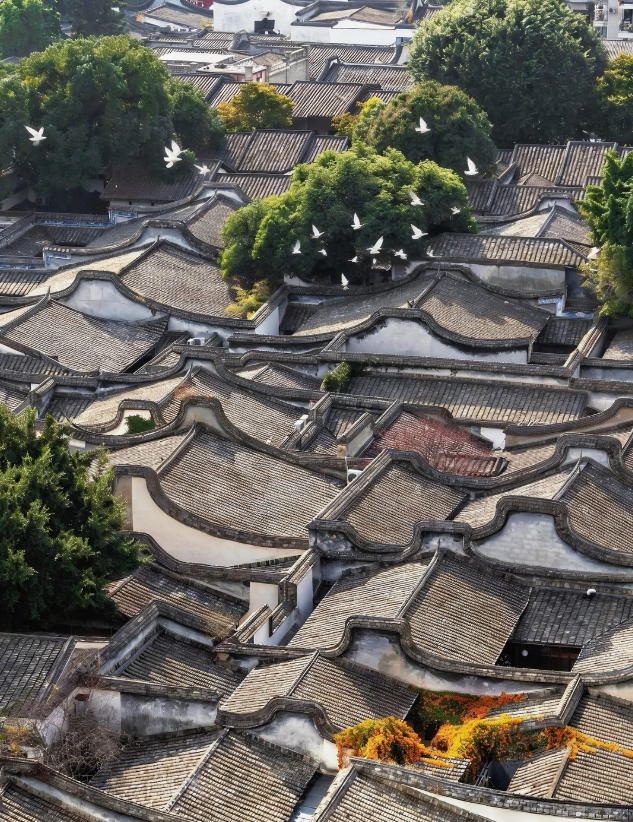
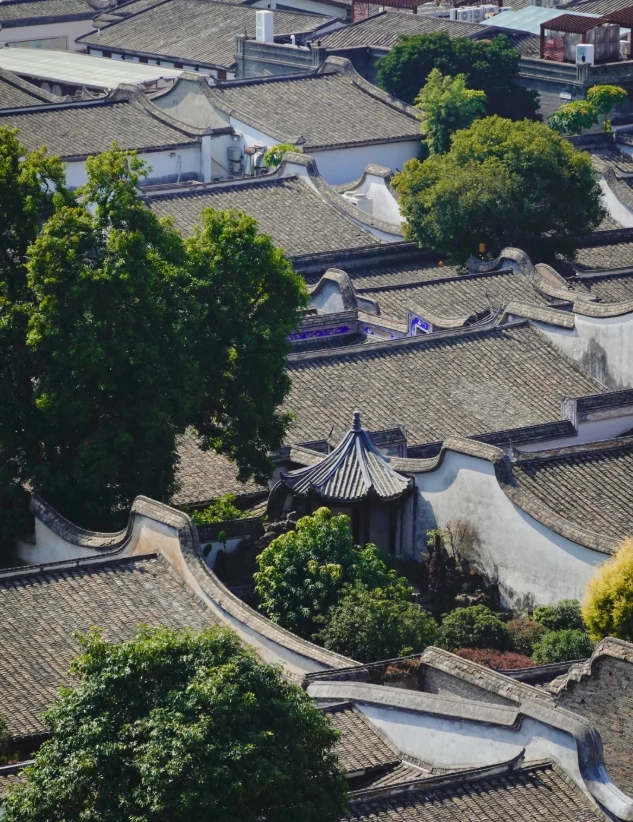
A beautifully preserved ancient block dating back to the Jin Dynasty, known as the 'Beverly Hills of Imperial China' and a living museum of modern Chinese history.
Three Lanes and Seven Alleys Opening Hours & Tickets
- Public streets 24/7; Historic houses typically 08:30-17:00
- Best season: October to April, avoiding the intense summer heat
- Ticket note:
Walking the main streets is free. A combined ticket is required to enter specifi...
Essential Three Lanes and Seven Alleys Visitor Information
- Enquiries: +86 591 8767 5791
- Public restrooms
- Tourist info center
- Boutique cafes
- Cultural shops
How to Get to Three Lanes and Seven Alleys
Metro Line 1 to Dongjiekou Station, Exit C.
Three Lanes and Seven Alleys Travel Safety & Advice
Dial 120 for medical emergencies. Police kiosks are located at main entrances.
Three Lanes and Seven Alleys Travel FAQ
Can I use a rental car to drive to remote food spots in Fujian?
If you're an experienced driver, yes. But I wouldn't recommend it in big cities like Fuzhou or Xiamen. Parking is chaotic, and many restaurants are in alleys with no parking. Take the metro or Didi (the Chinese Uber). It's cheaper and less stressful. For a day trip to mountain towns, consider hiring a private driver via your hotel.
Are there vegetarian options in Fujian?
Surprisingly yes, because Fujian has a strong Buddhist tradition. You'll find vegetarian restaurants near temples, and most places can make a version of meat dishes with tofu or mushrooms. Look for 'vegetarian' on the menu (素). I always order local vegetables like fried bamboo shoots or water spinach with garlic.
Is it safe to eat raw seafood from night markets?
Local people do, but you should be cautious. Stick to grilled or steamed items. If you crave raw oysters, eat them at a reputable restaurant with high turnover, not at a stall that may have been sitting out. Ask if the seafood is live by pointing to the tank.
How do I deal with food allergies if I don't speak Chinese?
Write down your allergies on a card in Chinese, with simple characters. For example: 'I'm allergic to peanuts' = 我对花生过敏. Show it to the waiter before ordering. Also, download the Baidu Translate app for emergency. I've seen it work in the most chaotic situations.
What's the best time to visit a night market?
Between 6 p.m. and 8 p.m. Vendors are fully stocked, and the crowd is manageable. After 9 p.m., some stalls shut down or run out of signature dishes. Also, weekdays are calmer than weekends.
How do I pay for street food in Fujian at night without Alipay or WeChat?
Honestly, it's hard. Some vendors accept cash, but many don't have change. The best workaround is to ask a local to help you scan their QR code and give them cash in exchange. Or you can buy a small item at a convenience store and use their mobile payment to break change. My advice: absolutely set up Alipay before you arrive — it's a game-changer.
Is it safe to visit Fujian's night markets alone as a solo traveler?
Yes, in general, it's very safe. Crime rates are low, and the markets are packed with locals. Just use common sense: keep your wallet in a front pocket, avoid flashing expensive jewelry, and don't wander into dim, empty alleys after midnight. If you're nervous, join a food tour or ask your hostel owner to give you a map with safe routes.
What should I wear for a night cruise in Xiamen during summer?
Summer nights can get windy and slightly chilly on the deck. I'd recommend a light jacket or a long-sleeved shirt. Also, choose flat shoes — the deck can be slippery. Don't forget insect repellent if you're sensitive, as the water attracts mosquitoes in the evening.
Can I use my international credit card at night markets in Fujian?
Almost never. Night markets are cashless zones for local payment apps. Even if a stall has a card reader, it's rare and only for Chinese bank cards. Stick to mobile payments or bring small bills as backup. Some larger restaurants might take foreign cards, but don't rely on it.
Can I see Three Lanes and Seven Alleys in 1 hour?
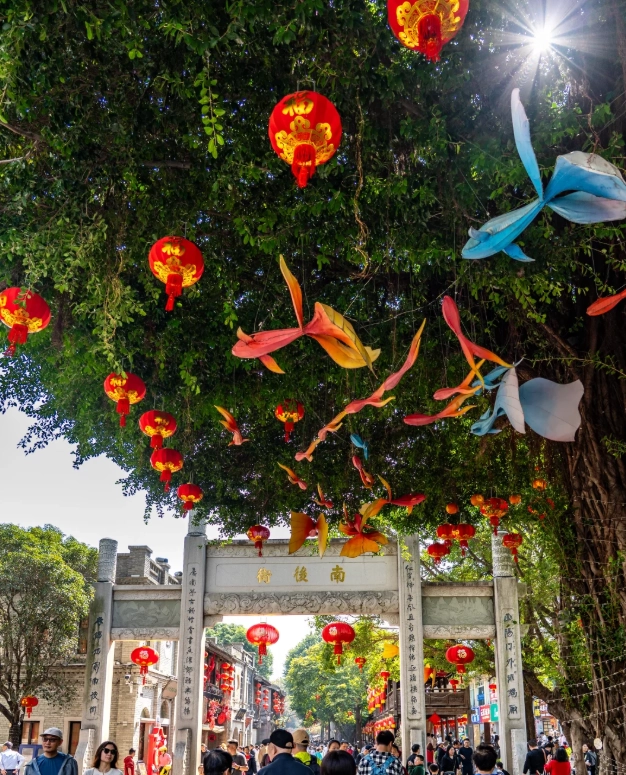
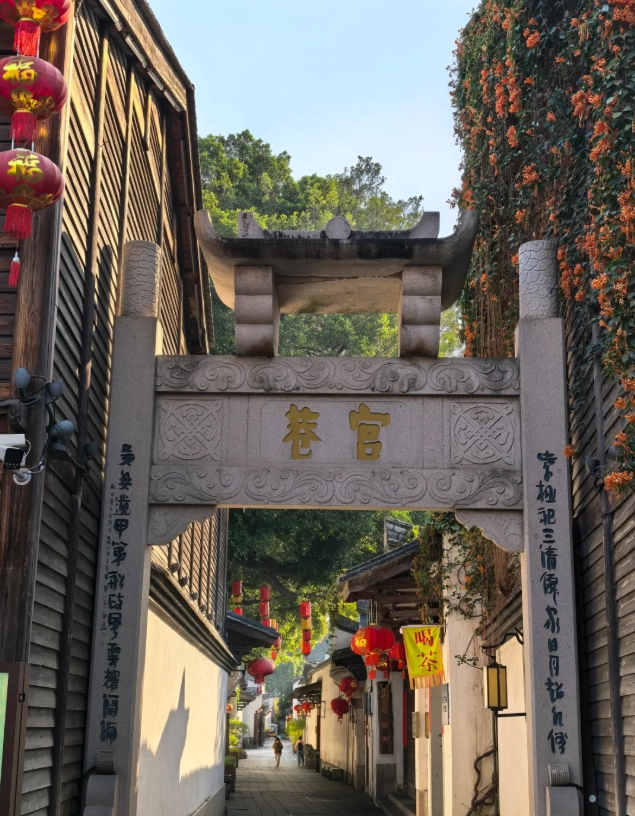
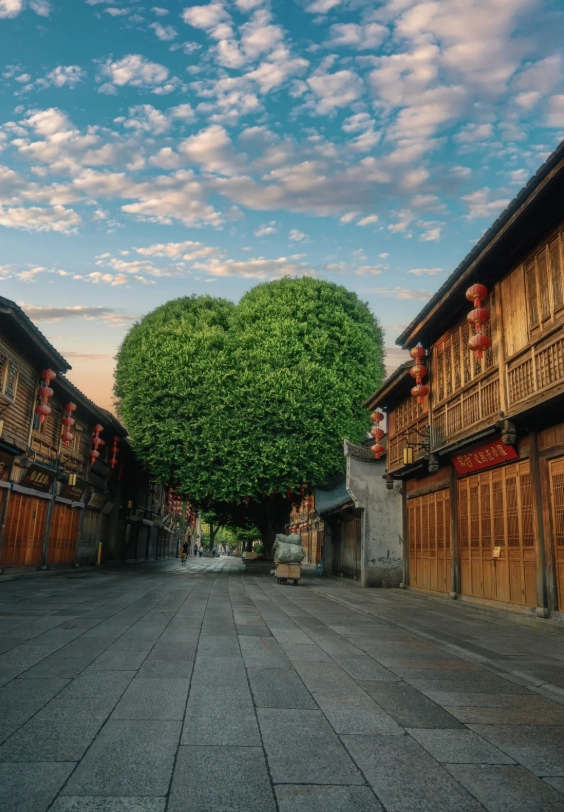
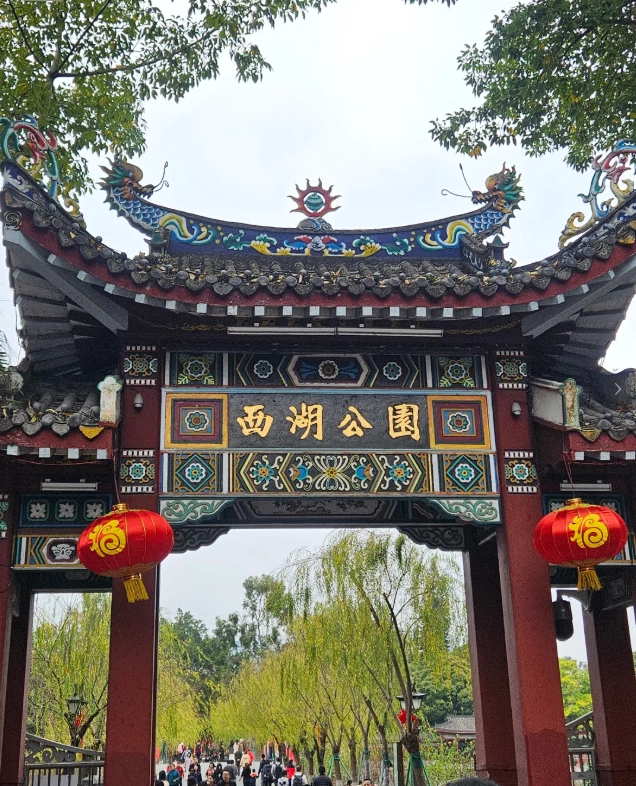
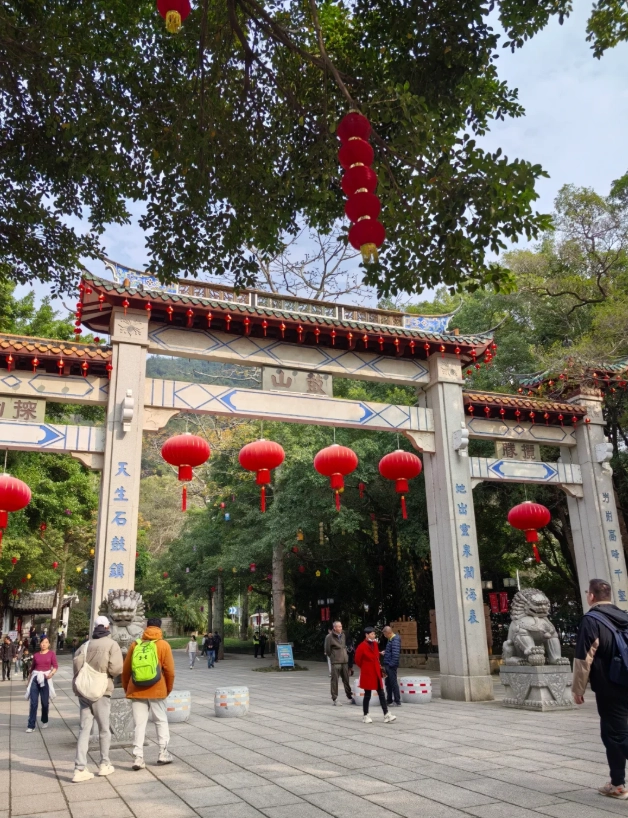
Technically yes, but you'll only cover Nanhou Street. You'll miss the alleys, the museums, and the real atmosphere. I'd skip it entirely if you only have an hour—better to spend that time at West Lake Park or the Fuzhou Museum. If you're forced to choose, just walk Nanhou quickly and snap a few photos near the memorial arch.

Recent Reviews
I don't usually write reviews, but this place deserves one. I joined a walking tour led by a retired local teacher, and he explained the lane names and the famous residents - so interesting. The architecture alone is worth the trip: carved woodwork, stone doorways, courtyards with old wells. Yes, there are crowds, but if you go early morning before the shops open, you can experience the lanes almost in silence. A rare piece of living heritage. I would visit again in a heartbeat.
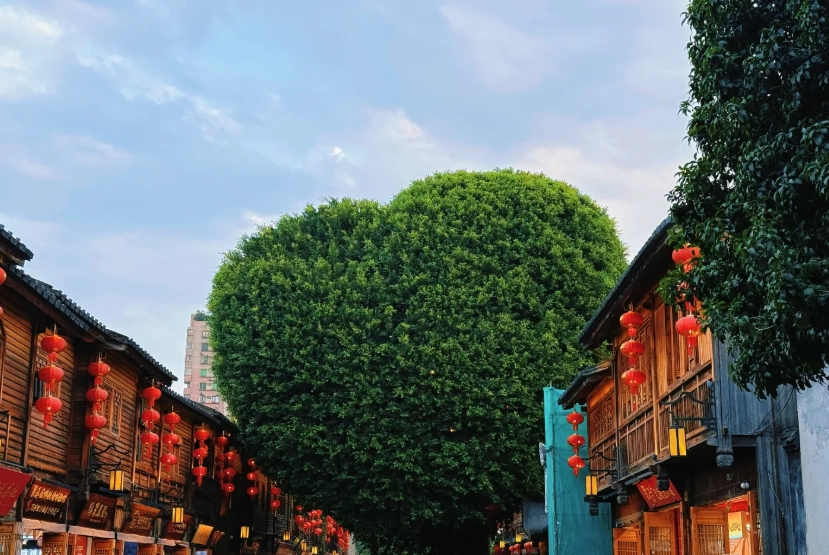
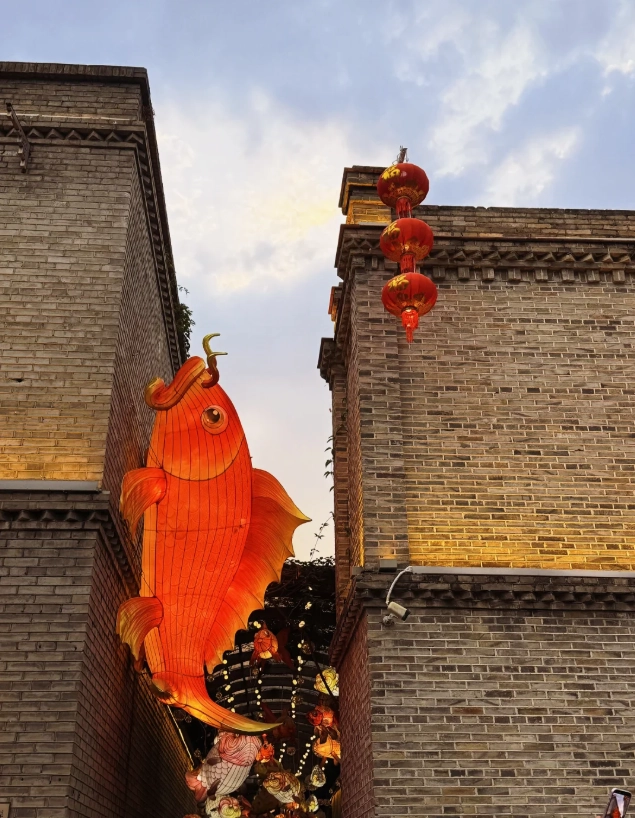
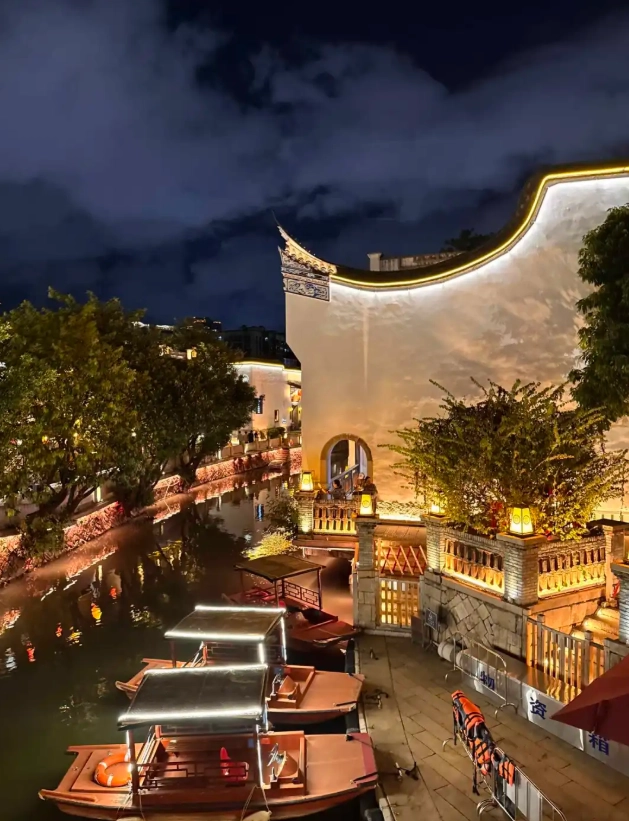
Absolutely loved this place! It's huge - I kept finding new alleys and hidden corners. Some of the traditional houses have been turned into galleries and museums, but the atmosphere still feels real. The lanterns at night are magical, and there were plenty of great snack stalls - I tried the local 'fish ball soup' and some sweet rice cakes, and both were perfect for a cool evening. Definitely the highlight of my time in Fuzhou.
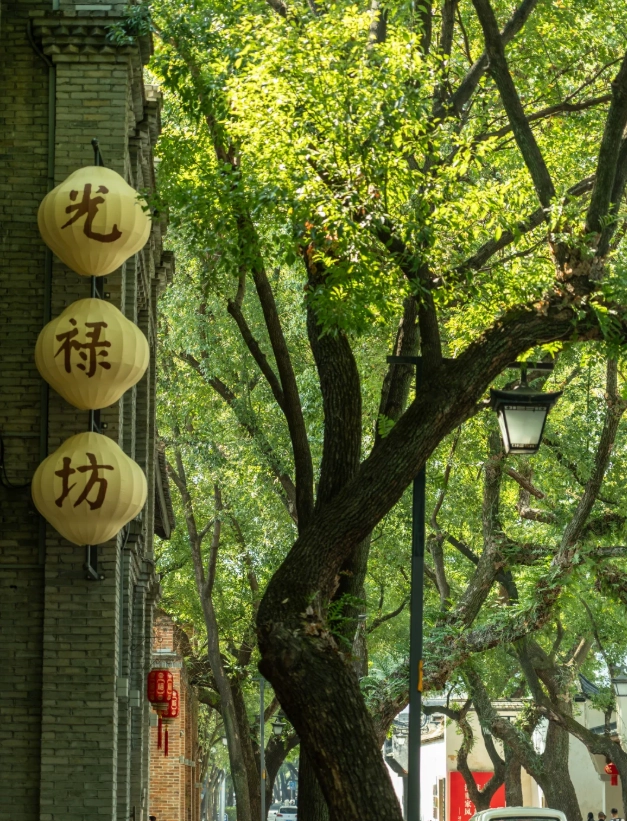
This was my favorite stop in Fuzhou. I have been to quite a few Chinese old towns, and Three Lanes and Seven Alleys felt surprisingly authentic. The ancient trees, the mossy bricks, the quiet inner courtyards - I could have spent all day just walking and taking photos. I stopped at a small tea house in one of the side lanes and the owner told me a bit about the Ming and Qing families who lived there. Beautiful, peaceful, and full of layers. Can't recommend enough.
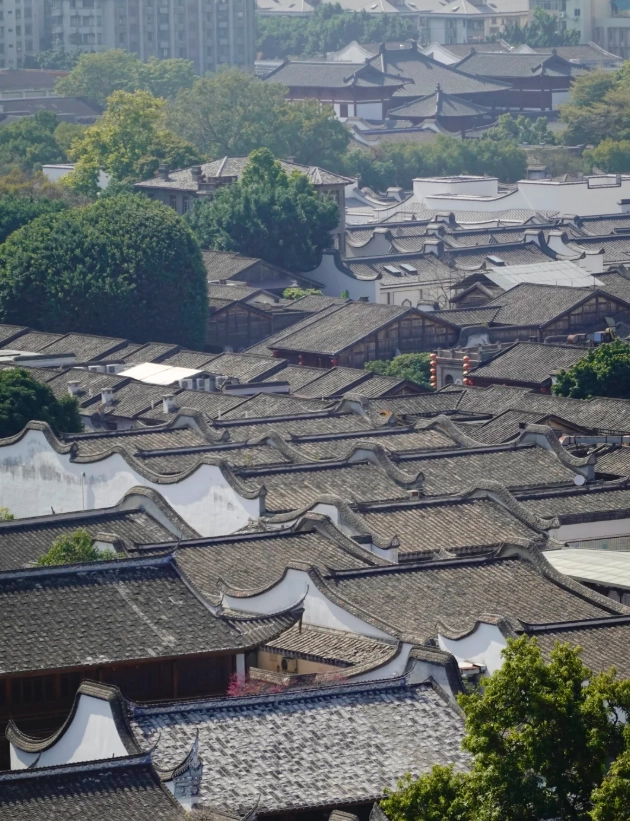
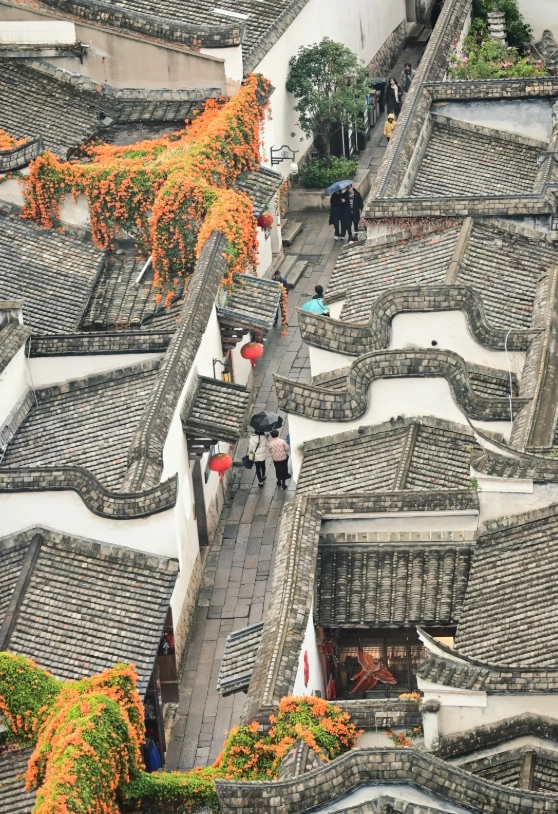
The architecture is really striking - white walls, grey tiles, those beautiful horse-head walls. I went at sunset and the lanterns were just starting to glow, which was lovely. I'm giving it 4 rather than 5 mainly because the main alleys were packed and some shops felt very mass-produced. Still, if you duck into the less busy side lanes and look up at the details, you'll find some genuine charm. Worth a few hours, especially if you like history and photography.
I really wanted to love this place, and the old lanes are pretty in photos. But honestly, it felt more like a shopping street than a historical site once you're inside. So many souvenir stalls and loud tour groups. A few of the courtyards are closed for renovation, and the signage is pretty confusing. I spent about two hours wandering, but left a bit underwhelmed. If you're expecting a quiet, authentic old town, this might not be it right now.
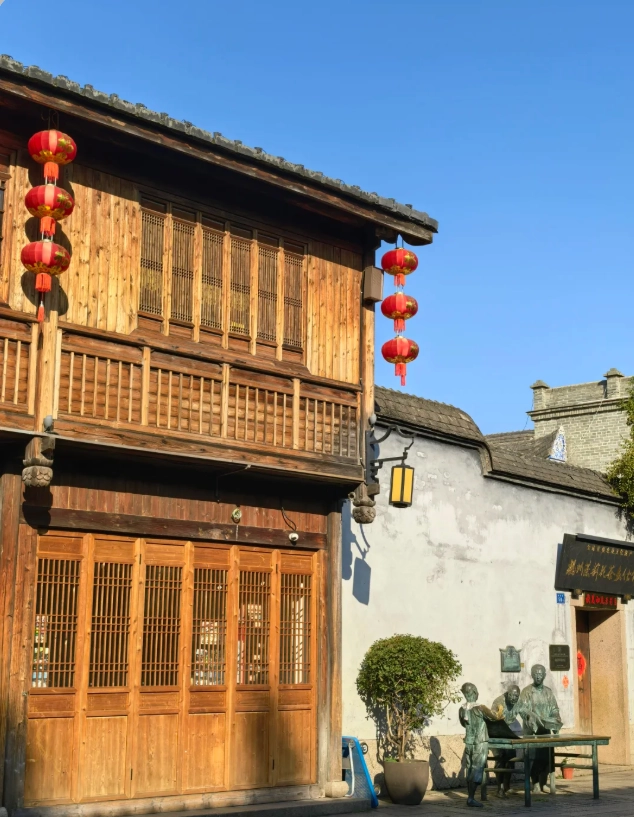
Photographer's dream! The late-afternoon light hitting the whitewashed walls and gray tile roofs is incredible. I liked that the main street is busy but the side alleys are calm and quiet. Good details: old arched doorways, potted orchids, washing lines still hanging in the courtyard windows. I visited on a weekday and had plenty of room to set up my tripod. There's also a lovely Wuyi rock tea shop in one of the lanes where the owner let me sit and watch the changing light. Would go back in a heartbeat.
Honestly this exceeded my expectations. I didn't research too much before going, but Three Lanes and Seven Alleys is not just one street—it's a maze of tiny alleys with beautiful courtyards, thick banyan roots, and old blue brick walls. I loved just getting lost. Had a nice conversation with a local making sugar paintings, and tried rouyan at a noodle place. Yes, some parts are touristy, but the atmosphere is still relaxed and very photogenic. The entrance is free too. Highly recommend combining it with a walk along Min River nearby.
Absolutely loved this place. I spent almost four hours wandering in and out of the little lanes—Yijin, Wenru, and the rest—just soaking up the atmosphere. The contrast between ancient walls and modern cafes is weird but somehow works. There are some excellent free museums hidden inside, especially the memorial hall about Lin Zexu. I also had a bowl of fish balls at a tiny shop near Nandao: super fresh and chewy. Go late afternoon when the lanterns come on; the whole neighborhood glows and feels magical. Best thing I did in Fuzhou.
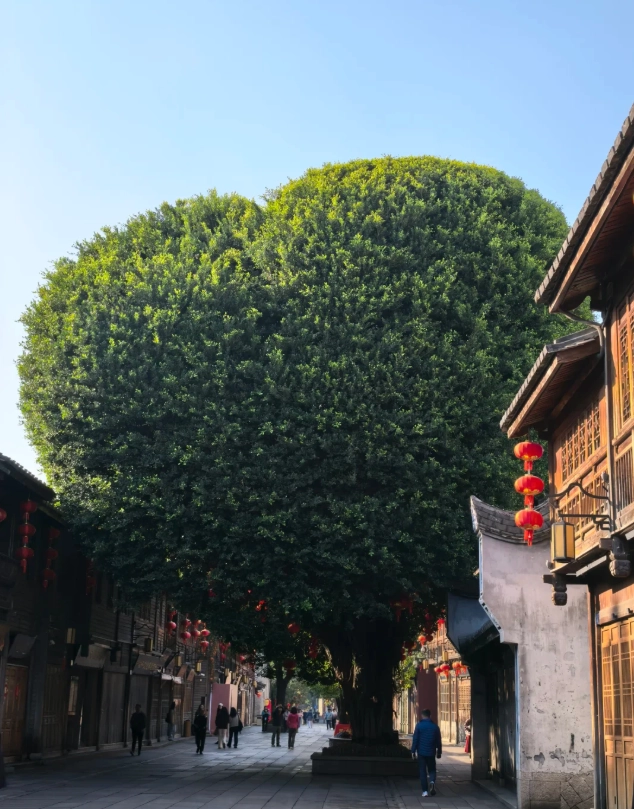
Great place to understand Fuzhou's old city layout. I went around 8am and had several alleys nearly to myself. The Min-style architecture is really charming—grey roofs, elegant carved stones, airy courtyards. Some buildings have been converted into museums, which are good, but a lot of the heritage houses are still used as shops or restaurants, so you're not always sure what is authentic. A few more English signs would help. If you set expectations correctly, it's a lovely morning walk, and the banyan trees are stunning.
It’s pretty, I’ll give it that. Some of the lanes with old wooden houses and stone paths have a nice feel. But honestly, it felt more like an open-air mall than a historic site, with tea shops, souvenir stores, and milk tea places everywhere. The main street was packed even on a weekday, and the side lanes that were quieter were mostly closed or under renovation. I kind of liked the big banyan trees and the old birdcage guy, but I expected more cultural depth. Fine for a wander, but not worth planning a trip around.
Honestly expected more. It's extremely crowded even on a Tuesday, and the constant hawking from shop owners kills the atmosphere. Many of the 'old buildings' felt freshly painted and artificial. We couldn't find any quiet corner to appreciate the history. Overhyped and too commercialized – wouldn't go again.
A charming historic area with a lot to see, though it's become quite touristy. Some shops are a bit overpriced for basic souvenirs, and the main lanes can feel more like a mall than a heritage site. That said, the side alleys are peaceful and the architecture is genuinely impressive. Worth a half-day visit if you're nearby.
Visited on a weekday morning and had most of the place to myself. The quiet beauty of the narrow lanes, the scent of jasmine tea drifting from a tiny teahouse, and the sound of a zither playing somewhere in the distance – it felt like stepping back in time. If you want an authentic, serene experience, go early.
Three Lanes and Seven Alleys is a paradise for food lovers! I tried the fish balls, oyster omelette, and the local sweet rice wine – all incredibly fresh and flavorful. The street food stalls are buzzing, and the souvenir shops sell beautiful handmade lacquerware. Only downside? Gets really crowded on weekends, but totally worth it.
Absolutely loved wandering through the ancient alleys here. The Ming and Qing dynasty architecture is incredibly well-preserved, and you can really feel the history in the cobblestone paths. Early morning light through the lattice windows made for stunning photos. A must-visit for anyone who appreciates traditional Chinese culture.
This is hands down the best preserved historic district I've visited in China. The Lin Zexu Memorial Hall and the folk custom museum gave deep context to the lives of Qing dynasty scholars. I spent a whole day exploring the three lanes and seven alleys, each with its own story. No tacky karaoke bars—just genuine culture, calligraphy, and old teahouses. Pure gold for anyone who loves real heritage.
Came for the food, stayed for the vibes. The fish balls in peanut soup, the sticky rice cakes with red bean, and the stinky tofu that actually tastes incredible—all found tucked away in side streets. Even the modern cafes serve excellent cold brew. The lanterns at night are stunning, and the staff at the small shops were friendly and patient. My highlight of Fujian so far!
Absolutely fell in love with this place! As a photographer, the light hitting those white walls and grey tiles in the late afternoon is pure magic. Every alley has a different mood—some quiet and residential, others buzzing with local artisans. The banyan trees and stone pathways make you feel like you've stepped into a Ming dynasty painting. 10/10 would recommend for history lovers and shutterbugs.
A nice escape from the city noise during early morning—before 9am it's almost peaceful. I enjoyed wandering the narrow lanes and peeking into the courtyard homes. Some of the museum exhibits are fascinating. My only gripe is that by noon it becomes a tourist circus and the coffee shops are absurdly overpriced. Still worth a short visit if you manage your expectations.
Honestly, I was a bit let down. The architecture is beautiful, but the crowds were insane—shoulder-to-shoulder on a Tuesday afternoon. Most of the shops sell the same overpriced tourist trinkets, and the 'authentic' snacks were just okay. If you've seen one old street in China, you've seen them all. Probably wouldn't go back.
I visited Three Lanes and Seven Alleys twice in one trip—that's how much I loved it! The first time was a quick daytime stroll, but the second time I joined a free walking tour and learned so much. The contrast between the bustling main lanes and the peaceful residential sections is wonderful. I bought a hand-painted paper umbrella and some local 'ding bian hu' (a kind of rice noodle soup). The whole area is very photogenic, and the staff at the visitor center were super helpful giving me tips. Definitely a highlight of my Fujian trip!
One of the best cultural walks I've done in China. The preserved architecture tells such a rich story of the literati who lived here. I hired a local guide (Mr. Chen) who shared incredible anecdotes about famous residents like Lin Zexu and Shen Baozhen. The evening lights make the stone paths glow, and I had the best oyster omelet from a tiny stall near the South Gate. Everything from the calligraphy shops to the bird-and-flower markets felt alive and authentic. Highly recommend—this is a 10/10 for any traveler.
Absolutely fell in love with this place! Wander off the main streets into the smaller side alleys and you'll find hidden courtyards, local teahouses, and even a few artisans still practicing old crafts. I spent a whole afternoon here, going from the woodblock printing shop to a tiny museum about the area's scholars. The scent of osmanthus flowers mixed with freshly made fish balls was unforgettable. If you're into history and slow travel, this is a must. Just avoid weekends if you can.
As a photographer, I was thrilled by the visual potential here—the Ming and Qing dynasty buildings are stunning, especially in the early morning light. However, the sheer number of people made framing a clean shot nearly impossible. I'd suggest going at sunrise or on a rainy day. The lane with the banyan trees and white walls gave me some amazing shots, but the constant honking from electric scooters in the narrow paths broke the mood. A solid 4/5 for the scenery, but the noise and crowds are a letdown.
Three Lanes and Seven Alleys is undeniably beautiful with its ancient architecture and winding alleys, but I couldn't shake the feeling that it's become overly commercialized. Every other shop sells the same mass-produced souvenirs, and the food stalls feel like they're just chasing tourist dollars. The crowds were overwhelming even on a weekday, making it hard to actually soak in the history. It's still worth a brief visit for the aesthetics, but don't expect an authentic cultural experience.
Honestly, I was disappointed. I'd seen so many glowing reviews online, but what I found was a crowded, overly commercialized pedestrian street with kitschy stores selling the same plastic souvenirs. The historical atmosphere is completely buried under selfie sticks and loud music from bubble tea shops. A few old houses are preserved, but you can't even go inside most of them. The food was average and expensive. If you've been to any other Chinese 'ancient street,' you've seen this one. Not worth the hype.
Good place for a half-day visit, but don't expect authenticity. The lanes are beautiful, no doubt, but almost every building now houses a chain shop or overpriced café. The crowd on weekends is insane — you can barely walk. I liked the Southern Song dynasty temple at the south end; that felt genuine. Probably better to come on a weekday morning. Also, the local snacks are decent but markups are high. Worth seeing once, but I wouldn't rush back.
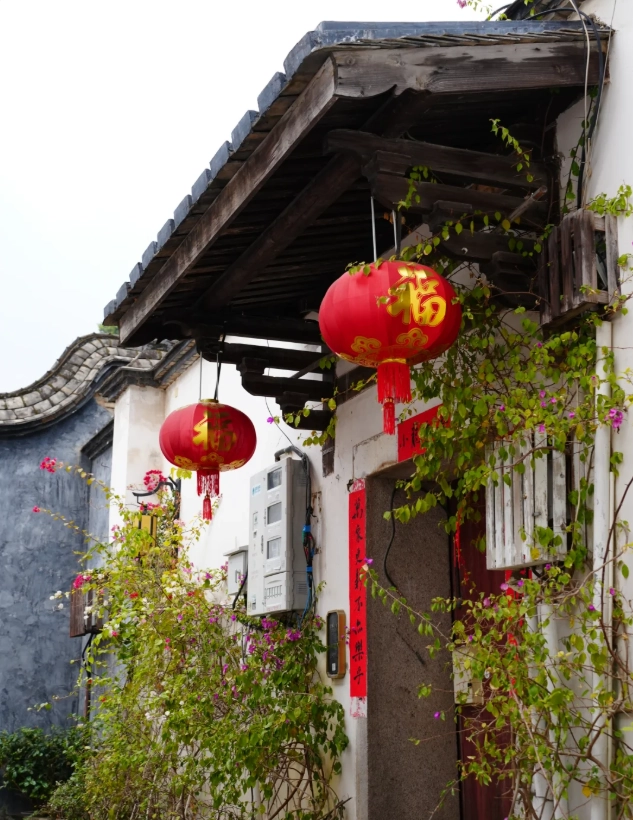
A photographer's dream. Every corner is picture-perfect — hanging red lanterns, old wooden doors, washing hanging from windows. I spent a whole afternoon just wandering without a map. Found a quiet courtyard with blooming plum blossoms and sat there for an hour. The only downside? Some areas felt a bit too polished, like a movie set. But overall, it's a lovely escape from the city noise. Perfect for a slow, reflective day.
Came for the food, stayed for the vibe! Three Lanes and Seven Alleys is a paradise for street food lovers. The fish balls in soup were bouncy and fresh, and the peanut soup was perfectly sweet. I also tried the famous Fuzhou spring rolls — crispy and packed with veggies. The whole area is lively with music, souvenir shops, and little stalls. Yes, it's touristy, but that's part of the charm. Would come back just to eat my way through again!
Absolutely fell in love with this place! Walking through the narrow alleyways feels like stepping back into Ming and Qing dynasty China. The architecture is stunning — intricate wood carvings, grey brick walls, and those iconic stone paths. I visited early on a weekday, so it was peaceful enough to really soak in the atmosphere. Stopped by a small tea house and had some jasmine tea while watching locals play chess. This is the real soul of Fuzhou. Don't miss the folk art museum tucked away in one of the lanes. A must-see for history lovers!
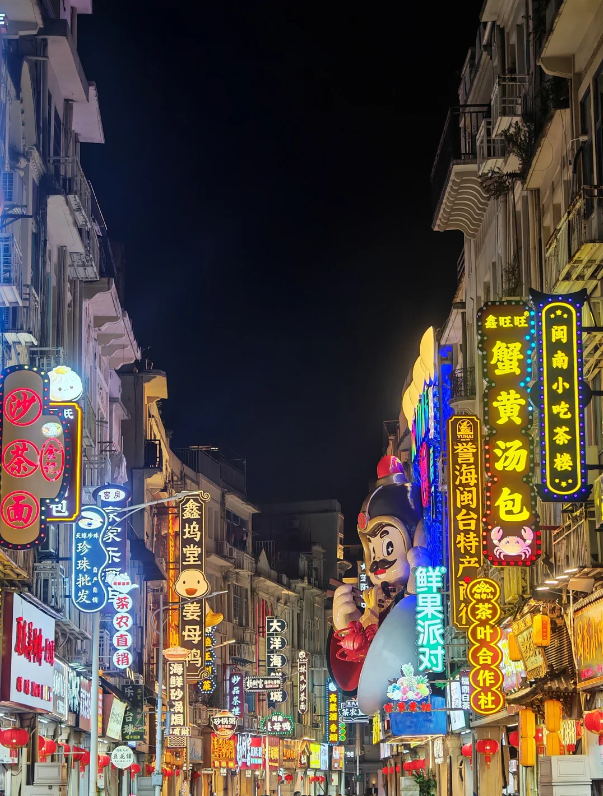
Easily the best historical stroll I've done in China. Three Lanes and Seven Alleys is massive – you won't see it all in one day. The free walking tour (starts near the main gate at 10am) was led by a local history buff who knew every detail about the famous residents. Feels well-preserved without being too sanitized. Loved the small art galleries between the souvenir shops. Don't miss the night scene with all the lit-up signs!
A photographer's paradise! I was here during golden hour and the low light hitting those ancient white walls and grey tiles was pure poetry. The intricate wood carvings on the doors, the stone pathways, the hanging lanterns – composition heaven. Yes it's touristy, but if you step off the main lane into the smaller alleys like Huang Alley, you get real, quiet Chinese old-town vibes. Highly recommend for anyone who loves architecture shots.
Absolutely magical! We spent the entire afternoon wandering through the lanes, stopping at a tiny tea house tucked away in a courtyard. The owner brewed us oolong and told stories about the Ming dynasty scholars who once lived here. It felt like stepping back in time. Every corner is a photo op, and the local snacks (try the fish balls!) are incredible. 10/10 would come again.
A solid day out, but I expected more authenticity. The preserved buildings are beautiful, especially the little alleys off the main strip. However, too many stores are now chain bubble tea and snack joints. The intangible cultural heritage museum inside is actually free and very informative – that was the highlight for me. Worth a visit if you're in Fuzhou, but go early morning before the crowds arrive.
Honestly, I was a bit underwhelmed. The architecture is charming, but it's insanely crowded even on a weekday, and most of the shops sell the same overpriced souvenirs. The tourist trams honking constantly killed the historic vibe. If you've been to any other ancient Chinese street, you've basically seen this one too. Not terrible, but not worth the hype.
Fantastic place! I visited with my family and we all loved it. The kids enjoyed the little museums and the ice cream shops hidden in the alleys. We spent about 3 hours here and still didn't see everything. The architecture is incredible—so much history in one small area. I also appreciated that it's free to enter and explore. Will definitely come back next time we're in Fuzhou. Highly recommended!
What a gem! As a photographer, I was in heaven. The black-and-white traditional houses, the winding alleys, and the occasional cat lounging on a doorstep—everything is so photogenic. I loved the quiet corners where you can hear birds and the sound of footsteps on stone. The lanterns at dusk are magical. Definitely one of the most atmospheric spots I've visited in China. Five stars without hesitation.
Honestly, I was a bit disappointed. The place has historical charm, but it's so packed with tourists that it loses its authenticity. Many of the shops sell the same mass-produced souvenirs, and the food stalls were overpriced. I also found the signage confusing—it's easy to get lost without a map. Maybe if I had gone on a weekday it would have been better, but for me it was just okay. Not terrible, but I wouldn't rush back.
I really enjoyed my time here, but it got very crowded around noon. The lanes are beautiful and well-preserved, and there are plenty of interesting museums and tea houses. However, some of the shops felt a bit too touristy for my taste. Still, it's a great place to spend a few hours, especially if you go early in the morning. I'd give it 4 stars because the vibe is nice but the commercialization is hard to ignore.
Three Lanes and Seven Alleys is absolutely stunning! The cobblestone pathways, ancient architecture, and the mix of small cafes and local shops create an unforgettable atmosphere. I spent an entire afternoon just wandering and taking photos. Every corner feels like a step back in time. Highly recommend visiting in the late afternoon when the light is golden and the crowds thin out. This place is a must-see in Fuzhou!
I had mixed feelings about Three Lanes and Seven Alleys. The concept is great — a historic neighborhood with traditional buildings — but the execution felt a bit too commercialized. Many of the shops sell identical souvenirs, and there were constant loudspeakers blaring generic 'traditional music' which killed the vibe. I also noticed some areas looked like they had been 'aged' with fake grime for Instagram appeal, which felt inauthentic. The actual history is there, but it's buried under tourist gloss. Maybe I caught it on a bad day, but I expected more. Okay for a quick stroll, but not the magical experience I read about.
Pretty cool place overall — definitely worth a visit if you're in Fuzhou for a couple of days. The architecture is beautiful and the atmosphere is very photogenic. I really enjoyed the lantern displays in the evening. However, I found the signage a bit confusing; it was hard to figure out which lane was which without using my phone. Also, some of the cafes seemed overpriced for what they offered. A 4 rating because it's charming but could use better organization and a few more affordable food options.
Three Lanes and Seven Alleys is an absolute gem. I visited on a rainy Tuesday morning and had most of the place to myself — the wet cobblestones glistened under the grey sky, and the sound of dripping water from the eaves was so peaceful. The shops are mostly artisan, no tacky tourist traps. I bought a hand-painted fan from a lovely elderly craftsman and chatted with him about the history of the area. The only tiny letdown was that one of the famous lanes was under renovation, but that's minor. Highly recommend for anyone who loves history and slow travel.
Honestly, this is one of the most atmospheric historic districts I've ever visited. The lanes are incredibly well-preserved, and the mix of Ming and Qing dynasty architecture with modern boutiques works surprisingly well. I loved the little museum inside one of the old residences — it gave so much context about the merchant families who lived here. The street food was also a highlight: try the 'rouyan' (meat燕) from a small stall near the south gate. Only downside? It gets crowded on weekends, so go early. Still, totally worth a 5-star rating.
Absolutely fell in love with this place! Three Lanes and Seven Alleys feels like stepping into a living postcard. The narrow cobblestone lanes are lined with ancient buildings that somehow blend traditional charm with cute little cafés and art galleries. I spent an entire afternoon just wandering, taking photos, and sipping jasmine tea in a hidden courtyard. Every corner has a story — the old banyan trees, the intricate woodcarvings on the doorways. One elderly local even showed me a secret alley that isn't on any map. If you're in Fuzhou, this is a must-see. Bring comfy shoes and an empty camera roll!
Leave a Review