Is Hubei Worth Visiting: Honest Tips & Top Attractions
Is Hubei worth visiting? This guide covers top attractions, costs, transport, food, and insider tips to help you decide. Perfect for first-time visitors to China.
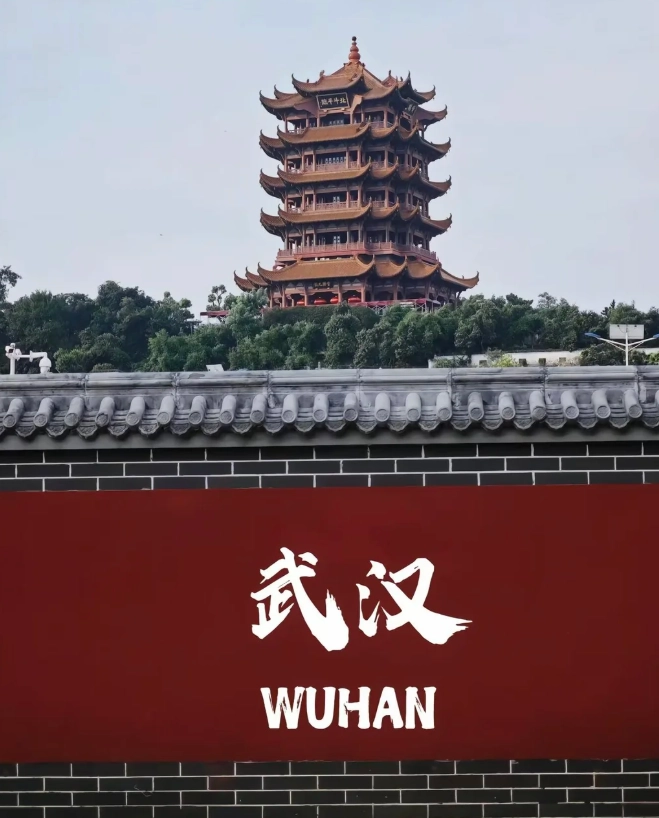
The capital of Hubei, formed by the merger of Wuchang, Hankou, and Hanyang. A massive metropolis split by the Yangtze and Han Rivers.
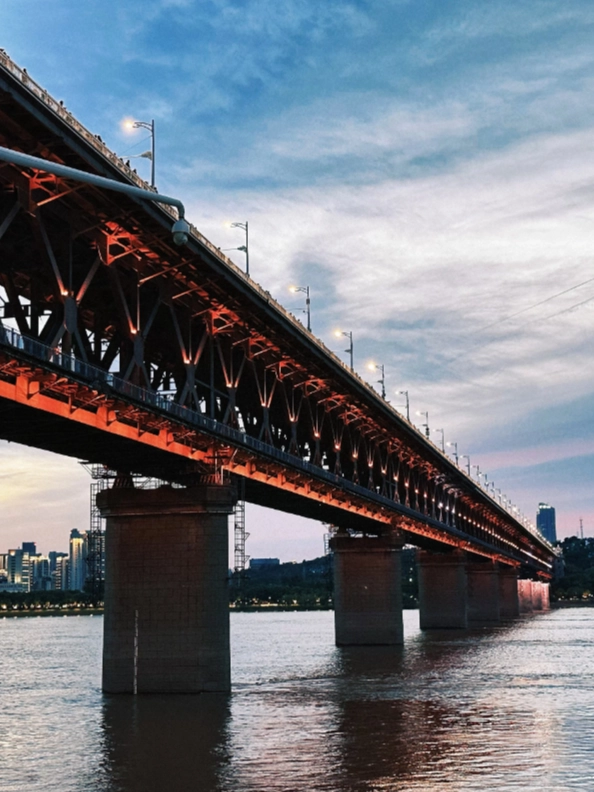
Home to the first bridge ever built across the Yangtze River, completed in 1957.
Wuhan University hosts one of the most famous cherry blossom viewings in Asia every spring.
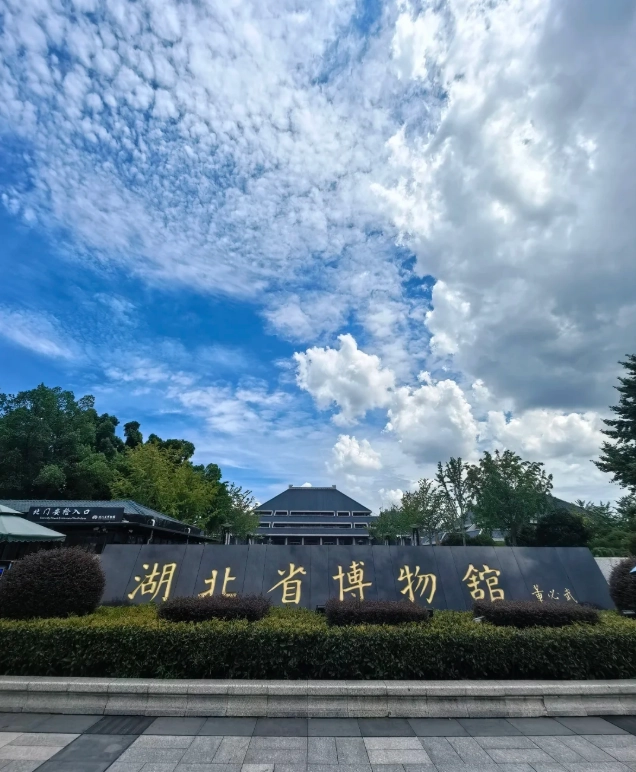 National First-Class Museum
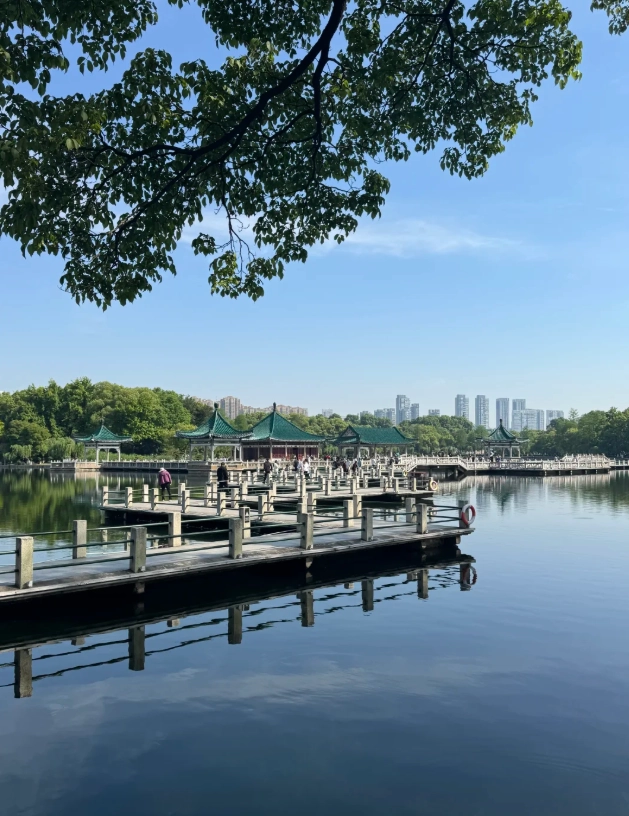 National 5A Scenic Zone
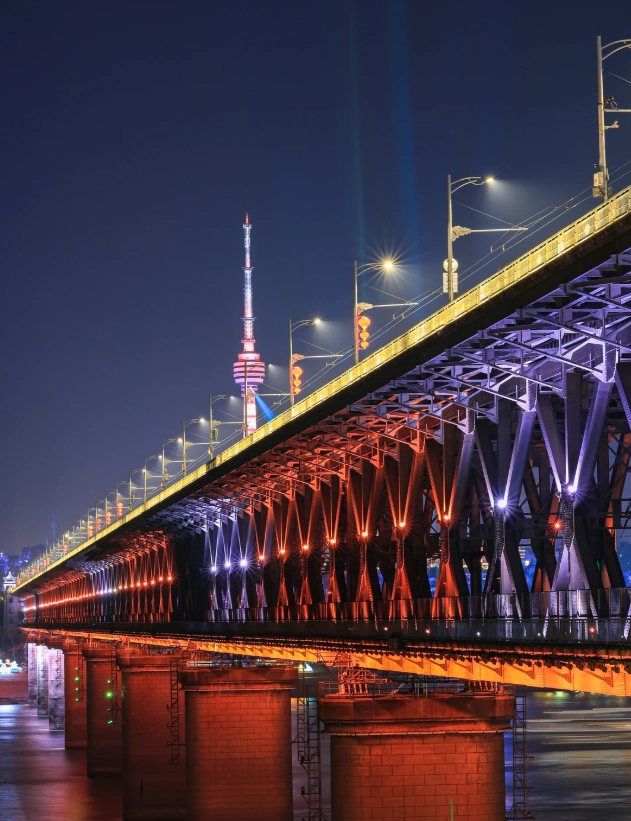 First Bridge over the Yangtze
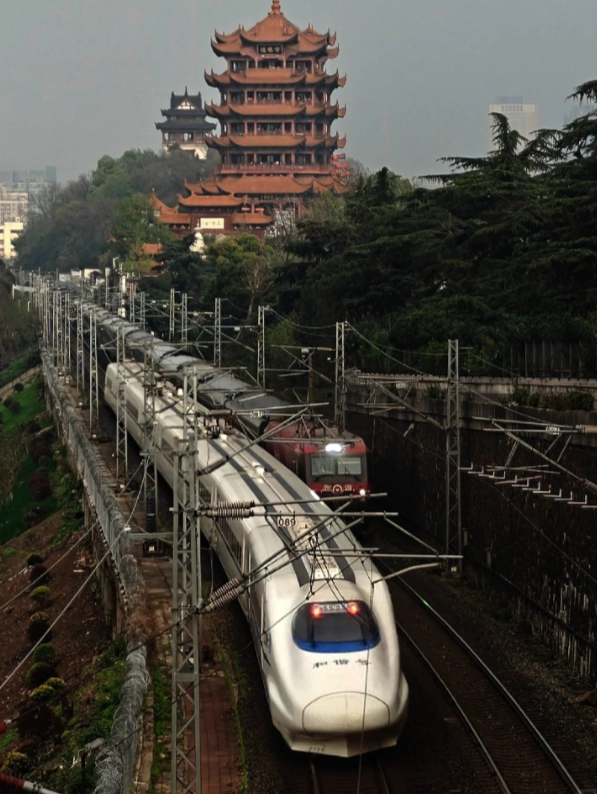
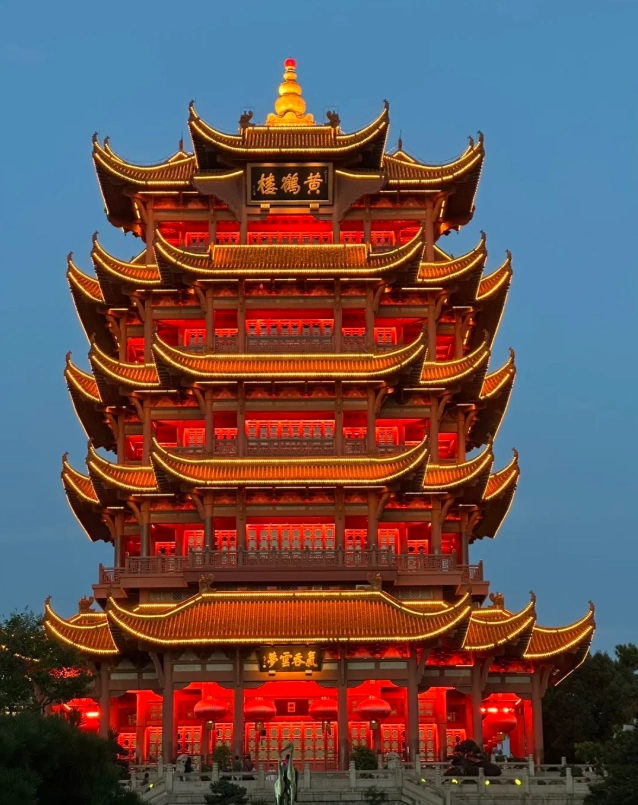 Four Great Towers of China
Is Hubei worth visiting? This guide covers top attractions, costs, transport, food, and insider tips to help you decide. Perfect for first-time visitors to China.
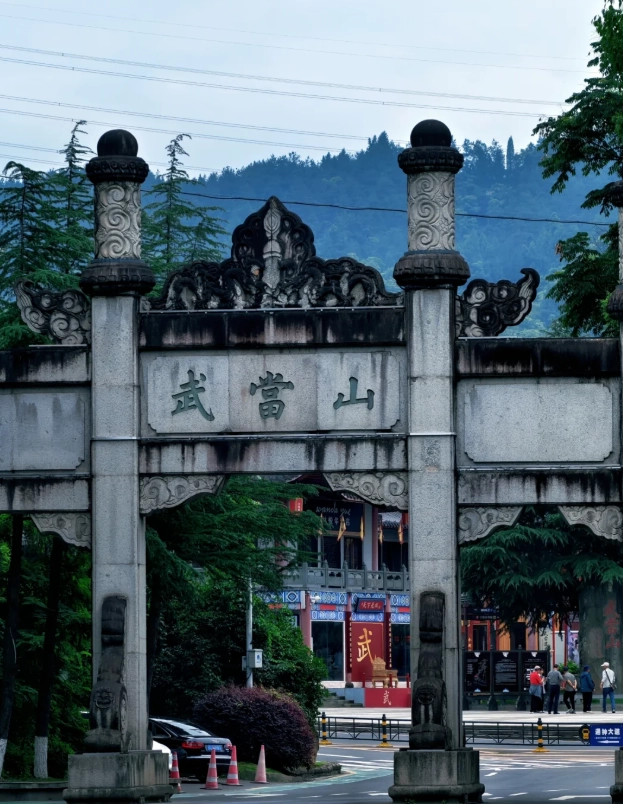
Planning a trip to Hubei but unsure which tourist attractions deserve your time? Discover insider tips from a local guide, avoid common mistakes, and navigate payment, transport, and language barriers with ease.
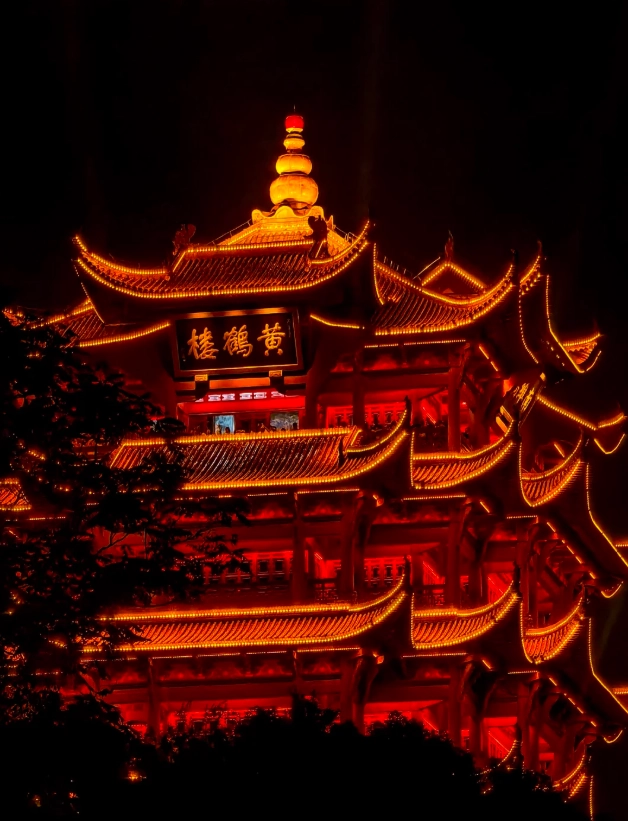
Are you planning a weekend in Hubei but overwhelmed by choices? This local guide covers the best three weekend itineraries, up-to-date ticket prices, and practical tips on payments and navigation. Perfect for first-timers.
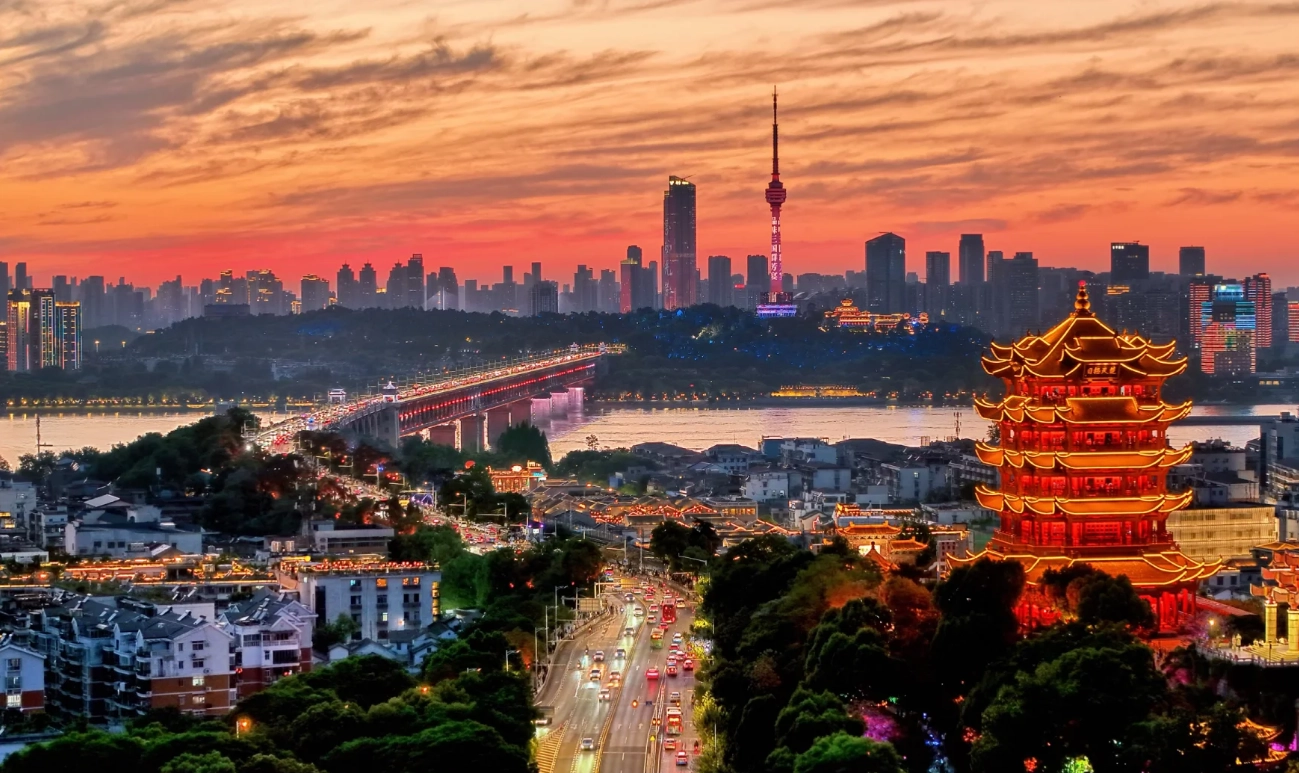
Wondering what to do in Hubei? From the massive Three Gorges Dam to the sacred Wudang Mountain, here’s how to plan your days, avoid tourist traps, and handle payments and booking as a foreign traveler.
Are you planning a weekend in Hubei but overwhelmed by choices? This local guide covers the best three weekend itineraries, up-to-date ticket prices, and practical tips on payments and navigation. Perfect for first-timers.
Wondering what to do in Hubei? From the massive Three Gorges Dam to the sacred Wudang Mountain, here’s how to plan your days, avoid tourist traps, and handle payments and booking as a foreign traveler.
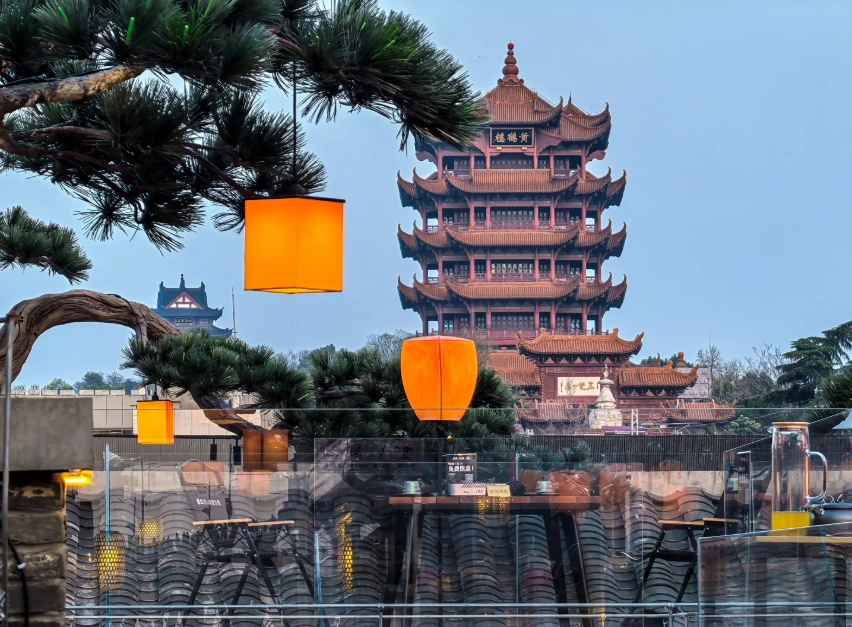
Planning a 3-day trip to Wuhan? Here's a local guide's honest itinerary with secret tips to skip lines, eat like a local, and avoid tourist traps. Includes detailed transport, tickets, and backup plans.
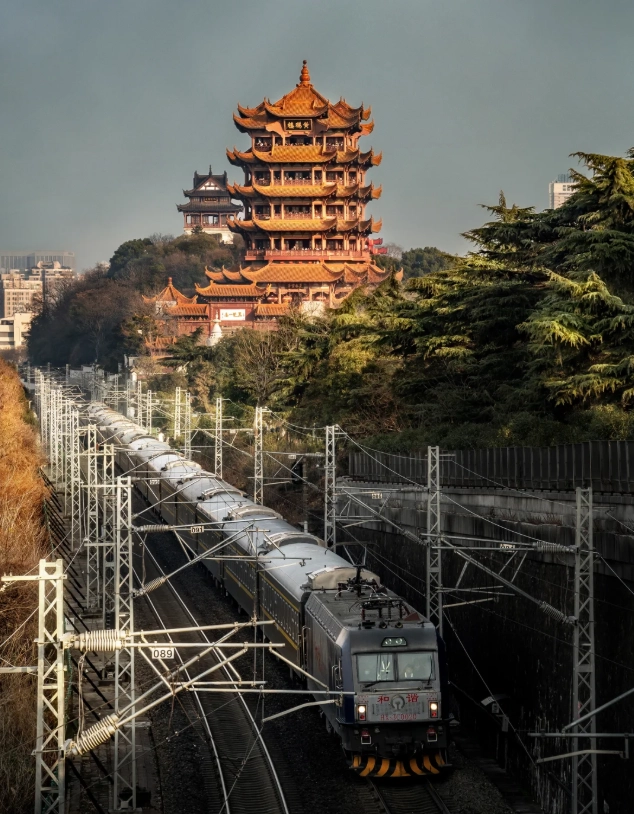
Planning a trip to Wuhan? Find out exactly how many days you need to experience the best of this central China city, from Yellow Crane Tower to hot dry noodles, with insider tips to avoid crowds and save money.
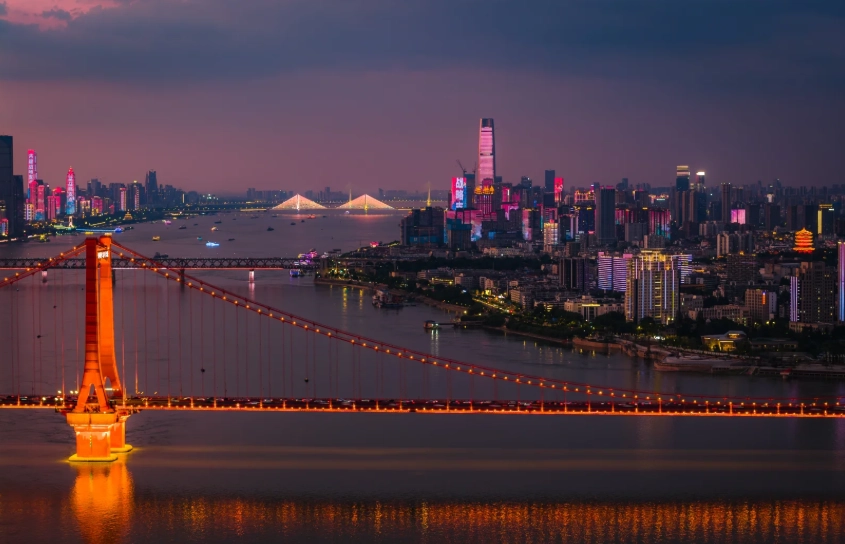
Planning a Wuhan family trip? Avoid the crowds and discover kid-friendly attractions, local food tips, and a realistic 5-day itinerary that won't exhaust everyone.
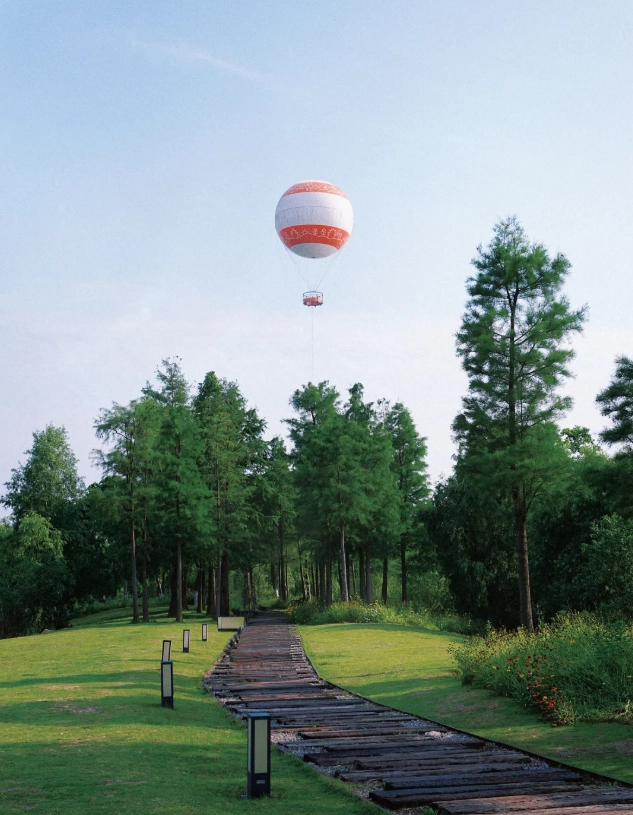
Planning a full day at East Lake Scenic Area but overwhelmed by its size? Discover the perfect itinerary with insider tips on transportation, ticket booking, and hidden spots that most tourists miss.
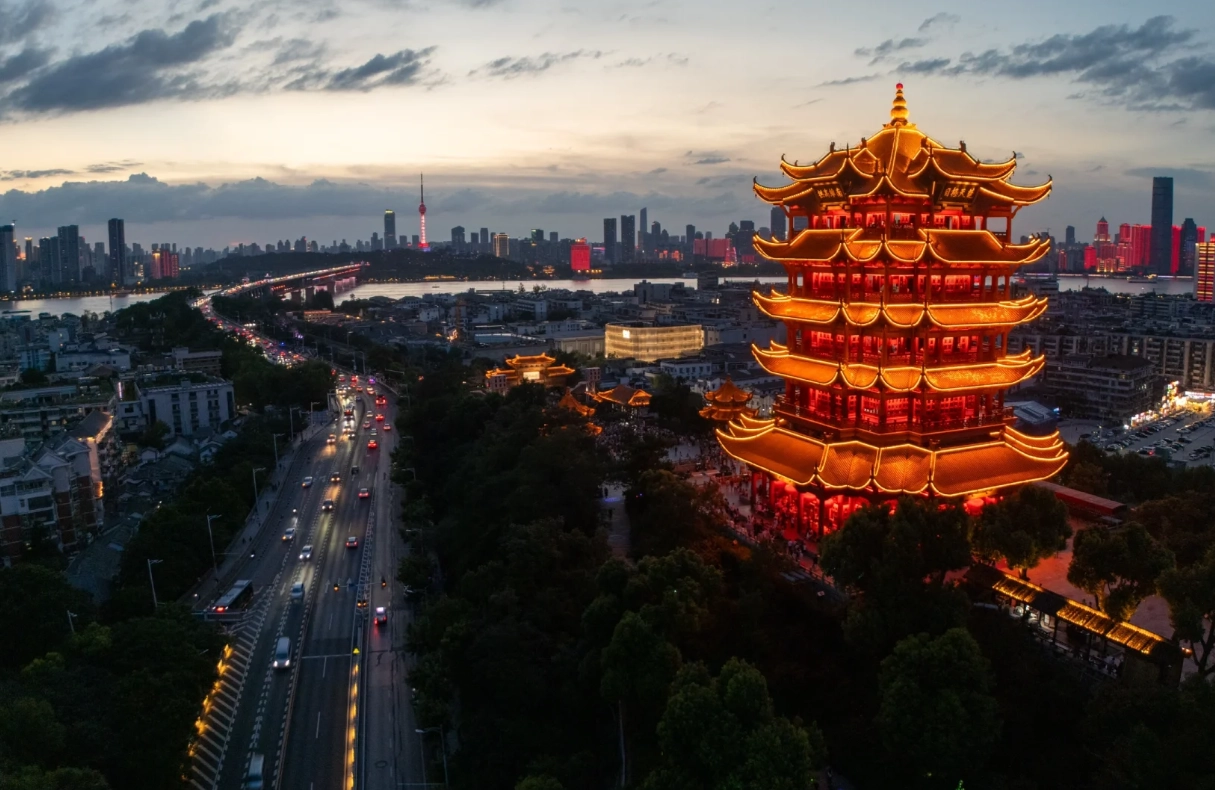
Got a long layover in Wuhan? Here's my tried-and-tested 24-hour plan covering Yellow Crane Tower, Hubu Alley breakfast, Yangtze River Bridge walk, and local food secrets — plus how to avoid the visa headache.
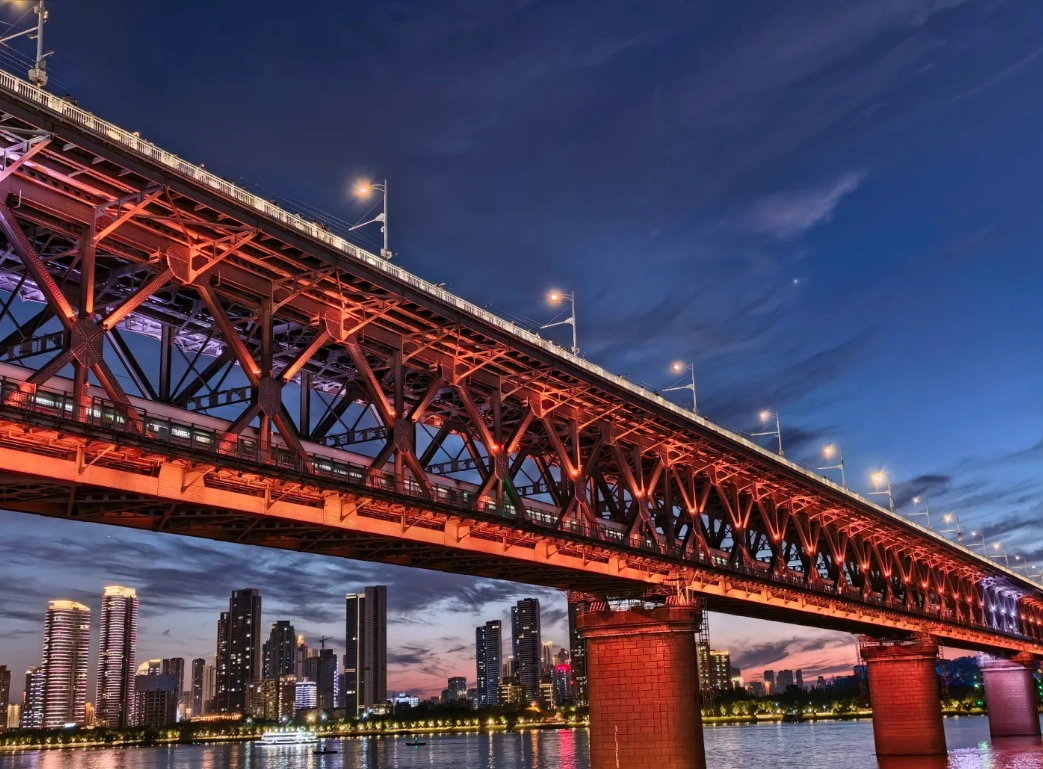
Planning a Wuhan 5-day itinerary? Discover how to avoid the crowds, eat like a local, and hit all the must-see spots with insider tips from a guide who lives there.
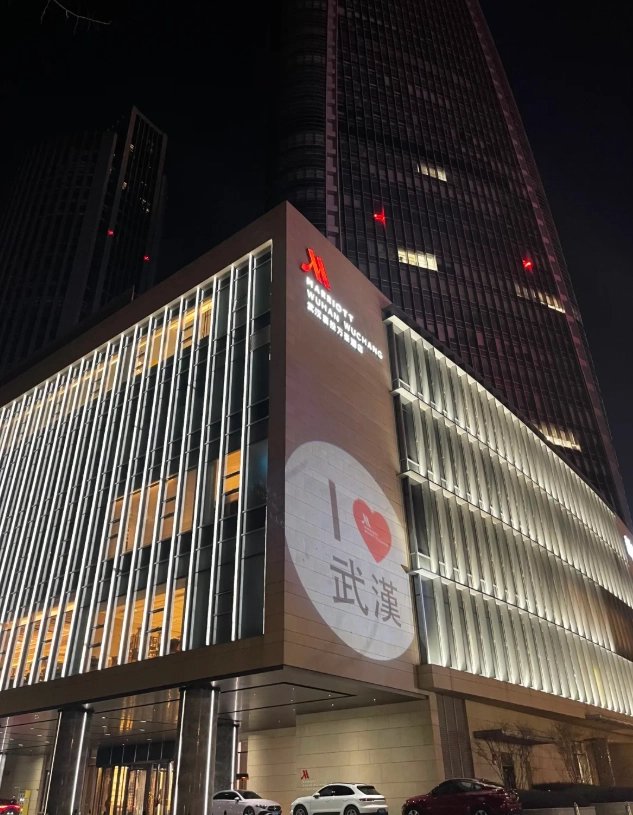
Confused about where to stay in Wuhan? As a local guide, I break down the 5 best areas—Wuchang, Hankou, Hanyang—with hotel picks, transport tips, and money-saving secrets. Perfect for first-timers.
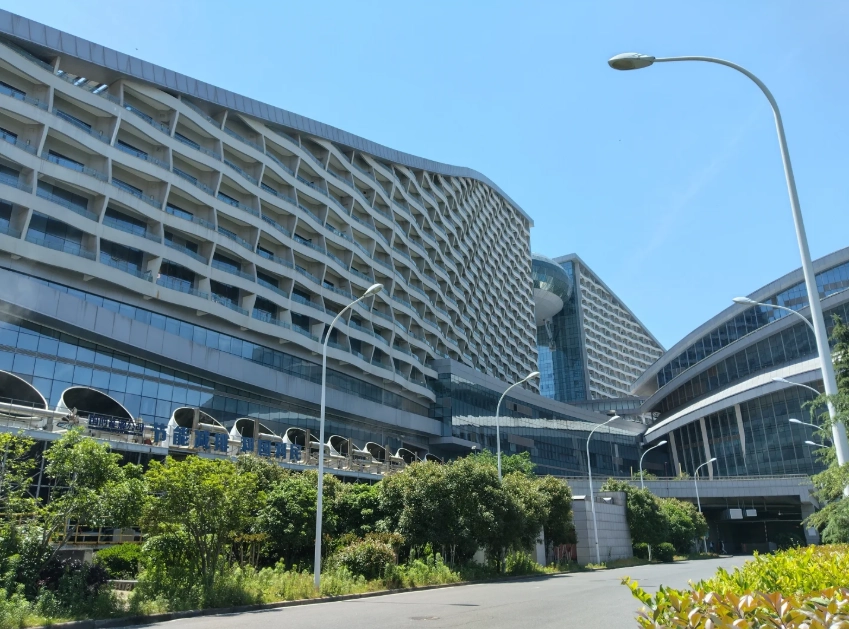
Struggling to find a Wuhan hotel that accepts international guests and speaks English? I've tested dozens, and share the top areas, verified hotels, and booking hacks to avoid common pitfalls.
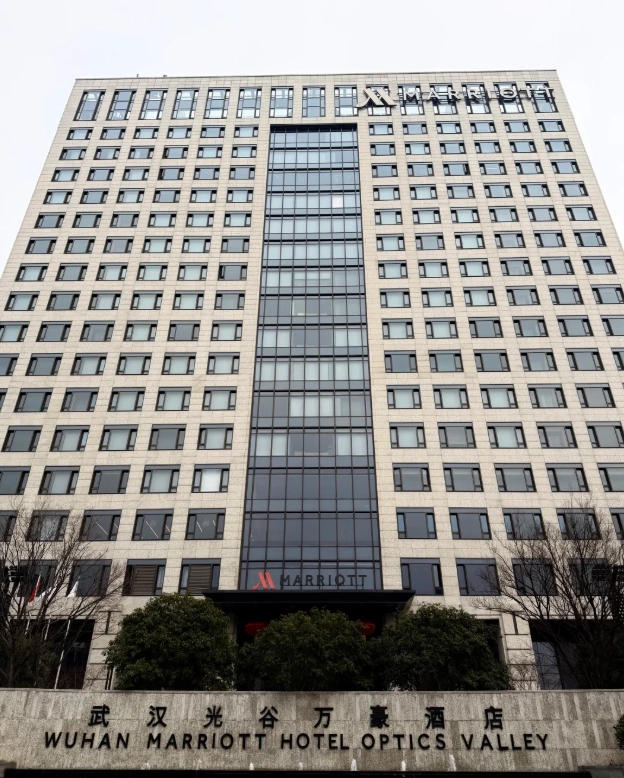
Struggling to find where to stay near Hubei Provincial Museum? I’ll break down the best neighborhoods, budget-friendly hotels, and hidden tricks to save time and money—based on years of guiding travelers through Wuhan.
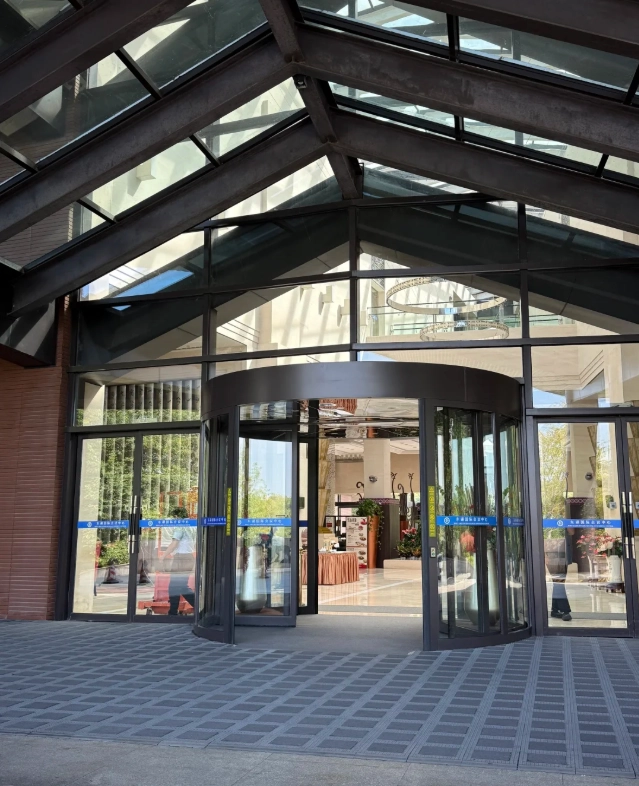
Planning a trip to East Lake Scenic Area in Wuhan and not sure where to stay? Discover the best neighborhoods, hotels, and insider tips to save time and money. From luxury lakeside resorts to budget hostels, find your perfect base near East Lake.
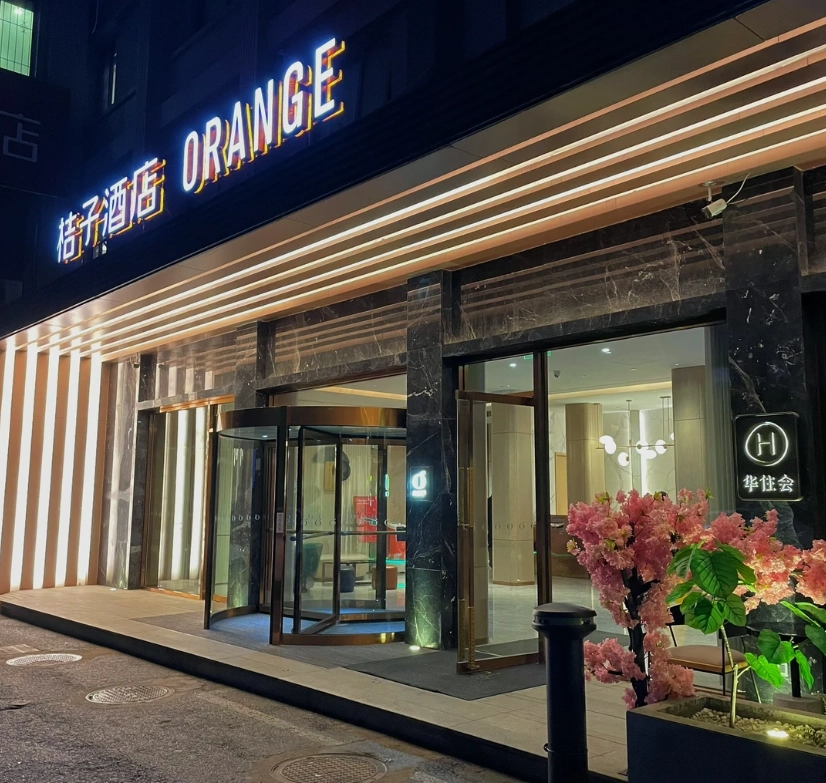
Looking for the best place to stay near Yellow Crane Tower? I've explored every hotel in the area to save you time. From budget hostels to riverside luxury, here's where to book for easy access and local vibes.
Recent Reviews
I wasn't expecting much, but Wuhan really impressed me. The Yellow Crane Tower is rebuilt, but the historical exhibits and the view over the river are worthwhile. I also loved the old concession buildings along the riverfront and the strange feeling of walking through China’s modern history. The food is bold and filling; try the lotus root and pork soup. It's a real working city with character, not just a tourist show.
Came for a weekend layover and ended up eating my way through Wuhan. Every breakfast place I tried had fresh soy milk and the famous hot dry noodles. The Wuhan University campus is gorgeous in autumn, and the East Lake greenway is perfect for a morning jog. The ferry across the Yangtze costs next to nothing and gives you a totally different perspective. Go hungry and give yourself time, you won't regret it.
I spent five days in Wuhan and could've stayed longer. The riverbanks are incredible at sunset—watching the ferries cross the Yangtze while locals danced in the plazas felt so alive. The food scene is wild: I had rice noodles with crispy fried dough at 6am, and the best lamb skewers of my life near Jianghan Road. Public transit is super efficient, and the people were eager to help even though my Mandarin is poor. Highly recommend.
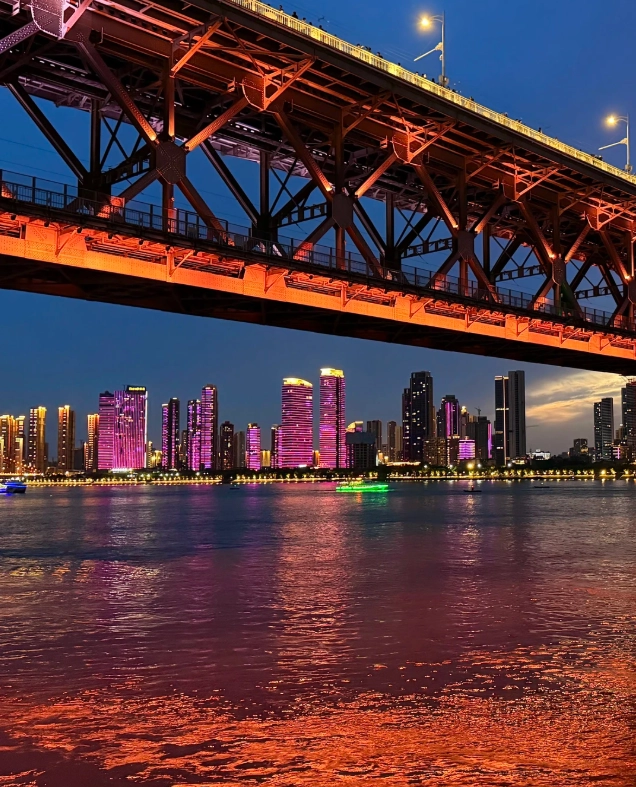
Wuhan surprised me more than I expected. The East Lake is massive—perfect for cycling, although the rental bikes were hard to find near the south gate. The Yangtze River Bridge night view was stunning with the lights. Street food was hit or miss, but the hot dry noodles were spot on. Just a little rough around the edges, but a solid stop.
I wanted to love Wuhan, but it didn't quite click for me. The Yellow Crane Tower area was packed and the views were hazy, so I couldn't see much of the Yangtze. Metro is cheap and easy, and the food at Hubu Alley was decent, but the whole city felt like one big construction site. Maybe I came at the wrong time, but I left a bit underwhelmed.
What a vibrant city! Took the ferry across the Yangtze at sunset – the sky turned orange and pink, and the bridges looked magical. Explored the art district near Hanyang and found some amazing street art. Also loved the mix of modern skyscrapers and historic architecture. Wuhan feels alive and real, not just a tourist trap. Definitely coming back again.
Leave a Review