A land of Jiangnan water towns, picturesque coastlines, and rich cultural heritage.
Zhejiang Travel FAQ
How do I find vegetarian food near major tourist attractions?
Most attractions have nearby Buddhist temples or small vegetarian eateries. For example, near the Forbidden City in Beijing, you can walk 15 minutes to Vegetarian Lily (address: 68 Donghuamen Street), a cozy spot with a picture menu. It's open from 11 AM to 9 PM, and mains cost around 50 RMB.
Is it safe to eat street food as a vegetarian?
Yes, but stick to freshly cooked items like grilled corn, roasted sweet potatoes, or Jianbing (savory crepe) without the sausage. Avoid pre-made cold dishes—they may have meat contamination.
Can I use my international credit card at vegetarian restaurants?
Only at high-end or hotel restaurants. Most local places only accept Alipay, WeChat Pay, or cash. Set up Alipay with your foreign card before you arrive—it's a lifesaver.
What if I have a soy allergy?
Tricky, since tofu is a staple. Carry a card saying "我对大豆过敏" (wǒ duì dàdòu guòmǐn – I'm allergic to soy) and always double-check. Stick to simple vegetable stir-fries.
How do I pack for a spring trip that includes both Beijing and Guilin?
Treat them as two climates. Beijing is dry and windy; Guilin is humid and rainy. Pack the same 3-layer system but add a second rain shell or a compact umbrella for Guilin, and a scarf for Beijing’s morning chill. You can wear the warm layers on the plane to save space.
Do I need hiking boots for spring hikes in China?
Only for serious trails like Huangshan or Tiger Leaping Gorge. For most spring walks, waterproof walking shoes with good grip are enough. Heavy boots are overkill and take up room—I see more blisters from stiff boots than from light sneakers.
What electronics are hard to buy in China as a tourist?
A reliable VPN and a translation app are essential before arrival. Also bring a power bank—quality ones are pricey at tourist shops. Universal adapters are easy to find, but don’t count on English-speaking staff at small electronics stores.
How many layers should I pack for a 10-day spring trip?
Three layers are enough if you choose quick-dry fabrics. Plan to do laundry halfway—hotels often have washing machines or nearby laundromats. Two base layers, one mid-layer, and one shell cover all conditions.
Is it worth bringing a rain jacket instead of an umbrella?
Yes, if you’ll be outdoors for hours or hiking. An umbrella is fine for cities, but a shell keeps your hands free and handles wind better. I always pack both—the umbrella stays in my daypack for sudden showers.
Can I bring my large suitcase on the Shanghai to Hangzhou bullet train?
You can, but nobody will help you lift it. There are luggage racks at the end of each car, but they fill up fast on business-hour trains. I suggest packing a smaller bag for a day trip. If you must bring a big suitcase, board early and head straight to the rack near the door. Avoid the overhead bins—they're not designed for heavy bags, and I've seen more than one traveler struggle with a 28-inch case while the train is moving.


Recent Reviews
I came to Zhejiang for a weeklong retreat near Moganshan, and it completely reset my stress levels. The bamboo forests rustled in the wind like soft whispers, and the mornings were covered in mist that made every hike feel ethereal. My favorite moment was sitting by a stream with a cup of local green tea while rain pattered on the leaves overhead—no music, no phone, just nature. The homestay owner cooked fresh bamboo shoots and pickled vegetables that tasted like home. Absolutely perfect escape.
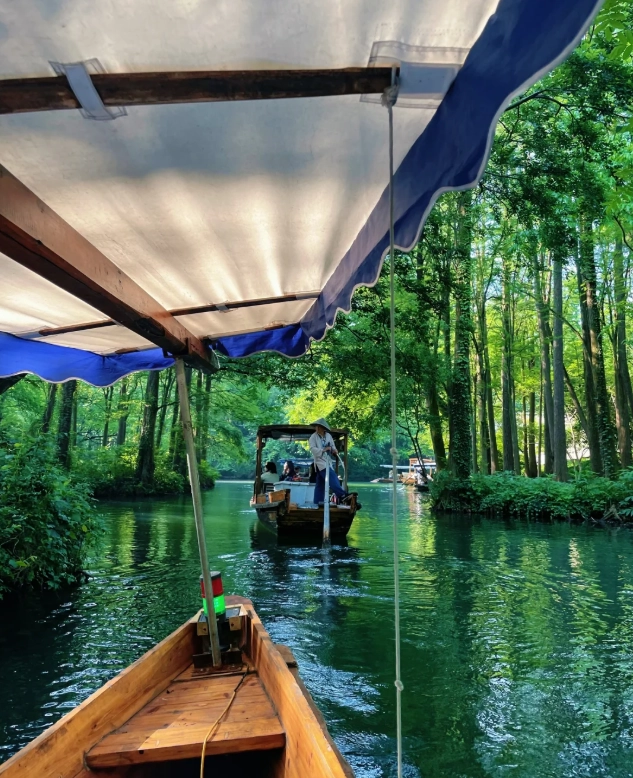
Zhejiang is a gem. I’m a history nut, so I focused on Shaoxing and Ningbo. The East Lake in Shaoxing is a hidden masterpiece—the sheer cliffs and narrow boat rides through the caves felt like another planet. The museum in Ningbo had a stunning collection of Yue celadon, and the guardian in my hotel gave me a hand-drawn map to a local noodle place that I still dream about. Everything felt authentic, affordable, and welcoming. I’d go back in a heartbeat.
Four days in Zhejiang and I’m genuinely impressed. The highlight was renting a bike along the Qiandao Lake loop—crystal-clear water, gentle hills, and almost no traffic on the quieter stretches. The hostel in Hangzhou had a rooftop view that made the whole trip worth it. Only reason it’s not a 5: the weather turned rainy for two days, which made the mountain trails slippery, and my booking agent mixed up the hotel dates once. Still, the food and scenery made up for it.
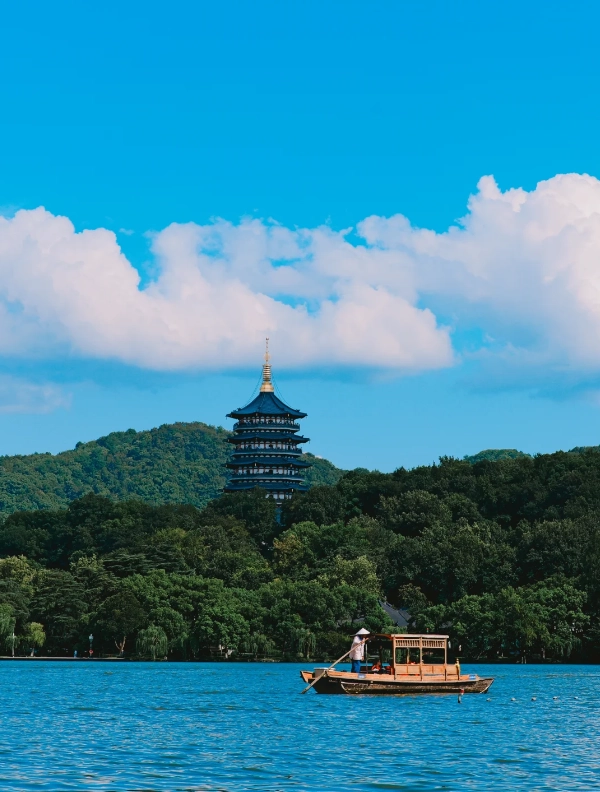
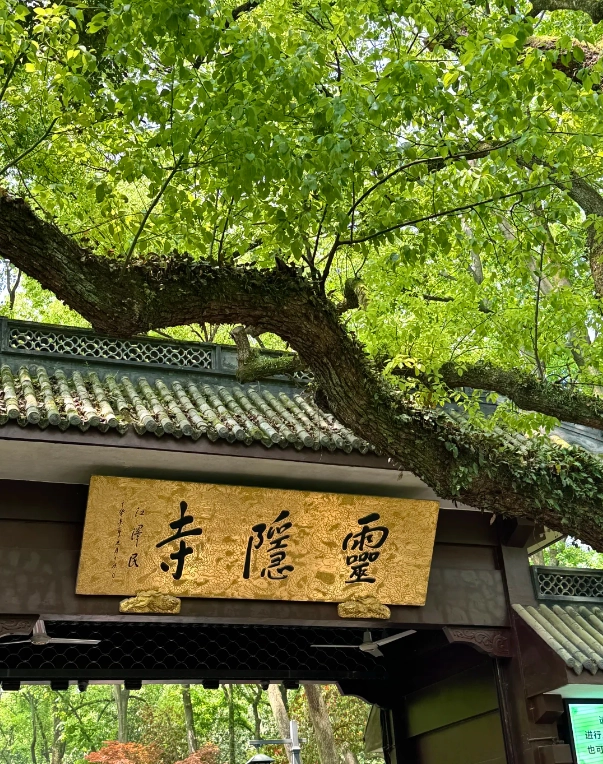
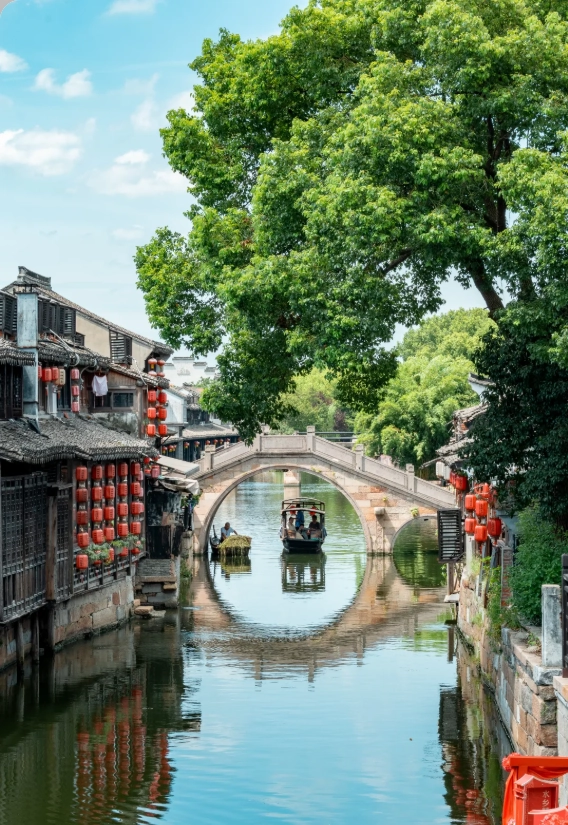
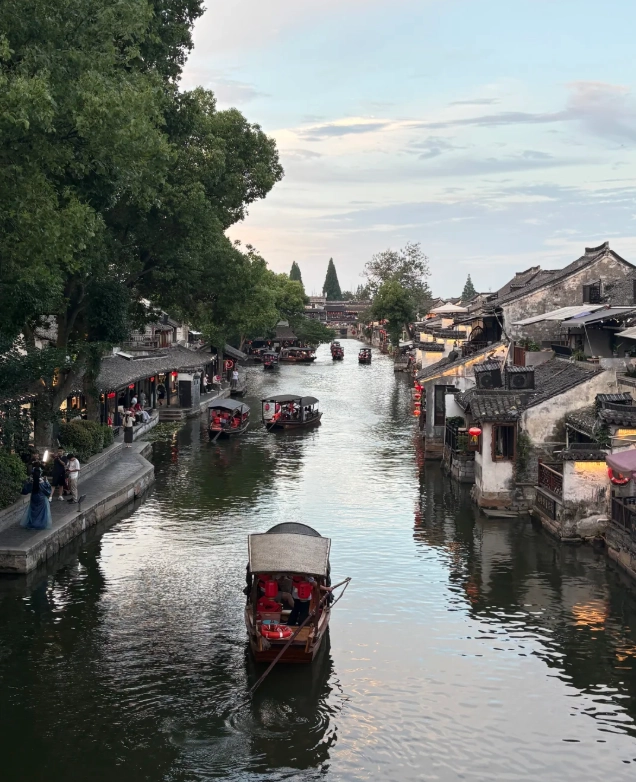
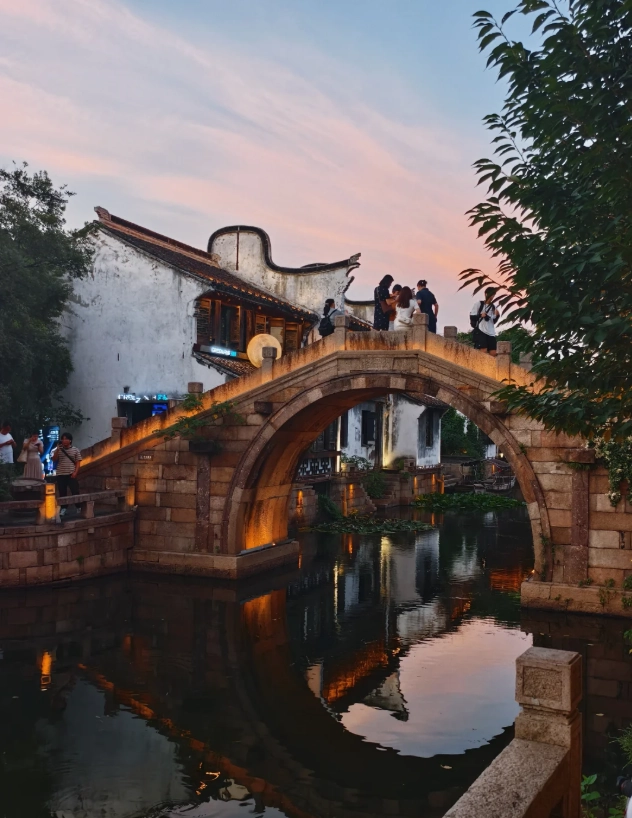
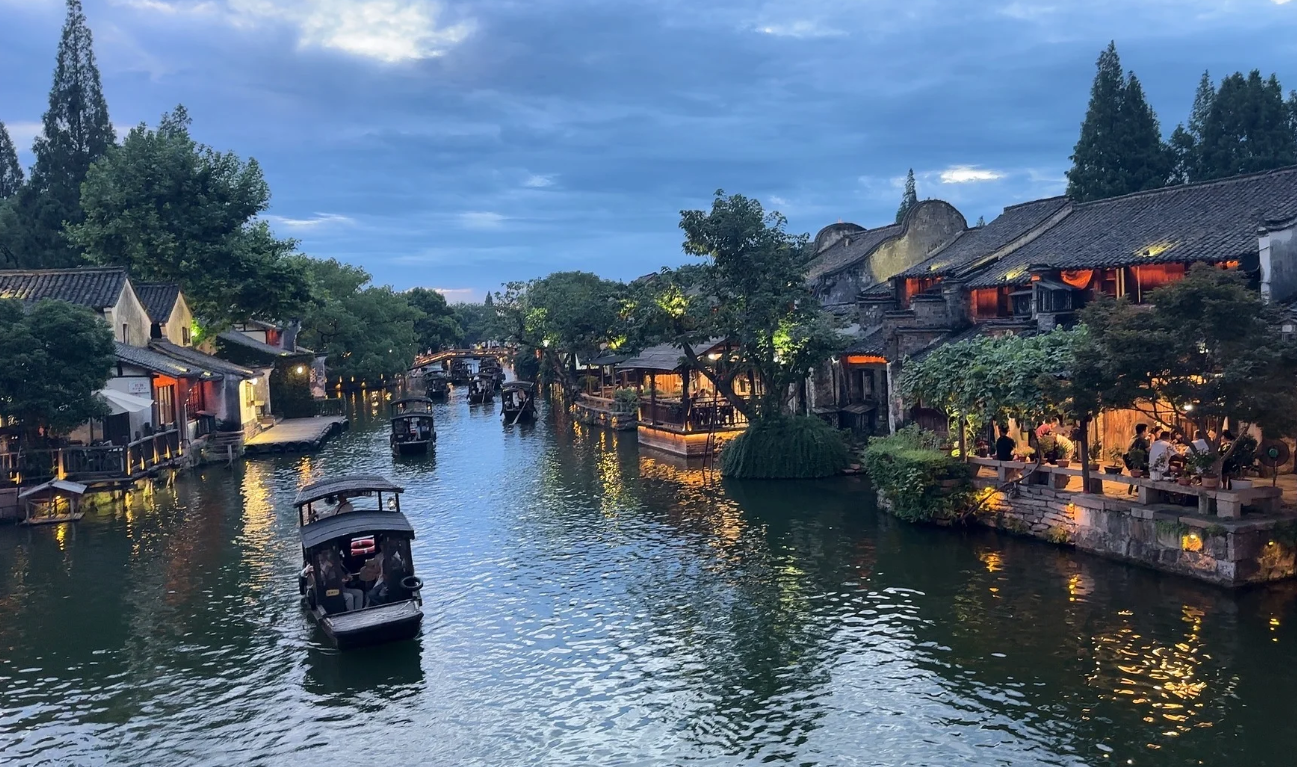
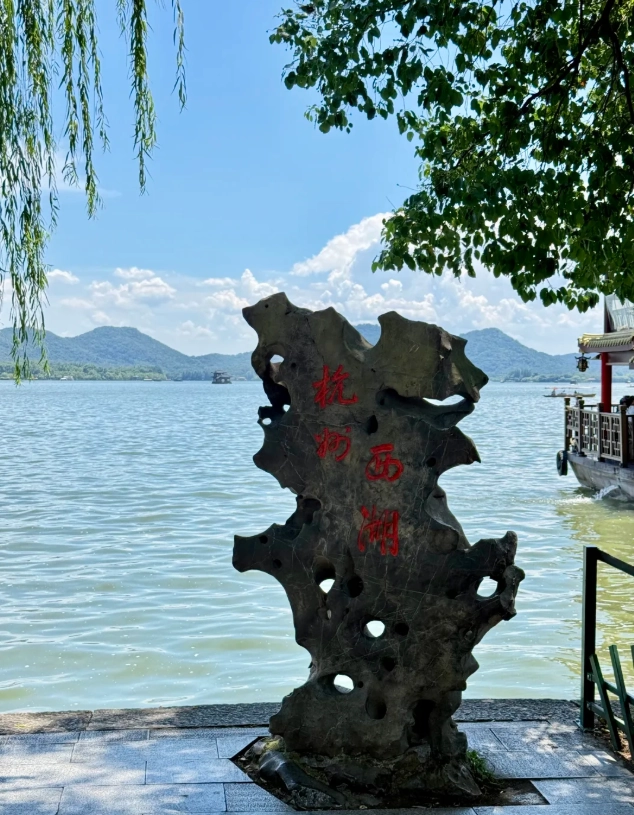
I really wanted to love Zhejiang, and parts of it were beautiful—the ancient water towns are postcard-perfect, no doubt. But I felt a bit rushed and overwhelmed by the crowds at the famous spots like West Lake and Lingyin Temple. The ticket prices felt steep for what you get, and the shared tour group kept stopping for photo ops that ate into actual sightseeing time. The countryside near Shaoxing was much more relaxing, but overall I expected a smoother experience for the cost and hype.
Zhejiang surprised me in the best way. I spent a week traveling from Hangzhou's West Lake to the rice terraces in Yunhe, and every stop felt like stepping into a traditional Chinese painting. The tea fields near Longjing Village were incredibly peaceful, and the smell of fresh jasmine in the evening breeze was unforgettable. The local buses were punctual, and people were genuinely helpful when I got lost near Wuzhen. I already miss the crispy stinky tofu from a tiny night market stall—so good I went back twice.
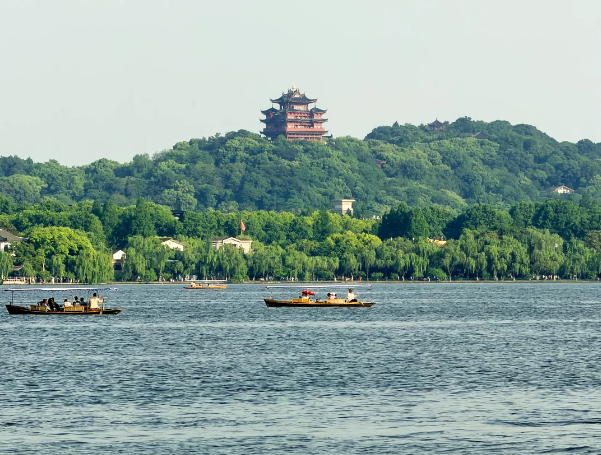
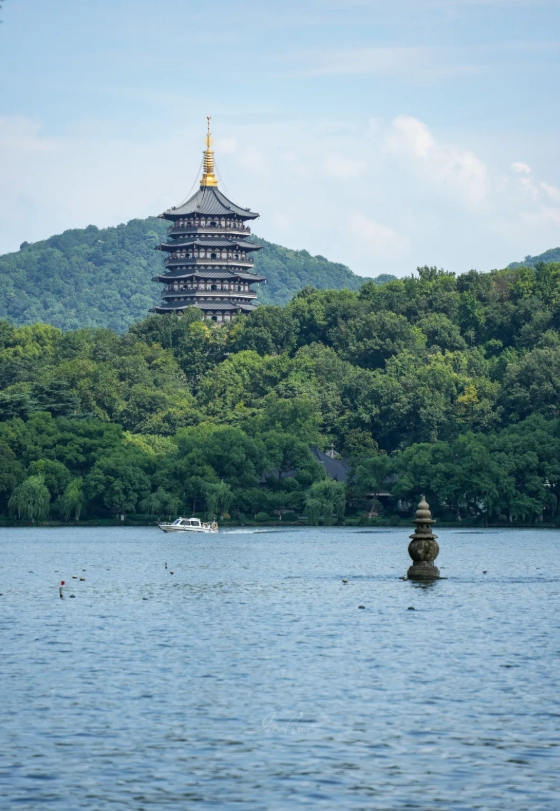
I visited Zhejiang for the first time in November, and wow — the autumn colors around West Lake were unreal. I got up before sunrise and walked the Su Causeway with almost nobody around. The light on the water and the distant hills were so peaceful that I sat on a bench for an hour and didn’t look at my phone once. Later in the week I took the ferry out to the islands near Ningbo and watched fishermen haul in their morning catch. Pure magic.
Leave a Review