A slender, golden corridor stretching across Northwest China, Gansu is the cradle of Chinese civilization and the heart of the ancient Silk Road. It features a stunning topographical mix of Gobi deserts, rainbow-colored mountains, loess plateaus, and alpine Tibetan grasslands.
Gansu Travel FAQ
I’m traveling solo without a tour group. Do I need a special permit for the Silk Road?
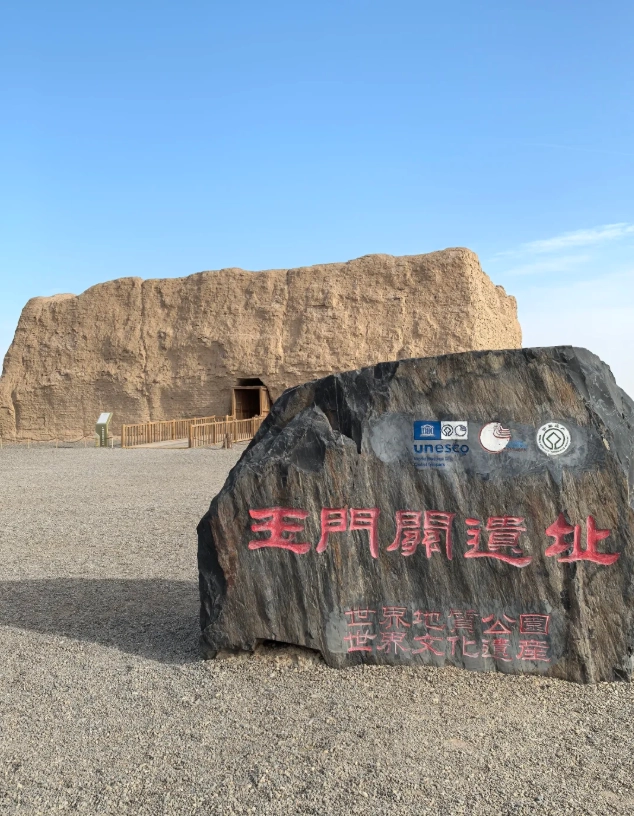
Only if you’re crossing into certain border areas in Xinjiang—that’s a separate permit process. For a Gansu-only trip, you don’t need any special permit beyond your standard tourist visa. The only exception is if you plan to visit the Yumen Pass area near Dunhuang, which is a managed scenic zone; your ticket purchase covers the entry, and no extra permit is needed.
How do I book Mogao Caves if the official website is in Chinese and keeps crashing?
Use Trip.com. It’s the easiest English-language booking platform that works with foreign credit cards. The tickets are released exactly 30 days ahead at 8 AM China time—set an alarm. If you miss it, try the emergency tickets at the site gate at 7:30 AM, but be prepared to wait. I’ve had guests succeed that way, but it’s a gamble.
Is the food spicy? I have a sensitive stomach.
Gansu food is more about lamb and wheat noodles than chili. But you must be careful with the “hot oil” that sits on every table—it’s not always spicy, but it can be intense. Stick to the noodle soups and the lamb skewers. The hotel breakfasts are usually mild, and you can always ask for “bù là” (not spicy). I carry a small bottle of hot sauce in my bag for when I want flavor without the risk.
What’s the biggest payment mistake foreigners make?
Thinking a Visa card works everywhere. It doesn’t. A few high-end hotels take it, but for trains, buses, and most restaurants, they only accept Alipay or WeChat Pay. Link your international card to Alipay before you arrive. If you can’t, bring enough cash to cover your entire train fare, because you can’t buy tickets at the counter with cash.
Can I get by without speaking any Mandarin?
You can, but you’ll need to be patient. The trick is to use your translation app sparingly and have your hotel book your taxis. Drivers are friendly but they won’t understand English. I always screenshot the Chinese address and show it to them—it’s the universal language here. Download the Didi app in English and link your Alipay. It works seamlessly.
Can I book Mogao Caves tickets with a foreign credit card on the official website?
Sometimes. Visa and Mastercard work about 60% of the time, but the site often rejects foreign billing addresses. If it fails, don’t waste time — switch to Trip.com or Klook. They accept international cards without issues.
What happens if I miss my time slot due to flight delays?
You can usually join the next available slot if you arrive within 2 hours of your booked time. But if it’s peak season and tickets are sold out, they might not let you in. I always advise booking the 2 PM slot — it’s the most forgiving if you’re running late.
Do I need a VPN to access the booking site in China?
The official Mogao Caves website and WeChat mini‑program are accessible without a VPN inside China. Trip.com also works fine. But if you’re using Google Maps, you’ll need a VPN. Better yet, download Apple Maps or AMap before you go.
Are there English‑speaking guides available at the caves?
Yes, but they’re not included in the ticket. You can rent an audio guide for 20 CNY at the digital center — that’s my go‑to. The audio guide is available in English and covers all the major caves. For a live guide, book through your hotel; expect to pay 200–300 CNY for a half‑day tour.
Is photography allowed inside the caves?
No. Absolutely no photos inside the caves — the flash damages the ancient murals. You can take photos outside and in the exhibition center. The staff will confiscate your camera if they catch you. I’ve seen it happen, and it’s not pretty.
Recent Reviews
Standing at the Jiayuguan Fort, with the desert stretching out in every direction and the Great Wall disappearing into the distance, honestly gave me chills. The fake soldier statues near the entrance are a little odd, but the fort itself is dramatic and full of history. The small museum inside was fascinating too. A place where you can just sit and feel the weight of the Silk Road under your feet.
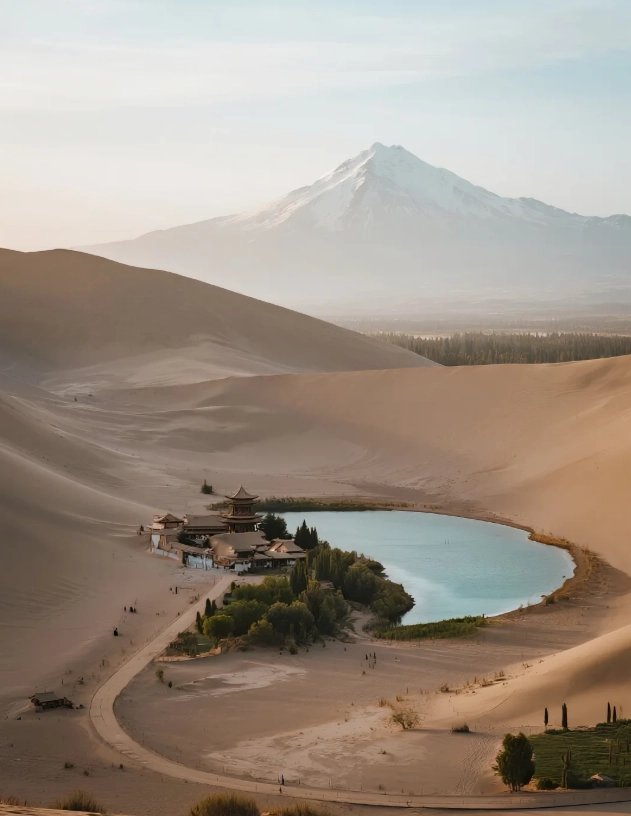
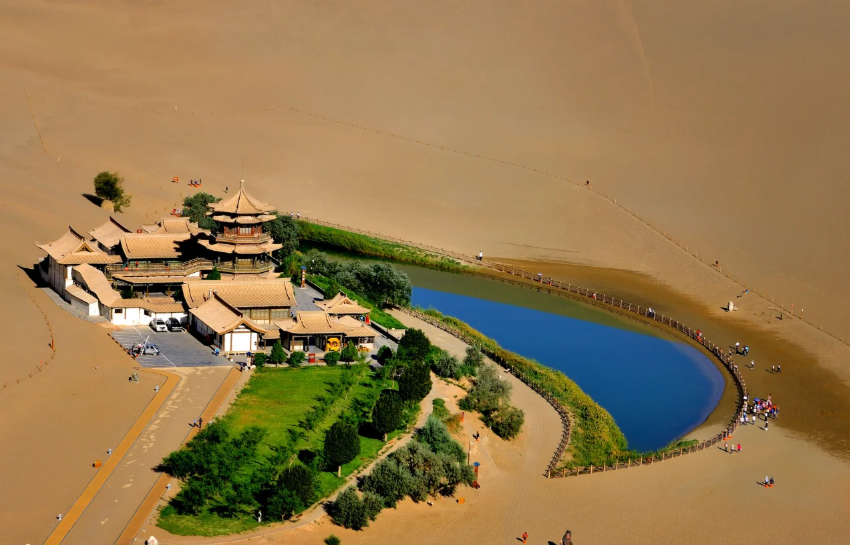
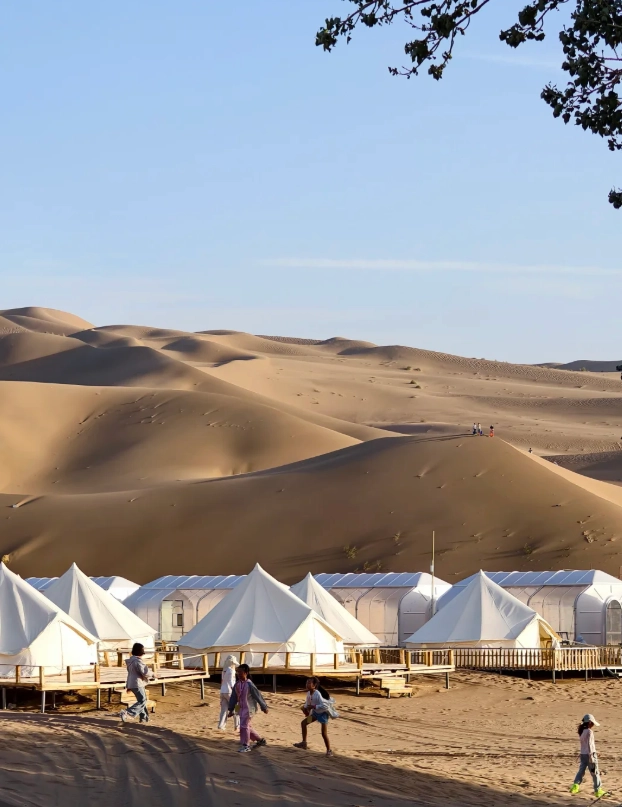
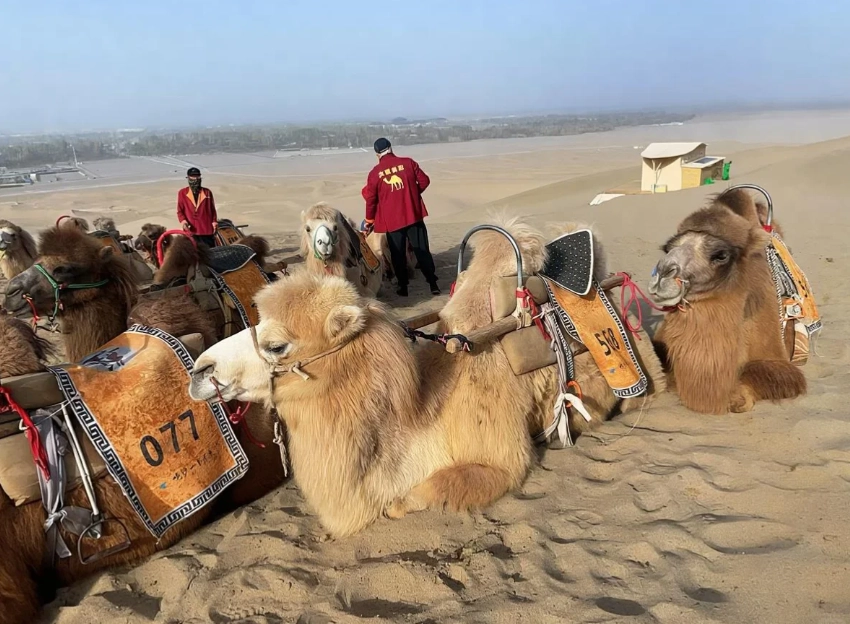
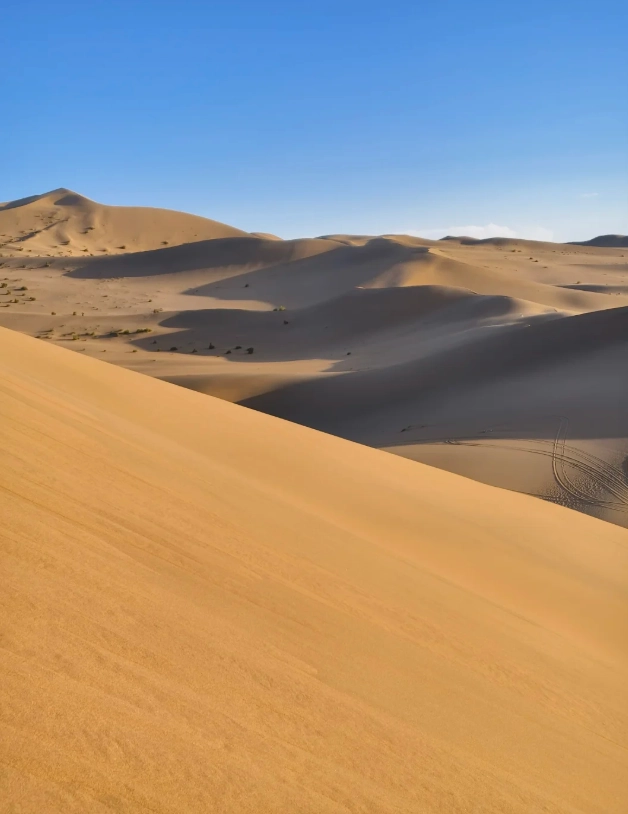
Climbing the dunes at Mingsha Mountain near Crescent Lake was pure magic. The sand was cool on my feet, the camel bells echoed all around, and the sunset turned everything gold. I went back at sunrise for a camel ride and then tried sliding down the dune — way more fun than I expected. Gansu is wildly underrated and this place alone is worth the journey.
I came to Gansu for the landscapes but ended up dreaming of the food. Had the most amazing beef noodle soup at a no-name shop in Lanzhou — hand-pulled noodles, tons of chili oil, and beef so tender it fell apart. Then I walked down to the Yellow River at sunset and watched the lights come on over Zhongshan Bridge. Honestly one of the best days of my trip.
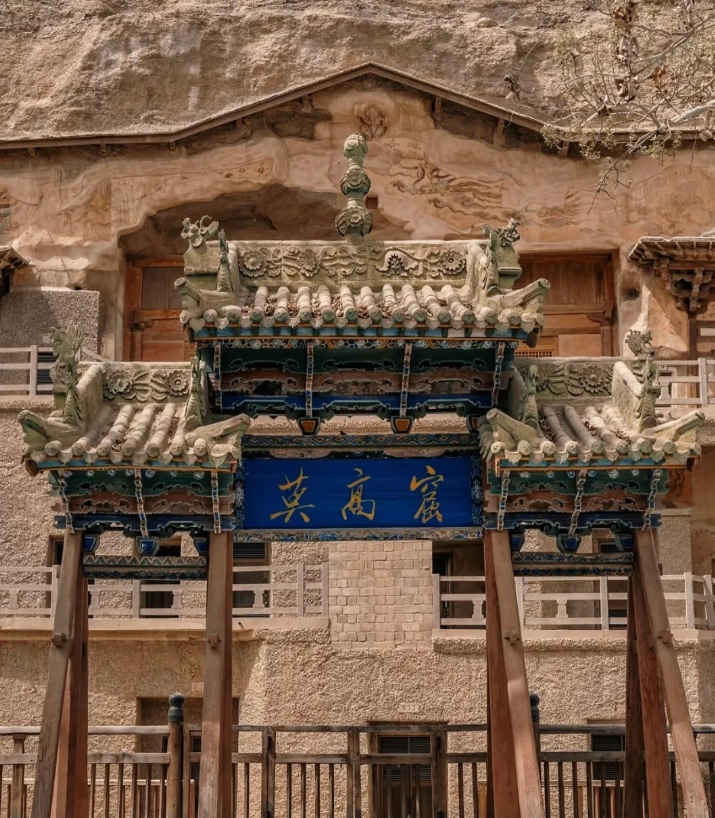
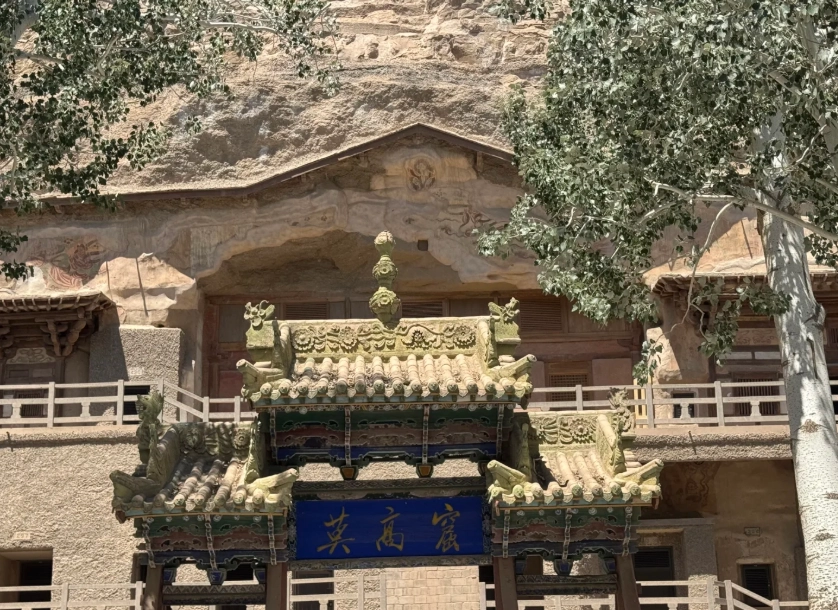
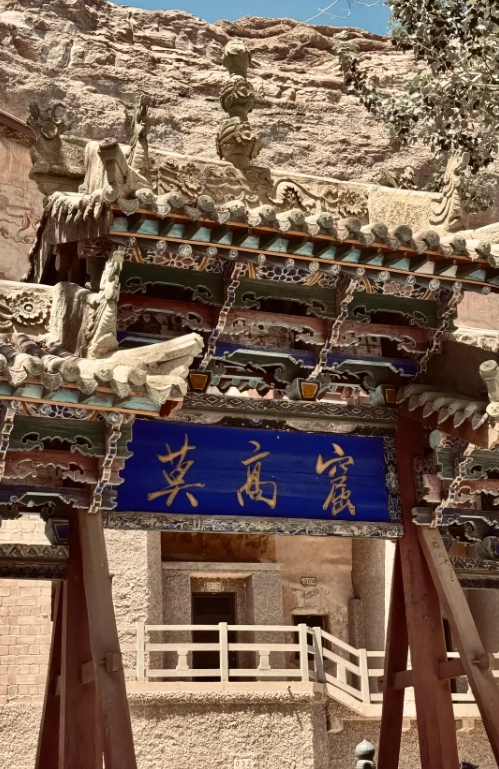
The Mogao Caves are absolutely worth it for the art and history alone. Our guide was extremely knowledgeable and explained the murals in a way that really brought them to life. The only downsides were the chaotic ticketing area and the lack of seating while waiting, plus each cave visit feels quite short. Still, standing inside those ancient buildings was unforgettable.
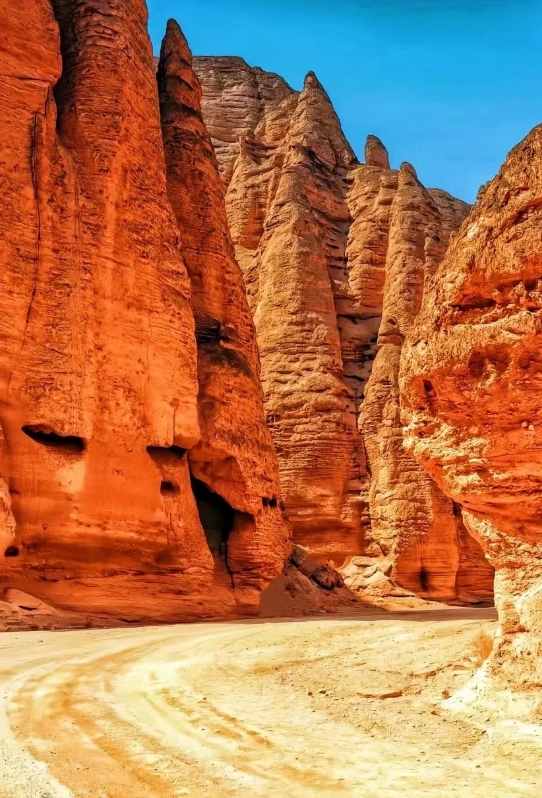
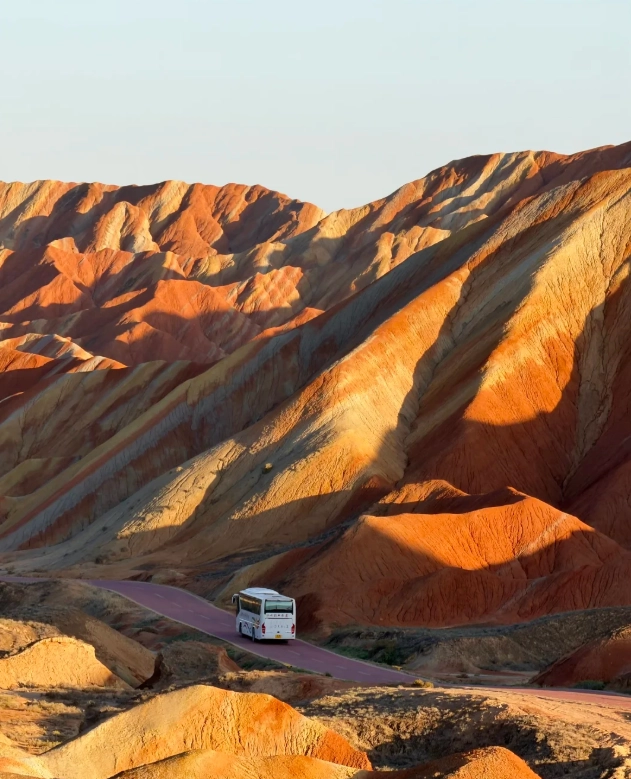
We spent a day at the Zhangye Danxia National Geopark and honestly left a little mixed. The colors are real, but the shuttle buses cram you through every stop so quickly that you barely get a moment to enjoy it. Our driver kept honking at people to move along. It’s an amazing sight, but I wouldn’t cross four hours of desert again for it.
Honestly, I was a bit let down by the Jiayuguan Fort. It looks impressive from the outside, but inside it’s basically empty – just a few empty halls and some modern signs. The Great Wall section nearby was okay but very windy and dusty. The entrance fee felt overpriced for what you get. If you’re short on time, I’d skip it and spend more time in Dunhuang instead.
Leave a Review