.jpeg) Dr. Xue Zhao
Dr. Xue Zhao
What You'll Find Here
I've been guiding travelers through Suzhou for over a decade. Honestly, three days is the sweet spot — enough to hit the highlights without burning out. But most itineraries I see online are either too packed or miss the local secrets. In this guide, I'll share exactly how I'd spend 72 hours here, with times, prices, and the little details that make a difference. Let's cut the fluff and get you moving.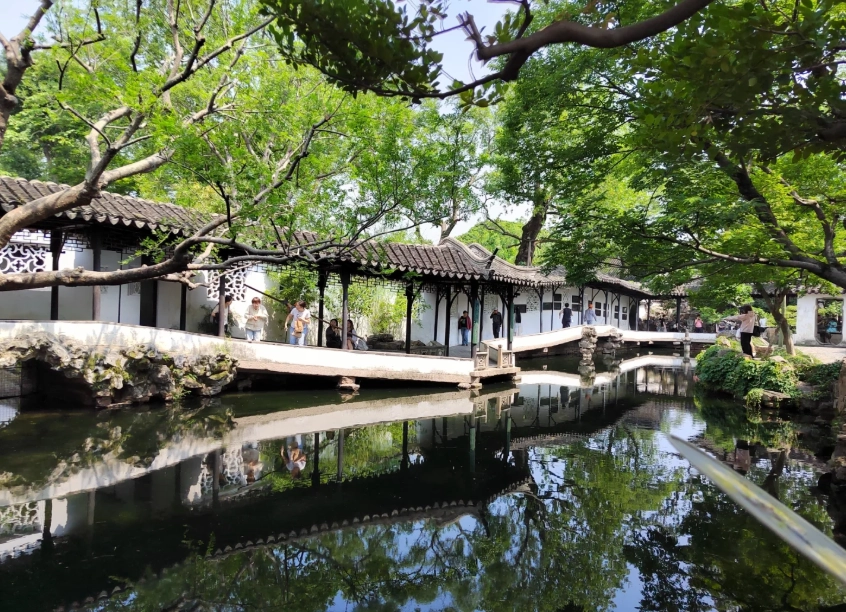
Why Listen to Me?
I'm not a blogger who visited once. I live in China and have taken dozens of groups — families, solo backpackers, luxury couples — through Suzhou. I know which garden entrance has the shortest queue at 9 AM, which dumpling shop lets you pay with a credit card, and exactly when to skip the tourist boat. Everything below comes from real experience, not a script.
Day 1: Classical Gardens & Pingjiang Road
Morning: Humble Administrator's Garden (Zhuozheng Yuan)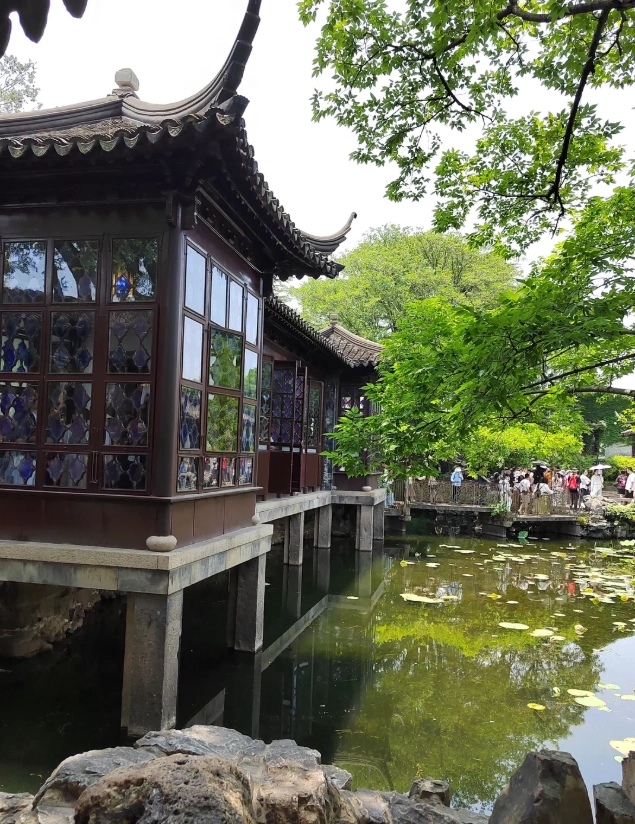
Why start here? It's the most famous garden in Suzhou, and for good reason. But if you arrive after 10 AM, you'll be shoulder-to-shoulder with tour groups. Show up at 7:30 AM (opens at 7:30, last entry 17:00). The light is soft, the lotus ponds are quiet, and you can actually hear the birds.
Address: 178 Dongbei Street, Gusu District. Metro: Line 4, Beisita Station, Exit 4. Walk 5 minutes north.
Ticket: Peak season (Apr–May, Jul–Oct) about ¥90; off-season ¥70. Discounts for students and seniors (60+). But as I said, check the mini-program.
Pro tip: The exit leads into a small lane with a couple of local breakfast stalls. Grab a shengjianbao (pan-fried pork bun) for ¥4 — they're better than any restaurant.
Late Morning: Suzhou Museum (free but reserve ahead)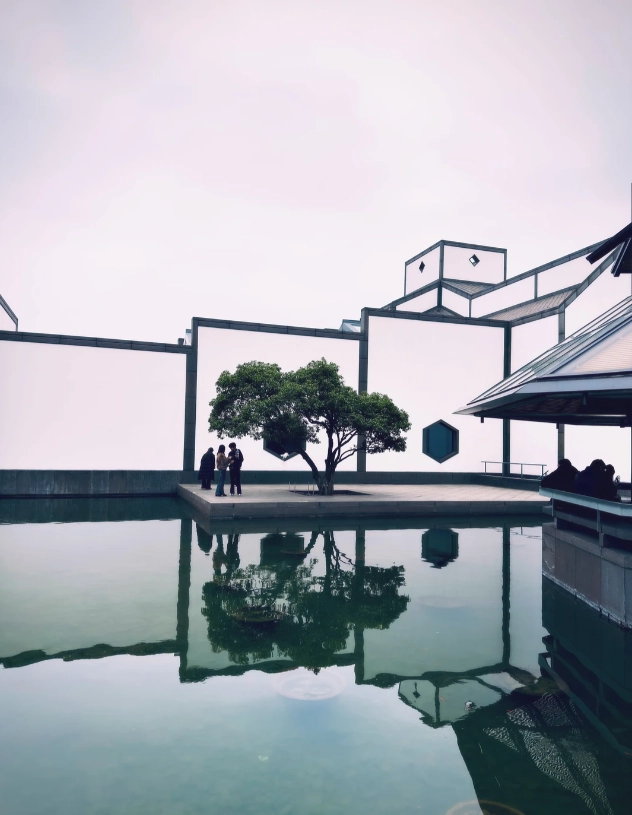
Right next to the garden. Designed by I.M. Pei, the building is as impressive as the exhibits. Free admission, but you MUST reserve via the official "Suzhou Museum" WeChat mini-program. Slots fill up days in advance, especially weekends. Book at least 3 days out. Metro: Same as above, or walk from the garden (3 min).
Hours: 9:00–17:00 (last entry 16:00), closed on Mondays. Allow 1.5 hours.
Lunch: A Noodle Stop
I always take my groups to Tong De Xing near the museum. Address: 1 Jiaochang Road. Their suzhou-style noodles in broth with toppings like braised pork or eel — around ¥30–50 per bowl. Pay by WeChat or Alipay; cash works but not international cards. (Most small places in Suzhou don't take foreign cards, so always carry some RMB.)
Afternoon: Lion Grove Garden & a Leisurely Stroll
A 10-minute walk from the museum. This garden is known for its maze of rockeries — kids love it, and so do photographers. Ticket: ¥40 (peak), ¥30 (off-peak). Hours: 7:30–17:30.
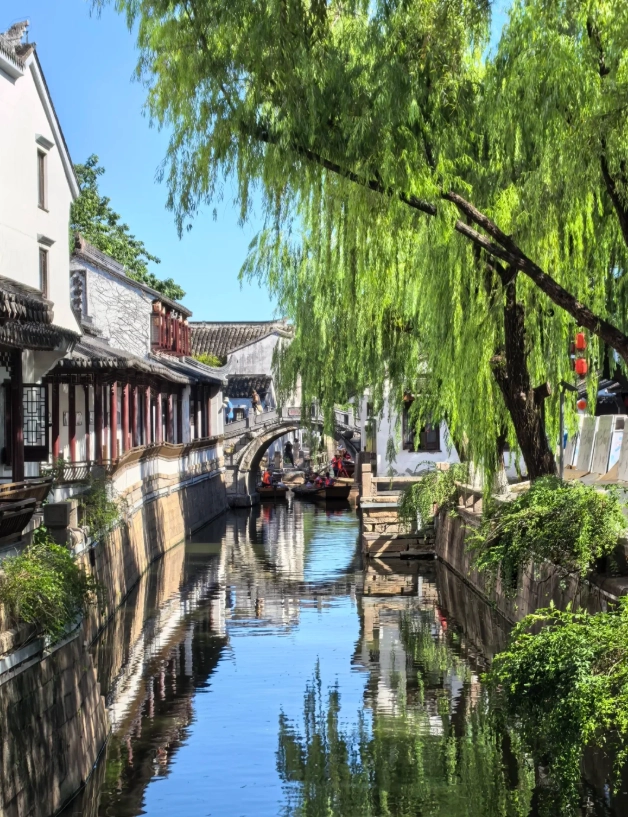
From there, wander down Pingjiang Road, a historic canal-side lane. It's touristy but charming. Stop at Muse Tea House for a pot of Biluochun green tea (¥50–80) and watch the boats pass.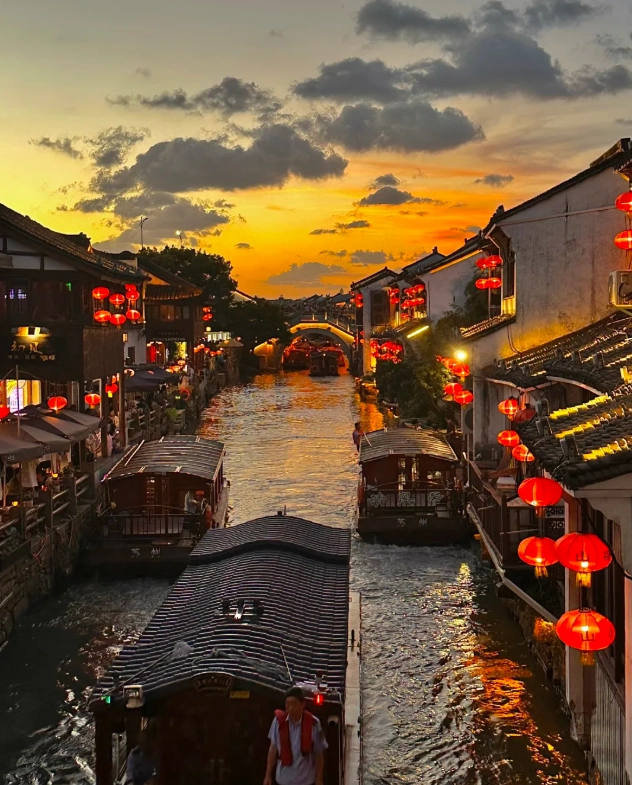
Evening: Pingjiang Road Night Market & Dinner
At dusk, the red lanterns reflect on the water. Dinner pick: Chen Shou Ji, a family-run spot serving squirrel-shaped mandarin fish (¥128) and mapo tofu. Arrive before 6 PM to avoid a wait. Alternative: Song He Lou for classic Suzhou cuisine — pricier but consistent.
Good to know: Many restaurants close by 9 PM, so don't linger too long.
Day 2: Water Town & Silk Culture
Morning: Tongli Water Town (40 min from Suzhou)
Skip the super crowded Zhouzhuang; Tongli is quieter and just as beautiful. Take Metro Line 4 to Tongli Station, then a short bus or taxi (¥10) to the old town entrance. Admission: ¥100 (includes all gardens and boat ride). Boats are extra ¥90 for up to 6 people — share with other travelers.
Best time: Arrive by 8:30 AM before tour groups flood in. Stroll the three bridges, visit the Tuisi Garden (a UNESCO site), and eat a zongzi (glutinous rice dumpling) from a street vendor (¥5).
Return: By 1 PM back to Suzhou.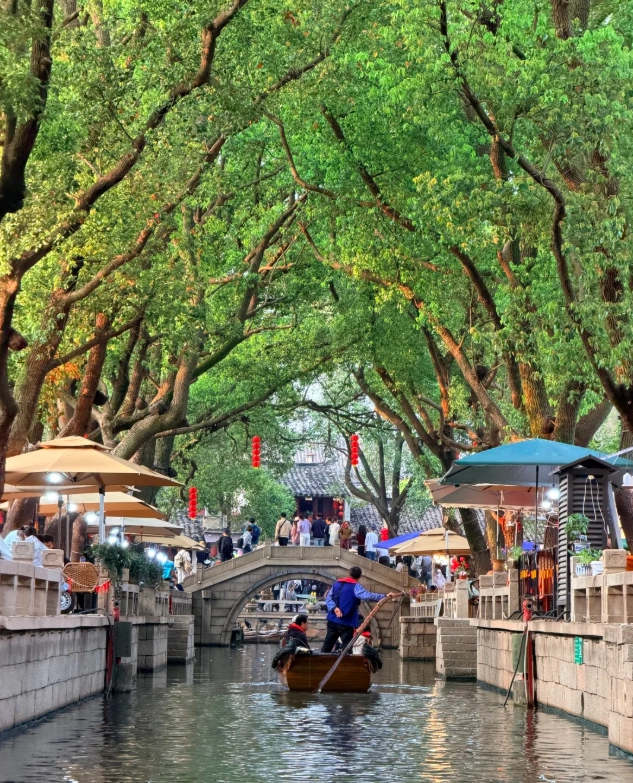
Afternoon: Suzhou Silk Museum or Embroidery Research Institute
Suzhou is the silk capital. The Suzhou Silk Museum (free, reserve online) shows the entire process from silkworm to loom. Address: 2001 Renmin Road, near the North Temple Pagoda. Metro Line 4, Beisita Station.
Alternatively, the Embroidery Research Institute (address: 262 Jingde Road) has exquisite double-sided embroidery — way more intimate. ¥30 entrance.
Evening: Shantang Street at Dusk
Shantang Street is a canal street less touristy than Pingjiang but full of character. Walk from the Shantang Street metro stop (Line 2). Grab dinner at Zui Hong Lou, a local favorite for river shrimp and sweet-and-sour ribs (~¥80 per person). Then take a 20-minute night boat ride (¥50) — the lights are magical.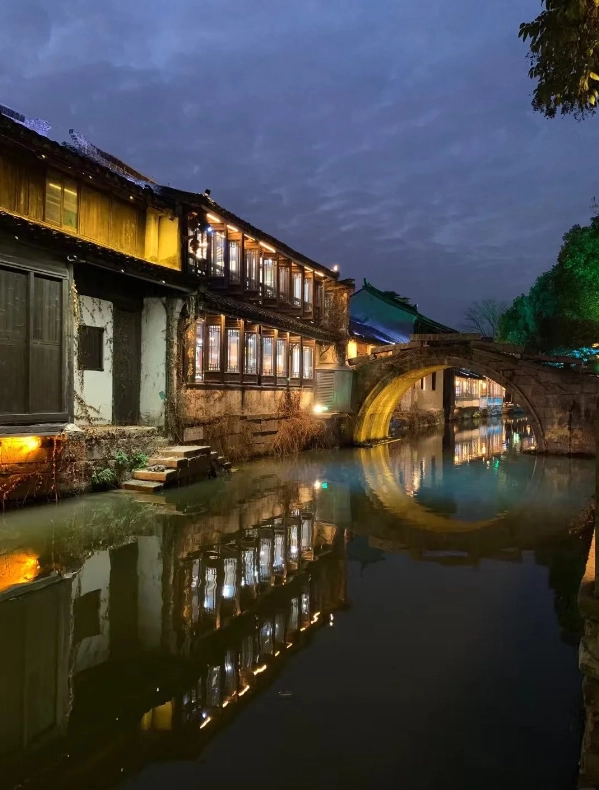
Day 3: Modern Suzhou & Departure
Morning: Tiger Hill (Huqiu) or Hanshan Temple
Tiger Hill is the symbol of Suzhou — a leaning pagoda and beautiful gardens. Address: 8 Shanmenkou, Gusu. Metro: Line 2, Shantang Street Station, then taxi (¥15). Ticket: ¥70. Hours: 7:30–17:30. Climb the pagoda for views (but it's steep). Allow 2 hours.
Alternative: Hanshan Temple if you prefer a quieter temple vibe. Famous from a Tang poem. ¥20 entry. Nearby is a pleasant canal walk.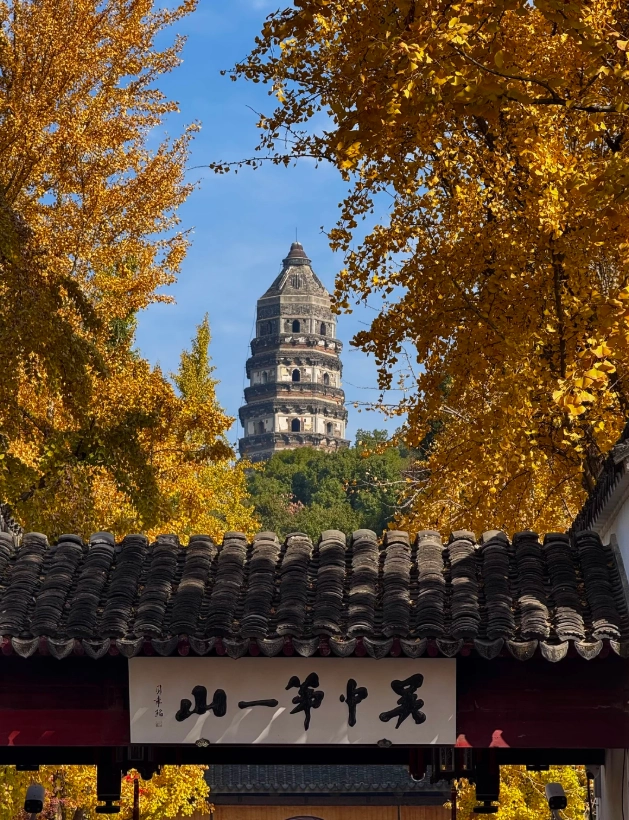
Late Morning: Jinji Lake & Suzhou Center (if time)
If your flight or train is late afternoon, head to the new CBD around Jinji Lake. Metro Line 1, Suzhou Center Station. Walk around the lake, see the giant Ferris wheel, and grab lunch at the Suzhou Center mall — huge food court with options from sushi to hotpot (¥50–100 per person).
Pro tip: The lake area has Western-style cafés like % Arabica if you need a good espresso and stable Wi-Fi.
Afternoon: Departure
Suzhou has two main train stations: Suzhou Railway Station (central, for high-speed to Shanghai in 25 min) and Suzhou North Station (farther out, for some trains). From Jinji Lake, it's 30 min by metro to Suzhou Station. Allow plenty of time for security.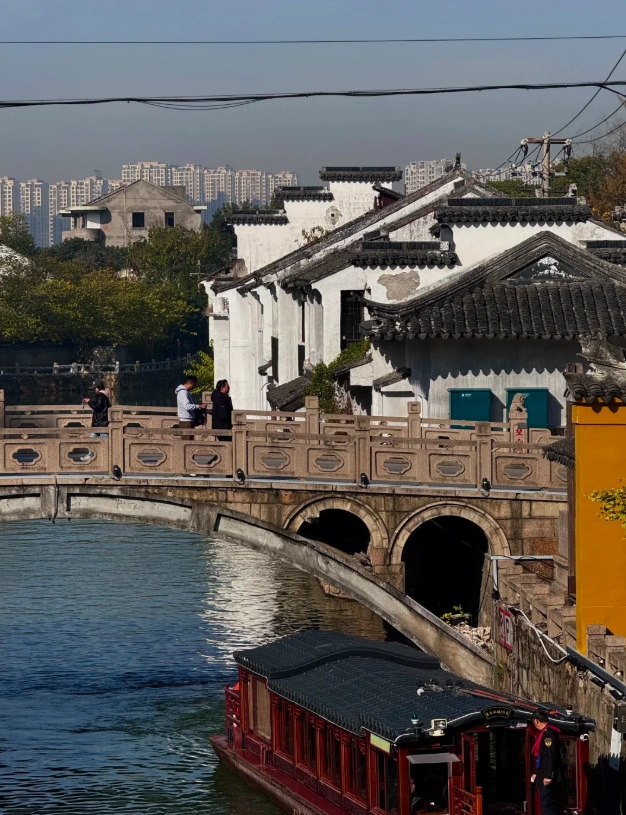
Where to Stay in Suzhou
| Area | Best For | Price Range (per night) | Vibe |
|---|---|---|---|
| Gusu District (Old Town) | First-timers, garden lovers | ¥400–¥1,200 | Historic, walkable, narrow alleys |
| Shiquan Street / Near Metro Line 4 | Budget travelers, foodies | ¥250–¥600 | Lively night market, local eateries |
| Jinji Lake / Suzhou Industrial Park | Business, modern luxury | ¥600–¥2,000 | Skyscrapers, international brand hotels |
| Around Suzhou Railway Station | Convenient transit | ¥300–¥800 | Practical, less charm |
My pick: For a balance of location and comfort, I recommend Pingjiang Mansion near Pingjiang Road. Rooms from ¥600, traditional decor, and they speak English. Or Sheraton Suzhou near Jinji Lake if you want reliable service and a pool.
Essential Tips for First-Timers
- Payment: Alipay and WeChat Pay are everywhere, but not all places accept foreign credit cards. Top up your Alipay with a tourist card or bring enough cash (¥1,000–2,000) for small vendors.
- Maps: Google Maps doesn't work well in China. Use Apple Maps (for English names) or Amap (Gaode). I'd also screenshot key routes before you go.
- Wi-Fi: Most hotels have free Wi-Fi. For constant connection, buy a local SIM card at the airport or rent a pocket Wi-Fi. VPN? You'll need one installed before arrival to access Google, Instagram, etc.
- Weather: Summer (June–August) is hot and humid, with sudden rain. Bring an umbrella and light layers. Winters (Dec–Feb) are chilly (0–8°C), but indoor heating is patchy in old buildings.
- Crowds: Avoid Chinese public holidays (Golden Week in October, Labor Day in May, Spring Festival). Weekends are busy; visit gardens on weekdays if possible.

No comments yet.