 Yan Zhou
Quick Navigation
- Day 1: Classical Gardens & Pingjiang Road
- Day 2: Water Town Escape – Tongli or Zhouzhuang
- Day 3: Culture & Temples – Tiger Hill & Suzhou Museum
- Day 4: Modern Suzhou – Jinji Lake & Shopping
- Day 5: Nature & Relaxation – Taihu Lake or Mudu
- Where to Stay in Suzhou
- What to Eat in Suzhou
- FAQ about 5 Days in Suzhou
I've been guiding travelers around Suzhou for over a decade, and I've seen too many visitors waste time on packed tour bus itineraries. The real Suzhou—the one with shaded garden corners, sizzling street food stalls, and canals without selfie sticks—requires a bit of planning. This 5-day plan is the one I use for my own friends when they visit. It balances the must-sees with the quiet spots, and saves you money on the side.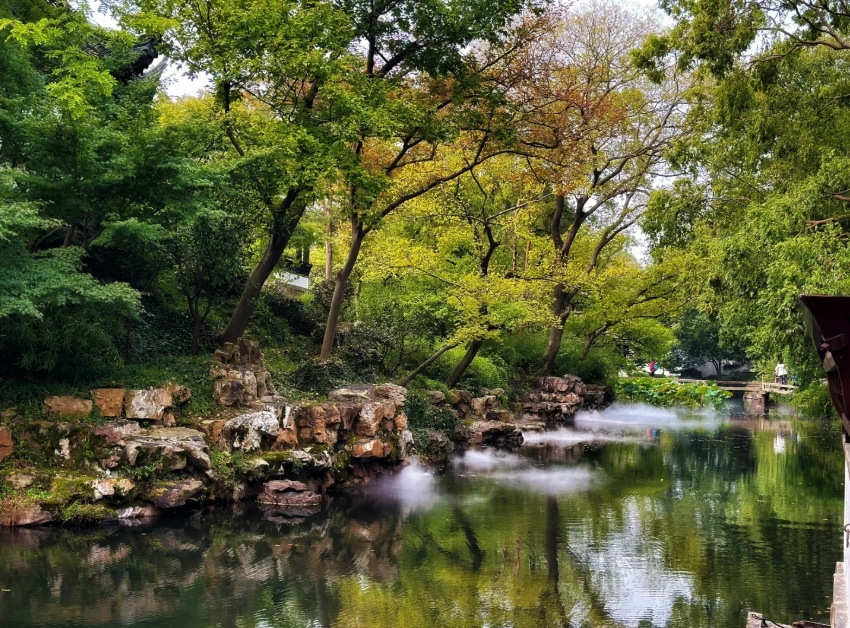
Payment tip: Most places in Suzhou accept WeChat Pay or Alipay, but bring some cash for small food stalls and rickshaw rides. International credit cards work at big hotels and some upscale restaurants, but not at temples or tiny noodle shops.
Day 1: Classical Gardens & Pingjiang Road
Your first day should be all about the iconic classical gardens. Skip the over-hyped Humble Administrator's Garden on weekends—it's wall-to-wall people. Instead, I alternate between the Lingering Garden and the Master of the Nets Garden. Both are UNESCO-listed, smaller, and more intimate.
Morning: Lingering Garden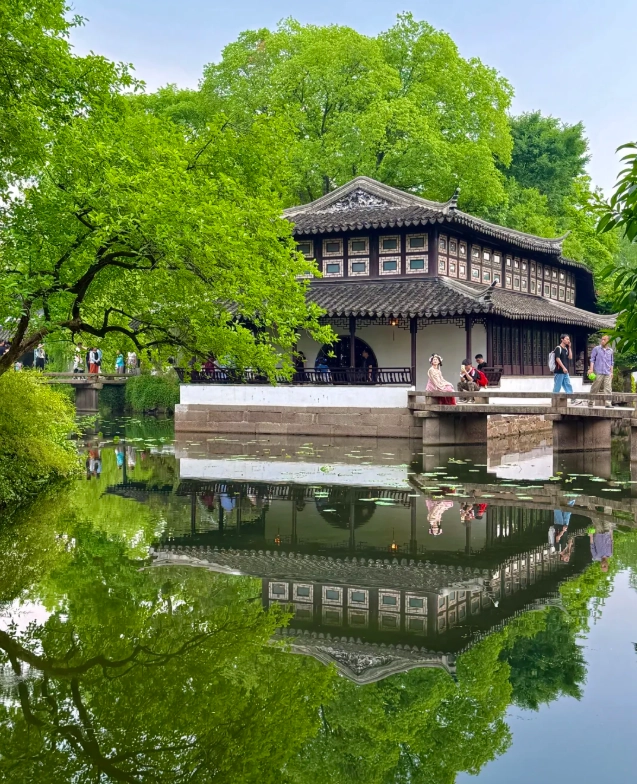
Address: 338 Liuyuan Road, Gusu District
Opening hours: 7:30-17:30 (last entry 17:00)
Ticket: 55 RMB (adult), free for children under 1.2m and seniors over 70. No online reservation needed—just buy at the gate or scan the QR code there.
I usually arrive at 7:45 AM. The light is soft, and you'll have the rockeries and the famous cloud-capped peak almost to yourself. The garden is famous for its 'three treasures'—a rare scholar's rock, a bamboo grove, and a pond pavilion. After wandering for about 90 minutes, exit through the north gate—you'll find a tiny noodle stall selling the best Suzhou-style noodles (sweet and savory broth with fresh eel). Grab a bowl for under 20 RMB.
Afternoon: Pingjiang Road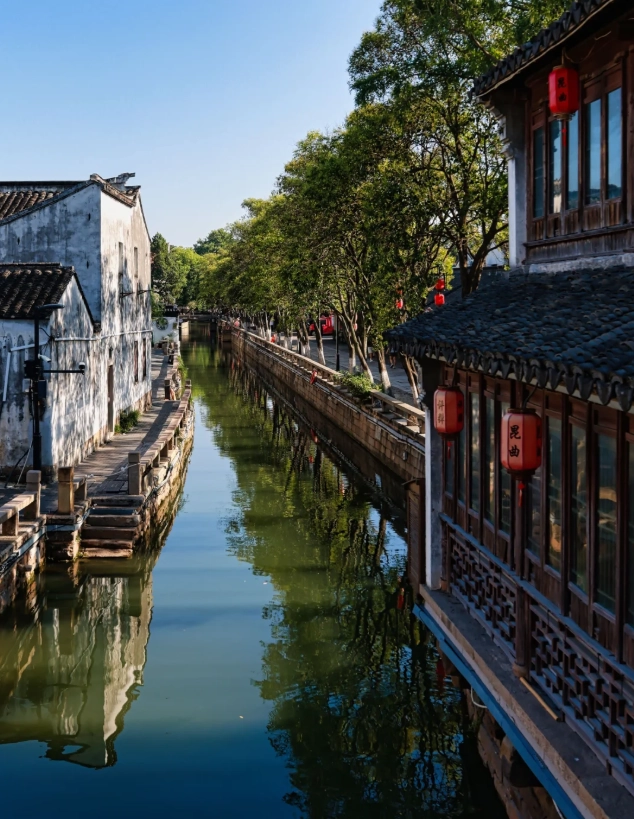
From the garden, it's a 15-minute walk or a 10-RMB rickshaw ride to Pingjiang Road. This ancient street runs parallel to a canal, lined with white-washed houses, tea houses, and shops selling everything from silk fans to sugar paintings. Don't buy souvenirs here—they're overpriced. Instead, step into a tea house and order a pot of Biluochun, Suzhou's famous green tea. I recommend Yi Cha Yuan (at No. 68), where the owner speaks basic English and shows you how to brew it properly. Cost: around 50 RMB per person for an hour of tea and snacks.
Evening: Guanqian Street
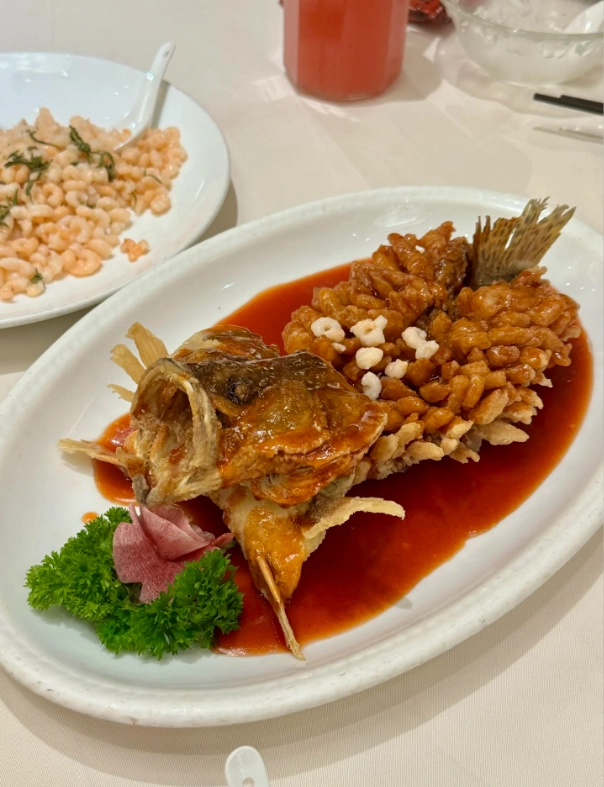
For dinner, head to Guanqian Street, about 20 minutes by foot. This pedestrian area is packed with local eateries. My go-to is De Yue Lou (at 123 Guanqian Street), a century-old restaurant serving authentic Suzhou cuisine. It's sweet, slightly oily, and uses lots of river fish and shellfish. I always order the Sweet and Sour Mandarin Fish and Beggar's Chicken—both are crowd-pleasers. Average spending: 80-120 RMB per person. Note: they don't accept credit cards, but WeChat Pay works fine.
Day 2: Water Town Escape – Tongli or Zhouzhuang
You can't come to Suzhou without seeing a water town. Tongli is my personal favorite because it's less commercialized than Zhouzhuang and easier to navigate.
Getting to Tongli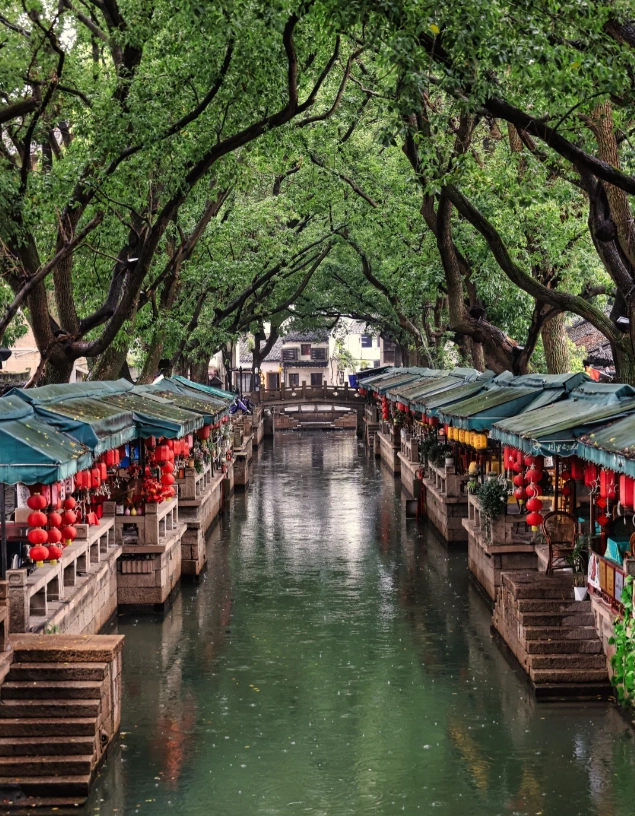
Take Metro Line 4 to Tongli Station (exit 1), then hop on the local bus (725, 2 RMB) or a taxi (20 RMB) to the old town entrance. Total time from city center: about 1 hour. The entrance ticket is 100 RMB (online discount available on Trip.com or WeChat mini-program 'Tongli Ancient Town'), and it includes all the small museums inside.
Once inside, ignore the main tourist street and follow the canals to the Tuisi Garden, a small but exquisite garden that most visitors miss. It's a perfect spot for photos—hardly anyone there. Afterwards, take a gondola ride (90 RMB per boat, up to 6 people) through the quieter back canals. The boatman might sing a folk song if you tip 20 RMB.
Lunch: Local Home Cooking
Find a restaurant on the small alley called Zhenze Street. Look for a place with a red lantern and an old lady washing vegetables out front. I ate at Grandma's Kitchen (no official English name, just look for the sign 阿婆菜馆) and had the best Steamed Perch with Black Bean Sauce and Lotus Root Stuffed with Glutinous Rice. Cost: around 50 RMB per person.
Return to Suzhou by late afternoon. If you have energy, walk around the Shantang Street near the city center—it's a more rustic version of Pingjiang Road, especially beautiful at dusk with lanterns reflecting on the water. Free entry.
Day 3: Culture & Temples – Tiger Hill & Suzhou Museum
Today is about history and art. Start early at Tiger Hill, the largest hill in Suzhou (only 36 meters tall, but packed with legends).
Morning: Tiger Hill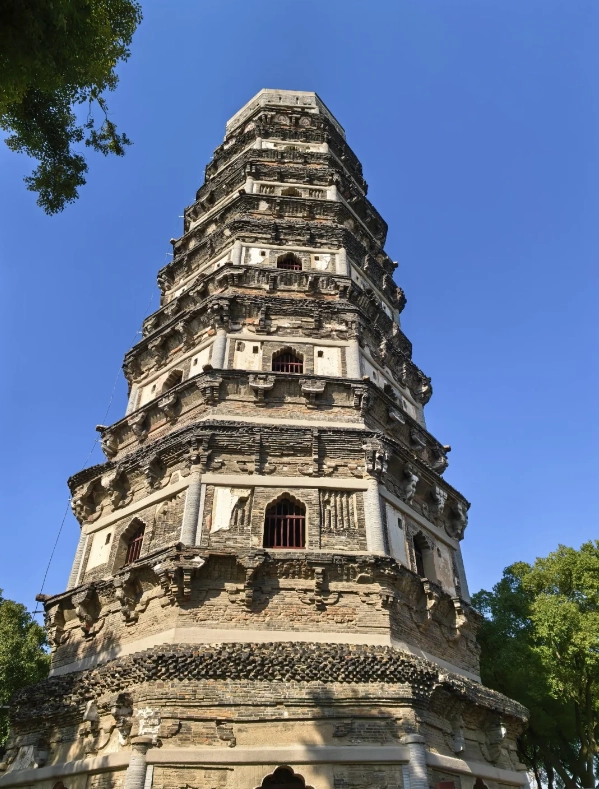
Address: 8 Shanjing Road, Gusu District
Opening hours: 7:30-17:30
Ticket: 80 RMB (adult). I buy tickets on the WeChat mini-program 'Suzhou Tourist' the night before to skip the queue. The highlight is the Yunyan Pagoda (leaning since the 17th century). Climb to the top for a great view of the city, but be aware—the stairs are steep and narrow. There's also a sword pool and a tomb of the legendary King Helu. Wear comfortable shoes; the grounds are larger than they look.
Afternoon: Suzhou Museum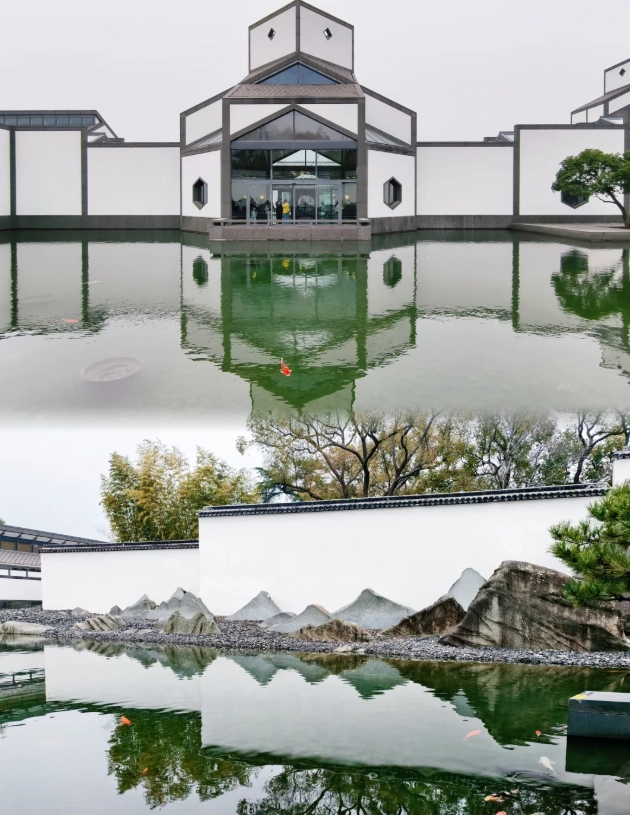
From Tiger Hill, take a taxi (about 15 RMB) to the Suzhou Museum. It's right next to the Humble Administrator's Garden, but unlike the garden, the museum is free—though you must reserve in advance on their official WeChat mini-program (search 'Suzhou Museum'). Slots open 7 days ahead and fill quickly, so book as soon as you confirm your travel dates. The building itself, designed by I.M. Pei, is a masterpiece of modern Chinese architecture. Inside, don't miss the Song dynasty paintings and the ancient tombs exhibit. The gift shop has reasonably priced postcards and replicas. I spend about 2 hours here.
Evening: Kunqu Opera (optional)
If you're up for a cultural night, the Kunqu Opera Museum at 14 Zhangjiaxiang Lane puts on hour-long performances in a traditional garden setting. Tickets are 100 RMB, and you can buy at the door (often available same day). The singing is high-pitched and can be an acquired taste, but the costumes are stunning. Or skip it—I've had some guests fall asleep.
Day 4: Modern Suzhou – Jinji Lake & Shopping
Time to see the other side of Suzhou—the shiny, modern one. Jinji Lake is Suzhou's answer to Singapore's Marina Bay, with a massive Ferris wheel and a light show at night.
Morning: Suzhou Industrial Park & Times Square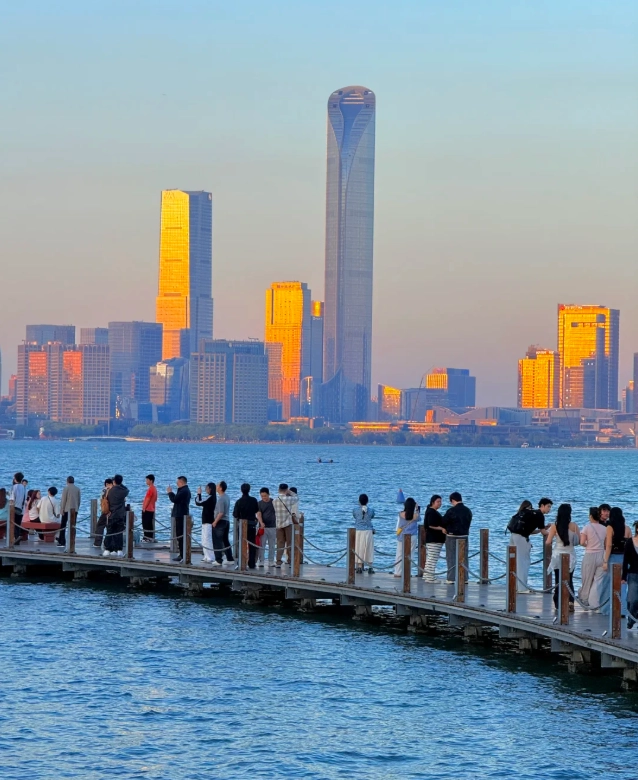
Take Metro Line 1 to Times Square station (exit 4). Walk around the lake, or rent a bike (there are public bike stations every 500m, scan with Alipay). The Suzhou Ferris Wheel is 120 meters high—tickets are 60 RMB, and the queue is usually short on weekdays. If you're with kids, the amusement park next to it has bumper cars and a small roller coaster.
Afternoon: Shopping
Head to the Suzhou Center Mall (exit 3 from Times Square station) for international brands and a huge food court. But for something more local, take a cab to the Guangyu Silk Market (at 38 Linwu Road). I bought a silk robe there for 200 RMB—negotiate hard, start at half the asking price. They also have pearls and embroidery. Most vendors accept WeChat Pay, and some take credit cards, but prices increase by 20% for card payments.
Evening: Jinji Lake Light Show
At 7:30 PM, the water fountain and light show starts at the Moon Harbor area (near the Ferris wheel). It's free, lasts 30 minutes, and is quite impressive—I've seen it 20 times and still enjoy it. Grab a bubble tea from the nearby Heytea shop and find a spot on the steps.
Day 5: Nature & Relaxation – Taihu Lake or Mudu
Your last day should be slow. I offer two options depending on your energy level.
Option A: Taihu Lake (Nature)
Catch Bus 551 from Suzhou Railway Station to Dongshan Town (1.5 hours, 5 RMB). Dongshan is a scenic peninsula on Taihu Lake, known for its bayberry orchards and fishing villages. Rent an electric bike (40 RMB for half a day) and ride along the lake road. Stop at Lu Lane, a historic village with Ming-dynasty houses—free to enter, very few tourists. For lunch, find a lakeside restaurant and order Taihu white fish (steamed, delicate). Price: 100-150 RMB for a big meal.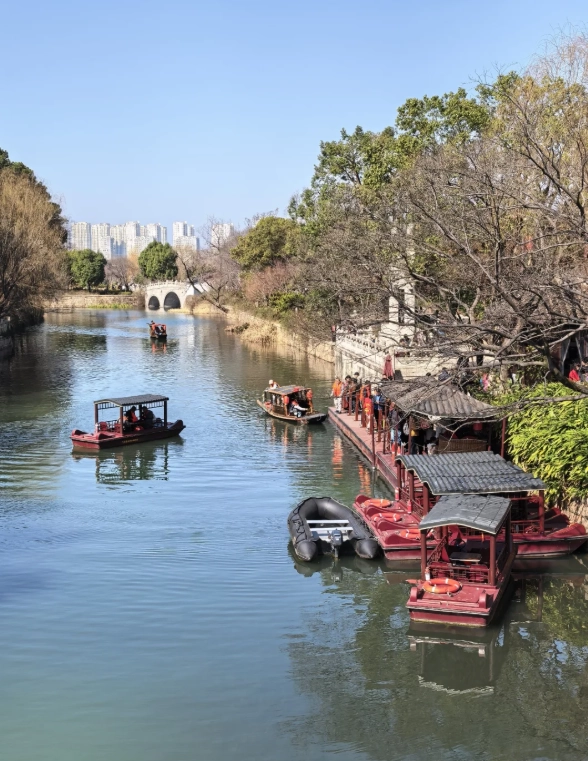
Option B: Mudu Ancient Town (History & Crafts)
If you prefer something closer, Mudu is just 30 minutes by Metro Line 1 (terminus Mudu) and then a short taxi. It's a canal town with a special focus on gardening and woodworking. The Yan Garden (40 RMB) is a replica of a Qing-dynasty scholar's residence with beautiful wood carvings. You can also take a 30-minute boat ride for 20 RMB. For a souvenir, I always get a small wooden comb from a shop near the entrance—hand-carved, about 30 RMB.
Where to Stay in Suzhou
| Area | Best For | Average Price/Night (RMB) | Pros |
|---|---|---|---|
| Pingjiang Road / Gusu District | History lovers, walkers | 400-800 | Close to gardens, canal views, great atmosphere |
| Shiquan Street | Foodies, nightlife | 300-600 | Lots of restaurants, bars, and little shops |
| Jinji Lake Area | Business travelers, families | 500-1200 | Modern hotels, good transport, lake views |
| Suzhou Industrial Park | Budget travelers, young couples | 200-400 | Metro access, cheap hostels, less touristy |
I usually recommend staying near Leqiao or Guanqian Street metro stations—they're central and easy to navigate. Many hotels offer free Wi-Fi, but ask at check-in if it's stable for video calls; some older buildings have thick walls.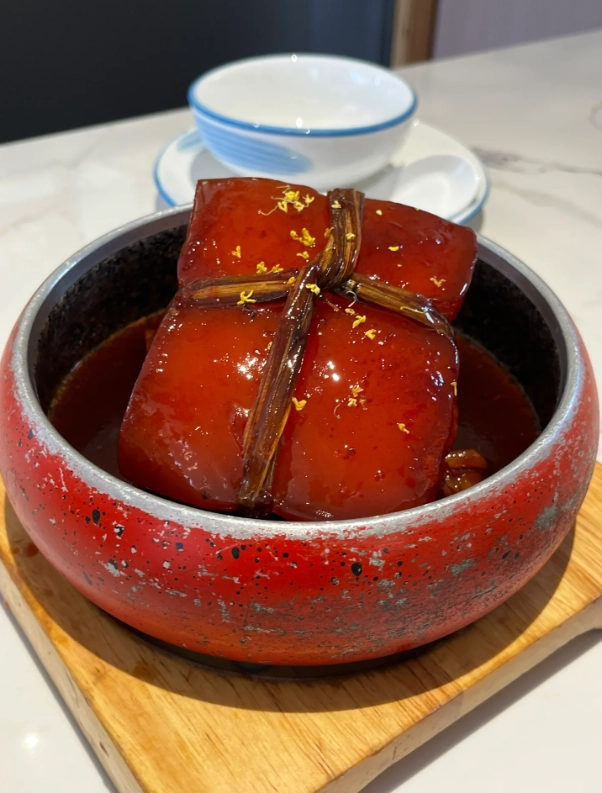
What to Eat in Suzhou
- Suzhou Noodles: Thin noodles in sweet soy broth with toppings like eel, shrimp, or pork belly. Best at Tongdexing (33 Guanqian Street) – arrives before 9am to avoid the lunch rush.
- Pan-fried Pork Buns: Called shengjian, they're like soup dumplings but pan-fried. The ones at Xiao Yang Sheng Jian (multiple locations) cost 8 RMB for 4.
- Osmanthus Glutinous Rice Balls: Sweet dessert served in fermented rice soup. Try at Yueshi (321 Pingjiang Road).
- Beggar's Chicken: Chicken wrapped in lotus leaves and baked in clay. De Yue Lou (mentioned earlier) does a good version.
- Green Tea Ice Cream: Not traditional, but a creative local treat. Available at many tea houses.
Hi there! To answer your question directly: 1 to 2 hours is definitely not enough time to visit all these spots and get good photos.
Jinji Lake is massive. While all the locations you listed are technically connected by beautiful lakeside pedestrian paths, walking the entire distance—especially crossing from the west bank to the east bank—will eat up all your time and energy.
How much time do you need?
I highly recommend setting aside at least 4 to 5 hours (a solid half-day) so you aren't rushing and have time to actually enjoy the photo spots.
The Best Route & Order to Visit:
To save time and your legs, here is the most efficient route flowing from West to East:
1. Start at Gate of the Orient (West Bank): This is your best starting point. Snap your photos of the iconic building from the lakeside plaza. Instead of walking to the next spot, hop on the subway (Metro Line 1) here and ride two stops east to cross the lake.
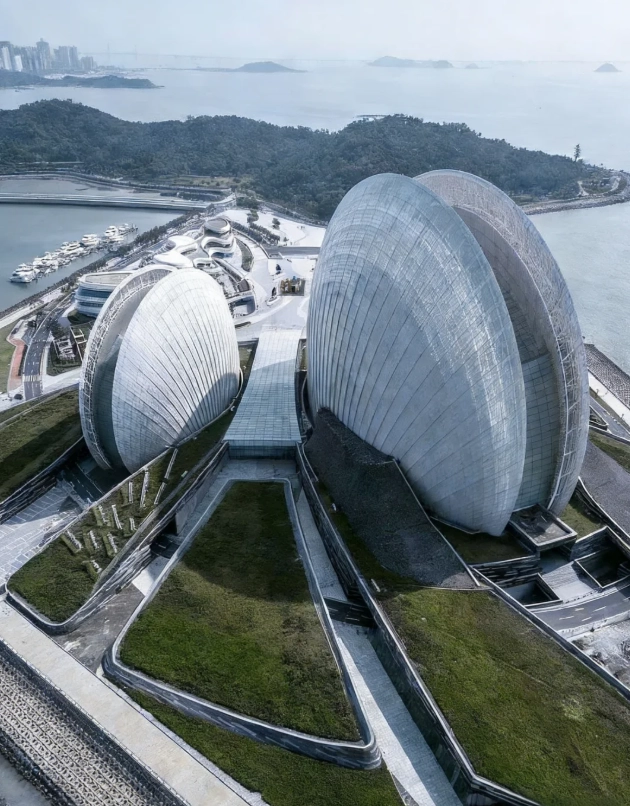
2. Suzhou Culture and Arts Centre: Exit the subway here. This beautiful building (often called the "Suzhou Bird's Nest") looks amazing right on the water and serves as your starting point for the East Bank.
3. Moon Harbour (Yueguang Wharf): From the Arts Centre, it is just a highly scenic 5-minute waterfront walk. It features lovely European-style architecture and 270-degree lake views.
4. Harmony Sky Screen (Yuanrong Times Square): Walk about 10–15 minutes inland from Moon Harbour. The massive LED canopy is great during the day but truly spectacular if you time it for the evening.
5. End at Jinshuiwan Plank Bridge: This is further south. You can walk along the lake (about 30 minutes) or take a quick 10-minute taxi from the Times Square area. The winding boardwalk over the water offers the absolute best panoramic views of the skyline you just came from. It is the perfect spot to end your day and catch the sunset!
Have a fantastic time in Suzhou, and I hope you get some amazing photos!
Hi there,
We’re planning to visit the following places, but we only have about 1–2 hours available. Could you kindly advise if that would be enough time? If not, how much time would you recommend for a worthwhile visit?
Our main goal is to walk along the Jinshui Plank Bridge and take photos at the key spots listed below:
1. Oriental Arc (East Gate)
2. Moon Harbour
3. Suzhou Cultural and Arts Centre
4. Harmony Sky Screen (at Harmony/Round Times Square – also known as Yuánróng Tiānmù)
5. Jinshuiwan Plank Bridge (Lake Watching Corner)
We’d also like to know:
Are all these locations connected and walkable?
If so, what would be the best order to visit them, and where should we start?
Many thanks in advance for your help and suggestions!
Hi again! So glad you found the Day 4 itinerary helpful. Jinji Lake is absolutely stunning at night. Here are the answers to help you plan that evening:
1. Where to visit: Since you only have 1-2 hours and want to skip the shopping malls, I highly recommend walking around the east shore near the Suzhou Culture and Arts Centre. The architecture looks spectacular lit up at night, and the waterfront promenade here gives you a fantastic 270-degree panoramic view of the water without the heavy crowds.
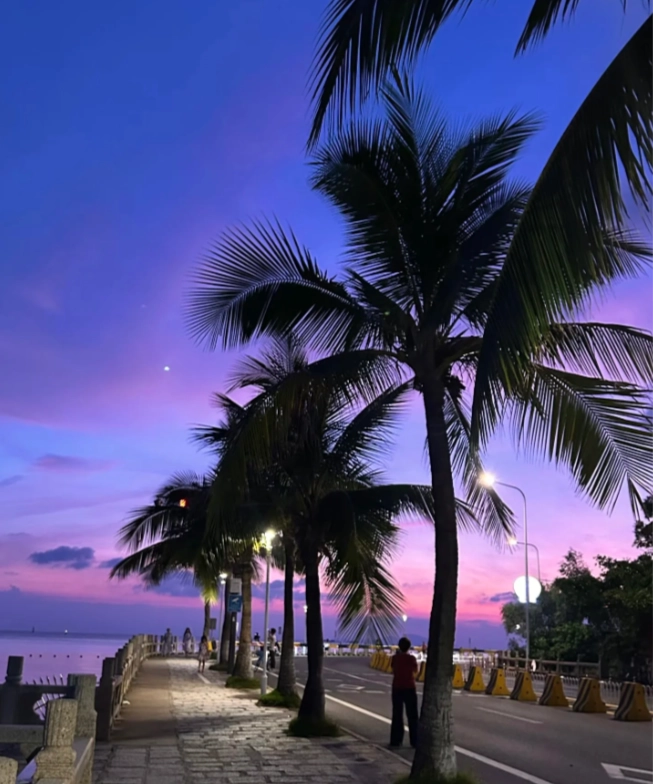
2. Floating Walkway: The photo you spotted in the article is the Jinshuiwan Plank Bridge. It’s a gorgeous elevated pedestrian boardwalk that zig-zags right over the water as part of the continuous lake trail, offering great night views of the city skyline.
3. Vegetarian Food: For a memorable family dinner, I recommend checking out the dining options at W Suzhou right by the lake. They offer excellent, high-quality plant-based and vegetarian dishes, and sitting by the windows gives you incredible elevated night views to enjoy while you eat.
4. Fountain Schedule: I have to share some slightly disappointing news here—according to the official schedule, the musical fountain and light show only runs on Fridays and Saturdays at 19:30. Because your visit on December 1–3 falls mid-week (Tuesday through Thursday), there won't be a show during your stay.
5. Evening Weather for Kids: It will definitely be chilly! Evening temperatures in early December usually drop to around 2–6°C (35–43°F), and the wind whipping off the lake makes it feel noticeably colder. For an 8 and 10-year-old, an hour or two is totally fine, but they must be bundled up in warm winter coats, hats to protect their ears from the wind, and gloves. If they get too frosty, there are plenty of cafes near the Arts Centre you can duck into to warm up!
Let me know if you need help adjusting your itinerary. Have a wonderful trip!
Hi there! We're planning to visit the Jinji Lake scenic area from December 1–3, and we'll likely be there after sunset or in the evening, as we enjoy scenic night views. We're not interested in the Ferris wheel or shopping, so we'll have about 1 to 2 hours to explore the area.
We had a few questions we were hoping you could help with:
1. Which areas within the Jinji Lake scenic area would you recommend for a short evening visit?
2. In your article under "Day 4: Modern Suzhou – Jinji Lake & Shopping," there's a photo of a "floating walkway"—could you tell us exactly where that is located?
3. Are there any vegetarian restaurants or plant-based options available at or near Jinji Lake?
4. Is the Jinji Lake water fountain and light show held every evening?
5. Would early December evenings be too cold for children aged 8 and 10 to comfortably enjoy the area after sunset?
Thanks in advance for your help—we really appreciate it!