 Peng Gao
Quick Jump
I’ve been guiding travelers through Suzhou for over eight years, and I can tell you this: two days is enough to fall in love with the city — but only if you plan smart. Most tourists cram too much and end up exhausted. This best Suzhou itinerary balances top sights with local pace, plus the insider tweaks that make all the difference.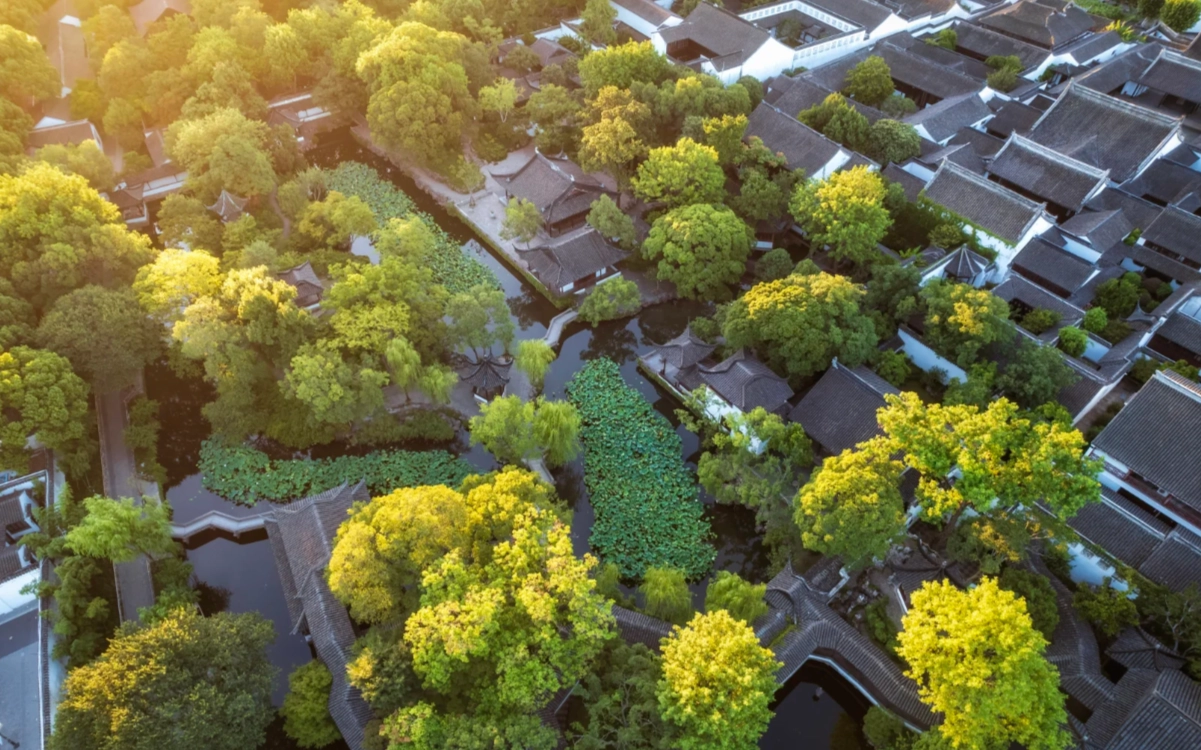
Day 1: Classical Gardens & Canal Roam
Morning: Humble Administrator’s Garden
Address: 178 Northeast Street, Gusu District
Metro: Line 4, Beisita Station, Exit 4 – then a 5-min walk (you’ll see the ticket booth past the small bridge).
Price: 80 RMB adults (April–October), 70 RMB off-peak. Students and seniors 60+ get half off. Prices change seasonally, so scan their official WeChat mini-program before you head over.
Visit duration: 2–2.5 hours.
This is the crown jewel of Suzhou gardens, and it’s massive. I always tell my groups to enter, turn left immediately, and wander the eastern section first — it’s the quietest. The central pond and pavilions are best before 9 AM. After that, you’re shoulder-to-shoulder with selfie sticks. There’s a small tea house inside (cash only, around 30 RMB for a pot) where you can rest.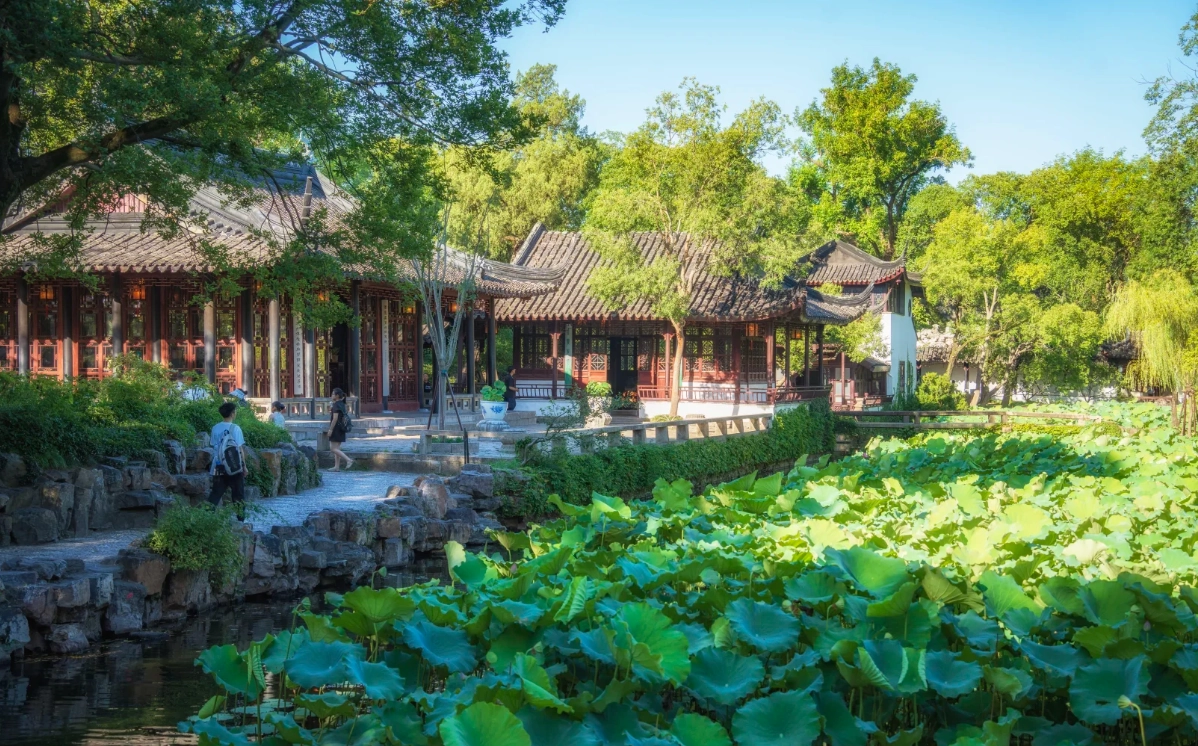
Late Morning: Suzhou Museum
Exit the garden’s back gate and you’re literally at the Suzhou Museum (designed by I.M. Pei). It’s free but you must reserve via the official WeChat account “苏州博物馆” (Suzhou Museum). Spots fill up 3 days ahead in peak season. I’ve seen families turned away — don’t let that be you. The museum itself is a masterpiece of light and water, and the collection of Ming furniture is world-class. Budget 1 hour.
Lunch: Songhelou
Just a 10-minute walk from the museum, Songhelou (153 Guanqian Street) is a century-old restaurant famous for Suzhou cuisine. Their sweet-and-sour spare ribs and squirrel-shaped mandarin fish are legendary. Prices: 100–150 RMB per person. Come before 11:30 AM or expect a 30-min wait. They accept Alipay, WeChat Pay, but not international credit cards — so bring a friend with Alipay or use cash.
Afternoon: Pingjiang Road
After lunch, stroll down Pingjiang Road — a 1.5 km canal-side lane that’s been around since the Song Dynasty. It’s touristy, yes, but the willow trees and stone bridges are genuine. Skip the overpriced tea shops and instead duck into Cat’s House Coffee (45 Pingjiang Road) for a decent latte and free wifi. Walk the side alleys (e.g., Dachang Lane) to see locals washing vegetables by the canal. That’s the real Suzhou.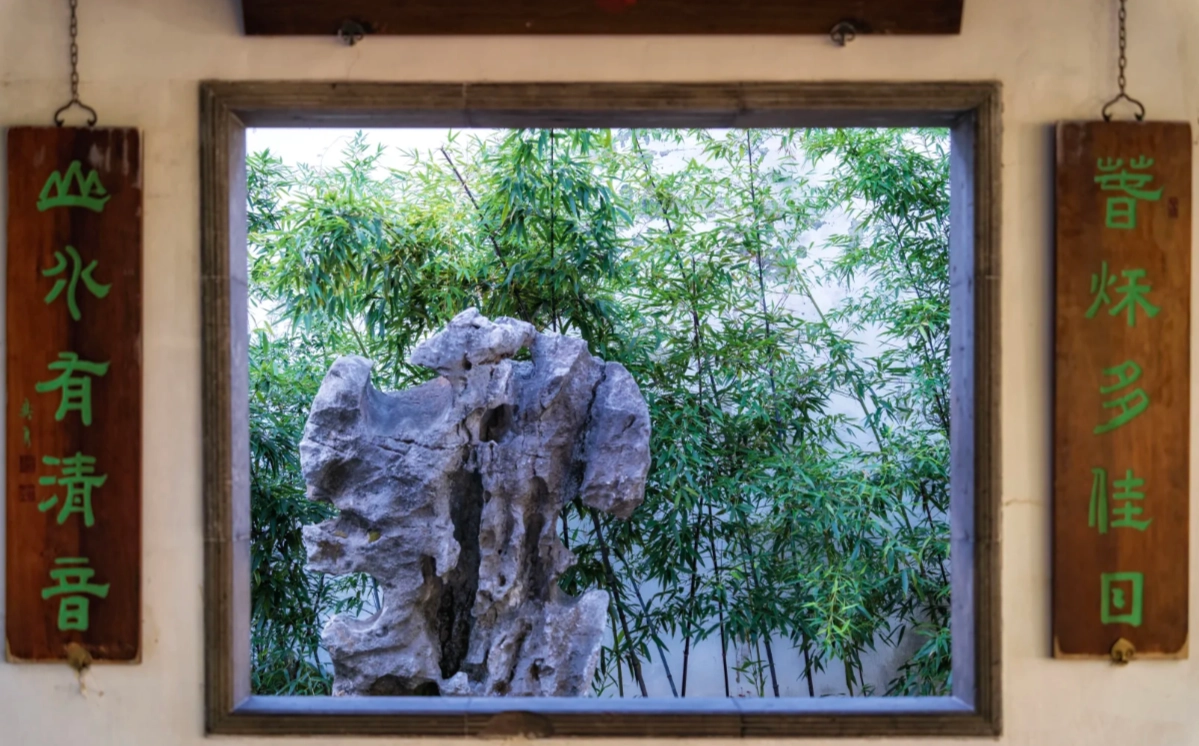
Evening: Shantang Street Night Walk
Take a taxi (15 RMB) or Metro Line 2 to Shantang Street. This 7 km canal street is magical at dusk when red lanterns reflect on the water. Avoid the first 200 meters — it’s a souvenir trap. Walk deeper to the bridge at the intersection with Guangji Road. There you’ll find Old Shantang Teahouse (marked by a wooden sign) where you can listen to Kunqu opera for 50 RMB a seat. The show starts around 7 PM. No reservation needed, but seats fill fast.
Day 2: Water Town & Cultural Gems
Option A: Tongli Water Town (Half-Day)
Getting there: Metro Line 4 to Tongli Station (45 min), then a 10 min bus or taxi to the entrance. The direct bus from Suzhou Railway Station also works.
Entrance: 100 RMB (includes garden and boat ride). Book on Trip.com or Klook for a slight discount. I prefer Tongli over Zhouzhuang because it’s less crowded and the canals feel more intimate. Walk the Tuisi Garden first, then take a gondola (120 RMB per boat, max 6 people) through the quieter back canals. Lunch at Yuanmeng Yuan (near the central bridge) – their steamed whitefish is fresh and cheap (around 60 RMB). Return by 2 PM.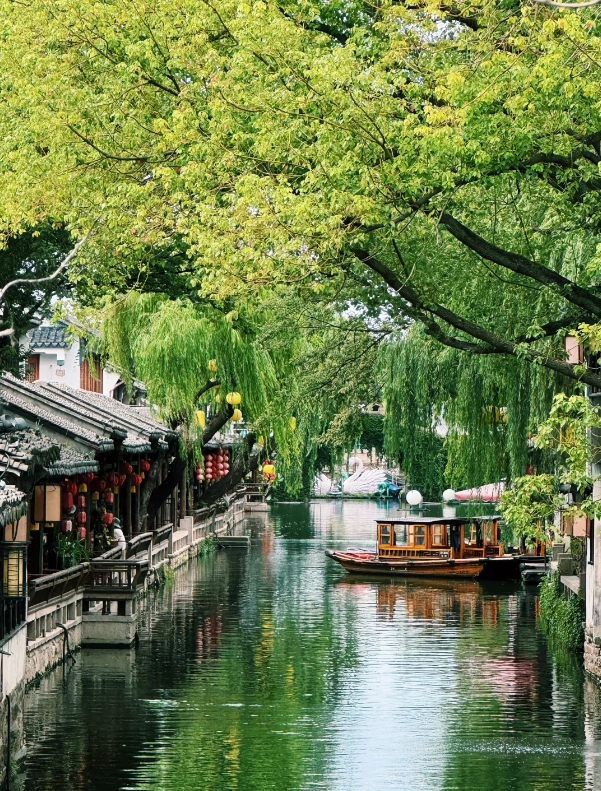
Option B: Tiger Hill (for Garden Lovers)
If you’ve had enough water towns, Tiger Hill is Suzhou’s most iconic landmark — a 36 m hill crowned by the leaning Yunyan Pagoda. Entry is 80 RMB. The sword-pool legend and ancient carvings are fascinating. Climb to the top for a city view (watch your step — the stairs are uneven). Allow 2 hours. The metro (Line 1 to Mudu, then bus) is slow; a taxi from city center costs about 25 RMB.
Afternoon: Suzhou Silk Museum
Silk is Suzhou’s other claim to fame. The Suzhou Silk Museum (2001 Renmin Road) is free and shows the entire silk-making process from silkworm to loom. You can even buy legit silk scarves in the gift shop for 150–300 RMB — much cheaper than tourist stalls. Take Metro Line 2 to Shi’an Street, then walk 10 min.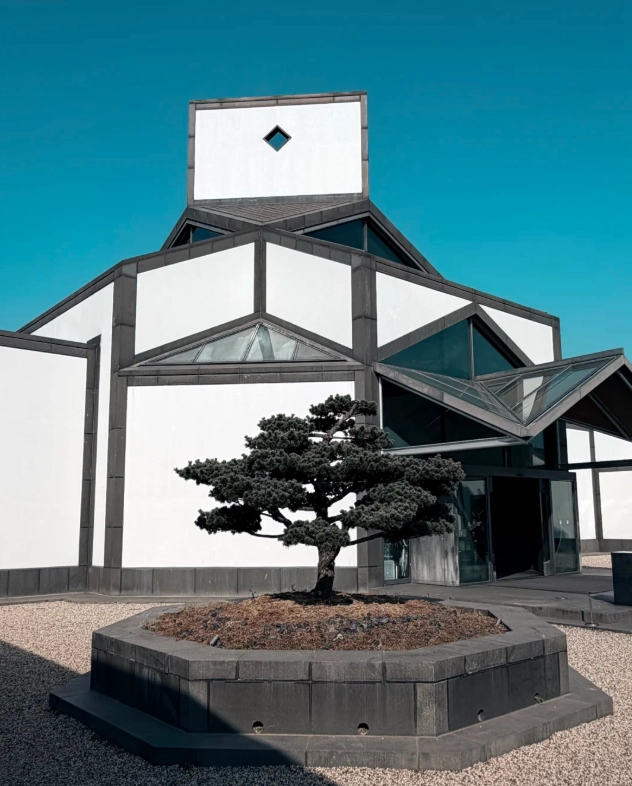
Evening: Guanqian Street Food Walk
End your trip on Guanqian Street, Suzhou’s oldest pedestrian shopping lane. It’s chaotic, loud, and wonderful. Must-try snacks: stinky tofu (the one at the eastern end, fried with chili – 10 RMB), sweet osmanthus cake (50 RMB for a box), and the “sugar-coated hawthorn” on a stick. Don’t miss Lv Yangyuan (corner of Gongxiang) for their sesame soup balls — a local favorite. Bring cash — many stalls don’t accept cards.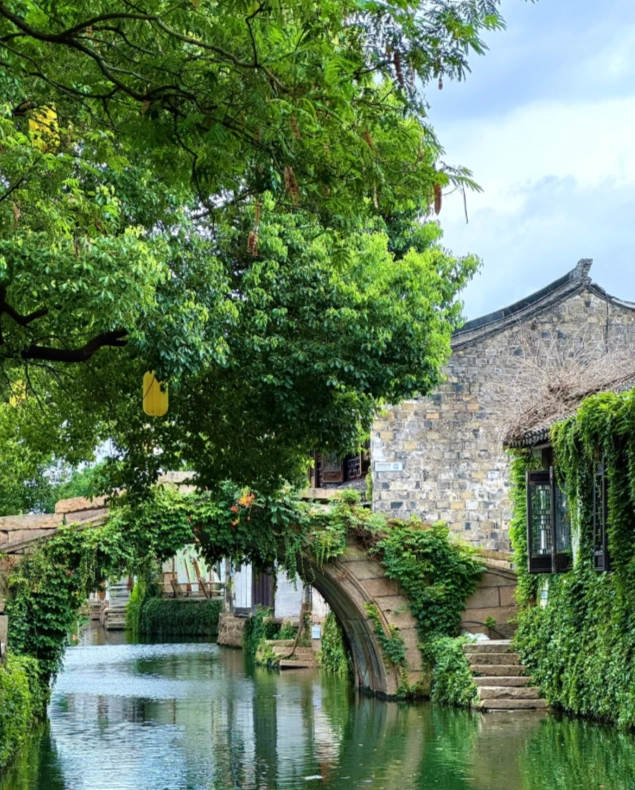
Where to Eat in Suzhou
| Restaurant | Specialty | Price Range | Address |
|---|---|---|---|
| Songhelou | Squirrel fish, sweet ribs | 100–150 RMB | 153 Guanqian Street |
| De Yue Lou | Suzhou-style dim sum | 50–80 RMB | 1 Taijian Lane |
| Tongwaxinge | Drunken crab, seasonal | 150–200 RMB | 66 Jinji Lake Ave |
Transportation Tips
Suzhou’s metro is clean, cheap (2–6 RMB), and covers most sights. Buy a reloadable Suzhou Tong card at any station — you can even use it for buses. Taxis start at 10 RMB. DiDi (the Chinese Uber) works well, but you’ll need a Chinese phone number or use the Alipay mini-program. Avoid driving yourself — the traffic in the old city is a nightmare.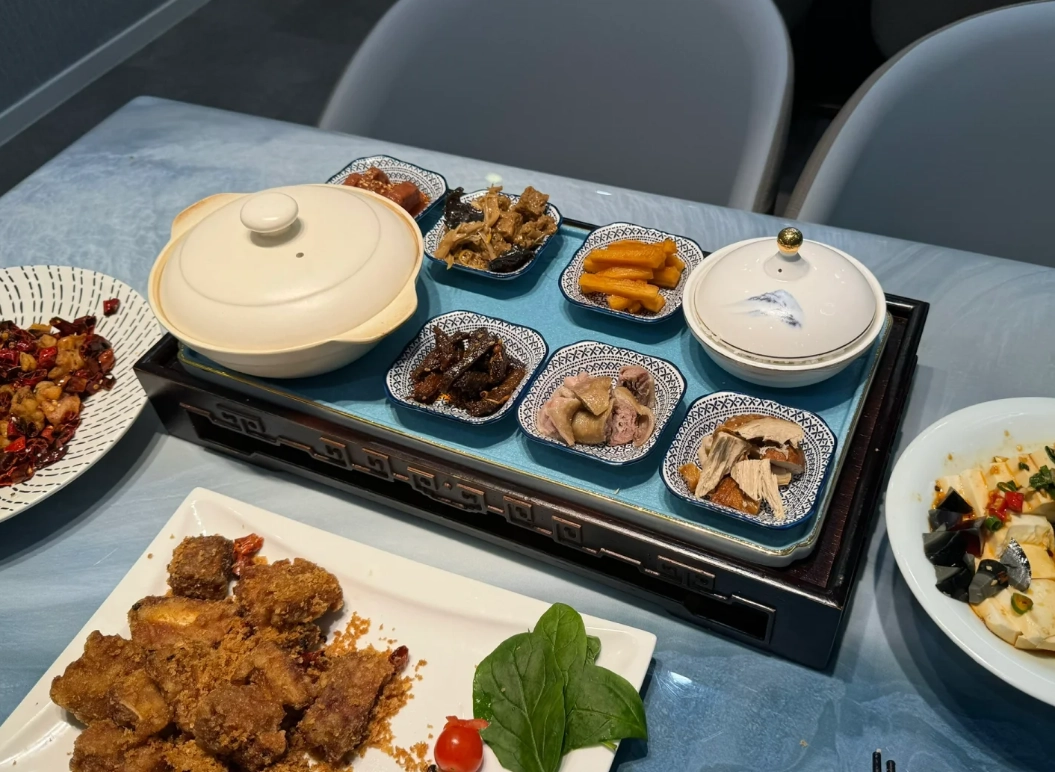
FAQ
This content has been fact-checked to ensure informational precision. Prices, opening hours, and transit details are verified as of the latest update. Always confirm on official platforms before visiting.

No comments yet.