 Chen Liu
I've lost count of how many times I've led groups through Haikou Volcanic Cluster Global Geopark. Every single time, someone says, “I didn't expect Hainan to have something like this.” And they're right – this isn't your typical beach-and-coconut paradise. It's a landscape shaped by fire, with lush green craters, ancient lava tunnels, and a peacefulness that hits you the moment you step off the bus. Let me show you how to actually enjoy it, without the tourist traps.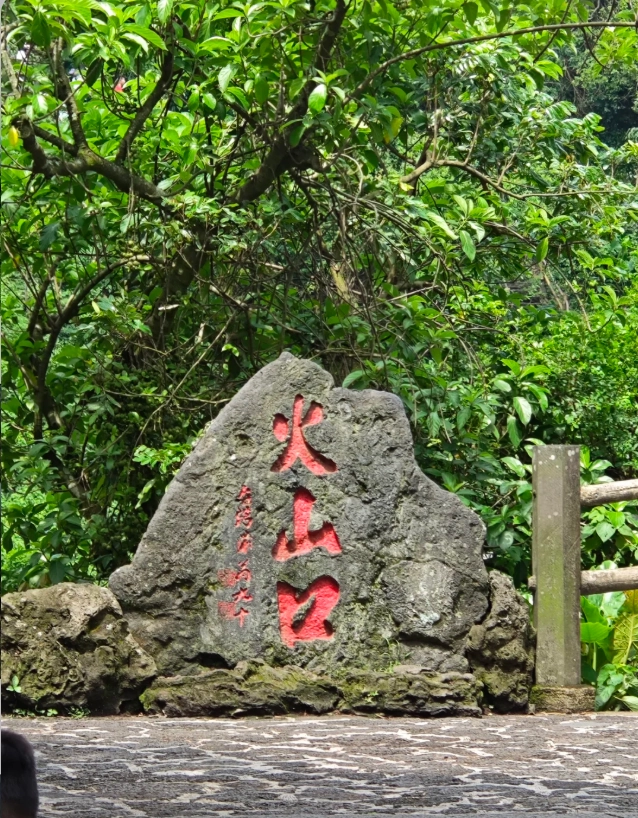
Why I Keep Going Back
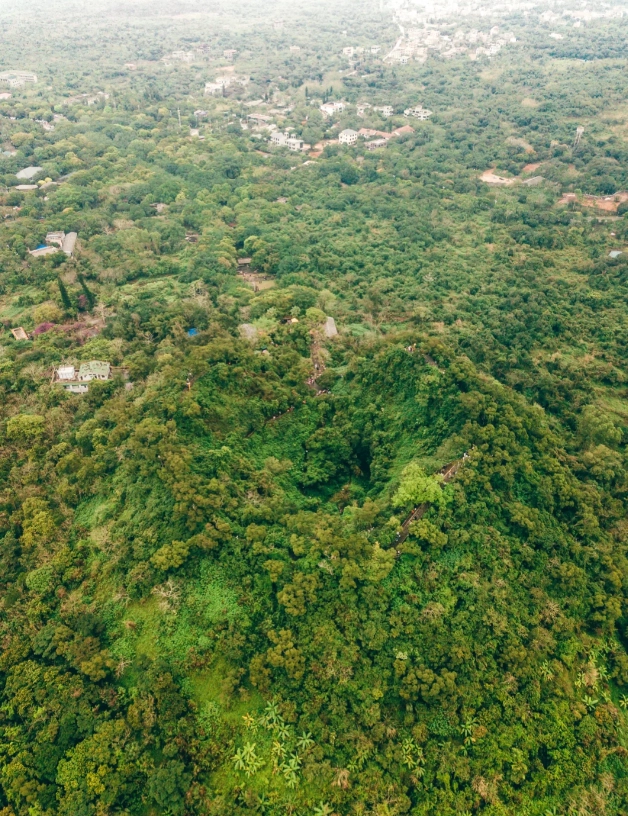
Most visitors to Haikou head straight to the coast. But if you're after something that feels both ancient and alive, this geopark delivers. It's a UNESCO Global Geopark (since 2006) with more than 40 volcanic cones and a network of lava caves. The main attraction is Ma'anling Crater – a massive bowl-shaped depression covered in dense tropical forest. Standing at the rim, you can see the city of Haikou in one direction and the uninterrupted green canopy in the other. It's a reminder that nature always finds a way.
One thing I love: the air genuinely smells different here – earthy, damp, with a hint of wild ginger. I've taken families, solo travelers, even a couple on their honeymoon, and everyone slows down. That's rare.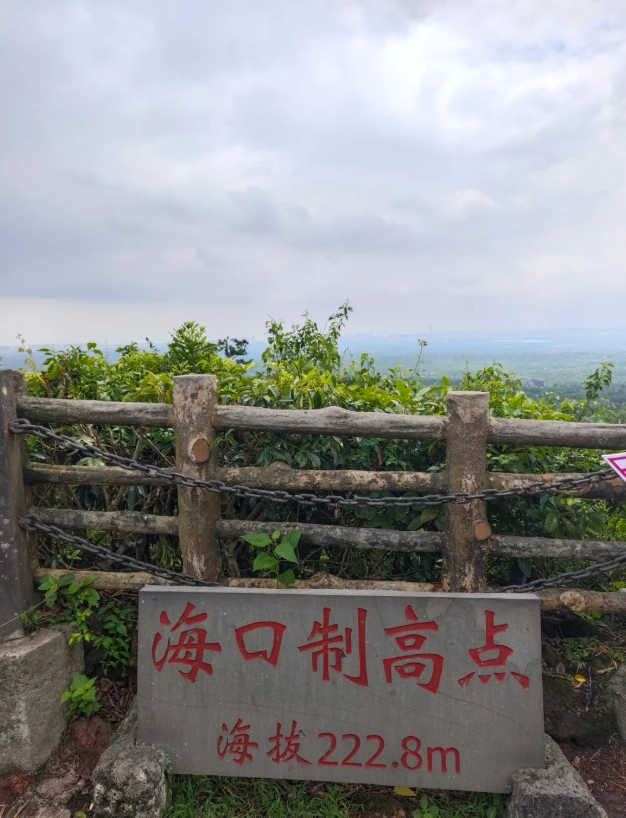
Getting There & Tickets
Location and How to Reach
The geopark is about 15 km southwest of Haikou city center. Address: Shishan Town, Xiuying District, Haikou. If you're using Didi (China's Uber), type “海口火山群世界地质公园” or show the driver the Chinese characters above. From downtown Haikou, the drive takes about 30–40 minutes, costing around ¥40–60 (US$5.50–8.50).
Public transport: Take bus 1 or 2 from East Lake bus station – get off at Shishan stop (石山), then it's a 10-minute walk. Bus fare is ¥2. But honestly, I recommend a taxi or ride-hailing because the bus can be cramped and infrequent.
Ticket Prices and Hours
| Item | Details |
|---|---|
| Adult ticket | ¥60 (approx. US$8.30) – book via WeChat mini-program “火山口地质公园” for a ¥5 discount. |
| Child (1.2–1.4 m) | ¥30 – children under 1.2 m enter free. |
| Senior (65+) | Free with ID – bring your passport. |
| Open hours | 8:00 AM – 6:00 PM (last entry at 5:00 PM). The park is open every day, but some indoor exhibits may close during Chinese New Year. |
Top Things to See – Beyond the Main Crater
Ma'anling Crater (The Big One)
This is the star. A 200-meter-wide, 90-meter-deep crater formed about 13,000 years ago. You can walk the entire rim – it's a 1.5-km loop with viewing platforms. The path is paved but has stairs. Here's the insider thing: most tourists go clockwise. Go counterclockwise instead. The light in the afternoon hits the crater wall differently, and you'll have the best photo spots almost to yourself.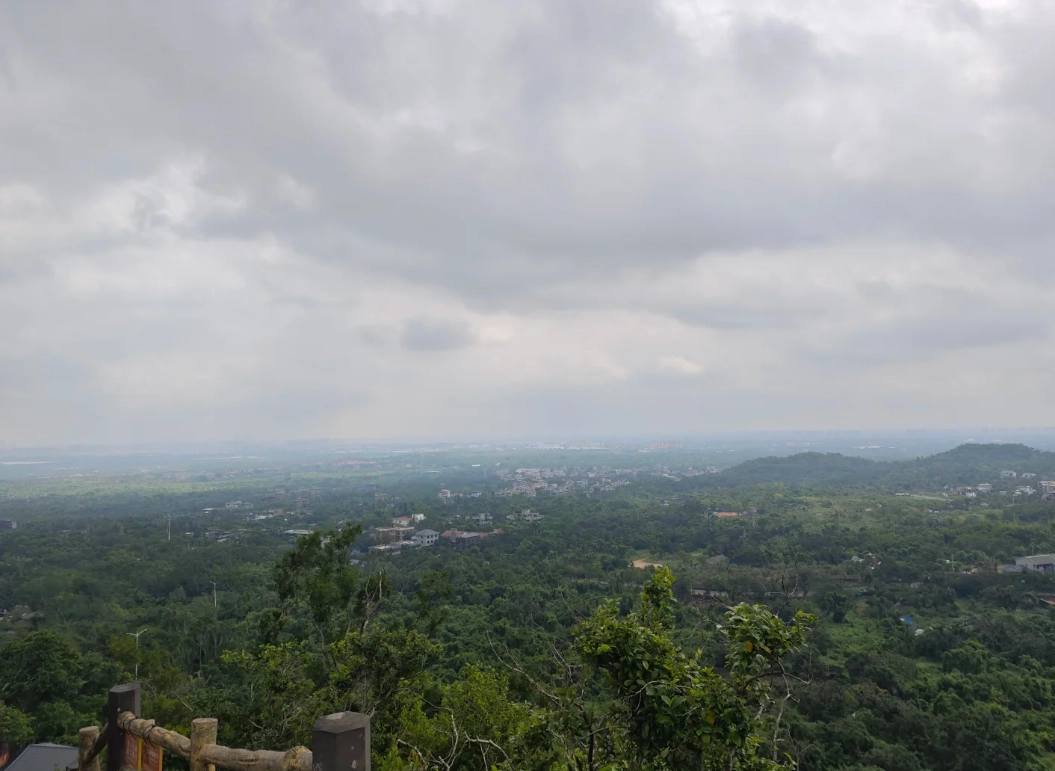
Lava Tunnel (Rongdong Lava Cave)
About 2 km from the main entrance, this is a 2,000-meter-long lava tube. It's not fully lit – bring a headlamp or use your phone flashlight. The cave is cool and damp even in summer. I once took a group of geology students who were absolutely geeking out over the lava stalactites. The cave is free to enter after you've bought the geopark ticket.
Volcano Museum
A small but informative museum near the entrance. It explains the volcanic history of Hainan and the local ecosystem. The exhibits have English captions, but they're not perfect. I'd spend 20–30 minutes here before heading up to the crater – it gives context to what you're about to see.
Hiking Trails for Every Level
There are three main trails inside the geopark: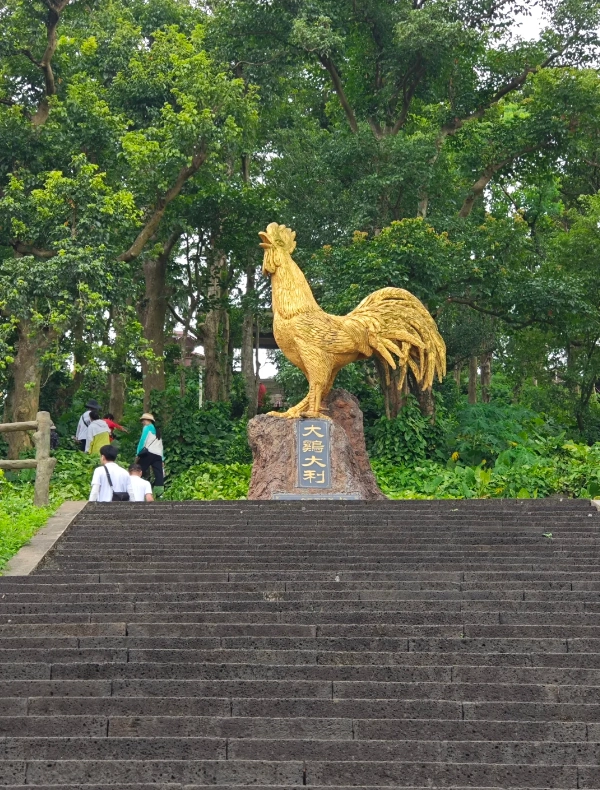
- Crater Rim Trail (1.5 km, easy): Suitable for all ages. Takes about 40 minutes. Great views.
- Forest Trail (3 km, moderate): Goes through secondary rainforest connecting the museum to the crater area. Shaded, a bit muddy after rain. I've seen kingfishers and monitor lizards here.
- Lava Cave Trail (2 km one way, moderate): From the parking lot near the cave entrance to the end of the tube. Uneven ground, watch your step.
If you only have two hours, do the Crater Rim Trail and the museum. If you have half a day, add the lava cave.
Best Time to Visit & Crowd Tips
Hours to hit: The park opens at 8 AM. I always tell my groups to arrive at 8:15. Why? Because tour buses start rolling in around 9:30. You get a solid hour of quiet before the crowds. Another golden window is 3:30 PM – the light softens, the tour groups are leaving, and the temperature drops.
Season: November to March is best – temperatures are pleasant (18–25°C). Summer (June–September) is hot and humid, plus sudden downpours. I've been caught in a tropical storm there – not fun. Spring and autumn are fine, but check for smog from local burning.
Avoid Chinese public holidays (Golden Week in October, Labor Day in May, and Spring Festival). The park gets packed, and the ticket queue can stretch to 30 minutes.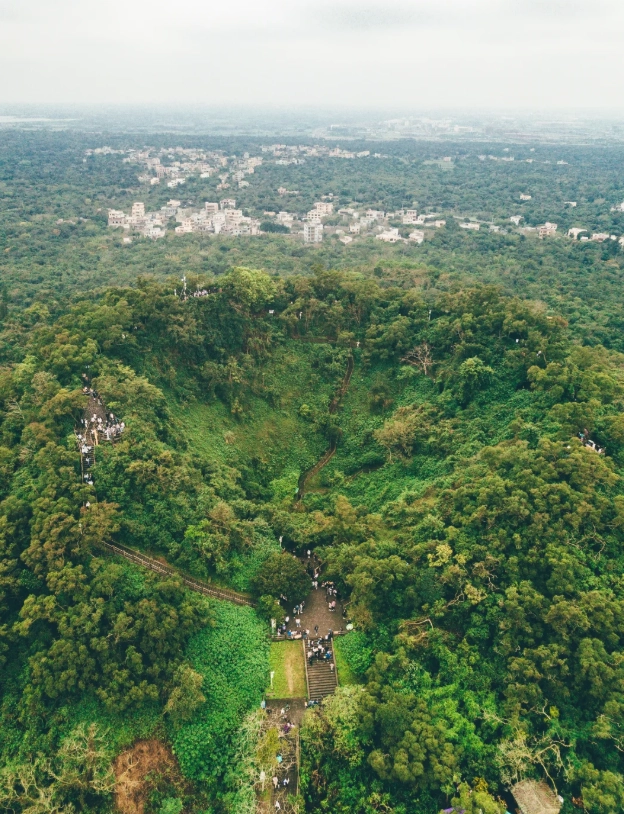
What to Bring and Wear
- Shoes: Sneakers or hiking shoes. No flip-flops – the lava rock is sharp and slippery in the cave.
- Water: Bring at least 1 liter. There's a small shop near the entrance but it's expensive.
- Insect repellent: Mosquitoes are active year-round, especially near the forest trail.
- Rain jacket: Sudden showers are common even in dry season.
- Cash: The shop and ticket booth accept WeChat Pay and Alipay, but not international credit cards. Bring some small bills just in case.
Nearby Attractions to Combine
If you're making a day trip out of the geopark, here are two spots I recommend:
- Leiqiong Global Geopark Exhibition Hall: A 10-minute drive from the main crater. It has a 3D model of the volcanic field and some interactive displays. Free with your geopark ticket.
- Shishan Volcanic Hot Springs: About 15 minutes away. After a morning of hiking, soaking in a natural hot spring is pure bliss. Prices start at ¥80 per person. Check their WeChat page for availability.
Most tourists skip these because they don't know about them – but I've never had a client regret the extra stop.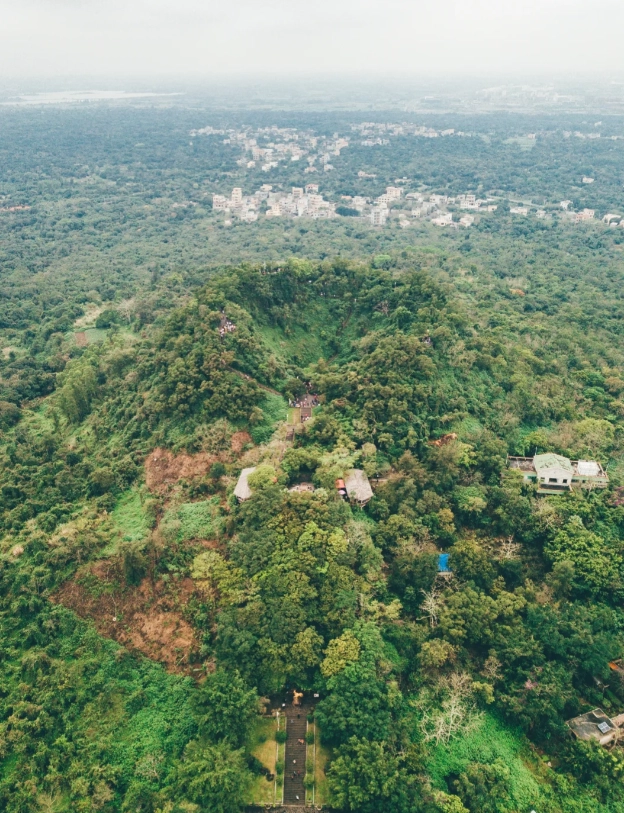



No comments yet.