 Yan Zhou
Quick Navigation
I’ve been guiding travelers around Hainan for over eight years, and I keep hearing the same thing: “Haikou is just a transit city, right?” Wrong. Dead wrong. Most tourists rush to Sanya and miss the raw, unfiltered charm of Haikou. Last month I took a couple from New Zealand around town – they arrived expecting a boring layover and left saying it was the highlight of their China trip. This guide is built from those real experiences, with the exact routes I use to dodge crowds, overpriced snacks, and disappointment.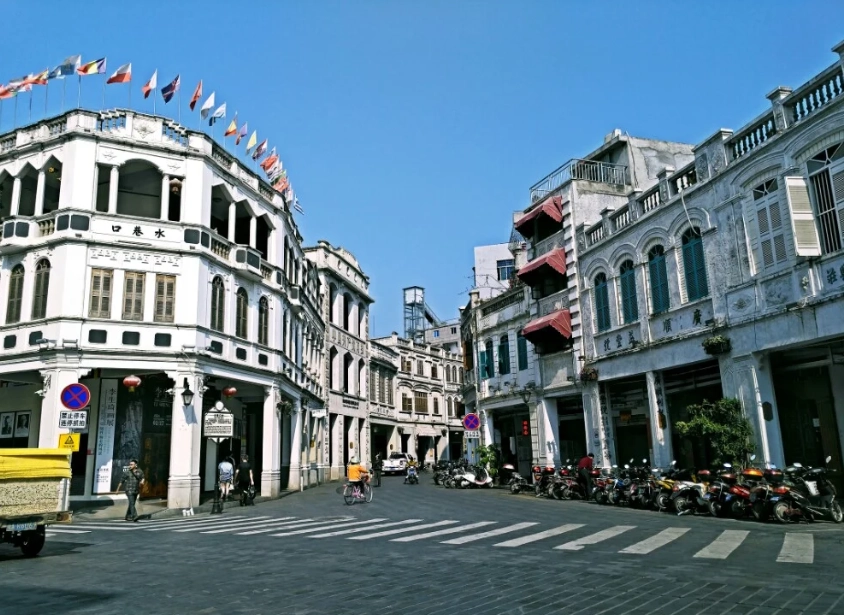
Why Haikou deserves your time
Haikou is Hainan’s capital, but it’s nothing like the manicured resorts of Sanya. Think gritty, authentic, and surprisingly green. You get volcanic craters, a preserved 1920s arcade quarter, and mangroves where you can spot egrets and crabs – all within 30 minutes of the city center. And the food? Way cheaper than Sanya, with fresh seafood straight from the boats. I’ve seen too many tourists waste a day at the “Haikou” fake beach they found on a blog – stick with this plan and you’ll actually experience the city.
Day 1: Volcanoes & Old Streets
Morning: Haikou Volcano Cluster Geopark (8:30 AM – 12:00 PM)
Start early to beat the heat and the tour groups. Take bus 1 or 2 from downtown to Shishan Town (40 min, 5 RMB). Get off at the Volcano Geopark stop – you’ll see the giant gray entrance. Entry is 60 RMB for adults, free for kids under 1.2m (verify exact prices via WeChat mini-program “火山口公园” before you go – they update seasonally).
I always tell my guests: skip the main crater viewing platform at first – head left to the black lava tunnels. They’re cooler, less crowded, and give you a real feel for the volcanic landscape. The steps down are steep, so wear sneakers. By 11 AM the tour buses roll in; you should be finishing up. Grab a coconut ice cream from the vendor near the exit (8 RMB) – it’s the only one worth buying.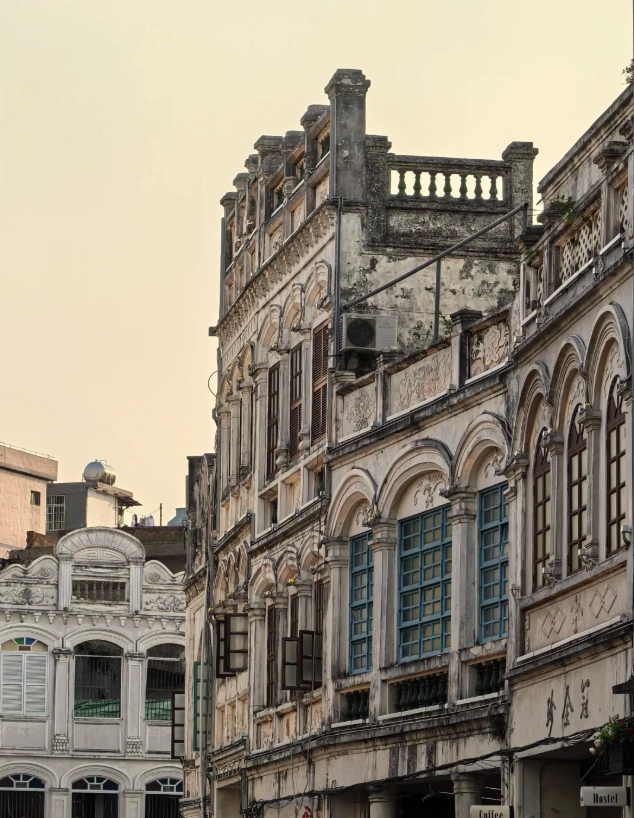
Lunch: Local food near Dongpo Pavilion (12:30 PM – 1:30 PM)
Take bus 2 back to downtown and get off at Dongpo Pavilion. Walk two blocks east to a tiny street stall called “Lao Ma Rice Noodles” (no English sign, look for the red banner). They serve a mean bowl of bamian – Hainan-style shredded pork noodles in a rich broth – for 12 RMB. The owner has been making it for 25 years. Expect a 10-minute wait at lunch, but it’s worth it.
Afternoon: Qilou Old Street & Historical Quarter (2:00 PM – 5:00 PM)
After lunch, walk 15 minutes south to Qilou Old Street. This is the real deal – arcaded buildings from the 1920s with traces of Portuguese and Chinese architecture. Don’t just walk the main pedestrian street; duck into the side alleys. I found a tiny workshop where an old man still repairs vintage watches – he’ll chat with you if you speak a little Chinese or use Google Translate.
For a great photo spot, go to the Haikou Bell Tower at the northern end – climb to the second floor (free) for a view over the rooftops. The best light is around 3:30 PM in winter, 5 PM in summer.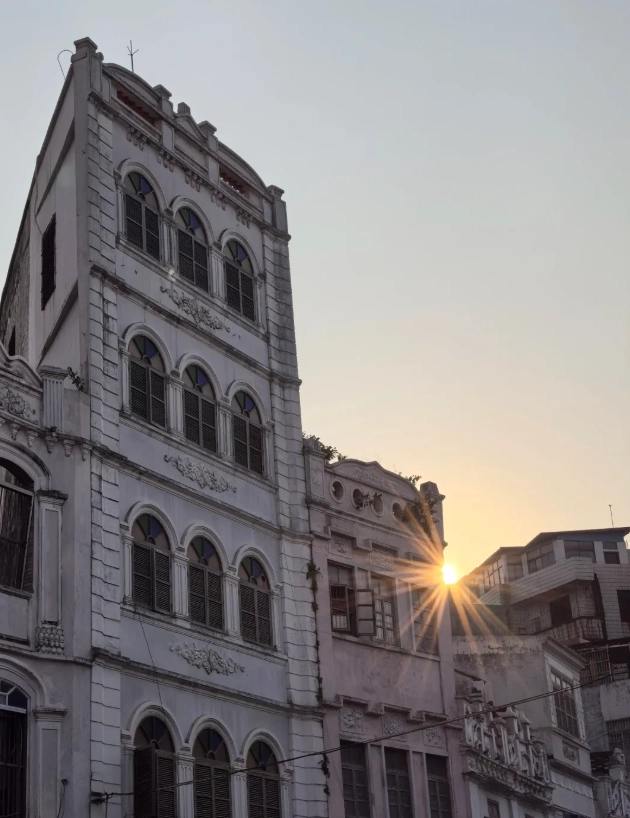
Evening: Seafood at Banqiao Road Night Market (6:00 PM onward)
You can’t leave Haikou without hitting Banqiao Road Seafood Market. It’s not as polished as the touristy ones – that’s the point. Buy raw seafood from the stalls, then take it to a nearby restaurant for cooking (processing fee ~15 RMB per kilo). I always go for the mantis shrimp and the steamed grouper. Prices: shrimp ~60 RMB/kg, fish ~80 RMB/kg. Warning: check the price board before buying – some stalls try to overcharge foreigners. Bring cash, as many stalls don’t take cards or Alipay for foreigners.
Day 2: Coast & Mangroves
Morning: Holiday Beach (9:00 AM – 11:30 AM)
Skip the more famous but overcrowded Riyue Bay – head to Holiday Beach instead. Take bus 6 from the city center (35 min, 4 RMB). The beach is wide, with dark golden sand and decent swimming. There’s a free public area and a paid section (30 RMB) with loungers and showers – I’d skip the paid part, the free area is just as good. The water here is calmer than the east coast, perfect for a casual dip. Most tourists hit the beach at noon; I send my guests before 10 AM to have it almost to themselves.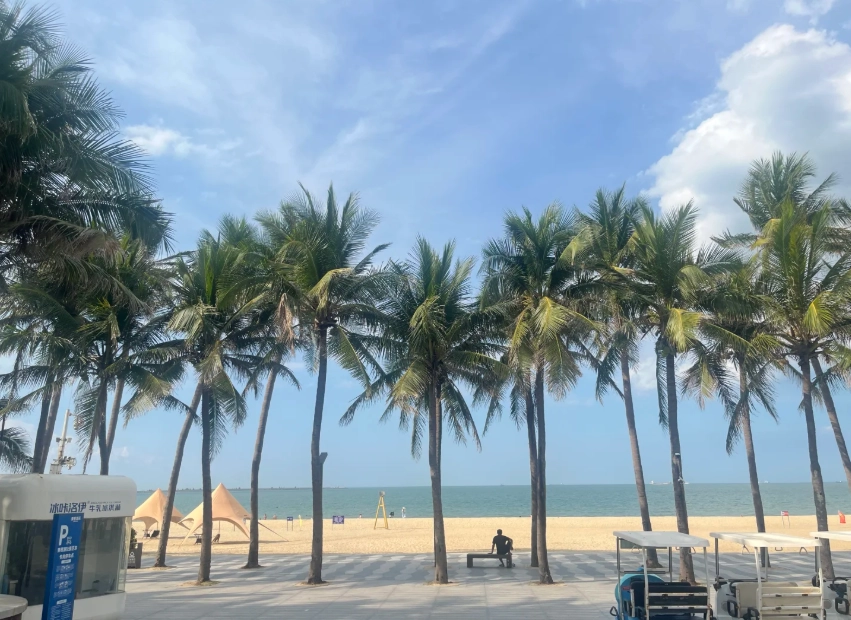
Lunch: Wuzhishan Restaurant (12:00 PM – 1:30 PM)
Back to town, try Wuzhishan Restaurant near Guoxing Avenue. They specialize in Hainanese chicken rice – the real version, not the watered-down tourist adaptation. Order the “white cut chicken” with the ginger-scallion oil (48 RMB for half chicken). The rice is cooked in chicken fat and pandan leaf – fragrant beyond belief. The waiters speak minimal English, but the picture menu makes ordering easy.
Afternoon: Dongzhai Port Mangrove Nature Reserve (2:30 PM – 5:30 PM)
This is my favorite hidden gem. Take bus 21 from Chengxi station (1 hour, 10 RMB) to Yanfeng Town, then a 5-minute tuk-tuk (10 RMB) to the entrance. The reserve has a 2-km wooden boardwalk through mangrove forest – you’ll see crabs, mudskippers, and maybe a heron. Entry is 30 RMB (check price via their official site, they sometimes offer discounts for early bird online booking). I recommend going around 4 PM – the light filters through the trees and the birds come out to feed. Most tourists don’t make it here, so you’ll have the boardwalk almost to yourself.
Evening: Night market at Jinpan Road (7:00 PM – 9:00 PM)
Skip the overhyped Jiefang West Road night market – it’s full of stall owners hawking the same fried squid at triple the price. Instead, go to Jinpan Road Night Market, a 10-minute walk from the Haikou East Railway Station area. Locals go here. Try the grilled oysters (20 RMB for 6), sugarcane juice (5 RMB), and the sticky rice with coconut (8 RMB). Bring small bills – most stalls don’t have change for 100 RMB notes.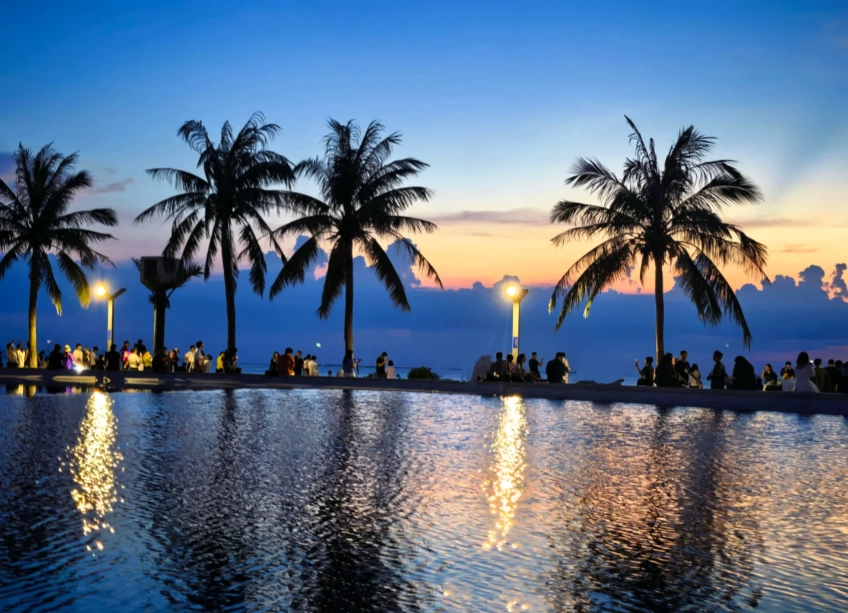
Day 3: Local life & Departure
Morning: Haikou People’s Park & Morning Market (7:00 AM – 9:30 AM)
For a glimpse of real Qing-era life, visit the Haikou People’s Park at sunrise. Old folks practice tai chi, women dance with fans, and the air smells of steamed buns. The adjacent Dongmen Market is an assault on the senses – live frogs, dried sea horses, exotic fruits I still can’t name. Try the soursop (红毛丹) – 12 RMB per kilo, sweeter than anything you’ve had. This is not a tourist attraction; it’s just life. But that’s exactly why it’s worth an hour of your time.
Late Morning: Hainan Provincial Museum (10:00 AM – 12:00 PM)
If you’re not museum-ed out, the Hainan Provincial Museum (free entry, closed Mondays) has an excellent collection of Li and Miao textiles, plus the history of Hainan’s migration. The building itself is modern and air-conditioned – a good escape from the heat. Take bus 8 from People’s Park (15 min). Give it at least 90 minutes. The “Maritime Silk Road” section is the standout. I always tell my groups: skip the audio guide (50 RMB, not worth it) and just read the English labels, which are decent.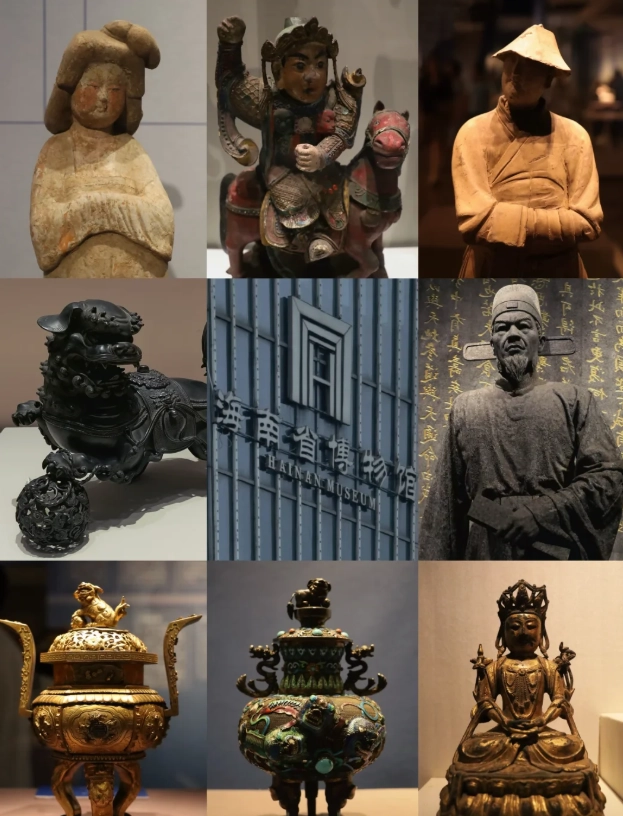
Lunch: Wrap-up at a local “Coconut Chicken” place (12:30 PM)
Before heading to the airport, I insist on one last meal: Coconut Chicken Hotpot. Go to Yuanji Coconut Chicken in Meilan District (near the airport, actually – perfect for last lunch). The chicken is boiled in fresh coconut water with herbs – light, sweet, and aromatic. A full hotpot for two runs about 120 RMB. The owner’s daughter speaks English and can help you order. If you have a flight in the evening, this is a relaxed way to end the trip.
Money & time savers
I’ve learned these the hard way after years of leading groups. Here’s a quick table:
| Mistake | What to do instead |
|---|---|
| Taking taxis without meter (drivers quote 50 RMB for a 15 RMB ride) | Always insist on metering or use Didi (the local Uber) – app works with foreign Visa cards now |
| Buying tickets at the Volcano Park window (higher price + cash only sometimes) | Pre-purchase via WeChat mini-program “火山口公园” – shows current price and QR entry |
| Eating at the Qilou main street (overpriced “old street” food) | Walk 2 blocks east to the local lanes; real prices are 40-60% lower |
| Exchanging money at airport (bad rate) | Withdraw from ATM at any Bank of China; withdraw 500-1000 RMB for street food and transport |
| Assuming everyone accepts Alipay/WeChat for foreigners (many do, but some don’t) | Carry at least 200 RMB in small bills for night markets and small stalls |

No comments yet.