 Yan Zhou
I’ve been guiding travelers around Xiamen for nearly a decade. Every time a new group asks for a 3-day plan, I start with the same advice: slow down. This city is meant to be savored, not rushed. Below is my tried-and-true itinerary that balances the iconic sights with local secrets – no tourist traps, just real Xiamen.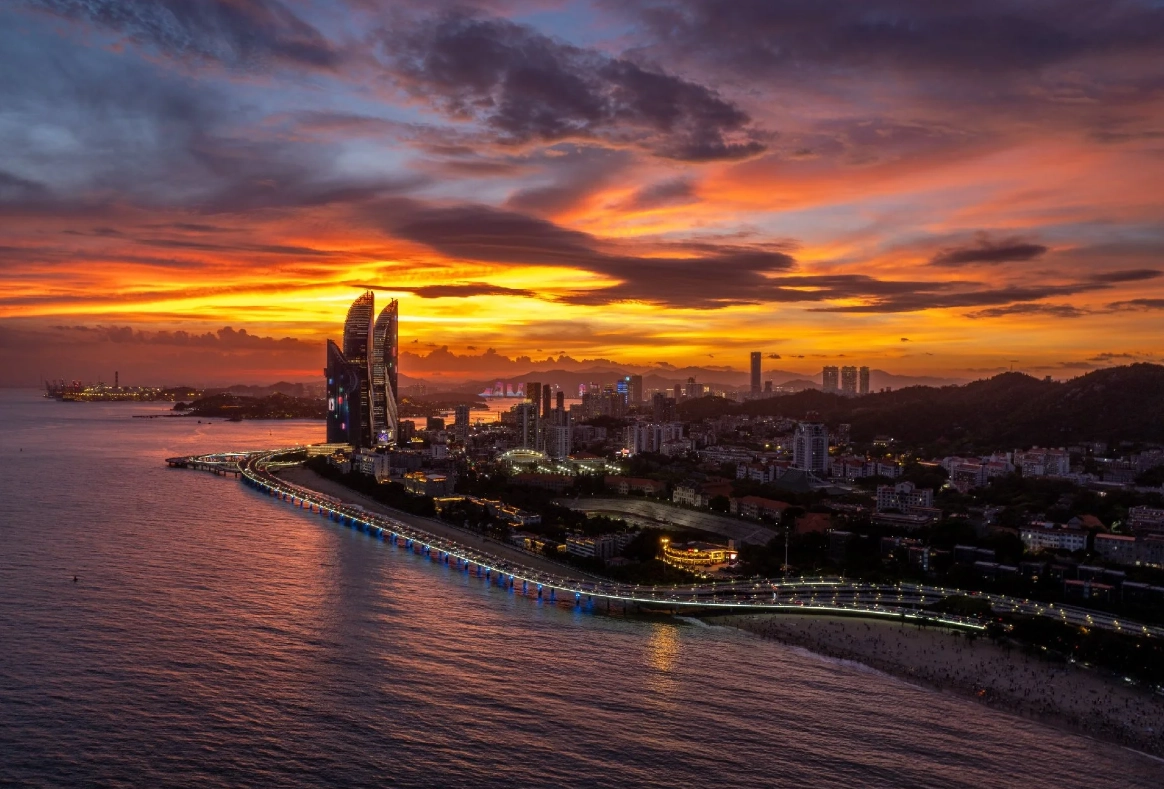
Day 1: Gulangyu Island – Walking Through History
Most visitors head straight to Gulangyu, a car-free island with colonial villas and winding alleys. Get there before 8:30 AM to avoid the worst crowds. I always take the ferry from Dongdu International Terminal. Foreign tourists can buy tickets at the counter or via WeChat mini-program “厦门轮渡”. The round-trip costs around 35 RMB (about $5).
Once on the island, skip the crowded Sunlight Rock unless you love queuing for a photo. Instead, wander to the quieter Haoyue Garden and the Organ Museum. The latter houses a massive 1920s pipe organ – the sound is unforgettable. For lunch, grab a bowl of sha cha mian at a small shop on Longtou Road. My favorite is Lin’s Noodle, but their menu is only in Chinese – just point at what others are eating.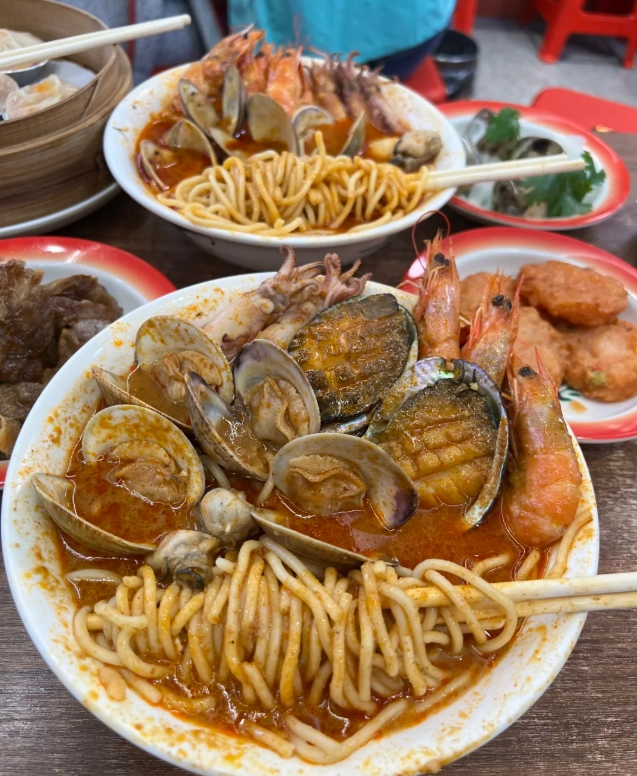
Day 2: Temples, Universities & Street Food
Nanputuo Temple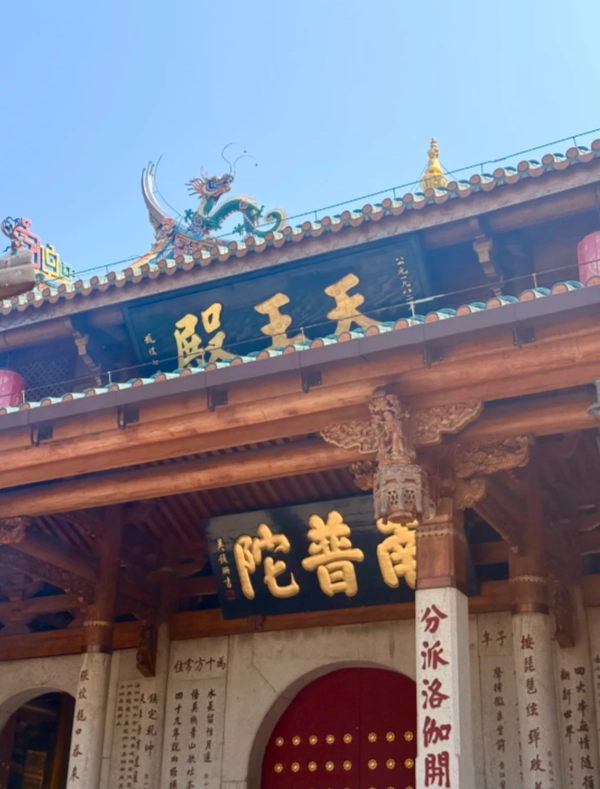
Start your second day at this free Buddhist temple at the foot of Wulao Mountain. It’s one of the most active temples in Fujian – you’ll see monks chanting and locals offering incense. Entrance is free, but you need to reserve a time slot via the official WeChat mini-program “南普陀寺预约”. Without reservation, you might be turned away during peak hours (9-11 AM). I usually go at 7 AM; the morning light is perfect and the crowds are thin.
Xiamen University
Right next to the temple, Xiamen University is often called China’s most beautiful campus. It’s open to visitors only with a reservation (via WeChat mini-program “厦门大学访客预约系统”). The campus is huge – don’t try to see everything. Focus on the Furong Lake and the Upper Scene Square with its ocean backdrop. Expect to spend 1.5 hours walking.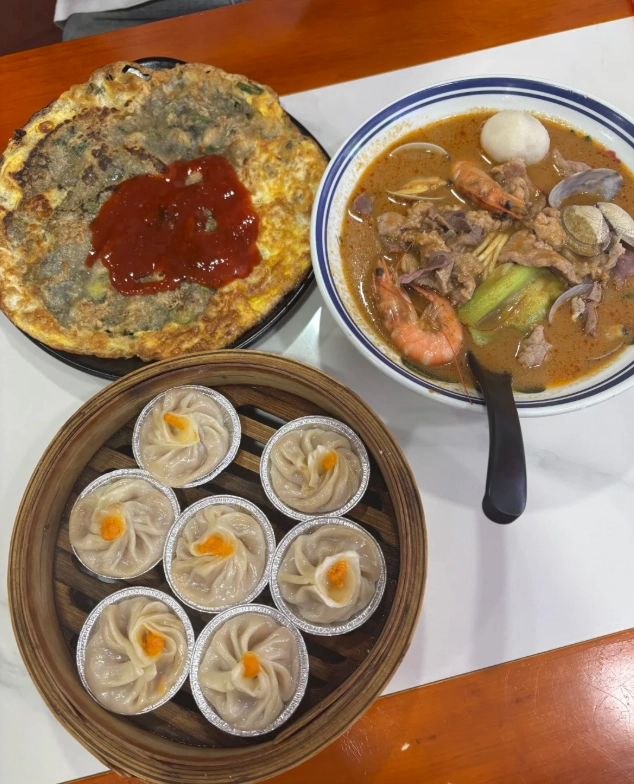
Zhongshan Road – Evening Stroll
End day 2 at this pedestrian-only shopping street lined with 1920s arcades. It’s crowded, but the energy is infectious. For dinner, skip the flashy restaurants and head to a small alleway called Dazhong Road for authentic satay noodles and peanut soup. I always order from “Huang Zehe Peanut Soup” – their version is thick, sweet, and comforting.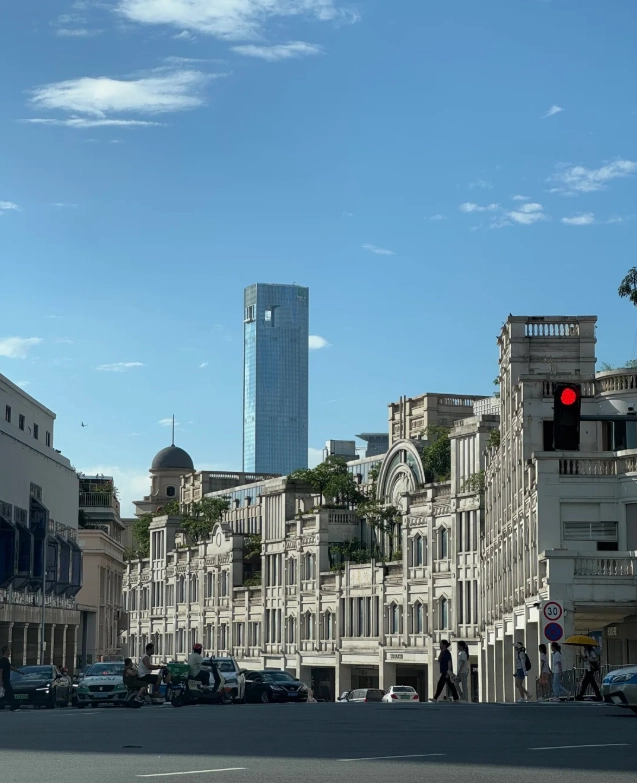
Day 3: Art, Sea & Hidden Corners
Zengcuoan Village
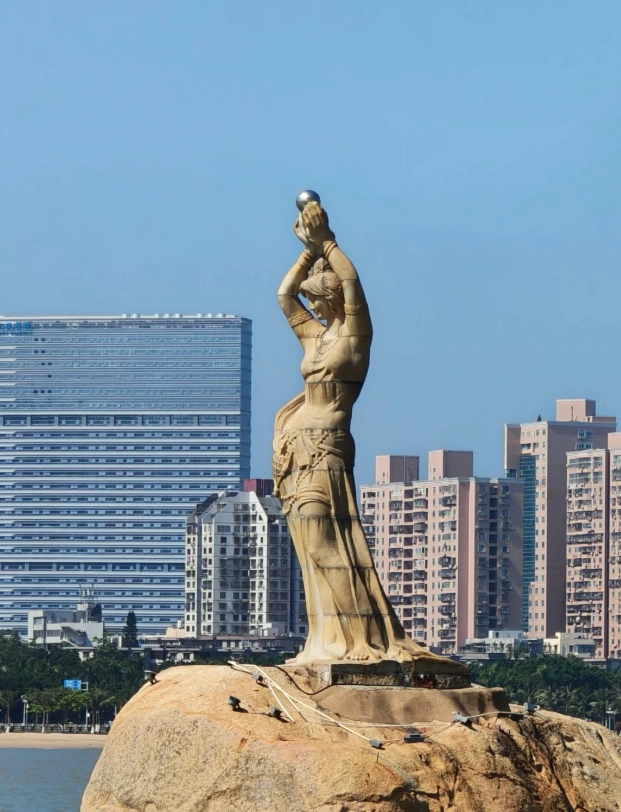
This former fishing village is now a hipster enclave of boutique shops and cafes. Go early (before 10 AM) to see the old ancestral halls without the crowds. The main street is a maze – get lost intentionally. I always tell my guests to find the “Fisherman’s Statue” near the coast; from there you can walk onto the beach. Entry is free.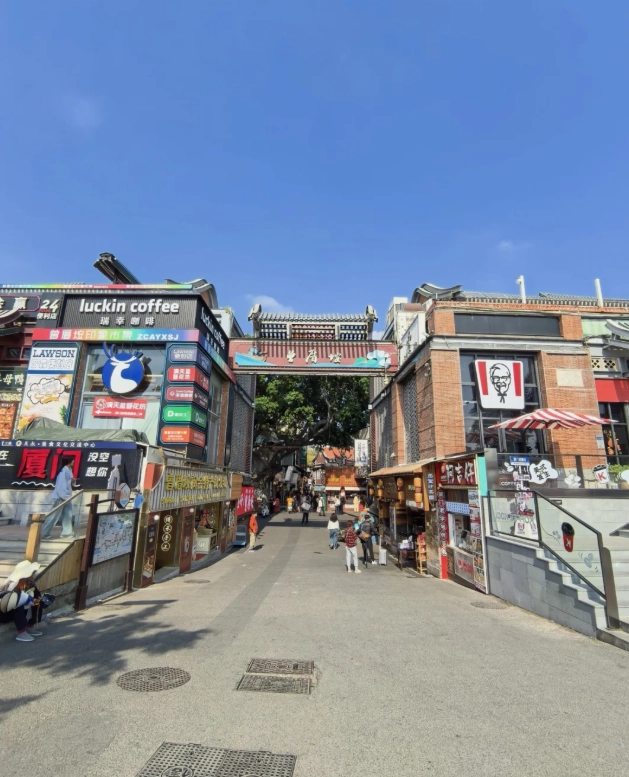
Huandao Road Bike Ride
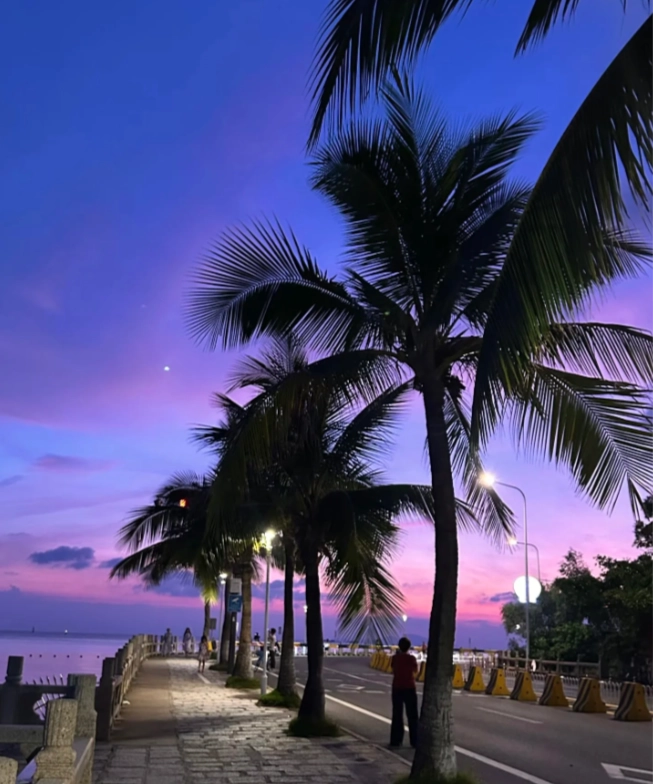
Rent a bike near Zengcuoan and cycle along the coast south toward Huanguo Bridge. The route is about 10 km one way, with dedicated bike lanes and stunning sea views. Bike rental is 20-30 RMB per hour (negotiable). My personal favorite stretch is from Music Square to Yefeng Village – there’s a hidden beach where locals picnic.
Shapowei – The Art District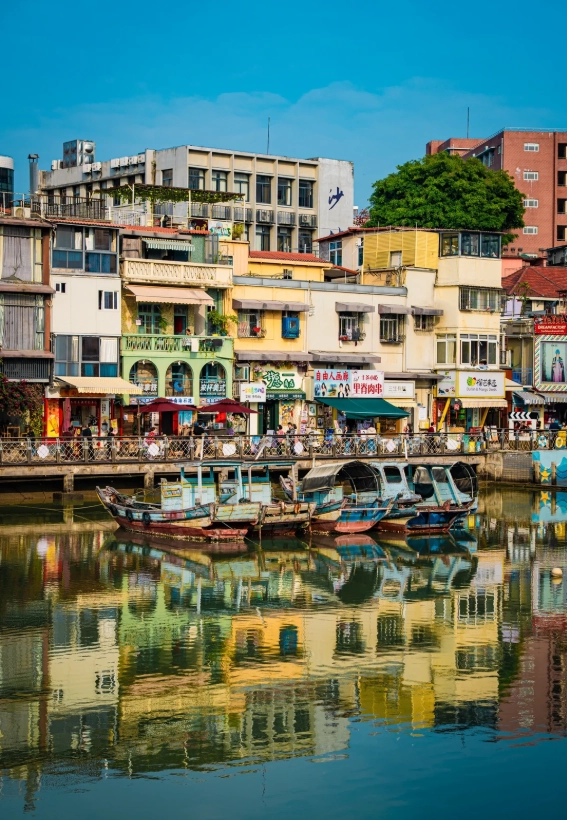
Spend your last afternoon in this revitalized harbor area. It’s full of independent galleries, vintage shops, and rooftop bars. The “Little Xiamen” viewpoint offers a panoramic shot. For a farewell dinner, try “Jia Jia Dumplings” – their pork and shrimp dumplings are legendary. A plate costs around 28 RMB.
Where to Stay in Xiamen
Your base matters. Here’s my breakdown based on different travel styles:
| Area | Best For | Price Range (per night) | Note |
|---|---|---|---|
| Zhongshan Road | First-timers, nightlife lovers | 300-600 RMB | Central, loud at night, good for walking to the ferry |
| Gulangyu Island (stay overnight) | Romantic couples, early birds | 400-800 RMB | Quiet after 7 PM, but limited dining options; book well in advance |
| Zengcuoan | Backpackers, beach bums | 150-400 RMB | Close to the sea, lots of hostels and Airbnb villas |
| Huli District (near airport) | Business travelers, short stays | 200-500 RMB | Convenient for transit, but far from main sights |
If you’re like me – wanting a balance of convenience and authenticity – I’d pick a hotel near Zhongshan Park. It’s a 10-minute walk to both the metro and the ferry, with local food streets close by.
Practical Tips for Your 3 Days in Xiamen
- Getting around: The metro (Line 1) covers most tourist spots. Single tickets cost 2-6 RMB. Taxis are cheap – starting at 10 RMB. But avoid taxis near the ferry terminal; they often overcharge foreigners. Use Didi (Uber equivalent) or the official taxi app.
- Money matters: Many small shops and street vendors accept only WeChat Pay or Alipay. International credit cards work at big hotels and some restaurants. Always carry 200-300 RMB cash for emergencies.
- Language barrier: English is not widely spoken outside hotels. Download a translation app (like Pleco or Google Translate) and learn these phrases: “hello” (nǐ hǎo), “thank you” (xiè xiè), “how much” (duō shǎo qián).
- Best time to visit: October to December – pleasant weather, fewer tourists. Avoid Chinese National Holiday (Oct 1-7) and Spring Festival (late Jan/Feb) when everything is packed.
- Packing: Comfortable walking shoes are a must. Umbrella or rain jacket even in dry season (sudden showers happen). Sunscreen and a hat for the island.
Frequently Asked Questions
Verified and fact-checked by the editorial team. This content has been fact-checked to ensure informational precision.

No comments yet.