 Tao Xu
Quick Jump
I’ve been guiding travelers around Xiamen for seven years. I’ve seen the same tired itineraries copied from blogs written five years ago — visit Gulangyu at 10am, stand in line for an hour, then rush through Nanputuo and wonder why you’re exhausted.
This guide is different. It’s built from hundreds of trips, countless mistakes, and the specific questions my guests keep asking. I’ll tell you which attractions are actually worth your time, how to dodge the crowds, and the little secrets that make this island special. Let’s cut the fluff.
Gulangyu Island: More Than Piano Music
Gulangyu is the poster child of Xiamen tourism. Yes, it’s crowded. But there’s a reason. The island is car-free, dotted with colonial villas, and loaded with quiet alleyways most tourists miss. The key is timing.
Tickets and Ferries
You need to book ferry tickets in advance via the WeChat mini-program “厦门轮渡有限公司” (search in Chinese). There are two routes:
- From Sanqiutian Wharf (inner harbor): Costs around 35 RMB round-trip. Departs every 20 minutes. Arrives at the more touristy Sanqiutian terminal on Gulangyu.
- From Dongdu Wharf (outer harbor): Slightly cheaper (about 30 RMB), but takes you to the less crowded Neicuo'an terminal. Better if you want to skip the main drag.
Prices fluctuate slightly depending on season, so I recommend pulling up WeChat to scan their official mini-program right before you Uber over. Last time I checked, children under 1.2m ride free.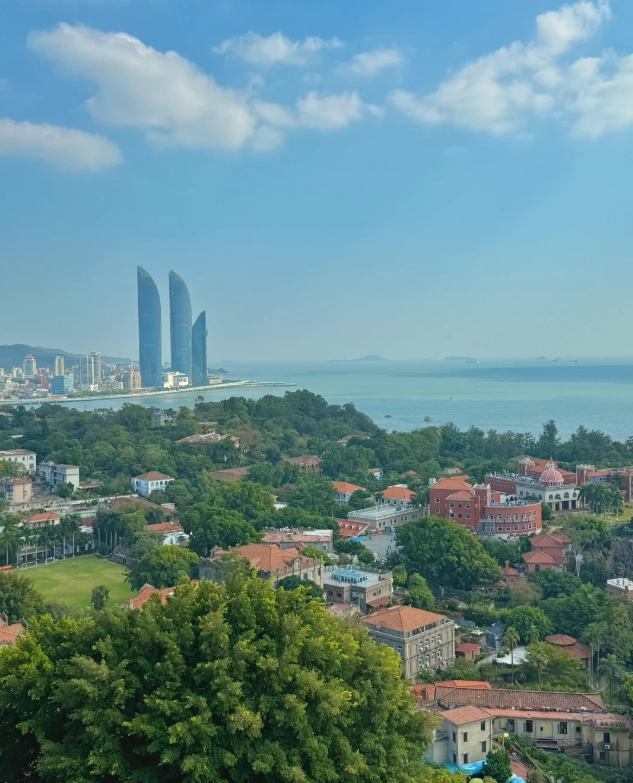
When to Go
If you arrive after 9am, you’ll battle groups until 3pm. My trick: take the 7:30am ferry from Sanqiutian. At that hour, you’ll see locals doing tai chi in Sunlight Rock Square, and you can climb Sunlight Rock (50 RMB extra, but the view is worth it) with hardly anyone around. Leave by 11:30am before the lunch mob arrives.
Hidden Spots
Most guides send you to Sunlight Rock and Shuzhuang Garden. Both are fine. But I always lead my guests to the Gulangyu Piano Museum (free with ferry ticket? Actually, it's included in the combo ticket — check the mini-program) and then wander into the back streets behind the Hao Moon Garden. You’ll find a tiny café called “Casa de Elena” that serves the best iced pandan coffee. The owner speaks English and will tell you stories about the island’s history. That’s the real Gulangyu.
Nanputuo Temple: Free and Overwhelming
Nanputuo is one of China’s most important Buddhist temples, and it’s completely free. It sits at the foot of Wulao Peak, next to Xiamen University. Expect huge crowds on weekends, but the incense smoke and chanting are mesmerizing.
How to Get There
Take Metro Line 1 to Zhenhai Road Station, Exit 3. Walk east for 10 minutes — you’ll see the temple’s yellow walls. Or take bus 1, 15, or 21 to “Nanputuo” stop.
What to See
The main hall is impressive, but turn left after entering. There’s a small courtyard with a giant bronze bell. You can ring it for a small donation (1-5 RMB). Also, climb the stone stairs behind the main hall — they lead to a viewpoint overlooking the entire temple and the sea. Most people miss this.
Dining Tip
Inside the temple, there’s a vegetarian restaurant called “Nanputuo Vegetarian”. It’s affordable (around 30 RMB for a set) and surprisingly tasty. The “Buddha’s Delight” stir-fry is my go-to. Cash or WeChat Pay only — no credit cards.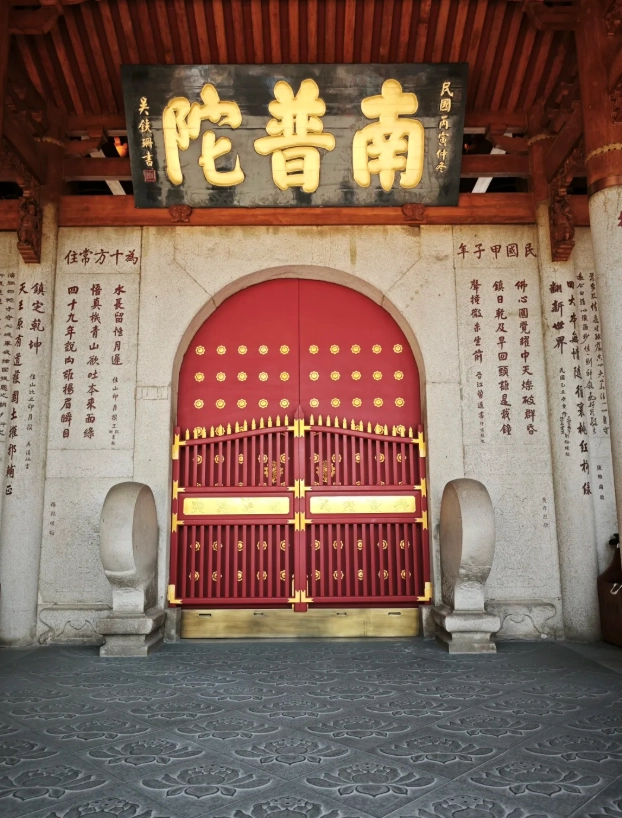
Huandao Road: Best Sunset Ride
This 43-km coastal road hugs the southeast coast of Xiamen Island. It’s perfect for cycling, and there are bike rental stations everywhere (public bikes from the “Mobile” app, or rent a scooter for 20 RMB/hour).
Start at Music Square (near the International Convention Center) and pedal south toward Bailuzhou Park. The best stretch is between Zengcuoan Village and Huangcuo Beach. The road is lined with banyan trees and the sea is turquoise on clear days.
Time it right: Start around 4:30pm. The sun sets around 5:15pm in winter, 6:30pm in summer. The section between Yanwu Bridge and Huangcuo gives you unobstructed sunset views. I once guided a group of photographers who shot some of their best photos there.
Zengcuoan Village: Trendy or Tourist Trap?
Zengcuoan used to be a fishing village, now it’s a maze of souvenir shops, bubble tea joints, and “artisan” stalls. Is it worth it? Yes, but with limits.
The alleyways are narrow and packed, especially on weekends. Go early (before 10am) to see the village without the crush. The real gem is the Old Ancestral Hall near the intersection of Wenhua Street — it’s a restored Minnan courtyard with free exhibitions about local history.
For food, skip the giant “stinky tofu” and go to Ah Fu Seafood (#23 Wenhua Street). Try the oyster omelette (38 RMB) — it’s crispy on the outside, gooey inside. The owner’s grandmother is usually in the back shucking fresh oysters.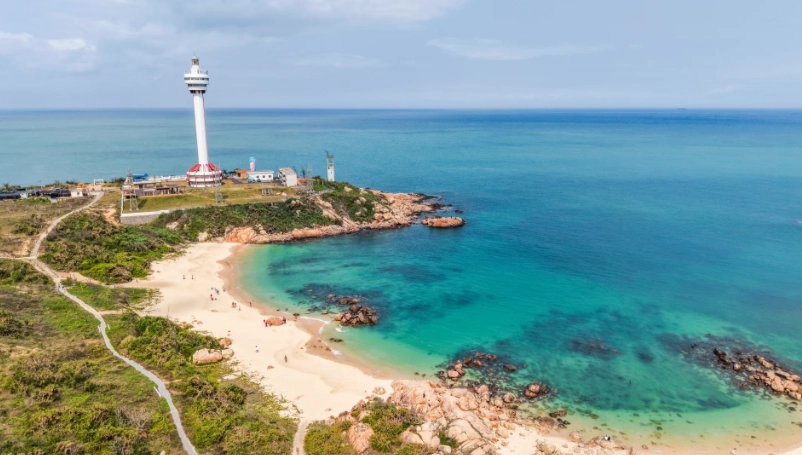
Xiangshan Beach: Where Locals Go
Most tourists head to Hulishan Fortress or the beaches near Gulangyu. But one of my favorite spots is Xiangshan Beach, a small cove hidden behind the Sheraton Hotel. To get there, take bus 29 or 47 to “Xiangshan Beilu” and walk through the villa complex.
It’s tiny — maybe 100 meters of sand — but it’s quiet, even on summer weekends. The water is clean (for Xiamen), and there’s a small café serving coconut water. I like to bring a book and spend an hour here while my guests explore the beach. No entrance fee.
Xiamen University: The Campus That’s a Park
XMU is often called China’s most beautiful campus. It’s free to enter, but you’ll need to show your passport at the gate. The campus is huge — expect to walk at least an hour to see the highlights.
Must-see spots:
- Furong Lake — picturesque with stone bridges and weeping willows.
- Shangxian Square — a large grassy area where students fly kites.
- Jianye Stadium — if there’s a football match, the atmosphere is electric.
From the east gate, you can walk directly into Nanputuo Temple (saving you the main road walk).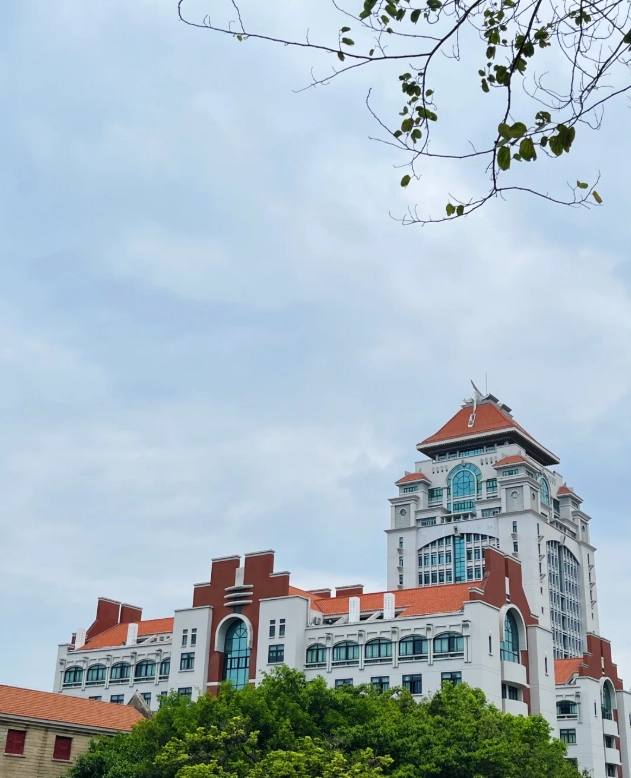
No comments yet.