Guilin Travel FAQ
What should I pack for a summer monsoon trip to China?
Skip the cotton socks—you'll never dry them. Bring quick-dry synthetic socks and at least two pairs of shoes. A lightweight rain jacket beats an umbrella in crowded markets. And pack a small bottle of distilled water for your phone's charging port if it gets wet—rice bags work too, but distilled water is cleaner.
Is it safe to travel during the monsoon season in China?
Safety isn't the main issue—flash floods in mountain gorges are. Avoid river tubing or hiking in narrow valleys when heavy rain is forecast. In cities, it's just wet. The real risk is slipping on slick stone steps at places like Longji Terraces. Wear shoes with deep treads or buy cheap grip sandals on arrival.
How do I book attractions when monsoon rain hits?
Most Chinese museum websites require a Chinese ID or WeChat mini-program. Use Trip.com instead—they accept international passports and foreign credit cards. For free museums like Guilin Museum, you still need to reserve online 1-2 days ahead. Show your passport at the gate. No reservation, no entry. I've seen families turned away in the rain—don't be that person.
Will my international credit card work in monsoon-affected areas?
Almost nowhere. Set up Alipay or WeChat Pay with your home card before you fly. Even street vendors in Yangshuo prefer QR codes. Keep 200–300 yuan in cash for the rare cash-only stall, but don't rely on it. And tell your bank you're traveling—fraud alerts freeze cards right when you need a taxi out of the rain.
Is a Li River bamboo raft safe for non-swimmers and children?
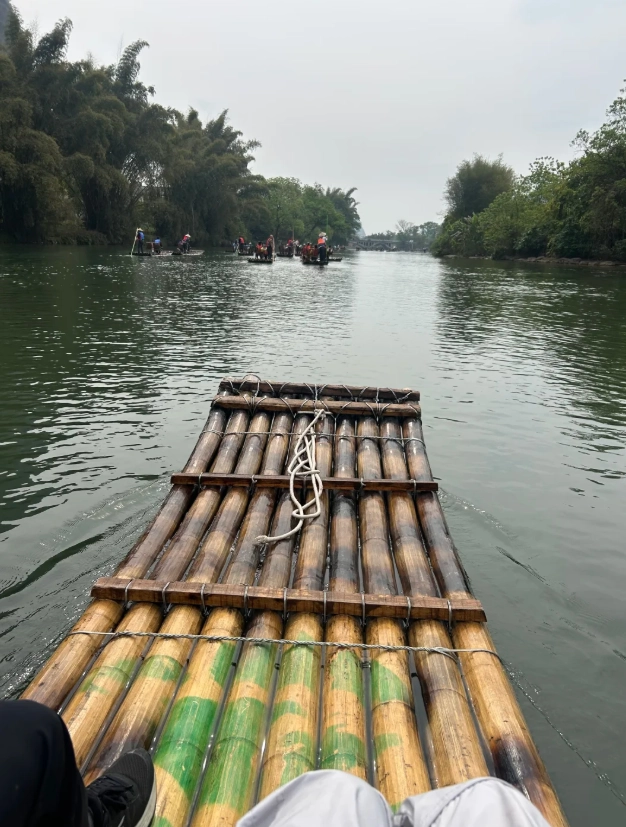
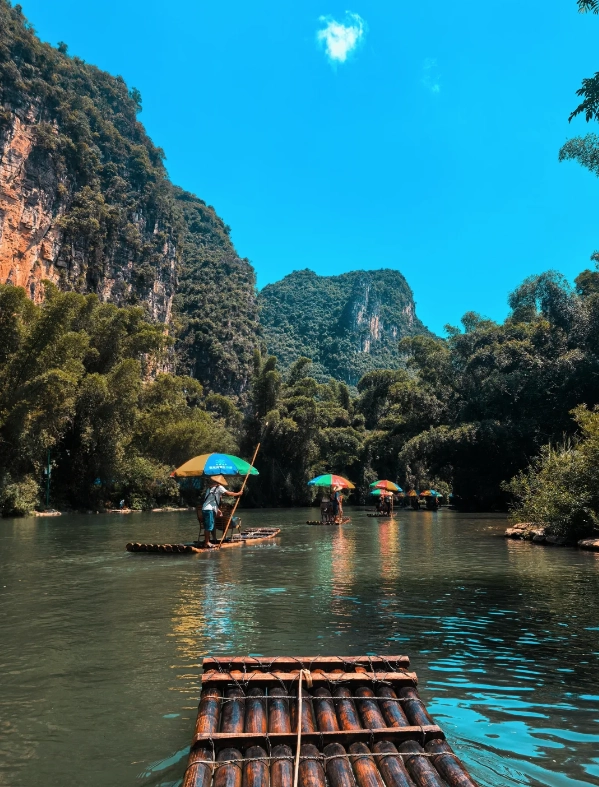
Life jackets are mandatory and surprisingly decent quality. The river is calm on the Xingping section, no rapids. But the rafts have no railings, so keep toddlers glued to your lap. If your child is under 1.2 meters, the driver might ask you to sit in the middle for balance.
What happens if it rains on the day of my tour?
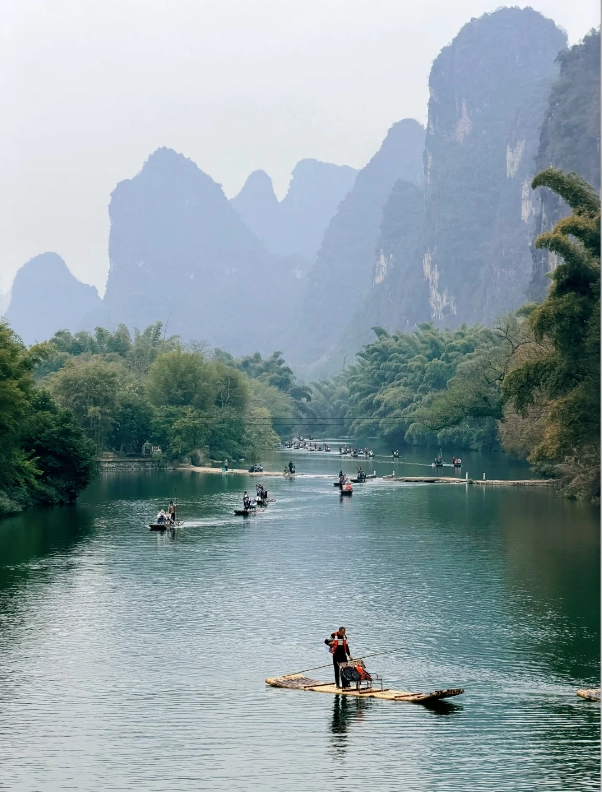
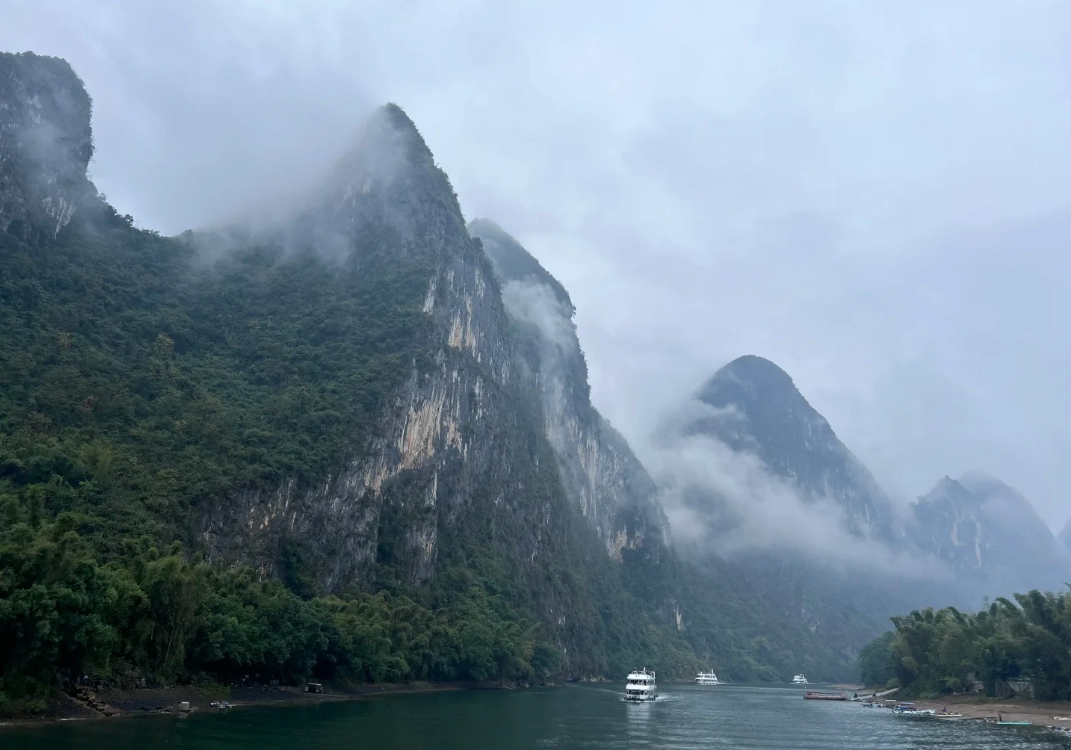
Light rain is actually magical—the limestone peaks fade into mist like a Chinese ink painting. The rafts run in drizzle. But if there is a thunderstorm warning, all rafts stop. Your ticket is refundable at the point of purchase. Do not push it—I have seen tourists get soaked and miserable trying to film a storm.
Can I use my international credit card for a Guilin Li River bamboo raft tour?
At the ticket office, no. Cards are not accepted. For online bookings through platforms that cater to foreigners, you can use a Visa or Mastercard, but you will pay a booking fee. Bring physical cash in small notes and you are set.
What is the biggest mistake first-time visitors make?
Booking the full Guilin-to-Yangshuo cruise and thinking it is the same as the bamboo raft. They are totally different experiences. Also, wearing sandals that fall off on the raft ramp. My advice: dress for a boat, not a beach.
Will my international credit card work when paying for the Li River cruise or raft?
Most ticket counters I've visited accept Alipay or WeChat Pay linked to an international card, but not physical Visa or Mastercard swipes. Some agents take cash in CNY. If your app isn't set up, ask your hotel to pay on your behalf and reimburse them—this is the fastest workaround I know.
Is Google Maps reliable for getting to the raft piers or cruise terminal?
No. Google Maps in China is often outdated on roads and piers. Use Apple Maps or the AMap Global app. For the cruise, ask your driver to go to "Zhujiang Pier" by its Chinese name—most English-language signs end before the pier gate. For rafts, the Yangdi raft station sign is in Chinese; screenshot the Chinese name to show your driver.











Recent Reviews
Guilin surprised me. I expected just nature, but the nightlife along Zhengyang Road is buzzing. Cold beer, street vendors selling grilled oysters and the famous Guilin rice noodles (with pickled bamboo shoots — spicy punch!). The two pagodas light up beautifully after dark, and there’s a light show on the lake that’s free. Getting around was easy with shared bikes. A great mix of outdoors and city vibe. Would come back in a heartbeat.
Skip the touristy boats and head straight to the Longji Rice Terraces instead. Took a local bus from Guilin, hiked the trails between villages, and met farmers who offered me tea from their own thermos. The terraces in the morning light are absolutely insane — golden layers of green cascading down the hills. Also tried the bamboo-cooked chicken in Ping'an village; smoky, tender, unforgettable. Guilin is the gateway, but the real soul is up in those hills.
Probably my fault for expecting too much. We visited during a rainy week, and the whole city felt gray. The hotel overcharged for a view that was basically a rooftop. I did enjoy walking along the river, but the constant touts trying to sell selfie sticks got old fast. Guilin is nice enough, but honestly the photos online look way better than the reality under gray skies. Maybe I just hit a bad week.
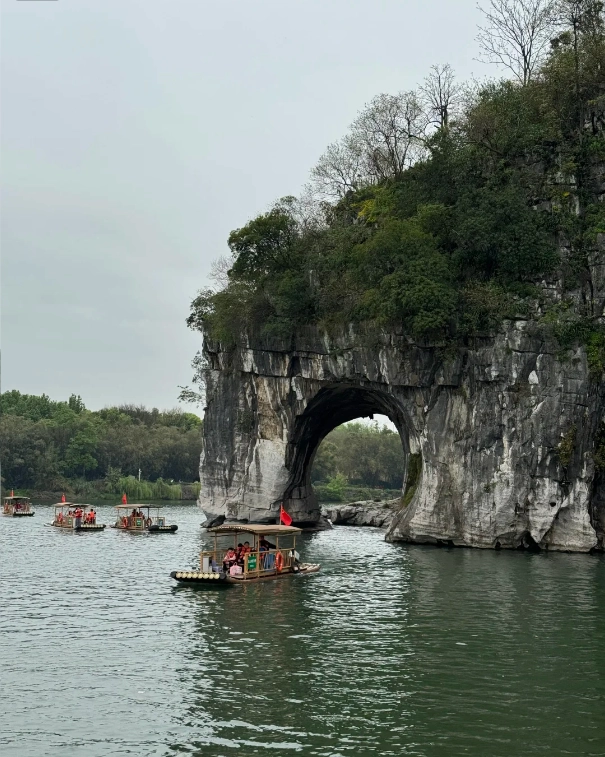
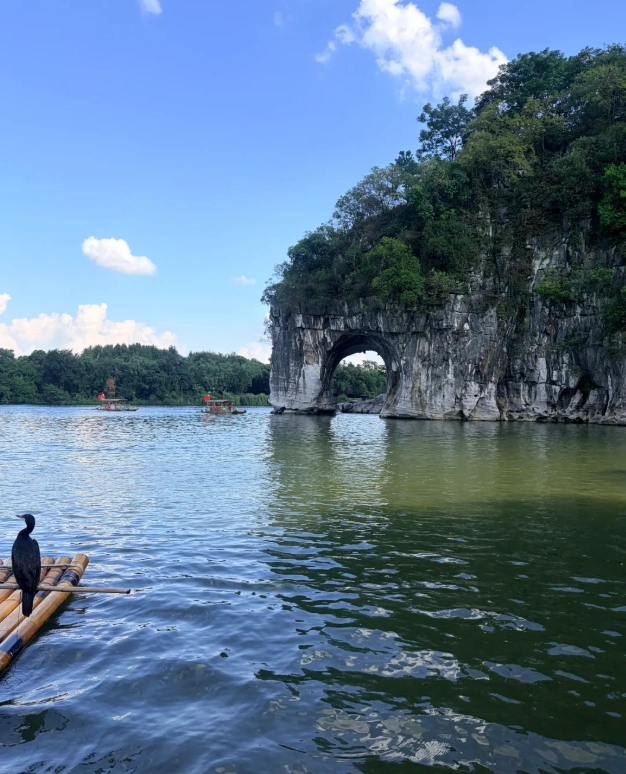
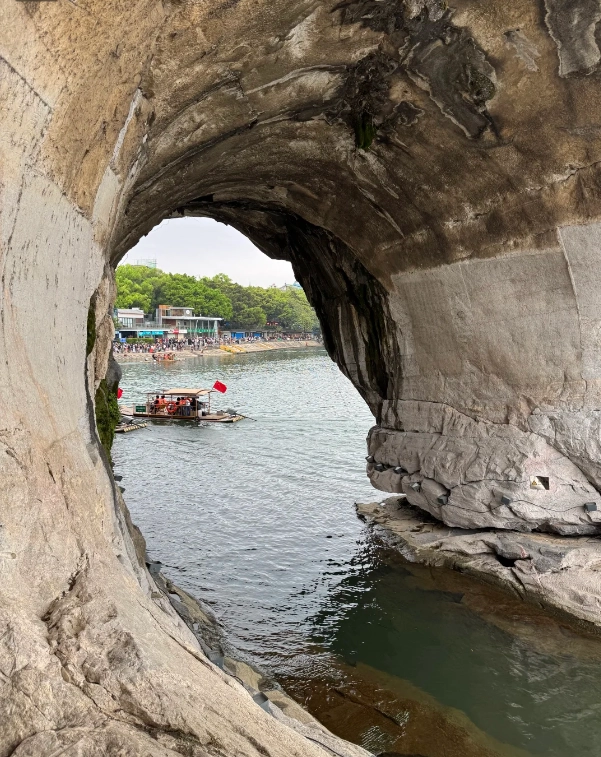
Guilin's city center is walkable and the area around the Twin Pagodas is pretty at night. The mountains really do pop out of nowhere. I'd have given it a 5, but the tourist crowds at Elephant Trunk Hill were intense — impossible to get a photo without strangers photobombing. Still, the park itself is well kept and the riverfront path is lovely. Worth a day, but go early or expect throngs.
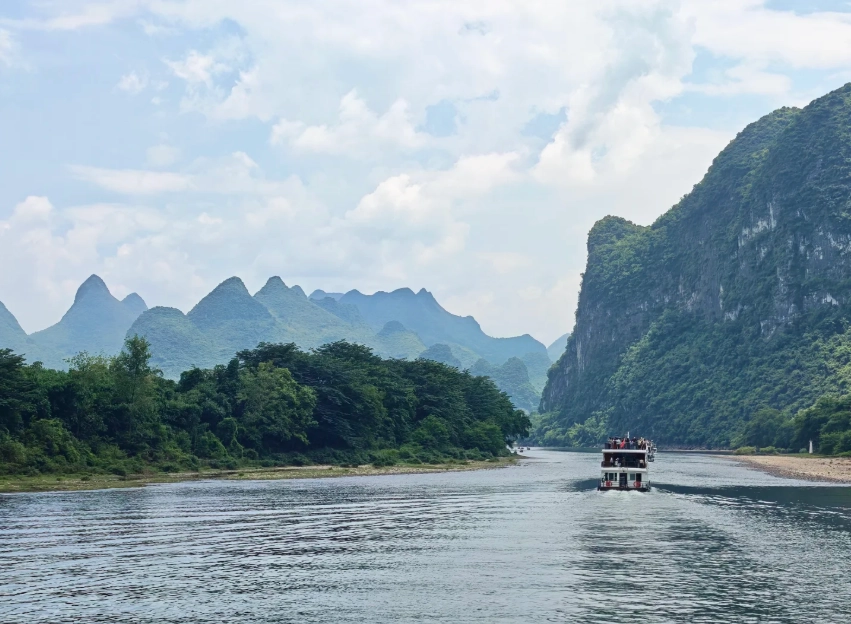
Took the classic Li River cruise from Guilin to Yangshuo, and honestly it was the most surreal morning of my life. The karst peaks just rise out of the mist like something from a Chinese ink painting. We had drizzle, which made the water glassy and the reflections doubled the mountains. The boat was comfortable, and the guide pointed out what looked like a horse in the rock formations. If you only do one thing in Guilin, this is it. Pure magic.
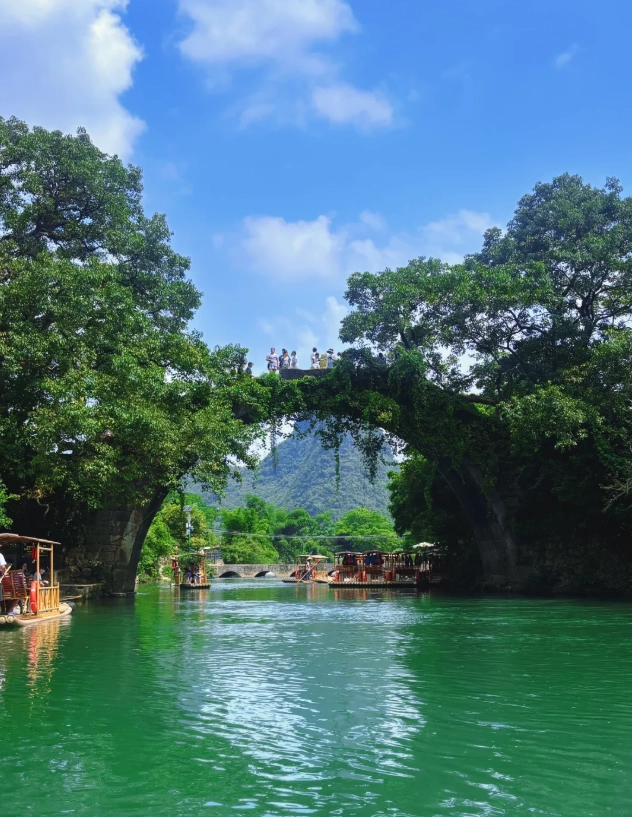
Came during rainy season and that was a mistake. The Li River was muddy and most viewpoints were just grey clouds. The famous sunset at the old bridge in Yangshuo? Didn't see it. Also, some taxi drivers tried to overcharge us. The scenery has potential but between the weather and the crowds, I felt let down.
Leave a Review