Kingdom of Karst and colorful ethnic customs, home to Huangguoshu Waterfall, Libo Xiaoqikong, and Qianhu Miao Village.
Guizhou Travel FAQ
I only have 2 days in Guizhou – is it worth it?
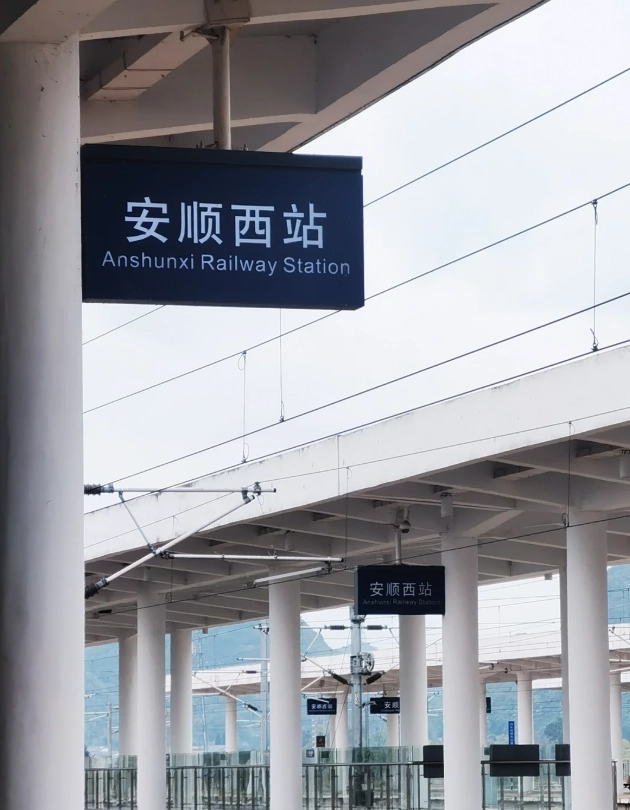
Short answer: only if you accept you'll see one highlight. Fly into Guiyang, take the first train to Anshun, and spend the day at Huangguoshu. Sleep in Anshun, then either spend the next morning at Qingyan Ancient Town or a quick half-day at the Miao village near Kaili. It's rushed, but you'll get a taste. Don't even attempt to add Xingyi or Fanjingshan.
Is a 7-day trip too long for Guizhou?
Actually, 7 days is perfect if you enjoy hiking and culture. Beyond the classic loop, you can head southwest to Malinghe Canyon or the massive Wanfenglin peaks. Many travelers tell me they wished they had a 8th day. Just be honest about your fitness – Fanjingshan is 7,800 steps of pure lung burn.
How do I book tickets to Guizhou's scenic spots as a foreigner?
The most convenient method is to book through Trip.com or Klook – both have English interfaces and accept passports. For Huangguoshu, the official WeChat mini-program has a passport option, but it's all in Chinese. If you're stuck, buy at the on-site 'Foreigner Ticket' window – it exists, though you might wait 10 minutes. Don't trust black-market ticket sellers; they often sell expired group tickets.
Is Guizhou safe for solo female travelers?
Yes, Guizhou is generally very safe. Violent crime against tourists is rare. The biggest risks are traffic and pickpockets in crowded bus areas. I've sent dozens of solo female clients, and the only complaints they had were about the steep stairs and spicy food. Use same travel common sense you would in any city: keep your bag zipped, avoid walking alone in unlit areas after midnight, and share your live location with a friend.
What's the best time of year to visit Guizhou?
November to March tends to be cloudy and wet. For waterfalls, May to September brings the most water – but during Chinese holidays (first week of May and first week of October), Huangguoshu becomes a sea of tourists. I always suggest late April or late September: good weather, fewer crowds, and reasonable prices.
Is it safe to travel to Guizhou as a solo tourist?
Yes, overall it’s very safe. Crime is low, and locals are genuinely curious about foreigners. The biggest risks are getting lost and falling on slippery paths. I’d recommend staying in well-reviewed guesthouses and keeping your belongings close in crowded areas, but you won’t face violent crime.
What should I do if my international card doesn’t work at a ticket office?
That’s common. Carry 300-500 RMB in cash as backup. Also, show your passport — some offices can process foreign cards. If that fails, ask a staff member to help you pay via Alipay; you can give them cash. It sounds weird, but it works. My last resort is to call my guide or use a pay-by-link from Trip.com.
Can I visit Guizhou without speaking Chinese?
Honestly, it’s hard but doable. You’ll rely on translation apps and pointing. Trains and major attractions have English signs. But I recommend booking tours through a local agency for at least the first day. After that, you get the hang of it.
How long should I spend in Guizhou to see the main attractions?
A minimum of 5 days for the classic loop. If you want to include Fanjingshan, plan for 7 days. Don’t try to do Huangguoshu and Xiaoqikong in one day — that’s a common mistake my clients regret.
Do I need to book the Guiyang to Anshun high speed train in advance?
Not necessarily. Ticket availability is usually fine, except during Chinese national holidays (Oct 1-7, May 1-3, etc.). But since it's so easy to book on Trip.com, just do it the night before to save stress.
Recent Reviews
Came to Guiyang in July to escape the heat, and the weather was perfect. The food scene is criminally underrated — sour soup fish, changwang noodles, and grilled tofu are worth the trip alone. Even the local riverside park at sunset felt like a hidden gem. Forget the polished tourist routes; Guizhou is raw, wild, and real.
Guizhou blew me away. We spent three days hopping between Dong and Miao villages, and the best part wasn't the famous views — it was sitting with the grandma in Zhaoxing who taught us how to make sticky rice cakes. People are genuinely kind here. If you go with an open mind and take the slow bus, you'll be rewarded. I'm already planning my return.
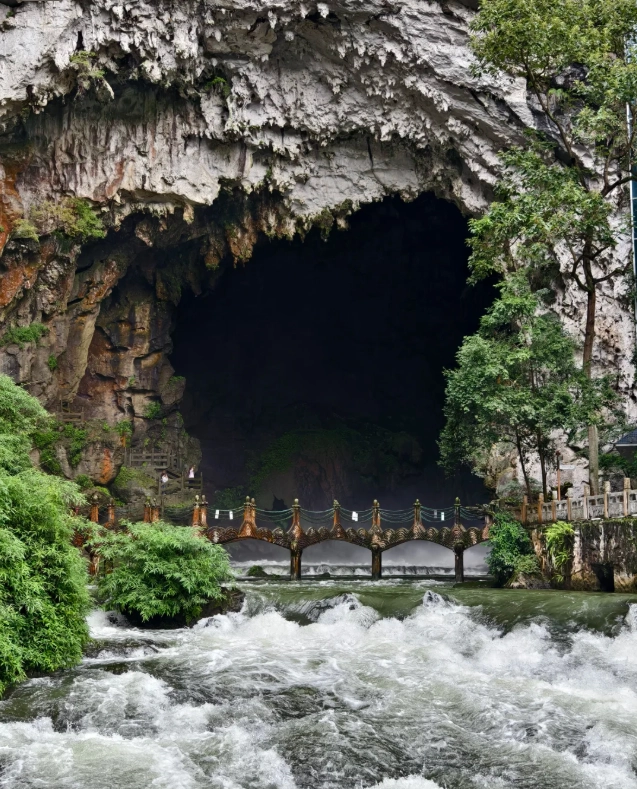
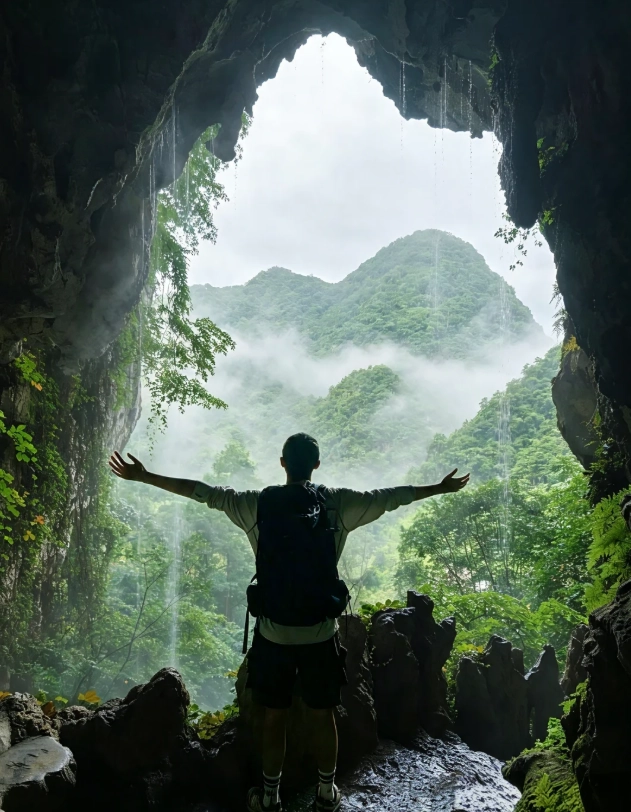
If you love raw natural beauty, put Xiaoqikong on your list. The turquoise water, the mossy stones, the mist coming off the forest... I've done a lot of hiking in Asia and this is easily one of the most beautiful places I've seen. The walk from the old bridge to the waterfall isn't too hard and every turn is a postcard.
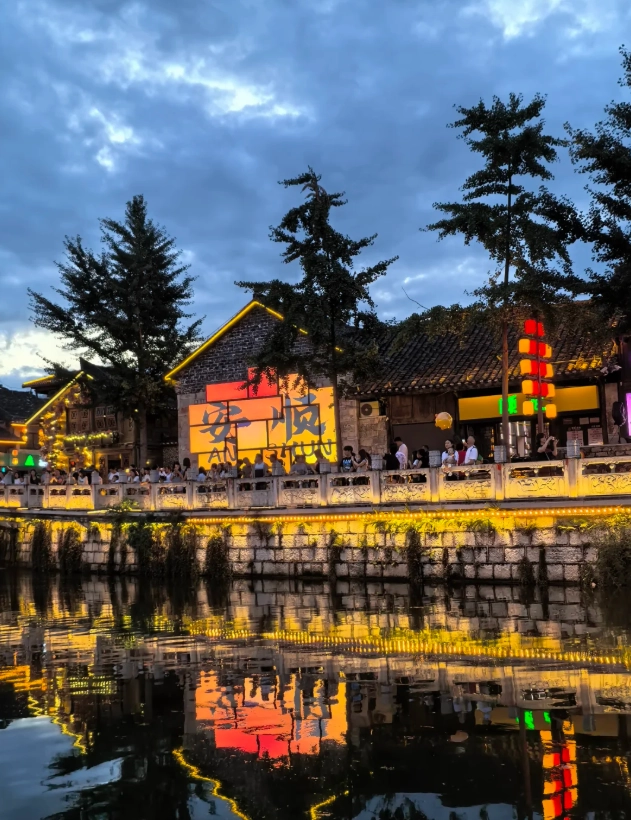
Xijiang Miao Village was stunning at night with all the golden lanterns, and the silver jewelry workshops are worth a visit. The only downside? It's heavily touristy during the day and the shuttle queues are chaos. Still, the view from the top of the hill over the rice terraces made it worth it.
I really wanted to love Guizhou, but the haze in Guiyang made everything look gray, and Huangguoshu was so crowded I could barely enjoy it. The waterfall is powerful, sure, but the park feels like a treadmill with souvenir stalls. My driver also got lost twice. Not terrible, just not the magical place I expected.
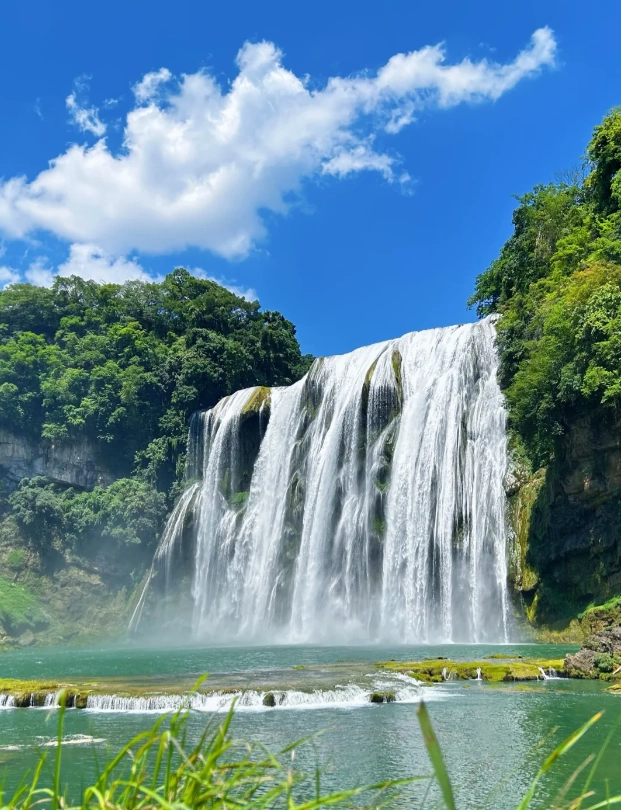
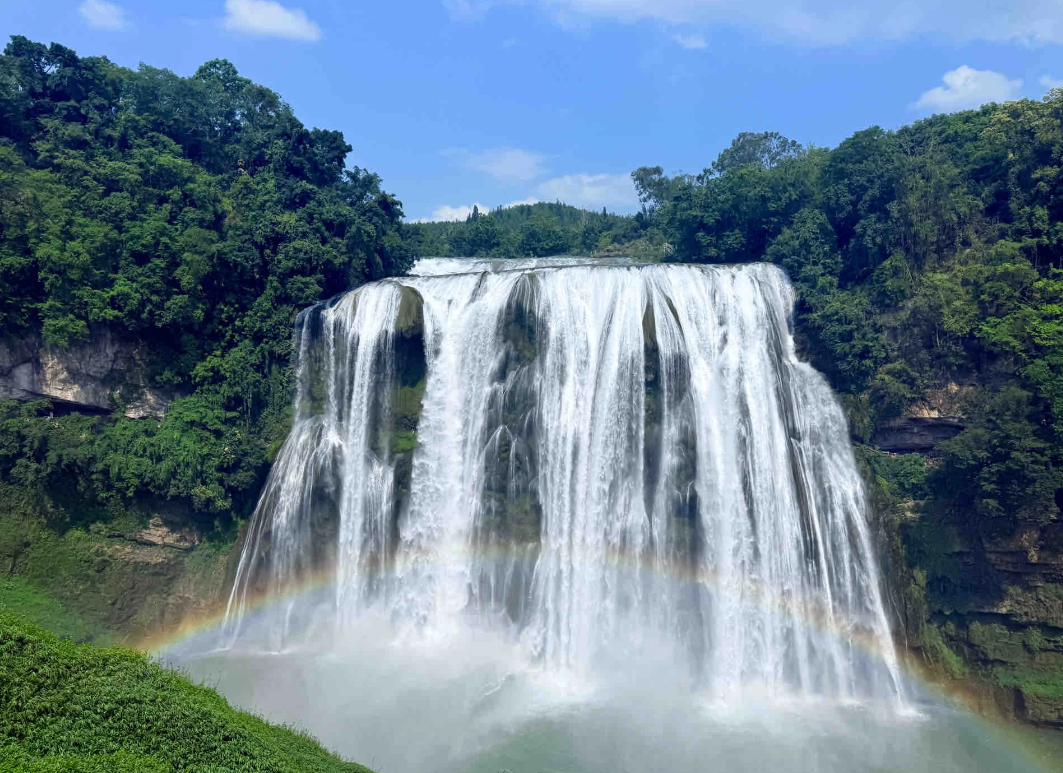
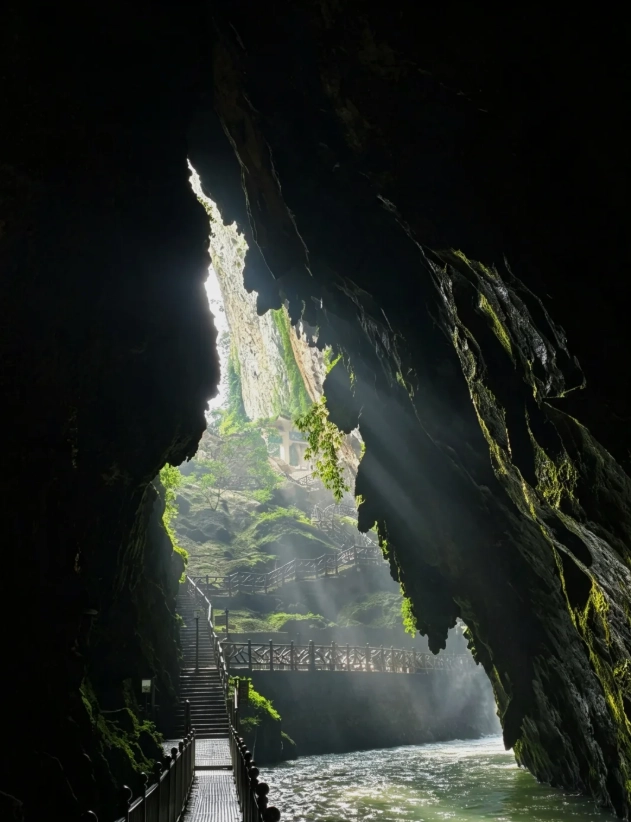
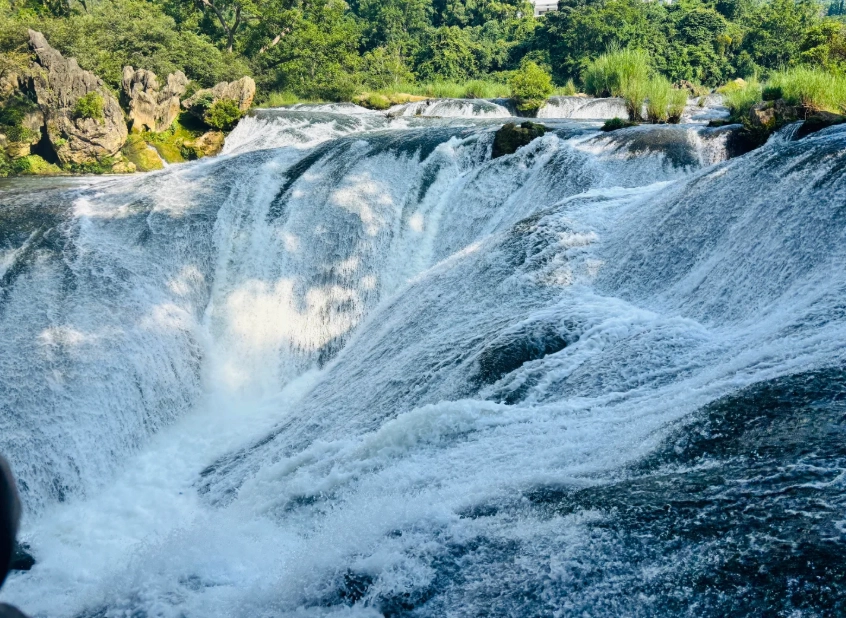
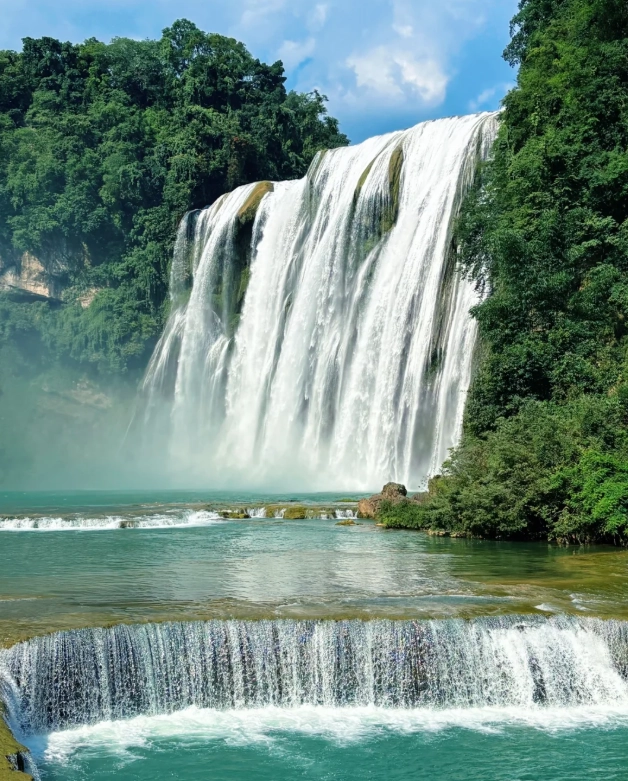
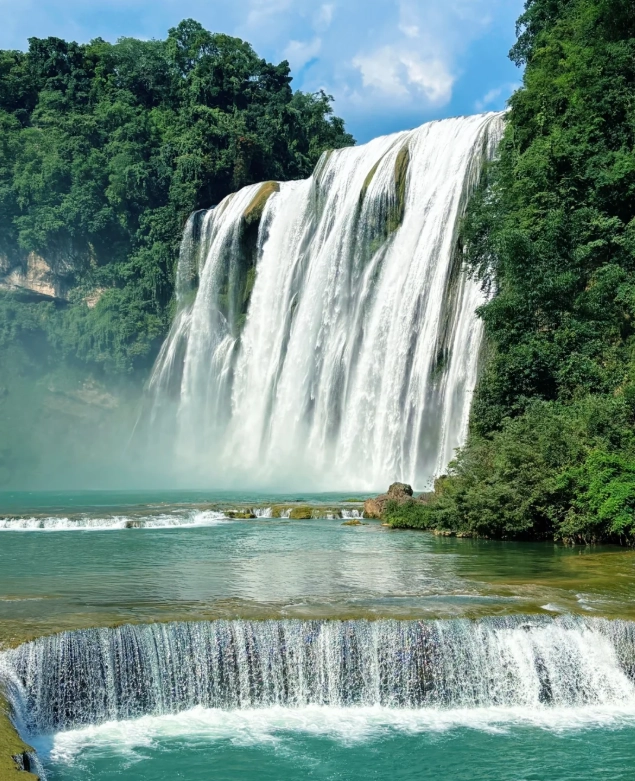
Huangguoshu Falls absolutely exceeded expectations. You hear the thunder before you see it, then you round the corner and there's this massive curtain of water crashing into the mist. Walking behind the falls inside the cave is an experience I'll never forget. The surrounding park can be a bit touristy, but the falls themselves are a legitimate natural wonder. I never expected one waterfall to make me emotional, but standing there soaked in spray, it did.
Leave a Review