Jingdezhen Travel FAQ
I'm on a tight budget – is it safe to stay in a hostel near Taoxichuan?
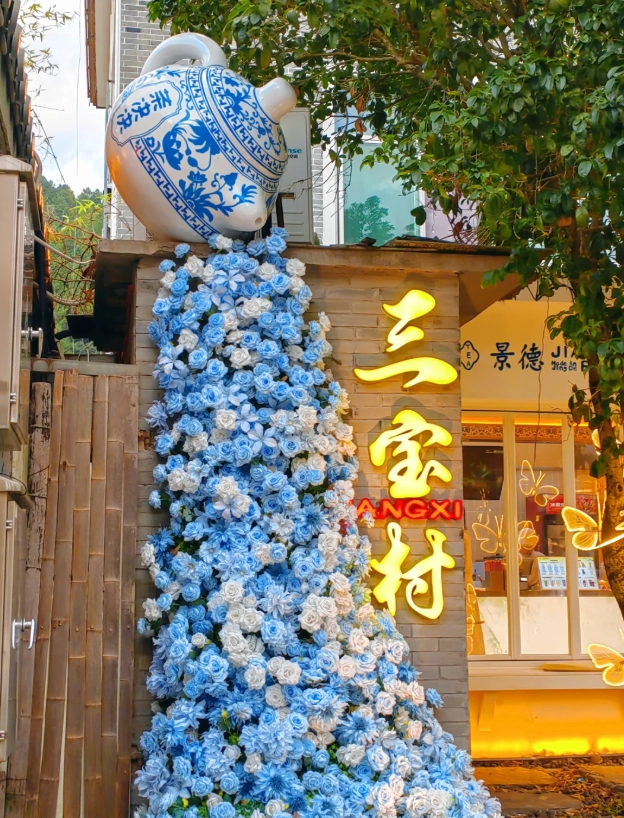
Yes, Jingdezhen is generally safe even at night. The Sanbao Youth Hostel has lockers for valuables. But keep in mind that the area around the hostel is poorly lit after 10 PM – I always advise guests to arrange pickup with the hostel if arriving late.
Which hotel has the easiest access for wheelchair users?
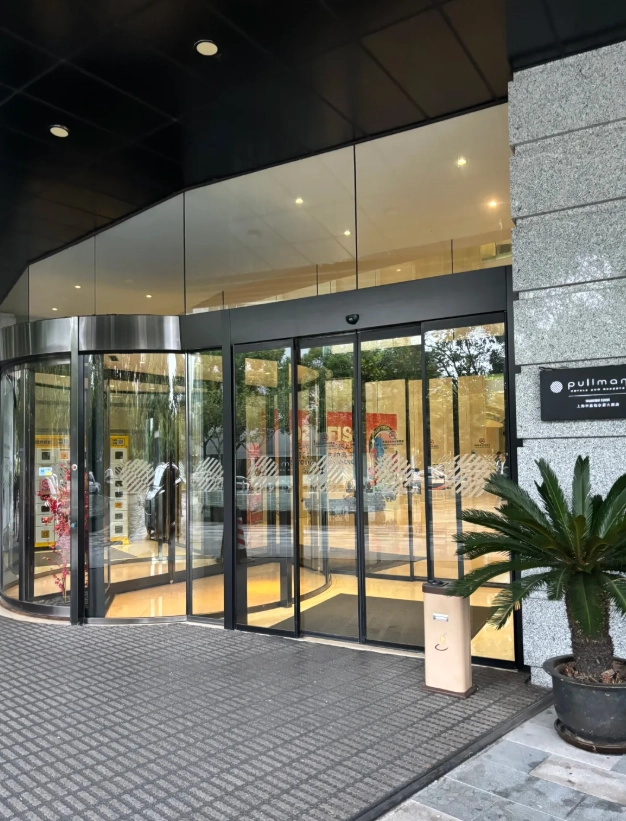
Pullman Jingdezhen is the only one with full wheelchair access – wide doorways, an elevator, and a roll-in shower. The other hotels (especially the boutique and courtyard ones) have steps and narrow corridors. Call ahead to confirm the availability of a ground-floor room.
Can I pay with a foreign credit card at these hotels?
Pullman and Taoxichuan Boutique Hotel accept major cards (Visa, Mastercard). However, the smaller hotels and hostels often only take Alipay, WeChat Pay, or cash. I always carry 500–1000 yuan in cash for backup – many ATMs near Taoxichuan accept foreign cards (look for Bank of China or ICBC).
Is there a hotel that offers pottery classes on-site?
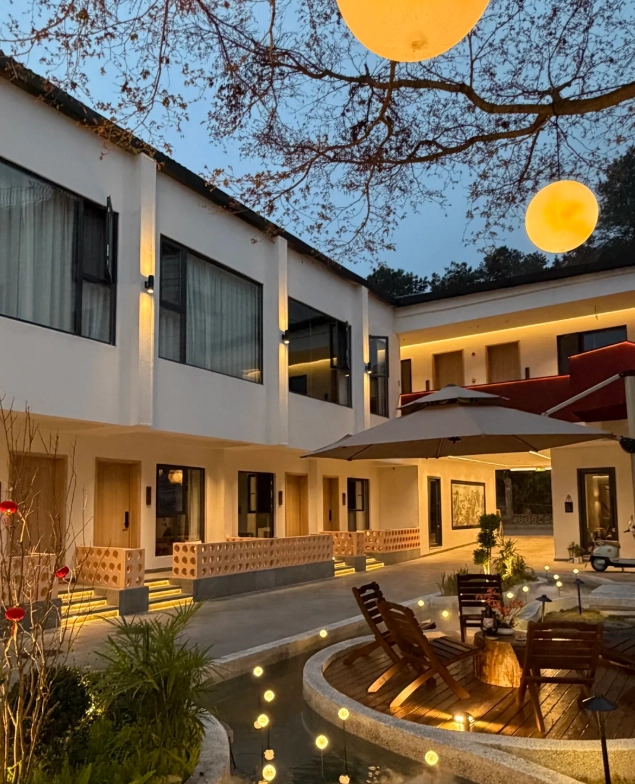
Yes, Floral Hotel · Taoxi Courtyard has a small workshop for guests. Taoxichuan Boutique Hotel also can arrange private lessons at the nearby studios for an extra fee (about 200 yuan per hour). Book at least one day in advance – the popular teachers get booked quickly.
What's the best hotel for someone who wants to explore both Taoxichuan and the ancient porcelain kiln sites?
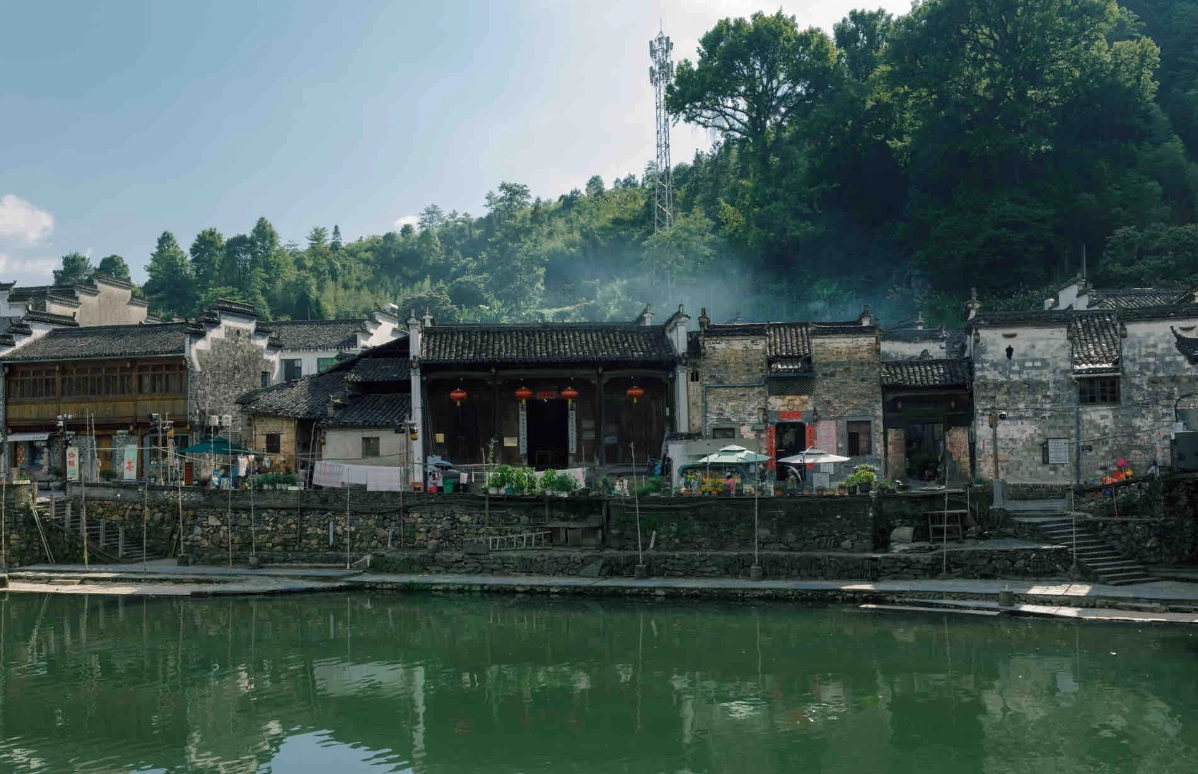
Yujing Garden Hotel is conveniently located near the Jingdezhen Ancient Kiln Folk Customs Museum (10-minute taxi). You can visit both in one day. For a more immersive experience, stay at Pullman and hire a driver – it’ll cost around 300 yuan for a half-day tour covering the Imperial Kiln and Sanbao Village.
I'm a solo female traveler; which hotel is safest near the museum?
I recommend Yilong Hotel or Jinjiang Inn (Taoxichuan). Both have 24-hour front desk and well-lit corridors. Avoid budget hostels with shared bathrooms unless they have female-only dorms. I've walked the street between Yilong and the museum at 10 pm – it's fairly safe with street lights and occasional vendors, but stay aware.
Is there a hotel that offers pottery-making classes?
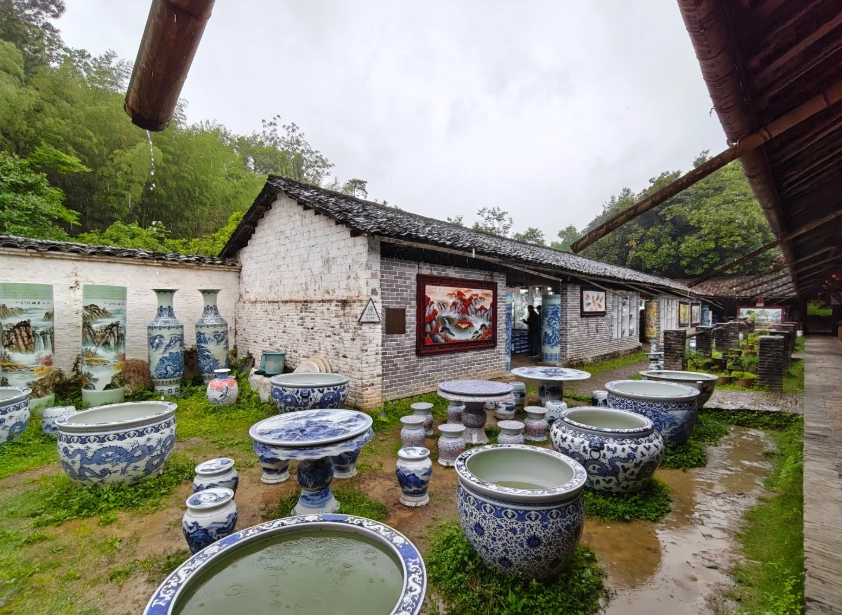
Yes, the Boutique Guesthouse inside the museum's cultural street includes a private lesson with the host. Also, Taoxichuan Boutique Hotel has a workshop that guests can use for a small fee. For serious learning, book a session at 'Sanbao Pottery Studio' near the museum (they have accommodation too – slightly pricier but all-inclusive).
How far is the train station from the museum hotel area?
Jingdezhen North Station (high-speed) is about 6 km from the museum. A taxi takes 20-30 minutes (35-50 RMB). If you arrive at Jingdezhen Station (old station), it's only 3 km – 15 minutes by taxi. I always tell clients to get off at Jingdezhen North if possible – it's closer to the hotel zone.
Can I book a hotel that accepts foreign credit cards online?
Most chain hotels (Jinjiang, Home Inn, Yilong) accept Visa/Mastercard through booking platforms like Trip.com or booking.com. Smaller boutique hotels may require payment in cash upon arrival. When booking, check the 'Payment' section. I've had clients successfully use Revolut cards at larger hotels.
What's the best area for nightlife near the museum?
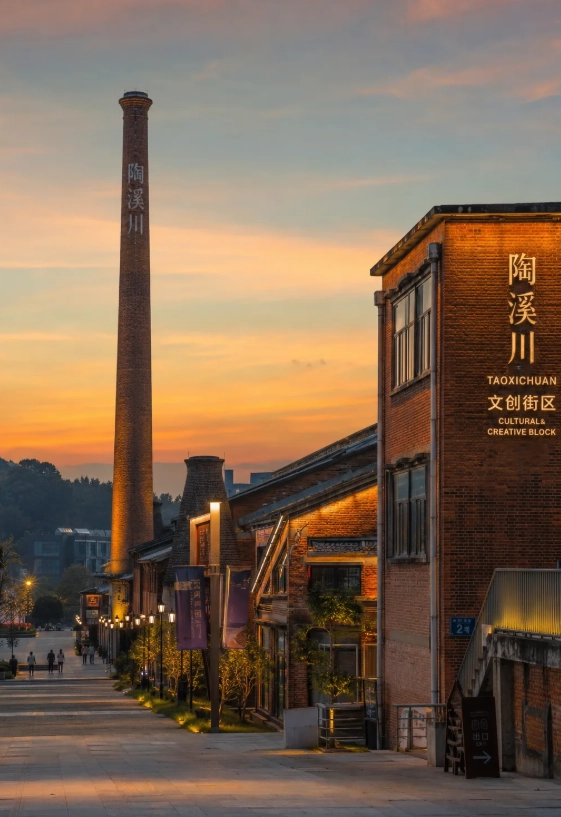
Nightlife is limited right around the museum. The best area is Taoxichuan – bars, live music, and art galleries open until midnight. Stay at Taoxichuan Boutique Hotel or Jinjiang Inn, and you can walk back after a drink. The museum area itself has a small night market near the south gate with street food and local crafts, but it closes by 9 pm.

Recent Reviews
Jingdezhen is okay, but I expected more from the so-called porcelain capital. The big attractions are interesting, but a lot of the old town feels rebuilt for tourists. I found the transport between sites annoying—lots of waiting, and signs in English were rare. Also, one museum cafe charged ridiculous prices for basic coffee. Maybe I missed the magic, but I would say one day is enough unless you are really into ceramics.
Really enjoyed the porcelain culture in Jingdezhen. The museum is world-class, and seeing the old street with workshops was fascinating. Only downside: it felt a bit touristy in the main area, and some vendors doubled their prices when they saw a foreigner. Still, I haggled and got a lovely tea set. Worth a visit, but maybe stick to the side streets for authentic experiences.
This city is a hidden gem for anyone who appreciates handmade things. The ceramic markets are chaotic but amazing—you can haggle, find tiny teapots, sculpted figurines, and gorgeous dinnerware. I went to the Friday morning market and saw pieces from young artists that were museum quality. Prices were way lower than what I would pay at home. The people are proud of their heritage and it shows. Do not skip Jingdezhen.
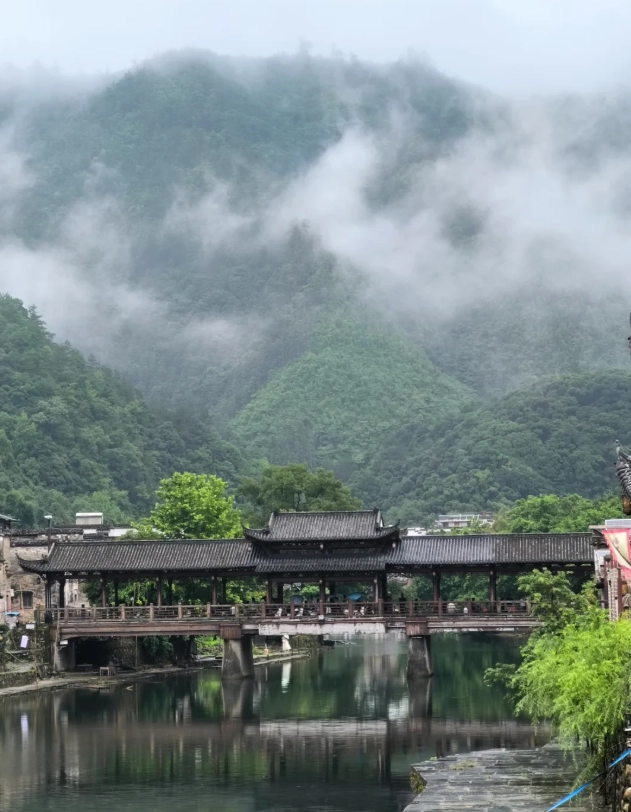
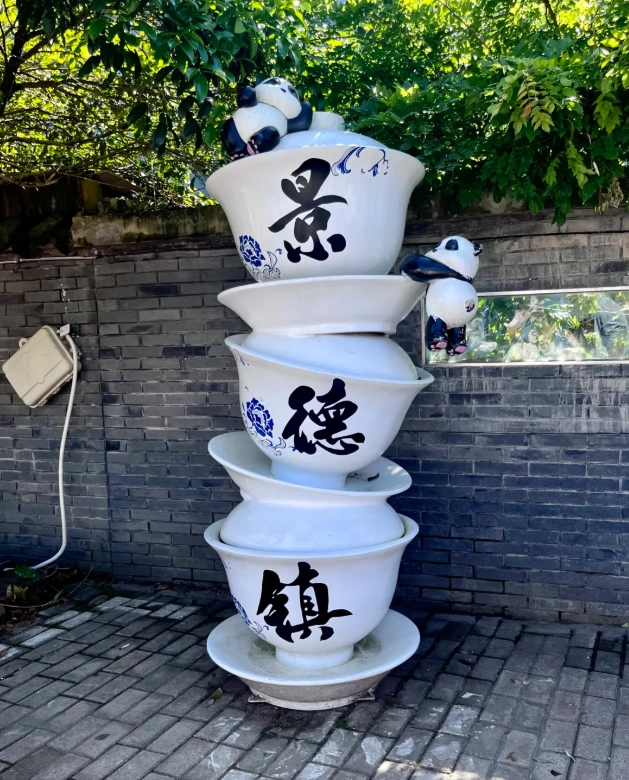
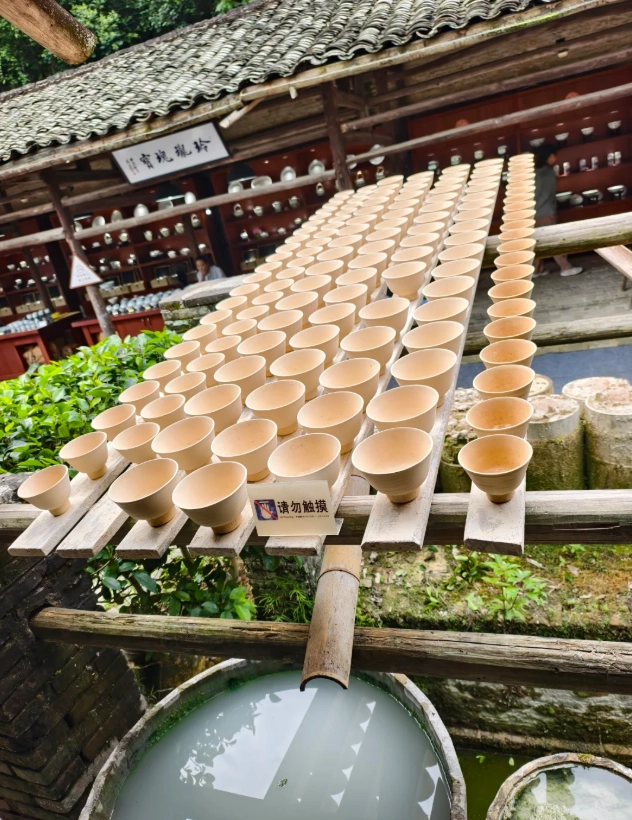
Jingdezhen surprised me in the best way. I came for one day and stayed four. The Sanbao area is so peaceful, with streams and ceramic sculptures hiding along the road. I tried a pottery class at a local studio and the instructor was so patient. Being able to shape clay while looking at misty mountains was magic. The street food is great too—try the cold rice noodles. Already planning my return.
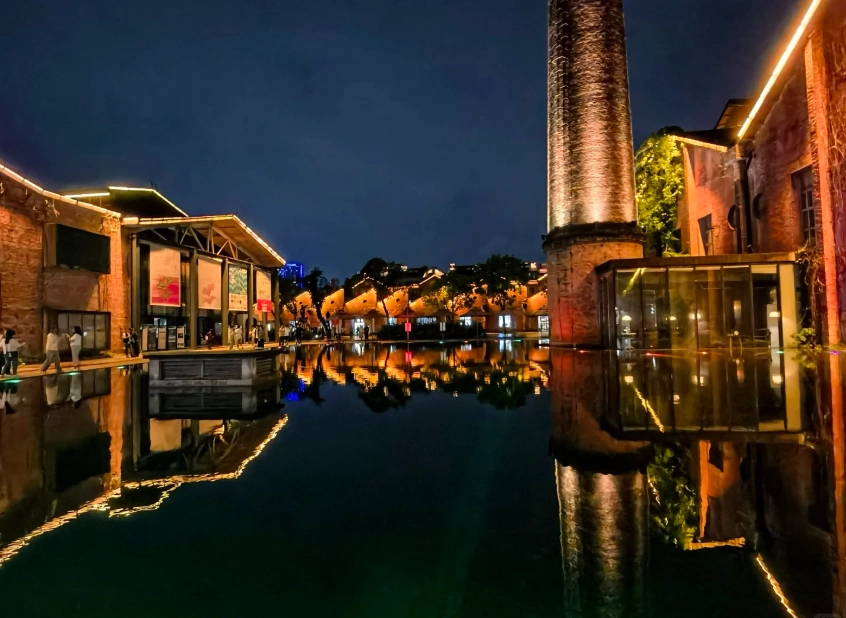
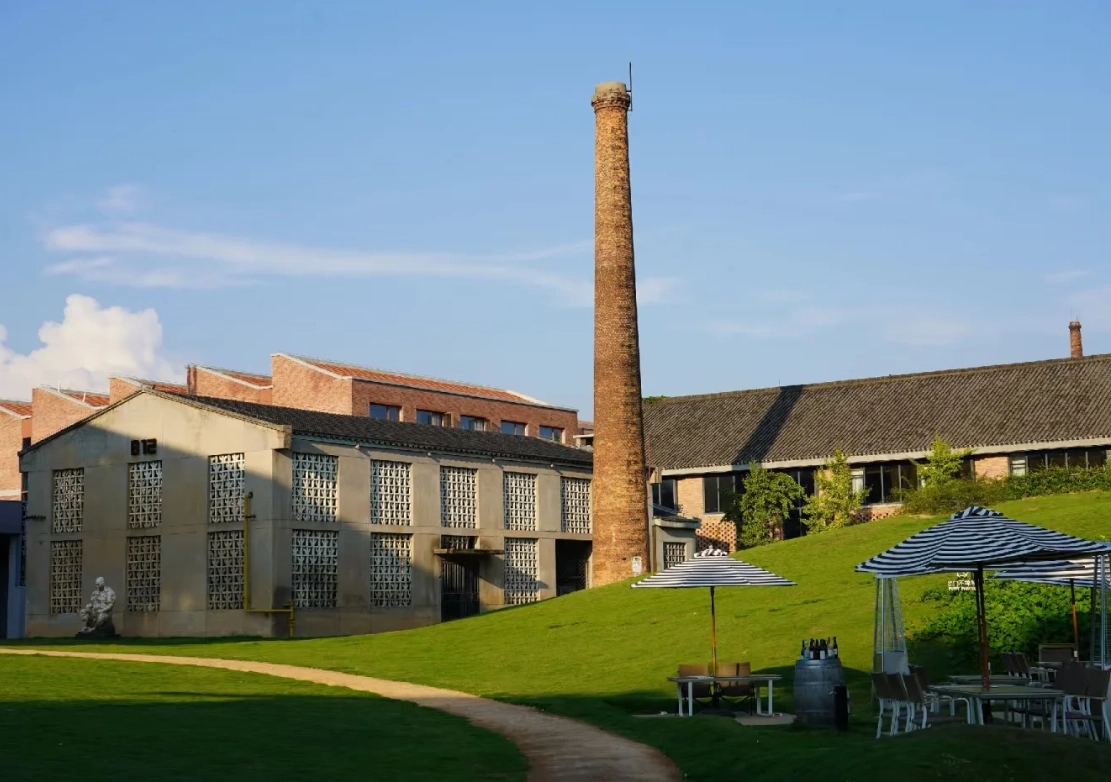
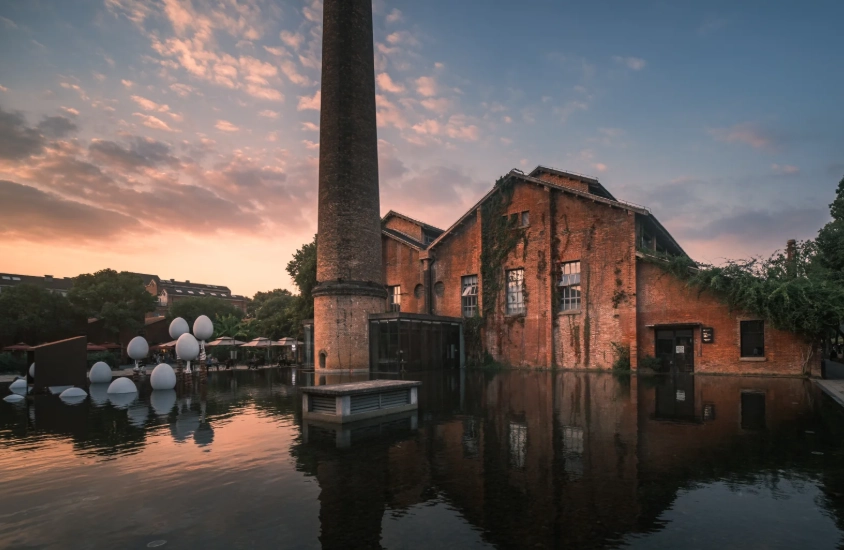
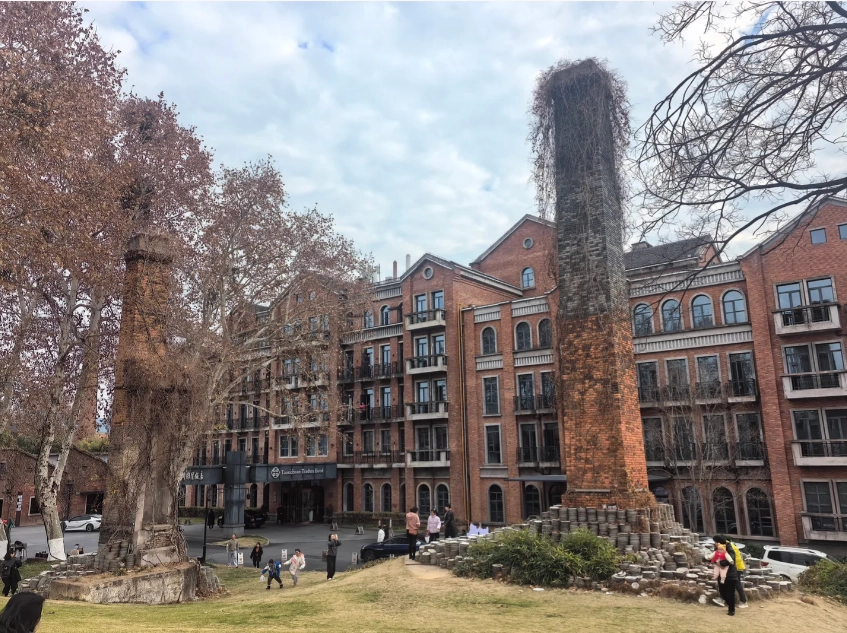
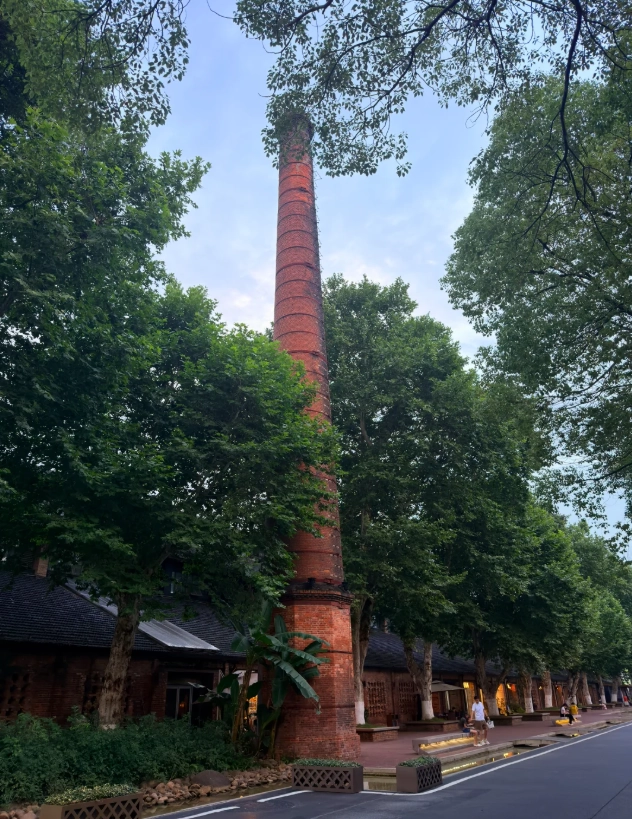
Absolutely fell in love with Jingdezhen. Spent a whole day at the Ancient Kiln Folk Customs Museum and watched a master hand-paint a blue-and-white vase. The craftsmanship is unreal. Taoxichuan at night is stunning—old factory buildings turned into galleries and studios. Bought a small celadon cup for a fair price and now I kick myself for not buying more. If you love craft, this city is a pilgrimage.
If you’re into pottery, this is heaven. Spent three hours just watching a master throw a vase—hypnotic. Then took a short cab to the old kiln area, where you can see the actual dragon kilns. Bought a small blue-and-white bowl for 50 yuan, and it’s now my favorite souvenir ever. The city is a bit chaotic traffic-wise, but totally worth it.
Leave a Review