A picturesque province known for its lush mountains, pristine lakes, porcelain capital, and profound historical significance. Highlights include Mount Lushan, the rural beauty of Wuyuan, and Jingdezhen's ceramic legacy.
Jiangxi Travel FAQ
Do Jingdezhen pottery workshops accept international credit cards?
Most small studios do not. Your best bet is to pay through Trip.com or Klook, which accept foreign cards. If you’re paying on-site, have Alipay or WeChat Pay linked to an international card ready. Cash is also widely accepted, but bring exact change—studios rarely have change for a 500 RMB note.
How long does it take for a fired piece to be ready, and can I ship it internationally?
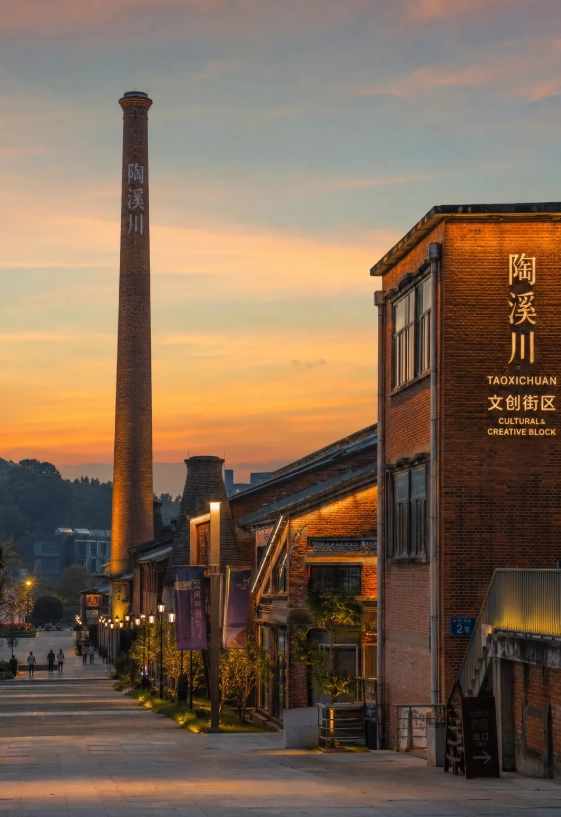
Firing takes at least 24 hours, sometimes 48 if the studio batches pieces. International shipping is possible but expensive—expect 200–500 RMB depending on size and destination. If you’re flying home soon, ask if they can pack it for checked luggage. The studio near Taoxichuan provides bubble wrap and a cardboard box for a small fee. Just be aware that airport security may inspect fragile items, so pack it in a way that’s easy to reopen.
Is Jingdezhen pottery clay safe for children or people with sensitive skin?
The clay itself is non-toxic and similar to natural river clay. However, prolonged contact can dry out skin. Studios usually offer hand cream and aprons. I wouldn’t recommend wheel-throwing for kids under six—they often lack the upper body strength and get frustrated. Hand-building with cookie-cutter shapes is a better fit for little ones.
Do I need to speak Chinese to enjoy a workshop?
No, but you will get more out of it if you can follow visual demonstrations. Many instructors rely on gestures and short English phrases. If you want a fully guided experience, book through an English-language platform or ask your hotel to write a note with your specific requests. Also, download a translation app like Baidu Translate or Apple Translate—useful if the instructor writes down color choices for glaze painting.
Can I bring my own tools or clay?
Bringing your own tools is usually fine, but imported clay is not necessary—Jingdezhen’s local porcelain body is part of the experience. Some studios may ask you to use their clay to ensure proper firing temperature. If you have a favorite shaping tool, pack it, but the studio’s basics are sufficient.
I'm on a tight budget – is it safe to stay in a hostel near Taoxichuan?
Yes, Jingdezhen is generally safe even at night. The Sanbao Youth Hostel has lockers for valuables. But keep in mind that the area around the hostel is poorly lit after 10 PM – I always advise guests to arrange pickup with the hostel if arriving late.
Which hotel has the easiest access for wheelchair users?
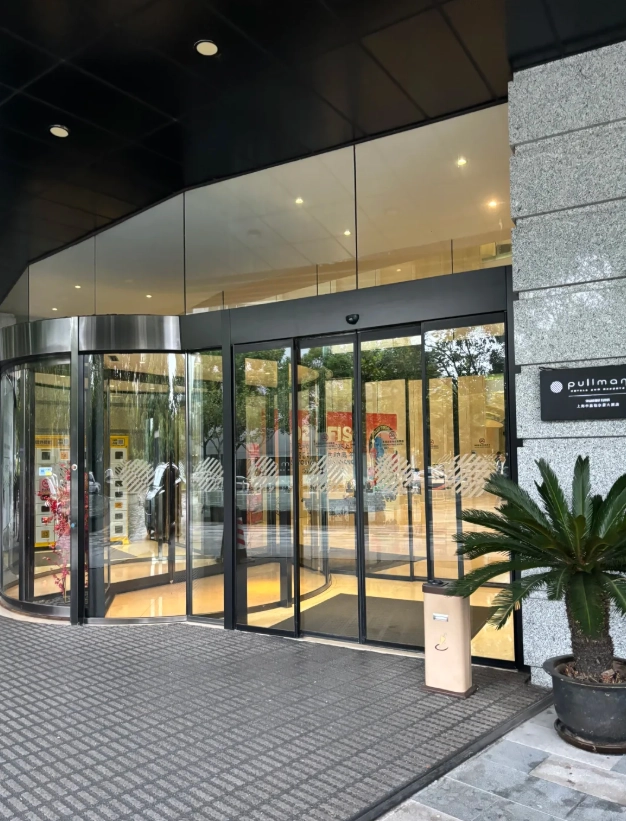
Pullman Jingdezhen is the only one with full wheelchair access – wide doorways, an elevator, and a roll-in shower. The other hotels (especially the boutique and courtyard ones) have steps and narrow corridors. Call ahead to confirm the availability of a ground-floor room.
Can I pay with a foreign credit card at these hotels?
Pullman and Taoxichuan Boutique Hotel accept major cards (Visa, Mastercard). However, the smaller hotels and hostels often only take Alipay, WeChat Pay, or cash. I always carry 500–1000 yuan in cash for backup – many ATMs near Taoxichuan accept foreign cards (look for Bank of China or ICBC).
Is there a hotel that offers pottery classes on-site?
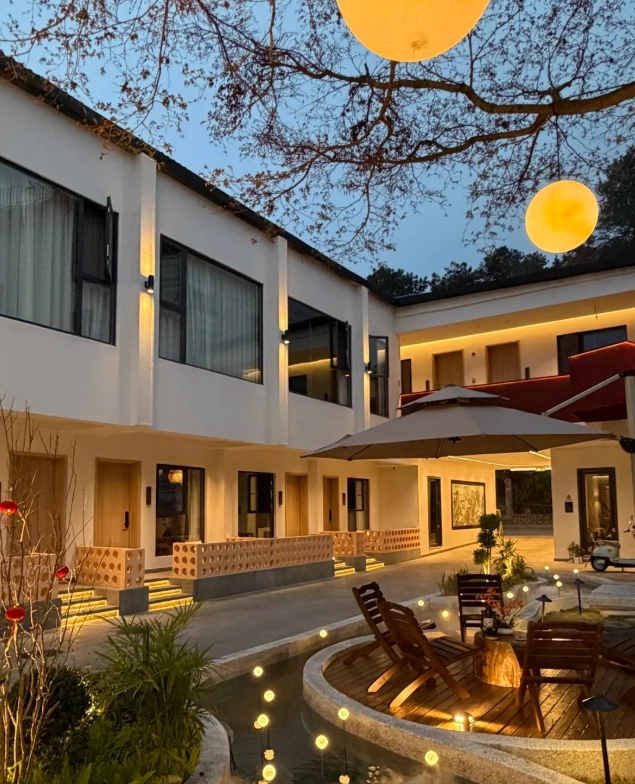
Yes, Floral Hotel · Taoxi Courtyard has a small workshop for guests. Taoxichuan Boutique Hotel also can arrange private lessons at the nearby studios for an extra fee (about 200 yuan per hour). Book at least one day in advance – the popular teachers get booked quickly.
What's the best hotel for someone who wants to explore both Taoxichuan and the ancient porcelain kiln sites?
Yujing Garden Hotel is conveniently located near the Jingdezhen Ancient Kiln Folk Customs Museum (10-minute taxi). You can visit both in one day. For a more immersive experience, stay at Pullman and hire a driver – it’ll cost around 300 yuan for a half-day tour covering the Imperial Kiln and Sanbao Village.
Recent Reviews
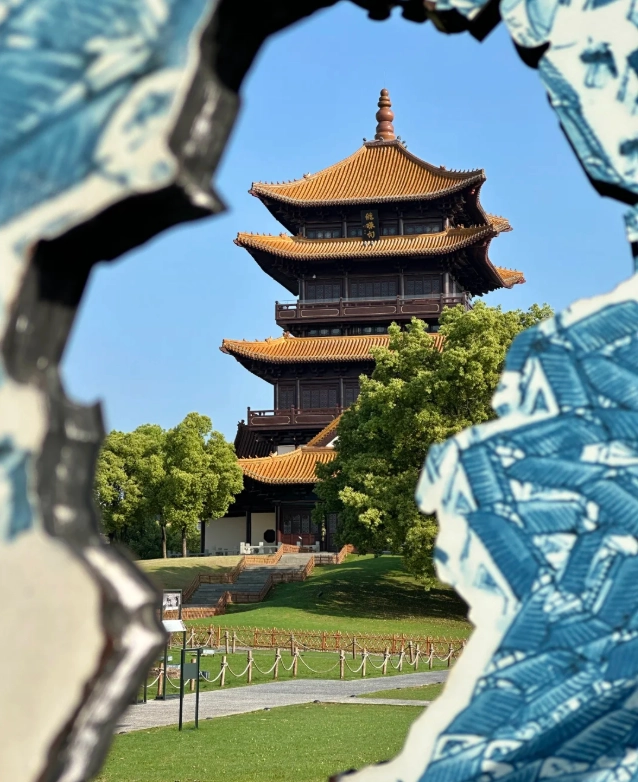
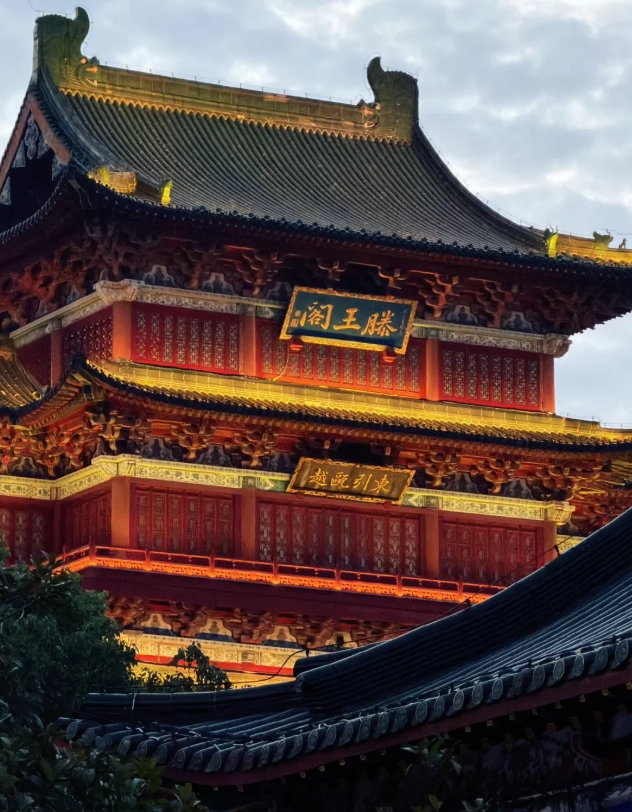
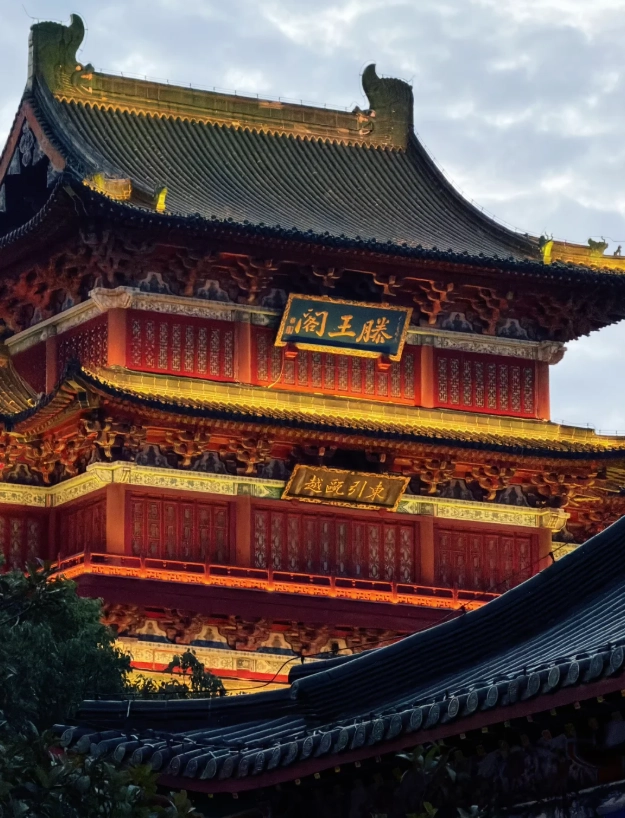
I really wanted to like Jiangxi's capital, Nanchang, but my weekend felt flat. Tengwang Pavilion looks grand from the outside, yet it's basically a modern reconstruction with no real atmosphere inside. The evening light show was more gaudy than beautiful. The local food was tasty and the museum was fine, but the traffic and humidity drained me. Maybe I caught it on a bad weekend, but I wouldn't rush back.
Lushan is genuinely scenic—the waterfalls, the lake views, the pine forests—but the entrance experience was chaos. Shuttle buses, long ticket queues, and vendors pushing raincoats made it stressful. Once I got above the crowds, the beauty really came through. I'd suggest visiting on a weekday and taking the first bus. It's worth four stars, but the organization keeps it from being perfect.
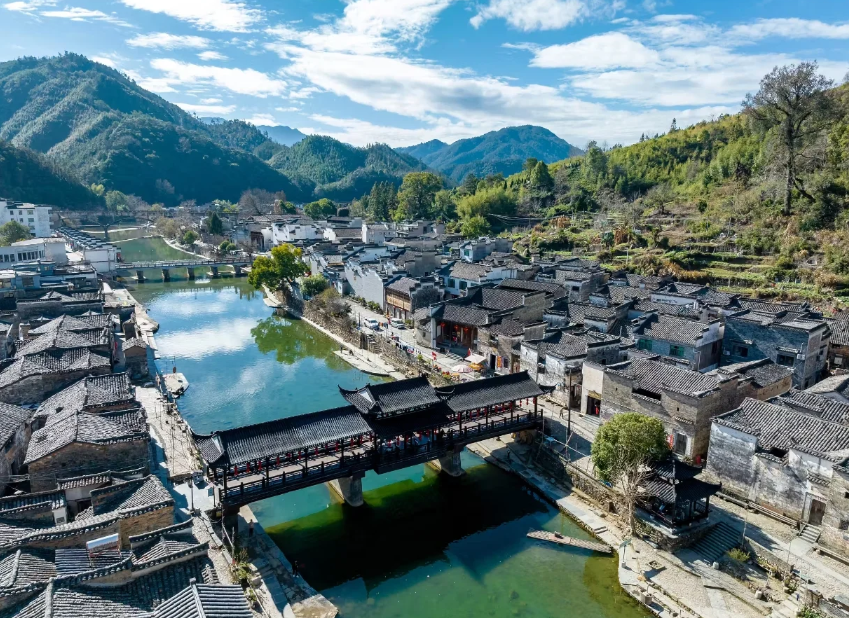
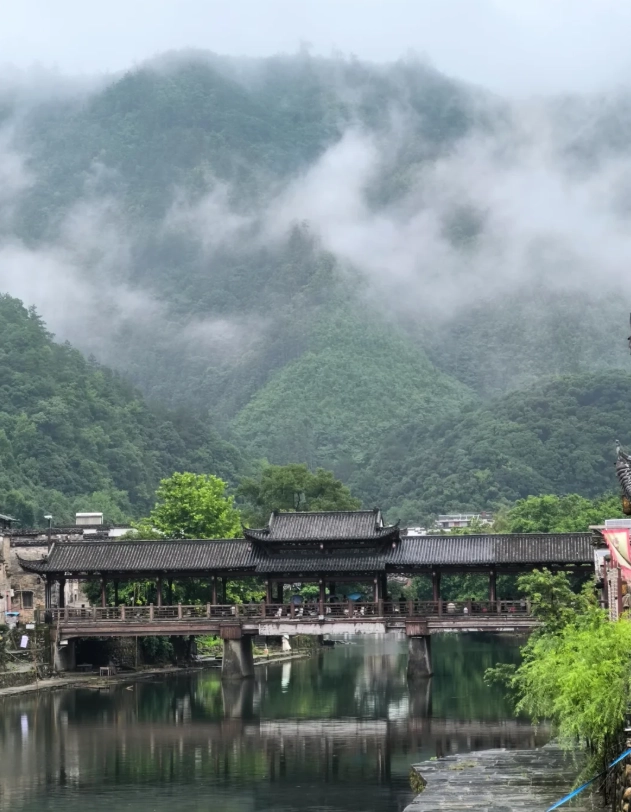
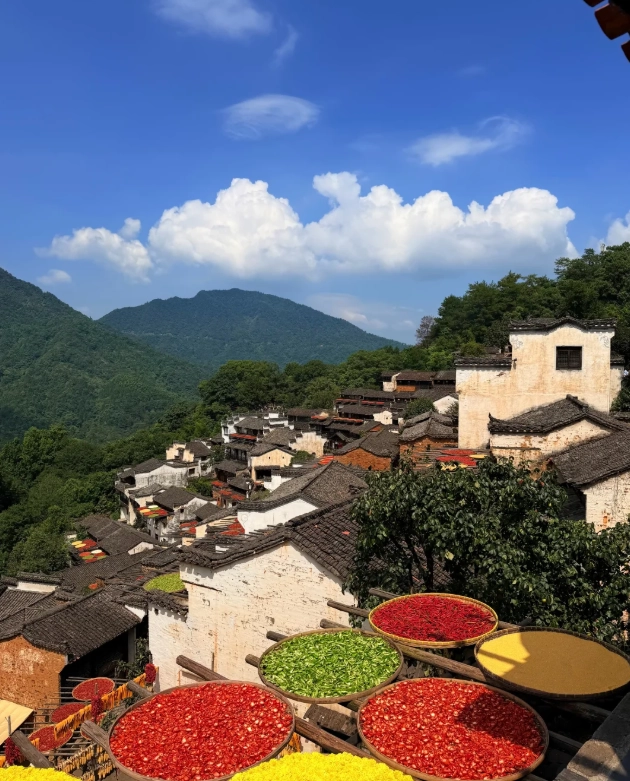
Wuyuan in early April is pure magic. I rented a bicycle and rode through white-walled villages surrounded by bright yellow rapeseed fields. The air smelled like pollen and woodsmoke, and an old farmer waved me over for tea. We couldn't speak each other's language, but we smiled and toasted anyway. This part of Jiangxi feels unspoiled and peaceful. I've already been recommending it to everyone back home.
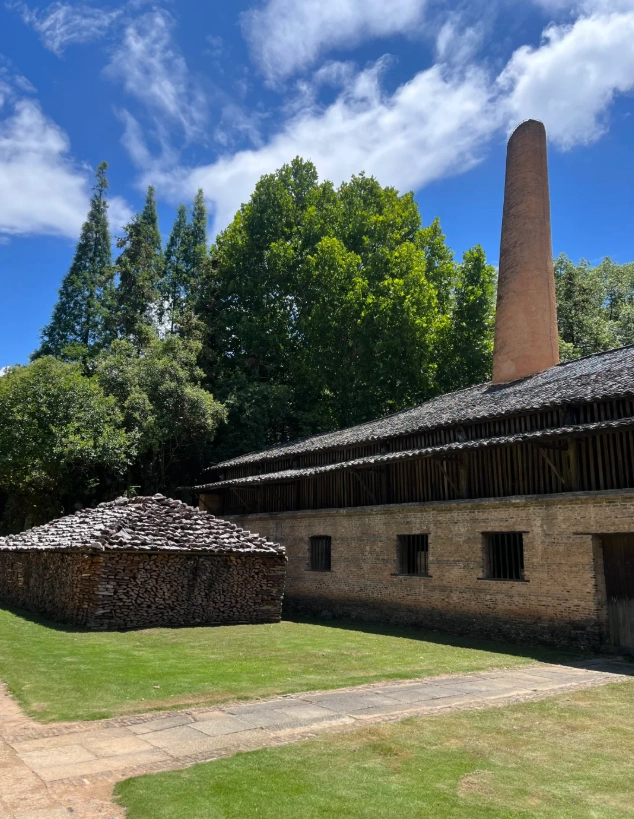
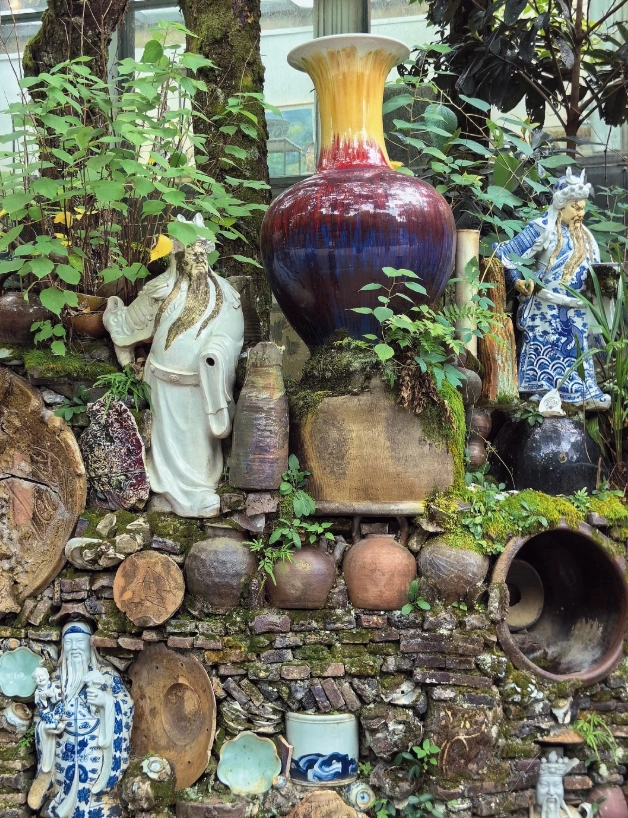
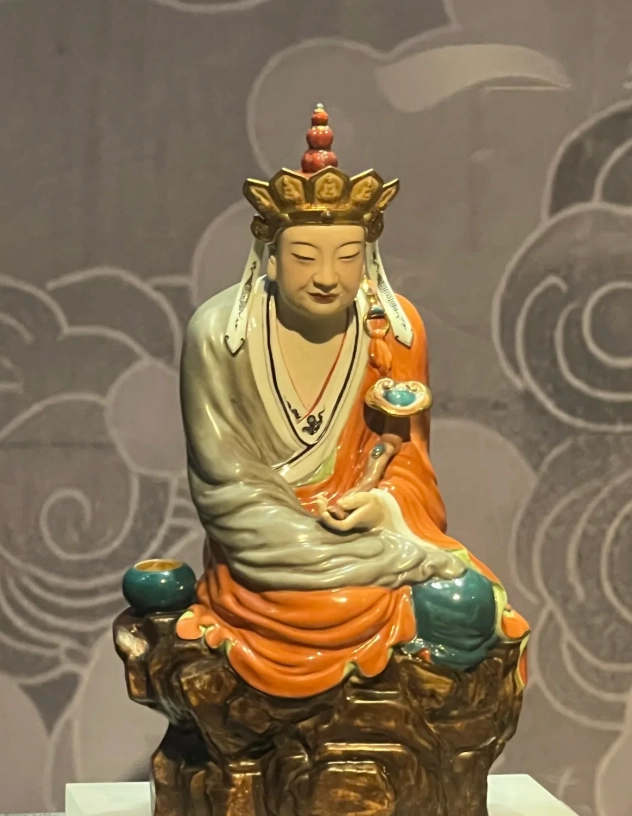
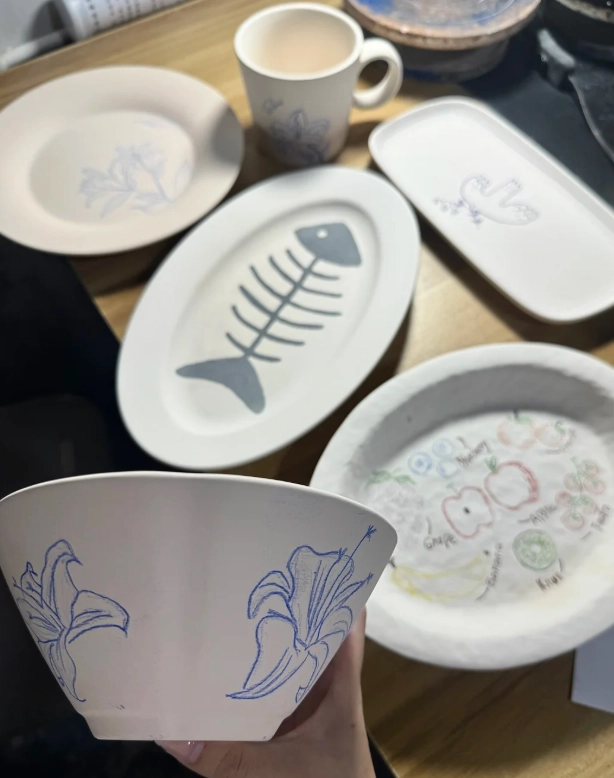
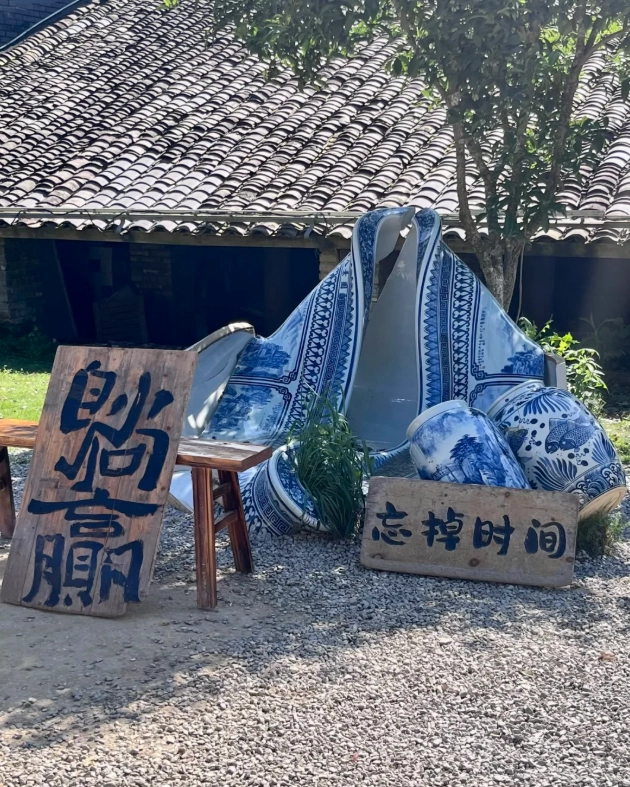
I came to Jingdezhen, Jiangxi's porcelain capital, for one day and stayed three. Watching the potters shape vases in the old kiln district was hypnotic, and I ended up buying hand-painted tea cups for less than a fancy latte at home. The ceramic museum is so well done and ridiculously cheap. If you love handmade craft, put Jingdezhen on your list. It's the most underrated stop I've made in China.
Trekked the Sanqing Mountains during a trip to Jiangxi province and honestly it blew my mind. The granite pillars wrapped in fog felt otherworldly, and the cliffside walkways gave me a proper adrenaline rush. Even with the cable car queues and a few tour groups, the views made it unforgettable. Just remember to bring a rain jacket—the weather changes in minutes. Five stars from me.
I came for the scenery but stayed for the food in Nanchang! The local rice noodles with spicy minced pork (拌粉) and the steamed pork belly with preserved vegetable (粉蒸肉) were absolute highlights. Also tried the famous 'Nanchang fried dough sticks' at a tiny breakfast stall – crispy, fluffy, perfect. The night market on Shengli Road was chaotic but delicious. Jiangxi cuisine doesn't get enough love!
Leave a Review