 Yan Zhou
- Why Jiangxi Should Be on Your Radar
- What to Do in Jiangxi — Top Attractions
- Sample 5-Day Jiangxi Itinerary
- Hidden Gems in Jiangxi Most Tourists Miss
- How to Get Around Jiangxi
- Best Time to Visit Jiangxi
- Where to Stay in Jiangxi
- What to Eat in Jiangxi
- Practical Tips for Foreigners
- Frequently Asked Questions
Ever been stuck at a ticket booth with zero cash and a dead phone? That's how my trip to Jiangxi almost ended before it began. But trust me, this province is worth every bit of planning. From misty mountains to ancient villages, Jiangxi packs a punch that rivals any Chinese destination. Let me save you the headache I had.
The biggest mistake I see foreigners make? Trying to see Jiangxi in 48 hours. It's massive. You need at least 4 days to hit the highlights without sprinting. In this guide, I'll share my favorite spots, the exact times to avoid crowds, and the transport tricks that keep your sanity intact.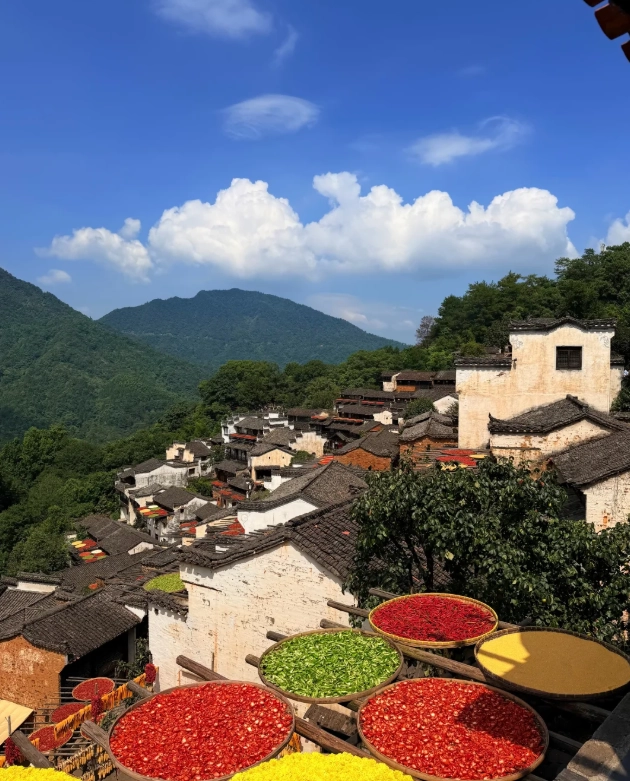
Why Jiangxi Should Be on Your Radar
Jiangxi often gets skipped for the more famous Shanghai or Beijing, but that's exactly why you should go. It's China without the tourist crowds. In Wuyuan, I had an almost entirely ancient village to myself at 7 AM. In Lushan, I watched the sea of clouds roll over the peaks — no pushing, no photo bombers. The province is also a cradle of Chinese porcelain; Jingdezhen has been making ceramics for a thousand years.
Beyond the sights, Jiangxi is where Chinese communism started its Long March, which adds a layer of history you won't find in guidebooks. And the food? Spicy, sour, and deeply savory — a perfect break from overly sweet tourist menus.
Here is the catch: Jiangxi is not well connected for foreigners in terms of English signage. That's why this guide exists — to help you navigate like a local.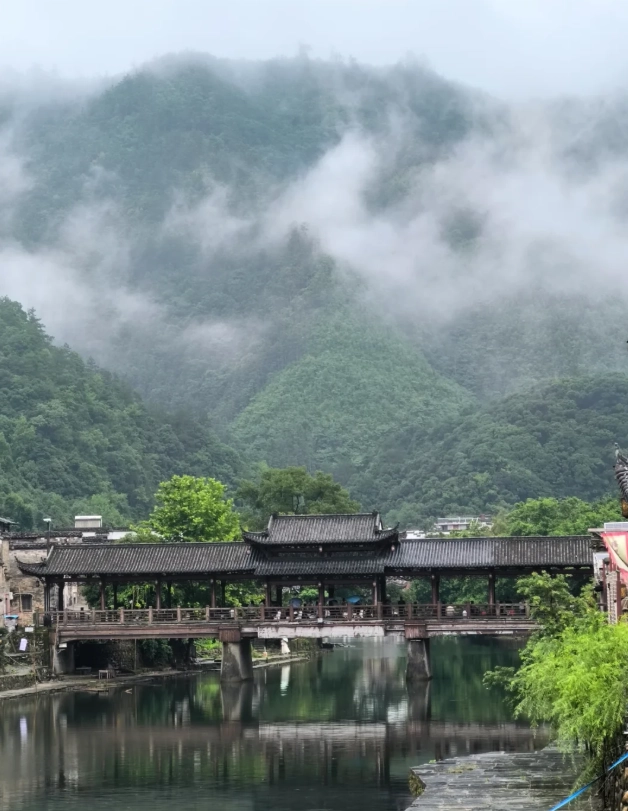
What to Do in Jiangxi — Top Attractions
Lushan National Park — A UNESCO Gem
Lushan is where Chinese poets found inspiration. It's a UNESCO World Heritage site, known for its dramatic peaks and sea of clouds. Most visitors enter from the north gate near Guling town. The entrance fee is around 180 CNY in peak season, but it changes — always double-check on the official WeChat account. If you're short on time, take the cable car up — it saves hours. The view from Jialing Peak at sunrise is unreal, but here's my trick: go at 3 PM when tour groups leave. You'll have the boardwalk almost to yourself.
I always tell my clients to bring a light jacket even in summer. The mountain top is often 10 degrees cooler than the base.
You can find more about its global importance on the UNESCO World Heritage Convention website.
Wuyuan — Ancient Villages and Yellow Rape Fields
Wuyuan is the postcard image of southern China: white walls, black tiles, and golden fields of rapeseed in spring. But the real magic happens in the off-season. Visit the quieter villages like Likeng and Wangkou instead of the famous Jiangling overlook, where buses unload crowds every morning. Entrance to each village is around 60 CNY, and you can often negotiate a multiple-village pass with your homestay owner.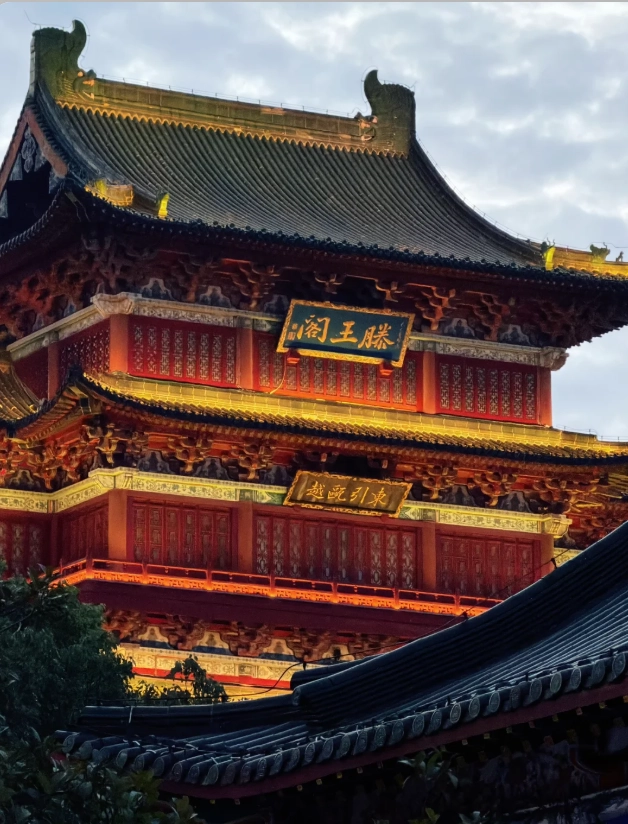
Pro Tip: Stay overnight in a converted old house. Listening to rain on the tiled roofs is an experience you won't get from a day trip.
Jingdezhen — The Porcelain Capital
If you care about ceramics, Jingdezhen is a pilgrimage. The Taoxichuan Art District is a beautiful repurposed factory complex filled with studios. You can even try throwing your own pot — a messy but unforgettable memory. The modern museum is free, but the imperial kiln site charges about 70 CNY. Don't forget to haggle in the weekend market; prices start at 20 CNY for small souvenirs.
Take a taxi from the high-speed rail station — it's about 20 minutes and costs around 30 CNY. There's no subway, so prepare for rush hour traffic.
Sanqing Mountain — Taoist Landscapes
Sanqing is a Taoist holy mountain with bizarre granite pillars that look like they're from another planet. The cable car is mandatory for most visitors — it saves three hours of steep climbing. The round-trip cable car and entrance package is around 200 CNY. People who say it is just a walk have never climbed the West Coast Stack — it's a narrow cliff-side trail with heart-stopping drops. I always give my clients at least four hours here.
Longhu Mountain — Nature and Taoism
Longhu (Dragon Tiger) Mountain is where Taoism was born. The highlight is the boat ride to see the mysterious cliff coffins — hanging burial sites dating back over 2,000 years. The entrance plus boat tour is roughly 150 CNY. The area is also known for its swinging bridge and the Heavenly Master's mansion. Plan a full day — it's spread out.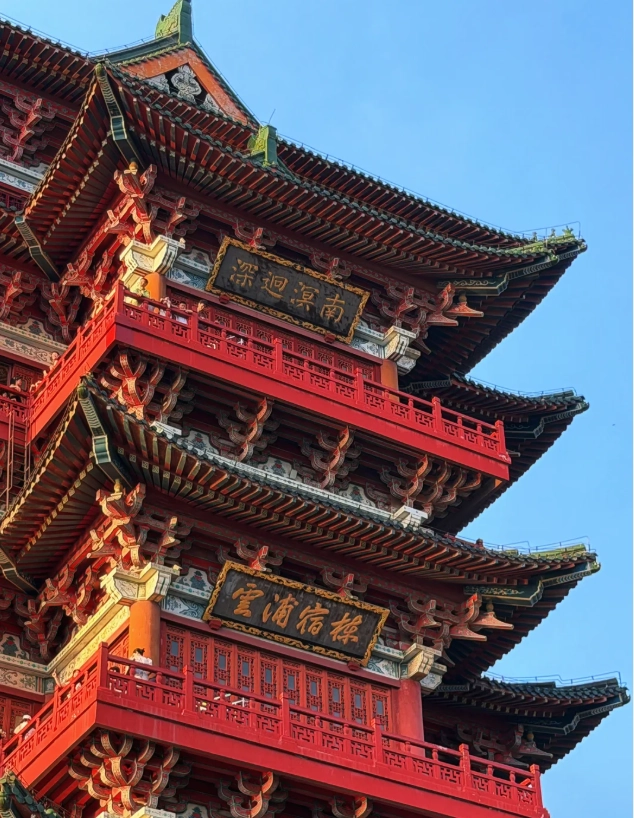
Insider Advice: Arrive right when the gates open at 8 AM. The boat queue can stretch to an hour by mid-morning.
Tengwang Pavilion in Nanchang
In the capital city, Tengwang Pavilion is a modern reconstruction of a classic Tang dynasty tower. It's pretty, but honestly, the interior is just a museum full of interactive screens. If you're not into Chinese history, give it a pass and head to the nearby Bayi Square instead. If you do go, entrance is 50 CNY, and go for the sunset view over the Gan River.
Sample 5-Day Jiangxi Itinerary for First-Timers
Day 1: Arrive in Nanchang, settle in, and explore Bayi Square and Tengwang Pavilion if you have energy. Wander the food street near Shengjin Pagoda for dinner.
Day 2: Morning train to Jiujiang, then up to Lushan. Spend the afternoon walking the Flower Path and admiring the view from Ruqin Lake. Sleep in Guling town.
Day 3: Sunrise at Jialing Peak. Then take the cable car down and head to Wuyuan. Stay overnight in a village homestay.
Day 4: Full day exploring Wuyuan villages — Likeng, Wangkou, and the Lingqiao bridge. Try Wu-liao (local rice liquor) and buy some dried vegetables.
Day 5: Bus to Shangrao for the high-speed train back to Nanchang or onwards to other provinces. If you have extra time, squeeze in Jingdezhen instead of a lazy morning.
This is a flexible skeleton — I've done this route with clients of all ages.
Hidden Gems in Jiangxi Most Tourists Miss
Zhelin Lake — a huge reservoir near Nanchang with tiny islands and very few Chinese tourists. You can hire a boat for a few hours and swim in the clean water.
Wushan Mountain — near Jingdezhen, it's a rough hike with stunning views over tea terraces. No entrance fee, but you'll need local directions.
Anyi Ancient Village — an hour from Nanchang, this village has dozens of old trees and a museum about local customs. Bring cash; the ticket is only 20 CNY.
These spots aren't in most English guides, which is why they're still peaceful.
How to Get Around Jiangxi
Jiangxi's high-speed rail network is your best friend. Nanchang West Station connects to Jiujiang in about 1 hour, and to Shangrao in about 1.5 hours. From Shangrao, a bus to Wuyuan takes another hour. For Lushan, take a train to Jiujiang, then a local bus to the north gate. For Sanqing, get off at Yushan station and grab a shared minibus.
Within cities, apps like Didi (the Chinese Uber) work well. Important: Apple Maps and Google Maps are unreliable here. Use AMap (Gaode) with its English interface, or screenshot your destination in Chinese. I've lost count of how many times I've seen foreigners show a driver a screen full of unreadable characters.
For train tickets, book through the official China Railway website or its mobile app. It's the only way to guarantee a seat during holidays.
| Route | Transport | Time | Cost (approx.) |
|---|---|---|---|
| Nanchang → Jiujiang | High-speed train | 1 hour | 60 CNY |
| Jiujiang → Lushan gate | Bus | 45 mins | 10 CNY |
| Shangrao → Wuyuan | Bus | 1 hour | 20 CNY |
| Nanchang → Jingdezhen | High-speed train | 1.5 hours | 80 CNY |
Best Time to Visit Jiangxi
Spring (March to early April) is the classic pick for Wuyuan's yellow rape flowers. But it's also the busiest — expect selfie sticks everywhere. I personally prefer late April to May for decent weather and fewer crowds. Autumn (September to November) offers clear skies and red leaves in the mountains. Avoid Chinese Golden Week (first week of October) at all costs — train tickets sell out and prices triple. If you only have one shot, aim for a weekday in November. Crisp air, warm colors, no scrum.
Where to Stay in Jiangxi
In Wuyuan, skip the main town and stay in a village homestay like in Likeng. Rooms go for 200–400 CNY per night in a restored house, with breakfast included. The hosts often speak zero English but will use translation apps with surprising patience.
In Lushan, stay in Guling town on the mountain. It's a weird mix of alpine cottages and Chinese guesthouses — prices range from 300 to 800 CNY. Book a hotel with heating; nights are cold even in summer.
In Nanchang, I like the area near Bayi Square — central, near the metro, and surrounded by food alleys. Budget hostels start at 80 CNY, mid-range from 250 CNY.
Reality check: Wi-Fi in homestays can be spotty. Ask for the password at check-in, and always download offline maps before heading to rural areas.
What to Eat in Jiangxi
Jiangxi cuisine is spicy and sour, with a heavy hand on garlic. My must-try list:
- Nanchang Mixian (rice noodles) — a cold noodle dish tossed in chilli oil and pickled vegetables. Look for small stalls where locals queue; they're the ones doing it right.
- Wonton soup — comfort in a bowl, especially after a hike.
- Potato paste — a local specialty that's a bit like a savoury jelly.
- Fishing village duck — if you're bold, this dried and smoked duck is an acquired taste.
For restaurants, I don't name specific chains because they change often. Use the Dianping app (the Chinese Yelp) and sort by 'local' — you'll see photos and prices instantly. Most places accept Alipay and WeChat Pay, but some rural ones are cash only. Don't expect English menus; have your translator app ready.
One tip: always carry tissue paper. Many local restaurants only have cheap napkins or none at all.
Practical Tips for Foreigners in Jiangxi
Payment
Alipay and WeChat Pay are king. Set them up before you arrive with your international credit card. Cash works for small stalls, but always keep change. Many businesses won't take large notes.
Language
English is rare outside major hotels. Download a good translation app — I swear by Apple Translate because it works offline. Write down your destinations in Chinese to show taxi drivers.
VPN
You'll need a VPN to access Google, Facebook, and even WhatsApp. Set it up before you land or you'll be stuck without your usual services.
Entry Requirements
Most nationalities need a tourist visa (L visa). Check the latest rules with the National Immigration Administration to avoid surprises at the airport.
Frequently Asked Questions
Verified and fact-checked by the editorial team.



No comments yet.