 Qiang Huang
Quick Guide — Jump to What You Need
You've landed in Jiangsu, your stomach is growling, and the only Chinese words you know are "xièxiè" and "wǔ jiǎo." The menu in front of you is a labyrinth of characters. Welcome to the delicious chaos of Jiangsu cuisine.
If you're typing "what to eat in Jiangsu" into your phone while sitting in a hotel lobby, let me save you the guesswork. I've spent years leading food tours across this province, and I've watched countless visitors struggle with the same problem: authentic spots are hidden, menus are overwhelming, and tourist traps are everywhere.
Here's my bottom line: the best Jiangsu food lives in the alleyways, not the glossy guidebooks. In this guide, I'll walk you through the seven dishes you absolutely must try, show you where to find them, and give you the exact tricks to order like a seasoned local.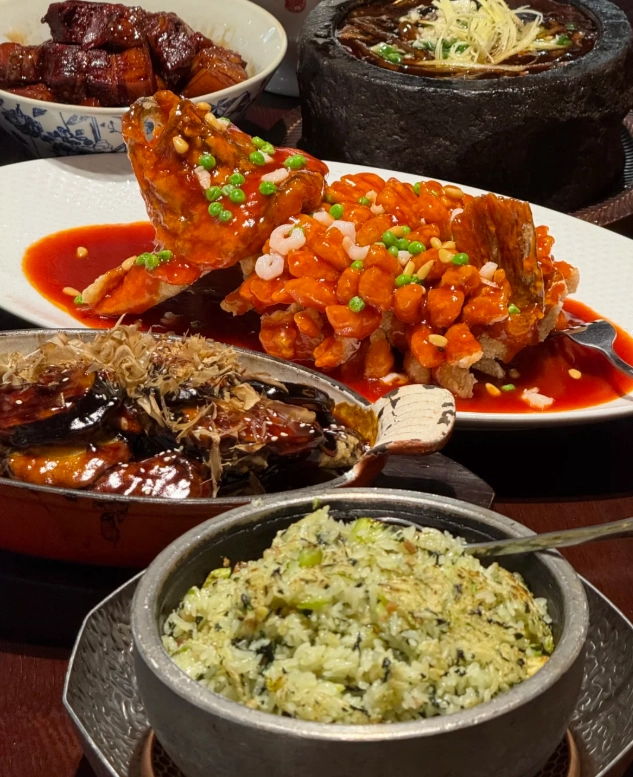
The 7 Must-Eat Dishes in Jiangsu
Jiangsu cuisine is a meditation on subtlety. Unlike the fiery-food of Sichuan, here you'll find a gentle balance of sweet and savory, often with a delicate liquor of broth. The province spans several sub-styles — Nanjing's dried duck, Suzhou's dumplings, Yangzhou's knife work — and each city boasts its own culinary pride.
| Dish | City | Taste | Est. Price (per person) | Where to Find It |
|---|---|---|---|---|
| Salted Duck | Nanjing | Salty, savory | 40–60 RMB | Laomendong alleys |
| Soup Dumplings | Suzhou | Savory, brothy | 20–30 RMB for 6 | Pingjiang Road |
| Lion's Head Meatball | Yangzhou | Sweet, porky | 50–80 RMB | Dongguan Street teahouses |
| Braised Shredded Tofu | Yangzhou | Mild, silky | 30–50 RMB | Fuchun Teahouse |
| Three-Shrimp Noodles | Suzhou | Umami, delicate | 80–150 RMB | Tongdexing |
| Wuxi Spare Ribs | Wuxi | Sweet, sticky | 40–60 RMB | Nanchang Street |
| Yangzhou Fried Rice | Yangzhou | Savory, light | 30–50 RMB | Yechun Teahouse |
Nanjing Salted Duck
Nanjing people live by the saying: 无鸭不成席 (no duck, no feast). Salted duck is the city's edible emblem — cured, boiled, and served cold. The skin is translucent, the flesh is tender, and the salt level is just right. It's not as overpowering as you'd expect; instead, it's a delicate balance that pairs perfectly with rice.
Where to try it: I always send my guests to 老门东 (Laomendong), a restored Ming-era street just south of the Confucius Temple. Skip the flashy restaurants with the photos glued to the windows. Instead, walk toward the back alleys where locals queue for the small stalls. My personal pick is the nondescript shop next to the steamed bun vendor — look for the long line. If queues make you anxious, grab a vacuum-packed duck from a supermarket and eat it cold; it's still decent.
Expect to pay about 40-60 RMB for a half duck, and yes, the stalls only take mobile payments like Alipay or WeChat. Make sure your payment apps are set up before you go.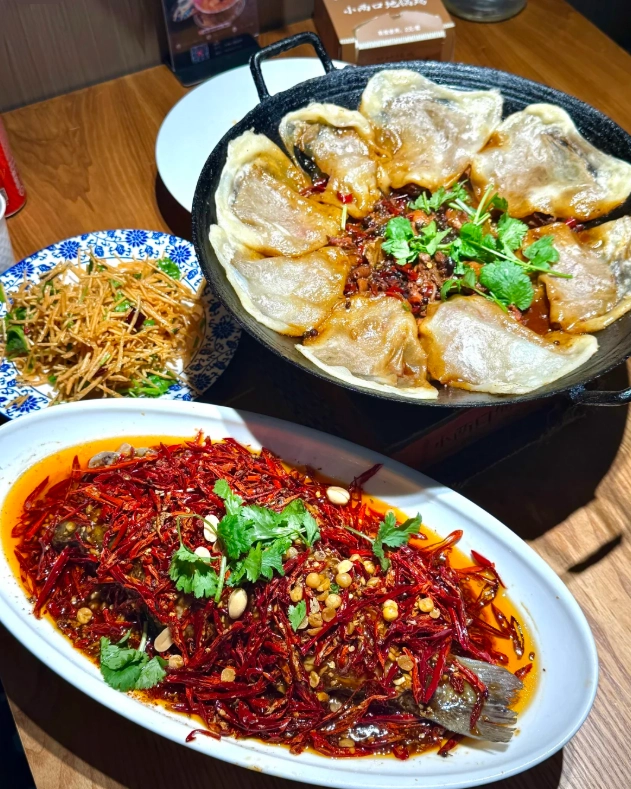
Pro tip: Buy the duck in the morning when it's just cooked, or you risk getting the dry, stale batch from the previous day.
Suzhou Soup Dumplings (Xiaolongbao)
You haven't really experienced Suzhou until you've burned your tongue on a soup dumpling. These delicate parcels hide a pocket of hot broth, and the ritual of eating them — bite the corner, slurp the soup, then devour the rest — is pure pleasure.
The locals argue over the thinness of the wrapper. Some insist the proper way is to use a straw, which is a crime for traditionalists. Head to 平江路 (Pingjiang Road), a canalside street that's as much a food destination as it is a photo opportunity. Look for the shops that steam everything to order — you'll see the bamboo baskets stacked high.
A typical basket of six costs 20-30 RMB. The trick is to order 'the classic pork' first, not the fancy crab version. Why? Because the classic allows you to taste the quality of the broth without the mask of crab roe.
And here's a mistake I see every week: dipping the dumpling into vinegar is fine, but don't fill the spoon with ginger — it overpowers the broth. Use a light touch.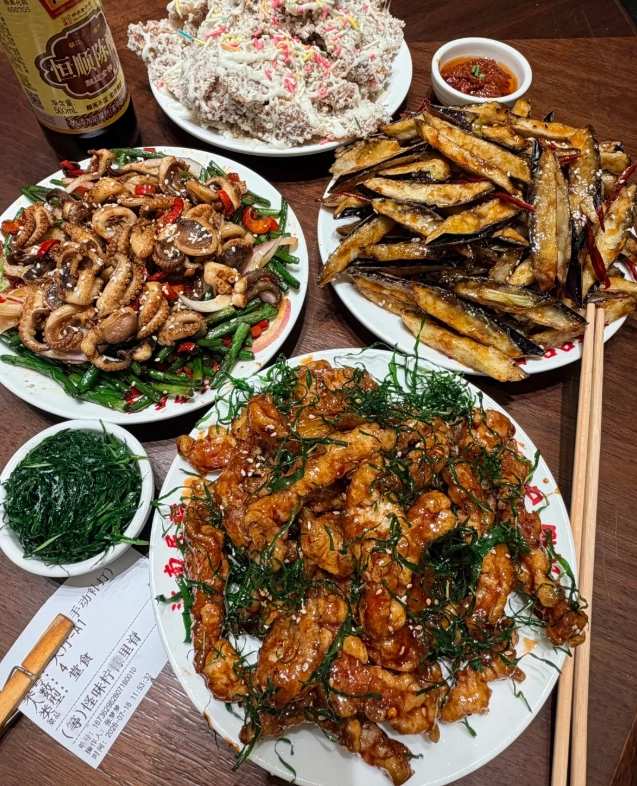
Crab Meat Lion's Head (Xiefen Shizitou)
Yangzhou's lion's head meatball is a study in patience. It's a massive pork meatball, often made with crab meat, simmered in a clear broth for hours until it's almost fluffy. The name comes from the rounded shape that resembles a lion's head. It's sweet, savory, and melts in your mouth.
The best place to experience it is in Yangzhou's 东关街 (Dongguan Street), the old commercial artery. I usually point my foodie clients to the small courtyards that open into teahouses — tea in the morning, lion's head at lunch. Look for '怡园' or '冶春' if you want a classic teahouse experience; both are historic and have multiple branches.
Prices hover around 50-80 RMB per meatball, which seems steep until you see the size — it's a meal in itself. For a truly local touch, add a bowl of '大煮干丝' (braised shredded tofu) — see below.
Beware: Some budget places serve a pre-made, reheated meatball that's rubbery. Ask if it's handmade that day. The locals will respect you for asking.
Braised Shredded Tofu (Dazhu Gansi)
This unassuming dish is the true test of a Yangzhou chef. Silky tofu is sliced into thread-thin pieces, then simmered in a rich chicken broth until it absorbs all the flavor. It looks like a bowl of broth with white strands, but the texture is velvety, almost like a savory pudding.
This dish is meant to be eaten slowly, often as part of a 'dim sum' brunch. The best version I've had was in Yangzhou's 何园 (He Garden) visitor center — but that's a museum, not a restaurant. For authenticity, go to the 富春茶社 (Fuchun Teahouse), a century-old institution famous for its morning tea and gansi. The price is around 30-50 RMB per bowl.
It's also a must-order for vegetarians, as the broth can be made without meat on request. Just tell them 'bu yao rou' (no meat) and they'll adjust.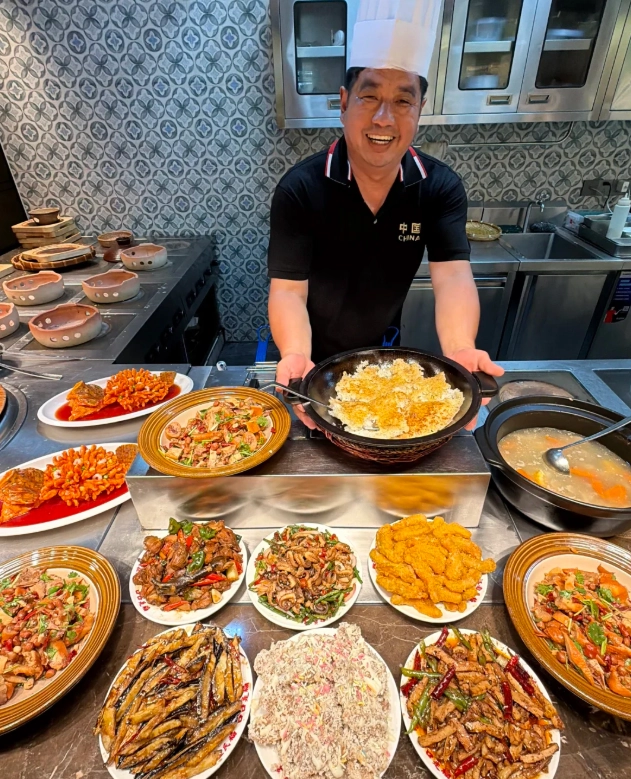
Three-Shrimp Noodles (San Xiamian)
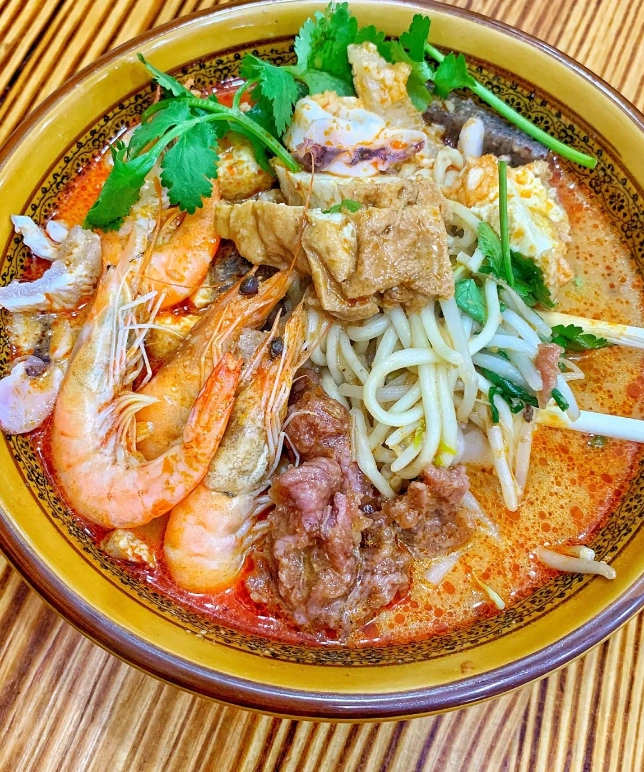
Suzhou's three-shrimp noodles are a seasonal luxury made from the shrimp roe, shrimp brains, and shrimp meats. The result is a bowl of noodles coated in an orange-red sauce that tastes like concentrated ocean freshness. It's not cheap — a bowl can set you back 80-150 RMB — but it's a bucket-list dish.
The season is short, usually in the summer when the shrimp are at their peak. Head to 观前街 (Guanqian Street) and look for the noodle shops that display fresh shrimp in the window. My go-to is '同得兴' (Tongdexing), which has a reputation for precise seasoning. The queue can be brutal, so arrive before 11:00 AM or after 1:30 PM to avoid the lunch rush.
Since the dish is seasonal, don't expect it on every menu. If you're out of season, your best alternative is the regular 'xianrou mian' (sliced meat noodle) — still excellent, but not the same experience.
Wuxi Spare Ribs (Wuxi Pai Gu)
Wuxi ribs are the sweetest thing you'll eat in Jiangsu — and that's saying something. These are braised in a soy sauce and rock sugar mixture until they're sticky and dark. The meat falls off the bone, and the sweetness is intense, almost like candy. Local folklore says the ribs are so sweet because Wuxi people have 'sweet teeth' — a cultural saying for a sweet tooth.
The best ribs are found in Wuxi's old town, around 南长街 (Nanchang Street). Many shops sell them as a ready-to-eat snack, hot from a big pot. You can also sit down at a restaurant and order a full plate with a side of greens. A plate is about 40-60 RMB, and the street-side boxes are 20-30 RMB.
Don't try to eat them too fast — the sugar will coat your mouth and the sweetness can be overwhelming for first-timers. The trick is to balance with a cup of plain tea.
Yangzhou Fried Rice (Yangzhou Chaofan)
Finally, the most famous export: Yangzhou fried rice. Yes, it appears on every Chinese takeout menu from London to LA, but the real deal is subtler. It's a dry, light rice with shrimp, eggs, and a medley of diced ham and vegetables — not the greasy blob you get elsewhere. The wok hei (breath of the wok) is essential for that smoky taste.
You can find it everywhere in Yangzhou, but for the classic version, visit a proper teahouse like 冶春 (Yechun) or 富春 (Fuchun) during brunch hours. Expect to pay 30-50 RMB for a portion. The rice should be fluffy, with each grain separate. If it's clumpy, send it back.
A local insider told me the secret: it's all about the ratio of ingredients to rice. Too much rice and it's bland; too much filling and you're eating a stir-fry. The perfect bowl has enough to taste each element in every bite.
How to Order Like a Local in Jiangsu?
Ordering in Jiangsu is easier than you think, but there are a few dos and don'ts.
Start by memorizing these three phrases:
- Zhège — This one (point at what you want)
- Là ma? — Is it spicy? (Most dishes aren't, but good to ask)
- Míngbái — Understood
Also, don't expect everything to be spicy. Jiangsu cuisine leans sweet and savory. If you want heat, you'll need to ask for chili oil, which is usually on the table.
Another tip: In Jiangsu, it's common to order dishes incrementally. Start with two, eat, then order more. Waiters are used to this — it's not rude, it's efficient. This also prevents over-ordering.
When you're at a noodle shop, say 'miàn tiáo' (noodles) and 'jiān dàn' (fried egg) to customize. The kitchen will know.
And never underestimate the power of pointing. I always tell my clients: 'If you can't read it, point at the next table's food and say "same as that."' It works 90% of the time.
Where to Find the Best Jiangsu Food?
If you only have time for three cities, make it Nanjing, Suzhou, and Yangzhou. Here's where to focus your food radar:
Nanjing: 老门东 (Laomendong) is your best bet for duck, sugar-flavored pastries, and street snacks. The alleys behind the main street hold the real gems.
Suzhou: 平江路 (Pingjiang Road) is beautiful, but it's also packed with influencers. For less crowd, head to 十全街 (Shiquan Street), a bit southwest, where the locals go for noodles and soups.
Yangzhou: 东关街 (Dongguan Street) is the gold standard for classic dishes. Go early in the morning for the teahouse culture — the 'zǎo chá' (morning tea) is a must.
Don't forget Wuxi for ribs and Changzhou for its own twists, but those are side trips for serious foodies.
Insider Tips to Avoid Tourist Traps
Here are the lessons I've learned the hard way, so you don't have to:
- Payment: Almost everywhere now accepts Alipay or WeChat Pay. Bring cash as backup, but know that smaller stalls might not have change. Set up your payment apps before you land. For international cards, link them to your Alipay or WeChat — most foreign cards work now.
- Navigation: Google Maps is unreliable in China. Download Apple Maps or, better, the Amap app (高德) which has an English interface 'AMap Global.' Type in the English name of the place, then switch to Chinese to show the driver.
- Avoid the 'tourist menu': Some restaurants have two menus — one for locals, one for tourists. If the menu has English and huge prices, ask for the Chinese menu. Alternatively, call out a dish you want using the photo or your phone.
- Table reservations: For popular spots like Tongdexing, either go early or be prepared to wait. You can reserve via the WeChat mini-program, but it's often in Chinese. Ask your hotel concierge to make the call for you — they're usually happy to help.
- Watch your belongings: I hate to say it, but crowded markets are pickpocket territory. Keep your phone in your front pocket, and don't leave your bag on the back of your chair.
- Taxi scams: Some drivers earn a commission for bringing you to a certain restaurant. They'll tell you the place you want is closed or full. Politely insist, or just say 'wǒ yào qù nàlǐ' (I want to go there).
And a final note on travel logistics: before hopping on a long-distance train, always book through the official China Railway site at 12306.cn to avoid agency fees or scams. For visa updates, the National Immigration Administration's site (nia.gov.cn) is the only authoritative source. And as you wander through Suzhou's canals, remember the city's historic center is part of a UNESCO World Heritage site (whc.unesco.org) — a nice fact to impress your dinner companions.
FAQ: Eating in Jiangsu, Your Top Questions Answered
Verified and fact-checked by the editorial team.



No comments yet.