 Tao Xu
Quick guide for parents
I lost a six-year-old to a staircase once. Not really lost, but she sat down halfway up Yellow Crane Tower and refused to move until I promised ice cream. That is when you know a trip to Hubei is real. Gorgeous, ancient, and surprisingly tough on little legs.
After countless trips here with my own clients, I’ve learned exactly which things to do in Hubei with kids are worth the meltdown risk — and which will leave everyone smiling. The catch? Most of the good stuff isn’t on the big tour-bus route.
Let me save you the mistakes I’ve made leading families up the wrong mountain, down the wrong one-way lane, and into the wrong line at a museum that has no line. By the end of this guide, you’ll have a solid plan for Wuhan, Yichang, and even the wild northwest.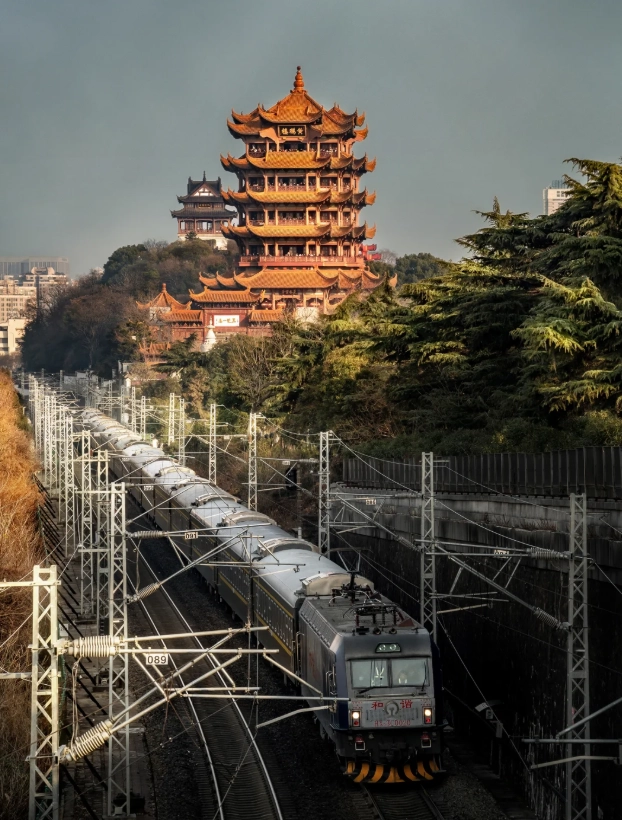
Why Hubei Works for Families
Hubei sits right in the middle of China, and that makes it stupidly convenient. High-speed rail connects Wuhan to Yichang in under two hours. Taxis are cheap enough that you never need to argue about a bus route. And the local food — hot dry noodles, sticky rice rolls, and the most addictive fried bean curd — is a lot easier for small Western mouths than the painfully spicy food you’ll find in Sichuan.
But the real reason I tell parents to start here is the scale. The main attractions are close together. You can be at a museum in the morning, on a boat after lunch, and on top of a historic tower by sunset without ever feeling rushed. That’s rare in China.
One heads-up: China uses mobile payments for almost everything. Alipay and WeChat Pay work with certain international cards, but cash is getting harder to deposit. Just before you land, set up Alipay and link a card. Also download a VPN on all devices booked in hotels — Wi-Fi at hotels is usually fine, but your kid’s tablet will want to call home. For the latest visa rules, I always check the National Immigration Administration’s official website before a family trip.
Top Things to Do in Hubei with Kids
I’ve tested these seven over and over. They’re arranged by age, so skip what doesn’t fit and optimize for your kid’s attention span.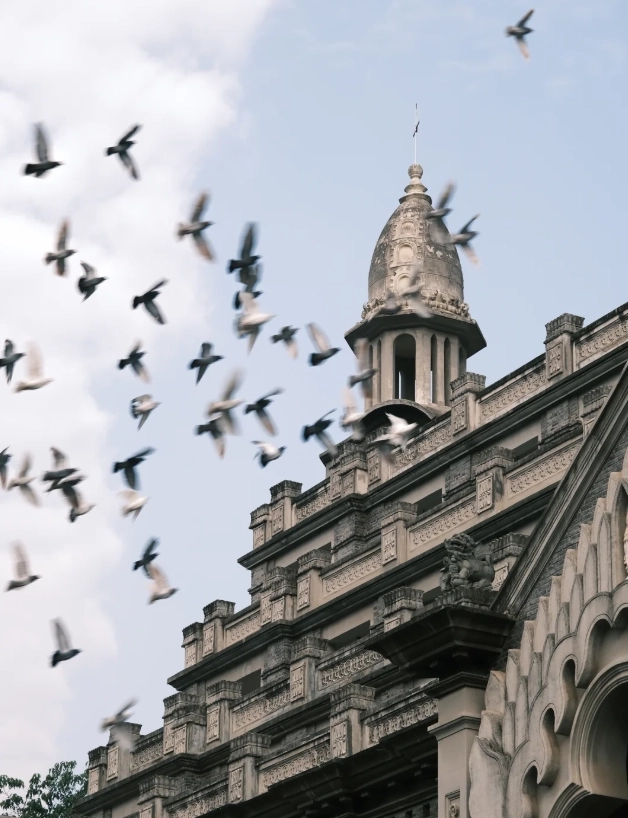
1. Climb Yellow Crane Tower and Skip the Crowds
Address: 1 West Mountain, Wuchang District, Wuhan. Open from 8:00 to 18:00 in summer, and from 8:00 to 17:30 in winter. Admission is around 70 yuan for adults, half price for kids 6 to 18, and free under 1.2 meters. The tower is a five-story fire escape rehearsal, so don’t bring a stroller. Use a baby carrier instead.
Most guides tell you to go at sunrise. Ignore that. I bring my families at 15:00, so we climb slowly and reach the top floor around 15:45. The light on the Yangtze River turns from haze to gold, and the school groups have already left. You’ll also avoid the sunstroke that hits midday crowds.
2. Show the Kids the Giant Chime Bells at Hubei Provincial Museum
The Hubei Provincial Museum is a strange, wonderful place. Inside a blocky modern building, you’ll find ancient bronze bells so massive that kids instinctively gasp. The Chime Bells of Marquis Yi of Zeng are the highlight. They’re arranged on a wooden rack three stories high, and the museum even puts on a short musical performance each morning.
Address: 160 Donghu Road, Wuchang District. Free admission, but you must make a reservation with your passport before you go. The easiest way for foreigners is to ask your hotel concierge to book it through the official WeChat mini-program. Do this at least two days ahead. The museum is closed on Mondays, including national holidays after the first week.
Arrive by 9:15 if you want to hear the bells live. The performance crowds up fast. There’s a long ramp to the first-floor bell hall, so strollers are surprisingly okay here. The cloakroom is free and accepts bags.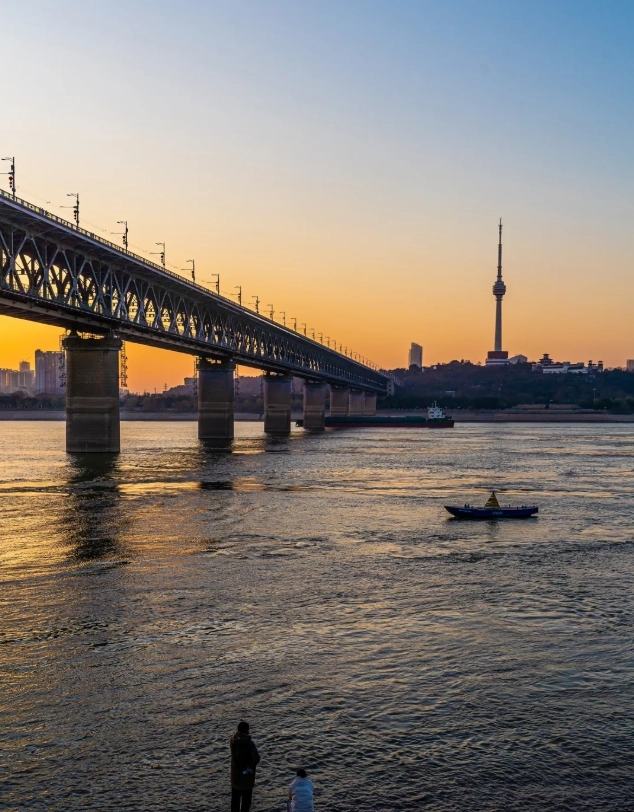
3. Look the Red Pandas in the Eye at Wuhan Zoo
Wuhan Zoo isn’t a polished international park. It’s a local zoo with worn paths, a few tired enclosures, and one glorious red panda section. The kids will love it. The red pandas are kept in a leafy area where they sometimes saunter right up to the glass. The giant pandas are usually sleeping, but that’s okay.
Address: No. 30, Heping Avenue, Hanyang District. The taxi from Hankou is about 25 minutes. Admission is about 40 yuan for adults and 20 yuan for kids. Opening hours are 8:00 to 17:00. Plan for two to three hours; my favorite is the monkey-park area, which is basically a miniature playground with climbing frames inspired by monkeys.
If your kids are small, rent one of those bubble-pop iced teas from a stall at the entrance. It’ll buy you an extra thirty minutes of peace. Also, the stroller situation is rough—many paths are cracked. Wear a carrier.
4. Rent a Paddleboat on East Lake at Sunset
East Lake is seven times the size of the West Lake in Hangzhou, and it has something Hangzhou doesn’t: empty spots. Walk past the main entrance and head to the Tingtao Scenic Area. There, you’ll find paddleboats and swan-shaped electric boats for rent. A half-hour session costs around 60 yuan.
Go between 16:00 and 18:30. The lake breeze is cool, the sun dips behind the mountains, and the water sparkles. There are bathroom pavilions near the boat rental area, but they’re far from the main path, so go before you get your boat.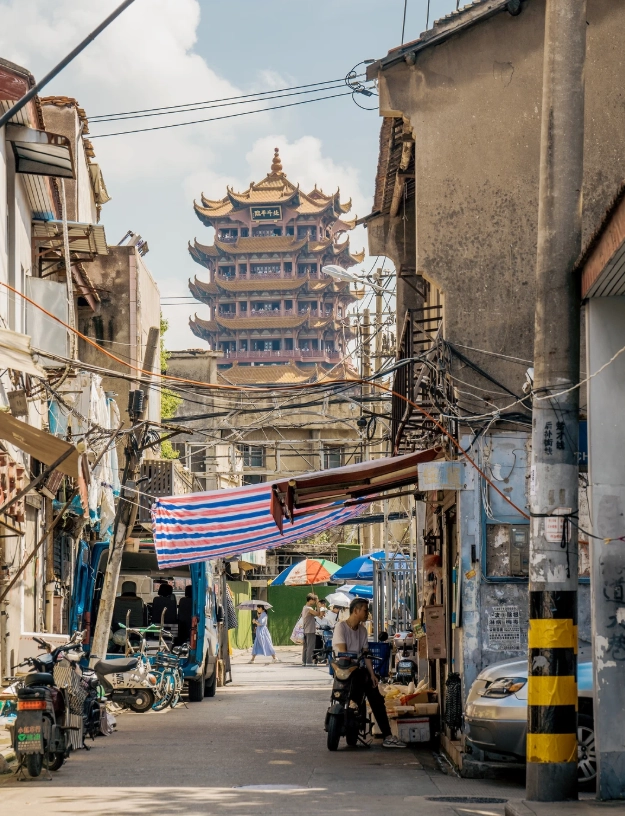
5. Let the Three Gorges Dam Blow Their Minds in Yichang
The Three Gorges Dam is a concrete monster, the largest power station in the world. To a child, it looks like something out of a sci-fi movie. The boat lift carries massive freight ships up and down an elevator of water. My clients’ jaws drop every time.
You need a full day from Yichang city. The dam is about 45 minutes from Yichang East Railway Station by taxi. There’s a visitor center at the entrance that checks your passport; admission is free, but the shuttle bus inside costs about 35 yuan per person. The bus makes all the stops, including the Tanziling Observation Point. Plan for three hours on site, plus lunch.
This one is best for kids age 8 and up. There’s no shade, so bring hats and water. The steps at the observation platform are wide, but the elevator is only for staff, so be prepared to climb about 200 steps.
6. Track the Golden Monkeys in Shennongjia
Shennongjia is a UNESCO World Heritage site and home to the rarest golden monkey you’ll ever see. In the Dalongtan area, rangers keep a small troop of these silver-and-gold furballs in a semi-wild viewing zone. They come down for food a few times a day—around 9am and 3pm.
The drive from Muyu Town to Dalongtan is about an hour of twisting mountain road. Kids who get car sickness should take medicine before the drive. Ticket prices vary per zone, so expect to pay around 100 yuan per adult; children pay half. This is not a place for a quick visit. Plan a full day and combine it with a walk along the boardwalk through the crystal-clear alpine streams.
My honest advice: only do this if the weather is clear. If it’s snowing or foggy, the monkeys hide and you’ll freeze. In that case, stay in Muyu Town and visit the museum instead.
7. Snack Through Hubu Alley
Right beside Yellow Crane Tower is a 150-meter lane packed with steam. Hubu Alley is the ideal “refuel” spot after the tower climb. You’ll smell hot dry noodles, crispy doupi, and sweet fermented rice wine. Kids love watching each stall cook in front of them—many are open-air kitchens.
Open from 6:30 to 23:00, but go early. Between 8:00 and 10:00, everything is fresh and the queues are manageable. After 11:30, the school groups arrive and it becomes a wall of backpacks. Prices are low; you can feed a family for around 80 yuan total.
Yes, it’s touristy. You’ll hear English and see people taking photos of everything. But the food is genuinely good, and the chaos makes a fantastic story back home. Bring wet wipes; the tables can get sticky.
Quick Comparison: Things to Do in Hubei with Kids at a Glance
| Attraction | City | Best Ages | Ticket Hint | Time Needed |
|---|---|---|---|---|
| Yellow Crane Tower | Wuhan | 5+ | Around 70 RMB; kids half price | 2 hours |
| Hubei Provincial Museum | Wuhan | 6+ | Free with passport reservation | 2 hours |
| Wuhan Zoo | Wuhan | 3+ | Around 40 RMB | 2-3 hours |
| East Lake | Wuhan | 3+ | Free entry; boat 60 RMB | 1-2 hours |
| Three Gorges Dam | Yichang | 8+ | Free; shuttle 35 RMB | Half day |
| Shennongjia | Muyu Town | 7+ | Around 100 RMB per zone | Full day |
| Hubu Alley | Wuhan | 5+ | Pay as you go | 1 hour |
Budget and Ticket Hacks
Here is the thing: China’s online booking system is not built for tourists, but there are workarounds.
For major sights like Three Gorges Dam, use Trip.com or Klook. They accept international cards and send a voucher straight to your phone. For the free museums that force you into a WeChat mini-program, don’t fight it. Ask your hotel’s front desk to book it for you. They will usually help if you hand over your passport.
Cash is still your backup plan, but not a good one. Many smaller ticket booths now only accept scan-to-pay. I’ve seen families held up for a full twenty minutes because they didn’t have a working payment app. Set up Alipay before you leave home. There are helpful guides on Alipay’s own site.
If you can’t get Alipay to work, carry cash in 10 and 20 yuan bills. Some larger vendors will accept it, and you can often exchange extra cash with a hotel that has a safe.
Now let me save you some money on food. The noodle shops near the attractions are aimed at tourists and charge double. Walk two blocks away and the same bowl of noodles costs half. I always tell my clients to look for the spot where the local workers eat. They’ll know the blue-collar canteens.
Getting Around with Kids
Use the high-speed trains. The railway from Wuhan to Yichang runs every twenty minutes or so, and the ride takes about one hour and fifty minutes. I book tickets through the official China Railway website or app, which has an English interface. That link is the official China Railway booking site.
Once in Wuhan, taxis and ride-hailing are cheap. A typical ride inside the city center costs 15 to 25 yuan. Always have your destination written in Chinese characters, and don’t rely on English-speaking drivers. If you use an app, DiDi has an English interface and lets you pin locations with map markers.
For navigation, forget Google Maps. It’s often inaccurate in China. Use Apple Maps or AMap (which has a Global English mode). AMap also gives real-time bus and train instructions, but verify with a second source because its English sometimes lags.
One huge, underrated tip for parents: bring rechargeable power banks. Your kids’ tablets will drain their battery nursing game time, and China’s train seats have charging sockets, but not all stations do. Also pre-load offline games and movies before you leave the hotel.
No comments yet.