 Hua Sun
Quick Guide: Jump to the Good Stuff
- How to Get to Jilin City Without Losing Your Mind
- Saturday: Culture and City Views Without the Crowds
- Sunday: Songhua Lake and the Rime Ice Magic
- Where to Eat in Jilin: Local Joints I Actually Return To
- Where to Stay in Jilin: Hotels That Work for Foreigners
- Your Weekend in Jilin: Questions I Get Every Time
- The Final Reality Check
Just back from a bone-chilling but unforgettable weekend in Jilin City. If you're here because you typed "what to do in Jilin for a weekend" into Google, I'm going to give you the answer most guides miss: go for the rime ice, but skip the famous tourist viewpoint. Instead, I'll show you where locals take their kids on Sunday.
Here is the catch: Jilin City (吉林市) is not your typical Chinese tourist hub. It's a gritty, windswept industrial city that turns into a fairytale only in mid-winter, when the Songhua River freezes and the branches along the banks sprout frost flowers. But if you've already booked your flight, you're in for a treat — as long as you follow a few rules. And the first rule is: don't try to see everything. This is a city meant for slow wandering, not checklists.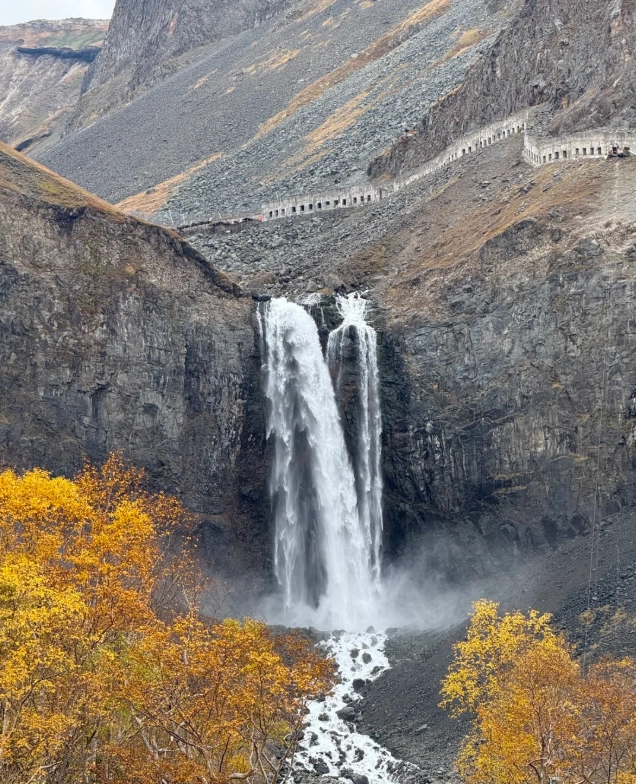
How to Get to Jilin City Without Losing Your Mind
First, fly into Changchun Longjia International Airport (CGQ). I know, it's technically in another city, but it's the only sensible gateway. From the airport, take the high-speed train from Longjia Station to Jilin Station — it runs every couple of hours and takes about 45 minutes. You can book tickets through the official China Railway system at 12306.cn. Some travelers might try a taxi for the 80km drive; expect to pay upwards of 200 CNY and sit in traffic for twice as long. The train is your friend.
Once you arrive at Jilin Station, don't fall for the line of taxi drivers offering fixed rates. I've seen them quote 80 CNY to a hotel that should be 30 CNY on the meter. Instead, open the DiDi app (Didi Chuxing) on your phone, set the destination in Chinese, and you'll get a transparent price. Your hotel's address in Chinese is usually on the confirmation email. If you haven't set up Alipay or WeChat Pay yet, do it before you land — the DiDi black car function requires a linked payment method. For international cards, Alipay works best with a foreign Visa or Mastercard, and you can also add your credit card directly to DiDi.
Before I forget: set up a VPN on your phone before leaving home. Google Maps, WhatsApp, and Instagram are blocked, and you'll want them for navigation and staying in touch. Download Apple Translate or Baidu Translate for offline phrase lookup. Also, make sure your passport has a valid visa — you can check the latest entry rules on the National Immigration Administration's website.
| Mode | Time | Cost (approx) | Best for |
|---|---|---|---|
| High-speed rail | 45 min | 35-50 CNY | Solo travelers, budget-friendly |
| Taxi (private car) | 2+ hours | 200-300 CNY | Groups, late arrivals |
| Airport shuttle bus | 1.5-2 hrs | 30 CNY | No phone payment? Still have cash |
For getting around the city itself, buses are cheap (2 CNY) and cover most sights, but you'll spend a lot of time deciphering route numbers. My advice: use DiDi for anything beyond a 15-minute walk. The city isn't huge, and fares run 10-20 CNY within the core.
Saturday: Culture and City Views Without the Crowds
Beishan Park: Your Free Morning Conditioning
Start your day where the locals do — Beishan Park, a sprawling hillside park that's been the city's lungs for centuries. The entrance is free, and it's open from sunrise to sunset. You'll see pensioners doing tai chi, couples walking their dogs, and the occasional vendor selling sugar-coated hawthorns. Head up the main path to the Guandi Temple — it's a small but ornate Taoist shrine that's rarely crowded. Continue another 10 minutes up the back trail, and you'll be rewarded with a panorama of the entire city basin.
Give yourself 1.5 to 2 hours here. The park is also popular on weekends, but unlike the famous tourist spots, it's mostly a local crowd, so the energy is genuine. I always tell my clients to take the right fork after the temple — the left one leads to a dead-end pagoda that eats up your time.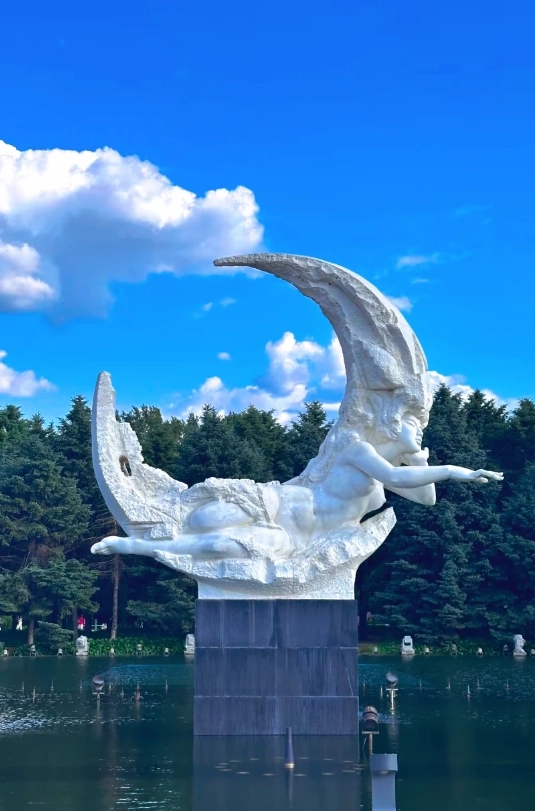
Jilin City Museum: Don't Miss the 'Star' Attraction
The museum's main draw is the Jilin meteorite, the largest stone meteorite ever found on Earth — it weighs over 1.7 tons and crashed here in 1976. The museum is free but requires you to show your passport at the ticket window. Many travelers get turned away because they don't bring it, so keep yours in your daypack. It's closed on Mondays, so save this for Saturday or Sunday. You can call ahead or check the official WeChat account, but honestly, a friendly nudge at the entrance works if the staff see you have a passport. The science exhibits have English translations on most panels, so you won't be completely lost.
Spend about 1 hour in the museum, then walk out the back door to a pretty riverside promenade — it's a nice spot for a photo with the city skyline.
The Songhua River Boardwalk: Sunset Without the Selfie Stick
End your afternoon on the Songhua River boardwalk, which runs for several kilometers along the city's southern edge. The best stretch is between the Jiangbian Park and the Jilin Bridge. Around 4:30 p.m., the light turns golden, and you'll see old men fishing and kids feeding the ducks. This is also where the locals come to snap photos of the river — not the tacky tourist bridge on the other side. Bring a windbreaker; the river breeze is no joke.
If you're feeling peckish, there are a few small food carts selling grilled squid and corn. Cash only, so keep 50 CNY on you.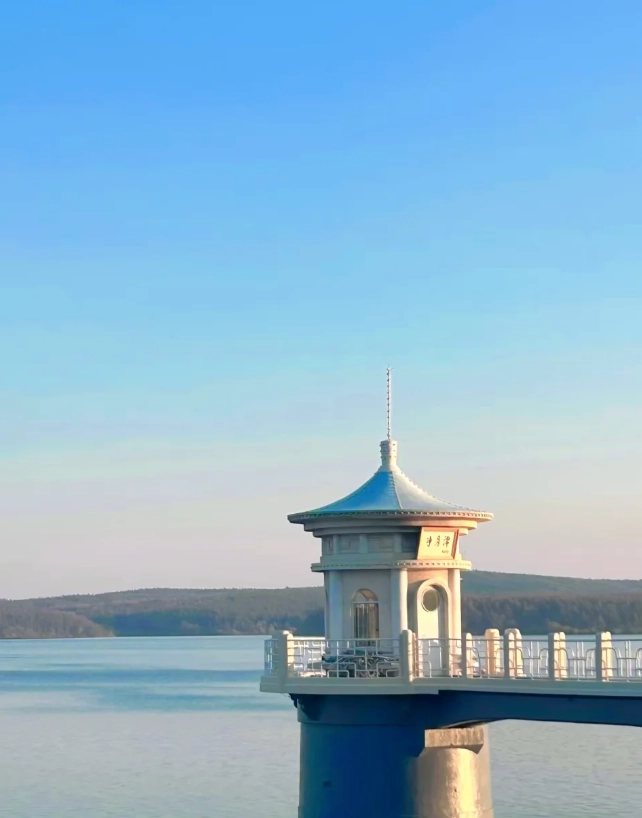
Sunday: Songhua Lake and the Rime Ice Magic
Songhua Lake: A Morning on the Water
About 40 kilometers southeast of the city, Songhua Lake is a giant reservoir created by the Fengman Dam. In summer, it's a popular spot for boating and swimming; in winter, the lake freezes into a stark, otherworldly plateau. From the city, you can take a taxi (about 40 minutes, 60-80 CNY) or catch the public bus from Jilin Railway Station — the number changes seasonally, so ask your hotel concierge to write it down. At the lake, you'll find jetties with tour boats. A standard 1-hour cruise to Wuhu Island costs around 100 CNY per person in peak season. You can haggle a bit if you're a group of four or more.
My honest take: if you visit in summer, this is the highlight. If you're here in winter for the rime ice, you might skip the cruise and go straight to the island. But the lake's frozen scenery is a sight in its own right.
Rime Island (Wusong Island): The Winter Fairy Tale (If You Time It Right)
Here's the thing that many guides get wrong: the famous rime ice isn't on the main island, it's on the smaller, less-developed side. The official Rime Island Park is actually an island in the Songhua River, accessible by a wooden footbridge. You'll pay a small entrance fee (about 60 CNY) and walk through a frost-covered forest. The magic happens only when conditions are perfect: temperature around -15°C and no wind. If you're lucky, the trees are coated with a thick layer of crystalline frost that catches the first light.
The key is timing. You need to be on the island before 7 a.m., when the sun rises and the mist hasn't burned off yet. That means leaving the city by 5:30 a.m. I know, it's painful. But I've seen the difference between a 6:30 arrival and a 9:00 arrival — the latter is just a forest of grey branches. Arrange a private driver the night before and negotiate a round-trip price. Expect to pay 200-300 CNY, including waiting time.
Dress like you're going skiing: thermal underwear, wool socks, a windproof jacket, gloves, and a neck warmer. Hand warmers are worth buying at any convenience store. Also, your camera battery will drain fast in the cold — keep the spare battery in a warm pocket.
Insider Advice: Skip the rime ice if it's a windy day. The frost gets blown off the branches and you'll just walk through a damp, grey landscape. Check the weather forecast the night before and be ready to pivot to the museum if the wind picks up.
Where to Eat in Jilin: Local Joints I Actually Return To
Northeastern Chinese food is heavy, hearty, and sometimes an acquired taste. Forget the tourist restaurants with glossy English menus; the real meals are in unmarked storefronts where the chef yells your order to the kitchen. My favorites include guo bao rou (crispy pork with sweet-and-sour sauce), yuxiang qiezi (eggplant with garlic sauce), and laobian jiaozi (handmade dumplings). The local twist here is a strong Korean influence — you'll see yanji cold noodles and kimchi on many menus.
How to find a good place: open the Dianping app (or ask your hotel to search), filter by "东北菜," and look for a rating above 4.5. The venue will be packed with families, which is a good sign. Don't be shy about pointing at dishes on other people's tables — that's how I discovered my go-to order of sauerkraut pork stew at a hole-in-the-wall near the museum. I typically spend 40-60 CNY per person for a full meal, including drinks.
Payment is almost always mobile: scan the QR code with Alipay or WeChat Pay. Very few places accept international credit cards, and some cash-strapped mom-and-pops prefer mobile. So make sure your apps are set up. If you're nervous, keep a 100 CNY note for emergencies — the vegetable market beside the museum is famously cash-only.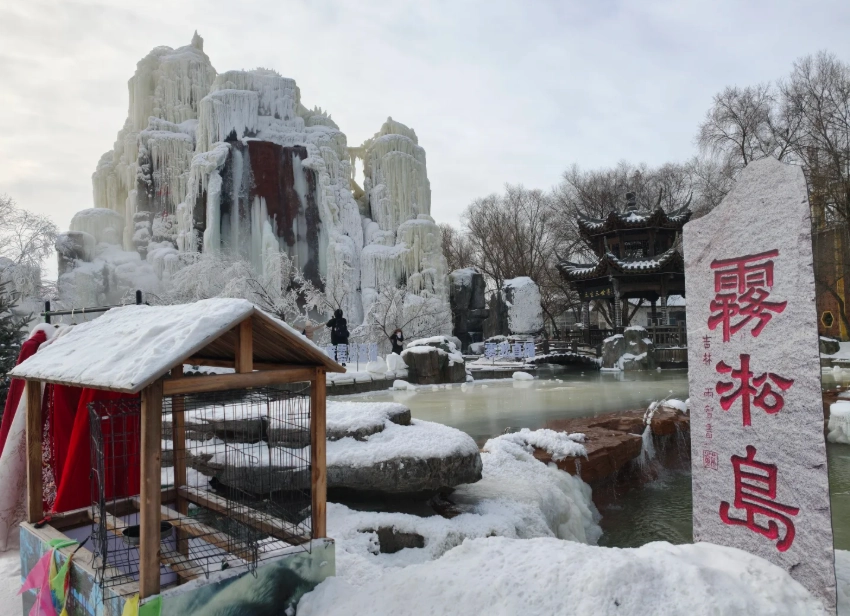
| Dish | What It Is | Spice Level | Must-Try? |
|---|---|---|---|
| Guo Bao Rou | Crispy pork in sweet & sour sauce | Mild | Yes, a Jilin classic |
| Chinese Sauerkraut Pork | Fermented cabbage soup with pork slices | Mild | If you crave comfort food |
| Yanbian Cold Noodles | Chewy noodles in icy beef broth | Medium | Perfect in summer |
| Di San Xian | Stir-fried potato, eggplant, pepper | Mild | Great vegetarian option |
Where to Stay in Jilin: Hotels That Work for Foreigners
Choose a hotel near the Songhua River or within walking distance of the train station. The river area has the best views and is central enough for morning walks. The station area is more convenient if you're only in town overnight and want easy access to the high-speed rail.
For budget travelers, there are a few international hostels near the main university, but they fill up fast on weekends. I'd recommend a "fast hotel" chain like Hanting or Jinjiang Inn — they're reliable, clean, and the front desk usually speaks enough English to handle check-ins and taxi calls. Expect to pay 200-300 CNY per night for a standard room in the off-season, and 350-450 CNY during Chinese holidays.
If you prefer mid-range, look at Jilin World Hotel or the Suning Hotel — both have English-speaking staff and are near the main shopping streets. A double room will set you back 400-600 CNY. The only luxury property in the city is the Wanda Realm, which is on the high side at 800+ CNY but offers excellent river views.
One thing I always check: whether the hotel has an elevator. Several budget guesthouses in old buildings don't, and carrying a suitcase up four flights of stairs is not my idea of a vacation. Also, confirm they accept foreigners — some small neighborhood inns don't have the legal license to host international guests (it's a red-tape thing). When in doubt, stick with the chains.
| Hotel Type | Price/Night | Location | Best For |
|---|---|---|---|
| Hanting Hotel | 200-300 CNY | Multiple branches near station | Budget travelers, light sleepers |
| Jilin World Hotel | 400-600 CNY | Central river area | Mid-range comfort |
| Wanda Realm | 800+ CNY | Riverside | Luxury, night views |
| Hostel (youth) | 80-150 CNY | University district | Solo backpackers |
Your Weekend in Jilin: Questions I Get Every Time
It depends on what you want. Winter (December to February) is the only time you'll see the famous rime ice. However, the city is raw and freezing, and outdoor activities are limited. If you prefer mild weather and cheaper prices, visit in late spring or early autumn — Songhua Lake is gorgeous without the ice. Summer is popular with Chinese tourists but also crowded and humid.
Almost never. Attraction tickets, buses, and small restaurants are all cash or mobile payment. The only places that accept Visa/Mastercard are high-end hotels and a few restaurants in expat-heavy areas. So set up Alipay and link a foreign card before your trip. You can do it at the airport, but Wi-Fi is unreliable — download the apps and complete the verification in advance.
If your flight lands after 9 p.m., the high-speed train may be gone. Your best bet is to take a pre-booked car service (via Alipay or CTrip) or a taxi. The ride takes about two hours and costs around 300 CNY. I always advise booking through a ride-hailing app to avoid haggling with airport touts. Also, consider staying overnight at an airport hotel and catching a morning train.
Jilin is generally safe, and violent crime is practically nonexistent. The biggest risks are pickpocketing in crowded markets and taxi overcharging, which you can avoid by using apps. At night, stick to well-lit streets, as the city can feel desolate in winter. As a woman, I've never felt threatened outside the occasional catcall, but using DiDi is always safer than hailing a cab. The local emergency numbers are 110 (police) and 120 (ambulance).
The so-called "Jilin Rime Ice Festival" is largely a tourist trap. The official gala area is crowded and overpriced; the same rime can be found for free along the riverbanks if you know where to look. Ask your hotel to point you to the "hidden" spots — usually near the Longtan district, you'll find untouched frost with zero tour groups.
The Final Reality Check
After years of bringing clients here, I'll tell you the truth: Jilin City isn't a polished postcard. It's a gritty, workaday city with patches of sublime beauty. The museum signs are often Chinese-only, the river walk can be windy enough to make you cry, and the rime ice is a fickle mistress that only appears on calm, freezing mornings. But that's precisely why you should come. You'll be the only foreigner in sight, the dumplings will be made in front of you, and the locals will ask where you're from and perhaps invite you for a drink.
Don't overplan. Pick one big thing to do each day, leave the rest to wander. The weekend will be over before you know it — and you'll already be planning the next one.
Verified and fact-checked by the editorial team.



No comments yet.