 Ling Wu
Quick Jump: Here's what this guide covers — click to skip ahead.
Okay, let's be real. When I first started guiding tours in Hubei, I made a huge mistake. I dragged guests to three cities in two days — and we spent more time on buses than seeing sights. Here is what I learned: a proper Hubei weekend needs focus.
If you're wondering what to do in Hubei for a weekend, the answer isn't to see everything — it's to pick the right corner for your energy level. Most foreign visitors land in Wuhan, starve for local food, get stuck with mobile payments, and then rush to see the Three Gorges and crash. Don't do that.
So here's my no-BS advice: choose one of these three weekend styles — a culture fix in Wuhan, an engineering marvel in Yichang, or a spiritual retreat in Wudang Mountain. I've tested all three routes with real groups, and I'll give you exact times, ticket prices, and the mistakes to avoid. Keep reading — your future self will thank me.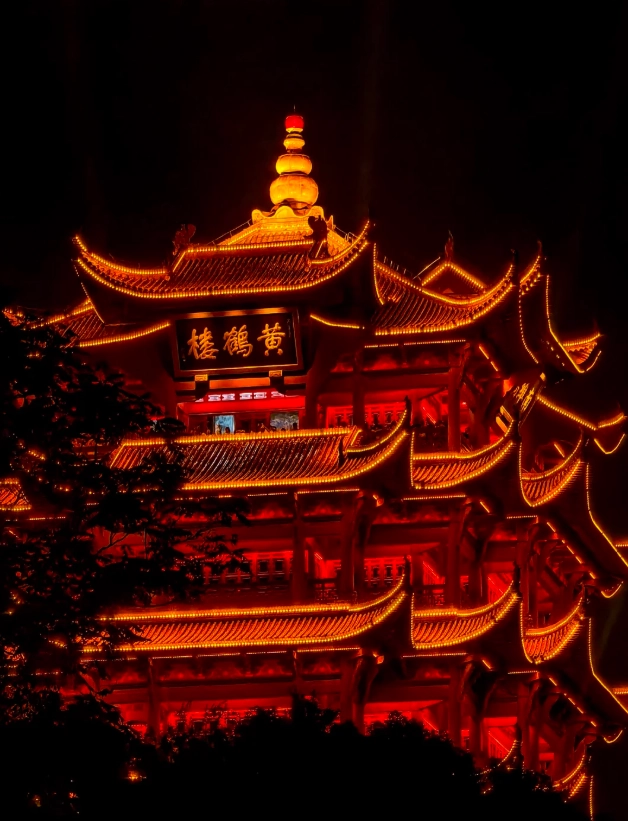
Why Hubei Makes a Perfect Weekend Escape
Hubei sits right at China's geographic core, which makes it shockingly easy to reach by high-speed rail from almost any major city. From Beijing, it's under 5 hours; from Shanghai, half a day. But the real advantage is the province itself: you get Yangtze River views, ancient mountain temples, and food that will ruin you for all other noodles.
Here's the thing: weekend trips in China are usually a blur. Hubei is different because the three main destinations — Wuhan, Yichang, and Wudang Mountain — are all connected by a high-speed rail triangle. That means you can actually see something meaningful without burning your entire weekend in transit.
What Is the Best Way to Plan a Weekend in Hubei?
Start with the facts: train tickets go on sale 15 days in advance on 12306 or Trip.com. Book them the moment you lock your plans, especially for Wudang Mountain on Saturdays. Hotels in Wuhan and Yichang are easy to find, but near scenic areas they fill fast. For Wudang, consider staying inside the mountain if you want sunrise at the summit.
For accommodation, I always tell guests to stay near a metro station in Wuhan. The Wuchang (武昌) side gives you quicker access to Yellow Crane Tower; Hankou (汉口) is better for food. In Yichang, stay near the train station to save time. On Wudang, the Nanyan area has decent guesthouses with mountain views — book via Trip.com for English support.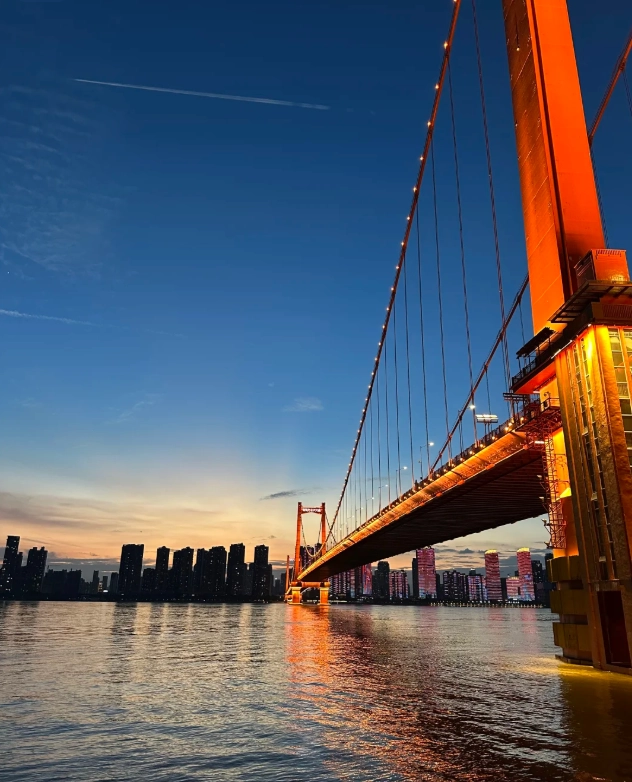
Here's a quick comparison of the three weekend options to help you decide:
| Destination | Vibe | Best For | Travel Time from Wuhan | Ideal Length |
|---|---|---|---|---|
| Wuhan | Urban culture & street food | First-timers, food lovers | — | 2 days |
| Yichang | Engineering & river views | Photographers, families | ~2h by high-speed rail | 1.5–2 days |
| Wudang Mountain | Sacred Taoist temples | History buffs, hikers | ~2h by high-speed rail | 1.5–2 days |
Top 3 Weekends in Hubei: Which One Fits You?
Option 1: Wuhan City Culture Weekend
This is the classic intro to Hubei — a mix of history, riverside walks, and street food that never sleeps. I've done this route with dozens of groups, and it always delivers.
Day 1: Yellow Crane Tower & the Bund
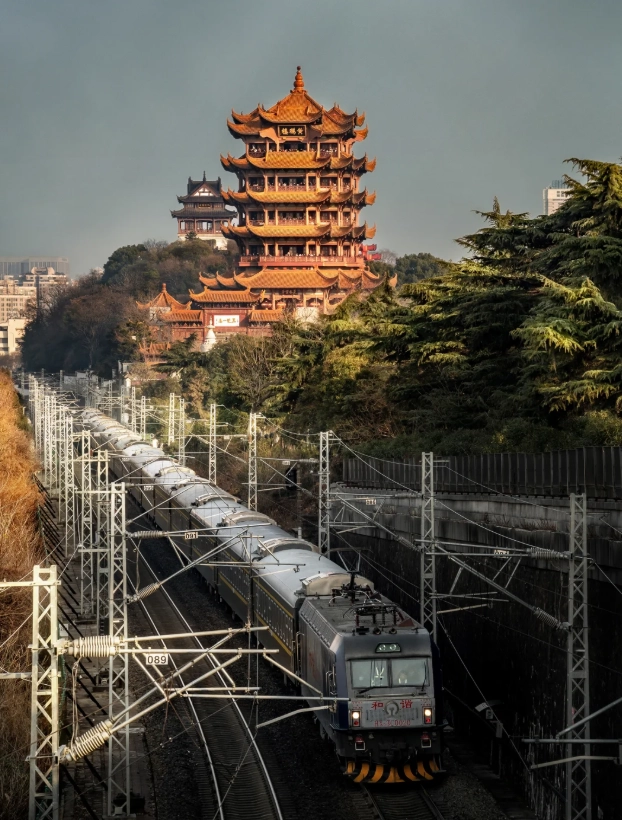
Start at Yellow Crane Tower (黄鹤楼) — the symbol of Wuhan for centuries. Entrance is around ¥80 adults, half-price for students, free for kids under 1.2m. Go early, before 9:00 AM, to beat tour buses. You'll get the best view of the Yangtze River Bridge. From there, walk down to Hubu Alley (户部巷) for a chaotic breakfast: hot dry noodles (热干面), rice wine, and doupi (豆皮). It's touristy, but worth one taste.
In the afternoon, cross the 1955 Yangtze River Bridge on foot — the elevator down to the river is actually a hidden gem. End your day at the Wuhan Bund (汉口江滩) and watch the skyline light up. For dinner, head to Jiqing Street (吉庆街) for spicy crayfish and grilled oysters.
Day 2: Museums & the East Lake
Book your free ticket to Hubei Provincial Museum (湖北省博物馆) online at least 2 days ahead — you'll need your passport. The star exhibit is the sword of Goujian, a 2,500-year-old bronze sword that's still razor-sharp. Then escape the crowds at East Lake (东湖), a giant lake with cycling paths. Rent a bike near the Pear Blossom Gate and ride to the Cherry Garden. It's a local favorite, not a famous spot — that's why I love it.
Pro Tip: Avoid the Yellow Crane Tower after 10 AM on weekends. By then, the stairs are packed with tour groups. Instead, take a photo from the nearby Red Mountain Park for a similar, quieter view.
If You Have Extra Time: Skip the crowded East Lake Greenway and visit the tranquil Guiyuan Temple (归元寺) for a taste of Buddhist culture.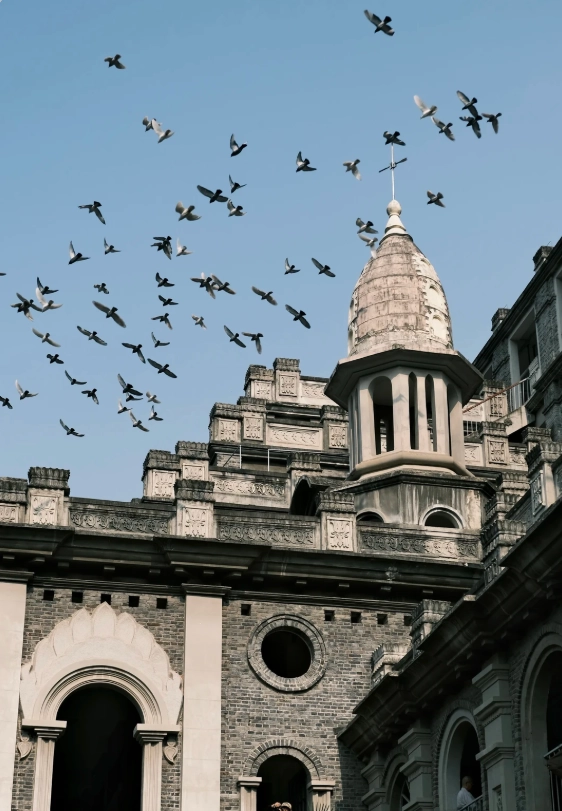
Option 2: Three Gorges Dam & Yichang Weekend
If you're into mega-structures and river cruising, this is your Hubei weekend. The Three Gorges Dam is the world's largest power station, and standing on top of it is genuinely humbling.
Day 1: The Dam Vista
From Yichang East Station, take bus tour line 1 or a taxi to the dam visitor center (tickets are free, but you MUST reserve via official WeChat mini-program or Trip.com — use your passport). The main viewpoint is Tanziling (坛子岭), a 6-story pagoda where you see the whole dam. Go before 11 AM to avoid heat and haze. Then walk to the Memorial Garden for a close-up of the ship locks.
Day 2: Three Gorges Family or Qingjiang Gallery
Choose between Three Gorges Family (三峡人家) — a reconstructed Ba-people village with tribal performances, or Qingjiang River Gallery (清江画廊), a cheaper scenic river cruise. Both cost about ¥180 and take half a day. If you're short on time, do the Family because it packs more culture into one spot.
Insider Advice: The dam is dullest from noon to 3 PM due to glare. Plan your Tanziling visit for right after opening — the stillness is uncanny.
If You Have Extra Time: Take a short taxi to the Yichang Old Town for a riverside riverside walk and try local cold noodles (凉虾).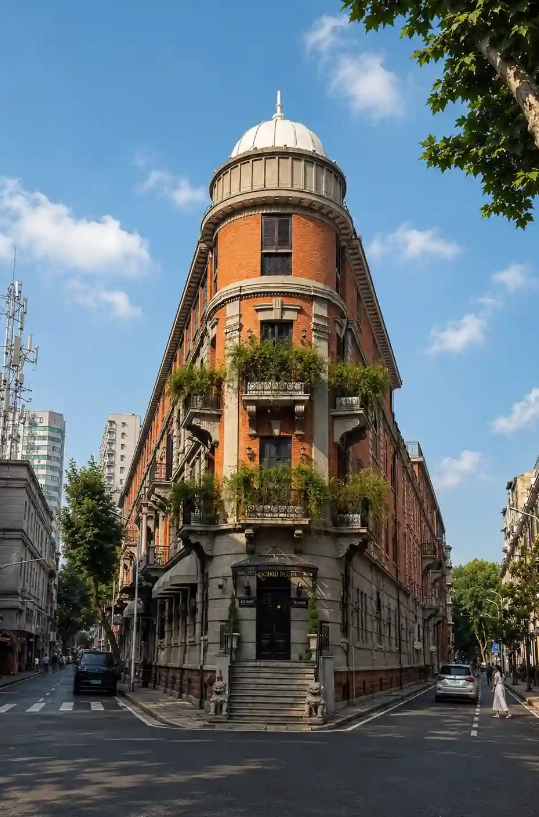
Option 3: Wudang Mountain Spiritual Weekend
This is the one I personally recommend for anyone who wants to see a different side of China. Wudang is a UNESCO World Heritage site — see the UNESCO listing for its Taoist architecture — and the forested peaks are dotted with Taoist monasteries.
Day 1: The Climb Up
High-speed rail gets you to Wudangshan West station in about 2 hours from Wuhan. Then take bus 101 to the scenic area gate (¥10). Buy the admission ticket + eco-bus pass (about ¥268 total) — you can skip the cable car if you're fit. Start at Prince Slope (太子坡), a cloistered monastery with a curved red wall, then continue to Purple Cloud Temple (紫霄宫) — the largest Taoist temple here. Stay overnight at the Nanyan Palace area (南岩), which has guesthouses inside the park. Book a room at the Wudang Mountain Jinding Hotel — the rooftop gives you a free view of the mountain at sunrise.
Day 2: Sunrise at the Golden Summit
Leave your hotel by 4:30 AM if you want to catch sunrise from Jinding (金顶). The eastern gate opens at 7:30, but the West gate (near Nanyang) is open 24 hours — locals use this shortcut. After descending, walk the scenic corridor from Zixiao Palace to the Nanyan Sky Cliff, a cliff-hanging temple. By noon, you'll be back down. Catch the 3 PM train to Wuhan.
Pro Tip: Buy the cable car ticket in advance via Trip.com — the ticket booth takes forever. And wear grippy shoes; the steps can be slick in rain.
If You Have Extra Time: Visit the Wudang Tai Chi Academy for a one-hour qi gong session with a local master — it's a life-changing experience.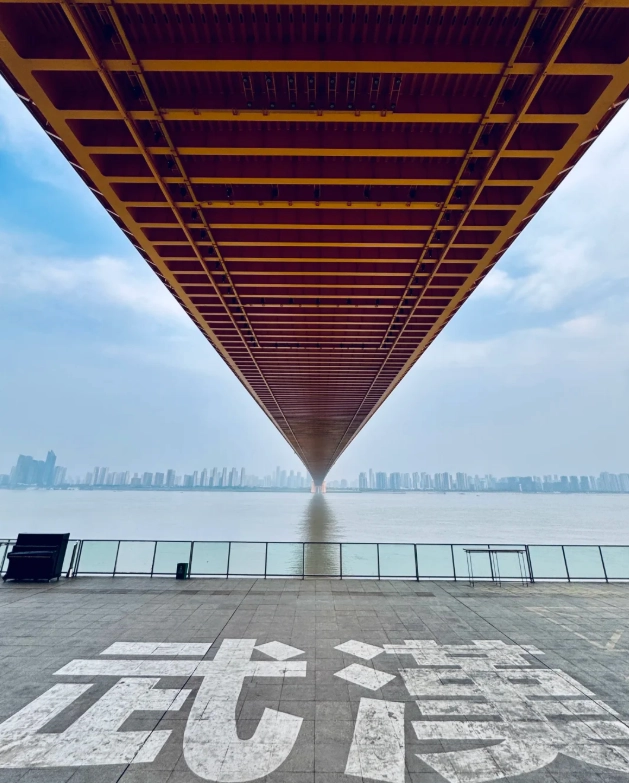
Where to Eat in Hubei During Your Weekend
Hubei food is all about fish and noodles. The three must-tries: hot dry noodles (热干面) in Wuhan, clear-soup fish balls (鱼丸) from East Lake, and lotus root soup (莲藕排骨汤) that'll cure any homesickness.
In Wuhan, search for Jiefang Park Noodles (解放公园天天红油粉) — it's a dumpy spot, but the sesame sauce is life-altering. In Yichang, try the river snail and fresh river fish at Qingjiang Fish Restaurants near the water. On Wudang, keep it simple: temple vegetarian food at Zixiao Palace is surprisingly savory.
Payment warning: some small noodle shops only accept WeChat Pay. As a foreigner, you can link your foreign card to WeChat Pay easily now, but carry ¥100 cash as a backup.
How to Handle Payments, Navigation, and Tickets as a Foreigner
Set up Alipay or WeChat Pay before you arrive. Both allow binding international Visa/Mastercard. In Hubei, almost no one accepts cash — even at temples. I always tell clients to download Alipay and add their card at home, because the setup requires a Chinese phone number or a foreign passport verification that's easier with Wi-Fi.
For navigation, forget Google Maps. It's inaccurate in China. Use Apple Maps if you're on iPhone, or Baidu Maps with the English option. Always ask your hotel to write the Chinese address of your destination — you'll show it to a taxi driver.
For attraction tickets, use a trusted English platform. You can book Yellow Crane Tower, Three Gorges Dam, and Wudang Mountain via Trip.com. It'll charge a tiny fee but saves you from a QR code hunt in a Chinese-only mini-program. Always carry your passport — it's required to match your ticket.
FAQ About Hubei Weekend Trips
No, but it's not a problem. The Wuhan metro accepts Alipay/WeChat QR codes once you activate them with a foreign card. Buses require small change or a local transit card. For taxis, you can pay by Alipay or WeChat — just show the QR code. I've survived a whole weekend without cash.
Yes, Hubei is very safe, even at night. Violent crime is rare, but pickpocketing can happen in crowded areas like Wuhan's railway stations. Keep your phone in your front pocket and use hotel safes. I've had clients lose a phone and recover it from lost-and-found surprisingly often.
The high-speed rail takes about 2 hours each way. Start for the 6:30 AM train from Wuhan station, and you'll be at the Wudang visitor center by 9 AM. The last train back is around 7 PM. It's tight but doable if you skip the cable car and stick to Prince Slope and Purple Cloud Temple. I did this once with a marathon-running client.
Spring (March–May) and autumn (September–November) are ideal. Summer is brutally hot and humid in Wuhan — the 'furnace' nickname is real. Winter gets cold and damp, but Wudang looks magical in snow. Pack layers for the mountain; it's often 10°C cooler at the summit.
Most nationalities need a Q2 or L tourist visa issued by Chinese consulates. Check the latest visa-free transit policies — the coast of China offers 72-hour transit visa-free for some nationals, but Hubei is not yet in the pilot region. Confirm with the National Immigration Administration for real-time rules.
Verified and fact-checked by the editorial team.
No comments yet.