 Yan Zhou
Quick Navigation
I still remember the first time I brought a group of hungry travelers to Ningbo — they were staring at a menu full of crabs and dumplings, completely lost. But the look on their faces after the first bite of tangyuan? Priceless.
Ningbo food is all about umami, freshness, and a touch of sweetness. If you're wondering what to eat in Ningbo, you've come to the right place. After years of guiding tours around this port city, I've learned the exact dishes to try, the precise lanes to walk, and the tiny stalls that foreigners usually skip.
Here's the honest truth: most Western guides tell you to hit the fancy waterfront restaurants. I'll tell you the real local spots — and even how to avoid the tourist traps. Stick with me, and you'll eat like a Ningbo native in 48 hours.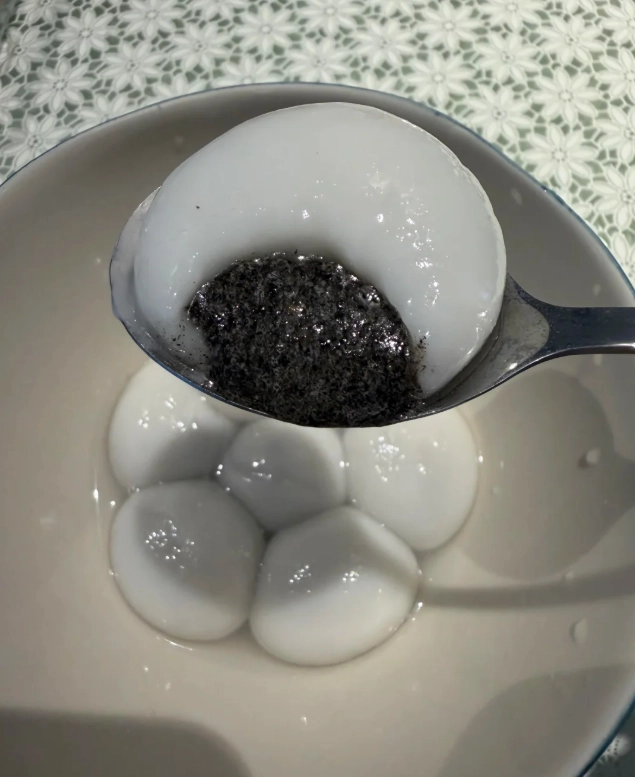
Why Ningbo Food Deserves a Taste Test
Ningbo sits on the coast of Zhejiang province, fishing boats bring in fresh catches every morning, and the local cuisine reflects this maritime heritage. But unlike the oily, spicy food of Sichuan or the sweet-tangy dishes of Jiangsu, Ningbo food is surprisingly delicate. Saltiness and umami dominate, with a subtle sweetness and vinegar kick.
Here's what makes it stand out: Ningbo cuisine relies on raw ingredients and fermentation. Think pickled crab, salted cabbage, and soybean paste that's been aged for months. The flavors are bold yet layered — a far cry from the predictable fried rice you get at home.
I always tell my clients that Ningbo is the "underdog of Chinese food." Nobody comes here for the first time expecting something special, but once they try the sea-salt-pickled crab, they start planning their next trip.
Another thing that sets Ningbo apart is the street-food culture. Unlike big cities where everything is packaged and sanitized, Ningbo still has vibrant night markets where you can watch vendors grill fish right in front of you. That's where you'll find the heart of the city.
Must-Try Ningbo Dishes (and Where to Find Them)
Now let's get straight to the point — these are the dishes you shouldn't leave without tasting. I've grouped them with my go-to spots, so you can navigate easily.
1. Tangyuan (汤圆) — The Pillow of Sweetness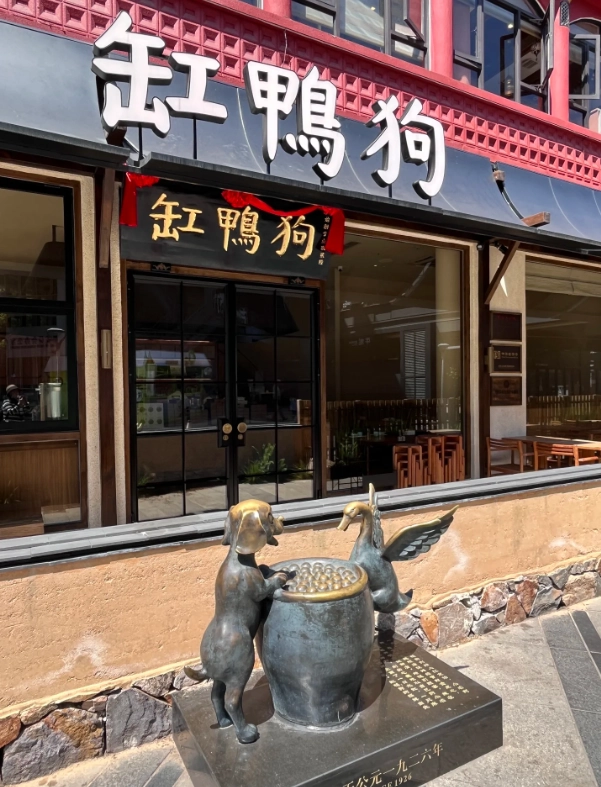
Ningbo tangyuan are softer and silkier than anything you've had before. The filling is a mix of black sesame paste and lard — yes, lard — which melts into a rich, nutty liquid. The most famous brand is Gang Ya Gou — 缸鸭狗 — located at No. 55 Kaiyuan Street. It's a two-story shop with 100+ years of history. I always order the classic black sesame bowl for about ¥15-20 and the fermented rice version for a tangy twist. Expect a 20-30 minute wait during dinner rush — totally worth it.
The lard may sound off-putting, but it's what gives the filling that melt-in-your-mouth texture. Locals often enjoy tangyuan during the Lantern Festival, but you can eat them year-round. If you're in a hurry, you can buy frozen tangyuan from any supermarket and cook them at your hotel room — though nothing beats the fresh ones.
2. Red-Cured Crab (红膏炝蟹) — Salty Sea in a Shell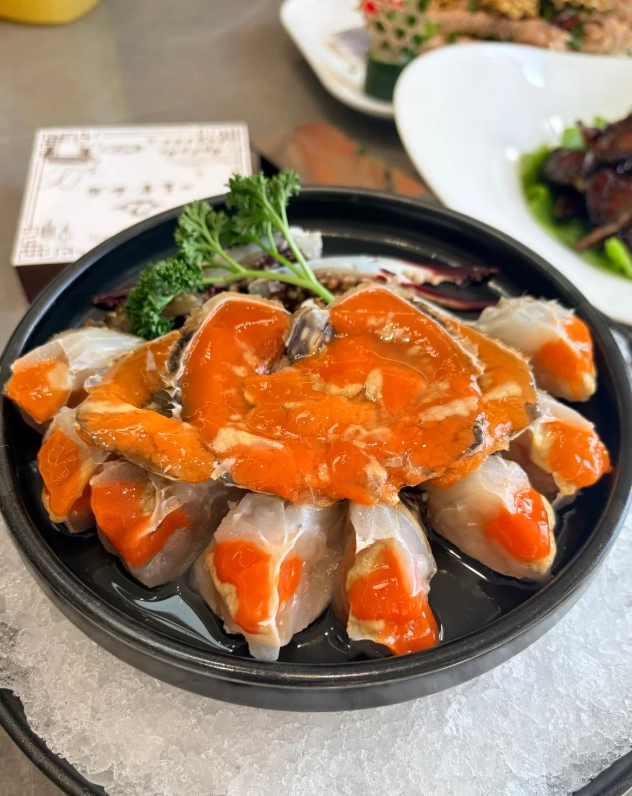
This is a raw, pickled crab with deeply colored coral-red roe — an acquired taste, but a must-try. The crab is cured in a saltwater brine with Shaoxing wine, ginger, and star anise for at least 10 hours. You eat it cold, sometimes with a little vinegar dip. Ningbo locals *adore* it, and many call it the "soul food" of the city. Look for it in any old-school restaurant, like those near Tianyi Square — 天一广场 — or Chenghuang Temple — 城隍庙 —. At Laomei Seafood — 老妹海鲜 — on Yongfeng Road, they serve a plate with rice congee — the combo is heavenly.
If you're not used to raw seafood, start with a half portion and take small bites. It's not a challenge — it's about enjoying the umami burst. The crab's texture is jelly-like, and the roe provides a creamy contrast. Pair it with a sip of warm Baijiu or local rice wine to balance the salt.
3. Yellow Croaker in Soup (黄鱼面) — The Morning Fish Fix
A bowl of hand-pulled noodles in a rich, milky broth made from fresh yellow croaker will set you up for a day of exploring. My favorite version is at Maiyan Noodle House — 麦面屋 — on Zhongshan Road. The fish is deboned (mostly), the soup tastes like pure ocean, and the noodles have a springy bite. Price is around ¥25-35 per bowl. They open at 7am and sell out by 2pm on busy days — so go early.
The beauty of this dish lies in the broth. It's simmered for hours with the fish bones and a hint of dried scallop, giving it an umami depth that no packet stock can replicate. The noodles are hand-pulled, not machine-cut, which gives them a lovely chew.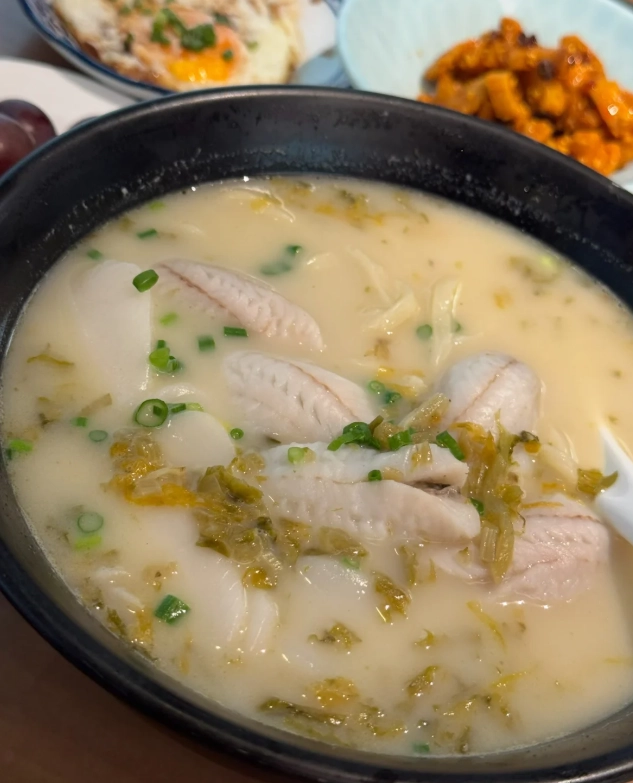
4. Ningbo-Style Rice Cake (宁波年糕) — Chewy, Plain, and Perfect
Don't underestimate the humble rice cake. Ningbo's rice cakes have a dense, silky chewiness that's impossible to forget. They're usually stir-fried with shredded pork and leafy greens, or served with sweet osmanthus sauce. Try it at Wang Family Kitchen — 王家小厨 — in Xinqi area. Or pick up a bag of fresh rice cakes from the morning market at Nan Tang Old Street and make friends with a local — they'll probably give you recipes.
Rice cakes are a symbol of Ningbo's agricultural past. The best ones are made from a special kind of glutinous rice that's ground, steamed, and then pounded until smooth. The process takes hours, which is why store-bought ones can't compare.
5. Seafood Night Market at Nan Tang Lao Jie (南塘老街)
When the sun goes down, the old street transforms into a seafood paradise. Grilled oysters, razor clams with garlic, whole-crab skewers, and tiny shrimp on sticks — all roasted right in front of you. Go with an empty stomach and a group of friends. The street is also packed with snack stalls selling xiaolongbao, stinky tofu, and egg pancakes. Prices vary, but a full feast will cost around ¥80-120 per person.
The energy here is contagious. Vendors shout out their daily specials, and the smell of charred chili and garlic fills the air. I always bring a bottle of local plum tea to wash it all down.
How to Build Your Own Food Crawl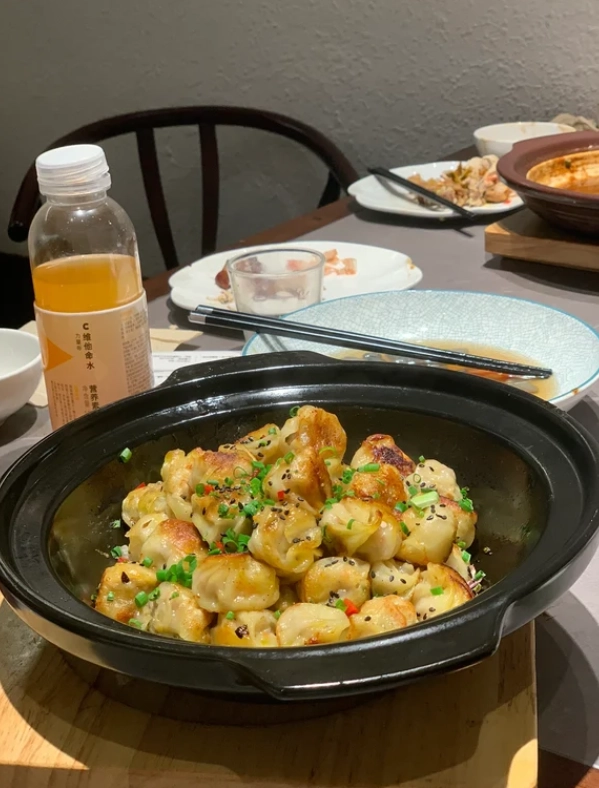
If you have limited time, pair two dishes with two neighborhoods. For breakfast, head to Gulou Street for tangyuan and rice cake, then take a taxi to Yongfeng Road for a warm bowl of yellow-croaker noodles. Save your evening for Nan Tang Old Street, where you can sample the crab, seafood skewers, and stinky tofu all in one walk.
This strategy lets you see more of the city without rushing. And between meals, don't forget to stop for a cup of sweet osmanthus yogurt — a local favorite that's light and refreshing.
Best Food Streets and Restaurants in Ningbo
When I bring guests, I follow a simple rule: Don't just go to one restaurant — go to a district. That's how locals eat. Here are the four areas you'll love most.
| Area | Must-Try Dish | Atmosphere | Best Time to Visit |
|---|---|---|---|
| Nan Tang Old Street | Grilled seafood, rice cakes | Busy, lively, historic | 6pm–9pm |
| Gulou Food Street (鼓楼沿) | Tangyuan, sticky rice cakes | Old city vibe, breakfast heaven | 7am–10am |
| Tianyi Square (天一广场) | High-end restaurants, dessert | Modern, upscale | Lunch or dinner |
| Chenghuang Temple (城隍庙) | Pickled crab, stinky tofu | Local, a bit chaotic | 4pm–8pm |
I can't stress this enough: walk away from any place that has pictures of planes and trains on its menu. That's a tourist trap. Instead, look for the spot stuffed with locals and translated menus.
Here's a little-known gem: go to Drum-Tower Morning Market (鼓楼早市) at 6:30am. You'll find elderly Ningbo women making sticky rice balls by hand, and you can eat a proper local breakfast for under ¥10.
In addition to the four areas, don't miss the night market near Laowaitan (老外滩). It's a bit touristy, but the riverside setting makes it a nice place for a romantic dinner. The food stalls get a bit pricey, though — expect to pay double for the same skewer you'd get in the inner city.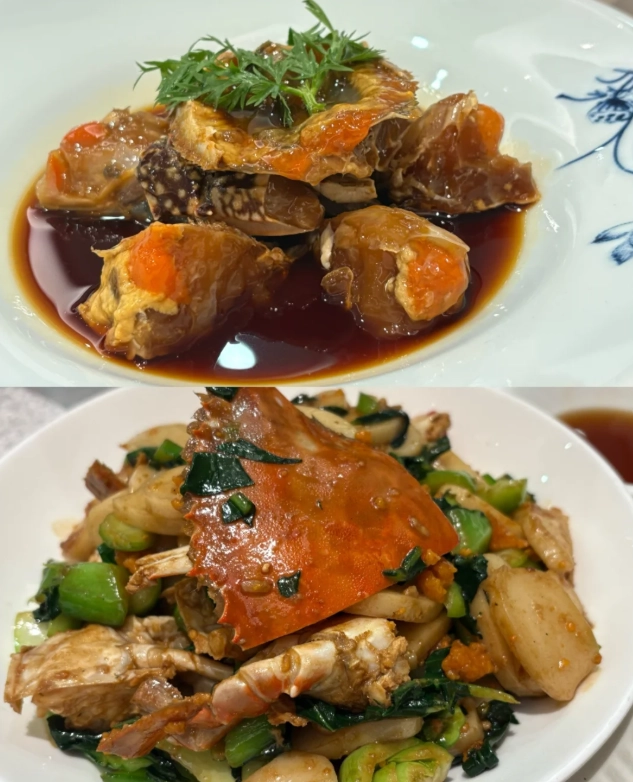
My Personal Favorites
If I had to pick exactly three places for a solid Ningbo meal tour, they'd be:
- Gang Ya Gou — for tangyuan and an authentic dining hall experience.
- Nan Tang Old Street — for the full seafood night scene.
- Any small stall on Gulou Road — for breakfast and impromptu snack hopping.
I also love Laowaitan Qingba (老外滩清吧) for cocktails after dinner — but that's a story for another article.
How to Navigate Dining as a Foreigner in Ningbo
Let's get real about the logistics. Ningbo is not like a Western city where you can just tap your credit card. Many small family-run restaurants only accept mobile payments. Here's how I help my travelers avoid panic.
Payment: Alipay Is Your Best Friend
Before you even land, set up Alipay or WeChat Pay with your international credit/debit card. It takes about 15 minutes and there are plenty of English tutorials. 80% of the food stalls I recommend accept these apps. For the remaining 20%, you'll need cash. Keep a few 20-yuan notes for those tiny shops that only have a QR code from WeChat (which still works, by the way).
Pro Tip: Set up Alipay's "Tour Pass" if you're here for less than 30 days — it's a prepaid card that keeps things simple.
Navigation: Apple Maps (Not Google Maps)
Google Maps is unreliable in China due to map licensing. Use Apple Maps (it shows English place names) or download AMap Global in English. I usually type the Chinese character for the food destination into Alipay's "Location" feature — it's surprisingly accurate.
When taking a taxi, always show the address in Chinese characters. Screenshot the name of your target restaurant and show it to the driver. This avoids mispronunciation disasters.
Ordering: When the Menu Is a Mystery
Many small places have only Chinese menus. Here's my workaround: take a photo of the menu and run it through Baidu Translate or Apple Translate (offline mode works too). Or simply sit down at a table where someone is already eating something that looks good, point at it and smile. That's how everyone's grandmother orders in Ningbo.
If you have food allergies or dietary restrictions, write them in Chinese on your phone. Make sure to say "wéi jīn" (no gluten?) — actually gluten isn't common in Ningbo food, but clearly state "no seafood" (bú yào hǎi xiān) and "no pork" (bú yào zhū ròu).
Booking a Table: Do You Need It?
For breakfast and street food, just show up. For proper dinners, especially at places like Gang Ya Gou, you don't reserve — you take a queue number. The hostess will hand you a paper ticket and your name is called in Chinese. Just wait near the door and listen for your number.
If you really want a table at a hotpot spot, you can use the Chinese app "Meituan" to queue remotely, but it's all in Chinese. Easier: call ahead via your hotel concierge. They'll sort it out.
Practical Tips for Eating in Ningbo (Payment, Booking, etc.)
Here's a collection of insider hacks that will save you money and headaches:
- Haggle at food markets — prices are usually fixed, but when buying prepared food by the kilogram, you can round down in Chinese.
- Avoid drinking tap water — always order bottled water. Even locals boil or filter it.
- Watch out for MSG — some places use generous amounts. If you're sensitive, ask for "shǎo jiā wèi jīng" (less MSG).
- Dine early — most top-shelf restaurants stop serving food at 9pm. The kitchen closes earlier than you think.
- Carry a pocket tissue pack — not all restaurants have napkins, and the ones they do are often parchment-thin.
- Learn the phrase "cài dān" (menu) — it'll get you a menu faster than asking for a server.
- Download a VPN before you travel. Some food blogs and translation tools may be blocked, and a VPN gives you access to your usual apps and maps.
Above all, trust your nose. If a lane smells like garlic and charred seafood, you've found the right place.
FAQ: Your Biggest Concerns About Eating in Ningbo
Is Ningbo food too seafood-heavy for someone who hates fish?
Ningbo cuisine does center around seafood, but there are plenty of land-based options. Tangyuan, rice cakes, shredded pork, and vegetable stir-fries are all excellent. Just say "wǒ bù chī hǎi xiān" (I don't eat seafood) and you'll get alternatives. Even the famous pickled crab can be skipped without offending anyone.
Can I use cash at smaller food stalls in Ningbo?
Cash is accepted but with some reluctance. The issue is that many stalls have no change for big bills. Always carry small notes (10, 20 yuan). That said, mobile payment is so universal that I strongly recommend setting up Alipay or WeChat Pay before you arrive. It takes 15 minutes and saves you from being the guy with a pocket full of coins.
Is it safe to eat at night markets in Ningbo?
It's safe in terms of food hygiene — the night stalls are regularly inspected. But common sense rules apply: choose stalls with high turnover (fast-moving food), and make sure everything is cooked in front of you. I've eaten at Nan Tang night market dozens of times and never had an issue. Just be careful with your belongings in crowded areas.
What if I have a food allergy — will people understand me?
Most locals have limited English, so write your allergy down in Chinese on a card or your phone. For severe allergies like peanuts or shellfish, also show the Chinese characters to the chef before ordering. It might feel awkward, but it's far safer than gesturing wildly. Many restaurants also have a "cook without X" checkbox in their ordering tablets.
Is it rude to leave food on the plate in Ningbo?
Leaving a bit of food is not a major offense, but finishing your bowl is seen as a compliment. That said, don't force yourself — eating a bowl of raw crab you dislike is not worth it. Just say "wǒ chī bǎo le" (I'm full) and smile, that's perfectly polite.
Verified and fact-checked by the editorial team.






No comments yet.