 Fang Wang
- Why This Route Follows the Rail Line
- What This Trip Actually Costs
- Day 1: Jinan Springs, Lake, and Food Streets
- Day 2: Mount Tai Without Wrecking Day 3
- Day 3: The Three Confucius Sites in Qufu
- Where to Sleep Along the Route
- Tickets, Payments, and Apps That Work
- Rain, Heat, and Missed Trains
- Questions I Get Asked Every Single Week
Three cities. Two nights. One very sore pair of calves.
That is the honest math behind almost every Shandong 3-day itinerary I have built for clients, and it is exactly why I stopped putting Mount Tai on day one. Last spring I watched a Dutch couple shuffle through Qufu's Confucius Temple on day three, wincing on every stone step, because they had climbed Tai Shan overnight two days earlier.
I have booked this Shandong 3-day itinerary — Jinan to Tai'an to Qufu — more times than I can count, and it always runs on one thing: the high-speed rail line that stitches these three cities together in under 40 minutes per hop. Most English guides skip that detail, then hand you a tour bus that eats four hours of daylight in traffic.
So here is the conclusion first. Sleep in Jinan on night one. Sleep in Tai'an on night two. Never climb Mount Tai for sunrise on a three-day trip. And register your passport on the railway booking system before you buy anything else, because seats on this corridor disappear fast around holidays.
That is the whole strategy. Everything else is detail, and the details are below.
Why This Shandong 3-Day Itinerary Follows the Rail Line, Not a Tour Bus
The Beijing–Shanghai high-speed corridor cuts straight through Shandong, and Jinan, Tai'an, and Qufu East all sit on it. That single geographic fact decides your entire route.
Jinan to Tai'an takes 20 to 25 minutes. Tai'an to Qufu East takes 30 to 40. Qufu East back to Jinan West runs 40 to 60. You are never on a train long enough to get comfortable, which is the point.
Here is where I disagree with most published routes. Nearly every itinerary tells you to base yourself in Jinan for all three nights and day-trip outward. I do not do that. If you sleep in Tai'an on night two, you wake up 40 minutes closer to Qufu and you skip an entire early-morning commute. Carry your bag with you — every station on this line has storage and elevators, and the walk from the platform to the exit is flat.
Pro Tip: Google Maps is unreliable inside mainland China. Road data drifts, walking routes sometimes cut through walls, and bus stops vanish. I navigate with Apple Maps for English-friendly searching and Amap when I need a precise metro exit. Download both offline before you fly.
What Does This Shandong 3-Day Itinerary Actually Cost?
Numbers below are realistic ranges per person, not quotes. Seasonal pricing, student discounts, and holiday surcharges move them, so confirm on the official channel or a booking platform the day before you travel.
| Item | Approx. Cost per Person (CNY) | What to Know |
|---|---|---|
| Jinan to Tai'an high-speed rail, second class | 30–40 | 20–25 minutes; frequent departures all day |
| Tai'an to Qufu East high-speed rail | 40–60 | 30–40 minutes; check whether a slower train stops closer to town |
| Qufu East to Jinan West high-speed rail | 60–90 | 40–60 minutes; book the last leg early if you fly out that night |
| Mount Tai entrance ticket | 115–125 | Passport required; peak and off-peak rates differ |
| Mount Tai shuttle bus, Tianwai Village to Midway Gate | 30–40 | One way; buy at the bus gate |
| Mount Tai cable car, Midway Gate to South Heaven Gate | 90–100 | One way; service suspends in strong wind |
| Baotu Spring Park, Jinan | 40 | Reduced rates for students, seniors over 60, and young children with ID |
| Three Confucius Sites combo ticket, Qufu | 130–150 | Temple plus Kong Family Mansion plus Cemetery |
| Mid-range hotel, double room | 300–600 | Weekend and holiday rates run much higher |
| Meals, local style | 40–80 per day | Chain restaurants and street food keep this low |
Day 1: Jinan — Springs, a Lake, and the Food Street I Tell People to Skip
Jinan calls itself the City of Springs, and it is not marketing spin. Dozens of named springs bubble up inside the city limits, which is why the old town is threaded with canals and why locals still queue with plastic buckets to fill bottles for free.
Morning: Baotu Spring Park Before 8 AM
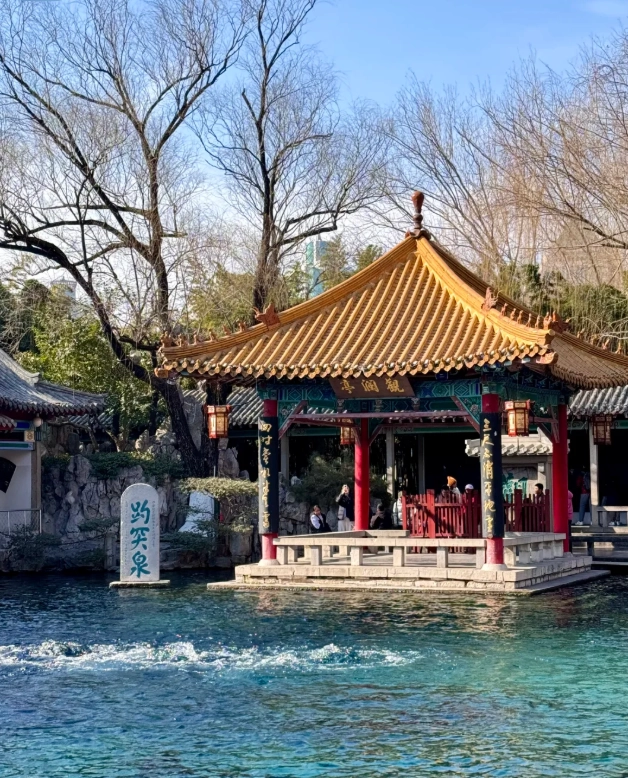
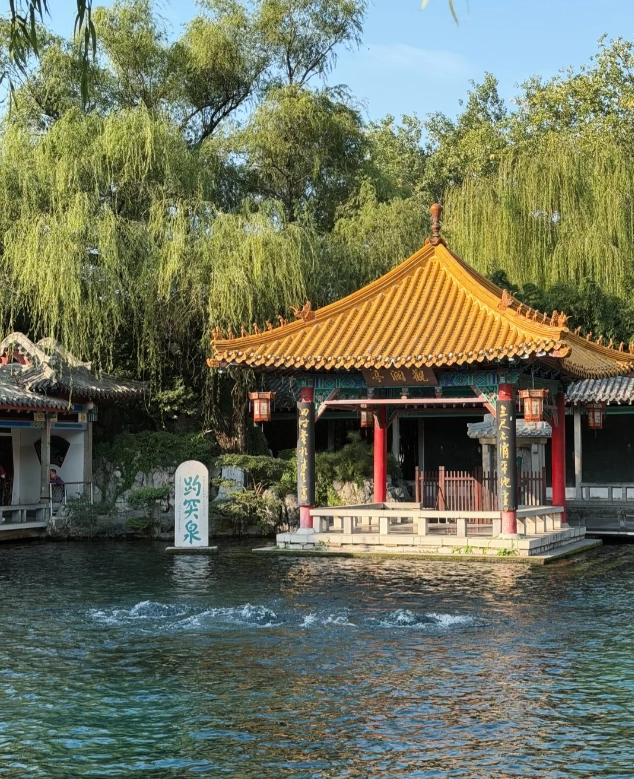
Baotu Spring Park opens early, and the gap between 7:30 and 10:00 is the gap between a calm classical garden and a shoulder-to-shoulder queue. I take every client here at opening, no exceptions.
The park sits at No. 1 Baotuquan South Road in Lixia District, a short ride from the old city center. Hours shift with the season — roughly 7 AM to 7 PM in summer, closing earlier in winter, with last entry about an hour before the gates shut. Entry runs about 40 yuan, with reduced rates for students, seniors over 60, and small children.
You need your passport for the ticket, and it is checked against the name on the booking. Buy at the window with Alipay or cash, or reserve in advance on Trip.com if you want to skip any uncertainty. From Jinan Railway Station the ride takes about 15 minutes; from Jinan West it is closer to 30 and costs more. I use Didi through the Alipay mini-program rather than hailing on the street.
One physical detail that matters: the pools face the morning sun, so the water is clear and the three main jets are actually visible. Come after lunch and you are shooting into backlight with flat results. Restrooms near the main gate get busy mid-morning — the ones deeper inside near the Li Qingzhao Memorial Hall are usually quieter.
Afternoon: Daming Lake and the Old Streets on Foot
The walk from Baotu Spring to Daming Lake takes about 25 minutes and passes the two best free sights in Jinan, so put the taxi away.
Leave by the north or east gate, cross into Quancheng Square, then drift north. If you have the energy, cut east for ten minutes into Kuanhouli, a restored lane of snack stalls that is touristy but genuinely pleasant in the late afternoon. From there, Furong Street leads you up to the south gate of Daming Lake.
Daming Lake park itself is free to enter. Boat rides and a few small attractions inside charge extra, usually 10 to 20 yuan. The circuit around the water takes 60 to 90 minutes at a stroll, and there is a tea house on the north side where I stop when my group has hit the wall.
Skip Furong Street for actual eating. It is narrow, packed shoulder to shoulder after 6 PM, and the food is mostly the same grilled squid and potato tornado you find on every tourist street in the country. Walk it once for the atmosphere, then eat somewhere else.
Where I Actually Eat in Jinan
Jinan food is pork-heavy, cheap, and built for people who have been walking all day. Four things you should try before you leave the city.
- Ba zi rou — braised pork belly served over rice with a soy-braised egg. Rich, salty, faintly sweet. This is the everyday Jinan lunch.
- You xuan — a flaky spiral pancake layered with lard and scallion, best straight off the griddle at breakfast.
- Tian mo — despite a name that translates as sweet foam, this is a savory cornflour soup with peanuts and vermicelli. Slightly peppery. Locals drink it with a fried dough stick.
- Jiu zhuan da chang — braised pork intestine in a sweet-sour sauce. Heavy, gelatinous, and not for everyone. Order it once to understand what banquet cooking in Shandong means.
For ba zi rou I go to Chaoyixing, a local chain with branches all over the city. Search the name in Amap or Apple Maps and walk to the nearest one. Expect 15 to 30 yuan per person, a picture menu with no English, and payment by Alipay or WeChat only — no cards, no cash drawer in some branches. It gets loud and crowded between noon and 1 PM; go at 11:15 or after 1:30.
Vegetarians, be warned: traditional Jinan cooking runs on pork fat and bone stock. Your best bets are the vegetarian restaurants around Qianfo Mountain and the larger Buddhist-adjacent kitchens, where you can ask for dishes without meat stock. Have your translation app ready with the phrase for no meat and no animal fat.
Insider Advice: Set up Alipay and WeChat Pay with your international card before you land. Both accept foreign Visa and Mastercard now and work at nearly every ticket window and noodle stall. Cash is still legal tender, but a vendor handed a 100 yuan note for a 12 yuan bowl of noodles may genuinely not have change.
Day 2: How Do You Climb Mount Tai Without Wrecking Day 3?
Mount Tai is not the most beautiful mountain in China. It is the most historically loaded one — the mountain where emperors came to report to heaven, and it carries a UNESCO World Heritage listing for exactly that reason. You are climbing a staircase that has been walked for two thousand years, and it feels like it.
Getting from Jinan to Tai'an in the Morning
Tai'an has two train stations and this is where first-timers get burned. Tai'an Station is the high-speed one, sitting about 8 to 10 kilometers south of the mountain. Taishan Station is the older conventional station, right in the city center and much closer to the Red Gate trailhead. Check which one your ticket names before you book a car.
Trains from Jinan West or Jinan Station take 20 to 25 minutes and cost roughly 30 to 40 yuan in second class. From Tai'an high-speed station, a Didi to the Red Gate area runs about 20 minutes for 25 to 35 yuan. City buses make the same trip in around 40 minutes if you want to save the fare.
Luggage storage shops cluster near the trailhead and at the station. They charge a small fee per bag per day. I have never had a problem, but take a photo of the shop front and get a written slip, because these are small family operations rather than formal lockers.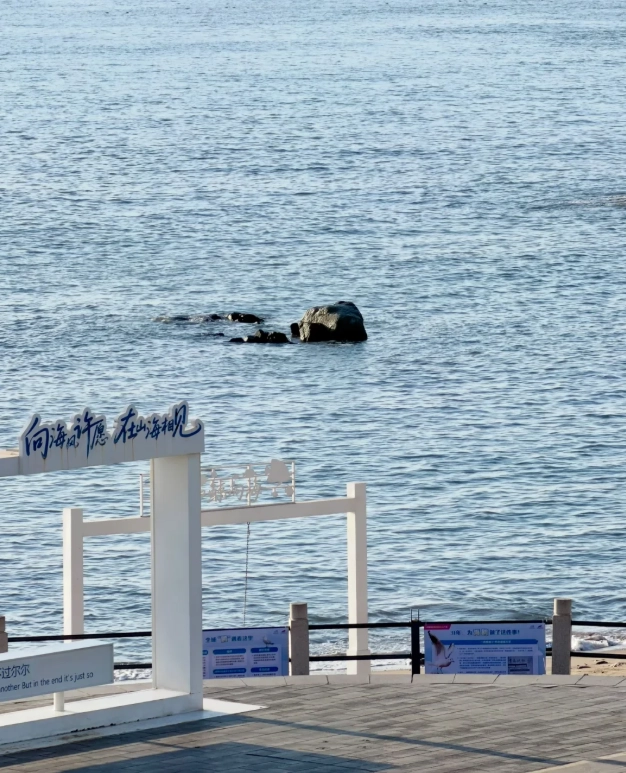
Cable Car or Full Climb? My Honest Recommendation
On a three-day trip, take the shuttle bus up, ride the cable car to the summit, walk down the steep section, and bus back down. That is the version I put in front of almost every client, and nobody has ever complained.
The full walk from the Red Gate to South Heaven Gate is roughly 6,600 stone steps and takes a fit adult four to six hours one way. The alternative is a shuttle bus from Tianwai Village up to Midway Gate, about 30 minutes, then the cable car to the summit in around ten. From there you walk the summit loop, see the temples and the stone inscriptions, and come down the famous 18 Bends on foot to Midway Gate before catching the bus again. Total time on the mountain: four to five hours.
Two things to plan around. First, the cable car suspends service in strong wind, which happens most often in spring — check the board at the station in the morning and have the walking route as your fallback. Second, the last cable car down leaves in the late afternoon, roughly between 5:30 and 6 PM depending on the season, so do not linger at the summit past 4:30 unless you plan to walk down in the dark.
Skip the Sunrise Climb — Here Is What I Do Instead
Every guide tells you to start climbing at midnight for the sunrise. On a three-day itinerary, that is a bad trade and I will keep saying so.
You arrive in Shandong with jet lag, climb all night, watch a sunrise that may be hidden behind cloud, then spend day three in Qufu unable to focus on anything except your knees. The summit is also five to ten degrees colder than the city with constant wind, and the sunrise platforms are packed with people who all had the same idea.
My version: go up in the early afternoon, spend golden hour on the summit when the light rakes across the stone and the crowds have thinned, then ride down before the cable car closes. If sunrise genuinely matters to you, book a summit guesthouse in advance and sleep up there. Rooms are basic, bathrooms are often shared, prices spike on weekends, and they sell out — but you get the sunrise without losing a night of sleep on a staircase.
While you are at the base, give the Dai Temple 45 minutes. It is the mountain's official starting point for emperors, it has a small separate ticket of around 30 yuan, and it is far quieter than anything you will see on the mountain itself.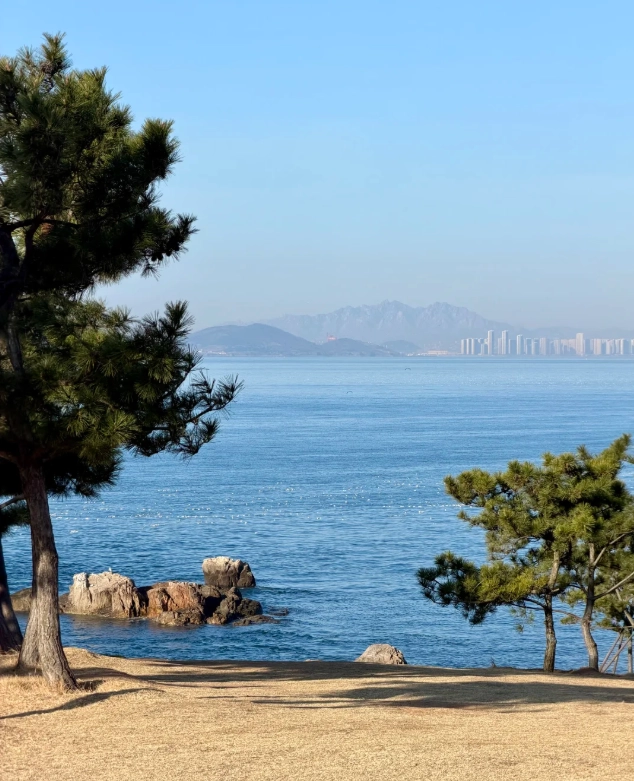
Day 3: Qufu and the Three Confucius Sites in Half a Day
Qufu is small, walkable, and almost entirely organized around one family. You can see the essentials in three to four hours, which leaves room for a late train out.
What Is the Three Confucius Sites Ticket and Where Do You Buy It?
The combo ticket covers the Temple of Confucius, the Kong Family Mansion, and the Cemetery of Confucius, and it costs less than buying all three separately. Budget 130 to 150 yuan.
Buy it at the ticket office beside the Temple entrance. Your passport is required and the name on it must match. Trip.com lists the combo on some dates and not others — if it is available there, take it, because the on-site window can be slow when a tour group arrives. Alipay and cash both work at the window.
The Temple and the Mansion sit side by side in the heart of the old town, signposted in English and a short walk from the Drum Tower. If a driver does not recognize the English name, show the characters 孔庙. The Cemetery is about two kilometers north and you will need a taxi or one of the small covered tuk-tuks, usually 10 to 20 yuan. Most tour groups skip the Cemetery entirely, which is precisely why I like it — it is a silent forest of ancient cypresses with stone animal statues lining the path, and you can hear birds instead of tour guides.
If it rains, walk ten minutes to the Confucius Museum. It is modern, fully indoor, free with an advance reservation, and closed on Mondays like most public museums in China. Bring your passport for the entry check.
Getting to Qufu and Back to Jinan Airport
Qufu East is a high-speed station outside the city, and the taxi ride into the old town is the step people forget to budget for.
From Tai'an, the train to Qufu East takes 30 to 40 minutes. From Qufu East, a Didi to the Confucius Temple area runs about 20 minutes for 30 to 40 yuan. Some slower trains stop at the older Qufu station, which is closer to town — worth checking both when you book.
Coming back, Qufu East to Jinan West is 40 to 60 minutes. From Jinan West, an airport shuttle bus runs to Yaoqiang International Airport roughly hourly and takes about an hour. Confirm the last departure at the station information desk when you arrive, because it is not a late-night service and the desk staff may not speak much English — have your translation app open.
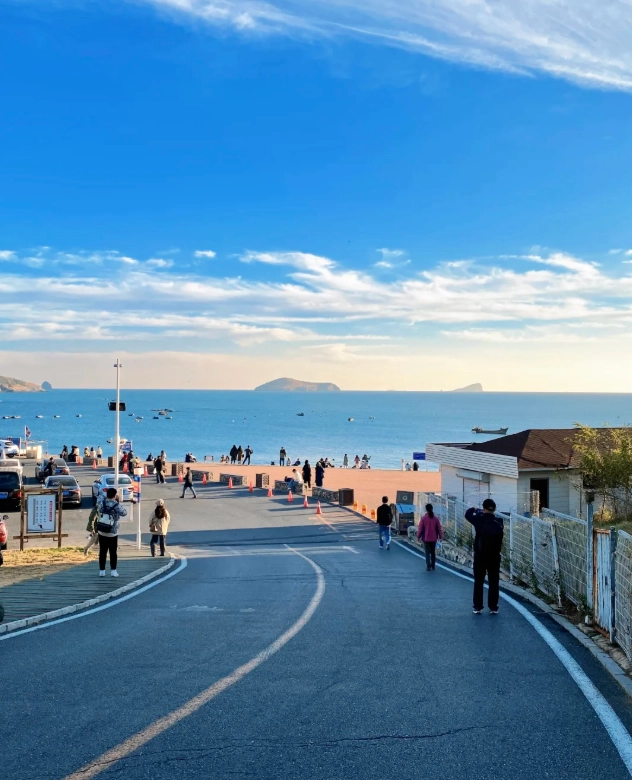
If you are not flying home yet, do not double back. From Qufu East you can continue east toward Qingdao in roughly three hours and finish the trip on the coast instead of in a station.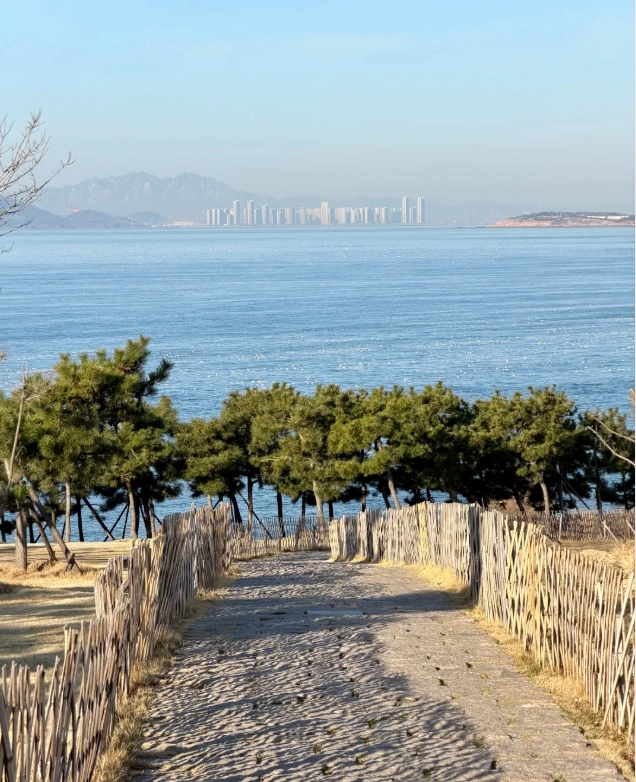
Where Should You Sleep on This Shandong 3-Day Itinerary?
Two nights, two different beds. That is the setup I use, and it saves more time than any other single decision on this route.
| Area | Best For | Typical Nightly Rate (CNY) | The Catch |
|---|---|---|---|
| Jinan, Quancheng Square and Daming Lake area | First-timers who want walkable evenings | 350–650 | Weekend rates climb fast; book well ahead |
| Jinan, near Jinan West Railway Station | Early trains out of the city | 250–450 | Purely functional; little to do on foot at night |
| Tai'an, city center near the Red Gate | Climbing Mount Tai the next morning | 200–500 | Streets go quiet after 9 PM |
| Qufu, inside or beside the old town | An early start at the Temple | 250–550 | Few restaurants stay open late |
| Mount Tai summit guesthouses | Sunrise chasers only | 400–900 | Basic rooms, shared bathrooms common, sells out |
Before you book anything, check these five things. They are the difference between a smooth check-in and standing in a lobby at 11 PM.
- Whether the property is licensed to register foreign guests. Most city hotels are; small family inns sometimes are not, and you can be turned away at the desk with a full booking in hand.
- Whether there is an elevator. Older Chinese mid-range hotels sometimes have four floors and no lift.
- Wi-Fi stability, which matters more than room size if you are relying on translation apps.
- An English-speaking front desk at least during daytime hours.
- Left-luggage service, which is essential if you are storing a bag while you climb.
Payment is the other split. Big international chains take foreign cards. Independent hotels and guesthouses are usually Alipay or WeChat only, and a few still prefer cash. Do not assume your Visa will work at a 300 yuan-a-night local hotel.
Pro Tip: Ask the front desk to book your attraction tickets. Yes, navigating a Chinese-only WeChat mini-program to reserve a timed entry slot is a nightmare even for me, and I read Chinese. Hotel staff do it in ninety seconds, and it costs you nothing but a smile.
Tickets, Payments, and Apps That Actually Work for Foreign Passports
Almost every friction point on this route comes down to three things: payment, real-name booking, and navigation. Fix those before you fly and Shandong becomes genuinely easy.
- Alipay and WeChat Pay both link to international Visa and Mastercard and work at nearly every shop, stall, and ticket window. Set them up at home, not at the airport.
- Physical foreign credit cards are accepted at large hotels, chain stores, and some department stores. Nowhere else.
- Cash is legally accepted everywhere, but small vendors may not have change. Carry small notes.
- Train tickets can be booked on China Railway's official 12306 booking platform, which has an English interface and accepts passport registration. Trip.com costs a small service fee and is friendlier if you want everything in one app.
- Attraction tickets are increasingly real-name and reservation-based. Passport number required, name must match the document exactly.
- Visa-free transit rules change. Check the National Immigration Administration for the current list of eligible ports and permitted stay length before you build a route around them.
Two more practical notes. Install a VPN before you arrive if you rely on Google services, and download an offline translation app — Apple Translate and Baidu Translate both handle menu photos reasonably well. And if your hotel offers to call a car for you, let them; a driver who has been given a Chinese address by a Chinese speaker is a much calmer experience than you typing an English street name into an app.
Rain, Heat, or a Missed Train: Backup Plans That Keep the Trip Moving
Shandong weather does not negotiate, and the two failure modes are summer heat and sudden rain. Here is how I reroute when the sky turns.
- Rain in Jinan: the Shandong Museum is free, fully indoor, and requires an advance reservation. It closes on Mondays, like most public museums in the country.
- Rain in Qufu: the Confucius Museum, as covered above. Two to three hours inside without getting wet.
- Rain on Mount Tai: the cable car suspends in wind, and the stone steps get slick. Postpone to the next morning if your schedule allows, or accept the Dai Temple and the base-area sights instead.
- Summer heat in Jinan: this is one of China's furnace cities, and July and August afternoons are genuinely punishing. Sightsee before 10 AM and after 4 PM, and put a museum or a tea house in the middle of the day.
- Missed train: high-speed tickets can be changed or refunded on 12306 before departure, and trains on this corridor run every 20 to 40 minutes. A missed train usually costs you an hour, not a day.
Questions I Get Asked Every Single Week
Can I do this Shandong 3-day itinerary with a rolling suitcase instead of a backpack?
Yes, and I would rather you did. Every station on this route has security screening and elevators, and the corridors are flat. Leave the big bag at your Tai'an hotel, carry a day pack up the mountain, and collect it on the way back to the station. The only place a suitcase becomes a nuisance is the old-town lanes in Qufu, where the paving is uneven — book a hotel within a short walk of the Temple and you will barely notice.
Is Mount Tai realistic for parents in their seventies?
Skip the staircase entirely. Take the shuttle bus from Tianwai Village to Midway Gate, then the cable car to the summit. That route involves maybe 20 minutes of gentle walking and a few short flights of steps. Avoid the 18 Bends in both directions — the risers are uneven and handrails exist only in sections. And remember that going down is harder on knees than going up, so buy a round-trip cable car rather than trying to walk the descent.
Do I really need to book Shandong high-speed rail tickets in advance?
On an ordinary weekday, no. You can often buy a seat an hour before departure. On public holidays, spring and autumn weekends, and around the major national holiday periods, book the moment your travel dates open. Seats on the Jinan to Tai'an to Qufu corridor sell out completely, and high-speed services do not always sell standing tickets. Register your passport on 12306 first, because you cannot buy anything until that step is done.
What if my Alipay will not link to my foreign bank card?
Try a second card before you panic. Some banks block cross-border e-wallet transactions by default, and a five-minute call to your issuer usually clears it. If that fails, carry cash for small purchases and use your physical card at chain hotels and larger restaurants. Train station ticket counters and major attractions still accept cash, though the clerk may need to hunt for change. Your last resort is asking your hotel front desk to pay on their account and settling with them in cash.
Is Qufu worth it if I do not care about history?
Honestly, no. If you want scenery and sea air, take the train from Jinan toward Qingdao instead and spend day three on the waterfront. Qufu rewards people who want to stand in the courtyard where Confucius taught and read the stone steles. If that means nothing to you, you will be bored in 40 minutes and you will have spent three hours on trains to get there.
Verified and fact-checked by the editorial team. This content has been fact-checked to ensure informational precision. Ticket prices, opening hours, and transport schedules in China change frequently, so confirm details on official channels before you travel.

No comments yet.