
Mount Hua Opening Hours: When to Go & How to Avoid Crowds
Wondering about Mount Hua opening hours? Avoid common mistakes with my detailed guide on seasonal schedules, cable car operation, and the best time to start your climb for sunrise or fewer crowds.


Recent Reviews
I don't usually write reviews, but Weinan deserves one. Came for the Western Yue Temple, stayed for the quiet charm of the city itself. The temple complex is understated and beautiful - grey brick roofs, old cypress trees, no crowds at all. Afterwards, I wandered through a residential neighborhood and a group of old men playing chess invited me for tea. We communicated by gestures and smiles. That memory is worth more than any attraction. Weinan felt authentic, warm, and completely unpretentious.
Used Weinan as home base for Mount Hua and couldn't have picked a better spot. The train from Xi'an took only 30 minutes, and the bus to the east entrance was easy. After a hard day of climbing, I came back to a buzzing night market near the main square: grilled skewers, cold beer, and the friendliest street-food aunties. My hotel was simple but spotless. If you want a taste of everyday Shaanxi life without the tourist prices, stay in Weinan.
Weinan surprised me more than any city on this trip. The air was crisp in the morning, and I walked along the riverbank where local grandpas were flying kites and doing tai chi. There's a small morning market next to the north gate with the freshest persimmons and walnuts I've ever tasted. A vendor even insisted I try a piece of fried dough before buying. My whole breakfast cost less than 15 RMB. This isn't a polished tourist city, and that's exactly why I loved it.
Booked a cheap hotel near the bus station and ended up really enjoying Weinan. The historic old street near the Wei River was great for an evening walk - lanterns, street stalls, old brick houses. Had some roujiamo that was better than the ones I had in Xi'an (controversial, I know). The only downside: almost no English menus and the bus info is all in Chinese. Still, people went out of their way to help me order. Glad I stayed an extra day.
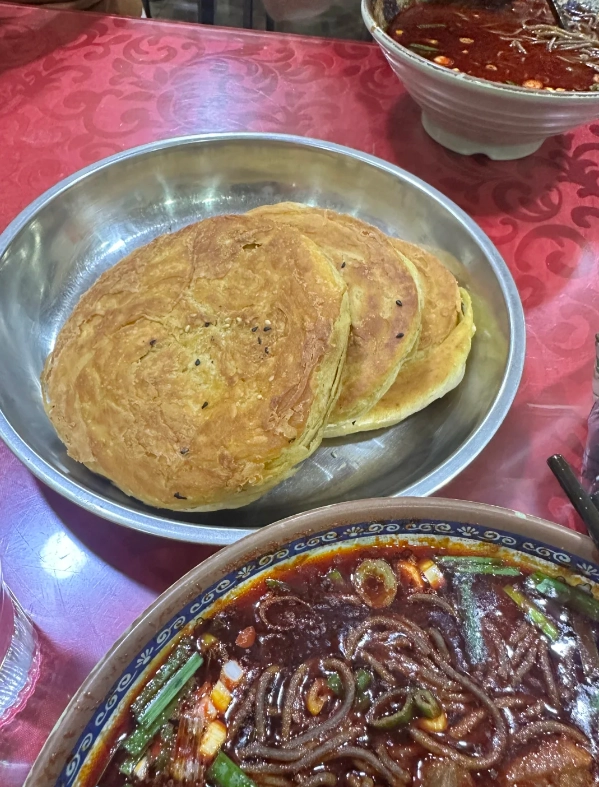
Maybe I had too-high expectations before coming here. Weinan is okay as a stopover, but the central area felt a bit dusty and tired. I tried the local spicy tofu soup and it was good, but my guesthouse was right next to a construction site and I woke up at 7am to jackhammer noises. The Weinan Railway Station is convenient, but there is not much to do in the evening unless you are heading to Huashan. I wish I had spent more time in Xi'an.
I almost skipped Weinan because everyone said 'go straight to Huashan.' Man, I'm glad I didn't. I caught the sunset from the Wei River bridge, watched farmers bring in vegetables as the morning fog lifted, and ate noodles at a tiny counter where the owner didn't speak English but communicated with thumbs-up and laughter. The city feels real — no ticket gates, no souvenir shops, just everyday life. And the next day, it took 20 minutes by van to get to the Huashan visitor center. Perfect way to start the mountain adventure. 10/10.
Leave a Review