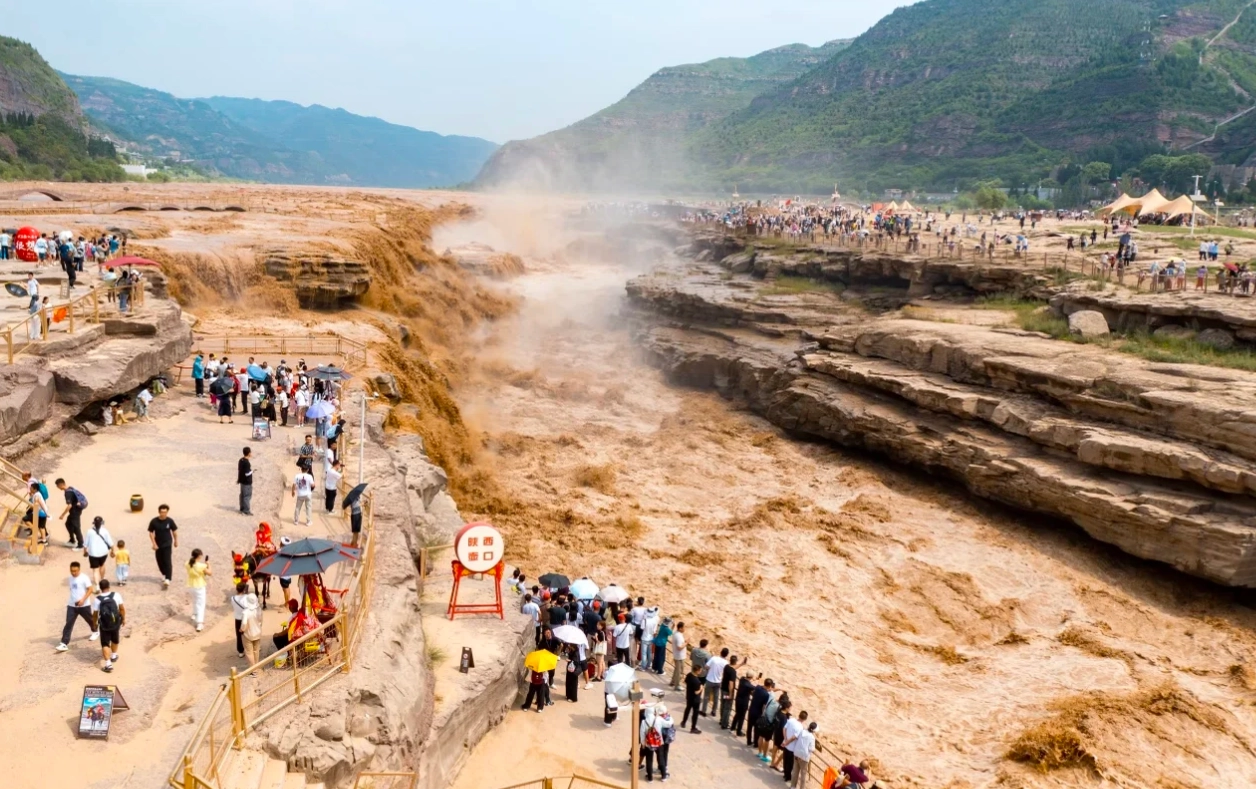
Cradle of Chinese civilization, home to the ancient capital Xi'an, magnificent Mount Hua, and the roaring Hukou Waterfall.
Shaanxi Travel FAQ
1. Can I use foreign credit cards in Xianyang?
Not at most sites. The easiest way is to link a foreign card to Alipay or WeChat Pay before you arrive. For entry tickets, use Trip.com — they accept international cards and give you instant confirmation.
2. Is Xianyang safe for solo travelers?
Absolutely, and I've guided plenty of solo visitors. Violent crime is uncommon. Stick to well-lit areas, keep your passport secure, and use app-based taxis (Didi) via the English interface.
3. Do I need a VPN for my phone in China?
Yes, if you depend on Google services, Facebook, or WhatsApp. Download a VPN before departure and make sure it's configured properly.
4. Which tomb is more impressive: Qianling or Maoling?
Both, honestly. Qianling has the fame and the 61 envoys, but Maoling feels more intimate. If you only have time for one, pick Qianling for the overall scale. Maoling's stone sculptures are unique, though.
5. How do I get to Xianyang from Xi'an without a car?
The highspeed train is the best option. Take Xi'an Metro Line 2 to Xi'an North Station, then a 15-minute train to Xianyang Qindu Station. From there, you can taxi to sites. Alternatively, Didi (Chinese Uber) is accessible with an English app version.
I only have one day in Xi'an. Can I hit any top things to do in Xianyang without rushing?
Yes, but choose quality over quantity. Stick to two or three locations — Hanyangling Museum and Xianyang Museum are easy, or Qianling and Maoling if you prefer the grand scale. A private car is essential to avoid wasting time on connections.
What’s the actual entrance fee for Qianling vs. Hanyangling? Are there hidden costs?
Qianling runs about ¥100–¥130, and Hanyangling is around ¥120. These prices change slightly each year. There are no hidden fees for the main areas, but at Qianling, if you want to visit the adjacent Yongtai Tomb, that's an extra ¥30–¥50. Always carry cash for these add-ons.
My Chinese is zero. How do I navigate the booking systems for these sites?
You only need to book in advance for Hanyangling on public holidays. For other sites, just show up and buy at the ticket office — bring your passport. If you're nervous, ask your hotel in Xi'an to call the site and reserve a ticket in your name. It's easier than struggling with Chinese mini-programs.
Which tomb complex is less crowded and better for photography?
Tang Shunling is the untapped goldmine for photographers — no entry fee, no tour groups, and the stone sculptures are gorgeous in late afternoon light. Zhaoling is also quiet but requires a hike. For the best mix of convenience and low crowds, go to Maoling in the late afternoon.
Are there any safety concerns when walking around the mausoleums?
None at all in terms of crime. The main concern is uneven stone paths and steep steps — wear sturdy shoes. In summer, the heat can be intense; carry water and sunscreen. Some sites (like Zhaoling) have little shade, so plan for that.











Recent Reviews
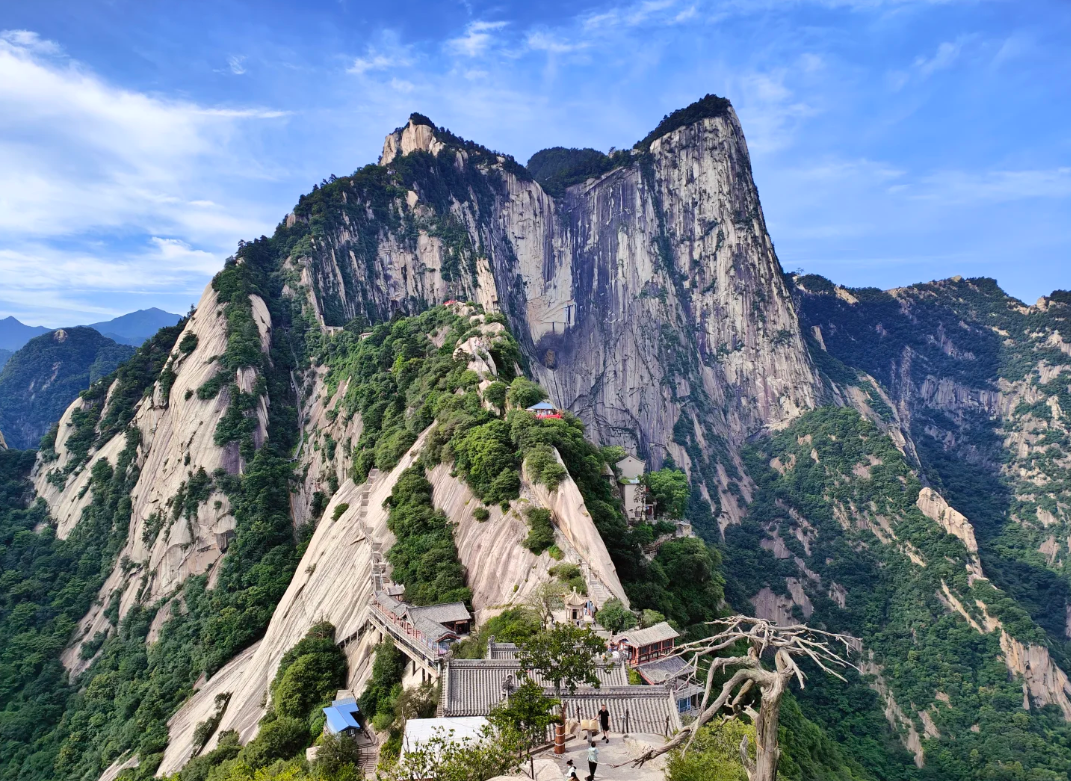
If you love mountains, Shaanxi's Hua Shan is a bucket-list hike. Started before sunrise, watched the fog roll through the peaks, and had the west peak nearly to myself for a few minutes. The views are raw and unforgettable. Also, don't skip the little family-run noodle spots near the South Gate — the lamb pao mo is messy but perfect after a cold morning. Genuinely one of my best travel memories.
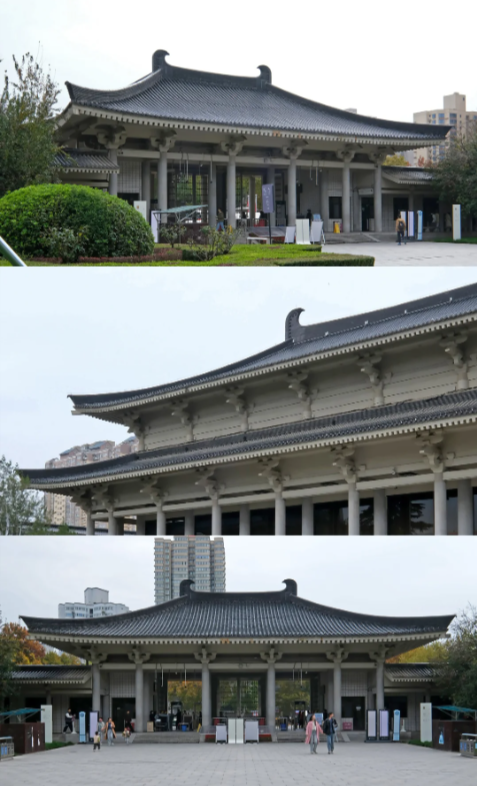
What an incredible province. I came for the history but stayed for the food and the people. The Shaanxi History Museum is a must — the bronze work and Tang dynasty relics are world-class. My local guide, a retired teacher, shared stories that made every hutong feel alive. Even the high-speed rail connections made day trips easy. I left wanting to plan another visit.
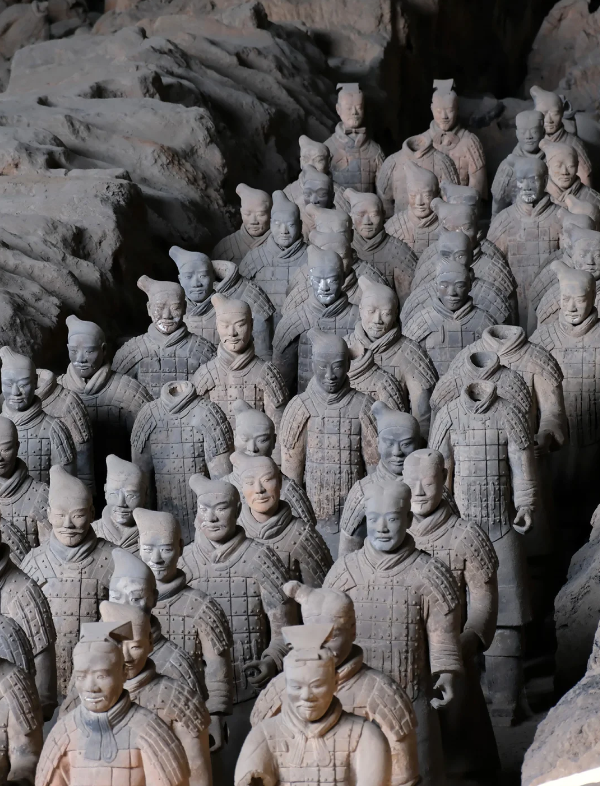
Shaanxi absolutely blew me away. From the moment I walked into the Terracotta Warriors and saw that silent army, I had goosebumps. The sheer scale is something photos can't capture. Later, I took the train to Huashan and did the plank walk — terrifying and exhilarating. Also, the biang biang noodles in Xi'an were the best bowl I had in China. 10/10 would return.
Spent four days around Shaanxi and really enjoyed the mix of old and new. The Muslim Quarter is chaotic in a fun way, though be prepared for pushy vendors. Hua Shan was stunning, but the cable car line ate up almost two hours, and the trail signage isn't great. Overall a solid trip — just not flawless.
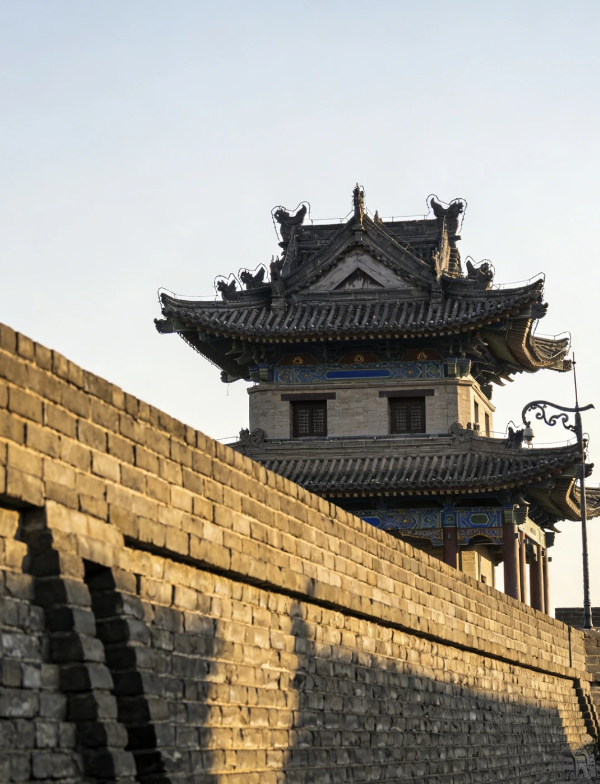
The history is undeniable, but I felt a bit let down by the overall experience. The Terracotta Army is incredible to see once, but the hawkers follow you nonstop and the site management feels chaotic. My group spent more time dodging crowds than actually absorbing the exhibits. Xi'an's city wall was nicer — I'd recommend skipping the pit queues if you're short on time.
Shaanxi is an absolute treasure trove for history lovers. The Shaanxi History Museum in Xi'an is world-class – I spent four hours there and still felt I missed things. The guides are knowledgeable and bring the ancient dynasties to life. I also took a day trip to the Tang Dynasty theme park, which was kitsch but fun. The city itself has layers of history at every corner. Highly recommend coming with an open schedule, because you'll want to slow down and soak it all in.
Leave a Review