Hanzhong Travel FAQ
Can I use Google Maps in Shimen Plank Road Scenic Area?
Google Maps is blocked in China. Download Baidu Maps or Amap before arriving, enable offline maps for Shaanxi Province, and use GPS navigation without data. The park has free Wi-Fi at the entrance, but it's slow and requires a Chinese phone number for verification.
How to book Shimen Plank Road tickets without a Chinese phone number?
Use Trip.com's English website or app. Select "Shimen Plank Road Scenic Area," choose your date, and pay with an international credit card. You'll receive a voucher via email—show the QR code and your passport at the foreign tourist lane. No Chinese number needed.
Is the plank road safe for children or people with fear of heights?
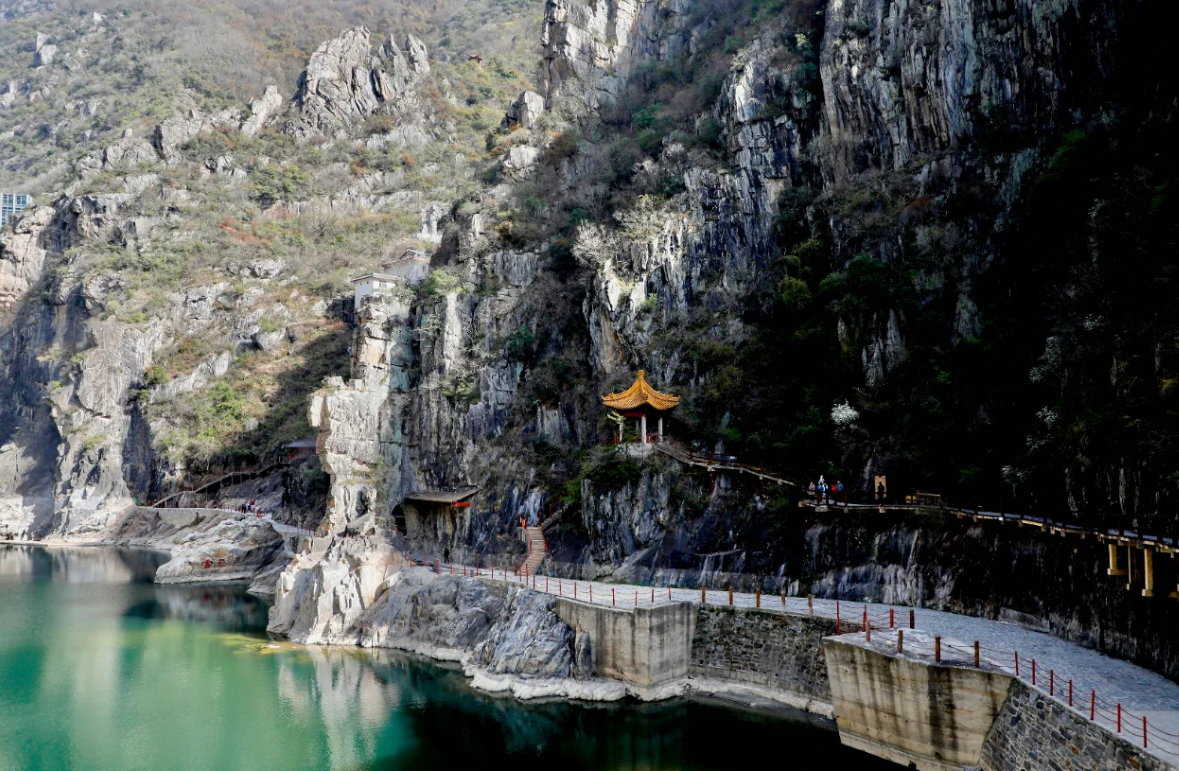
The West Route plank sections are narrow and exposed, with drops of 50+ meters. I wouldn't recommend it for young kids or those with severe acrophobia. The East Route is safer, with wider paths and railings. If unsure, stick to the east side and skip the cliff edges.
What payment methods are accepted inside the park?
Most vendors accept Alipay and WeChat Pay. To use these as a foreigner, set up Alipay's "TourPass" with your passport and top up using a foreign card. Cash (RMB) works at ticket offices and some snack stalls, but mobile payment is faster. No foreign credit cards directly.
How to get back to Hanzhong if I miss the last bus?
Walk to the main road (Highway 316) and look for shared minivans or taxis. Minivans cost RMB 15-20 per person and run until 6 PM. Alternatively, use Didi—but you'll need mobile data. I keep the Didi app pre-loaded with my hotel address as a backup.
What's the best time of year to visit Longtou Mountain Resort for clear views of Tianchi?
Late summer (August to early September) and early autumn (mid-September to early October) offer the highest probability of clear, stable weather. Winter is stunning but access to the summit is often restricted due to snow and ice. Spring can be muddy and foggy. Even in good seasons, the summit is notorious for rolling fog that can obscure the lake for hours. Your best bet is to aim for the first shuttle up in the morning.
Is it safe to use credit cards in Xinghan Shengjing?
Most small vendors prefer cash or mobile payments like Alipay. I used my Visa card only at established stores like Zhang's Silk Shop, but even there, I carried cash as backup. For security, notify your bank before traveling to avoid blocks.
Do shops at Shimen Plank Road accept credit cards or only mobile pay?
Mobile payment (Alipay/WeChat Pay) is the absolute king. For 95% of transactions, especially with independent vendors, it's the only option they'll present. The official shops in the visitor center might have a POS machine for international cards, but I wouldn't rely on it. The connection can be spotty, and the process is unfamiliar to staff. Your safest bet is to have Alipay or WeChat Pay fully functional. For detailed guides on setting these up as a foreigner, check the official help pages on Alipay's international site or WeChat's official site.
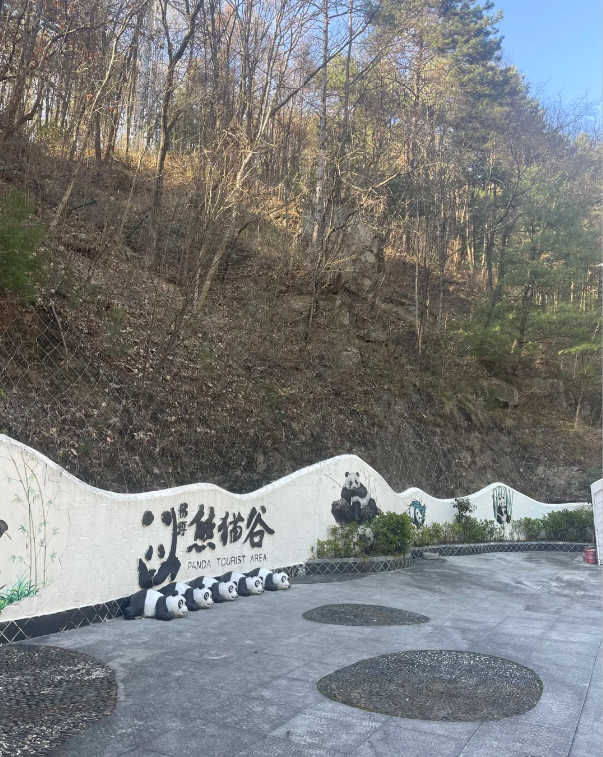
Is a Foping Panda Valley tour worth it if I only have one day?
It's a long, intense day, but possible if you're based in Hanzhong. Leave Hanzhong by 6 AM, arrive at the valley by 8:30, spend 5-6 hours on the trails with a guide, and return in the evening. Your chances of a sighting are lower with less time, but the experience of the habitat itself is valuable. I'd recommend at least one overnight in Foping to allow for two viewing sessions.



Recent Reviews
Best decision in our Shaanxi road trip. We came in early April and the countryside around Hanzhong was one endless sea of yellow rapeseed flowers. We rented an e-bike and just followed the small roads out of the city. The air was clean, the farmers smiled and waved, and a kid at a roadside stand sold us the most delicious cold baked sweet potatoes. The city itself was easy to navigate and the river walk was perfect. Honestly, 10/10.
I wasn't prepared for how much I'd love Hanzhong. The riverside is gorgeous at golden hour — locals playing badminton, grandparents teaching kids to fly kites, fishermen near the bridge. Hanzhong Museum gave me goosebumps because this is where the Han dynasty really began. Everything feels authentic and unforced. I'm already planning a return trip for rapeseed flower season.
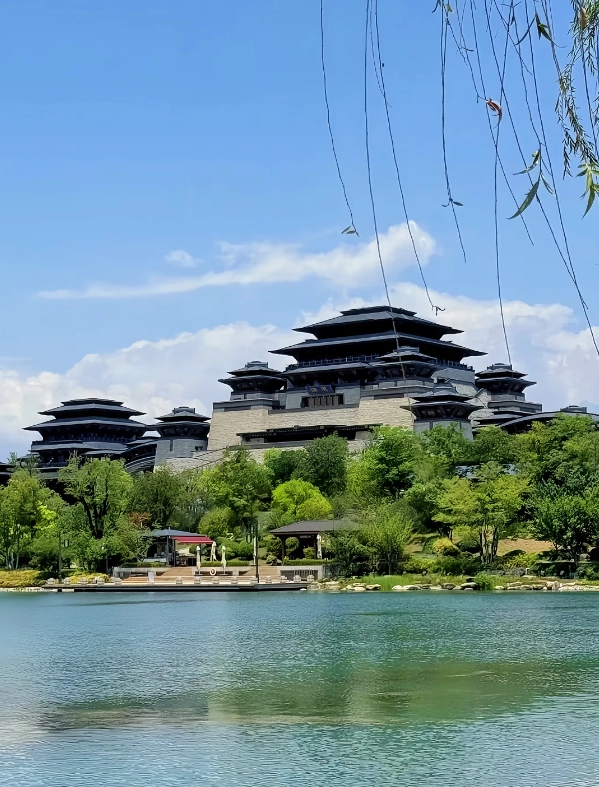
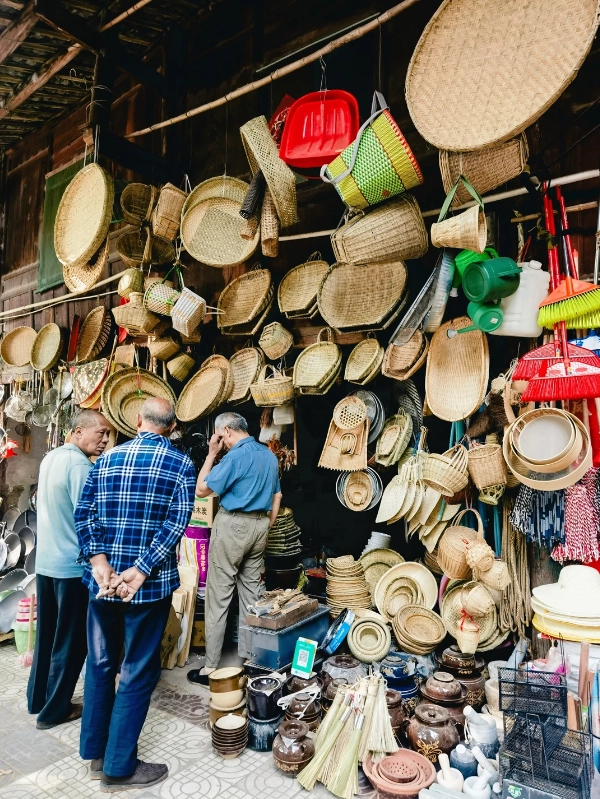
This is the most underrated city in Shaanxi, full stop. I came for the Han history and stayed for the food and the people. A guy at the tea market spent twenty minutes teaching me how to brew local green tea even though we barely shared a common language. The Tianhan Cultural Scenic Area was beautifully lit at night, and I ate mianpi three days in a row without getting tired of it. Massive thumbs up.
Hanzhong turned out to be a pleasant surprise. We spent a day walking the Han River embankment and another at the Hanzhong Museum; the Han dynasty artifacts are genuinely interesting, even if the English placards are pretty thin. It's not a tourist honeypot like Xi'an, and the pace is so much calmer. Only downside: a lot of the cafes close early. Still, I'd recommend it for a relaxed stopover.
I really wanted to like Hanzhong more than I did. The history is cool, but the city itself feels unfinished — scaffolding and construction everywhere, especially near the old town. The winter air was also pretty bad, so my photos of the Qinling Mountains were just gray. The hot mianpi from a little shop near the North Gate was tasty, but I wouldn't go out of my way again.
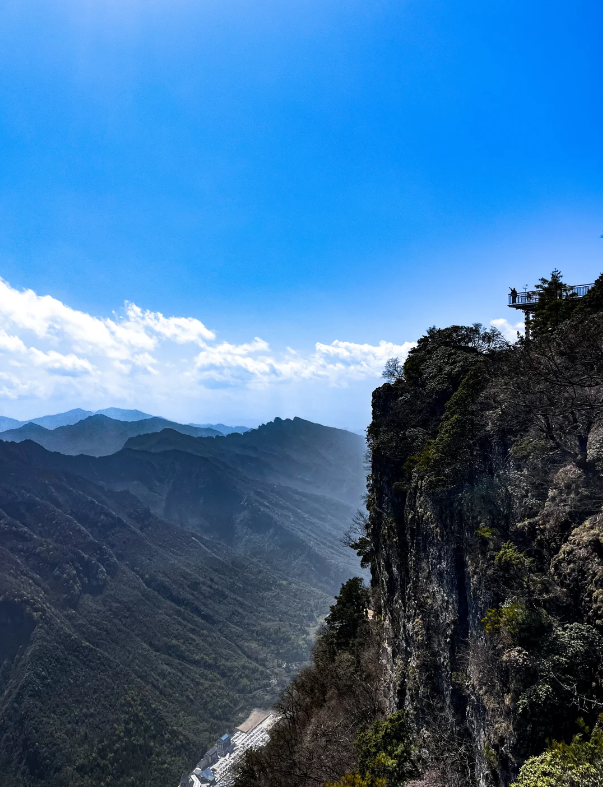
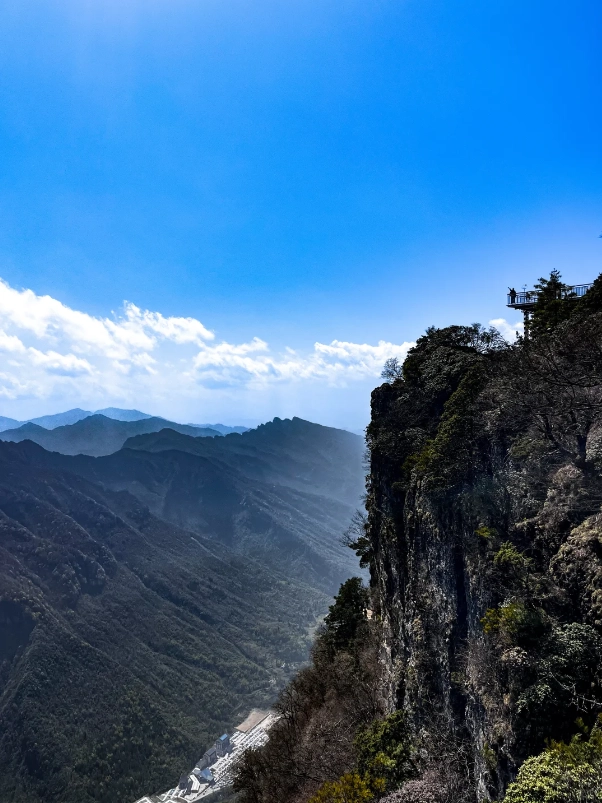
Hanzhong was an unexpected gem. We drove up to Liping National Forest to escape the heat, and the moment we stepped into the pine groves the smell was unbelievable. The overlook near the summit gives you rolling green ridges that go on forever. Back in the city, Hantai Museum is compact but powerful—the old plank road model alone is worth the visit. I loved how this place mixes ancient history with real mountains and fresh air. I hope more travelers add Hanzhong to their route.
Leave a Review