

Essential Yan'an Travel FAQ
Can I use my international credit card to buy souvenirs at the Yellow Emperor Mausoleum?
Almost certainly not. Neither the official shop inside the mausoleum nor the smaller stores in Huangling town are equipped to process Visa or Mastercard. Your payment options are exclusively Chinese mobile payment platforms (WeChat Pay, Alipay) or cash (Chinese Renminbi). Ensure you have one of these methods ready. The official Alipay guide for tourists is a good resource to set up your app before your trip.
How do I know if a jade piece is real or just glass?
At this price point, you're likely getting lower-tier but genuine jade (like Xiuyan jade) or serpentine, not glass. The key is to manage expectations. For a quick check: real jade feels consistently cool to the touch and is hard. Tap it gently with a metal object (like a key); it should make a clear, resonant chime, not a dull clink. Look for natural, wispy inclusions inside the stone—perfect clarity can be a red flag for glass. Most importantly, buy from a fixed shop, not a street hawker, and trust the weight and feel in your hand over a too-perfect appearance.
Is bargaining expected, and how much should I offer?
It depends entirely on the venue. Inside the mausoleum's official store, prices are fixed—no bargaining. In the commercial shops of Huangling town, gentle bargaining is part of the culture, especially for items over 100 RMB. A good rule is to counter-offer at about two-thirds of the initial price. Expect to settle around 75-80% for most items. The discount won't be huge, but the interaction is customary. If the price seems very fair from the start, sometimes paying it directly is also perfectly acceptable and appreciated.
What is the one souvenir most worth bringing back?
If you want a single item that embodies the site's historical gravity, choose a small bronze ritual vessel replica, like a ding. It's directly connected to the era of the Yellow Emperor, has tangible weight and craftsmanship, and serves as a far more meaningful conversation piece than a common keychain. It's the souvenir that, when you see it on your shelf, will specifically remind you of Huangdi Ling, not just "China."
Are the shops open year-round?
Yes, the shopping facilities operate whenever the Mausoleum of the Yellow Emperor is open to the public. The site itself is a major destination for Chinese ancestral worship, especially around the Qingming Festival (Tomb-Sweeping Day) and the Double Ninth Festival. During these peak pilgrimage times, all shops will be open and very busy. On regular days, hours are stable as mentioned. There's no seasonal closure for shopping.
How much should I bargain for souvenirs?
Start at half the asking price in the main tourist market. For items under 50 RMB, bargaining might be minimal—just ask for a 5-10 RMB discount. In village workshops, prices are often fair; try a polite "Can you give a better price if I buy two?" rather than aggressive haggling.
What are the best non-touristy souvenirs to look for?
Focus on handmade crafts from villages: stone carvings from actual river stones, cloth tigers with herbal stuffing, or paper-cuts from local artists. Avoid anything that looks mass-produced or has "Made in Yiwu" labels (a common wholesale hub). Ask vendors where items are made—if they hesitate, it's likely not local.
Are there any shopping scams to watch out for?
The main scam is overpricing for low-quality goods. I saw vendors selling "antique" stones that were just painted resin. Always inspect items closely. Another trick: vendors might quote prices in "yuan" but imply US dollars—confirm the currency. Also, be wary of strangers offering to guide you to "secret shops" for a fee; they often lead to overpriced stores.
Can I find English-speaking vendors?
Rarely. In the main market, a few younger sellers know basic English, but in villages, almost none. Use translation apps or gestures. I found that showing genuine interest in the craft—like asking about the making process—often bridged the gap better than language.
Is street food safe around Baota Mountain, especially for foreigners with sensitive stomachs?
Generally, yes, if you pick busy stalls. The key is heat—food cooked fresh and served hot is low-risk. I've eaten at dozens of stalls and only had one minor issue from a questionable meat skewer. Stick to noodles, dumplings, and items you see being prepared on the spot. Avoid pre-cut fruit salads. Carry hand sanitizer.
Recent Reviews
Mixed feelings about Yan'an. The revolutionary sites are a must-see if you're in the region, but I found the whole 'red tourism' vibe a bit too staged after a while. The cave dwelling hotel experience was cool but the room had a musty smell and very thin walls. Local bus system is confusing for foreigners – ended up taking taxis everywhere, which were cheap but drivers never used meters. Decent food at the Muslim quarter, though. If you're short on time, one full day is enough.
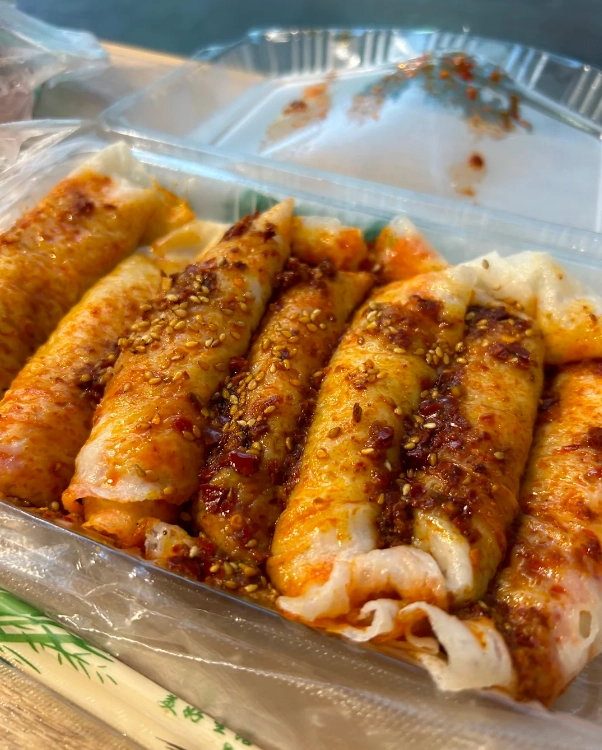
As a history teacher, I was geeking out at the former residences of Mao and his colleagues – you can literally feel the 1940s atmosphere in the cave dwellings. Very authentic and well-maintained. The local specialty of rolling donkey meat (yes that's the name) was surprisingly tasty. We joined a free walking tour led by a retired professor who spoke decent English – that made all the difference. Only minor downside: our hostel's heating was wonky in March, but the staff quickly fixed it.
Yan'an is definitely worth a visit if you're into Chinese revolutionary history, but I felt a bit let down by the ticket prices. Several memorial halls charge separate fees and it adds up quickly. The standard of English explanations in the exhibits is patchy – some are great, others just gibberish. The city itself is pleasant with a nice riverside walk, but the food options near the main attractions are overpriced tourist traps. Not bad, but not the highlight of my trip either.
Came here expecting dusty old museums but found a surprisingly clean and green city. The new Yan'an New District is impressive – modern architecture mixed with red culture. The night market near Baota District has amazing lamb skewers and a local flatbread called youpo momo. Service at our hotel was friendly, but the English signage is almost nonexistent outside main sites. Use a translation app and you'll be fine. Overall a solid 4-star experience.
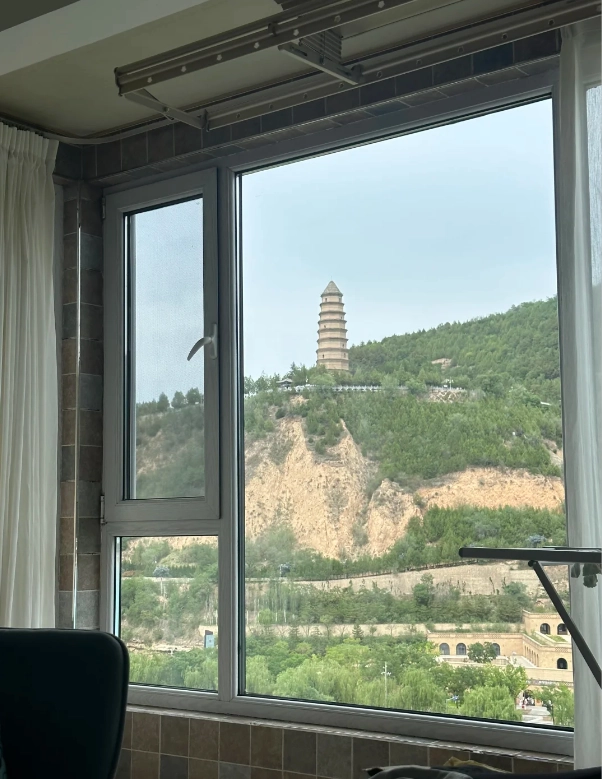
Yan'an was the final stop on our Shaanxi road trip, and honestly, it exceeded expectations. Climbing the Pagoda Hill at sunrise gave us a stunning view of the city waking up beneath golden light – pure magic. The revolutionary sites are well-preserved and the audio guides are actually engaging, not boring at all. Only wish we had booked two nights instead of one; the Yangjialing area felt rushed. Highly recommend for history buffs and photographers alike!
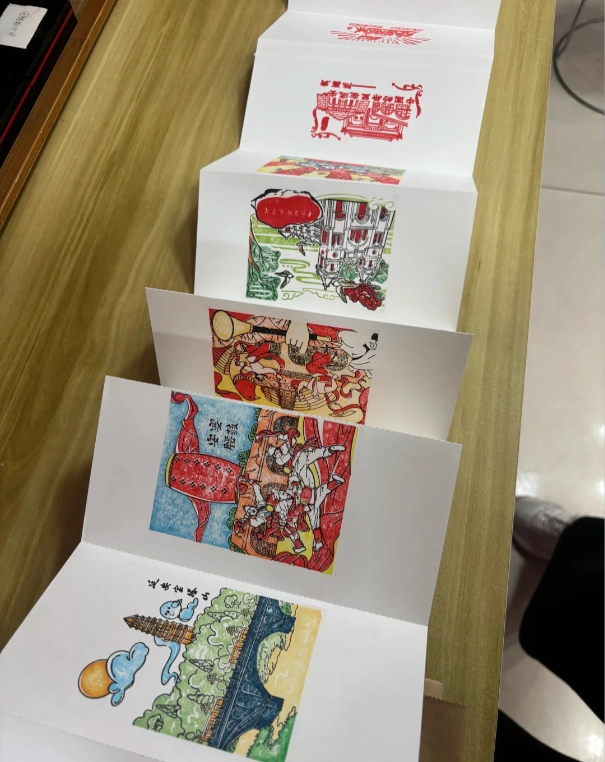
Loved the folk performances and the chance to learn about Shaanbei paper-cutting and waist drum dancing. It's authentic and deeply rooted in the local culture. The only downside is that some of the 'traditional' experiences feel a bit staged for tourists—I saw the same paper-cutting pattern in three different shops. Still, the passion of the artists is genuine. A good 4-star trip for culture seekers.
Leave a Review