Kashgar Travel FAQ
Why do ATMs keep rejecting my foreign card in Xinjiang?
This is a common headache. Many ATMs in western China don’t accept foreign cards due to local banking rules. Bank of China ATMs in major cities usually work, but in smaller towns they often don’t. The workaround: withdraw enough cash in Urumqi or Kashgar before heading to remote areas. I always carry at least 500 RMB in cash for emergencies—some guesthouses and bus stations only take cash.
Do I need a guide to book train tickets as a foreigner in western China?
No. Skip the agencies that charge 50 RMB per ticket. Use the official China Railway website (12306.cn) with your passport number. The site has an English version, and you can pay with an international card. The only catch: your passport name must match exactly, including middle names. I’ve seen backpackers turned away at the station because of a missing middle initial.
Is it safe to wild camp along these budget routes in western China?
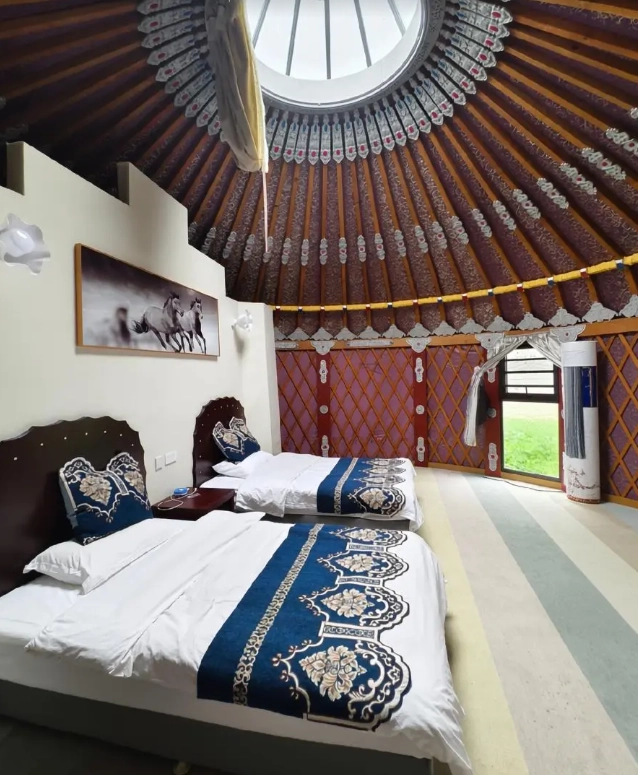
Wild camping is technically not allowed in most of Xinjiang and Qinghai without a permit. You can do it in some remote areas if you’re discreet and leave no trace, but I wouldn’t recommend it as a primary plan. The bigger issue is altitude and weather—nights get brutally cold even in summer. Stick to cheap guesthouses and yurts instead.
How do I find the shared minibuses that locals use?
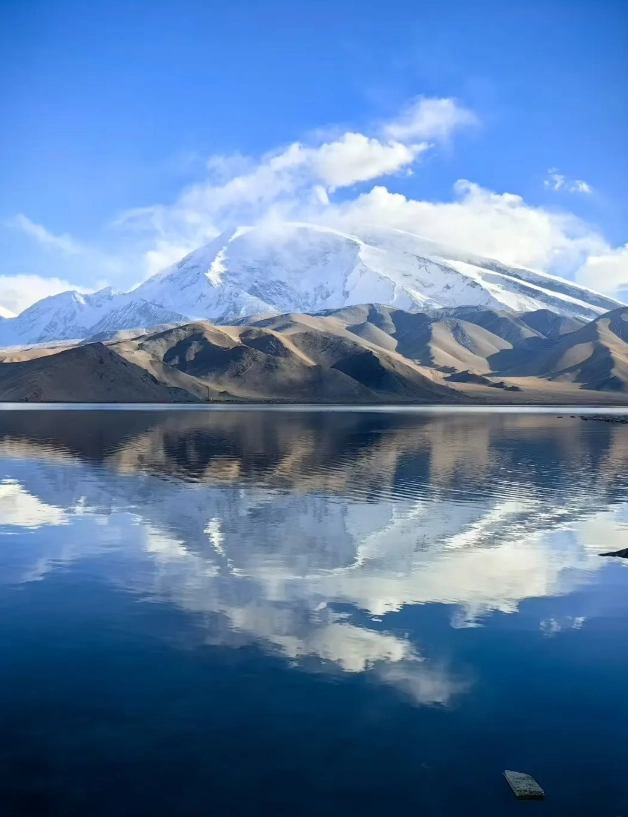
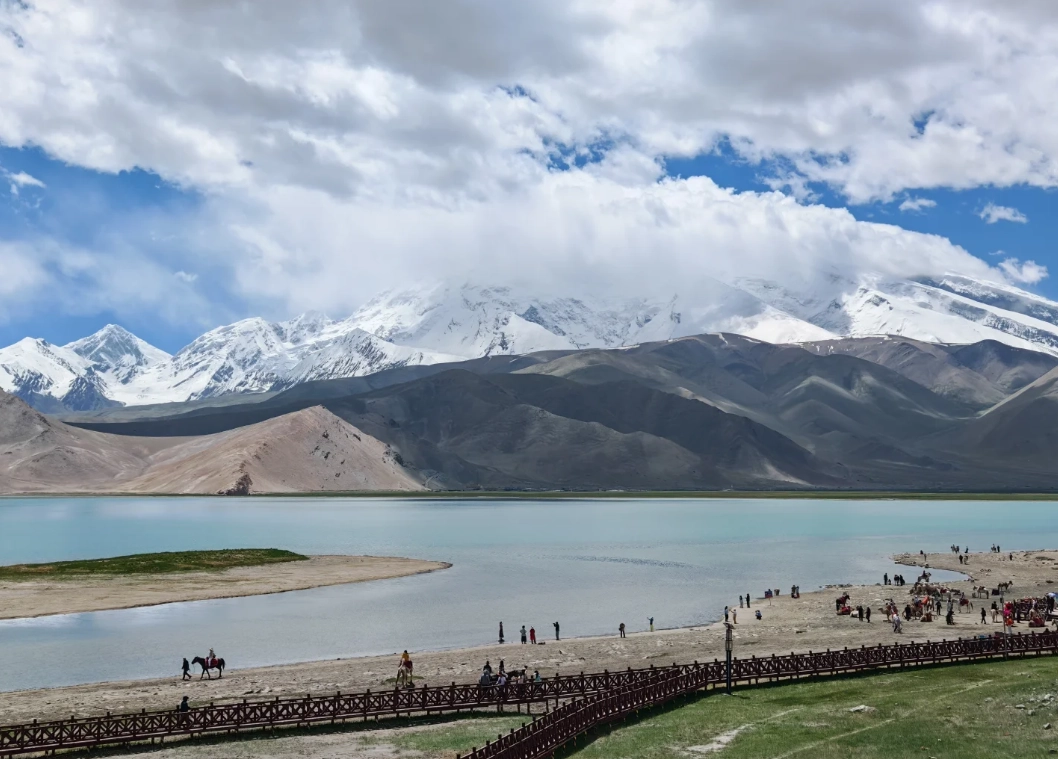
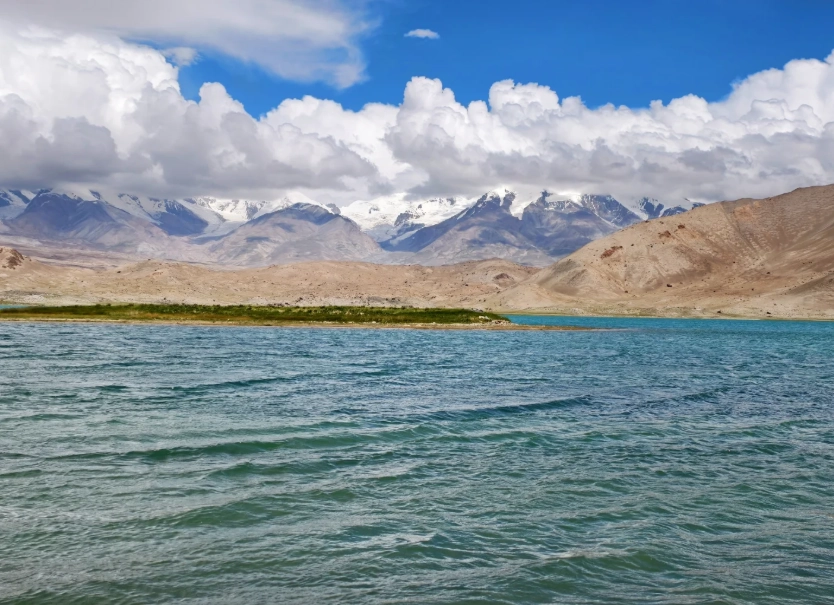
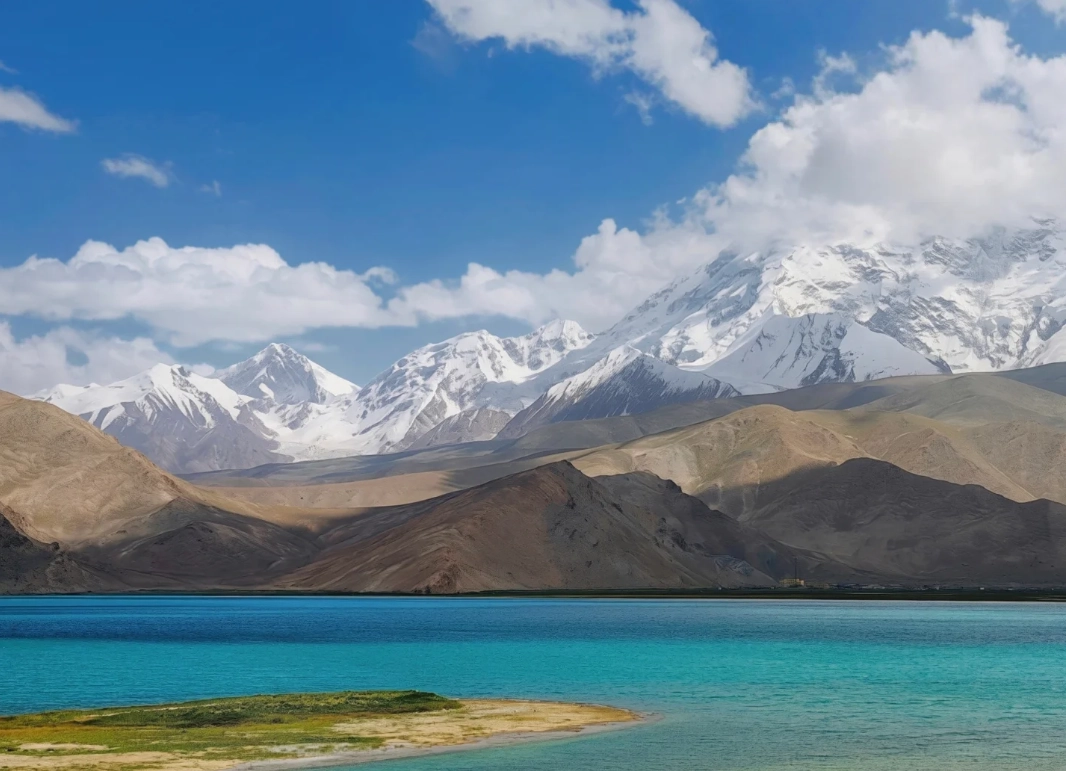
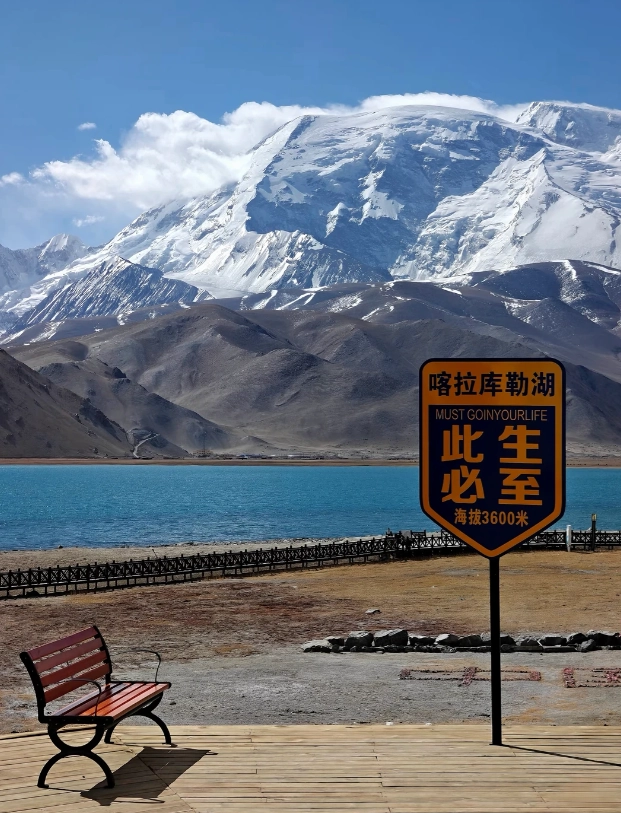
Ask at your hostel—the staff usually know the departure points. In Kashgar, the shared minibuses to Karakul leave from the main bus station near the East Gate. In Xining, buses to nearby monasteries leave from the Xinning Square area. Arrive early (before 8 AM) because vehicles fill up fast. Have your destination written in Chinese to show the driver.
What’s the biggest mistake budget backpackers make on these routes?
Trying to do too much in too little time. Western China distances are massive. A “short” bus ride is often six hours. I’ve seen backpackers burn out in three days because they didn’t factor in rest days and bus delays. Build in a zero day every four days—no travel, just rest and laundry. Your body will thank you, especially at altitude.
Do I need a special permit to travel in Xinjiang?
Generally, no, but you do need a border permit if you plan to visit areas near Tashkurgan, Kanas, or parts of the Karakoram Highway. Apply at local police stations with your passport. For Tashkurgan, the Kashgar Administrative Service Center handles it. Check the National Immigration Administration for current rules.
Can I use my international credit card in Xinjiang?
Not widely. Visa and Mastercard are only accepted at high-end hotels and some international restaurants. For everything else, use Alipay or WeChat Pay by linking your foreign card. I always tell visitors to download the app before arriving and practice paying at a hotel. Cash is also handy – carry a few hundred CNY for small vendors.
Is Xinjiang safe for foreign tourists?
In my years of guiding, I've always felt safe. There's a heavy security presence, especially in Kashgar, which means your bags are scanned at entrances and you'll see checkpoints. It's a minor inconvenience but adds a sense of order. Just avoid questionable situations and respect local customs. The region has a low violent crime rate.
What should I pack for Xinjiang's wild temperature swings?
Layers, always layers. Even in summer, mountain sites like Sayram can drop to 5°C at night. My packing list: a lightweight down jacket, a waterproof shell, comfortable walking shoes, a sun hat, and a buff for dust. And don't forget sun cream – the UV index here is tough.
Should I book a tour or travel independently?
If you're comfortable using ride-hailing apps and the train system, go independent – you'll have more flex. But for the Karakoram Highway and Duku, I'd suggest hiring a local driver through your hotel or Trip.com. Not only do they know the roads, but you'll also support the local economy. Tours are fine if you're low on time, but expect a rushed, box-ticking experience.

Recent Reviews
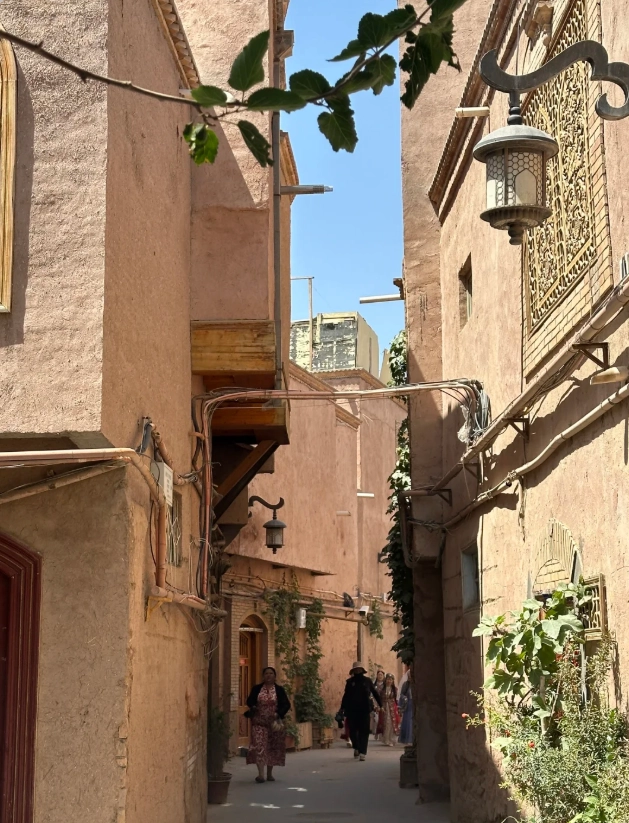
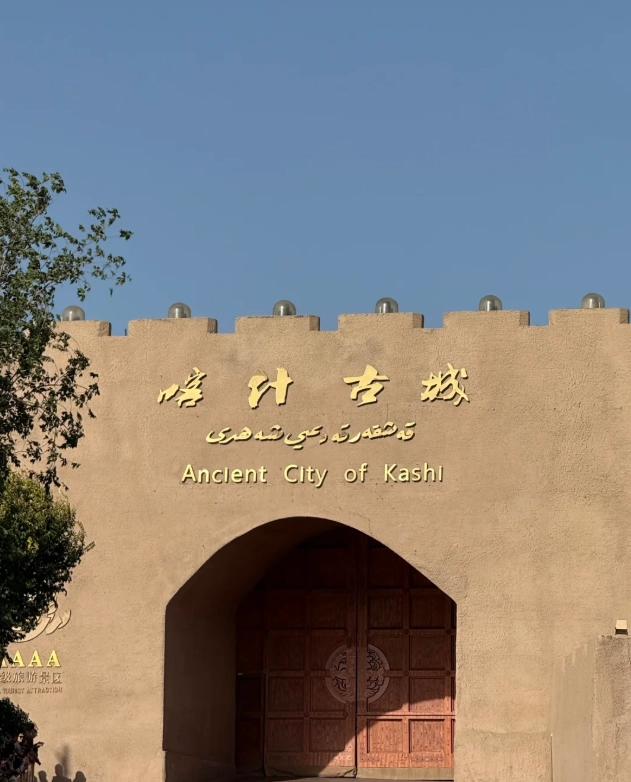
Kashgar completely stole my heart. I arrived alone and a bit nervous, but within hours I was sitting in a crowded tea house, sharing pomegranate juice and fresh nan with people I’d just met. Someone played the dutar, and an old man taught me the rules of a local chess game. The old town feels like a labyrinth, but locals kept walking me back to the right alley and laughing with me. The Bazaar was fun, but the real magic was just watching the sunset turn the rooftops orange while kids ran home from school. This city is a true gem.
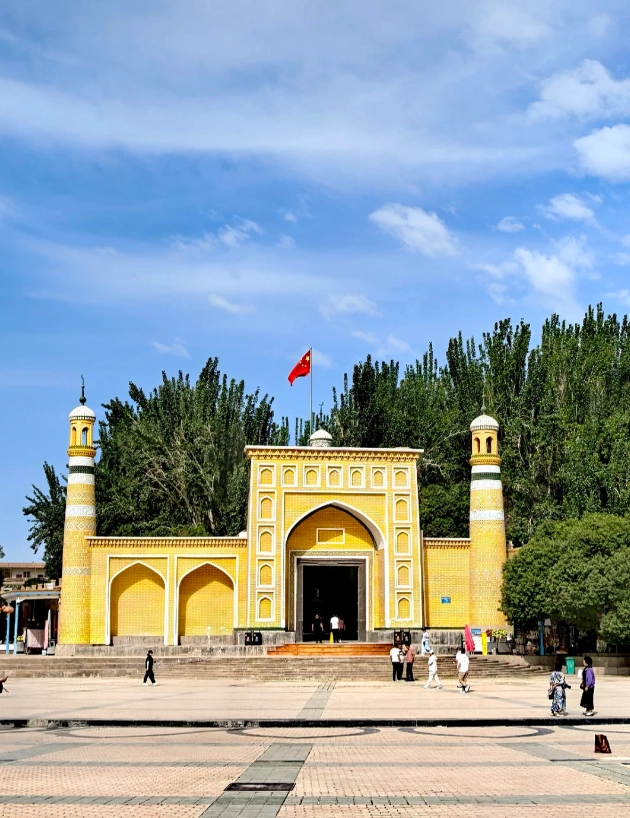
As a photographer, I could have spent a whole week just in the old streets west of Id Kah. Morning light on the earth-brick houses was magical; kids were kicking a football down the lane, old men in doppas were sipping tea outside doorways. I joined a guided walk to understand the history properly, and it was worth every yuan. People were okay with photos as long as I asked first, and most actually seemed pleased. Just bring wet wipes — the dust gets absolutely everywhere. An unforgettable place.
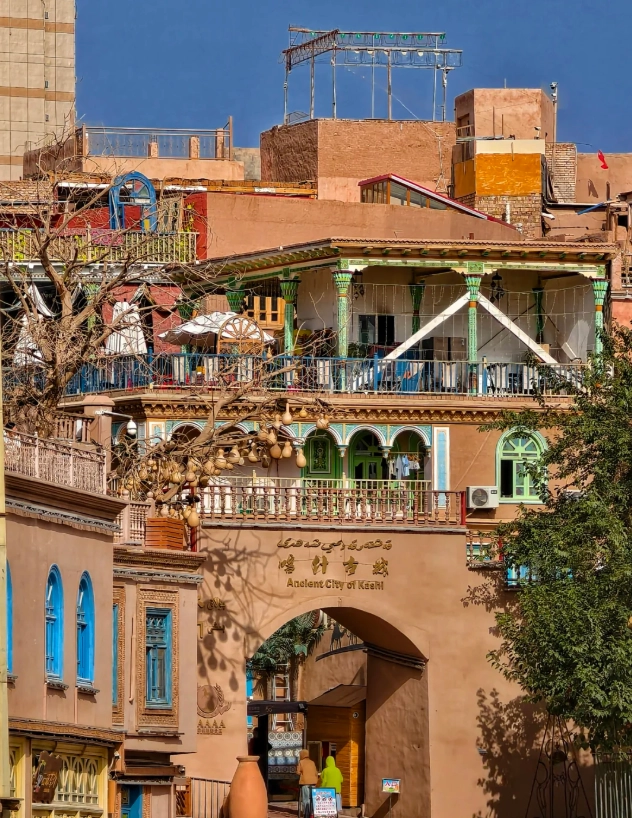
Absolutely blown away by Kashgar! The Old City feels like a living museum, with apricot trees leaning over the alleys and the smell of naan and grilled meat drifting everywhere. I wandered into a tiny copper workshop where an old Uyghur craftsman was hammering a jug; he smiled, let me try, and insisted on giving me a small spoon as a gift. The Sunday livestock market is pure chaos — dusty, loud, wonderful. Don’t miss the huge bowls of laghman noodles there. I’ve travelled a lot in Central Asia, and Kashgar is like nothing else. I’m already planning a return trip.
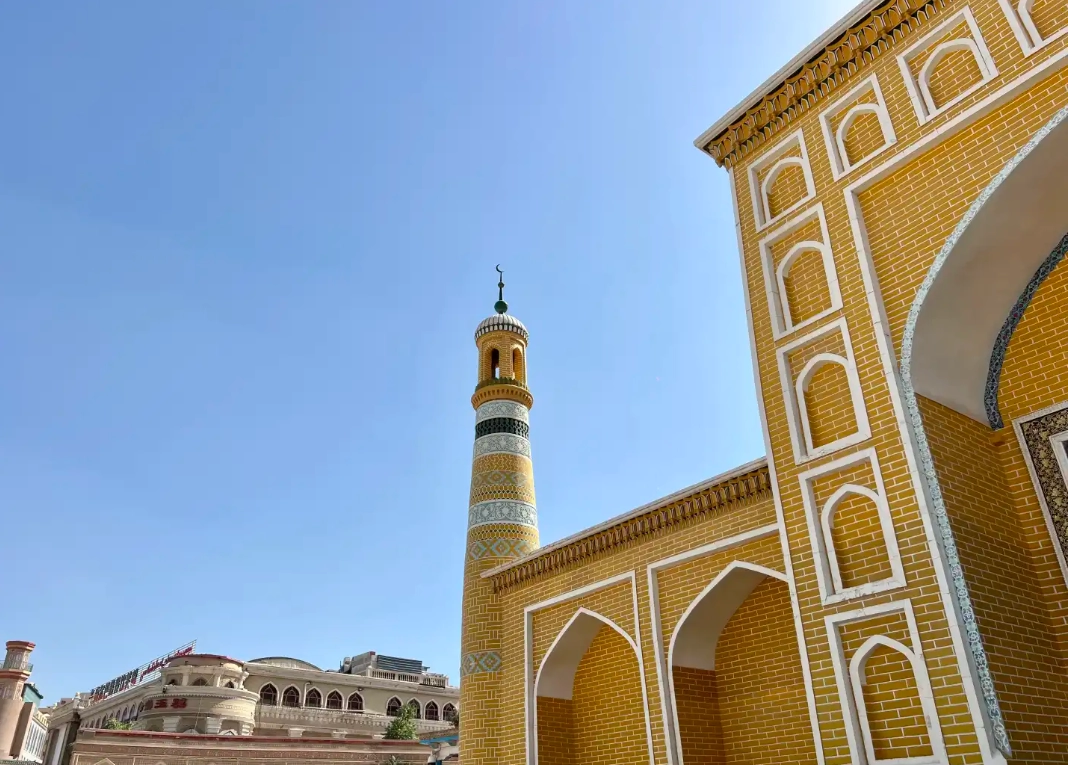
Kashgar genuinely surprised me. I booked a small guesthouse inside the Old City and walking out each morning into those sun-drenched mud-brick lanes felt amazing. The evening atmosphere around Id Kah Mosque was lovely, and the skewers of lamb from a tiny stall were incredible. I’m not giving five stars because we got lost several times due to the confusing map names, and one tea glass in a café had a chipped edge. Still, the locals were generous and the city has so much character. I’d definitely recommend it.
Maybe I came with too-high expectations after seeing so many beautiful photos. The Old City is definitely picturesque in patches, but honestly a lot of it felt set up for tourists, and several side alleys were blocked off for renovation work. A few locals were warm and friendly, but others were really pushy with their goods. The Sunday market was fascinating in a chaotic way, though the hygiene around some of the food stalls had me hesitating. Worth a short visit, but for me two days in Kashgar were enough.
Leave a Review