Karakul Lake Overview
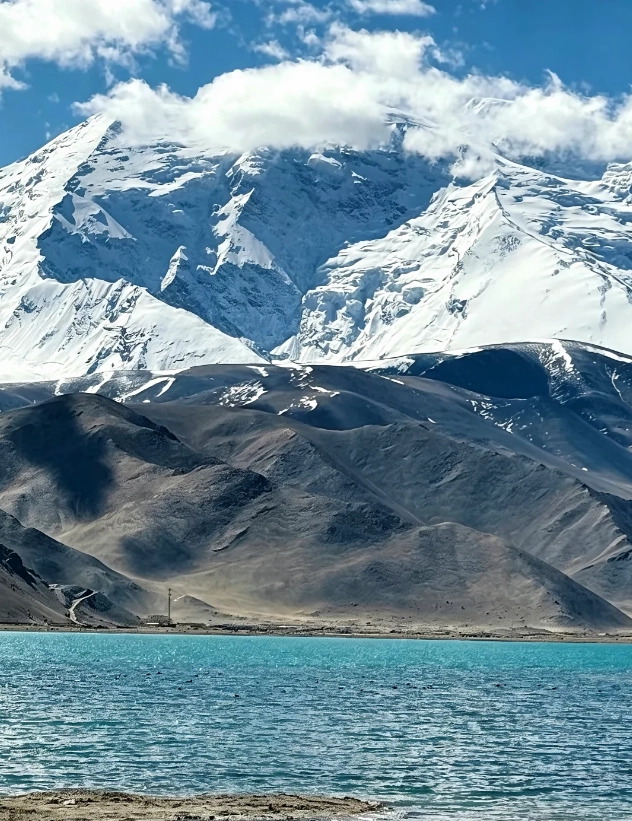
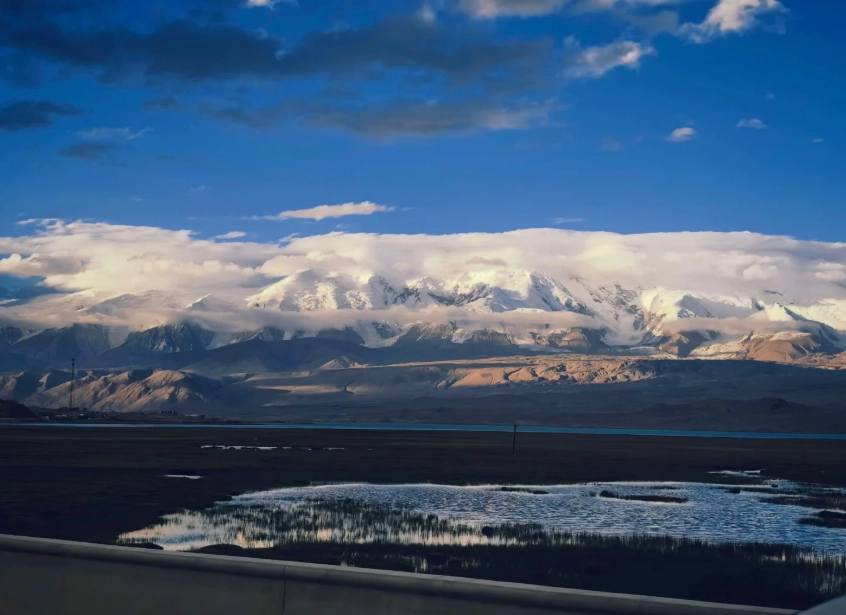
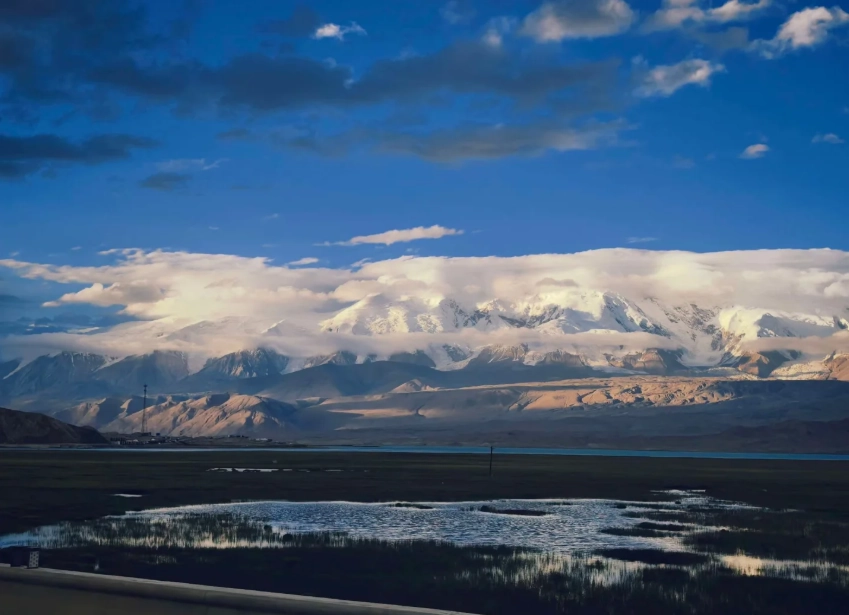
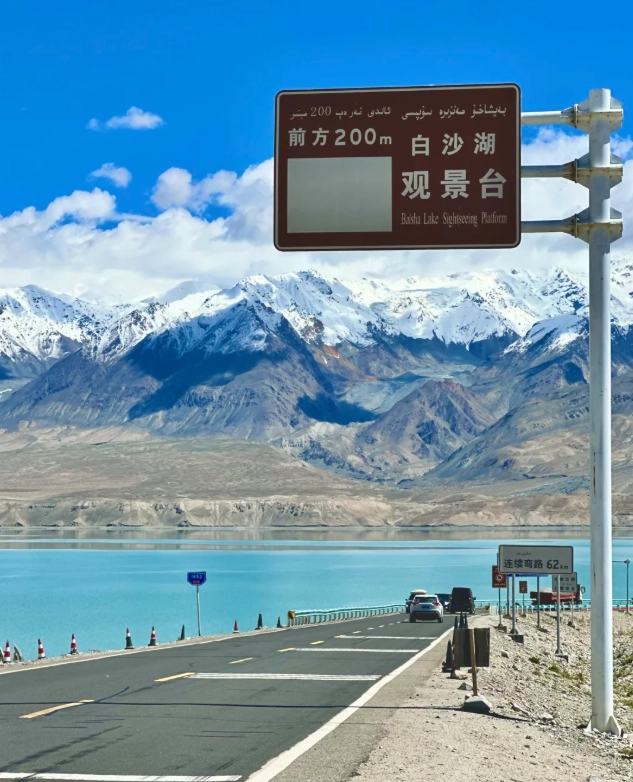
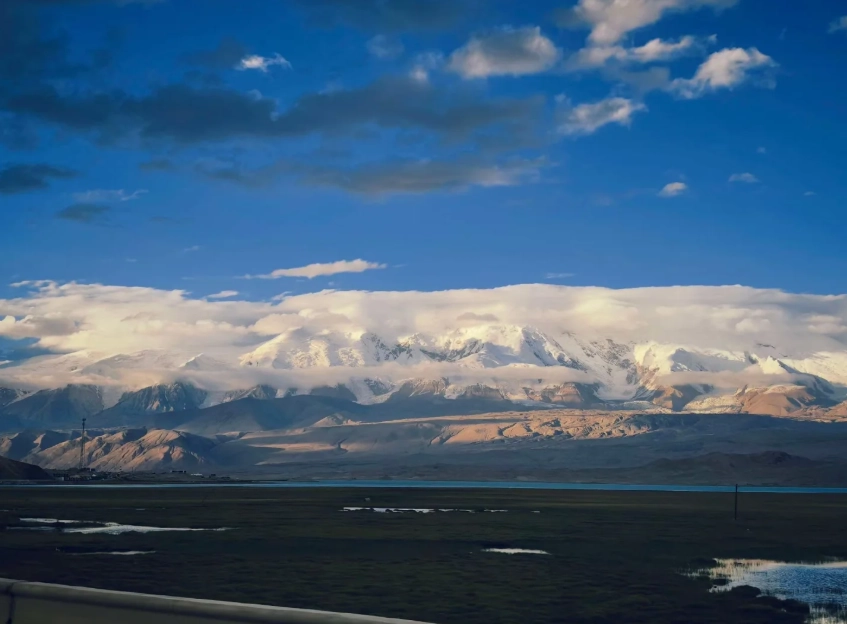
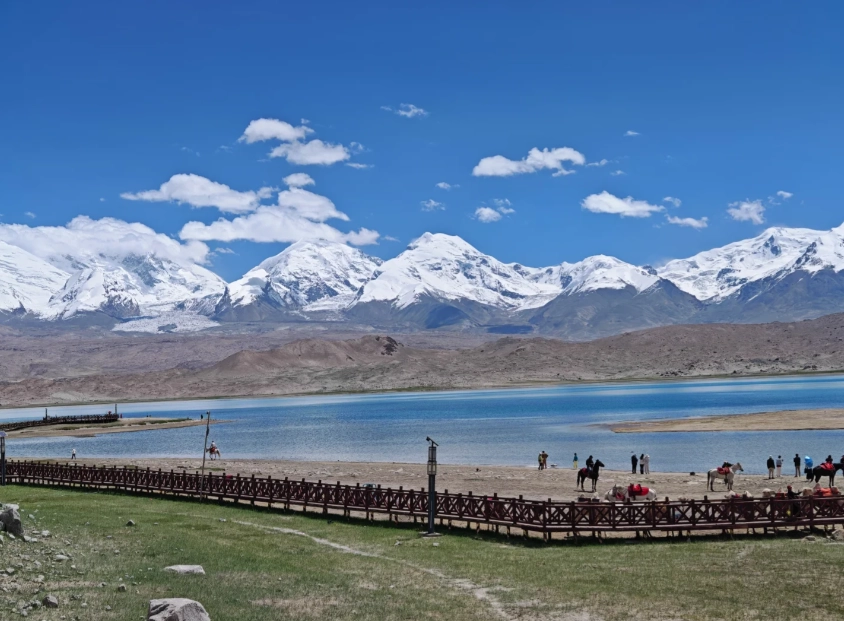
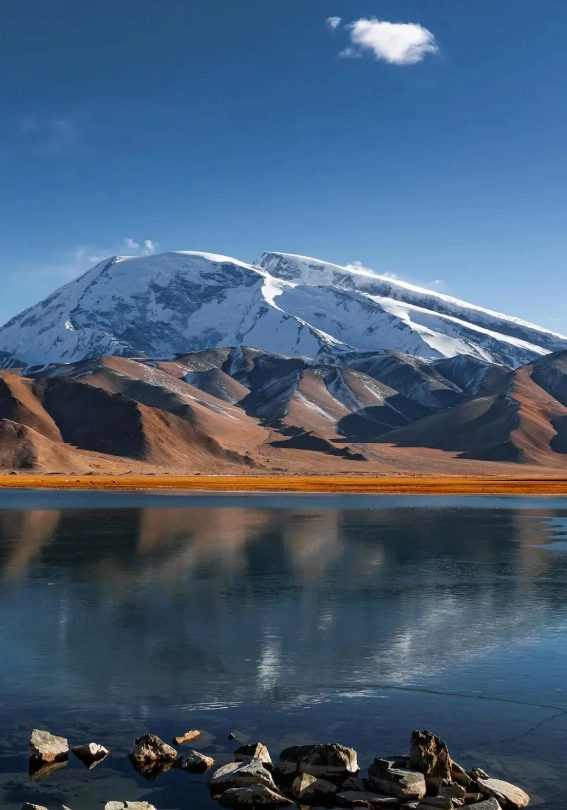
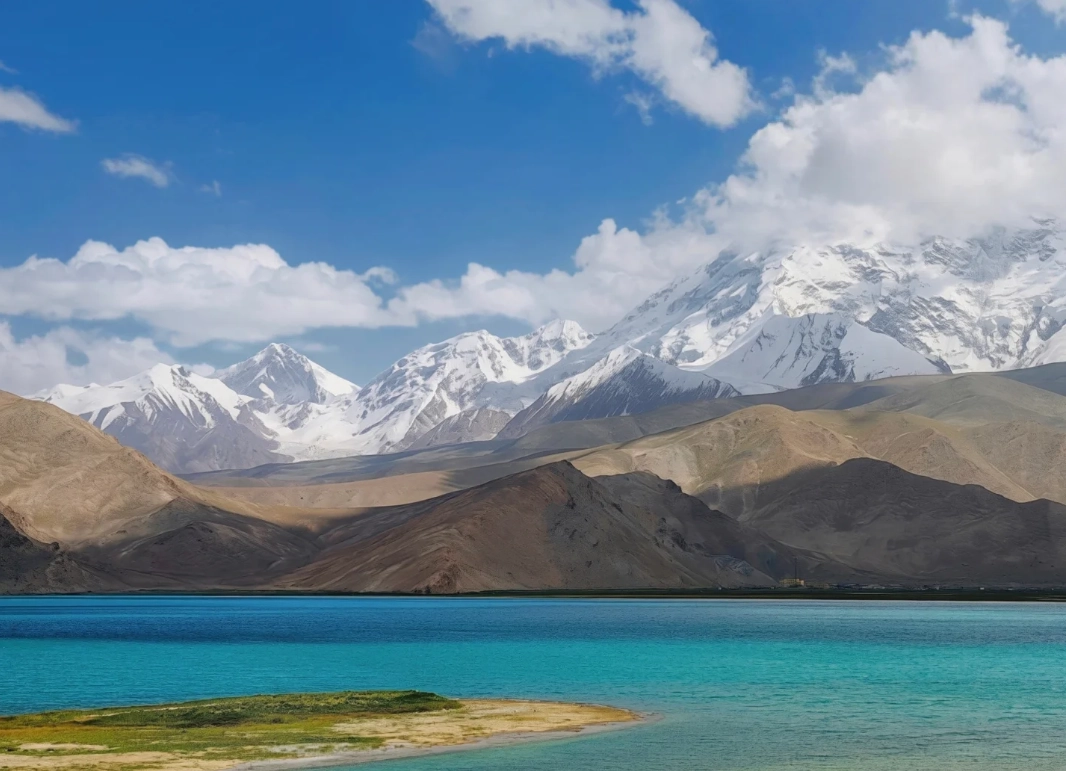
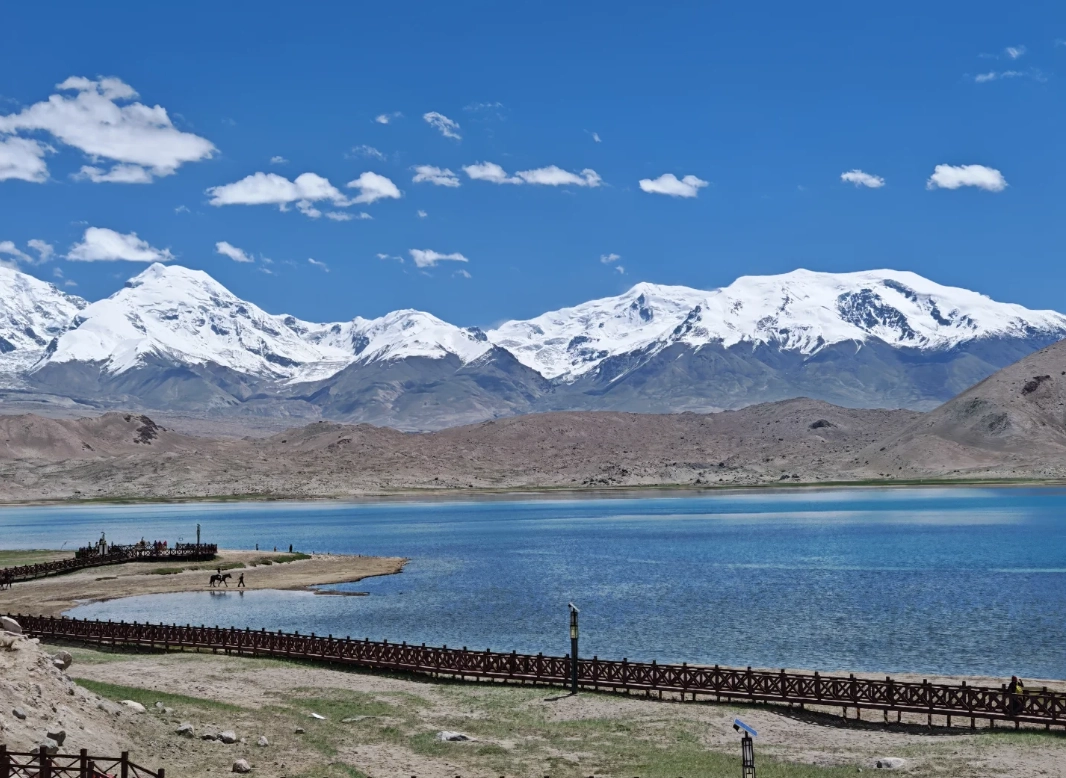
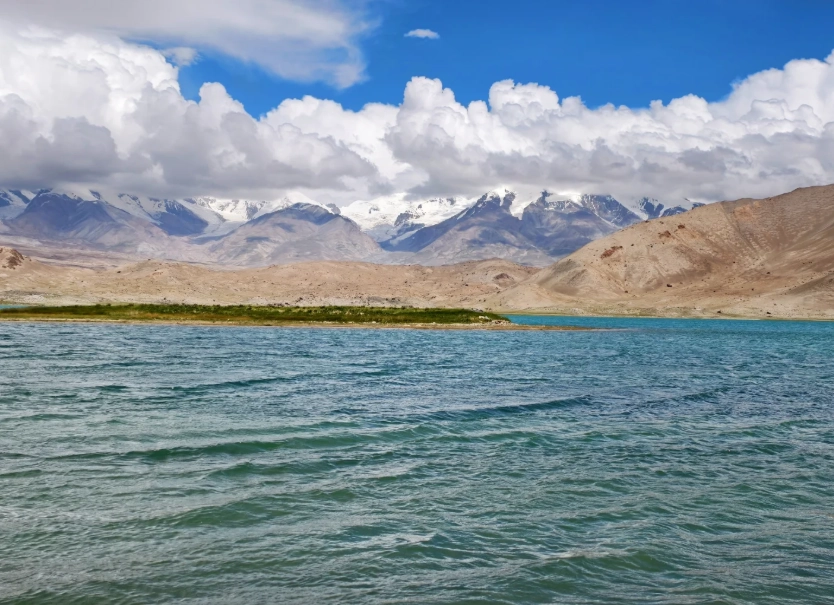
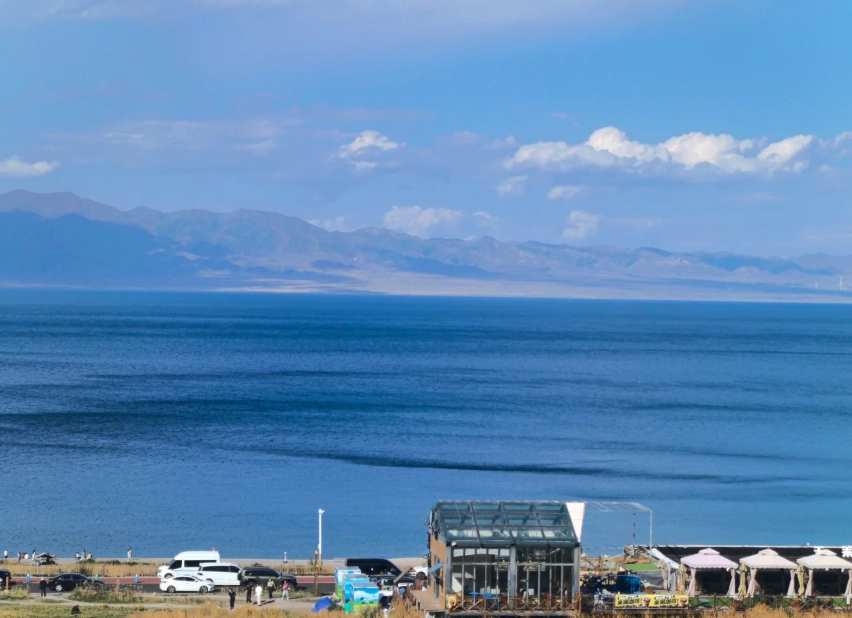
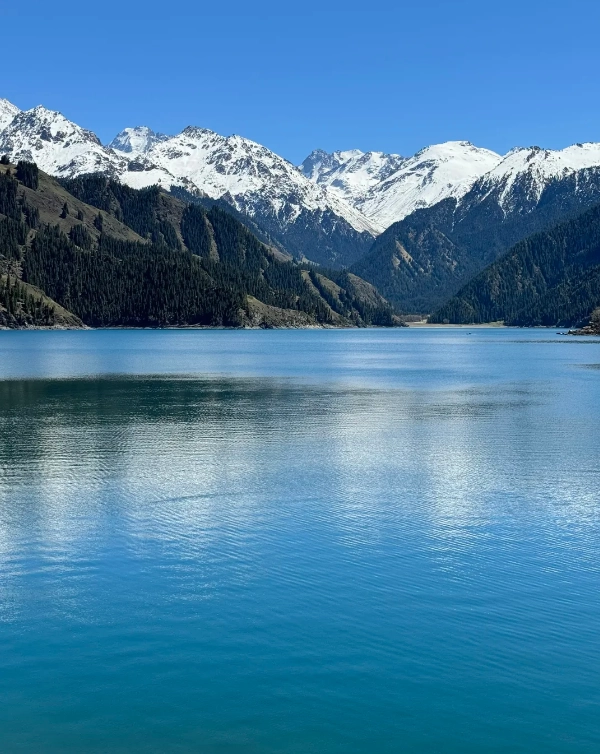
A high-altitude glacial alpine lake located at 3,600 meters above sea level along the famous Karakoram Highway. Known for its color-shifting waters that mirror the towering snow-capped peaks of Muztagh Ata and Kongur Tagh, surrounded by Kirghiz felt yurts.
Karakul Lake Opening Hours & Tickets
- 09:30–20:00 (Subject to weather and daylight along the Karakoram Highway)
- Best season: June to October for clear mountain views, turquoise lake reflections, and favorable driving conditions.
- Ticket note:
Entry ticket is approximately 45 CNY per person.
Essential Karakul Lake Visitor Information
- Enquiries: +86 908 4222018
- Shoreline wooden boardwalks
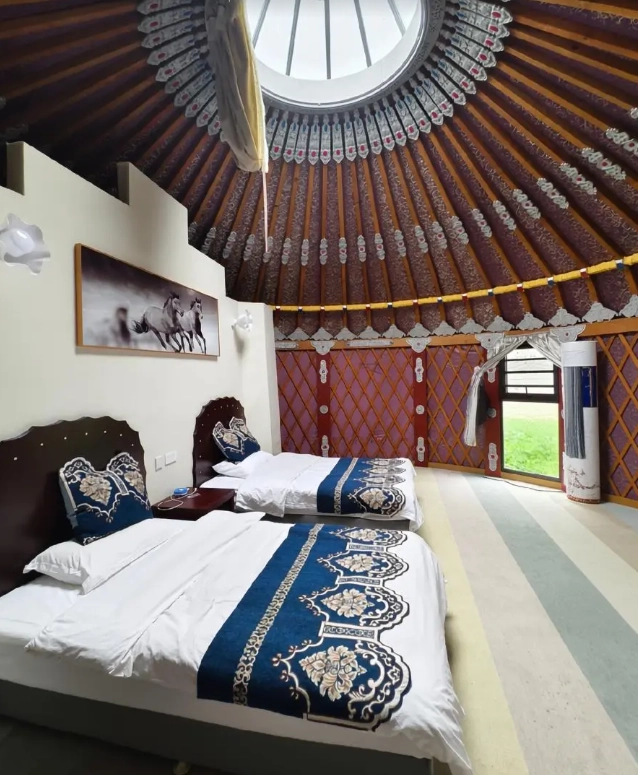
- Kirghiz felt yurts
- Roadside visitor service station
- Public restrooms
- Parking lot
How to Get to Karakul Lake
Scenic 3.5 to 4.5 hour drive from Kashgar along National Highway G314 (Karakoram Highway) via private vehicle, rental car, or organized tour group.
Karakul Lake Travel Safety & Advice
Dial 120 for medical emergencies. Keep portable oxygen canisters in your car; nearest medical facilities are in Akto or Tashkurgan.
Karakul Lake Travel FAQ
Why do ATMs keep rejecting my foreign card in Xinjiang?
This is a common headache. Many ATMs in western China don’t accept foreign cards due to local banking rules. Bank of China ATMs in major cities usually work, but in smaller towns they often don’t. The workaround: withdraw enough cash in Urumqi or Kashgar before heading to remote areas. I always carry at least 500 RMB in cash for emergencies—some guesthouses and bus stations only take cash.
Do I need a guide to book train tickets as a foreigner in western China?
No. Skip the agencies that charge 50 RMB per ticket. Use the official China Railway website (12306.cn) with your passport number. The site has an English version, and you can pay with an international card. The only catch: your passport name must match exactly, including middle names. I’ve seen backpackers turned away at the station because of a missing middle initial.
Is it safe to wild camp along these budget routes in western China?
Wild camping is technically not allowed in most of Xinjiang and Qinghai without a permit. You can do it in some remote areas if you’re discreet and leave no trace, but I wouldn’t recommend it as a primary plan. The bigger issue is altitude and weather—nights get brutally cold even in summer. Stick to cheap guesthouses and yurts instead.
How do I find the shared minibuses that locals use?
Ask at your hostel—the staff usually know the departure points. In Kashgar, the shared minibuses to Karakul leave from the main bus station near the East Gate. In Xining, buses to nearby monasteries leave from the Xinning Square area. Arrive early (before 8 AM) because vehicles fill up fast. Have your destination written in Chinese to show the driver.
What’s the biggest mistake budget backpackers make on these routes?
Trying to do too much in too little time. Western China distances are massive. A “short” bus ride is often six hours. I’ve seen backpackers burn out in three days because they didn’t factor in rest days and bus delays. Build in a zero day every four days—no travel, just rest and laundry. Your body will thank you, especially at altitude.
Is Xinjiang safe for solo female travelers?
Yes, but with the usual precautions. The region is heavily policed, and crime is rare. Stick to well-known routes, avoid walking alone at night in unfamiliar areas, and always keep your passport with you. I've led many solo women who had zero problems—just be smart.
Can I use Uber or Didi in Xinjiang, and how do I pay?
Uber doesn't operate in China, but Didi (like Uber) works in most cities including Urumqi and Kashgar. Download the Didi app, set up English mode, and link your Alipay or WeChat Pay. Cash is rarely accepted in Didi, so make sure your mobile payment is set up. For taxis, always insist on the meter or negotiate the price before you get in.
What's the best month to visit Kanas Lake for autumn colors?
Late September through early October is prime time. The larch forests turn golden, and the crowds are thinner than in July and August. Book flights and hotels well in advance because local tour groups fill up quickly.
How do I get around Xinjiang without renting a car?
Xinjiang has an extensive network of flights and high-speed trains connecting major cities. For remote places like Karakul, you'll need to hire a local driver or join a shared tour—your hotel can usually arrange this. Don't rely on public buses for scenic spots; they're infrequent and often inaccessible.
What's the best time of year to visit Xinjiang
Late spring and early autumn are beautiful, but I find September ideal. The crowds drop, the desert is bearable, and the mountains have their first snow. Summer is hot but vibrant; winter is brutally cold except for the desert.

Recent Reviews
I gasped when we reached the viewpoint above Karakul Lake. The deep blue water sat in a huge bowl of bare, rocky mountains, and there wasn't another tourist in sight. Our yurt hostess was so kind—she brought out fresh bread, jam, and yak butter tea as soon as we arrived. The lake itself is beautiful but stark; no trees, no lush grass, just raw nature. I loved walking along the shore with the wind in my face and listening to the pebbles roll in the waves. It felt completely untouched and humbling. Definitely a highlight of my time in Tajikistan. I only regret that we didn't stay longer than one night.
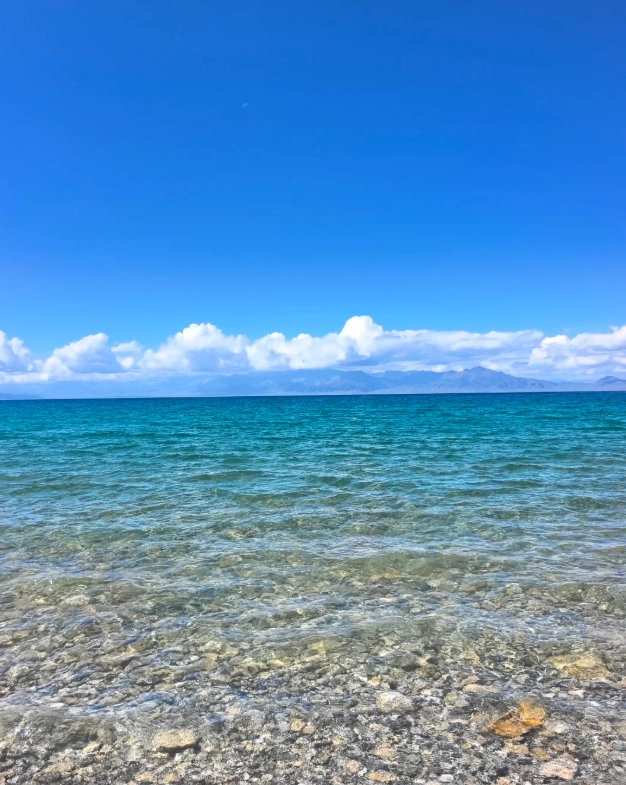
I cycled here after crossing Ak-Baital Pass, and rolling down toward Karakul Lake felt like entering another planet. The water is impossibly clear and so still in the morning that the mountains mirrored perfectly. I pitched my tent on a patch of grass near the shore and camped for one night. The stars were unreal—so many that I just lay outside looking up until my neck hurt. It was freezing cold overnight, even in August, so bring a serious sleeping bag. No crowds, no noise, no fuss. Just an unforgettable, wild lake in the middle of the Pamirs. Highly recommended for anyone doing the highway by bike or with their own wheels.
Karakul Lake is easily one of the most surreal places I have ever seen. We arrived in the late afternoon when the light turned the water a shimmering silver-blue and the surrounding peaks looked like they were glowing. The silence was immense, broken only by a few yaks grazing nearby. We stayed with a local family in a felt yurt, and they served us warm bread, salty tea, and a simple potato soup that tasted amazing after a cold drive. Watching the sun set over the lake from the yurt doorway was pure magic. If you want raw, unfiltered beauty, this is it. I would go back in a heartbeat.
Glad we made the detour to Karakul Lake. The road from Murghab was slow and washed out in places, but our driver handled it fine. We spent about four hours just walking along the southern shore, and the lake changed color from deep navy to milky jade as the clouds moved. It's extremely remote—no cafes, no gift shops, barely any phone signal—which is exactly what made it feel special. I took away one star because there were no proper signs or information boards about the lake, and the wind made it hard to enjoy a picnic. Still, a memorable stop on the Pamir route.
I really wanted to love Karakul Lake, and the setting is undeniably epic—snowy peaks, flat turquoise water, and total isolation. But honestly, the wind was relentless, and the yurt we stayed in was pretty basic even by Pamiri standards. The shared pit toilet was rough, and there wasn't much to do beyond walking along the shore. It's a stunning place to look at, but for the price we paid and the bumpy drive to get here, I left feeling slightly underwhelmed. If you're already on the Pamir Highway, stop for photos, but I wouldn't plan a special trip around it.
Leave a Review