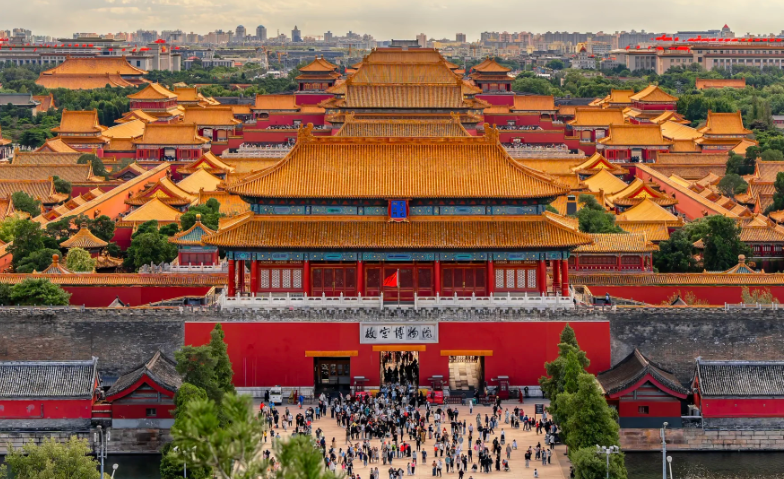
Beijing is the capital of the People's Republic of China. It is the world's most populous national capital city, known for its modern architecture and ancient sites such as the Forbidden City and the Great Wall.
Beijing Travel FAQ
Is it possible to visit Beijing's must-see sights in two days without renting a car?
Absolutely, but you'll need to plan carefully. Use the metro, which is clean and navigable. For the Great Wall, hire a private driver or book a day tour — it's the only way to avoid wasting hours on buses. Two days: Day 1 Imperial (Forbidden City, Jingshan, Beihai); Day 2 Great Wall and Temple of Heaven or Summer Palace. It's tight but doable if you start early.
What's the smartest way to book Forbidden City tickets as a foreigner?
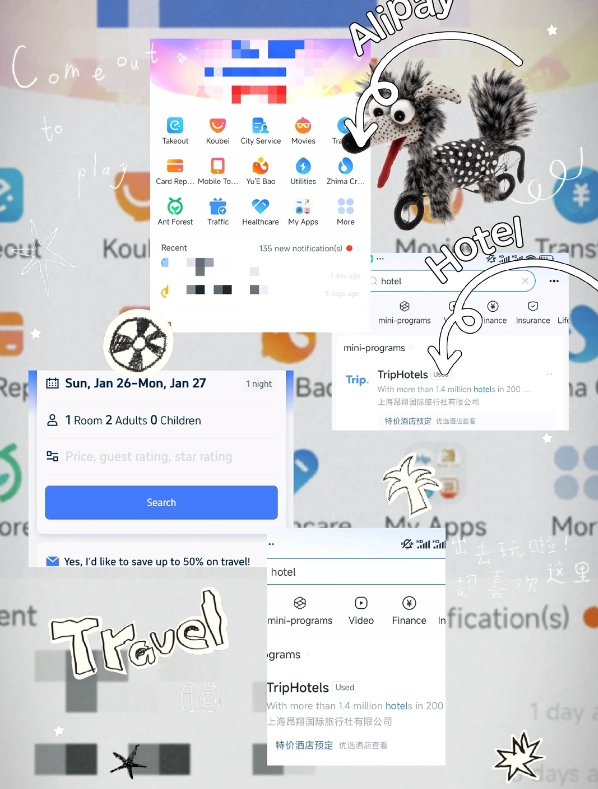
Use Trip.com or Klook. They have English interfaces and handle the passport requirement. You'll need to provide your passport number exactly as written on your ID. Book at least 5–7 days ahead, especially in peak season. If those are sold out, your last resort is the official WeChat mini-program, which is tricky but possible.
Are the must-see Beijing attractions accessible for people with mobility issues?
Mixed. The Forbidden City has ramps but long distances, and you'll walk 4 hours. The Great Wall at Mutianyu has cable cars, so you can reach a decent section without climbing stairs. The Summer Palace has some steep areas. Most parks have wheelchair-accessible paths, but ancient buildings often have high steps. I always suggest renting a wheelchair at the entrance if needed, or hiring a private car to cut down walking.
Can I use a credit card for souvenirs and local food at these attractions?
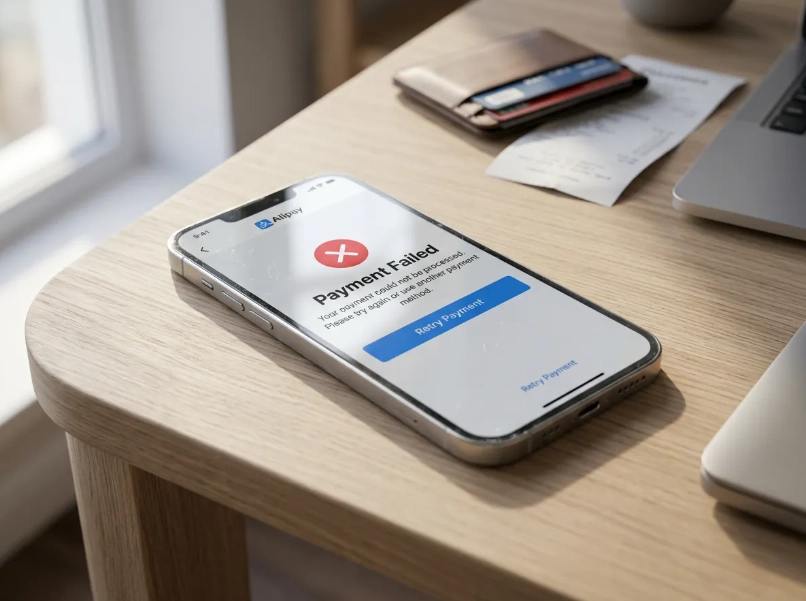
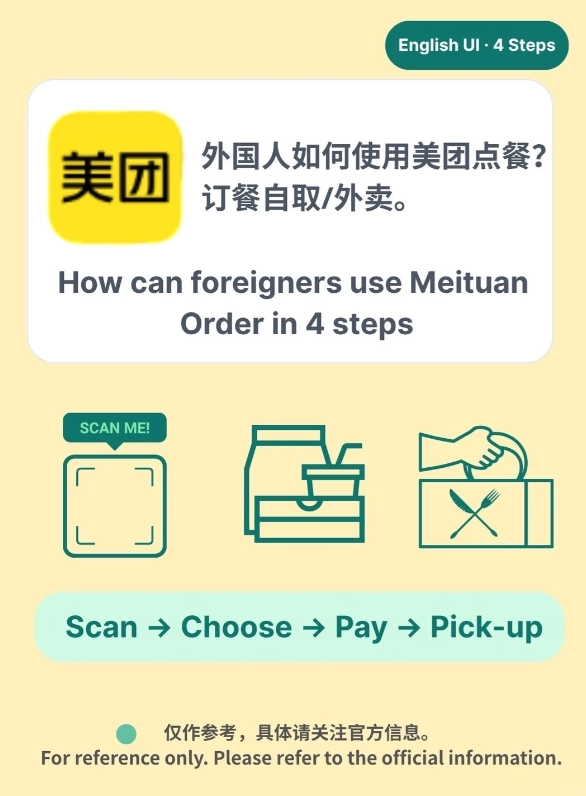
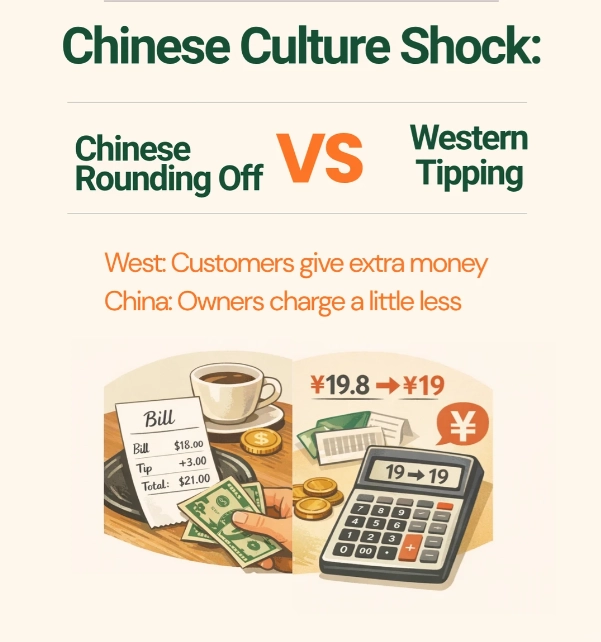
Big shops and hotel restaurants take cards, but street vendors and small stalls usually don't. Always have cash or a working Alipay/WeChat Pay. Within the attractions, food courts take WeChat Pay or cash. Credit cards are rare in the walk-up windows — better to bring 200-300 RMB per person for a day of snacks and souvenirs.
What's the biggest mistake tourists make when visiting Beijing's must-see sights?
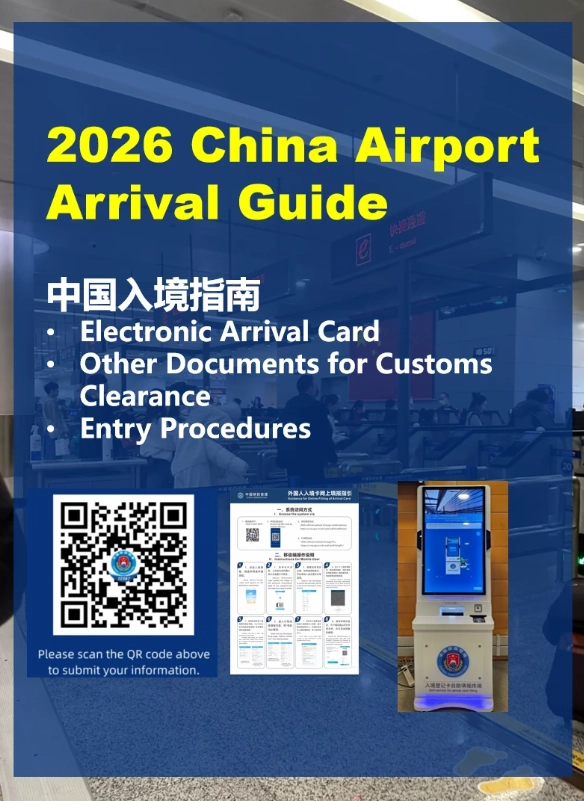
They try to hit everything on the list without booking in advance, then waste hours at ticket lines or end up locked out. My second warning: don't underestimate Beijing's scale and the walking required. Carry water, wear comfortable shoes, and respect the mandatory security checks at Tiananmen, where you'll need your passport.
Should I book all attractions in advance for things to do in Beijing with kids?
Yes, for the top family attractions. The Forbidden City and National Museum require passport booking in advance — often 3 to 7 days during summer break. For Mutianyu Great Wall, booking through Trip.com or a private driver saves you the headache of standing in a long ticket line. For the Summer Palace and Temple of Heaven, you can buy at the gate on the day, but it's safer to reserve using the official ‘Taobang’ app if you're visiting on a holiday.
Are ATMs and credit cards accepted anywhere in Beijing?
Credit cards are still rarely used in taxis, small shops, or food stalls. The most reliable modern method is Alipay or WeChat Pay, both of which can be linked to an international Visa or Mastercard. Still, I recommend carrying about 500 RMB in cash for backup. Real ATMs are easy to find, but foreign cards often get declined at ATM machines in small hotels — use a full-service branch at major banks like Bank of China.
What should I do if my child gets sick during the trip?
First, stay calm. Major hospitals in Beijing have international departments or at least an on-site translator service. For minor illnesses, Western medicines like cough syrup are available at pharmacies (open till late). In a true emergency, call the Beijing emergency service at 120 (Chinese) or 999 (also works). For non-urgent issues, your hotel concierge can usually arrange an English-speaking doctor visit. Just remember to carry your child's passport and health insurance documents.
Is Beijing tap water safe for kids?
No — never drink tap water straight from the tap. Always give your kids bottled water or bring water bottles and refill them from hotel water coolers that use filtered water. In restaurants, ask for 're shui' (hot water) — it's always safe and also helps settle stomachs. I also suggest carrying hand sanitiser because kids' hands get dirty quickly, especially around ancient monuments where there isn't always a washroom on deck.
Should I book all attractions in advance for things to do in Beijing with kids?
Yes, for the top family attractions. The Forbidden City and National Museum require passport booking in advance — often 3 to 7 days during summer break. For Mutianyu Great Wall, booking through Trip.com or a private driver saves you the headache of standing in a long ticket line. For the Summer Palace and Temple of Heaven, you can buy at the gate on the day, but it's safer to reserve using the official ‘Taobang’ app if you're visiting on a holiday.

Recent Reviews
Honestly a bit disappointed with the Great Wall at Badaling. I know it’s the most accessible, but that’s exactly the problem—it was packed shoulder to shoulder. The walk up was more about avoiding selfie sticks than taking in history. The wall itself is impressive, but the crowds and the endless vendor stalls completely killed the atmosphere. Maybe I chose the wrong section, but based on this experience I left feeling meh. If you can, go somewhere less advertised.
Summer Palace is stunning—the long corridor with its painted scenes, the marble boat, the views over Kunming Lake from the hill. We rented a paddleboat and it was lovely being on the water. The only downside was the sheer number of tour groups. Getting around the east gate felt like a crowded shopping street, and you had to wait ages for a good photo spot. Still, if you’ve never seen the imperial gardens, it deserves a spot on the list. Just go early or in the off-season.
Temple of Heaven at 7am felt like stepping into a different world. The local elders were practicing tai chi, a group was doing the spinning dance with silk fans, and someone had a bird in a tiny wooden cage hanging from a branch. The park is massive and full of ancient cypress trees. I sat on a bench for an hour just taking it all in. Paid to enter the grounds, but it was absolutely worth it. Genuine slice of everyday Beijing life.
Spent three days in Beijing and I keep thinking about the food. Our local guide took us through a hutong near Shichahai, and we had zhajiangmian at a tiny no-name shop that was pure comfort in a bowl. The Forbidden City was jaw-dropping, but the real highlight was wandering the narrow alleys and watching people play xiangqi in the late afternoon. The city feels huge and ancient and alive at the same time. I'd come back just for another bowl of noodles.
We did the Mutianyu section of the Great Wall on a crisp October morning and honestly it was one of the best days of our trip. Took the cable car up and the toboggan down—the wall snaking through the hills was even more beautiful than the photos. Only had to share the towers with a handful of people, and the air was clear enough to see the mountains for miles. Grab a water before you climb, but definitely go here instead of the other sections.
I visited in late October and caught Beijing at its absolute best. The sky was clear, the ginkgo trees turned the streets gold, and our sunrise hike along the Jinshanling portion of the Great Wall was pure magic—no crowds, just misty mountains and ancient stone curving ahead. The food was fantastic too, especially a tiny dumpling shop near our hotel. Everything felt effortless. If you can, go in autumn. You’ll fall hard for this city.
Leave a Review