The 'Mountain City' and 'Fog City' located at the confluence of the Yangtze and Jialing Rivers. Known for its vertical urbanism, spicy hot pot, and dramatic karst landscapes ranging from the urban sprawl of Yuzhong to the natural wonders of Wulong.
Chongqing Travel FAQ
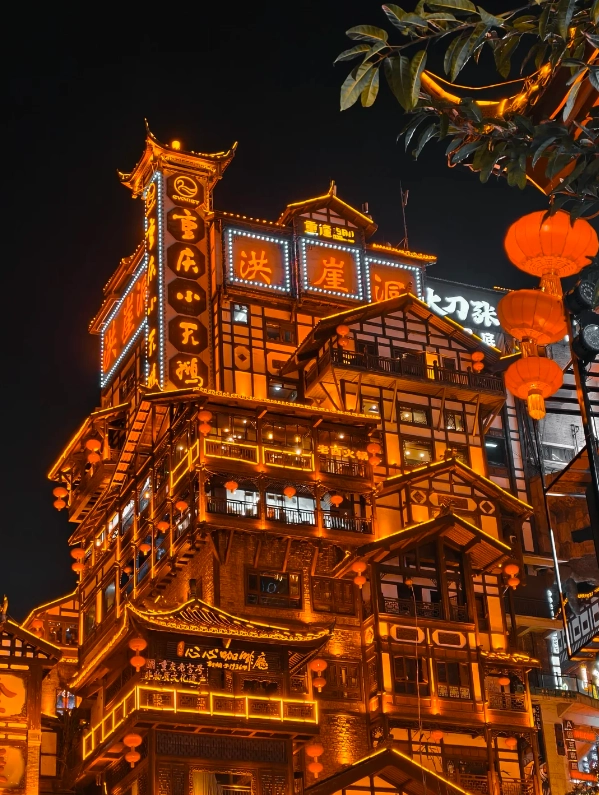
Can I pay with international credit cards at Hongyadong?
Not reliably. The ticket reservation is free, but inside shops, restaurants, and even the nearby ice-cream stall expect mobile payment. I strongly suggest setting up Alipay with a Visa or Mastercard before your trip. Cash is accepted at the main ticket booth if you need to buy something, but you'll get change in Chinese yuan.
Is Hongyadong night view safe for solo female travelers?
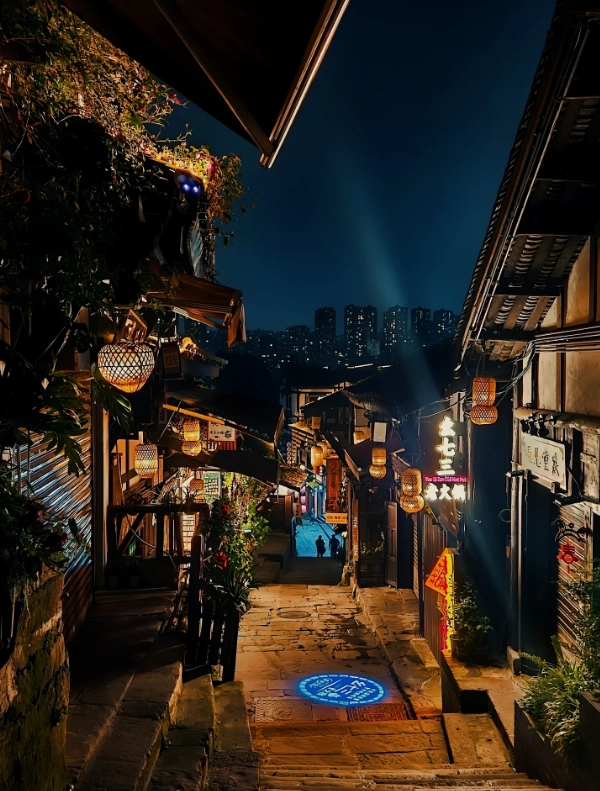
Absolutely. It's packed with tourists and police patrol the area. The biggest risk is pickpocketing in crowds — keep your phone in your front pocket. The area around the bridge is well-lit. That said, avoid the dark alleyways behind the main complex after 10 PM.
Do I need to speak Mandarin to navigate Hongyadong?
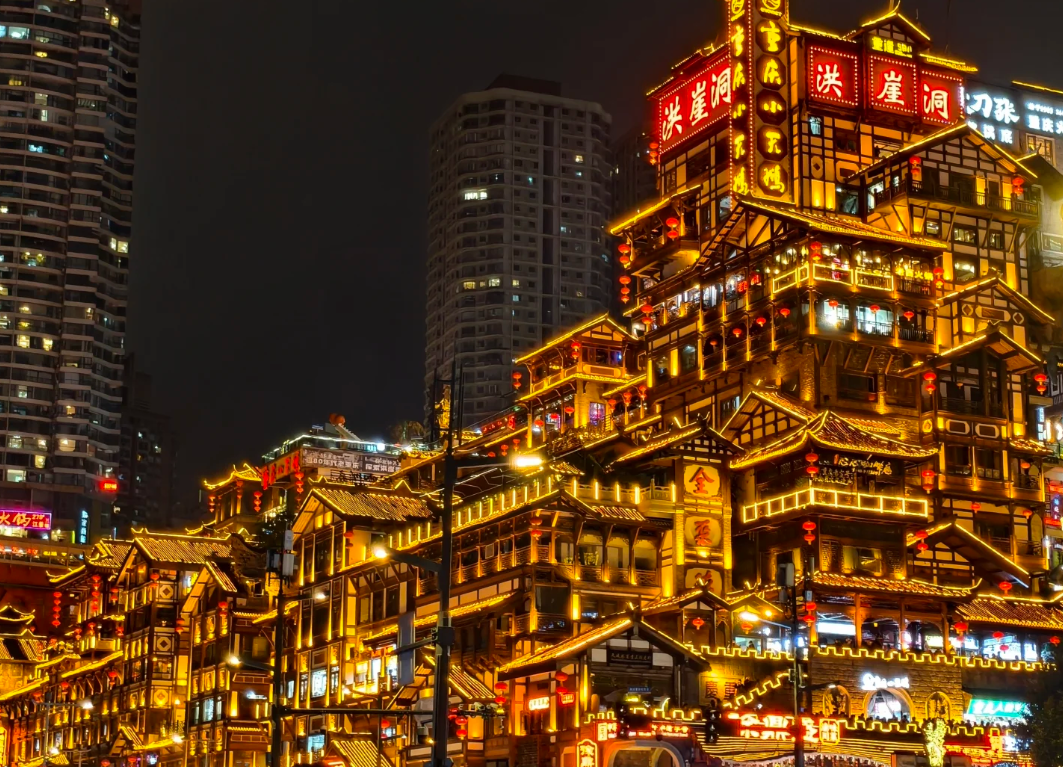
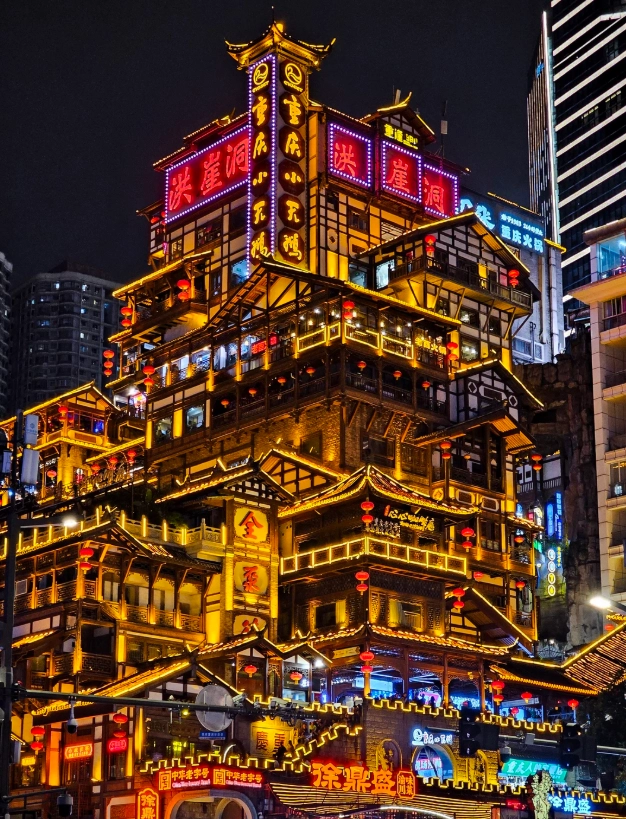
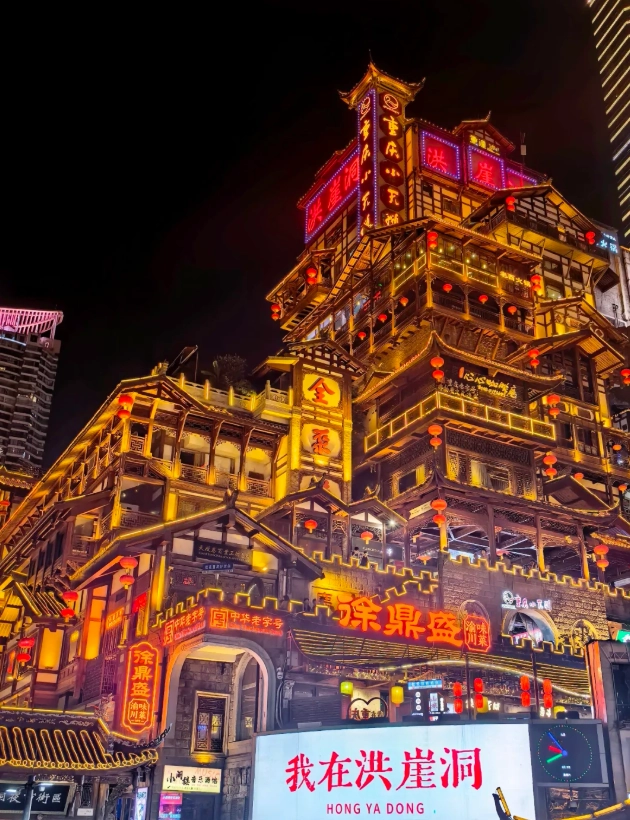
Not really, but it helps. Many signs have English translations, especially the main ones. Download the app Pleco for offline translations. If you get lost, show the Chinese characters for Hongyadong (洪崖洞) to any local — they'll point you in the right direction. Most young people in Chongqing speak basic English.
How to avoid the crowds if I'm claustrophobic?
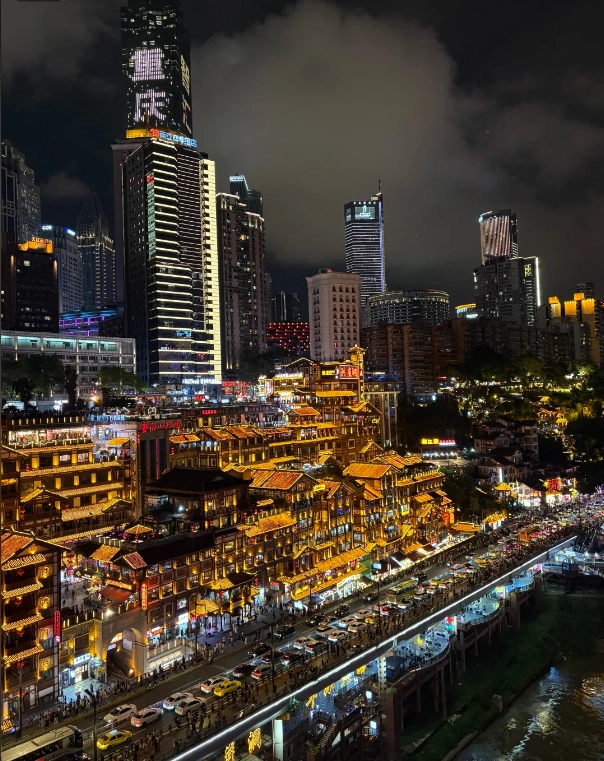
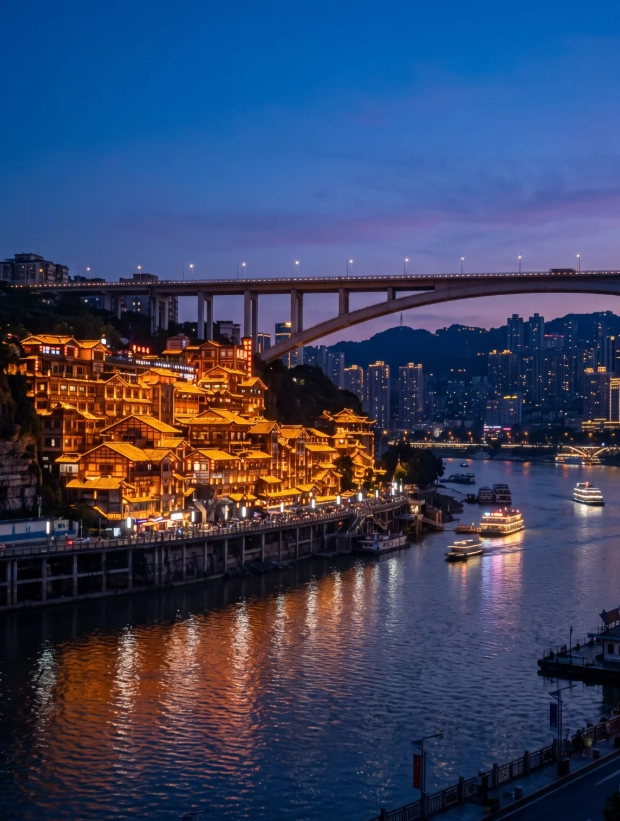
Go on a weekday (Tuesday–Thursday) and arrive at 9 PM. The lights are still on until 10:30, but the crowd has thinned significantly. Also, the side entrance near the bridge is less congested. I often take small groups to the opposite riverbank — you get the view without the squeeze.
What if I don't have a VPN and need to access Google Maps?
You won't be able to use Google services. Instead, rely on Apple Maps (which works fairly well in Chongqing) or Amap Global. Before I became a guide, I learned the hard way — printed map doesn't hurt. Most hotels provide a free map at the front desk. Ask them to mark Hongyadong for you.
Is Hongyadong safe for solo photographers at night?
Absolutely. The area is brightly lit and heavily policed. Keep your camera strapped and be aware of pickpockets in dense crowds — same as any tourist hotspot. I've never had an issue in dozens of visits.
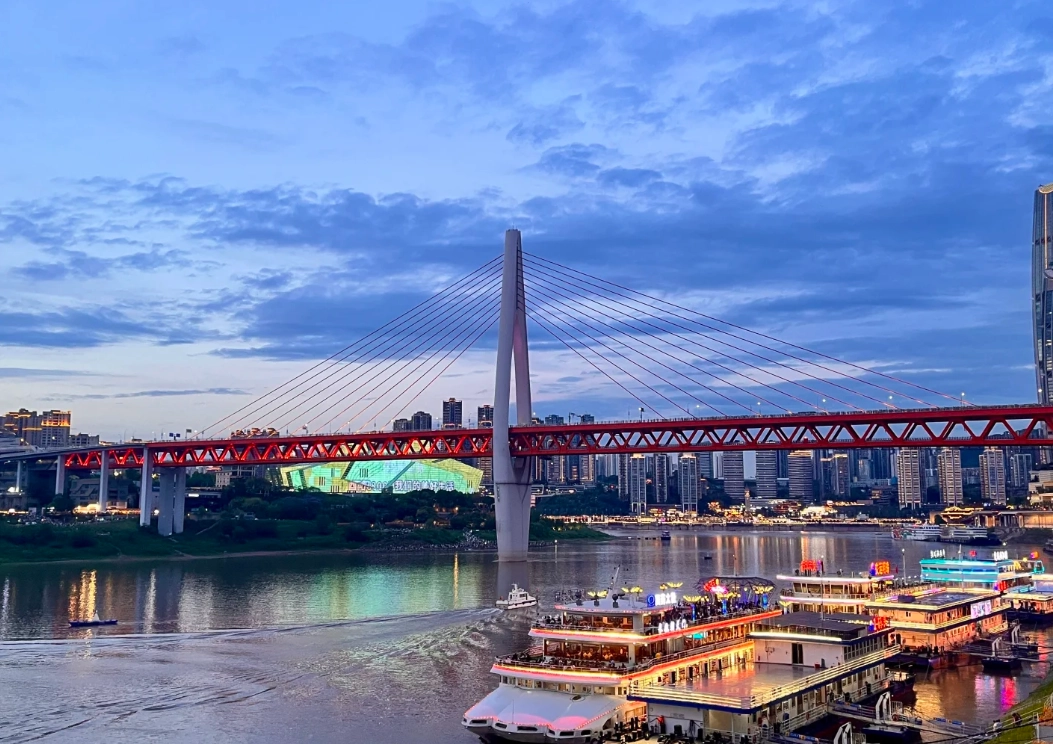
Can I use a tripod on Qiansimen Bridge?
Yes, but only on the pedestrian walkway and if it's not obstructing foot traffic. Security guards may ask you to move if it gets too crowded. I recommend a compact tabletop tripod that you can hold against the railing.
What lens is best for Hongyadong photo spots?
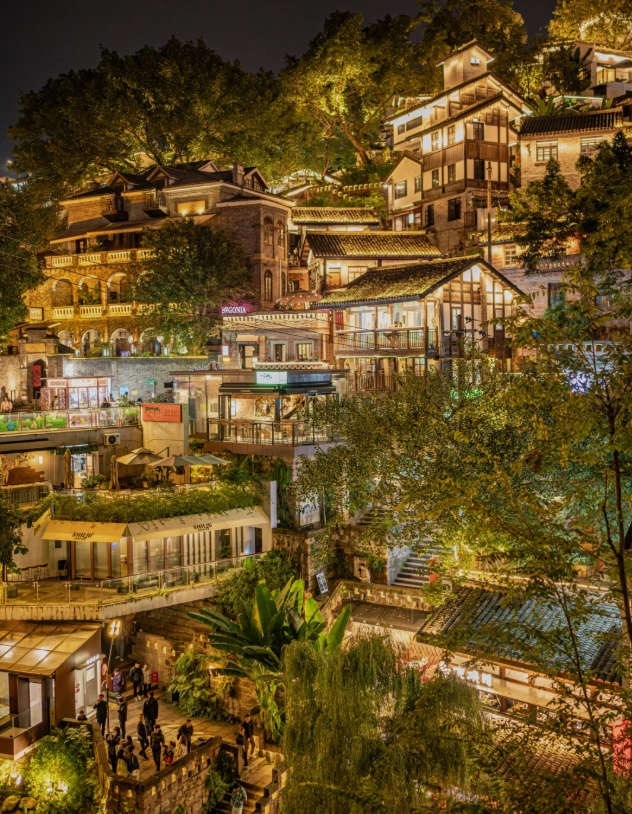
A wide-angle zoom (16-35mm) is ideal for capturing the full skyline from the bridge or opposite bank. For close-ups of architectural details in the alleys, a fast prime (35mm f/1.8) works wonders. Don't forget a polarizer to cut glare from the river.
Do I need to book a photography tour to get good shots?
Not at all — the spots I listed are publicly accessible. But if you want a local guide to help you navigate the WeChat reservations and find hidden angles, private tours are available on Klook for about 300 yuan per person.
What if my phone can't download Alipay?
That's rare, but bring some cash (RMB) in small denominations as backup. Most souvenir shops and convenience stores near Hongyadong accept international credit cards — though street food vendors usually don't. Better to get a friend to help you set up Alipay before your trip.
Recent Reviews
As someone who loves hiking and unusual landscapes, Chongqing was a dream. I took the metro to the outskirts and hiked around the old stone steps and bamboo groves — stunning. The city itself is crowded and chaotic, but in a fascinating way. The hotpot with friends after a cold rainy day was pure comfort. Every corner feels like a movie set. Easily a 5-star experience for me; I would move here if I could.
This city blew me away. I came for two days and stayed four. The food, the night views, the vibe — everything exceeded expectations. I recommend taking a night cruise on the Yangtze and Jialing rivers; seeing the skyscrapers light up while the wind hits your face is something I'll never forget. The people were so welcoming, and even the public transport felt like an adventure. Genuinely one of my favorite places in China. Can't wait to go back!
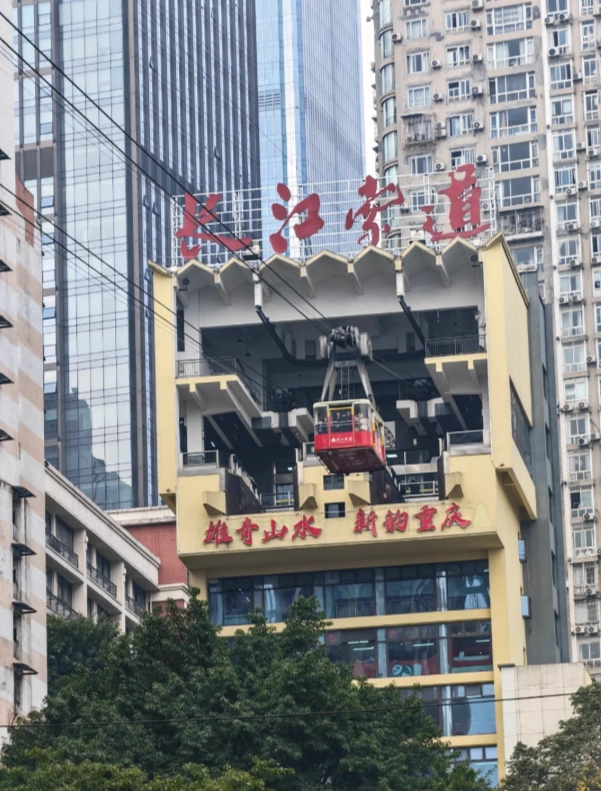
Absolutely fell in love with Chongqing! It's like nowhere else on earth. The layered streets, the elevator rides that take you to a completely different road, the glowing lights reflecting on the river at night — incredible. I took the crown cableway and just stood there grinning like a kid. The noodles at an unmarked shop near my hostel were the best $2 I've spent in China. Already planning to come back and explore more of the surrounding mountains.
Chongqing surprised me more than I expected. The Hongya Cave area at night is pure magic, even with the crowds. We did get lost trying to find the exit from a metro station — the whole city is like a maze, which was frustrating at first but part of the adventure. The hotpot was phenomenal if you ask for mild; the people were friendly and the skyline from the Yangtze River cable car is worth every yuan. Not perfect, but definitely a memorable stop.
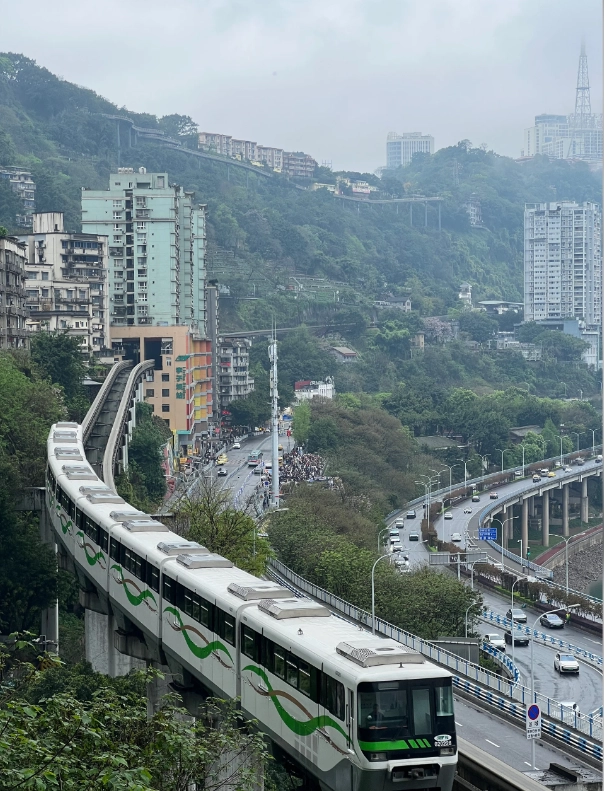
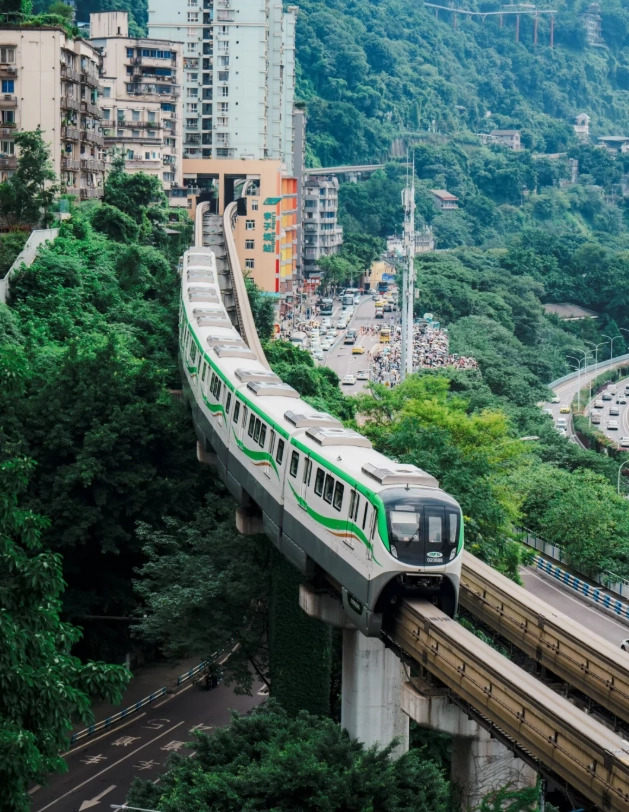
Was really looking forward to Chongqing after seeing all those crazy videos of the tram going through buildings. The city itself is insane in a good way, but honestly the weather was so foggy and damp that we couldn't see half the skyline from the viewing deck. Also, the spicy food is no joke — I love heat but my stomach was not prepared. It's a cool place, but I left feeling a bit let down because I expected more wow factor on the day I had planned.
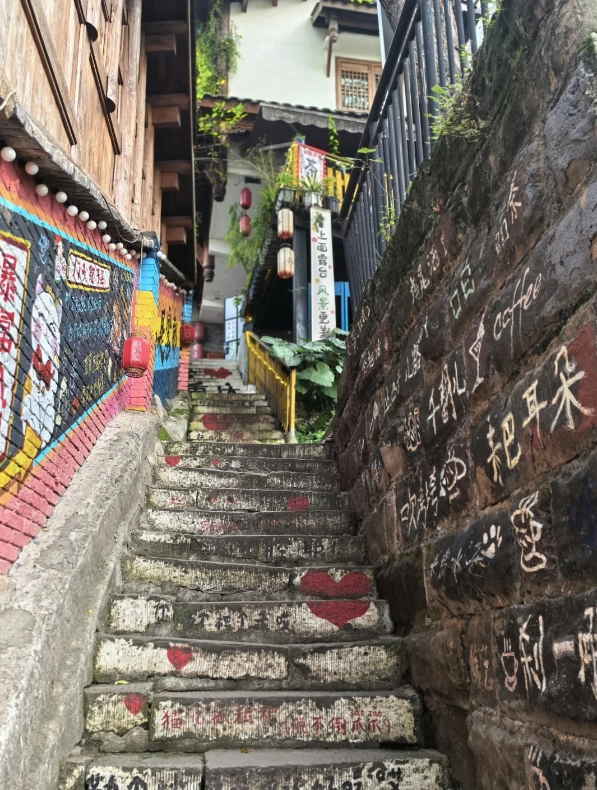
CHONGQING. Wow. I came for two days and somehow stayed for five. This city has a raw, layered beauty. I hired a guide to climb through the old city steps and alleys—we found a hidden tea house, an underground air-raid shelter-turned-museum, and a tiny street food spot that served the best spicy dumplings I've ever eaten. The city is massive and vertical, and the neon lights at night feel like a cyberpunk movie. I'm already planning to come back. Absolute must-visit in China.
Leave a Review