A province bridging the Yangtze and Huai rivers, famous for the breathtaking peaks of Mount Huangshan, ancient Hui-style villages, and deep cultural roots spanning from Cao Cao to the birthplace of tofu.
Anhui Travel FAQ
Do I need a special permit to visit Yellow Mountain as a foreigner?
No, but you must carry your passport for the ticket and hotel registration. Tourists with Chinese visas are fine, but a small area near the border might require a travel permit — check with the local police station if your itinerary includes villages near the Zhejiang border.
Are the top things to do in Anhui doable with public transport?
It's possible but time-consuming. Buses connect major towns, but rural villages like Chaji have only infrequent buses. I'd suggest a driver for a day or two — it's not as expensive as you think, and it saves your energy for sightseeing.
Can I use my international credit card to pay in Anhui?
Many hotels, restaurants, and attractions now accept international cards when you use Alipay or WeChat. But cash is still king at small stalls, and some ticket machines only take Chinese bank cards. Bring 300-500 RMB in cash for emergencies.
Is it safe to travel alone in Anhui?
Very safe — even late at night. Crime is rare, and locals are genuinely helpful. The biggest risks are getting lost on mountain trails and touts at train stations overcharging. Use a reliable navigation app like AMap Global, and avoid unofficial taxi drivers who don't use the meter.
What's the best way to get to Hongcun from Huangshan city?
The quickest route is a direct tourist bus from Huangshan North Station to Hongcun (about 1 hour, 20 RMB). Buy your ticket at the station's xidai counter, not from the drivers loitering outside. The bus drops you at Hongcun's west entrance, a 5-minute walk to the gate.
Do I need a visa to visit Anhui tourist attractions?
Yes, you'll need an entry visa unless you're from a visa-waiver country. The standard L tourist visa allows you to stay 30 days. Check the latest policy with the National Immigration Administration. Once you're in China, you can freely travel to Anhui. No special permission is needed for these attractions.
Can I use my credit card at Anhui tourist attractions?
Not reliably. Most ticket offices and vendors only accept mobile payments via Alipay or WeChat Pay. Bring a small amount of cash as backup, but for tickets, you should book online. International credit cards work on Trip.com and some hotel payments, but not at local gift shops.
How many days do I need to see the best Anhui tourist attractions?
Three to five days. With three days, you can see Huangshan, Hongcun, and Tunxi. With five, add Jiuhuashan. Avoid trying to cram everything into two days — you'll miss the magic and waste money on taxi fares.
Is it worth staying overnight on Huangshan?
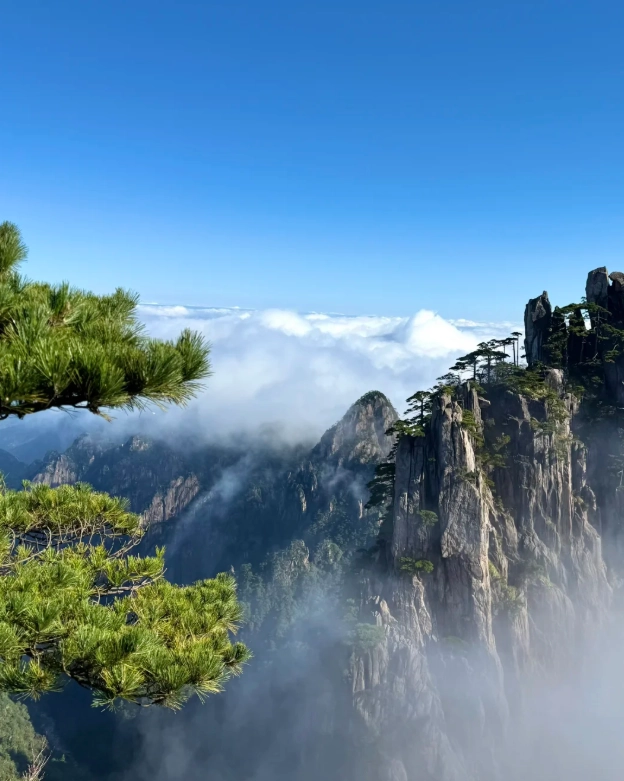
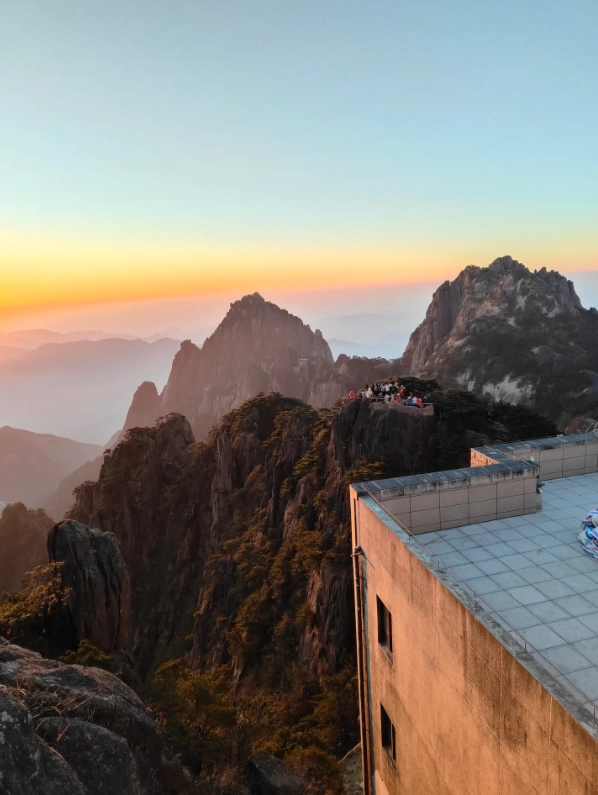
If you love epic sunrises, yes. But it costs a lot — hotels are usually 800–1,500 RMB per night. A cheaper alternative is the experience of waiting for sunset and then taking the last cable car down. I've done both. The sunrise does feel different, but the price is steep for budget travelers.
How do I book train tickets to Huangshan from other Chinese cities?
Use the official Railway 12306 app or the website. There's an English version that accepts passport numbers. Book at least one day ahead for popular routes. If you're already in China, you can also use a travel agent or your hotel to buy tickets for a 10–20 RMB commission.
Recent Reviews
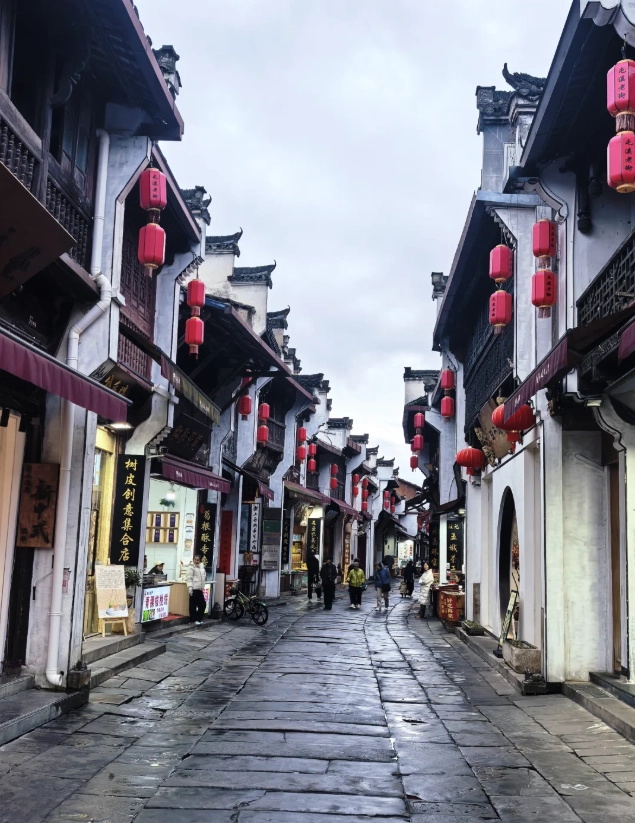
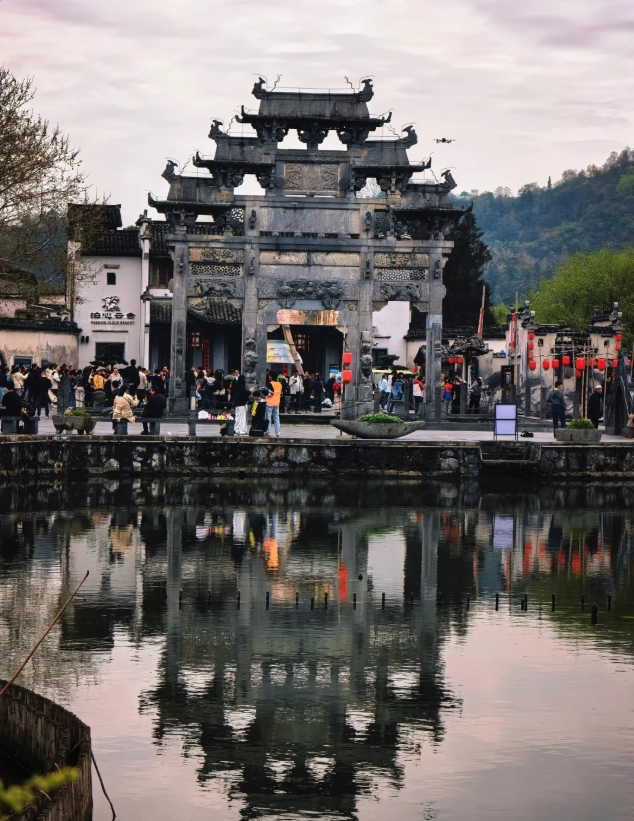
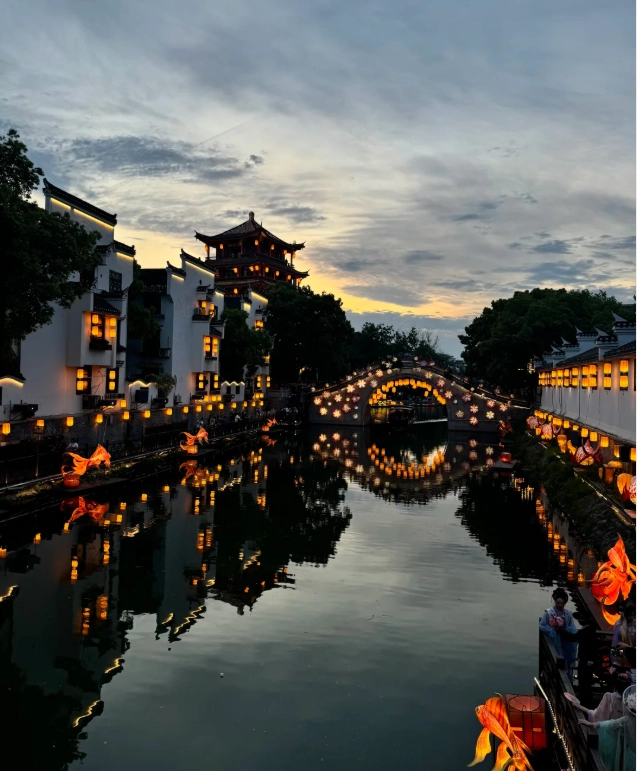
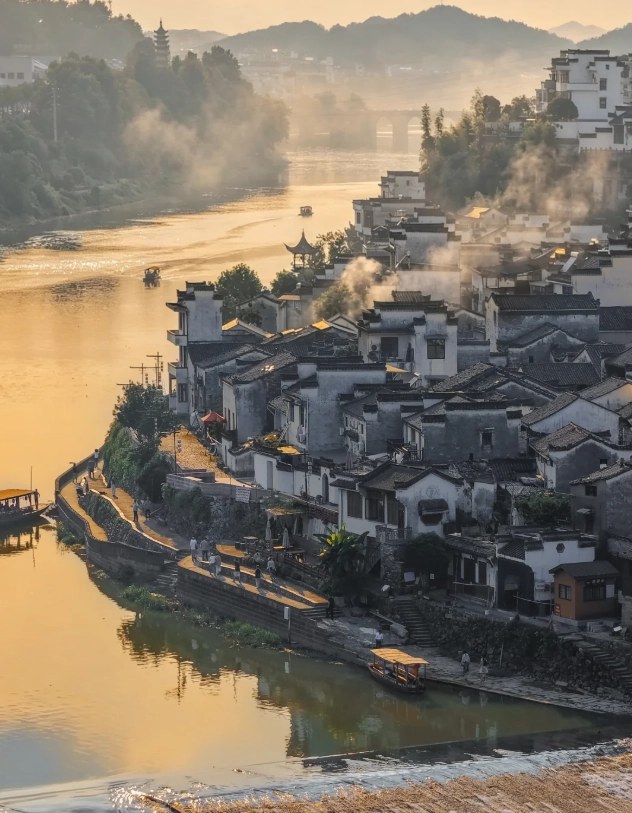
Anhui is a hidden gem that deserves more hype. I spent a week based in Tunxi, taking day trips to Xidi and the surrounding rice terraces. The weather was perfect, the street food was cheap and amazing, and the people were so welcoming. One evening I just sat by the Xin'an River watching the lights reflect on the water — pure peace. If you love history, nature, and comfort food, put Anhui on your list. Absolutely five stars.
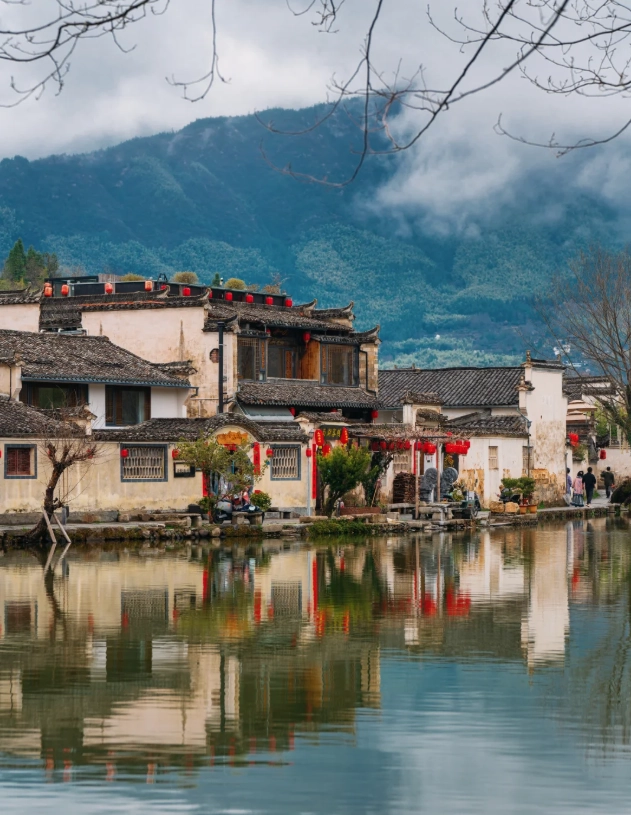
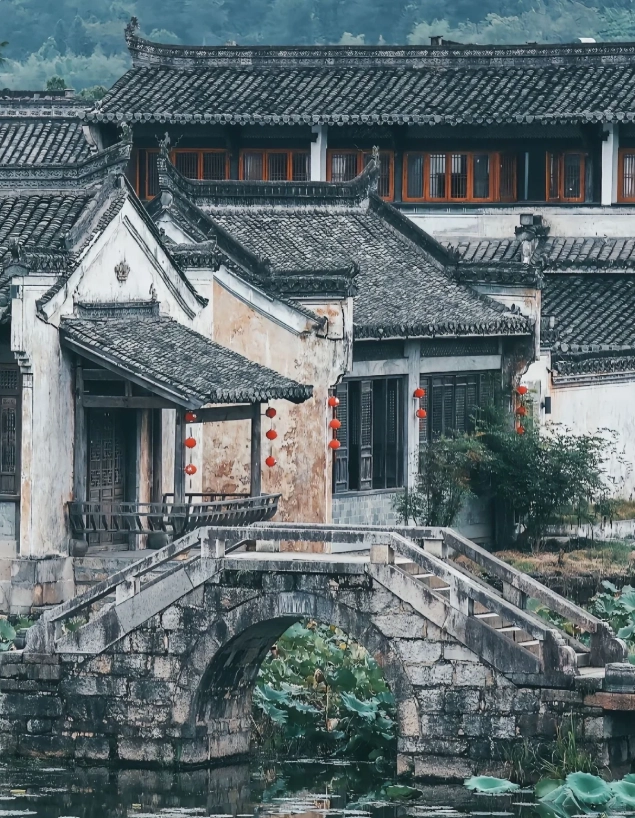
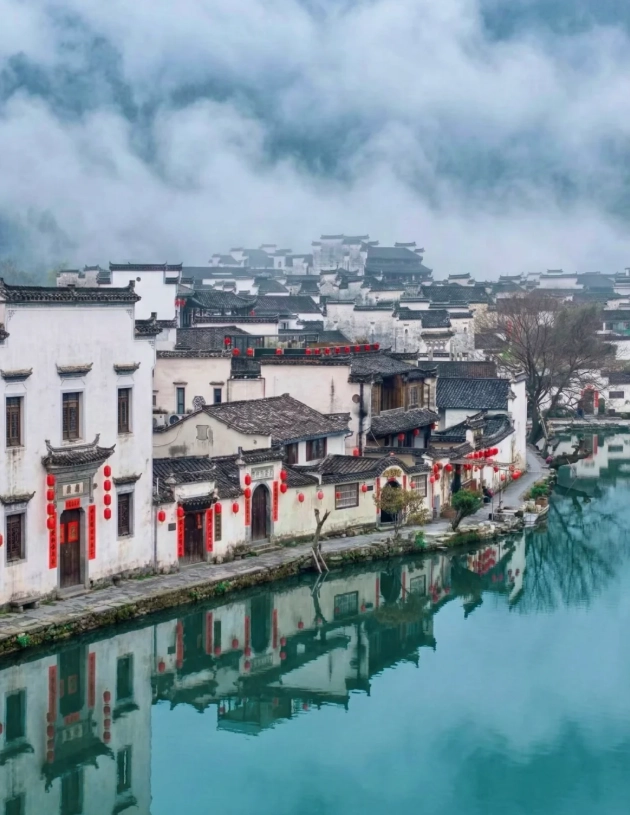
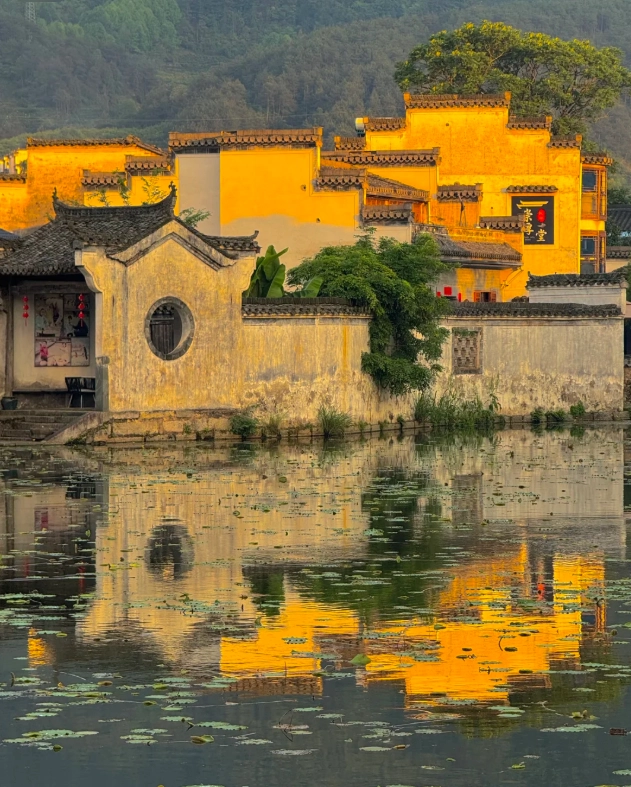
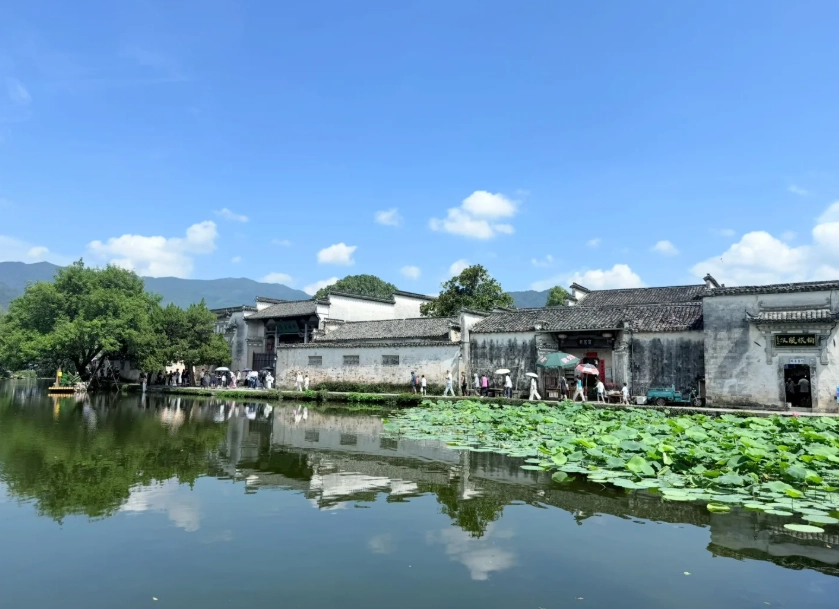
I cannot recommend Anhui enough. From the winding lanes of Hongcun to the jaw-dropping sunset over Huangshan, every moment was magical. The air smelled of pine and rain, and the local tea was some of the best I've ever had. I loved how the villages kept their old-world character despite being touristy. The transportation between cities was smooth too. This trip reminded me why I love slow travel. Ten out of ten.
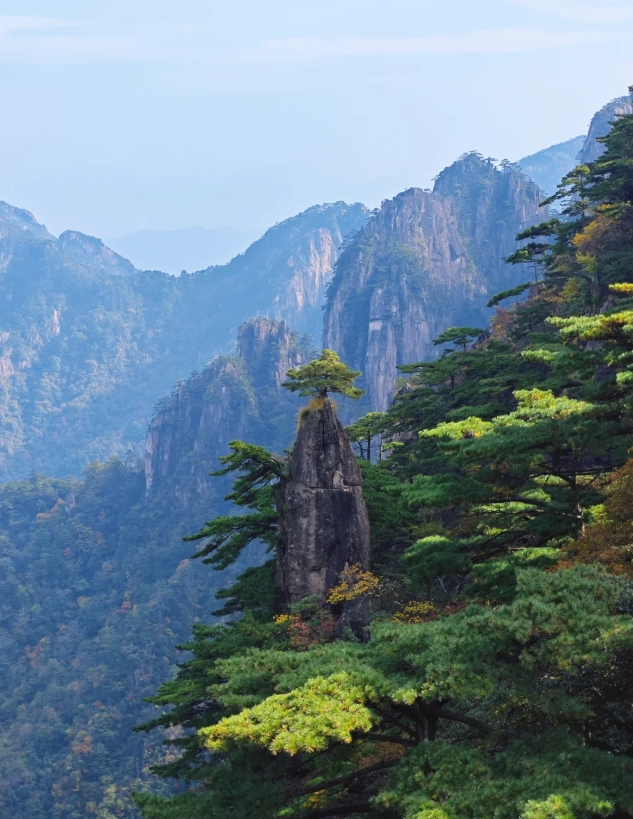
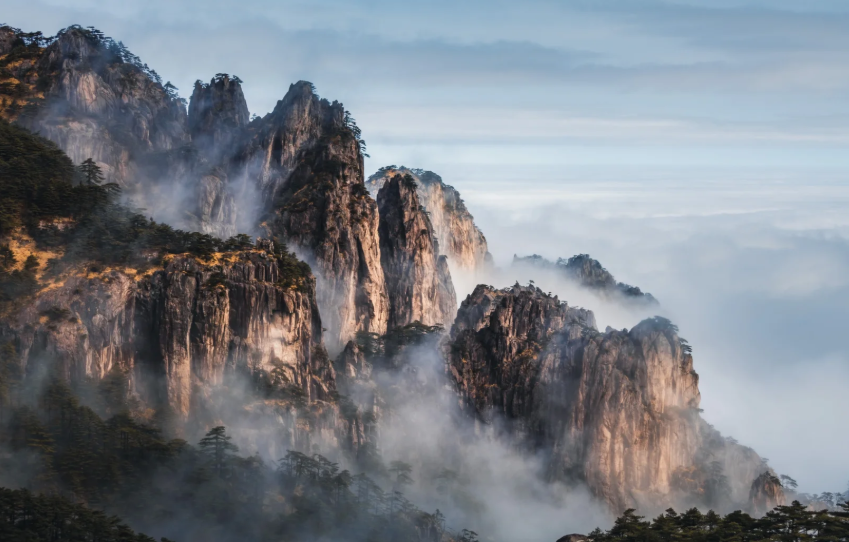
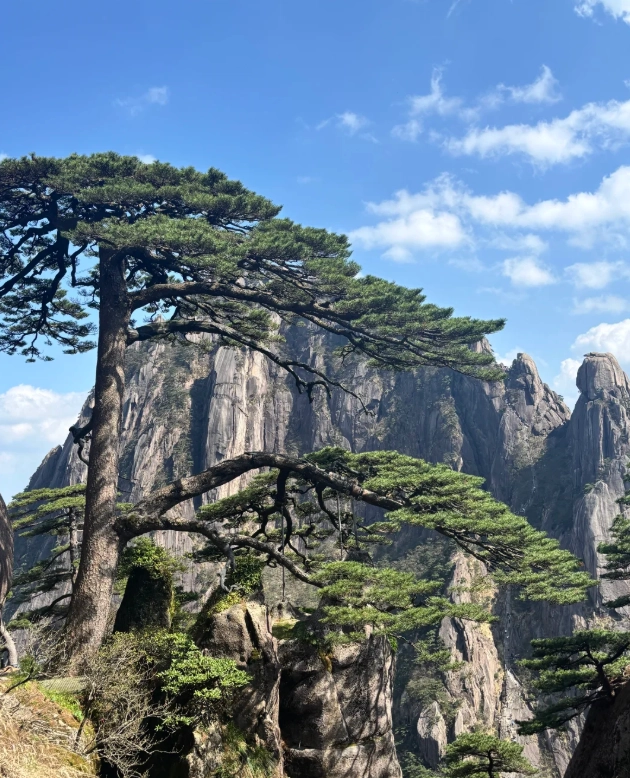
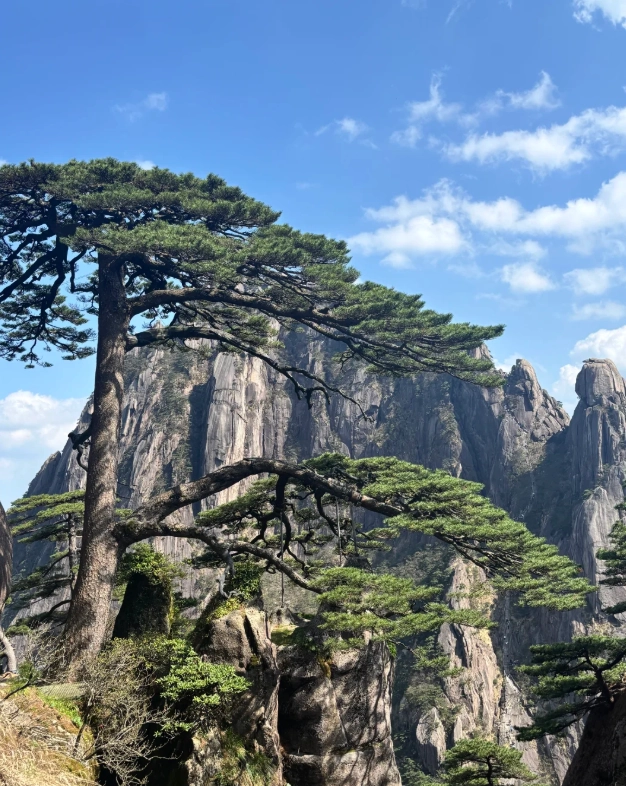
Anhui completely blew me away. I came for Huangshan and stayed for the countryside. The granite peaks, the hot springs, the misty mornings — it felt like stepping into a Chinese ink painting. Even the smaller sights like Tangmo and Chengkan were peaceful and full of charm. Every meal of bamboo shoots and river fish was delicious. I already want to go back. Genuinely one of my favorite provinces in China.
We spent five days in Anhui and saw Hongcun, Huangshan, and a small village near Shexian. The highlights were definitely the old Huizhou architecture and the sunrise from the mountain — totally worth the early wake-up. I gave it four stars because getting around between villages was harder than expected. The buses were infrequent and we ended up overpaying for taxis. Still, the food was fantastic and the locals were kind. Would recommend with some planning.
Honestly, I wanted to love Anhui more than I did. The scenery around Huangshan is beautiful, but the main mountain trails were so crowded we barely moved for an hour. The ticket prices and packed shuttle buses also felt like a lot just to wait in line. If you go, try the quieter paths or visit on a weekday. It's a good province, but my experience was a little too stressful to call great.
Had really high hopes for Huangshan but unfortunately got hit with heavy fog and rain the whole day. Could barely see ten feet ahead, let alone the famous granite peaks. The guide said it's common in spring, but still a bummer. Also, the steps were super slippery and some areas were closed. I'm sure it's amazing in good weather, but my experience was a letdown. Maybe try autumn instead.
Leave a Review