.jpeg) Dr. Xue Zhao
Dr. Xue Zhao
What's Inside This Guide
I’ve walked Pingjiang Road more times than I can count — with first-time visitors, with families dragging reluctant teenagers, and alone at 6 a.m. when the only sounds are water lapping against stone and the distant clatter of a shopkeeper opening his shutters. And every single time, I discover something I missed before.
Let me save you the trial and error. Here’s everything I wish someone had told me before my first visit.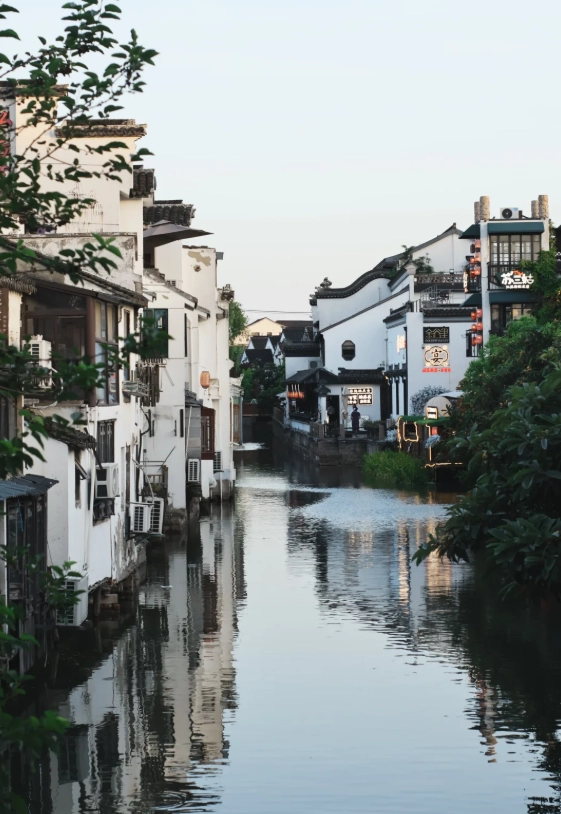
Why Pingjiang Road Stands Out Among Chinese Ancient Streets
Unlike the hyper-commercialized tourist streets you’ll find in other cities (I’m looking at you, some parts of Beijing’s Nanluoguxiang), Pingjiang Road retains a genuine residential character. Locals still live in the white-walled, black-tiled houses along the canal. Laundry hangs from second-floor windows. Grandmas sit on stools peeling lotus seeds. This is not a Disneyfied version of old Suzhou — it’s the real deal.
The road runs parallel to a narrow canal for about 1.6 kilometers. Most visitors only do the middle section, but I always recommend walking the full stretch from Ganjiang East Road in the south to the pedestrian bridge near Baita East Road in the north. The southern half is busier; the northern half is where you’ll find fewer crowds and more hidden gems.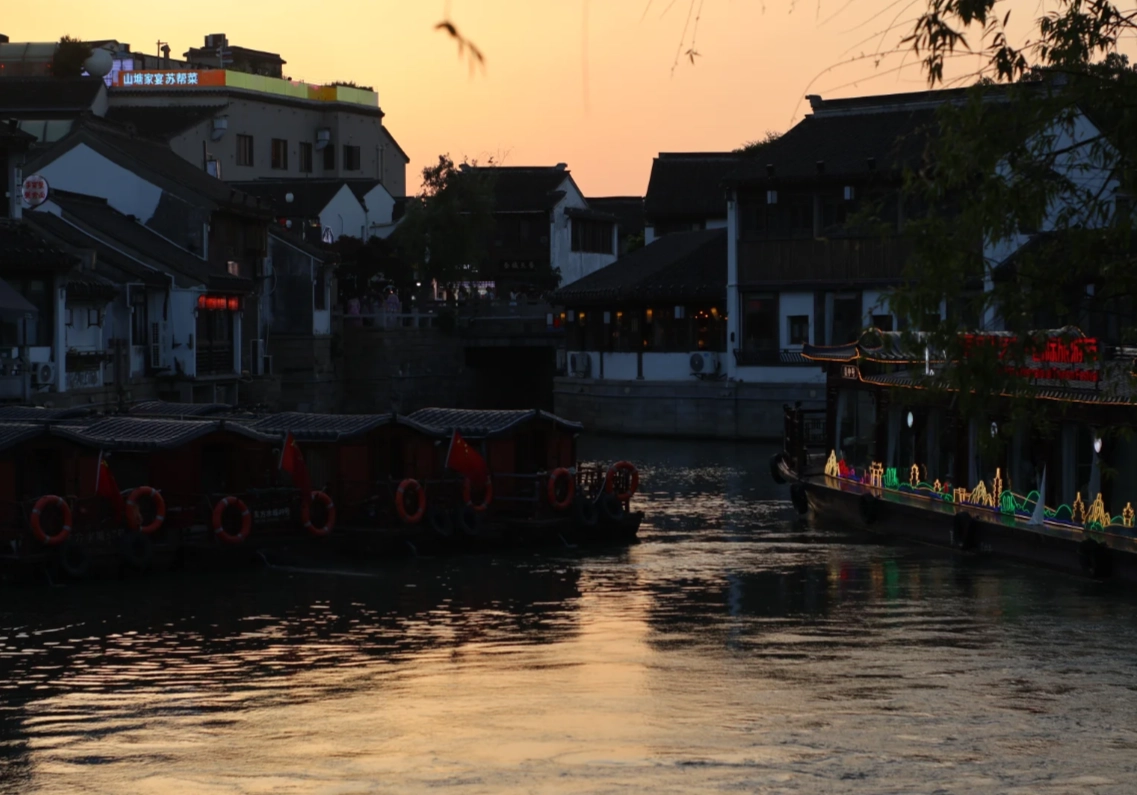
How to Get to Pingjiang Road (Subway & Taxi Tips)
Subway: Take Line 1 to Lindun Road Station. Exit from Gate 3. Walk east for about 5 minutes — you’ll cross a small bridge, and the entrance of Pingjiang Road will be on your right. If you smell roasted chestnuts, you’re on the right track.
Taxi / Didi: Tell the driver “Pingjiang Lu” or show them the Chinese characters: 平江路. From Suzhou Railway Station, it’s about 15 minutes and costs around 20 RMB (roughly $3). Avoid rush hour (5–7 p.m.) because the roads around Guanqian Street get jammed.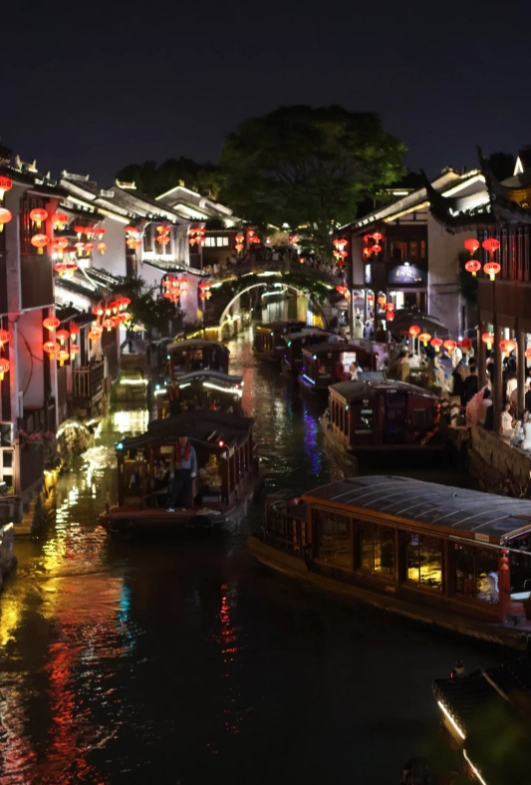
The Best Time to Walk Pingjiang Road (And When to Avoid)
Most online guides say “go in the evening.” That’s only half right. Here’s the real breakdown:
| Time Slot | Crowd Level | Best For |
|---|---|---|
| 7:00–9:00 a.m. | Very low | Photography, morning mist over canal, locals’ daily life |
| 10:00 a.m.–2:00 p.m. | High | Shopping, snacking (but hot in summer) |
| 3:00–5:00 p.m. | Moderate | Teahouses, late lunch |
| 6:00–9:00 p.m. | Peak | Night lights, people-watching, dinner |
| After 9:30 p.m. | Low again | Romantic stroll, quiet bars |
My absolute favorite time: 7 a.m. on a weekday. The shops are still closed, but the canal reflects the sky in perfect mirror. I once saw a cormorant fisherman rowing silently — something you’ll never spot during peak hours.
Also note: Pingjiang Road itself has no entrance fee. It’s an open public street. Some small museums inside charge 10–20 RMB.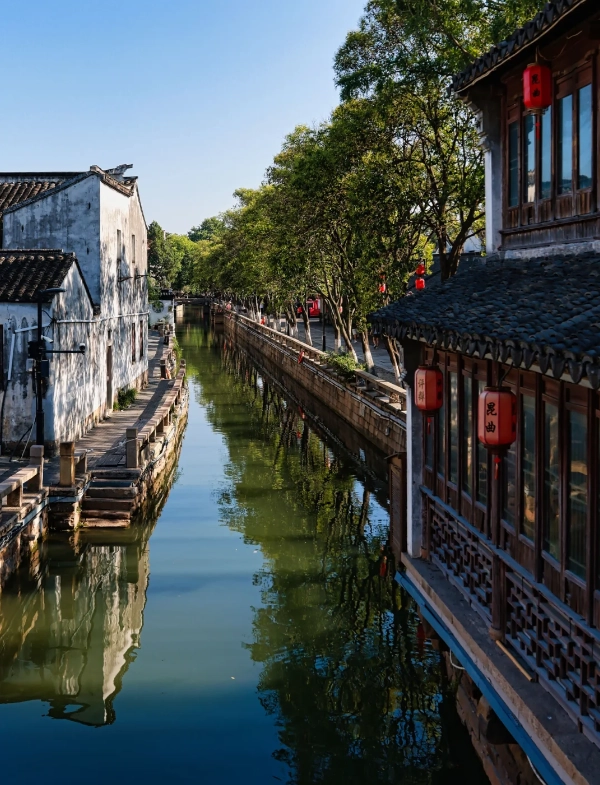
Top 5 Must-Do Experiences on Pingjiang Road
1. Wander the Stone-Paved Alley at Dawn
I know waking up early on vacation isn’t everyone’s idea of fun, but trust me — this is the one thing you shouldn’t skip. The light is soft, and you’ll see shopkeepers washing the stone steps, cats stretching on doorsteps, and elderly couples practicing tai chi by the water. It’s the soul of Suzhou without the postcard filter.
2. Sip Tea at a Canal-Side Teahouse
There are dozens of teahouses along the road, but I keep going back to Wumei Teahouse near the middle section. Grab a seat by the window, order a pot of Biluochun green tea (about 60–80 RMB per pot, enough for two), and just watch the boats glide by. They also serve a tiny plate of sunflower seeds — crack them slowly like a local.
Most teahouses open around 9:30 a.m. and close at 10 p.m. Cash is rarely accepted; Alipay or WeChat Pay is the norm. If you don’t have those, bring a Chinese friend or use a prepaid travel card.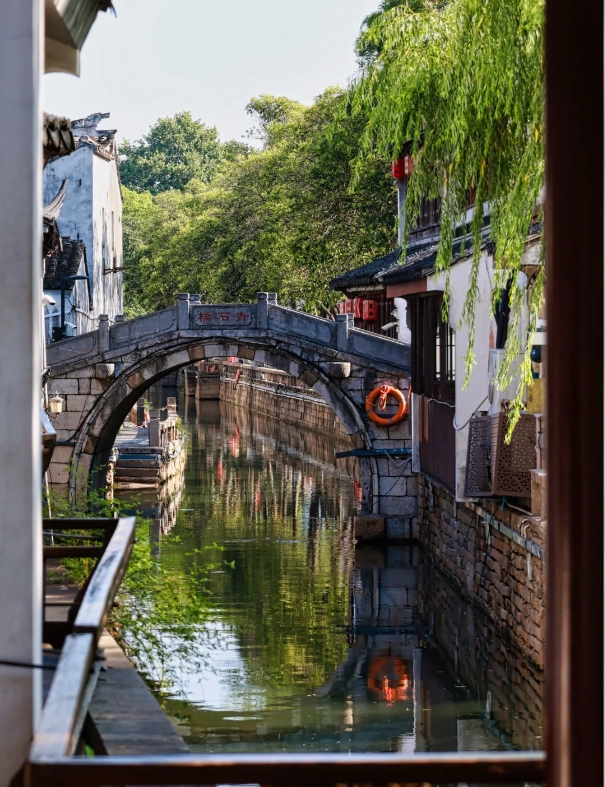
3. Taste Suzhou’s Classic Snacks (Avoid the Tourist Traps)
Food choices can be overwhelming. Here’s what I actually recommend:
- Foxy Yogurt – A small shop selling thick, creamy yogurt in cute glass jars. The original flavor is tangy and not too sweet. About 15 RMB.
- Garden Style Steamed Buns – Right at the intersection with Xiao Alley. Their pork buns are legendary among locals. Get there before 10 a.m. or they sell out.
- Pingjiang Lu Tang Chao – A stir-fry stall near the north end. Nothing fancy, but the chef uses a secret soy sauce blend that makes it addictive.
Skip the skewers of “stinky tofu” sold at the main entrance — they’re overpriced and mediocre. Walk 50 meters inside and look for a tiny stall with a long queue of locals; that’s where the real stuff is.
4. Discover Hidden Courtyards and Museums
Most tourists walk the entire road in 40 minutes and leave. Don’t. Duck into the side alleys — that’s where the magic hides.
Kunqu Museum – Located inside a restored mansion at No. 14 Zhongzhangjia Alley (a 3-minute detour). Admission is 20 RMB. The museum exhibits costumes and instruments, but the real highlight is the small performance stage where you might catch a rehearsal if you’re lucky. I once stumbled into an impromptu aria by an old master — spine-tingling.
Su Zhou Pingtan Museum – Right next to the Kunqu Museum. Pingtan is Suzhou’s storytelling tradition with music. Entry is free. The museum itself is tiny, but they often hold performances in the afternoon (check the schedule board).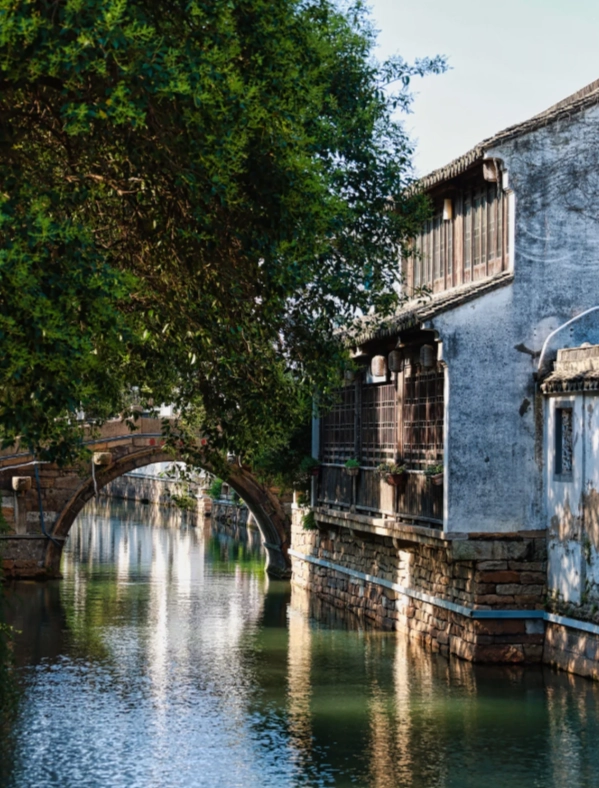
5. Capture the Golden Hour Light
Photography nerds, listen up. The best light for photos is from 3:30 to 4:30 p.m. in autumn/winter, and from 4:30 to 5:30 p.m. in spring/summer. The sun casts warm rays diagonally across the canal, making the white walls glow. Position yourself at the small stone bridge near the central square — you’ll get the iconic shot of a gondola passing under the bridge with willow branches framing the top.
Where to Eat on Pingjiang Road (Local Recommendations)
For a proper sit-down meal, skip the restaurants directly on the main street — they’re overpriced and bland. Instead, walk one block west to Guanqian Street, which runs parallel to Pingjiang Road. That’s where locals eat.
| Restaurant | Specialty | Avg. Price per Person |
|---|---|---|
| De Yue Lou | Squirrel-shaped Mandarin fish | 120–180 RMB |
| Song He Lou | Sweet-and-sour spare ribs | 100–150 RMB |
| Guan Qian Street Small Eats | Pan-fried dumplings, sticky rice rolls | 20–40 RMB |
Most of these places open from 11 a.m. to 9 p.m. and accept major credit cards (Visa/Mastercard for larger bills) as well as mobile payments. English menus are available at the bigger chain restaurants but not always at the hole-in-the-wall places. Pointing at pictures works fine.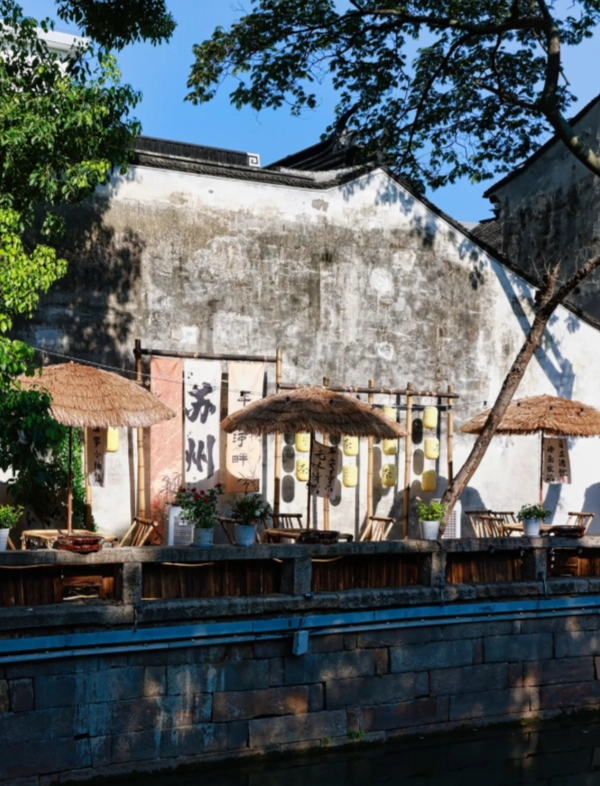
What to Buy: Souvenirs and Local Crafts
Pingjiang Road is lined with shops selling the same silk scarves and wooden combs. Instead, head to Embroidery Research Institute at No. 262. They sell authentic Suzhou embroidery — silk thread so fine you can see both sides of the fabric. A small framed piece costs around 200–500 RMB. Much better quality than the machine-made stuff on the main drag.
For something unique, look for hand-painted folding fans from a tiny shop called Mo Yun Xuan near the north exit. The artist paints miniature landscapes on the spot while you wait. I bought a fan three years ago and it still draws compliments.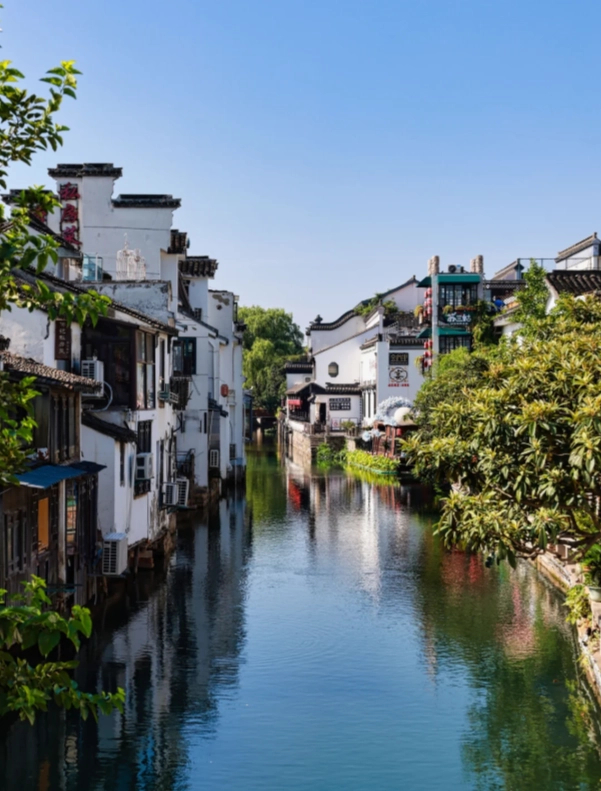
Where to Stay Near Pingjiang Road
If you want to be steps away from the action, these are my top picks:
| Hotel Name | Style | Price Range (per night) | Proximity |
|---|---|---|---|
| Pan Pacific Suzhou | 5-star, garden setting | 600–1200 RMB | 10-min walk south |
| Pingjiang Lodge | Boutique, Ming-dynasty style | 400–800 RMB | On the road itself |
| Home Inn (Guanqian Street) | Budget chain, reliable wifi | 200–350 RMB | 5-min walk west |
The Pingjiang Lodge is my go-to recommendation for friends. It’s a restored courtyard house with exposed wooden beams and a tiny garden. The front desk speaks basic English, and they offer luggage storage. Note: the walls are thin, so ask for a room away from the street if you’re a light sleeper.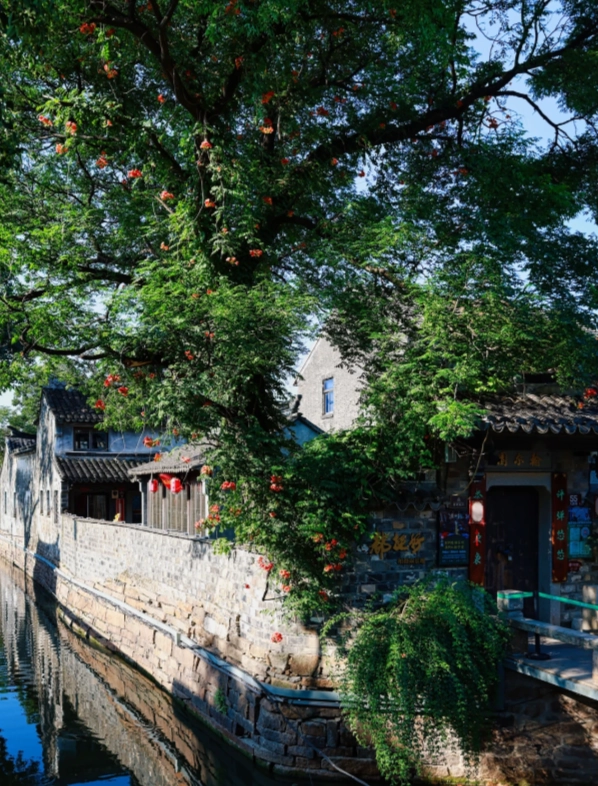
Frequently Asked Questions about Pingjiang Road
Verified and fact-checked by the editorial team. Prices and policies may change; please confirm official sources before your visit.
Subject: Pingjiang Road – Vegetarian Dining & Autumn Foliage (December 1–3, 2026)
Dear Traveller,
Thank you for your inquiry. Please find below a brief summary of the information you requested.
1. Vegetarian Dining at or Near Pingjiang Road
Yes, there are vegetarian options nearby. I would recommend:
Eight Treasures Handmade Dumplings – a small vegan eatery tucked in a lane off Pingjiang Road, serving plant‑based dumplings, noodle soups, and spring rolls.
Da Shu Wu Jie – a more refined vegetarian restaurant located directly across from Pingjiang Road, offering artistically presented dishes.
Additionally, street vendors along Pingjiang Road sell various plant‑based snacks (osmanthus cakes, rice desserts), though you may wish to confirm that no lard is used.
2. Red Maple Leaves in Suzhou – Timing
Yes, your travel dates fall within the prime viewing period, which generally runs from mid‑November to early December. You will be able to enjoy vibrant autumn colours.
For the best maple views, I would suggest Tianping Mountain (renowned for its five‑colour maples) or the classical gardens such as the Humble Administrator's Garden and Lingering Garden, where maples are beautifully framed by traditional architecture.
I hope this concise overview is helpful. Should you require further details, please do not hesitate to ask.
Hi, I’m planning to visit Pingjiang Road from December 1–3, 2026.
1. May I know are there any vegetarian dining options at or near Pingjiang Road?
2. Will I be able to see red maple leaves in Suzhou around that time?
Thanks!