 Tao Xu
📌 Quick Navigator
- When to Go (and When to Absolutely Not)
- Tickets & Booking – Don't Show Up Empty-Handed
- Getting There: Subway, Taxi & the Wrong Turn
- Best Walking Route Inside the Garden
- Hidden Corners Most Tourists Miss
- Photo Tips: When & Where to Snap
- What to Do Nearby After You Exit
- FAQ – Things I Wish Someone Told Me
I've led over 200 groups into the Humble Administrator's Garden, and I still remember my first time: I walked in expecting serenity, but got shoved by a selfie stick within five minutes. That was a Tuesday at 10 AM. Since then, I've learned the tricks. This garden is one of China's four finest classical gardens – a UNESCO World Heritage site since 1997 – but visiting it badly can ruin the magic. In this guide, I'll tell you exactly how to visit with insider timing, dodge the crowds, and get the most out of your yuan.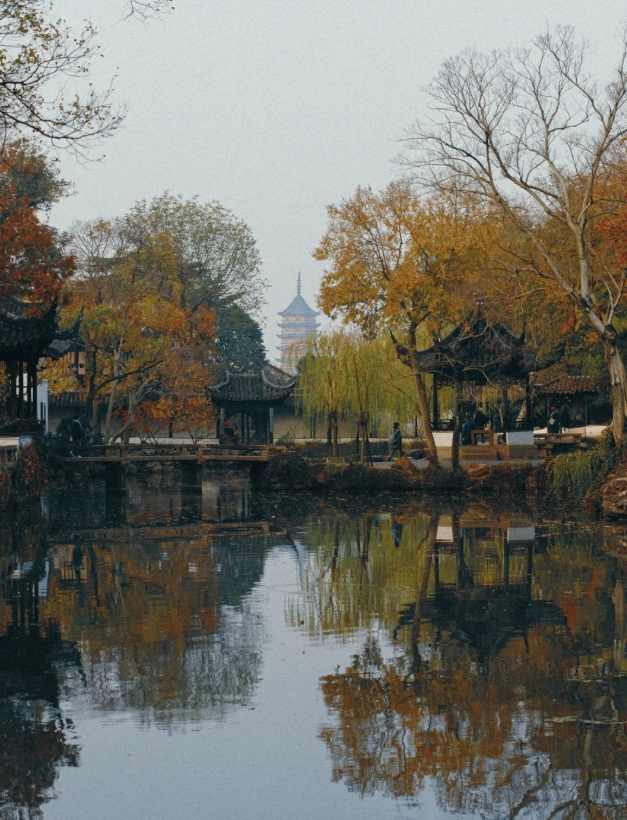
When to Go (and When to Absolutely Not)
Most tourists show up between 10 AM and 2 PM. Big mistake. The garden is relatively small (about 5.2 hectares), and tour groups flood in after 9:30 AM. Here's my rule of thumb:
- Best time: Get in right at opening (7:30 AM in peak season, 7:30–17:00; off-season closes at 16:30). The light is soft, the air is cool, and you'll have the lotus pond almost to yourself until 8:30 AM.
- Second best: 3:30 PM onwards. The groups are leaving for their next stop, and the late afternoon sun makes the whitewashed walls glow amber.
- Worst time: National holidays (May Day, October 1st week, Chinese New Year). I've seen queues snaking around the block. If your dates are fixed, still go – but be prepared for a shuffle.
Tickets & Booking – Don't Show Up Empty-Handed
The garden uses a real-name booking system now – no ticket booth sales for same-day visits. You must book online, and your passport number is required. I've seen too many tourists turned away at the gate because they thought they could buy on the spot. Here's the current ticket info (verified as of this writing):
| Category | Price (CNY) | Notes |
|---|---|---|
| Adult (peak season: Apr–Oct) | 80 | Includes all areas |
| Adult (off season: Nov–Mar) | 70 | Same garden, fewer flowers |
| Child (1.2–1.4 m tall) | 40 | Must be accompanied |
| Child (under 1.2 m) | Free | No ticket needed but reservation still required |
| Senior (60+) | Half price (40/35) | Show passport with birth date |
How to book: Use the official WeChat mini-program called “苏州园林旅游” (Suzhou Gardens Tour). Yes, it's in Chinese, but you can ask your hotel concierge or a friend to help. Alternatively, third-party sites like Trip.com (formerly Ctrip) sell tickets with a small markup – convenient if you can't navigate WeChat. The garden also accepts a limited number of walk-in spots for seniors who can't book online? I recommend having a local contact help you if you're not tech-savvy.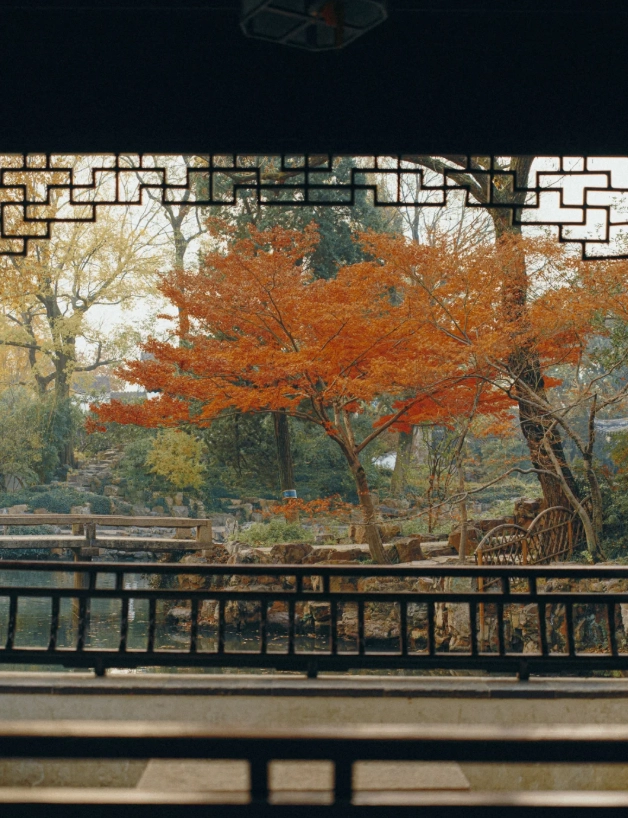
Getting There: Subway, Taxi & the Wrong Turn
The garden is at 178 Dongbei Street, in the historical center of Suzhou. Navigating there isn't hard, but I've seen people get lost near the Pingjiang Road area. Here's the breakdown:
- Subway (best): Take Line 1 to Beisi Pagoda Station (north exit, Exit 5). Walk east for about 10 minutes along Dongbei Street – you'll pass a small canal and a bunch of silk shops. The garden entrance is on your left. Total subway time from Suzhou Station: 20 minutes.
- Taxi: From the train station, a taxi costs about 15–20 RMB (10–15 minutes if no traffic). Show the driver “拙政园” (zhuō zhèng yuán). If they try to take you to a “silk museum” first, politely refuse – those are commission traps.
- Bus: Take bus 40, 55, 178, 202, or 309 to Beisi Pagoda stop. Then walk 5 minutes east. But honestly, the subway is faster and less confusing.
Best Walking Route Inside the Garden
The garden is divided into three main sections: East, Central, and West. Most visitors wander aimlessly and miss the connection. Here's my efficient loop that hits all highlights without backtracking: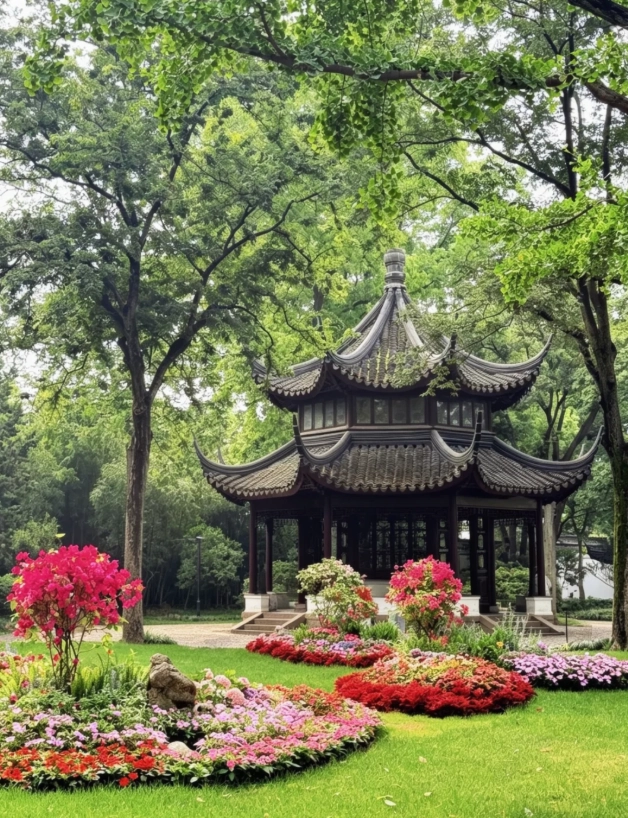
Start in the East Section
Enter through the main gate, and immediately head left to the Lucent Pavilion. Pause here – the reflection of the pavilion in the water is a classic shot. Then walk south along the covered corridor to the Pavilion of Floating Green. Don't rush; the rockery here is designed to look like mountains from a distance.
Move to the Central Section (The Heart)
Cross the small bridge over the lotus pond. This is the core of the garden – a large lake with islands and pavilions. Walk counterclockwise around the lake. Stop at the Pavilion of Fragrant Snow for a panoramic view of the water. There's a small bridge to the island in the middle – I always cross it because it feels like stepping into a painting.
End in the West Section
Walk through the covered corridor to the west side. Here you'll find the 36-Mandarin-Duck Pavilion – a two-story building with beautiful stained glass windows (yes, real 19th-century imported glass). Most people skip the upstairs, but the view from the top is worth the narrow stairs. From there, exit via the west gate, which leads directly to Lion Grove Garden if you want a second garden.
Total time for a relaxed tour: 1.5 to 2 hours. If you're on a schedule, 1 hour is enough for the highlights, but you'll miss the hidden corners.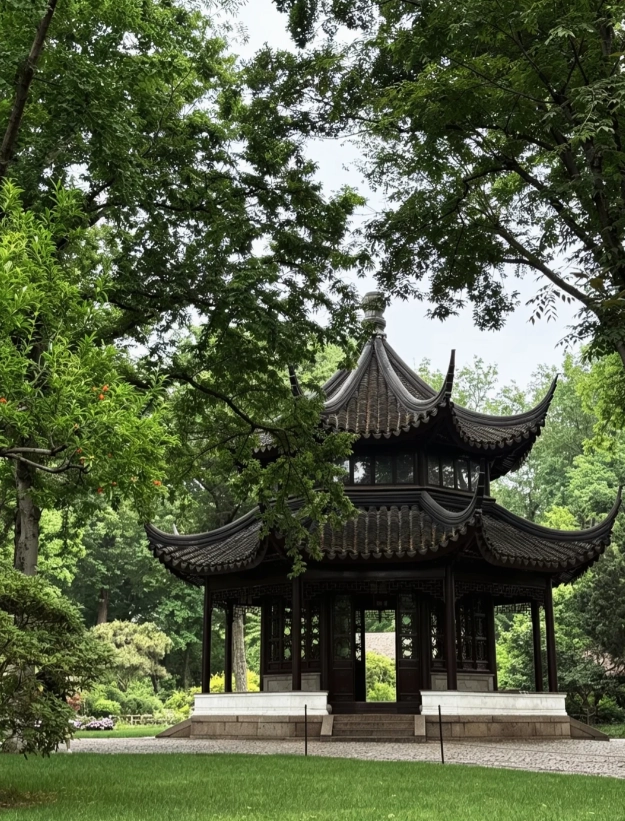
Hidden Corners Most Tourists Miss
After dozens of visits, I've found a few secrets that even some guides don't mention:
- The Bamboo Grove behind the East Pavilion: Tucked away behind the Lucent Pavilion, there's a tiny path lined with purple bamboo. It's almost always empty. Perfect for a quiet moment.
- The Calligraphy Carvings on the Covered Corridor: Above eye level, there are stone tablets with poems from the Ming dynasty. Most people look at the pond, but look up! The carving techniques are exquisite.
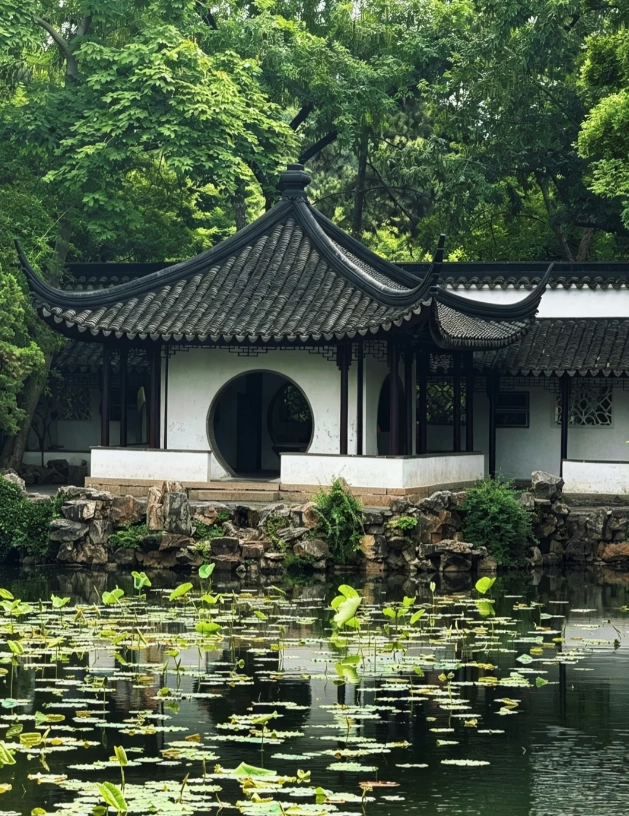
- The Moon Gate in the West Section: Near the exit, there's a circular gate framing a miniature rock garden. If you shoot through it, you get a perfect frame-within-frame photo.
Photo Tips: When & Where to Snap
I'm not a professional photographer, but I've learned what works. The garden faces east-west, so morning light (before 9 AM) lights up the west section beautifully, and afternoon light (after 3 PM) illuminates the east section. Avoid midday – harsh shadows and overexposure.
- Best spot for reflection photos: The lotus pond near the Pavilion of Floating Green. Stand on the east bank and wait for the water to be still – early morning or late afternoon.
- Best framing: Use the moon windows (circular openings) as frames. There's one at the entrance of the central section that frames a rockery perfectly.
- Crowd-free shots: Point your camera upward. The intricate rooftops and flying eaves are often overlooked.
What to Do Nearby After You Exit
The garden sits in a golden triangle of Suzhou's old town. From the main gate, walk east 3 minutes to Pingjiang Road – a historic street with canals, tea houses, and local snacks. I always recommend the Pan-fried Buns from a tiny shop at 142 Pingjiang Road (about 10 RMB for 4). Also, the Lion Grove Garden is a 5-minute walk west, and Suzhou Museum (designed by I.M. Pei) is right across the street – both worth a visit if you have half a day.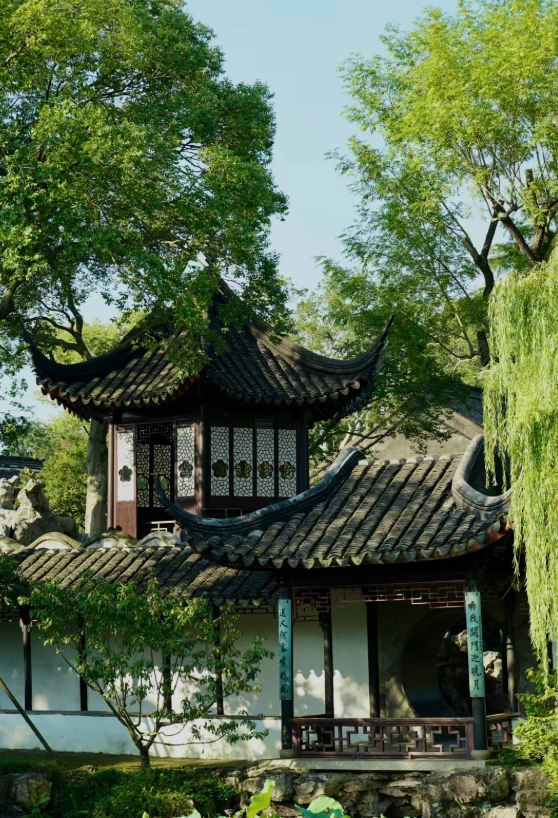
No comments yet.