 Bo Wu
Bo Wu
Let me start with a confession: I’ve been dragging tourists through Suzhou’s gardens for over a decade, and Humble Administrator’s Garden is the one that leaves visitors both awestruck and exhausted. It’s the biggest, the most famous, and the most crowded garden in Suzhou. But is it actually worth the hype? Short answer: yes, but only if you go smart. Most travelers miss the magic because they show up at the wrong hour or stick to the main path. In this guide, I’ll tell you exactly how to experience it like a local who doesn’t want to elbow through a sea of selfie sticks.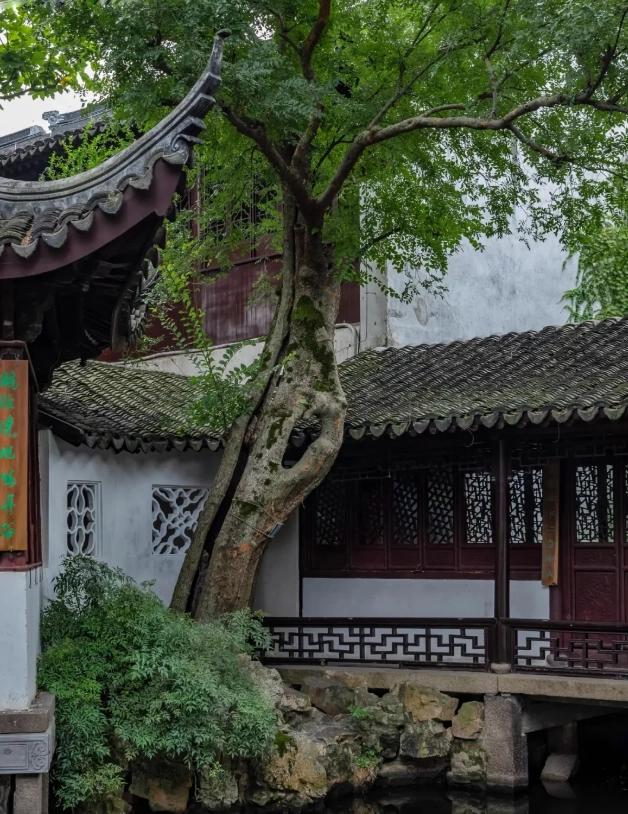
First Impressions: More Than a Garden
Walking through that stone gate on Northeast Street, the first thing that hits you is the scale. This is a 5.2-hectare maze of pavilions, ponds, and zigzagging corridors. No wonder it’s a UNESCO World Heritage site. But don’t expect a quiet Zen retreat – expect a buzzing historical theme park. My first time, I felt overwhelmed. Where do I even start?
The garden dates back to the Ming Dynasty, designed by a retired government official who wanted a “humble” life. Spoiler: nothing about this place is humble. It’s a masterpiece of borrowed scenery – you’ll see windows framing the distant North Temple Pagoda, making it look like part of the garden. Clever.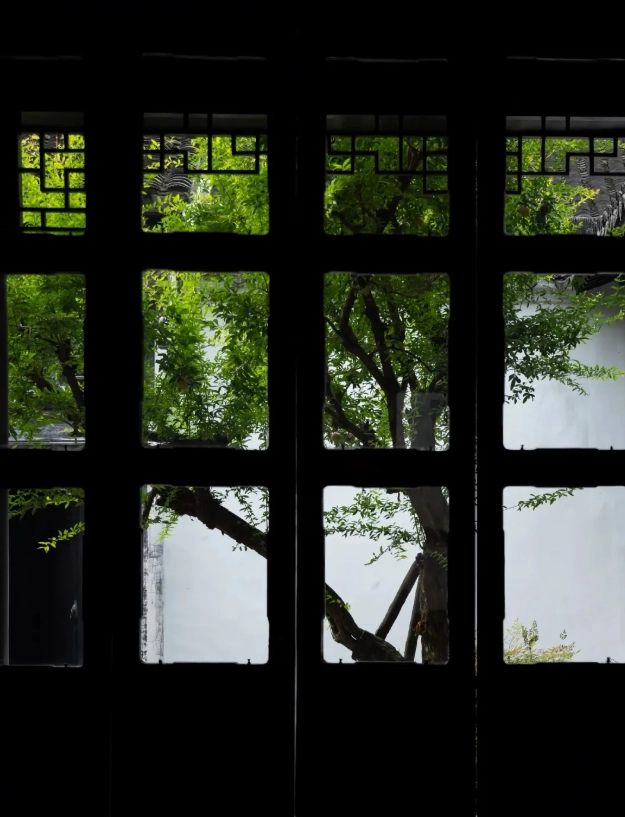
How to Get There and Dodge the Crowds
Getting There
Address: 178 Northeast Street, Gusu District, Suzhou.
Take Metro Line 4 to Beisi Pagoda Station, exit from Gate 4. Walk east along Renmin Road, then turn right onto Northeast Street. You’ll smell roasted chestnuts from a street vendor – that’s your cue. It’s about a 10-minute walk. If you’re lazy, a taxi from Suzhou city center costs around 15-20 RMB.
Best Time to Visit
Most blogs scream “GO AT OPENING TIME – 7:30 AM!” I call BS. In peak season (March-November), tour buses start arriving at 8:00. By 9 AM, you’re in a human river. My insider trick? Come at 3 PM on a weekday. The tour groups clear out by 2 PM for lunch, and the afternoon light makes the lotus pond glow. Plus, fewer people means you can actually hear water dripping from the eaves. On rainy days, the garden empties out – but the misty atmosphere is pure poetry. Bring an umbrella, and you’ll have the place almost to yourself.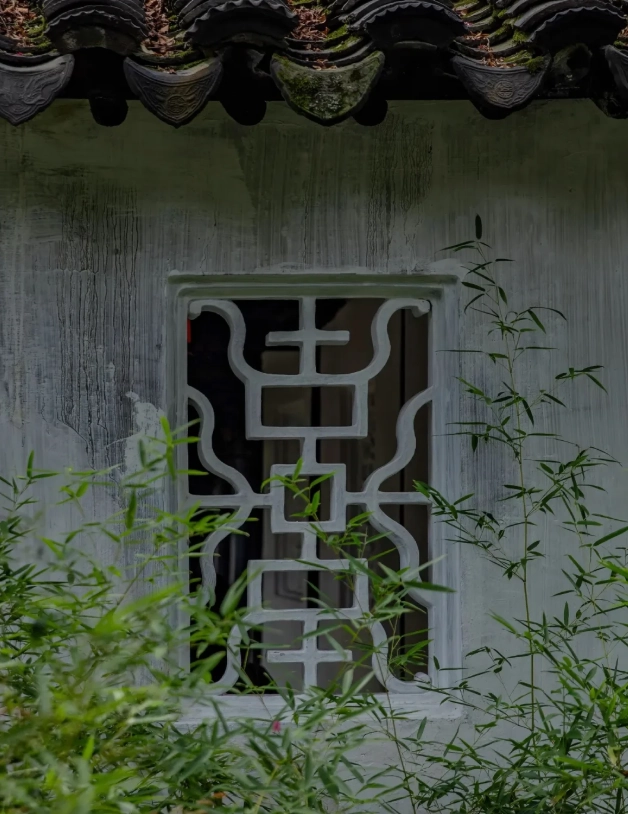
Ticket Prices and Booking Tips
| Category | Price (RMB) | Notes |
|---|---|---|
| Adult (Apr-Oct) | 80 | Peak season – book in advance |
| Adult (Nov-Mar) | 70 | Off-season, still crowded on weekends |
| Student (with ID) | 40 | Half price for full-time students |
| Senior (60+) | 40 | Requires Chinese ID; foreign seniors check at gate |
| Free | 0 | Children under 6 or under 1.2m; disabled visitors |
Prices fluctuate a bit each year, so always check the official WeChat mini-program for real-time rates. You can also scan the QR code at the entrance to buy tickets on the spot, but during Chinese holidays like National Day (Oct 1-7), it sells out. I’ve seen too many disappointed families – don’t be one. Book at least 2 days ahead via WeChat or Trip.com.
Opening hours: 7:30 AM – 5:30 PM (last entry 4:30 PM). In winter (Nov-Feb), they sometimes close at 5:00. Double-check the mini-program.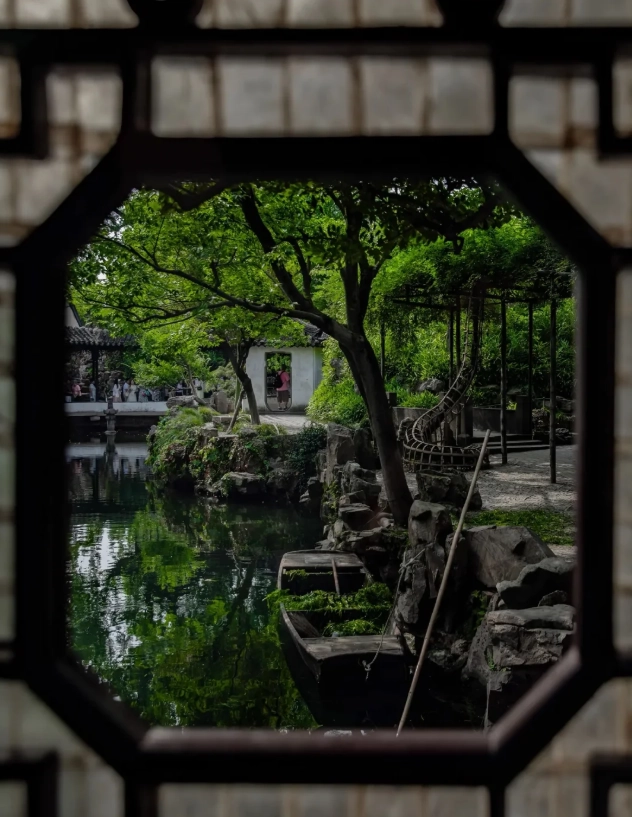
What to See: A Self-Guided Walk
Most people follow the crowd and miss the best spots. Here’s my recommended route, built from years of trial and error.
The Eastern Garden – Start Calm
Enter from the east gate (yes, use the east gate – less traffic). You’ll see the Fragrant Snow Pavilion overlooking a pond. Take a deep breath. This part is open and relaxing. Snap a photo here before the chaos.
The Central Garden – The Heart of the Show
This is where everyone goes. The Xiangzhou, a stone boat in the pond, is the iconic shot. I always tell my guests: “Stand on the east side of the boat, not the west – that’s where tour groups are.” The Small Flying Rainbow, a covered bridge, creates beautiful reflections around 4 PM. Wait for the light.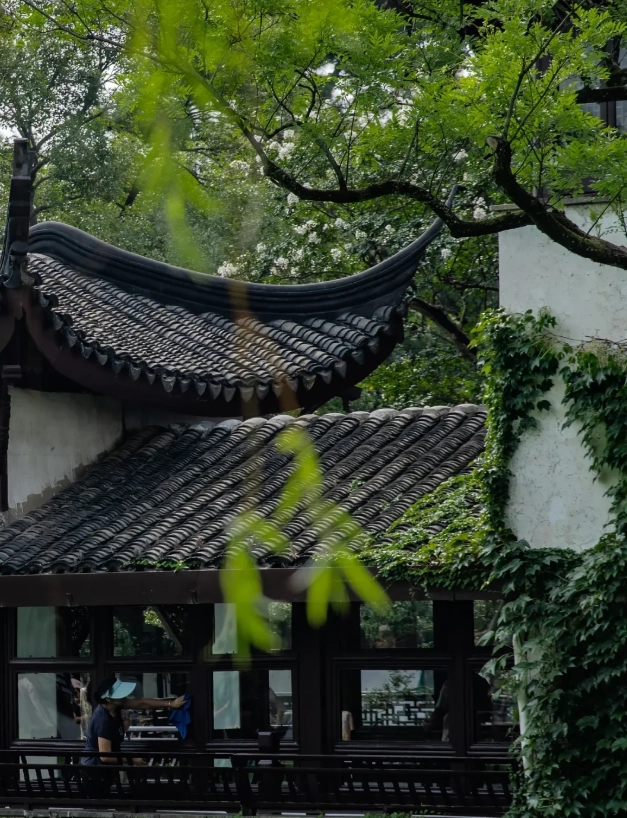
The Western Garden – The Hidden Gem
90% of tourists skip this part because they’re tired. Don’t. The Mandarin Duck Hall has a double roof and blue glass windows – a 19th-century architectural marvel. Inside, the floor is made of ceramic tiles imported from Italy. I once had a retired architect spend 30 minutes here just staring at the beams. It’s quieter, cooler, and way more personal.
Allow at least 2.5 hours for a relaxed tour. If you’re in a rush, focus on the central and western sections.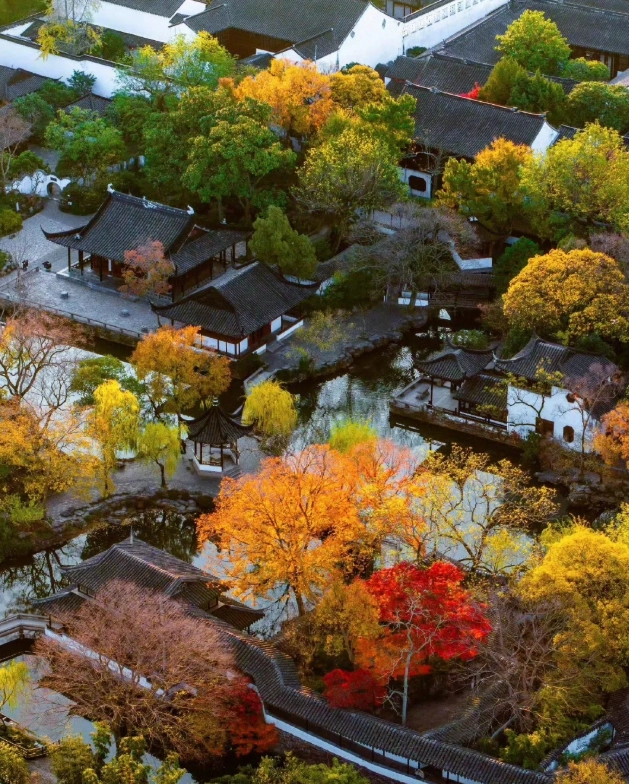
Is It Worth the Trip? Pros and Cons
Let’s keep it real.
Pros:
- Unmatched craftsmanship – the layout, the borrowed scenery, the delicate carvings. You won’t see anything like this elsewhere.
- Photographic variety – each season changes the garden. Spring has peonies, summer has lotus, autumn has maples, winter has plum blossoms.
- History – walking where Ming dynasty scholars walked gives me chills every time.
Cons:
- Crowds – unless you follow my 3 PM advice, you’ll be elbowing selfie sticks. It can ruin the tranquility.
- Price – 80 RMB is steep compared to other Suzhou gardens like the Lingering Garden (55 RMB).
- Commercialization – there’s a tea house inside that charges 50 RMB for a cup of jasmine tea. Skip it – bring your own water.
Verdict: Worth it if you go strategized. If you only have time for one garden in Suzhou, this is the one. But if you hate crowds and want peace, choose the Master of the Nets Garden – smaller, cheaper, and equally beautiful.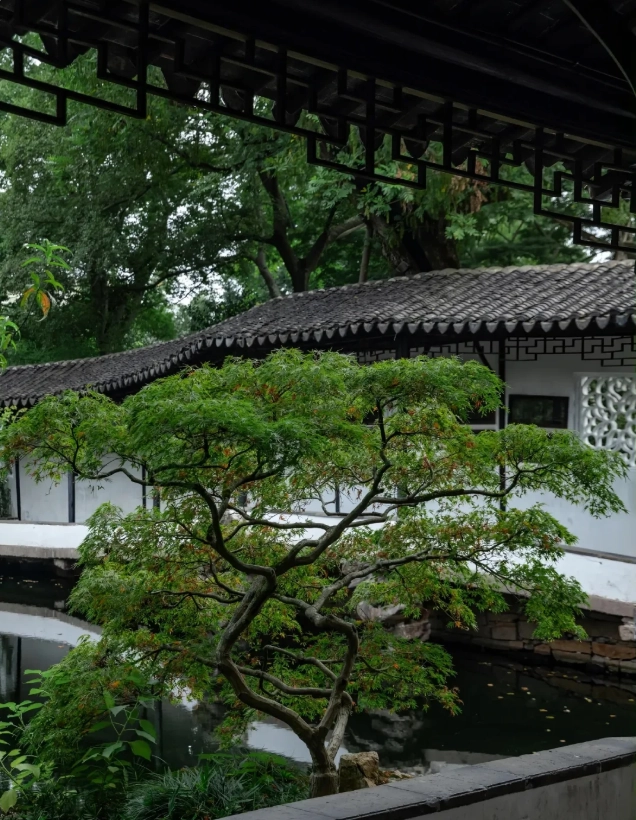

No comments yet.