.jpeg) Tariq Ma
Tariq Ma
In a Hurry? Here's What You'll Learn
I've been guiding travelers through Anhui's ancient villages for over a decade. Xidi is often overshadowed by its flashier neighbor Hongcun, but I think it deserves a spot on your itinerary. Let me break down whether Xidi is worth your time and money.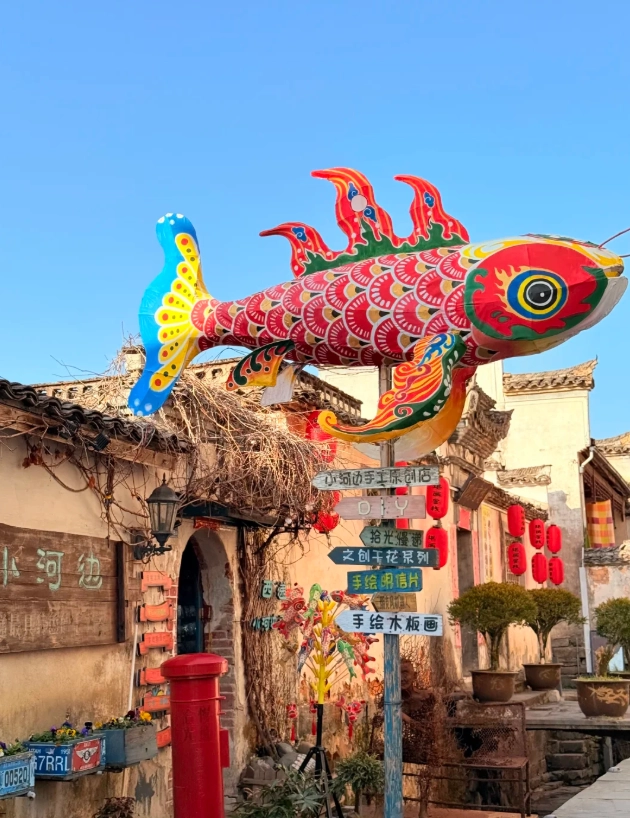
Why Xidi Stands Out Among Chinese Ancient Villages
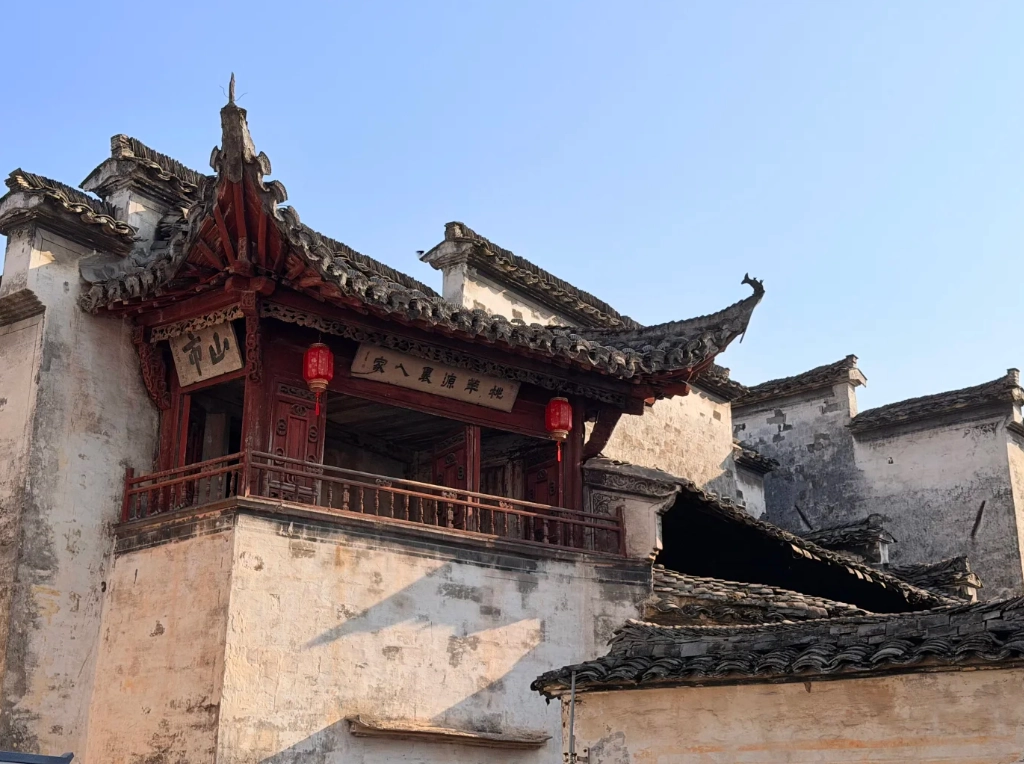
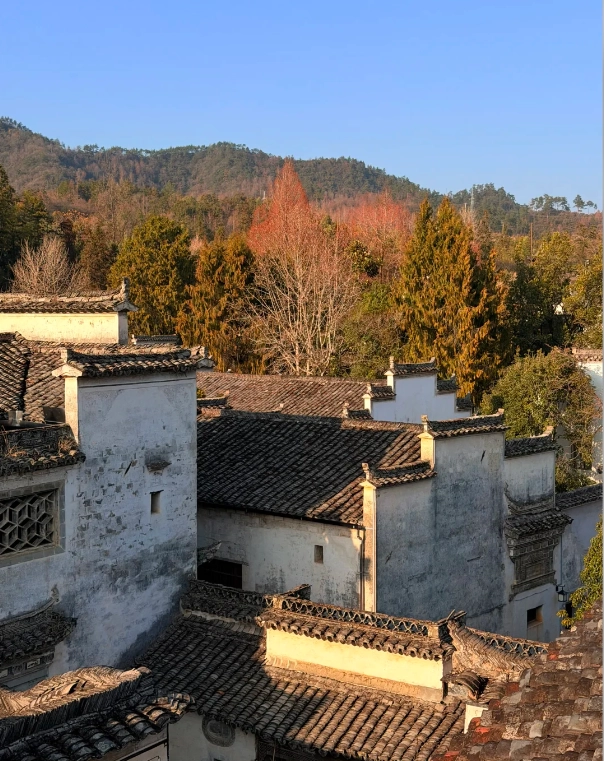
Xidi is a UNESCO World Heritage site, and for good reason. Unlike many reconstructed 'old towns' in China, Xidi feels genuinely lived-in. The narrow alleyways are lined with white-washed Hui-style houses featuring intricate wood carvings and soaring horse-head walls. What I love most is the absence of neon signs and blaring pop music – you actually hear birds and the trickle of canals.
The village was founded over 950 years ago by the Hu family clan. Walking through its main thoroughfare, you'll pass ancestral halls, ancient bridges, and the iconic Hu Wenguang Memorial Arch – a stone archway that dates back to 1578. It's the kind of place where history feels palpable, not staged.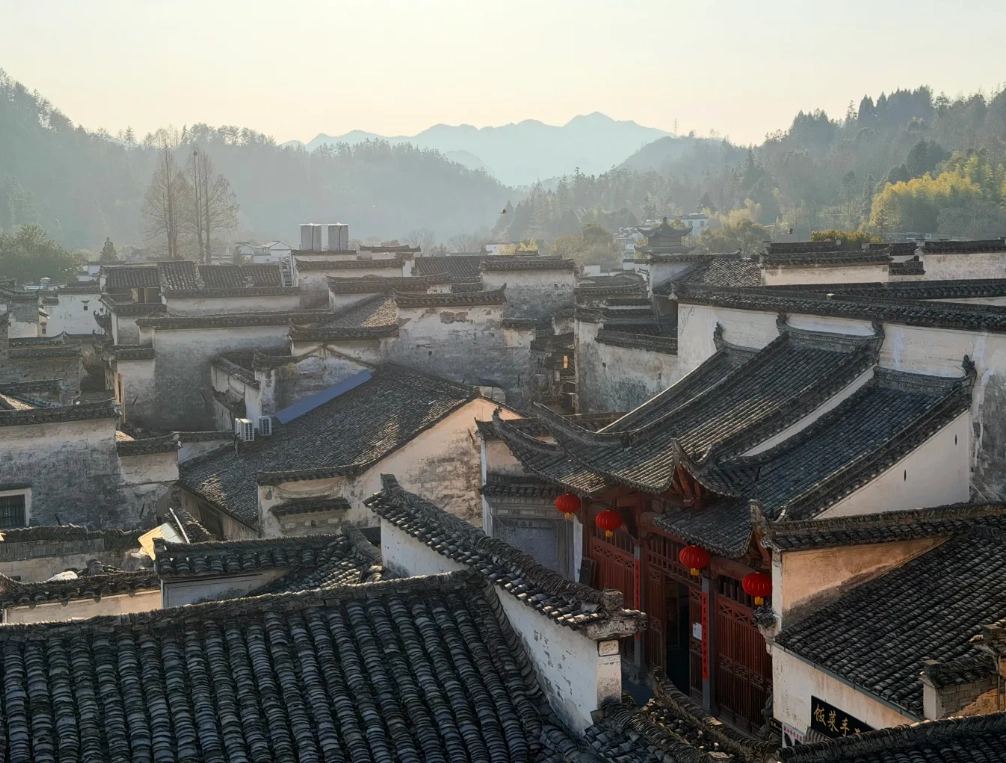
Practical Details: Tickets, Hours, Transport
Ticket Prices
| Category | Price | Note |
|---|---|---|
| Adult | 104 RMB | Valid for 3 days – includes all attractions inside |
| Student (with ID) | 52 RMB | Must show valid student card |
| Child (1.2m–1.5m) | Half price | Under 1.2m free |
| Senior (60+) | Free or half | Usually free with senior ID, but check at gate |
Important: You can buy tickets at the entrance or on WeChat mini-program 'Xidi Ancient Village'. No need to book long in advance, but weekends get busy. The ticket includes entry to all exhibits – don't lose it because you need to scan it at each hall.
Opening Hours
Open daily 7:30 AM – 5:30 PM (last entry 5:00 PM). In summer, hours extend to 6:00 PM. The ticket office closes 30 minutes before village gates. I recommend arriving by 8:00 AM to beat the tour groups that roll in around 9:30.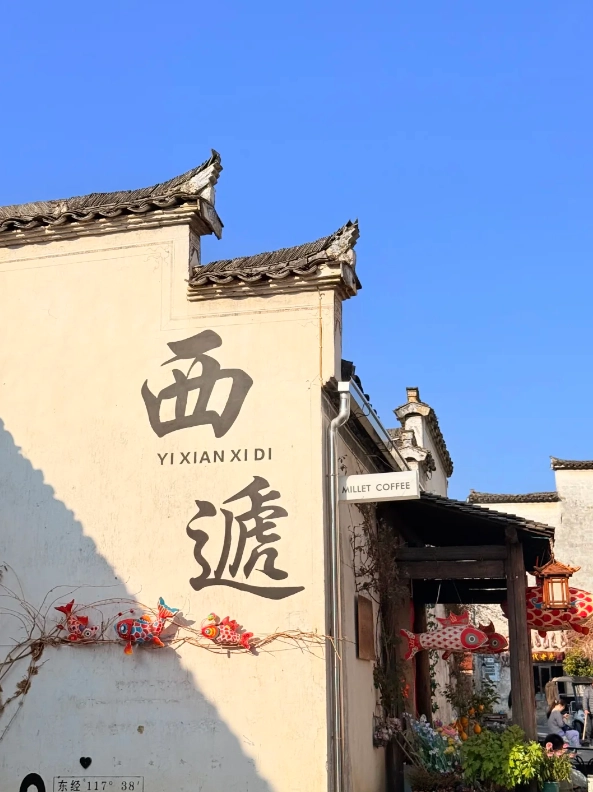
How to Get There
- From Huangshan North Station (high-speed rail): Take bus route 1 to Yixian County (1 hour, 30 RMB), then switch to a local minibus to Xidi (20 minutes, 7 RMB). Total about 2 hours.
- From Tunxi (city center): Direct bus at the long-distance station (1.5 hours, 25 RMB). Departs every hour until 4 PM.
- Taxi or Didi: From Huangshan North Station, about 150–180 RMB (1 hour). Worth it for a group of 3–4.
- Walking from the bus stop: The bus drops you at the village entrance plaza. Walk 5 minutes through the parking lot to the ticket gate.
Xidi vs Hongcun: Which One Should You Pick?
This is the most common question I get. Both are UNESCO sites, but they offer different experiences.
| Feature | Xidi | Hongcun |
|---|---|---|
| Crowds | Moderate – even in peak season, it's spacious | Heavy – can be shoulder-to-shoulder by 10 AM |
| Architecture | More residential, intimate alleyways | More grand halls, lake reflection views |
| Photo spots | Hu Wenguang Arch, ancient wells | Moon Pond, South Lake |
| Commercialization | Low – a few small shops, no chain stores | Medium – lots of souvenir stalls and restaurants |
| Time needed | 2–3 hours | 3–4 hours |
My recommendation: If you have time, see both – they're only 20 minutes apart by car. But if you must choose, Xidi is better for history lovers and photographers who hate crowds. Hongcun wins if you want the classic 'Chinese painting' shot.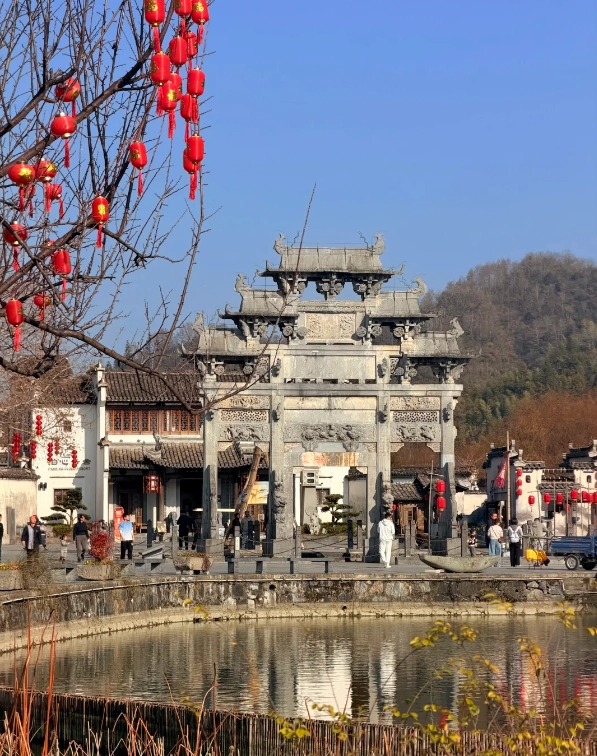
Insider Tips from a Local Guide
Here are things I've learned from dozens of visits:
- Avoid the midday sun. Summer heat is brutal – the narrow lanes trap humidity. Go early or late afternoon. I've seen tourists wilt by 1 PM.
- Wear comfortable shoes. The stone paths are uneven and get slippery after rain. I always tell my groups to leave heels at the hotel.
- Don't miss the 'lost' alleyways. Most visitors stick to the main street. Turn into any side alley – you'll find hidden courtyards, elderly locals weaving baskets, and cats napping on doorsteps. That's the real Xidi.
- Restroom strategy. The public toilet near the entrance is the cleanest. The one near the arch is often out of paper and not well-maintained. Use the entrance one before exploring deep.
- Photography golden hour. The south side of the village catches warm light from 3:30 PM to 5:00 PM. The north side is best in the morning. I always take my group to the arch at 4 PM for that Instagram shot.
Where to Eat and Stay Around Xidi
Eating
Inside the village, you'll find small family-run restaurants. Lao Zhao Jia near the arch serves home-style Huizhou cuisine. I always order the stinky tofu (don't let the name scare you – it's crispy outside, melting inside) and braised pork belly with preserved vegetables. Prices: 40–60 RMB per person. They have picture menus, so pointing works fine. Cash or WeChat – no international cards.
If you want a sit-down meal with English menu, try Xidi Guest House Restaurant at the entrance. It's a bit pricier (80–120 RMB per person) but the Huangshan stewed chicken is legendary.
Staying Overnight
I recommend staying inside the village for the full experience. Xidi Boutique Inn is my go-to. Rooms range from 300–600 RMB per night depending on season. The owner, Mrs. Hu, speaks basic English and knows all the best spots. The inn is a converted 200-year-old merchant's house – you'll sleep on a traditional carved bed. Wi-Fi works fine (surprisingly fast). Noise can be an issue if your room faces the main street, so ask for a back room. They offer luggage storage and free tea.
Budget option: Yixian Youth Hostel just outside the village gate. Dorm beds from 60 RMB, private rooms from 150 RMB. Clean but basic.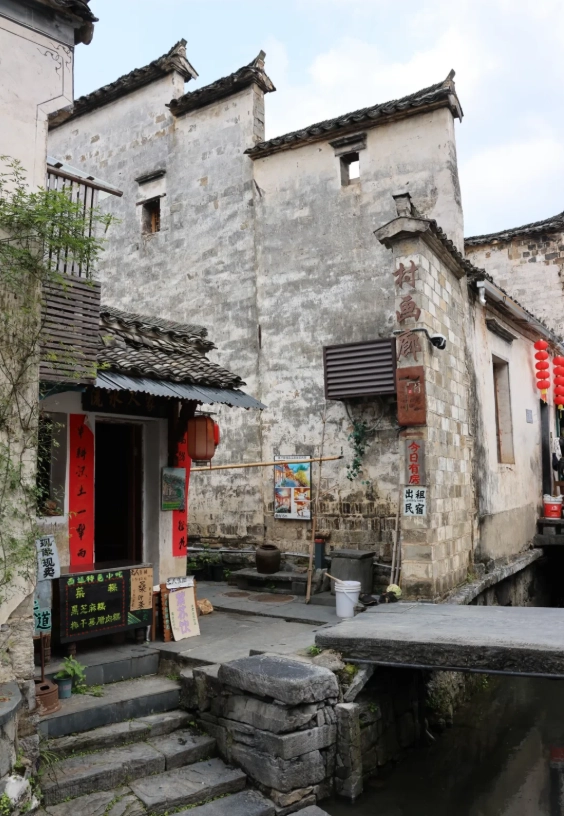
Frequently Asked Questions
Verified and fact-checked by the editorial team.
Honestly, I was a bit let down. Xidi is pretty, but it's become heavily commercialized—tacky souvenir stands every ten meters and selfie-stick-wielding crowds everywhere. The "authenticity" feels staged. Plus, the public restrooms were filthy, and I noticed graffiti on some old walls. Maybe I expected too much after visiting Hongcun (which I found more serene). If you've seen one ancient Hui village, you've seen them all. Not terrible, but I wouldn't go out of my way to recommend it.
Xidi is charming and well worth a visit, though I'd say it's slightly overpriced compared to other ancient villages in the area. The entrance fee (104 yuan) feels a bit steep for what you get—some sections are undergoing restoration and there's noticeable construction noise. Still, the main lane is picturesque, and I enjoyed seeing the old wells and stone bridges. If you're on a tight budget, consider arriving early to avoid the midday tour groups. Overall a solid 4-star experience—beautiful but not magical.
As a history enthusiast, Xidi exceeded my expectations. The layout of the village follows Feng Shui principles, and the layout of ancestral halls tells stories of clans that flourished here centuries ago. I hired a local guide (only 50 yuan) who explained the symbolism behind the carvings and the social hierarchy of the Ming and Qing dynasties. The highlight was the Zhi Cheng Tang hall with its secret underground passage—fascinating! One thing: some spots are poorly lit, so bring a flashlight if you want to see the details inside the halls.
Xidi is a gem! The village itself is incredibly well-preserved, but what made my trip memorable was the food. I stopped at a small family-run eatery near the main square and had the most delicious stinky tofu and bamboo shoot stir-fry—so authentic. Also, the tea houses offer amazing views of the rooftops. Pro tip: stay until sunset when the golden light hits the white walls—magical. Only tiny downside: some souvenir shops felt a bit pushy, but overall an unforgettable experience.
Absolutely loved Xidi! The ancient Hui-style architecture is stunning—those intricate wood carvings and the majestic horse-head walls are a photographer's dream. Walking through the narrow alleys felt like stepping back in time. We visited on a weekday morning, so it was peaceful and not crowded at all. The locals were friendly, and I even saw an elderly woman making bamboo baskets by hand. If you appreciate history and traditional Chinese village life, this place is a must-see. Don't miss the Hu Wenguang Memorial Archway—it's breathtaking!