 Wei Zhang
Quick Look Inside
I still remember my first time leading a group into Jiuzhaigou. Ten minutes after the shuttle dropped us at Nuorilang, one of my clients turned to me and said, "This can't be real." That's the typical reaction. The water looks like someone dumped a giant bottle of turquoise ink—and it's so clear you can see fallen tree trunks forty feet down.
But here's the thing: Jiuzhaigou is also one of the most visited and hyped places in China. And hype always comes with a catch. As a guide who's been there maybe forty times, I've seen both the magic and the headaches. So let's cut through the Instagram filter—is it really worth your trip?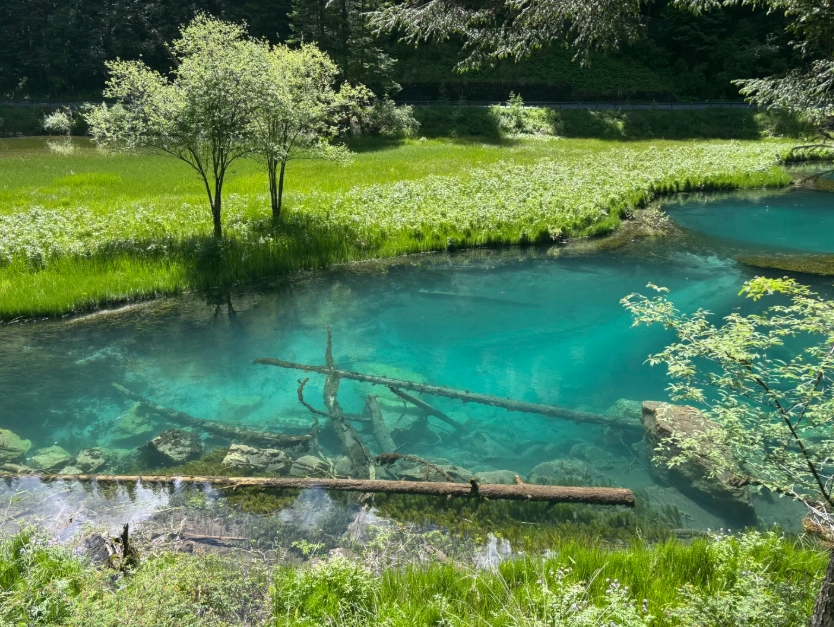
My First Glance: Jaw-Dropping Beauty
Honestly? Yes, the scenery lives up to the photos. The lakes—there are over a hundred of them—are fed by snowmelt and mineral deposits, giving them this surreal blue-green color. Five Flower Lake looks like a painter spilled their palette. Panda Lake has this mirror-like surface that reflects the mountains perfectly.
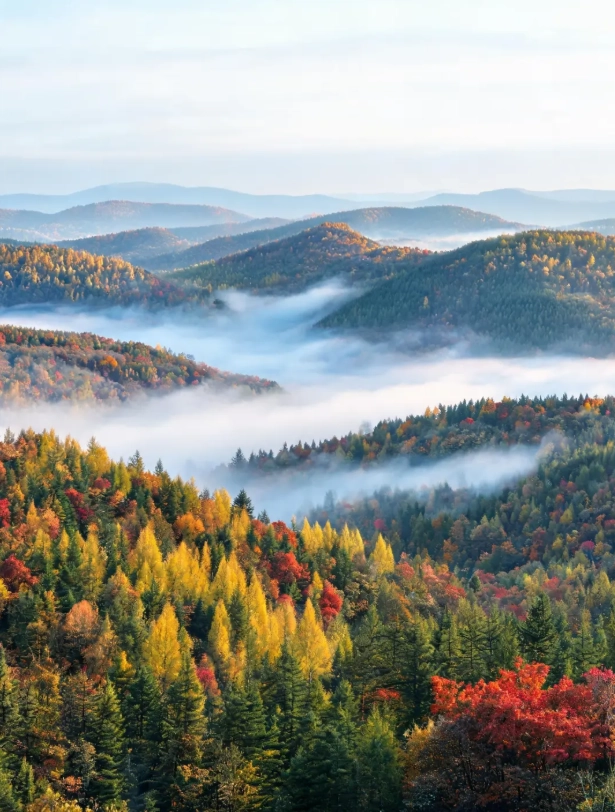
But it's not just the lakes. The park has waterfalls (Nuorilang is the widest travertine waterfall in the world), dense forests, and snow-capped peaks. In autumn, the leaves turn fiery red and gold, creating a contrast that even my smartphone can't mess up.
I've taken friends who were skeptical—"it's just a bunch of ponds" they said. They left speechless. That's the power of Jiuzhaigou.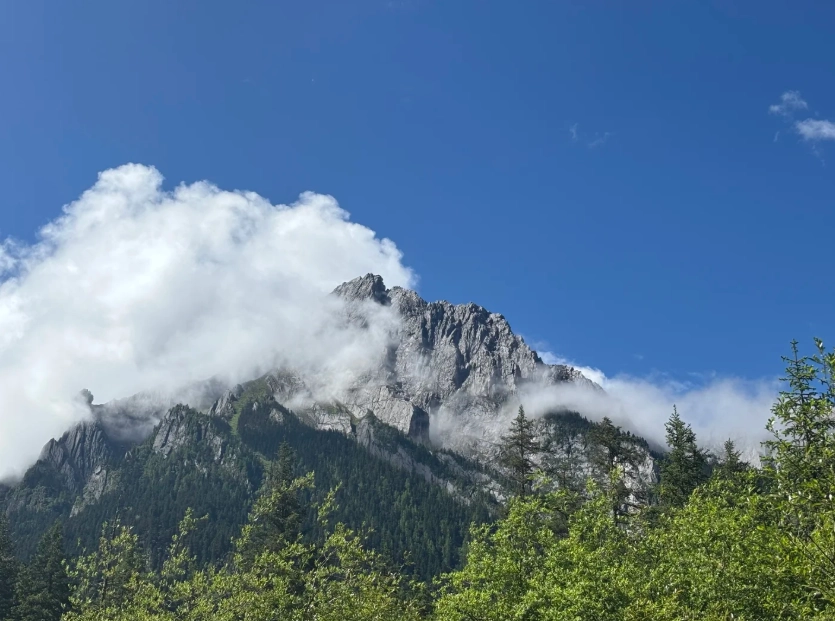
What Actually Makes It Worth It?
Uniqueness you can't find elsewhere
Jiuzhaigou is a UNESCO World Heritage site, and for good reason. The travertine dams, the crystal-clear lakes layered in different shades—this isn't just another pretty park. It's a geological wonder. You won't see lakes like these in Europe or North America.
Well-maintained boardwalks and shuttle system
The park is huge—over 600 square kilometers—but the infrastructure is excellent. Shuttle buses run frequently between main spots. Boardwalks are well-marked, so you won't get lost. That means you can cover the highlights in a day without exhausting yourself.
Photography heaven (if you know when to shoot)
Early morning light (7–9 AM) is magic. The water glows. By 11 AM, the sun is high and harsh—photos look flat. I always tell my groups: "Sleep in and you'll regret it at dinner when your photos look dull."
For the iconic reflection shots of Five Flower Lake, you need to be there before 9:30. After that, ripples from the breeze kill the mirror effect.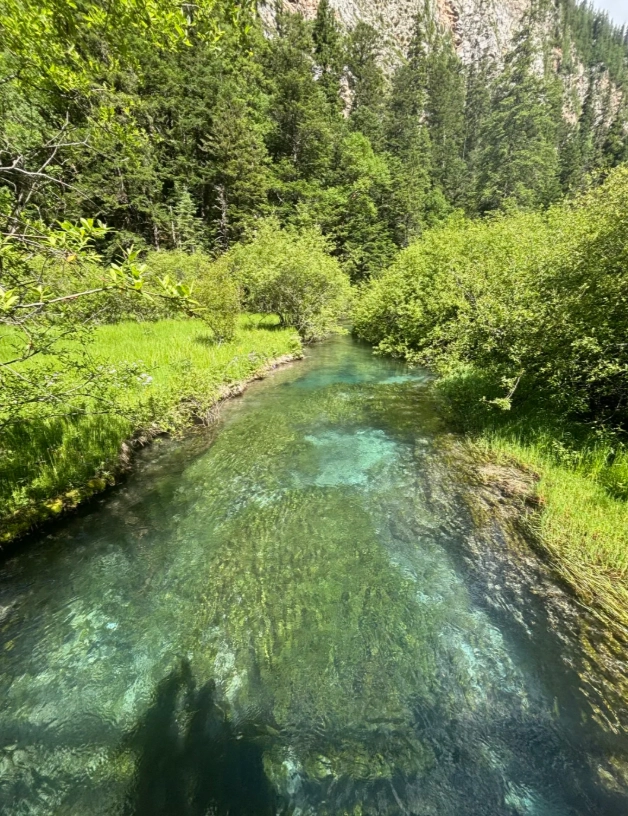
The Not-So-Pretty Side
Okay, let's be real. Jiuzhaigou has issues.
Crowds. Golden Week (first week of October) and summer school holidays turn the boardwalks into a slow-moving human river. I once waited 45 minutes just to board a shuttle at Nuorilang. If you hate crowds, avoid October 1–7 and all of July–August. Spring (April–May) and late autumn (November) are much quieter.
Expensive tickets. For foreigners, it's not cheap. As of 2025, entrance is ¥169 peak season (April–November) and ¥80 off-season. Plus the mandatory shuttle bus is ¥90. That's about $35–40 USD per person. And you can't skip the shuttle—it's the only way to get around.
Long journey from anywhere. Jiuzhaigou is deep in the mountains of northern Sichuan. From Chengdu, it's a 7–8 hour drive (or a 1-hour flight to Jiuzhai Huanglong Airport, then a 1.5-hour bus). The drive is scenic but winding—lots of hairpin turns. People prone to motion sickness suffer.
Weather can be moody. Even in summer, it can rain suddenly. In winter, trails get icy. I've seen tourists shivering because they only brought shorts—nights at 3000m altitude drop to 5°C (41°F) even in July. Pack layers.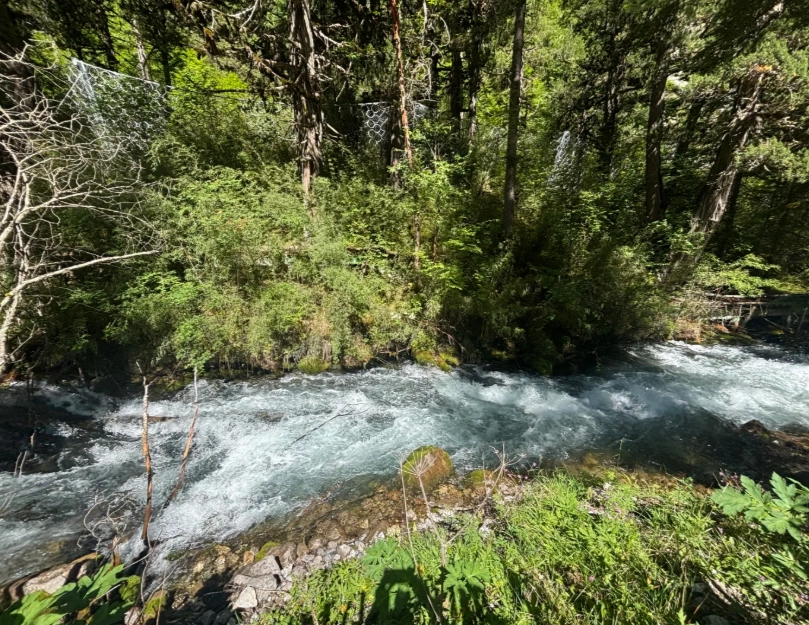
Practical Details: Fees, Timing & Getting There
| Item | Details |
|---|---|
| Entrance Fee (Peak) | ¥169 (Adult) + ¥90 mandatory shuttle = ¥259 (~$36 USD). Children under 6 free; 6–18 half price. |
| Entrance Fee (Off-Peak) | ¥80 + ¥90 shuttle = ¥170 (~$24 USD). Off-peak is Nov 16 – Mar 31. |
| Opening Hours | Peak: 7:30 AM – 5:30 PM (last entry 2 PM). Off-peak: 8:30 AM – 4:30 PM (last entry 1 PM). Gates close early! |
| Best Months | April–May (spring flowers) and October (autumn colors). Avoid Chinese holidays. |
| How to Book | You must book online via the official WeChat mini-program (search "九寨沟") or through travel agencies like Trip.com. No on-site ticket sales. Foreigners can usually pay with Visa/Mastercard on Trip.com. |
| Getting from Chengdu | Flight to Jiuzhai Huanglong Airport (about 1 hour, ¥800–1200) + bus to park (¥35, 1.5 hours). Or long-distance bus from Chengdu Cha'erdian Bus Station (¥150, 7–8 hours, leaves at 7:30 AM). |
| Accommodation Nearby | Zhangzha Town (walking distance to entrance). Budget: Jiuzhaigou Shan Shui Hotel (¥200–400). Mid-range: InterContinental Jiuzhai Paradise (¥600–1000, but a bit far). I usually stay at Family Inn Jiuzhaigou (friendly owner, clean, ¥300). |
Is It Worth It for You?
Let me break it down by traveler type.
For nature lovers and photographers: Absolutely worth it. Budget at least a full day inside the park (two days if you want to hike the less-crowded trails like the one to the primeval forest).
For families with young kids: Yes, but only if you can manage the high altitude (3000m). Kids might get tired walking on boardwalks. The shuttle is a lifesaver. Avoid summer heat.
For budget backpackers: It's pricey for China, but the experience is unique. If you skip one fancy meal and stay in a cheap hostel, you'll manage.
For those short on time: If you only have 2 days in Sichuan, skip Jiuzhaigou and explore Chengdu + nearby Leshan. The travel time to Jiuzhaigou eats up a full day each way.
For repeat visitors to China: If you've already seen Huangshan, Guilin, or Zhangjiajie, Jiuzhaigou offers something different—the water is unmatched. Still worth it.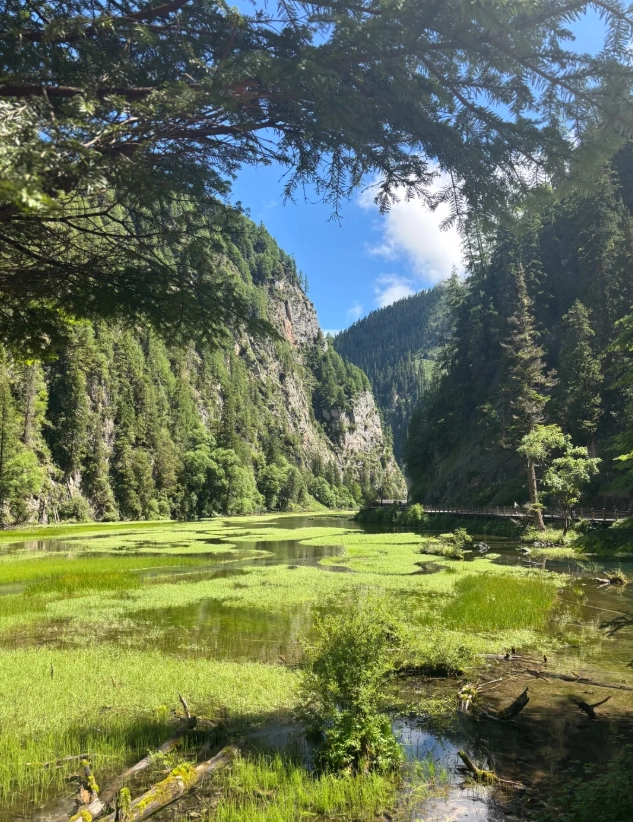
I came during Golden Week, which was a mistake. The park was overrun with tourists – you could barely move on the boardwalks, and every photo had strangers in it. The shuttle buses were a nightmare with 30-minute waits. On top of that, the ticket price is really high for what you get when half the experience is fighting crowds. The scenery itself is nice but not worth the stress and the price tag. Would not go again.
Jiuzhaigou is undeniably beautiful – the water colors are surreal and the scenery is world-class. I'm giving it 4 stars because I found the entrance fee quite steep and the shuttle buses were very crowded even on a weekday. Also, the long queues for the bus stops at popular spots ate into my hiking time. Still, if you plan ahead and go early, it's a fantastic experience – just manage expectations on the crowds.
We visited mid-October when the autumn colors were peaking – wow. The contrast of gold, red, and deep green against the sapphire lakes is something photos cannot capture. The park is well-organized with shuttle buses and boardwalks, and we loved stopping for a picnic near Arrow Bamboo Lake. This was the highlight of our two-week China trip. 10/10 recommend!
I've hiked all over the world and Jiuzhaigou still blew me away. The trail from Panda Lake down to Pearl Shoal is incredible – you get the roar of the water, the crisp mountain air, and those impossible blue-green pools. Yes, it's touristy, but the park is huge so you can find quiet stretches if you walk a bit further. An absolute bucket-list destination for any serious nature lover.
Honestly, Jiuzhaigou is one of the most stunning places I've ever seen. The turquoise lakes, the layered waterfalls at Nuorilang, and the reflections in Five Flower Lake are like a painting come to life. I went early in the morning and had a few moments of near-solitude before the crowds arrived – absolutely magical. If you love nature and have the chance, GO. It's worth every penny and every step.
Hands down the most stunning national park I've ever been to, and I've done Patagonia, Banff, and Torres del Paine. The contrast between the deep blue of the lakes and the golden leaves in October is surreal — it's like walking through a painting. The boardwalk network is extensive and well-designed; you can easily spend two full days here without getting bored. I especially recommend the hike up to the Primeval Forest area (take the bus to the end of the line) — fewer people and a completely different vibe with the moss-covered trees. The only thing I'd warn about is the altitude: the park sits around 3000m, so if you're coming from sea level, give yourself a day to acclimatize in Jiuzhaigou town. Otherwise, perfect. 5 stars without hesitation.
Took my kids (ages 9 and 12) here during National Holiday week — yes, we were a bit crazy, but it still blew us away. The park manages the flow really well despite the crowds: multiple bus lines, clear signs, and plenty of rest areas. Panda Lake was the kids' favorite because you can see the fish so clearly; the water is like glass. We loved the short hike along the boardwalks by Shuzheng Lakes — flat and easy, even for my younger one. The only downside was that the high-altitude spots (like the Long Lake area) gave my wife a slight headache, so bring water and take it slow. But honestly, this is a once-in-a-lifetime family trip. We've been telling everyone they have to go.
Absolute paradise. I've traveled to over 20 countries and Jiuzhaigou is easily top 3 natural wonders I've ever seen. We visited in late autumn and the fall foliage combined with the impossibly blue lakes is something that photos just cannot capture. The Nuorilang Waterfall was roaring, and the walk from Rhinoceros Lake down to Arrow Bamboo Lake was pure magic — no crowds at all if you go early. The park's shuttle system is efficient, the staff are friendly, and the whole area is incredibly clean (I barely saw any litter). If you love nature, photography, or just want to feel small next to something beautiful, don't hesitate. Bring good walking shoes and a proper camera. Worth every yuan.
Overall a solid experience, though I'm torn between 'wow' and 'meh'. The colors of the water at Five Flower Lake are unreal — it's like someone spilled a palette of turquoise and emerald into a crystal pool. The boardwalks are well maintained and easy to walk. But a few things bugged me: the park forces you onto their buses, which means you can't really linger at a spot you love; you have to follow the designated stops. And the food inside is overpriced and bland. Also, some of the smaller waterfalls were completely dry when I went in early October (maybe bad luck with season). Worth seeing once, but I wouldn't rush back. 4 stars because the highlights genuinely delivered.
You know, I was really excited to visit Jiuzhaigou after seeing all those Instagram photos, but honestly, it was a bit of a letdown for the price. The scenery is undeniably beautiful — the turquoise lakes are like nothing I've ever seen — but the crowds were insane. We waited almost an hour just to get on the shuttle bus, and then every viewing platform was packed shoulder-to-shoulder. The ticket price is steep (over 300 RMB if I remember right), and once you factor in the mandatory bus rides inside the park, it feels more like a theme park than a nature reserve. If you're okay with jostling for space and don't mind the cost, sure, go. But I'd suggest visiting during off-peak or skipping the main trails.