 Yan Zhou
What you'll find here (skip to the good stuff)
I've been leading groups on Yellow Mountain for over eight years. And honestly, the single biggest mistake I see foreigners make? They try to do it as a day trip.
You miss the sunset. You miss the sunrise. And you spend hours stuck in a cable car queue under the scorching sun. An overnight hike isn't just about ticking a box — it's the only way to experience the mountain the way it was meant to be seen.
Here is the catch: most online guides tell you to "book a room on the summit" but they never warn you that the two official hotels sell out weeks in advance, and the third option (the budget one) is often missed entirely. I'll break down every option, including the one that saved my group's trip more than once.
Why an overnight hike (and what most people get wrong)
The mountain has three cable cars and well-maintained steps. You can technically go up and down in a day. But everyone who does that ends up hating the experience. Here's why:
- Midday crowds: Between 10am and 2pm, the main paths become a human river. You're not hiking, you're shuffling.
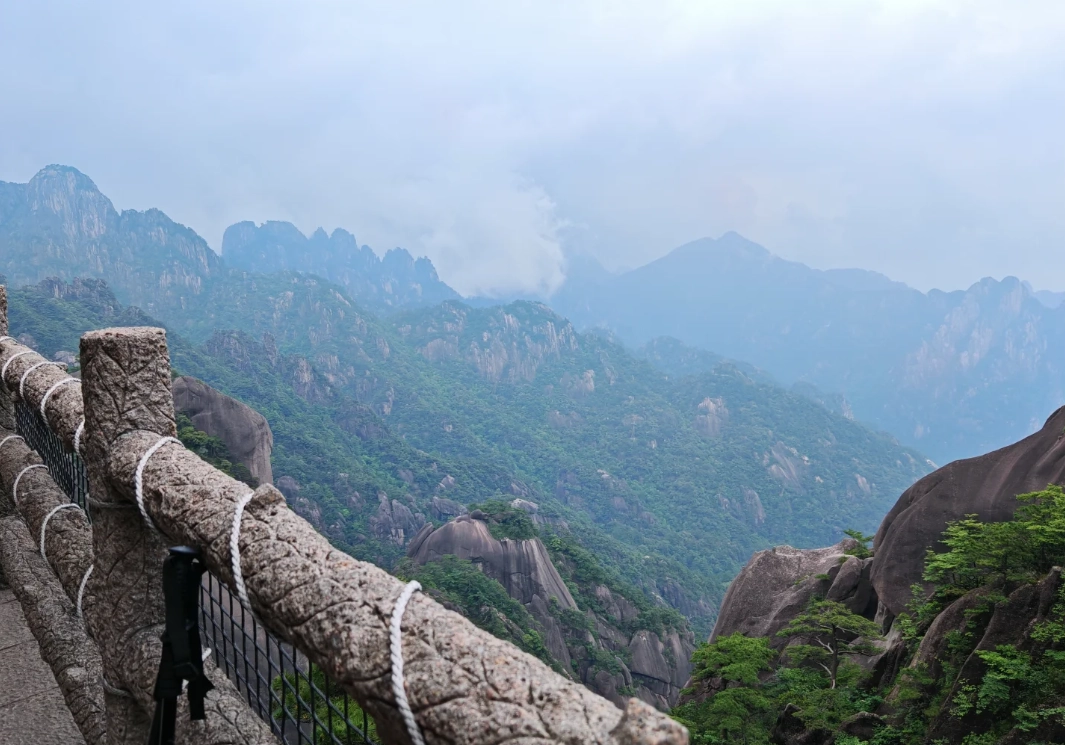
- Weather gamble: Summer afternoon thunderstorms often close the summit. If you're not staying overnight, you might get evacuated before seeing the iconic sea of clouds.
- Sunrise & sunset: The cable cars stop running around 5:30pm (winter) to 6:30pm (summer). Day-trippers must leave before sunset, missing the golden hour magic and the starry sky.
I always tell my groups: if you can only afford one night of accommodation in all of China, spend it on Yellow Mountain summit. It's worth every yuan.
Where to sleep: lodges on the summit
There are only two proper hotels on the summit (Beihai Hotel and Xihai Hotel) plus a budget option called the Cloud Hostel (also known as the 701 TV Tower Guesthouse). I've stayed at all three. Here is the real deal:
| Lodge | Location | Price range (per night, off-peak) | Vibe | Booking difficulty |
|---|---|---|---|---|
| Beihai Hotel | Near the Bright Summit (sunrise spot) | $150–$250 (standard room) | Premium, with restaurant & hot showers | Must book 3+ weeks ahead |
| Xihai Hotel | Near the West Sea Grand Canyon entrance | $130–$200 | Good for sunset views, decent facilities | Also books up fast; 2 weeks ahead recommended |
| 701 TV Tower Guesthouse (Cloud Hostel) | Between Beihai and Xihai, near the TV tower | $40–$60 per bed (dormitory style) | Basic, shared bathrooms, no private rooms | Reservable 1–2 days before if you're lucky |
Important: These prices double during Chinese national holidays (May Day, October Golden Week). Avoid those periods at all costs — the summit becomes a campsite in disguise.
I usually book Beihai Hotel for my clients because it's closest to the iconic sunrise viewpoint (Bright Summit Peak). But if your budget is tight, the Cloud Hostel is a lifesaver. I'll never forget the night I had to squeeze six people into a dorm there because Xihai overbooked — the staff were surprisingly helpful, and the morning view made up for the cramped sleep.
The best 2-day route for sunrise
This is the route I've refined over dozens of trips. It balances scenery, physical effort, and crowd avoidance.
Day 1: Arrive & ascend via Cloud Valley Cable Car
Take the bus from Tangkou (the town at the base) to the Cloud Valley Temple cable car station. The cable car ride (about 10 minutes, $12) saves your legs for the summit. Exit at the top and check into your hotel. Then hike west towards the Xihai Grand Canyon — but only walk the upper rim trail (about 1.5 hours round trip). Why not descend into the canyon? It's a 5-hour loop that will destroy your knees. Save that for a future trip. End day 1 at the Paiyun Pavilion for sunset.
Day 2: Sunrise & descend via Yungu Cable Car
Wake up at 4:30am. Walk or take the short shuttle to Bright Summit Peak (about 20 minutes from Beihai). Secure your spot by 5:00am — the best rocks fill up fast. After sunrise (around 5:30-6:00am depending on season), head back for breakfast at the hotel. Then hike to the Start-Up Peak and the famous Welcoming Pine tree (about 1 hour). Take the Yungu cable car down (or walk down the stairs if you're a glutton for punishment).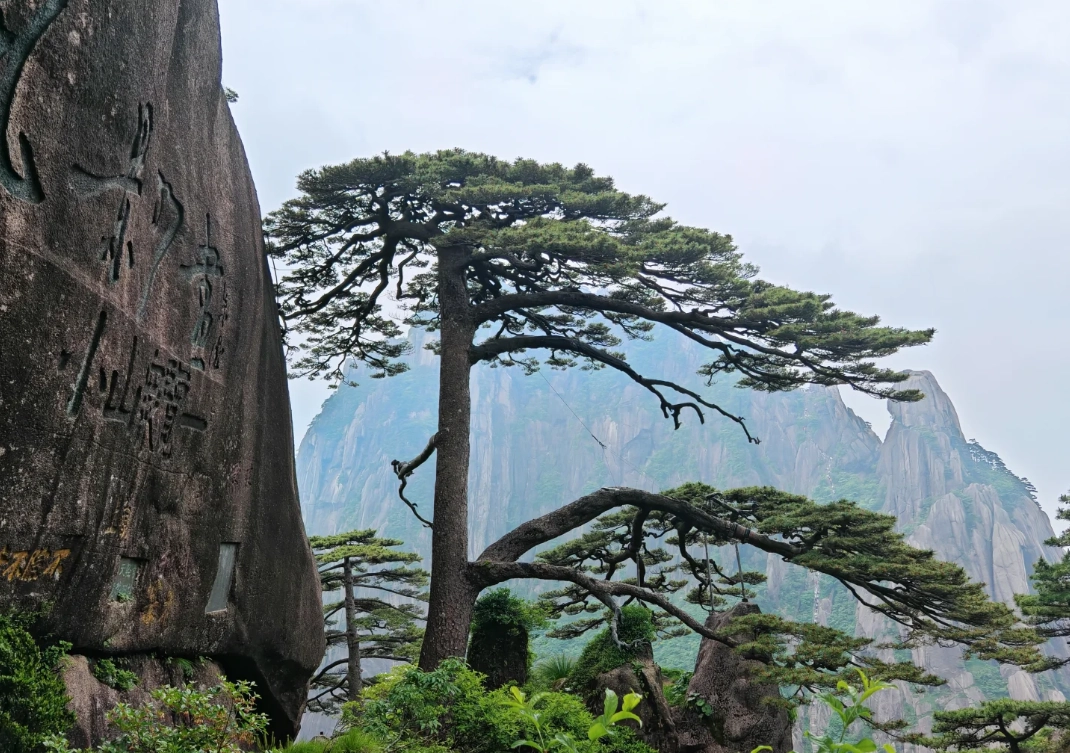
How to book tickets & permits (don't skip this)
You can't just show up at the gate. China's digital payment system is a hurdle for many foreigners. Here is exactly what to do:
- Scenic area admission: Book via the official WeChat mini-program "Huangshan Travel Official". The problem: it's all in Chinese. I recommend using Ctrip (Trip.com) — they have an English interface and charge a small fee. The ticket is ~$25 per person.
- Cable car tickets: You can buy them at the station, but I suggest adding them to your Ctrip order to skip the queue. Each cable car ride is about $12.
- Hotel booking: Use Ctrip or Booking.com for Beihai/Xihai. For the Cloud Hostel, you might need to call the hotel directly — ask your hotel in Huangshan City to help you. I always have my local contact number: +86 559 558 3555 (but it's safer to go through Ctrip).
- Important for budget travelers: The mountain does not allow camping or sleeping in the open. You must have a confirmed bed or room.
Yes, navigating the WeChat mini-program in pure Chinese to book this ticket is a nightmare, even for me. But don't panic — just ask your hotel receptionist in Huangshan City to do it for you. They do it every day.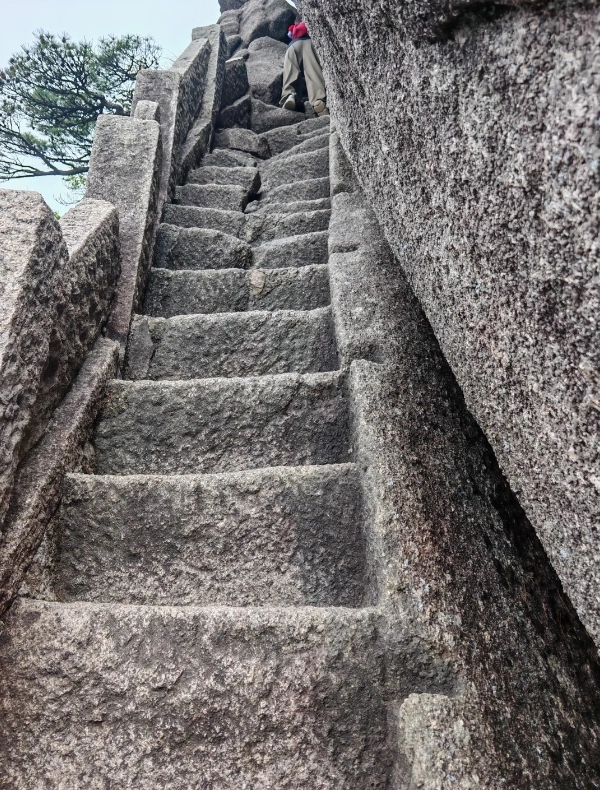
What to pack for an overnight stay
You don't need a heavy hiking backpack. But there are a few items that make or break the trip.
Must-bring list
- Warm jacket: The summit temperature at sunrise can drop to 5°C (41°F) even in summer. I've seen shivering tourists in shorts. A light down jacket or fleece is essential.
- Rain gear: Weather changes fast. A packable rain jacket is better than an umbrella (strong winds make umbrellas useless).
- Snacks & water: Water on the summit costs $2 per bottle. Bring a reusable bottle and fill it at the hotel's hot water dispenser. Pack some energy bars — the restaurant food is overpriced and mediocre.
- Headlamp or flashlight: The paths are not well lit in the early morning. Many people trip on steps.
- Power bank: No power outlets in the Cloud Hostel dorm. The hotels have limited outlets.
- Earplugs & eye mask: Thin walls and early risers will wake you up.
Money & time saving tips from my years of guiding
Most guides tell you to "arrive early". Let me be more specific:
- Skip the Yungu cable car during peak hours (9-11am). The queue can be 2 hours. Instead, use the Cloud Valley cable car which is less crowded — but check if it's operating (sometimes it closes for maintenance).
- Don't buy food from vendors at the summit. A bowl of noodles can cost $8. Bring instant noodles from the base town — the hotel will provide hot water for free.
- If you're on a tight budget, consider staying in Tangkou town overnight before your hike. I recommend the Huangshan Old Street International Youth Hostel (about $15 a night). They help with bookings and store luggage.
- International credit cards are useless here. Bring enough cash (RMB) or set up Alipay before you come. Most ticket machines and vendors only accept WeChat Pay or Alipay.
Here's a non-consensus tip: don't try to save money by walking down the entire mountain. I had a client who insisted on walking down from the summit to the base — it took 4.5 hours, and her knees were wrecked for the rest of her China trip. The $12 cable car is the best money you'll spend.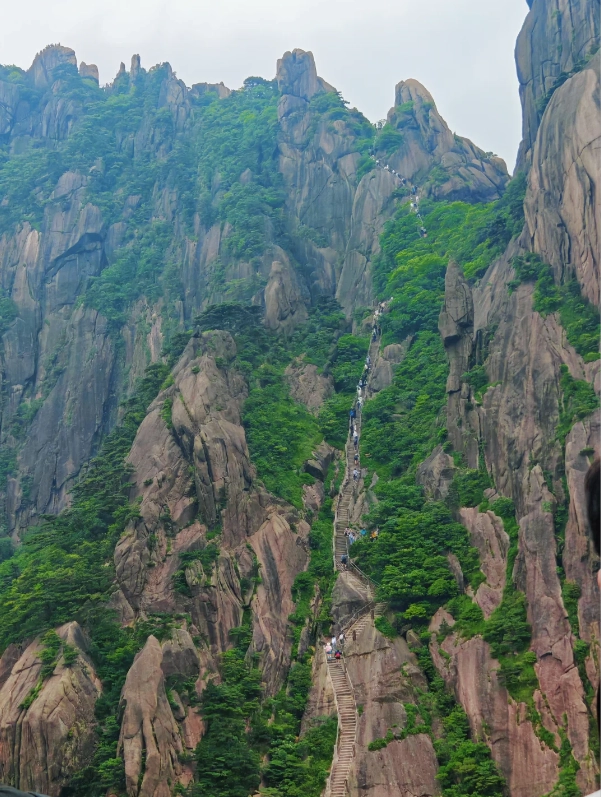
Frequently asked questions (real answers)
Verified and fact-checked by the editorial team. This content has been fact-checked to ensure informational precision.
No comments yet.