 Fang Wang
Jump to the Good Stuff
- When Is the Best Time for the Blue Tears?
- Where Exactly to See the Blue Tears on Pingtan Island?
- How to Get to Pingtan Island (and Between Viewing Spots)
- What to Bring: A Foreigner’s Checklist
- Common Mistakes Travelers Make (and How to Avoid Them)
- My Personal Pick: Why Nighttime Beta Is Better Than Alpha
- FAQ
Last June, a couple from Australia messaged me in a panic. They'd spent three days on Pingtan and seen nothing. 'We followed a blog that said early May,' the wife wrote. 'But it's late June now.' I sighed. The Pingtan Island blue tears season is fickle. Most foreigners get it wrong because they rely on outdated tips. Here's the truth: the peak window is mid-May to mid-July, but the exact nightly appearance depends on three factors: wind direction (northerly is bad), tide (rising tide pushes them in), and light pollution (avoid full moon). My rule? Check the 'Pingtan Blue Tears Forecast' WeChat group—yes, it exists—or ask your hotel to look it up for you. Now, let me walk you through the exact plan.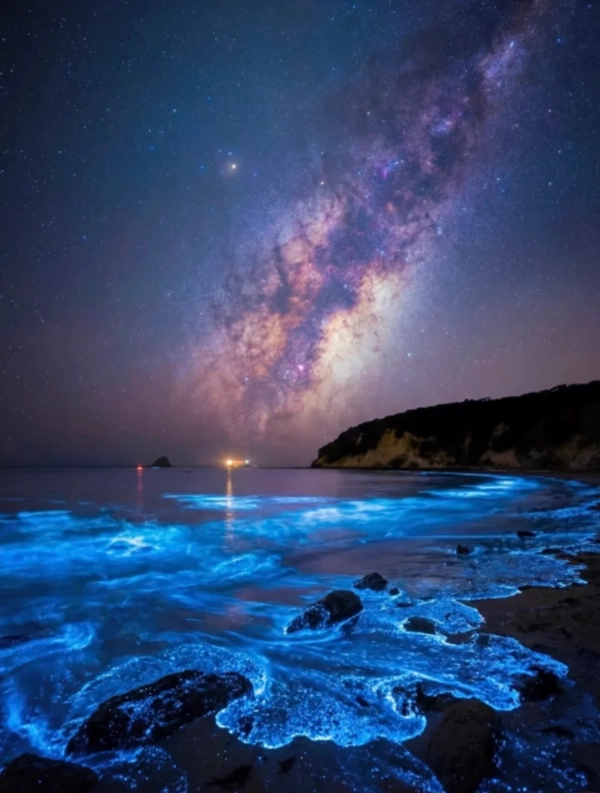
When Is the Best Time for the Blue Tears?
Don't trust any source that gives you a fixed date. The blue tears (caused by Noctiluca scintillans) bloom when water temperature hits 20–25°C and phytoplankton is abundant. That typically spans late May to early July. But here's the kicker: within that window, you need a calm sea, southerly wind, and a dark night. A full moon will wash out the glow entirely.
| Month | Probability of Visible Blue Tears | Notes from My Experience |
|---|---|---|
| Mid-May | Moderate | Early blooms start. Water still cool, crowds low. |
| Late May – June | High | Peak season. Perfect balance of temp and algae. Best chance. |
| Early July | Moderate | Still possible but water gets warmer; algae decline. |
| After mid-July | Low | Not impossible, but I wouldn't risk it. Typhoon season begins. |
Pro tip: Check wind direction daily. Use a weather app like Windy or ask locals. Northerly wind pushes the algae away from shore. Southerly wind brings them in. Also, arrive after sunset (around 8 PM) and stay till midnight. The glow is strongest in the first hour of darkness, but I've seen it peak at 11 PM.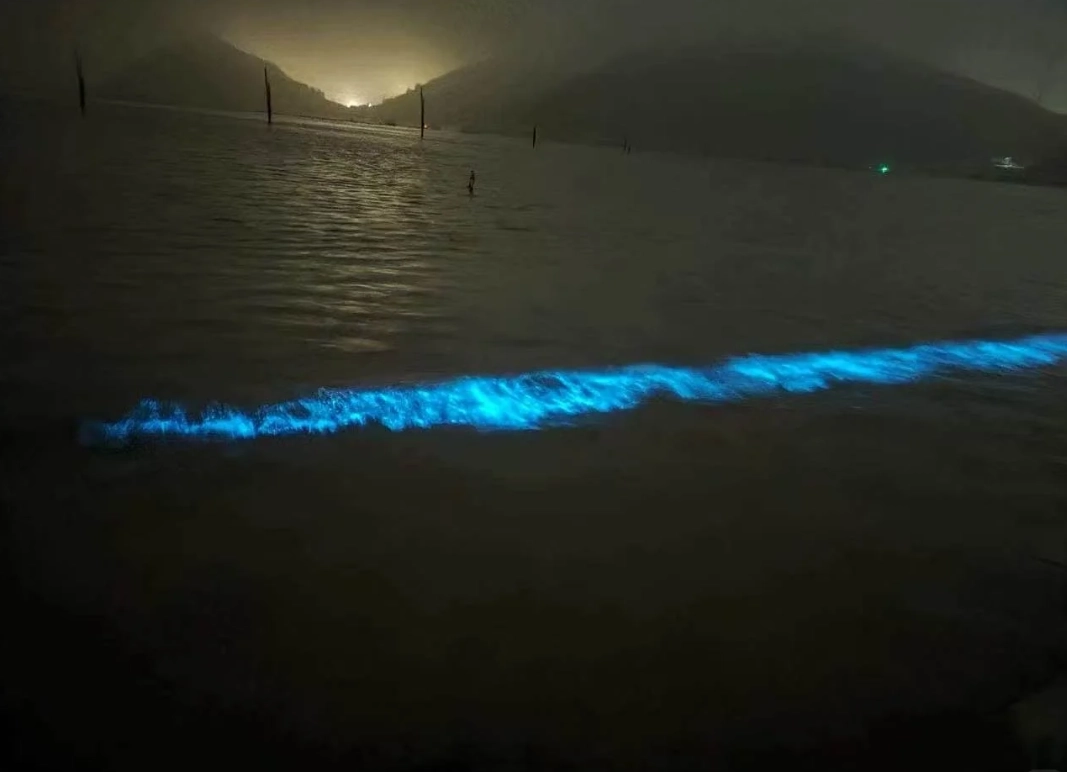
Where Exactly to See the Blue Tears on Pingtan Island?
Different beaches give different experiences. Here are the spots I've personally tested.
Tannan Bay (Tan Nan Wan) – The Most Reliable Spot
Address: 福建省福州市平潭县坛南湾 (show this to your driver). It's on the south coast, a 20-minute drive from the county center. Parking is free after 7 PM. The beach is long and less crowded than the main tourist beaches. The water is shallow, so the blue tears appear as waves glow greenish-blue when they break. No entrance fee. Bring a flashlight with red light to preserve your night vision.
Longfengtou Beach – The Tourist Hub
Address: 平潭县龙凤头海滩. This is the most accessible beach, right next to the town. But it's also the most crowded. On weekends, you'll find dozens of photographers with tripods. The glow is still visible, but light pollution from nearby hotels dims it. I'd only go here if you don't have a car. Avoid the area near the large stage.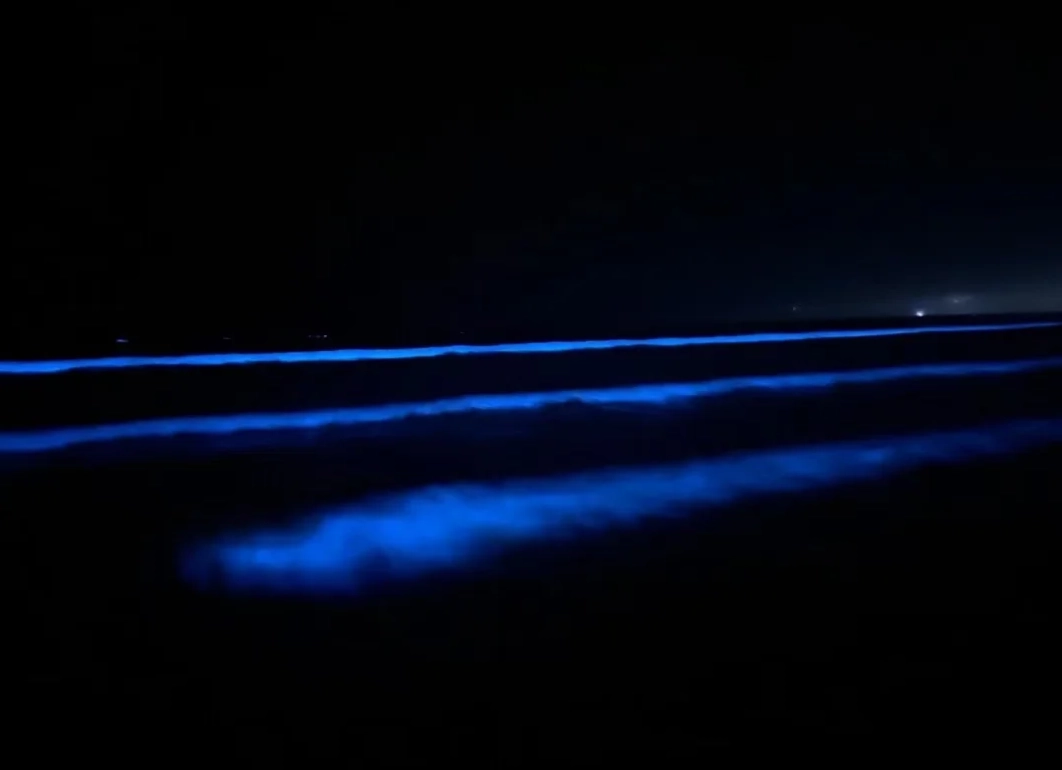
The Hidden Gems: Overseas Chinese Village and Others
If you want solitude, head to Qicai (Rainbow) Beach near the Overseas Chinese Village (华侨村). Take a Didi from town (about 40 RMB) and ask to drop you at the village entrance. Walk 500 meters south along the coast. No lights, no crowds, just you and the glow. But also no facilities—bring water.
How to Get to Pingtan Island (and Between Viewing Spots)
From Fuzhou to Pingtan: High-Speed Rail vs Bus
The fastest way is the high-speed train from Fuzhou South Station to Pingtan Station. It takes about 30 minutes and costs 40–60 RMB. Book your ticket on Trip.com using your passport—the booking system accepts foreign passports. Don't try the bus; it takes 2 hours and gets stuck in traffic.
Once you arrive at Pingtan Station, ignore the taxis asking for flat rates. Open Didi and request a ride to your hotel. It should cost 20–30 RMB. Make sure your Alipay or WeChat Pay is linked to an international card. I've seen travelers stuck because their payment didn't work—carry enough cash for emergencies.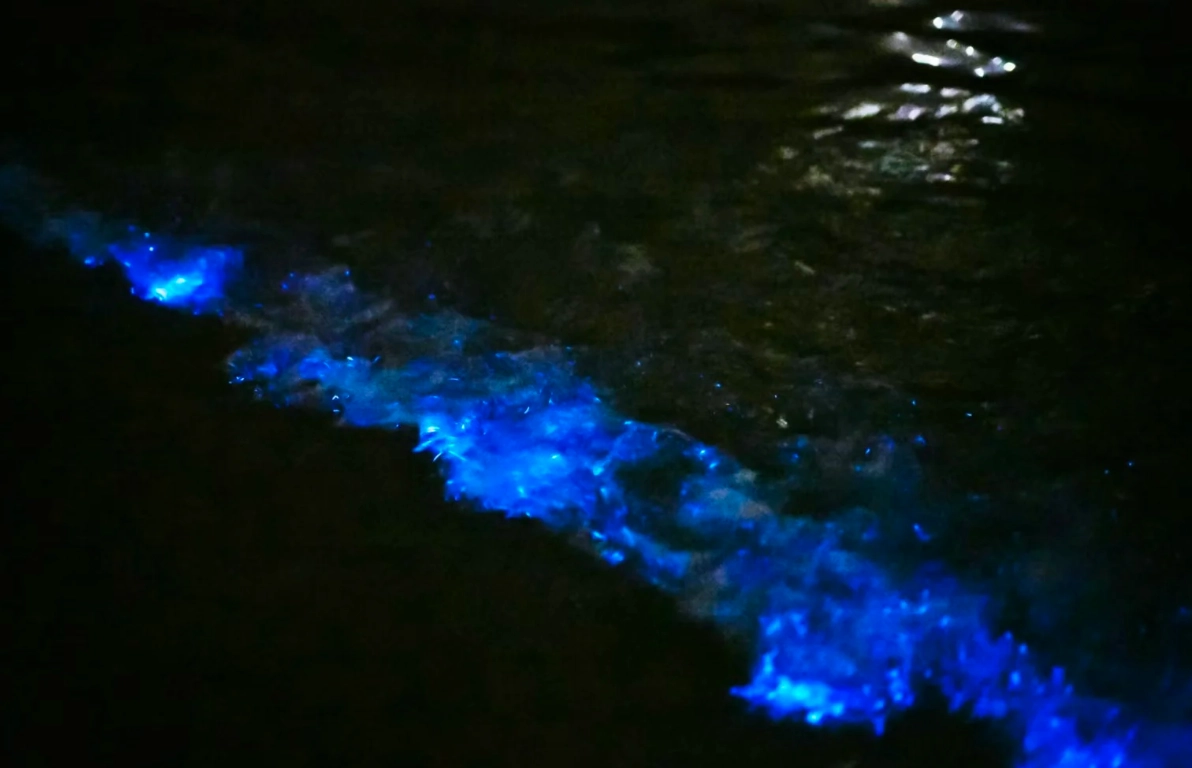
Getting Around the Island: Scooter Rental or Didi
For blue tears hunting, a scooter is your best friend. Rent from shops near the county center (look for '电动车出租' signs). Expect 60–80 RMB per day. You'll need to leave a deposit (500 RMB or your passport—I always recommend leaving cash instead of your passport!). Wear a helmet; police check sometimes. Use Apple Maps to navigate—Google Maps shows non-existent roads.
If you don't ride a scooter, use Didi. The fare from the town to Tannan Bay is about 15 RMB. Problem: after 10 PM, Didi availability drops. Pre-save the phone number of a local taxi driver. I always give my clients the number of Mr. Chen (add: 138xxxxxxxx).
What to Bring: A Foreigner’s Checklist
Here's what you'll actually need, based on everything I've seen fail for tourists.
- Red-light flashlight – White light ruins your night vision and annoys other viewers. A headlamp with red mode is perfect.
- Anti-mosquito spray – The beach has sandflies. They bite like crazy after dark. Don't skip this.
- Water shoes – The shore is rocky in places. Flip-flops will get you cut.
- Portable charger – Your phone will die from photos, navigation, and WeChat.
- Cash – Small vendors at the beach don't accept cards. Some don't even take WeChat. Have 100–200 RMB in small bills.
- Alipay with international card – Set it up before you leave. Most hotels, Didi, and larger shops accept it.
- Passport – Even for hotel check-in, you need it. Duh.
Common Mistakes Travelers Make (and How to Avoid Them)
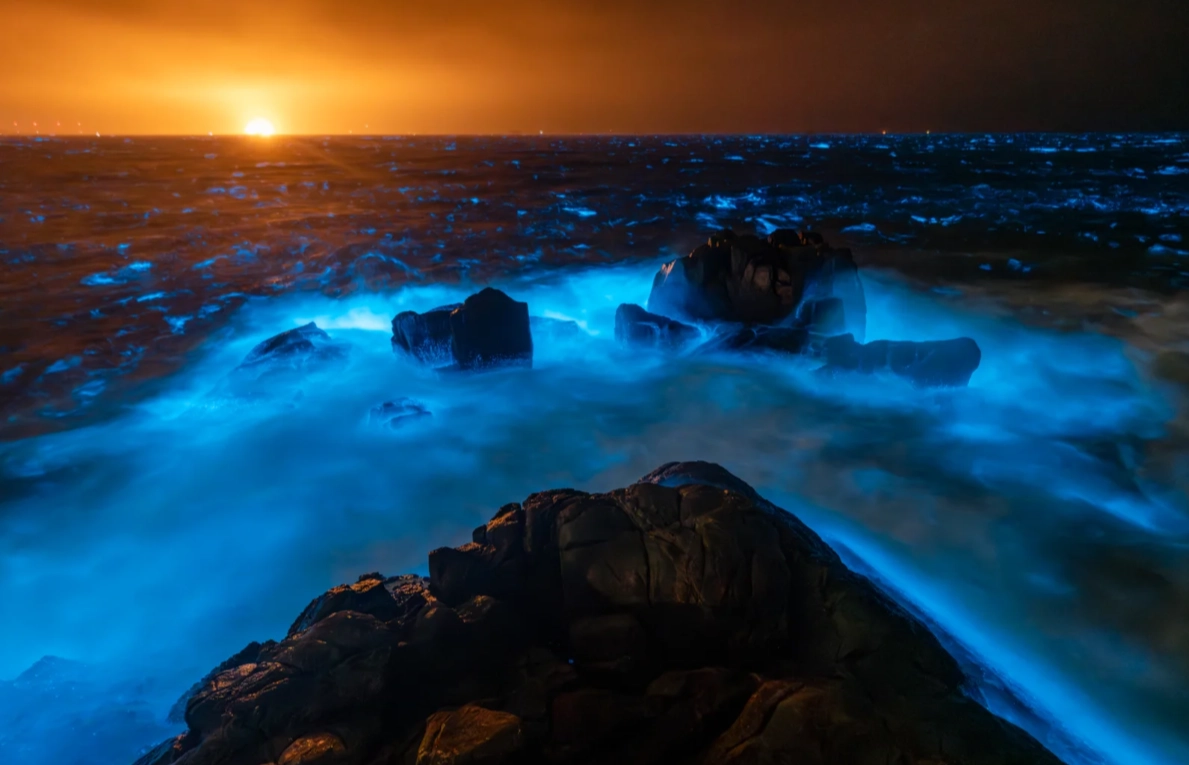
Mistake 1: Going on a full moon night. I've had families book their trip around a full moon because they thought moonlight would help. It doesn't. The blue tears are invisible under moonlight. Check the lunar calendar and pick a night near the new moon.
Mistake 2: Trusting 'blue tears forecast' apps. Most are fake. The only reliable forecast is the local fisherman's word. Ask your hotel to call a contact in the village. Or join the WeChat group '平潭蓝眼泪预报' (Pingtan Blue Tears Forecast). It's in Chinese, but you can screenshot and translate.
Mistake 3: Arriving at 7 PM and leaving by 9 PM. The best displays often happen after 10 PM. Bring a snack and patience. I once waited till midnight and saw the strongest glow of the season.
Mistake 4: Not downloading offline maps. Cell signal can be spotty on the south coast. Download offline area on Apple Maps or use Maps.me.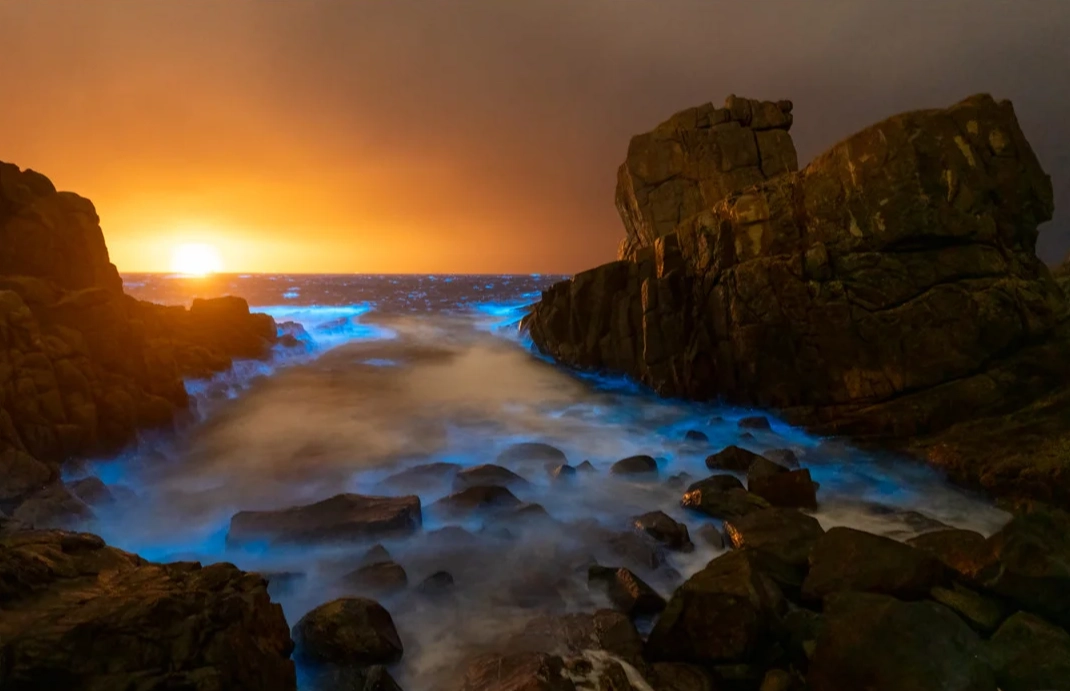
My Personal Pick: Why Nighttime Beta Is Better Than Alpha
Most tour guides recommend Tannan Bay (Alpha spot). But honestly, I prefer the jetty near Aoyun Village (澳运村). It's a working fishing pier, so the water has more nutrients, attracting denser algae. The catch: it smells like fish and there's no beach, just concrete steps. But the glow is brighter because the water is trapped in the harbor. Go at 10 PM. The locals sometimes dump fish waste, which triggers extra bioluminescence. Sounds gross, works beautifully.
To get there, tell your Didi driver: 去澳运村码头. Park near the village entrance and walk down the ramp. Bring a flashlight because the path is uneven.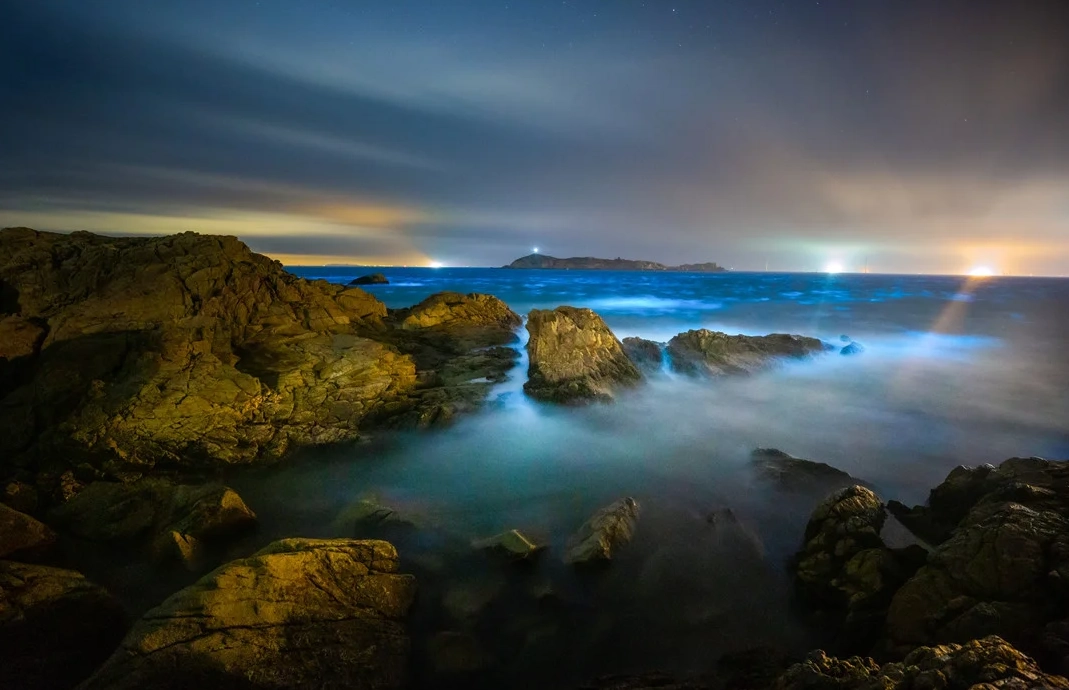
FAQ
Verified and fact-checked by the editorial team.
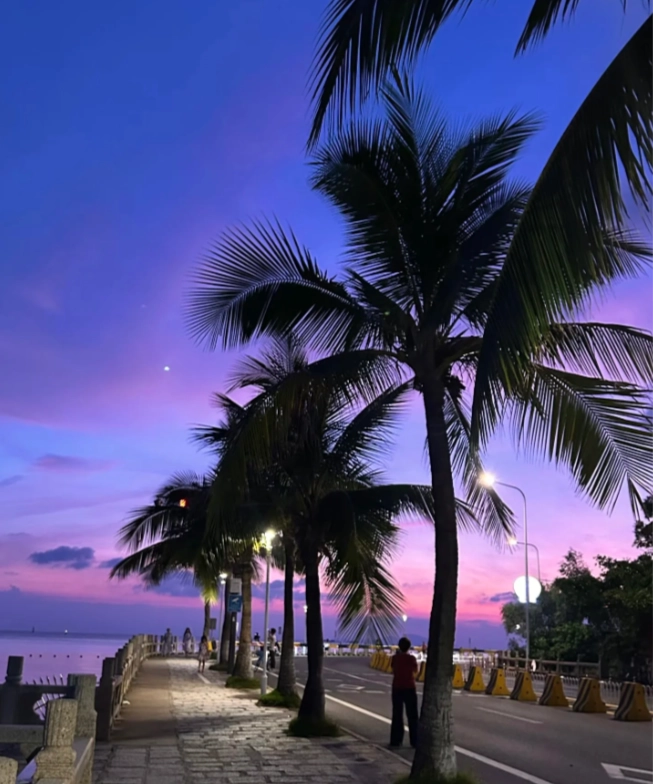
Went in late April after checking multiple forecast apps. Saw the Blue Tears at an undecked section near Shitang Village—absolutely magical. The water turned electric blue with each step. No entrance fee, just a quiet spot with a few other photographers. The best part? No loud tour groups. Make sure to check tide charts; we arrived two hours after high tide and it was perfect. 5/5, will come back next spring.
Honestly, I was let down. Paid a premium for a 'blue tears viewing tour' that took us to a crowded beach where the glow was barely visible—just a few specks here and there. The guide said it was because of wind and moon phase, but we could've saved the money. The island itself is pretty average unless you're into wind turbines and construction. Maybe I came at the wrong time. 3/5, wouldn't recommend for a dedicated trip.
Booked a whole weekend around the Blue Tears. Got a tip from a local driver to go to Qingshan Bay after midnight—and wow, it was like swimming in a liquid galaxy! The plankton glowed with every wave. No crowds, just the ocean and stars. Pro tip: avoid weekends if you can, and use a camera with manual shutter. This was the highlight of my China trip. 5 stars without hesitation!
We came specifically for the Blue Tears in mid-May and had mixed luck. First night saw only faint glimmers over at Haitan Ancient City—honestly disappointing if you've seen videos. Second night at Longfengtou Beach was better, still not the glowing waves I expected. Maybe try earlier in the season. The island itself is lovely though, nice seafood and quiet vibe. Rating 4 because it's hit or miss.
Finally caught the Blue Tears on my third night here! The bioluminescence was unreal—like glowing blue stars washing ashore. Went to Tannan Bay around 9 PM and it was packed but totally worth it. The locals said April is peak season. Bring a tripod if you want decent photos; my phone barely captured it. 5/5 must-see natural wonder!
Honestly, I was let down. We went in early June after seeing all the hype online, but the weather didn't cooperate — it was overcast and the blue tears were barely visible. Maybe a faint greenish glimmer here and there, nothing like the photos. Our local guide said we needed a warmer night with less wind. Felt like we wasted a whole evening waiting on the beach. I understand it's nature-dependent, but for the effort and travel time, it was a real bummer. Can't recommend unless you check the forecast obsessively.
Really beautiful experience, but be prepared for crowds. We went during the first week of May (which is peak season) and the popular viewing spot was packed — hard to find a good spot without fighting for space. The blue tears themselves were stunning, especially when waves broke. The glow is real and impressive, but I wish I had known to go to a less touristy location. Overall still worth it, just manage your expectations on the crowd situation. Four stars.
Brought my two kids (ages 8 and 11) last May and they still talk about it. We stayed at a guesthouse right by the coast — the owner told us exactly when and where to go. The water sparkled like fairy dust when we stomped our feet in the shallows. Pure joy. My only advice: bring extra layers because it gets chilly near the water at night, and pack waterproof shoes. This is a once-in-a-lifetime natural wonder. Absolutely five stars from our whole family!
I did tons of research before going, and these insider tips saved me. Go to Tannan Bay instead of the crowded Northern Line area — it's less packed and the glow is just as bright. Check the tide charts beforehand; high tide + new moon = peak visibility. Also, avoid weekends if you can. We went on a Tuesday and basically had the beach to ourselves. The blue tears were vivid and lasted for hours. One of the most surreal trips I’ve ever taken. Will definitely return next year!
Absolutely magical! We visited in late April and caught the blue tears three nights in a row. The bioluminescent waves crashing against the rocks looked like glowing stars swirling in the ocean. Total bucket-list experience. Highly recommend going between 10 p.m. and midnight on a warm night with no moon — that's when the effect is strongest. Bring a good camera with manual settings; phone shots just don't do it justice. This is something you have to see with your own eyes. 10/10!