 Yan Zhou
Quick Navigation
I've been guiding photographers through Suzhou's gardens for over a decade, and Master of the Nets Garden remains my personal favorite for intimate, frame-worthy shots. It's small but packed with meticulously composed vignettes—every window, every rock, every reflection is a deliberate photograph waiting to happen. But here's the catch: most tourists miss the best angles because they follow the crowd. Let me show you where to stand and when.
You've booked your flight, you've got your camera, but you're stuck—Google Maps doesn't work, your international credit card gets rejected at the ticket booth, and the WeChat mini-program is in pure Chinese. I've seen it happen countless times. This guide cuts through that chaos. Bottom line: arrive by 7:30 AM (before the tour groups), use Apple Maps for navigation, and bring enough cash (RMB 50-100) as backup. Now, let's dive into the exact spots.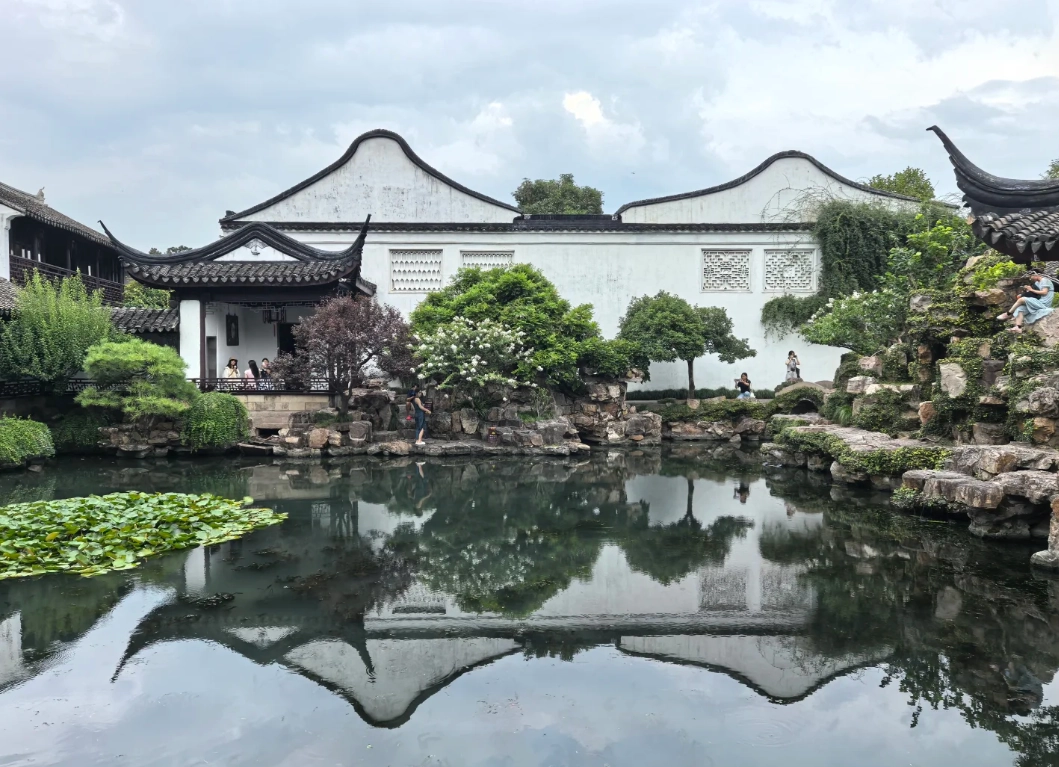
Top Photography Spots
Let me walk you through my favorite locations inside the garden. I've measured angles and light for years, so trust the details.
1. The Reflection Pond (彩霞池)
This is the heart of the garden. The pavilion 月到风来亭 (Moon Come with Breeze Pavilion) sits at the southwest corner—position yourself on the opposite side (northeast) to capture its reflection perfectly. Best time: early morning (7:00-8:30 AM) when the water is still and the light is soft. Use a polarizing filter to cut glare. Address: 阔家头巷11号, 姑苏区, Suzhou. Nearest metro: Line 4, Nanmen Station, Exit 3—then a 10-minute walk. Tip: afternoon light creates harsh shadows; avoid 12:00-14:00.
2. The Moon Gate (月洞门)
Just west of the main hall, a circular moon gate frames a miniature bamboo grove. Kneel down to shoot through the gate and use a small aperture (f/8-f/11) to keep both the gate and the bamboo sharp. Pro tip: Come 30 minutes before closing (around 4:30 PM) to get an empty frame—the gate is a magnet for selfies.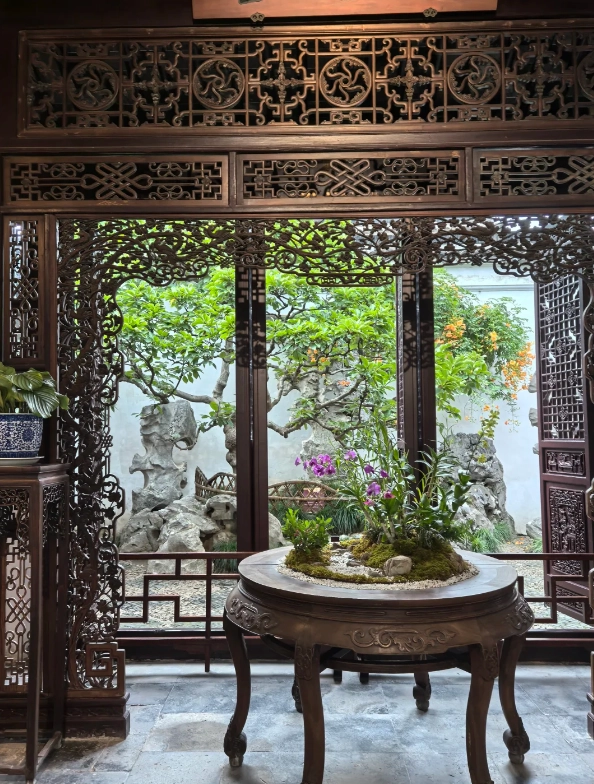
3. The Peony Hall (殿春簃)
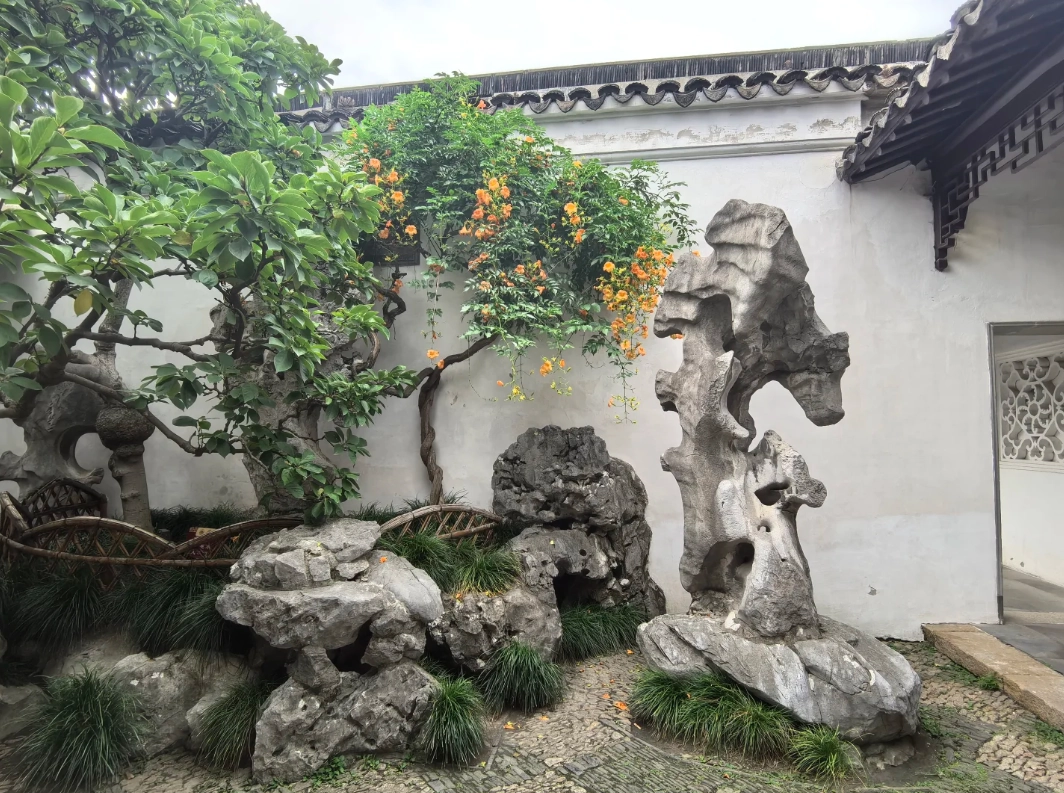
This small courtyard houses a famous rockery and a quiet study. The lattice windows cast patterned shadows on the floor—wait for a sunny day between 3:00-4:00 PM to capture that interplay. Don't miss: the tiny moss-covered well in the corner; it's an easy detail to overlook but makes for a great macro shot.
4. The Night Garden
From April to October, the garden opens for night tours (19:30-22:00). Performances of Kunqu opera and guzheng music happen in the pavilions. Use a tripod (allowed) and shoot at ISO 800-1600 with a wide aperture. The reflection pond becomes magical with lantern lights. Tickets: RMB 100 (night only) – book via Trip.com or Klook. Avoid weekends if possible; it gets packed.
| Spot | Best Time | Lens Suggestion | Crowd Level |
|---|---|---|---|
| Reflection Pond | 7:00-8:30 AM | 24-70mm | High after 9 AM |
| Moon Gate | 4:30-5:00 PM | 50mm or 85mm | Medium |
| Peony Hall | 3:00-4:00 PM | 70-200mm | Low |
| Night Garden | 7:30-9:00 PM | 16-35mm + tripod | Medium-high |
Best Time to Shoot
Light is everything. Here's the honest breakdown based on my hundreds of visits:
- Spring (March-May): Cherry blossoms and azaleas bloom—but crowds explode. Arrive at opening (7:30 AM) sharp.
- Summer (June-August): Lotus flowers in the pond, but midday sun is brutal. Stick to 7:00-9:00 AM or 4:30 PM onward. Night photography is excellent.
- Autumn (September-November): Golden leaves and crisp air. My favorite season. Any time except 11:00-13:00 works.
- Winter (December-February): Fewer tourists, bare branches create stark silhouettes. Snow is rare but sensational—check forecast and go immediately if snow is predicted.
Practical Tips for Foreign Visitors
Let's address the real headaches so you don't waste time.
Payment: The ticket counter accepts Alipay, WeChat Pay, and cash (RMB). International credit cards? Don't count on it. Even in 2024, many small vendors inside only take digital payments. Set up Alipay with your international card before you arrive—it's simple and works everywhere. Cash backup: Bring at least RMB 100 in small bills.
Navigation: Google Maps is blocked in China. Use Apple Maps or Baidu Maps (English interface available). The garden's Chinese address: 苏州市姑苏区阔家头巷11号. For rideshare, install DiDi (English version) – it's like Uber. Show the driver the address in Chinese.
Tickets & Reservation: You don't need a reservation for standard entry (just queue), but for night tours you must book in advance. Use Trip.com or Klook with your passport number. The official WeChat mini-program is a nightmare for non-Chinese speakers – skip it. Admission: Daytime RMB 40 (peak) / RMB 30 (off-peak), Night RMB 100.
Language: Few staff speak English. Download Apple Translate or Baidu Translate for offline use. Most signage has English, but not all. VPN: Install a reliable VPN before you leave home – otherwise you won't access Google, Instagram, or WhatsApp.
Frequently Asked Questions
Verified and fact-checked by the editorial team.
Eh, overhyped for photography. The garden is pretty but way too small—you run out of good angles in 15 minutes. The famous “Moon Pavilion” reflection is impossible to get without people photobombing even on a Tuesday afternoon. Plus the recent renovation scaffolding on the east wall ruins every long shot. I expected Suzhou-level magic but got a cramped yard with tourists elbowing me. Not worth the 40 RMB if you’re serious about composition. 3 stars.
Overall a solid 4. The garden is a photographer’s dream in theory, but I visited on a Saturday around 11 AM and it was packed. I couldn’t get a clean shot of the central pond without a dozen selfie sticks in frame. The light was harsh too. Managed some decent close-ups of the carved lattice windows and the mini bonsai area in the back. Go early on a weekday and this would easily be a 5. Still better than the overcrowded Humble Admin Garden.
Honest review from a casual traveler who just wanted some nice pics. The garden is tiny—you can walk every inch in 20 minutes—but every corner frames a picture. I loved the “Leading the Crane” bridge shot with the wisteria overhang. My photos felt like postcards. The downside? No café inside and the gift shop is overpriced. Still, for $10-ish entrance it’s a steal. Would return in spring when the flowers pop.
Came here specifically for the famed small-scale garden photography. Pro tip: the south-facing corridor around 4 PM gives you that warm side light hitting the lichen on the stone peaks—divine for texture shots. Used a 70-200mm to compress the layers of the central rockery and it turned out like a Song Dynasty painting. Only gripe is the afternoon tour groups (they block the best angles for 10 minutes). Still, 5/5 because the gardens are impossibly photogenic.
I’m a semi-pro photographer and spent two full mornings here. The “Moon-Welcome Pavilion” reflection at sunrise (around 6:30 AM in late October) is an absolute masterpiece—absolutely zero crowd and the water is glassy. The east garden has a tiny window framing a bamboo grove that gives the perfect natural vignette. Bring a polarizer for the koi pond though, reflections wash out easily. This spot alone is worth the entry fee five times over.