 Bo Wu
Bo Wu
What's Inside?
I've guided hundreds of travelers through Jing'an Temple, and I can tell you—most people walk in circles and miss the best spots. The layout is trickier than it looks. But once you know the flow, it's a breeze. Let me save you the headache.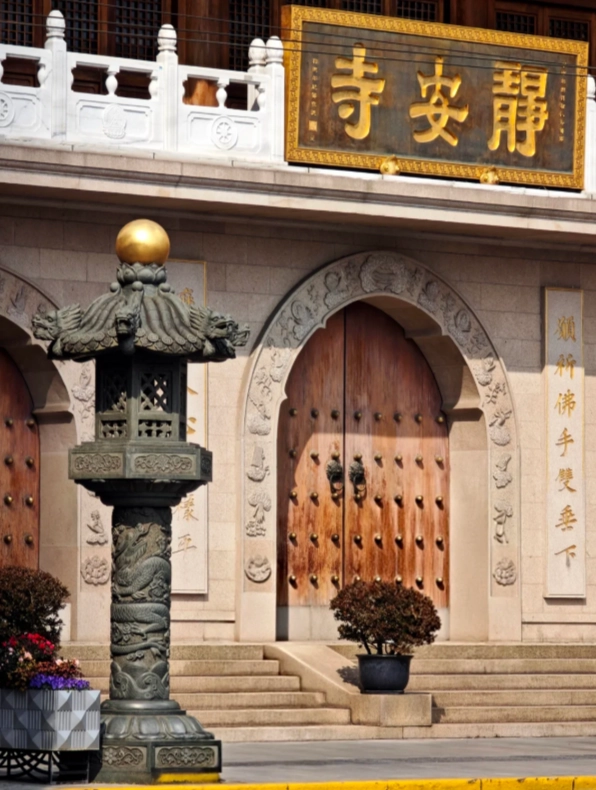
Why Most Tourists Miss Half the Temple
First off, the entrance is not where you think. The main gate faces Nanjing Road, but the actual ticket booth is tucked to the side. I've seen groups line up at the wrong door for 10 minutes. Awkward.
Second, the temple is built on a slope. From the front, you only see the first hall. People assume that's it and leave. But there's a whole upper level—a hidden pagoda, a jade Buddha, and a peaceful garden. You'd never guess from the street.
Here's the catch: the official map they give you is tiny and in Chinese only. So I'll break it down for you in plain English.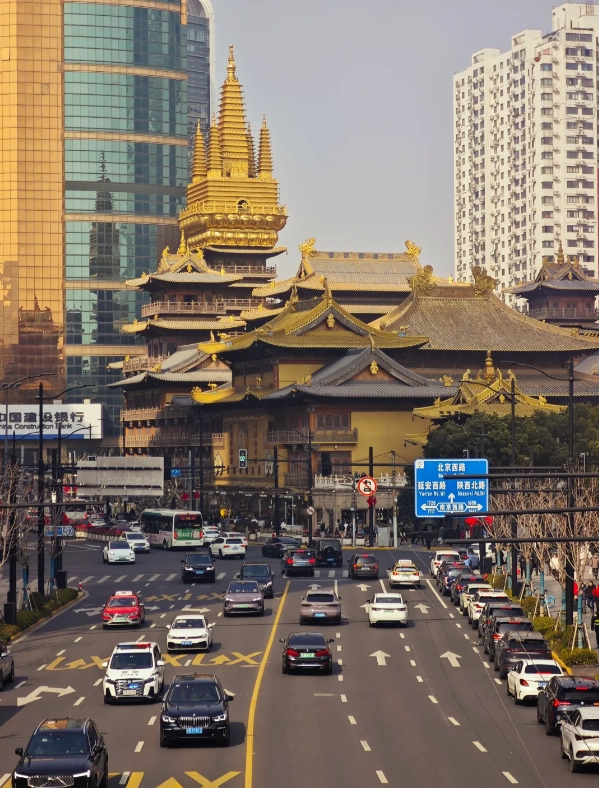
The Exact Layout: What's Where
Jing'an Temple follows a traditional Chinese Buddhist layout but with some Shanghai twists. Picture a rectangle sloping upward from south to north.
| Area | What to See | Level | Don't Miss |
|---|---|---|---|
| South Gate (Main Entrance) | Ticket booth, Hall of Heavenly Kings | Ground | The huge laughing Buddha statue |
| Central Courtyard | Incense burner, bell tower | Ground | Light a stick of incense (free) |
| Main Hall (Da Xiong Bao Dian) | Three golden Buddhas, intricate carvings | Ground | The massive pillars – perfect for photos |
| East Wing | Arhat Hall, souvenir shop | Ground | 500 arhat statues – each with a unique face |
| West Wing | Monks' quarters, small tea room | Ground | Not open to public – skip |
| Upper Terrace (north) | Jade Buddha Hall, Pagoda of Peace | Upstairs | The jade Buddha – pure white and serene |
| Pagoda Square | 7-story pagoda, garden with koi pond | Top level | Climb the pagoda for a skyline view (extra ¥10) |
Notice that the pagoda is separate from the main halls. You have to exit the main temple building and walk around to the north side. Most tourists miss this because there's no clear sign in English. I always tell my clients: after the Main Hall, look for a stairway on the left side near the east wing. That's your path up.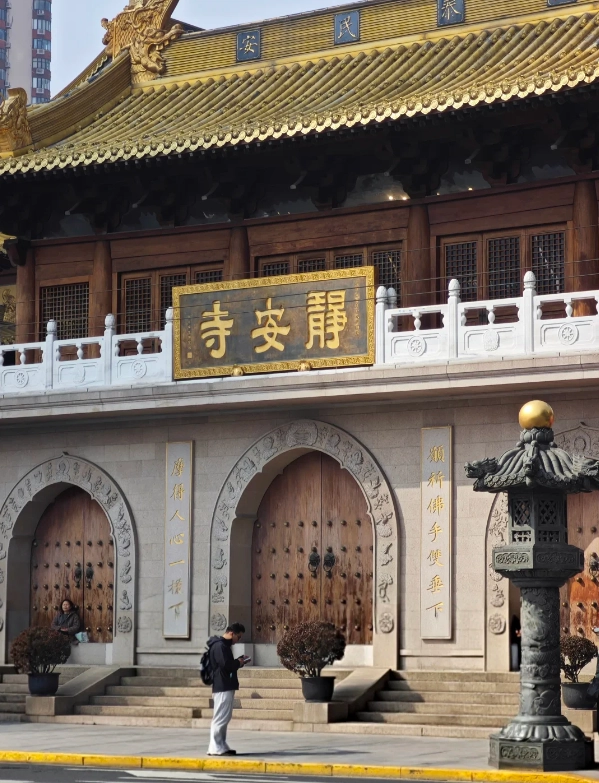
My Proven Route – Save Time and Sanity
Now, let me walk you through the exact path I use. Follow this and you'll see everything in under two hours, even on a busy Saturday.
Step 1: Arrive Early – Beat the Crowd
Doors open at 7:30 a.m. in summer (8:00 in winter). Get there at opening. Why? Because between 10 a.m. and 2 p.m., the south gate becomes a zoo. I've seen lines stretch across the plaza. Plus, the light is harsh for photos. Early morning gives you soft golden light and empty halls.
Step 2: Enter Through the South Gate
Buy your ticket at the booth on your left as you face the gate. It's a small window – easy to miss. (Don't worry, I'll cover prices below.) Once inside, you're in the Hall of Heavenly Kings. Spend 5 minutes here to see the giant carved statue of Maitreya.
Step 3: Central Courtyard – Quick Photo Stop
Walk straight into the courtyard. You'll see a huge bronze incense burner. Take a photo, but don't linger. The real magic is ahead. If you want to light incense, grab a free stick from the table near the burner.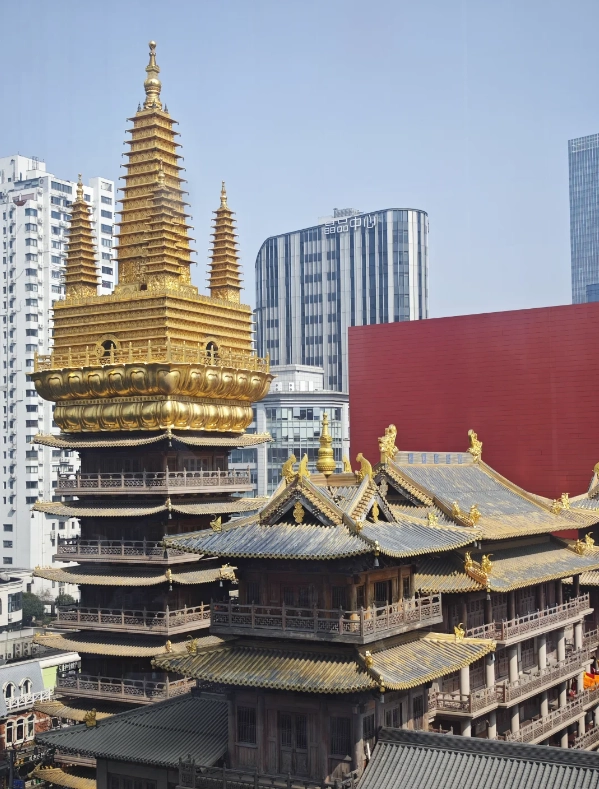
Step 4: Main Hall – Take Your Time
This is the heart of the temple. The three golden Buddha statues are stunning. Look up at the ceiling – it's covered in intricate patterns. I usually spend 15 minutes here. Avoid standing right in the center; the monks pray there and you'll be in their way.
Step 5: East Wing – Arhat Hall
Exit the Main Hall from the left side. Follow the covered corridor to the Arhat Hall. This room has 500 life-sized arhat statues, each with a different expression. It's a maze – don't rush. Count how many with angry faces (I spotted 47 last time).
Step 6: The Hidden Stairway – Up to the Pagoda
Here's where most people get it wrong. After the Arhat Hall, go back to the corridor and look for a narrow stairway with a small sign in Chinese. Climb it. You'll emerge at the Jade Buddha Hall. The jade Buddha is a must-see – it's carved from a single piece of white jade from Myanmar. Then walk outside to the Pagoda Square.
Step 7: Pagoda and Garden
The 7-story pagoda is the highest point in the temple. For ¥10 extra, you can climb up to the top. The stairs are steep, but the view of the Shanghai skyline is worth it. After coming down, sit by the koi pond for 10 minutes. It's quiet, and you'll hear nothing but birds and the water. This is my favorite spot.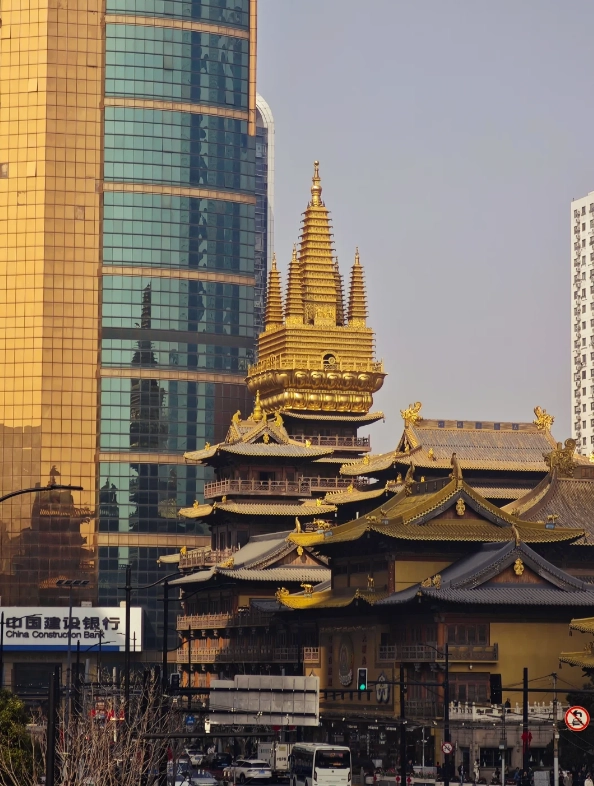
Step 8: Exit – Don't Use the Same Gate
From the upper terrace, you can exit directly to the north side on Huashan Road. This saves you from walking back through the crowd. Plus, you'll end up right next to the Jing'an Park, which is free and nice for a stroll.
Ticket Prices and Opening Hours
| Category | Price (¥) | Notes |
|---|---|---|
| Adult (standard) | 50 | Includes all halls except pagoda climb |
| Children (6-18) | 25 | Show passport for age verification |
| Senior (60+) | 25 | Valid for Chinese seniors only (foreign passport not accepted) |
| Pagoda climb | 10 | Paid separately at the pagoda entrance |
| Audio guide | 30 | English available, but I think it's too dry. Use my route instead. |
Opening Hours: 7:30 a.m. – 5:00 p.m. (summer, Apr-Oct) / 8:00 a.m. – 4:30 p.m. (winter, Nov-Mar). Last entry 30 minutes before close. They close at 5 p.m. sharp, and they start shooing people out at 4:45 p.m..
Payment: They accept cash and WeChat Pay/Alipay. International credit cards? Not a chance. So bring cash or get a Chinese payment app (ask your hotel front desk to help you set it up). I've seen too many travelers stuck at the ticket booth.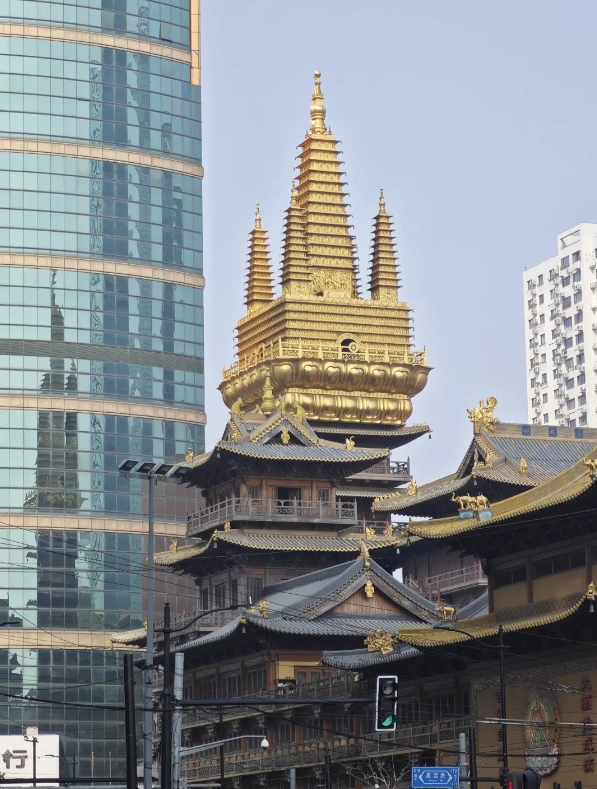
Insider Photography Tips
You want those gorgeous shots without tourists blocking your frame? Here's my secret:
- Best time: 7:30 a.m. – 9:00 a.m. on a weekday. Sundays are worst.
- Best angles: In the central courtyard, shoot upward from a low angle to capture the flying eaves against the sky. The red pillars and gold details pop.
- Pagoda shot: Stand at the corner of the koi pond and frame the pagoda reflected in the water. Yes, it's cliché, but works.
- No photography rule: Inside the Jade Buddha Hall, no photos allowed. The monks are strict. I've seen them scold tourists. Respect it.
One more thing – at noon, the sun creates harsh shadows in the courtyard. If you arrive at noon, skip the outdoor photos and focus on the halls. The interiors are nicely lit all day.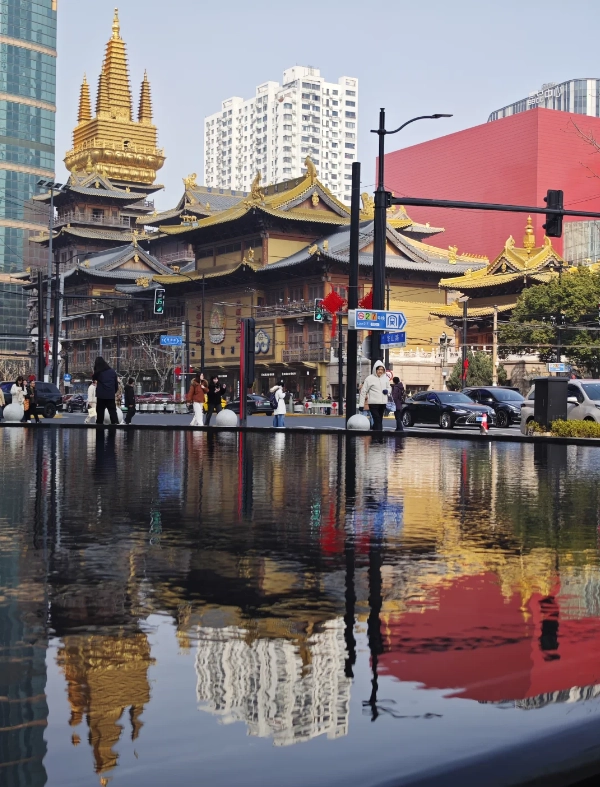
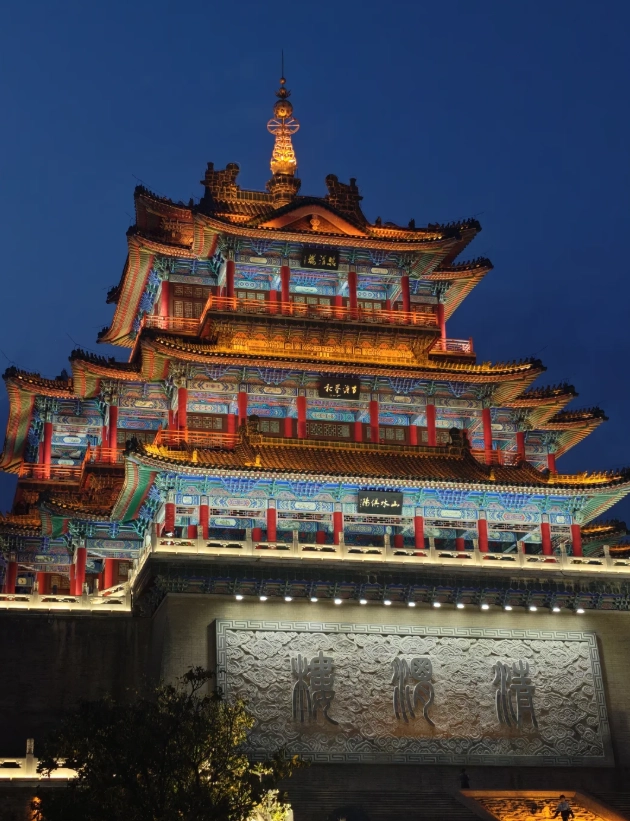
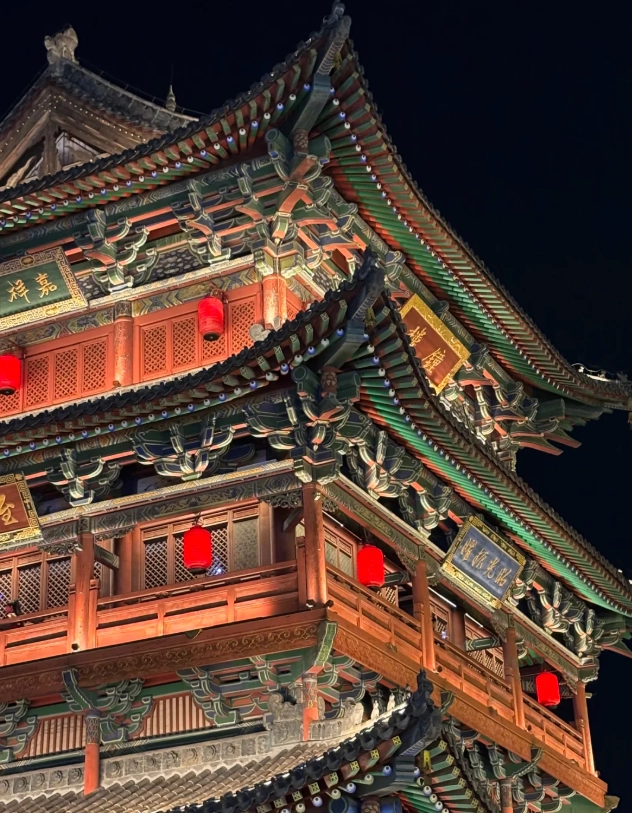
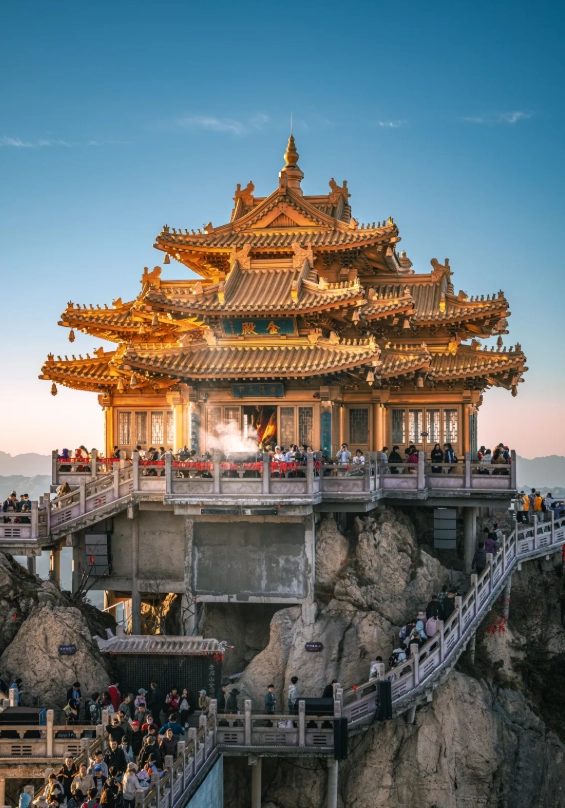
Took the metro at 9:30, figured the crowds would be manageable – nope. But the layout guide saved me. Instead of queuing for the main hall, I went straight to the rear pagoda first. That whole zone was nearly empty. Saw only 5 other people while I circled the 7-story structure. The dirt path behind the pagoda leads to a tiny moss garden with a stone table – sat there and journaled for 20 mins. Exactly 2 hours from entry to exit (including that sit-down). The only minor letdown was the gift shop – overpriced keychains. But the temple experience itself? Worth every yuan. 5/5 for the anti-crowd strategy alone.
This is THE spot for temple shots without a hundred selfie sticks in the frame. I used their 'two-hour express route' – basically skips the main courtyard during peak hours and takes you along the side corridors. Got amazing photos of the golden roof against the blue sky with literally 3 other people in the background. The secret? There’s a second-floor balcony near the library that nobody knows about. Spent 45 minutes up there just watching the incense smoke drift. Finished the whole loop in 1h45m including a 10-min break for the free oolong tea at the rest area. Pure gold.
Came on a Saturday afternoon against the advice of the guide – big mistake. The layout itself is beautiful (love the Song dynasty architecture) but the crowd management was a joke. The two-hour route they recommend was blocked by a wedding photoshoot for 25 minutes. Paid 50 yuan entry, but the audio guide was another 20 and barely worked – kept cutting out near the prayer wheel. If you HAVE to go, go at 8 AM like others said. For a weekend visit? I’d give it a 3. The vegetarian noodles in the side hall were decent though, so it’s not a total loss.
Honestly, this was the most peaceful temple visit I’ve ever had in Shanghai. The staff member near the incense burner saw me looking lost and personally walked me to the quietest corner of the complex – a little bamboo grove behind the Golden Buddha. Zero crowds, just birds chirping. Took about 2 hours with a slow pace, even stopping to read the English plaques. If you’re like me and hate shuffling through tourist packs, follow their suggested sequence: start at the bell tower, end at the vegetarian canteen. The cold tea they serve at the exit was a thoughtful touch. Can’t recommend enough.
I followed the '2-hour layout' tip and it worked like a charm. Got there right when it opened at 7:30 AM on a weekday – barely 20 people inside. The main hall has this intense sandalwood scent that hits you as soon as you step in. My only gripe? The 'avoid crowds' map they gave at the entrance was printed in tiny font and smudged. Hard to read, but the actual route (pagoda → main hall → back garden) took exactly 1 hour 50 min. Solid value for 50 RMB.
This is exactly what I needed—a quick, crowd-free temple experience right in the middle of Jing'an. Went at 8am on a Sunday and saw maybe 10 other people. The layout is intuitive: left to right, front to back. I took lots of photos in the courtyard (no flash needed) and admired the intricate wood carvings on the door panels. Finished in exactly 2 hours including a 10-minute chat with a friendly monk near the bell tower. A hidden gem if you go early.
Was expecting more for the entrance fee. The layout is easy to navigate in under 2 hours but the temple felt a bit commercial with loudspeaker announcements and a huge donation box right in front of the main altar. The pagoda is photogenic from outside but you can't go up. I did like the small garden behind the hall—peaceful and almost crowd-free. Solid 4 stars because it's clean and well-maintained, but not magical.
Visited on a drizzly Thursday afternoon and practically had the place to myself. The layout is simple: you enter through the ornate gate, pay 50 yuan, and then it's just a straight shot through three halls ending at the towering pagoda. I spent exactly 2 hours because I sat on a bench near the incense burner for 20 minutes just watching the smoke curl upward—very meditative. No crowds at all, and the staff were quiet and respectful. Perfect for a solo wander.
Decent temple but honestly felt a bit cramped once I got inside. The layout isn't bad—you walk in a straight line—but I went at 11am on a Saturday and it was already getting crowded. The gold leaf on the main statue is impressive but the constant 'no photo' signs annoyed me. I managed to see everything in 1.5 hours but left feeling like I'd rather have gone to Longhua instead. Okay for a quick visit, not more.
I went on a Tuesday morning right when it opened at 7:30, and it was almost empty—perfect for avoiding the tour groups. The layout is straightforward: entrance, main hall, then the pagoda in the back. I finished everything in about 1 hour 45 minutes, taking my time with the Buddha statues and the small side courtyards. Only gripe is the souvenir shop felt a bit pushy, but overall a calm and beautiful experience. Highly recommend the early slot.