 Wei Zhang
Quick Navigation
I've been guiding travelers through Dali Ancient City for years. And almost every time, someone asks me: "How long should I stay here?"
Here is the catch: most online guides tell you to spend a full day. But I've seen people get bored by 2 pm. And others rush through in 2 hours and miss everything special. So let me give you the real deal—based on your travel style, energy, and what you actually want to see.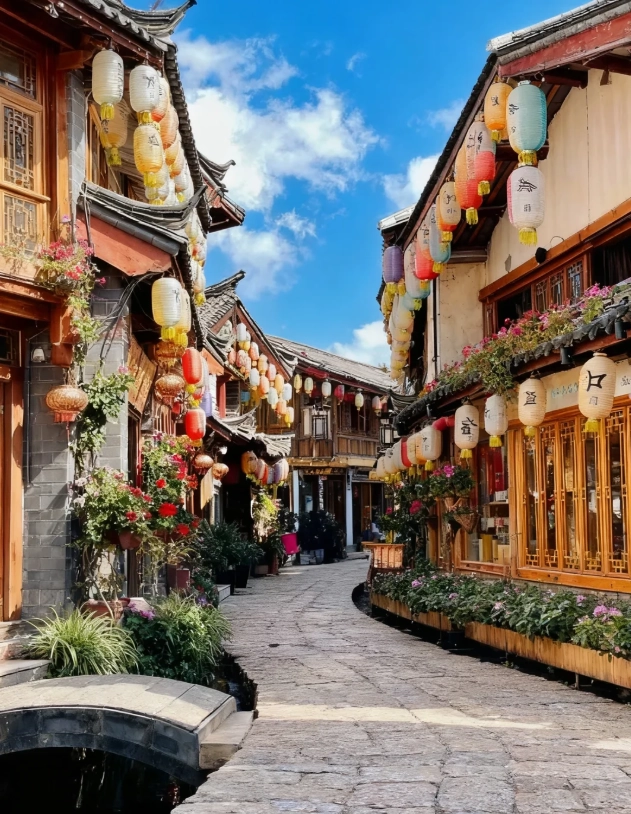
The Short Answer: It Depends (But Here's My Rule of Thumb)
Most foreign tourists can comfortably cover the ancient city in 4–5 hours. That includes walking the main streets, popping into a few temples, grabbing a meal, and snapping photos. But here’s what I’ve noticed: travelers from big cities like Shanghai or New York often feel “enough” after 3 hours because the city isn’t huge. Meanwhile, culture lovers and photographers easily spend 7 hours.
Let me break it down by activity level.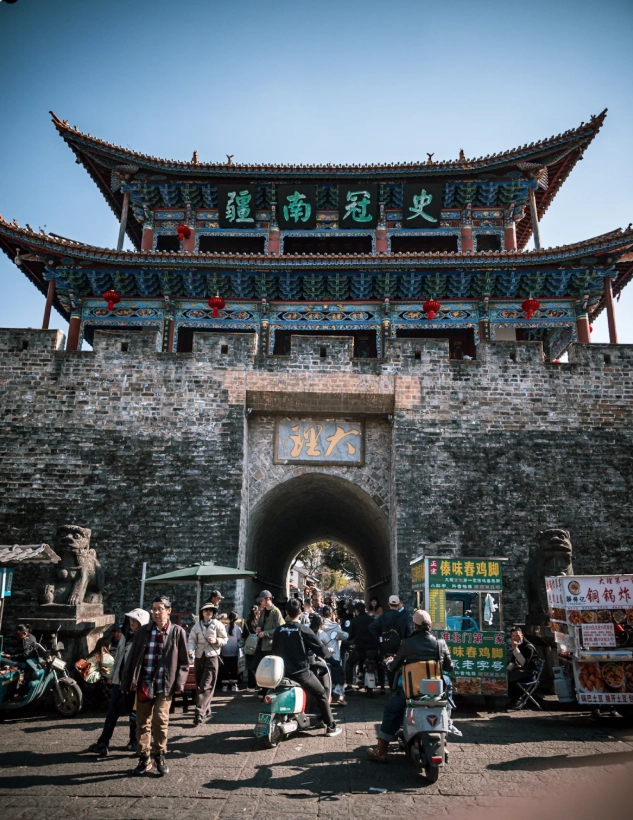
Your Schedule Options
Quick Visit (2–3 Hours) – The Highlight Dash
This works if you’re on a tight itinerary and need to see the city before heading to Erhai Lake or the Three Pagodas. Start at the South Gate (the iconic gate with "Dali" characters). Walk straight along Fuxing Road—the main commercial spine. Stop at the intersection with Yangrenjie (Foreigner Street) for a quick look. Then head to the North Gate for a less crowded photo. Skip the paid museums (like the Dali Ancient City Museum unless you're a history buff). Grab a quick bite at a street stall—try the rǔ shàn (grilled milk fan) which takes 5 minutes. Exit through the East Gate if you parked there.
Half-Day (4–5 Hours) – The Balanced Stroll
This is my favorite duration for most groups. You have time to:
- Walk the full length of Fuxing Road (about 1.5 km) from South to North Gate.
- Detour into side alleys like Huguang Road for quieter vibes and small art galleries.
- Visit one paid site—I recommend the Du Wenxiu Mansion (10 RMB entrance) for its history and peaceful garden.
- Enjoy a sit-down lunch at a rooftop restaurant overlooking the street. Try yú xiāng (fish in spicy chili sauce) at Garden Café (near the South Gate).
- Watch a tie-dye demonstration at a shop on Bogu Road—free to watch, 30 minutes.
Full Day (7–8 Hours) – The Immersive Experience
Choose this if you want to dive deep into local culture without rushing. Add these to the half-day plan:
- Visit the Dali Ancient City Museum (free entry with ID), which takes about 1.5 hours.
- Take a tie-dye workshop (1–2 hours, 80–120 RMB) at Bai Zhang Tie-Dye Studio.
- Enjoy a long dinner at Fuxing Road Food Street—sample 5–6 street foods like grilled rice cakes and rose yogurt.
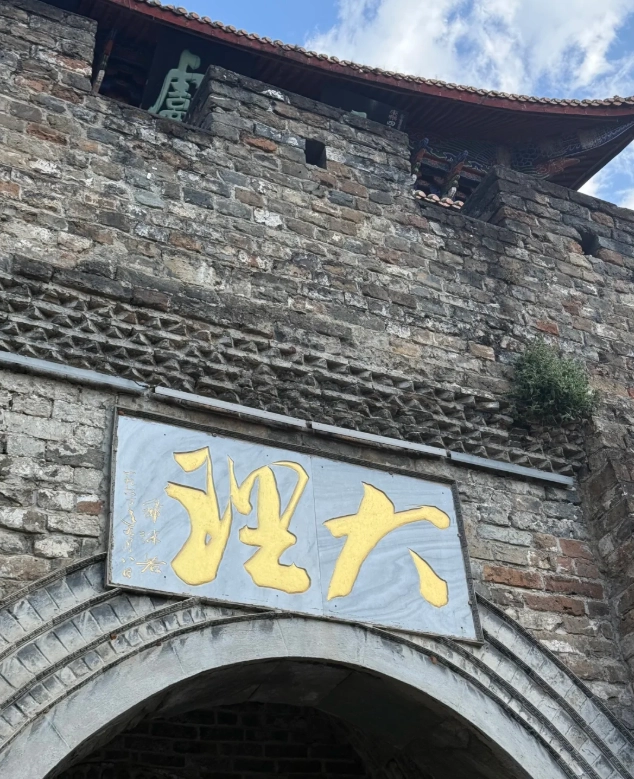
- Climb the City Wall near the South Gate (free, open 9:00–18:00) for sunset views over Cangshan Mountain. Best timing: 30 minutes before sunset.
What Actually Takes Up Your Time? Realistic Walking Map
Here’s a realistic breakdown of time spent per activity. I measured this with my own group last month.
| Activity | Time Needed | Notes |
|---|---|---|
| Walking from South to North Gate (main street) | 30 min (nonstop) | Add 20 min if stopping for photos |
| Exploring side alleys (4–5 lanes) | 45 min | Lanes like Huguang and Bogu are more authentic |
| Visiting Du Wenxiu Mansion | 40 min | Entrance fee 10 RMB; no audio guide |
| Street food tasting (5–6 items) | 45 min | Buy at different stalls; cash preferred |
| Sit-down lunch/dinner | 1 hour | Service can be slow; bring patience |
| Tie-dye workshop | 1.5 hours | Price negotiable; includes materials |
| Sunset on city wall | 30 min | Best photo spot: near South Gate |
| Museum (Dali Ancient City Museum) | 1.5 hours | Free but skip if short on time |
Pro tip: Most travelers overestimate how much they can see. The ancient city is not huge—walkable in 15 minutes end to end—but the charm is in the slow pace. Don’t try to see every shop. Pick a theme (food, art, or history) and focus.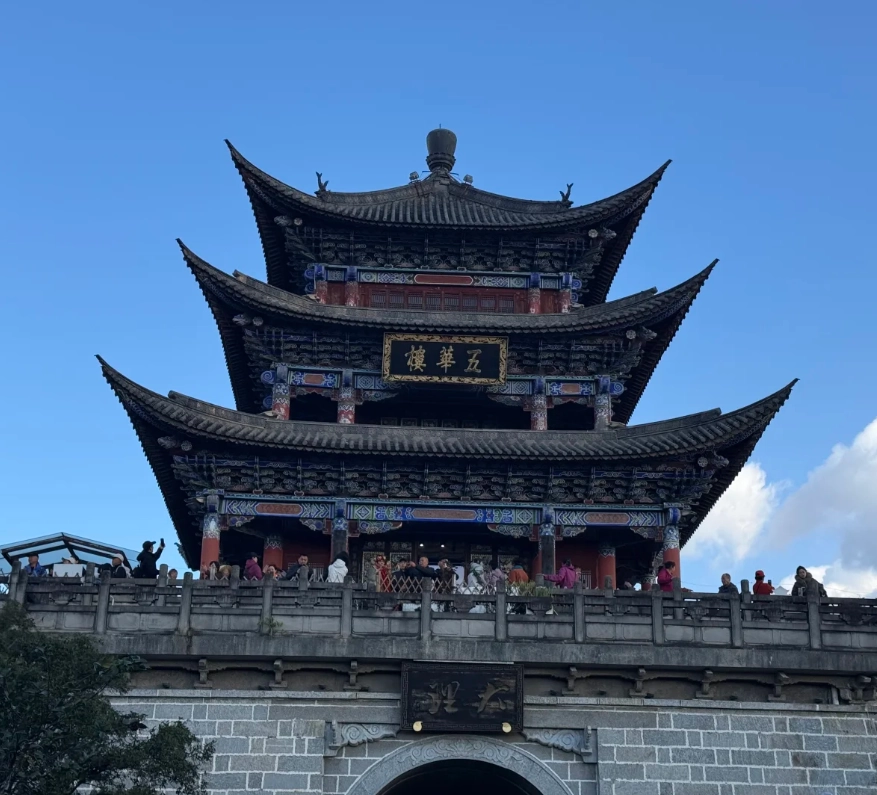
How to Avoid Crowds: Timing Is Everything
The biggest mistake tourists make: arriving around 11 am. That's when all the bus tours unload at the South Gate. The streets become packed, and the main square feels like a shopping mall during sale season.
Here's my personal schedule for a crowd-free visit:
- 8:30 am – 10:30 am: Golden window. Most shops are still opening, but you have the streets almost to yourself. Morning light is soft for photos. I always tell my clients to start at the North Gate (less busy) and walk south.
- 12:00 pm – 1:30 pm: Lunchtime crowds peak. Find a restaurant with a rooftop and escape the noise.
- 4:00 pm – 6:00 pm: Second sweet spot. Day-trippers leave around 3:30 pm. You get the late afternoon glow and fewer people.
Must-Have Tips for Foreign Travelers
- Cash is still king for small stalls and entry fees. Don't rely on cards. ATMs are available at Bank of China near the South Gate.
- WeChat Pay is the norm but tricky for foreigners without a Chinese bank card. Ask your hotel to load cash onto your WeChat or use Alipay's travel pass.
- The public toilets are free but often lack toilet paper. Carry your own tissue every time.
- Beware of fake silver. Many shops sell "handmade" silver jewelry that's actually machine-made. Only buy from shops with a government certification label (ask for “国检”).
- Negotiate politely for souvenirs. Starting price is often 30–50% above fair. Smile and offer half.
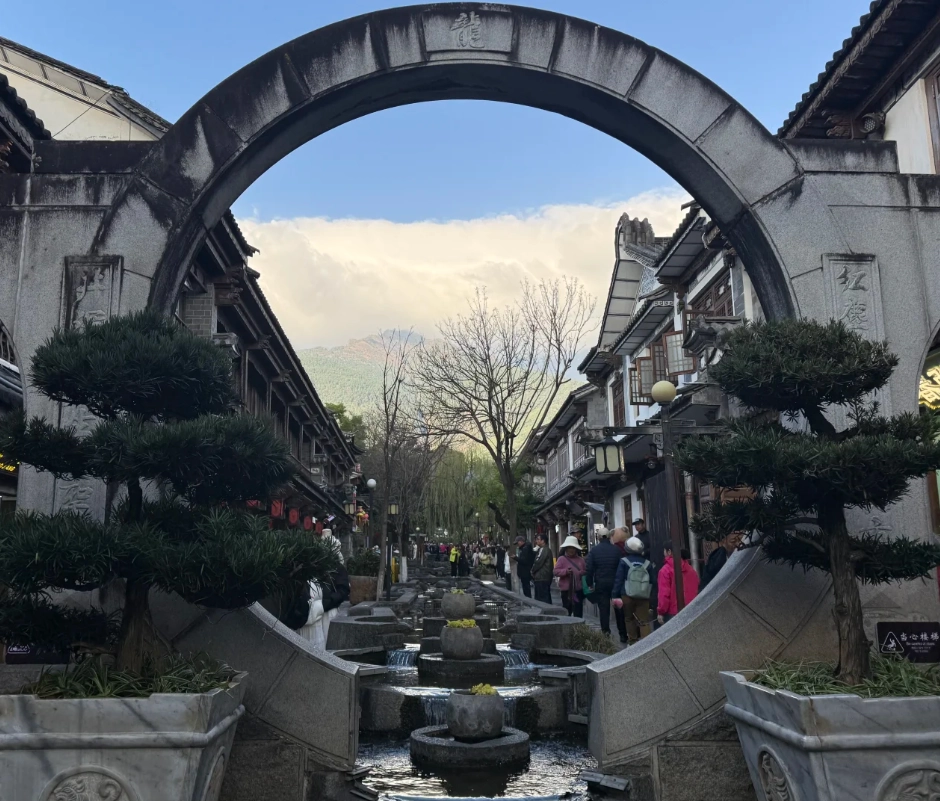


Honestly, I was a bit disappointed. Maybe I've seen too many similar old towns in China, but Dali Ancient City felt very same-y. Endless rows of silver jewelry shops and fried snack stalls. The only decent photo spots were near the south gate and a couple of spots along the wall, but even those were crowded with tourists in rented costumes. I did the whole loop in about 2.5 hours and that was enough. If you've been to Lijiang or other restored ancient towns, you can give this a miss or just pop in for a quick look.
Pretty but a bit too commercial for my taste. The main streets are packed with identical souvenir shops and cafes playing loud pop music. That said, the quieter side streets are lovely — I found a hidden temple with a peaceful garden and no crowds. I spent about 4 hours here which felt right. If you're expecting an authentic ancient village experience, manage your expectations a little. Still worth a visit, just avoid the central drag.
As someone who loves ancient architecture and local history, this place is a treasure. I spent a full day visiting the various temples, the old city gate, and a small private courtyard house that's been turned into a cultural exhibit. The carvings on the wooden beams and the stone paths tell centuries of stories. Three hours would only let you scratch the surface. Bring comfortable shoes and a curious mind — you'll need the whole day.
I decided to do a full day here and it was the best decision. Started the morning at the morning market watching locals bargain for herbs and fresh produce, then spent hours getting lost in the back alleys away from the crowds. Found a family-run noodle shop for lunch that had the best cross-bridge rice noodles I've ever tasted. The afternoon was for exploring the old city walls and a small museum. By evening the streets quieted down and the lanterns came on — pure magic. If you like slow travel, don't rush this place.
Spent about 3 hours here in the late afternoon and it was absolutely magical. The cobblestone streets were glowing in golden hour light, and I found a tiny tea house tucked away from the main strip where the owner served me homemade jasmine tea with a side of local pastries. Could've easily stayed another hour just soaking in the vibe. If you're short on time, three hours works, but honestly you'll want at least half a day to really wander without rushing. Highly recommend!