 Ting Chen
What’s Inside?
- Why Timing Matters in Dukezong
- The Short Answer: Best Months at a Glance
- Spring (April–May): Blooming Beauty
- Autumn (September–October): Golden Season
- Summer (June–August): Rainy Reality
- Winter (November–March): Cold but Quiet
- Monthly Weather Breakdown
- Practical Tips for Foreign Travelers
- Frequently Asked Questions
I’ve guided dozens of groups through Dukezong Ancient Town, and I’ll be blunt: showing up in the wrong month can ruin the magic. High altitude, unpredictable rain, and freezing winds are real party poopers. But get the timing right, and you’ll walk cobblestone streets under golden sunlight, with barely any crowds. Let me break down exactly when to book your trip.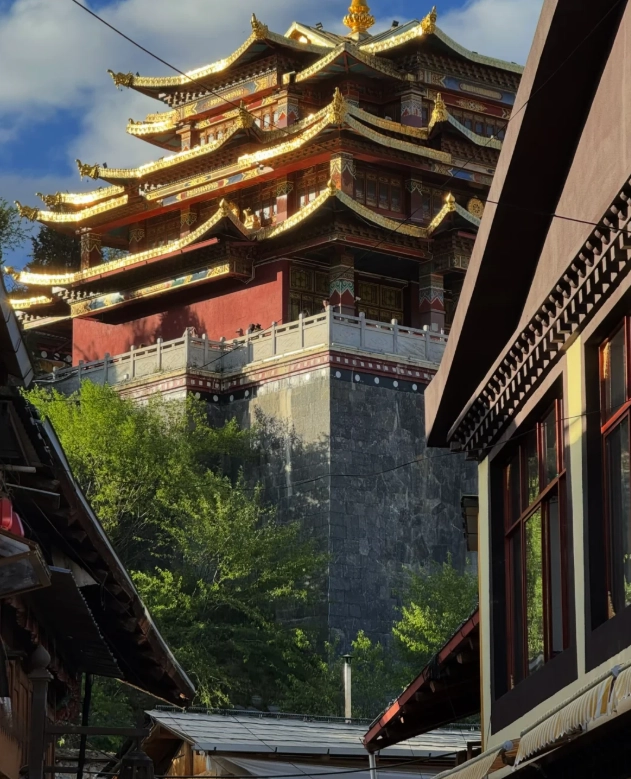
Why Timing Matters in Dukezong
Dukezong sits at 3,300 meters (10,800 ft) in Shangri-La, Yunnan. That altitude means weather swings hard. The dry season (November–March) brings bitter cold nights; the wet season (June–September) dumps rain and clouds. Your comfort, views of the old town’s rooftops, and even your ability to hike to the nearby Songzanlin Monastery all depend on the month you choose.
The Short Answer: Best Months at a Glance
| Month | Weather | Crowds | Rating |
|---|---|---|---|
| April–May | Mild, sunny, some rain | Moderate | ★★★★★ |
| June–August | Rainy, cool, cloudy | High (domestic tourism) | ★★☆☆☆ |
| September–October | Crisp, clear, dry | Moderate–High (Golden Week) | ★★★★★ |
| November–March | Cold, dry, sunny | Low | ★★★☆☆ |
Spring (April–May): Blooming Beauty
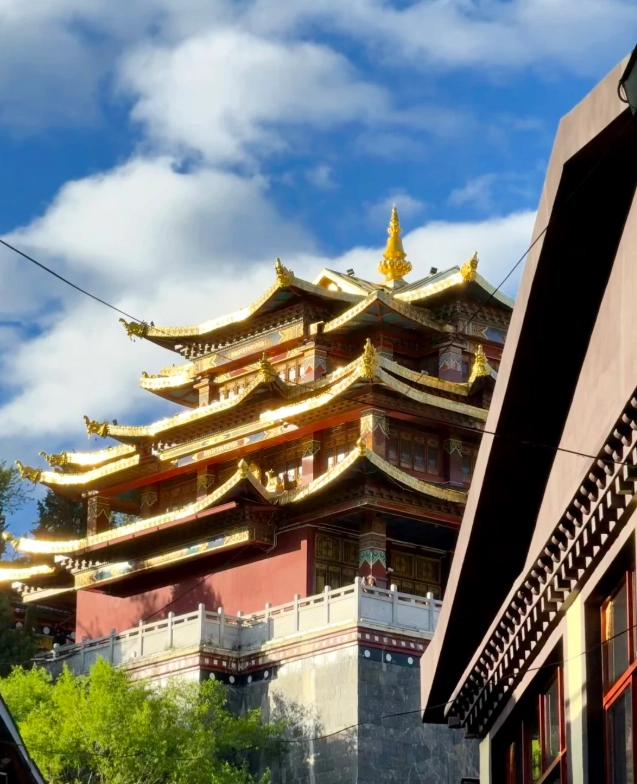
Spring is my personal favorite. The snow on surrounding mountains melts slowly, wildflowers pop up along the walking paths, and the air is crisp without being painful. Daytime temperatures hover around 12–18°C (54–64°F). Perfect for exploring the giant prayer wheel on the hilltop without sweating.
One catch: the last week of April is a Chinese holiday (May Day Golden Week). Book accommodations at least a month ahead if you’re traveling then. Otherwise, April and May offer the best balance of comfort and emptiness.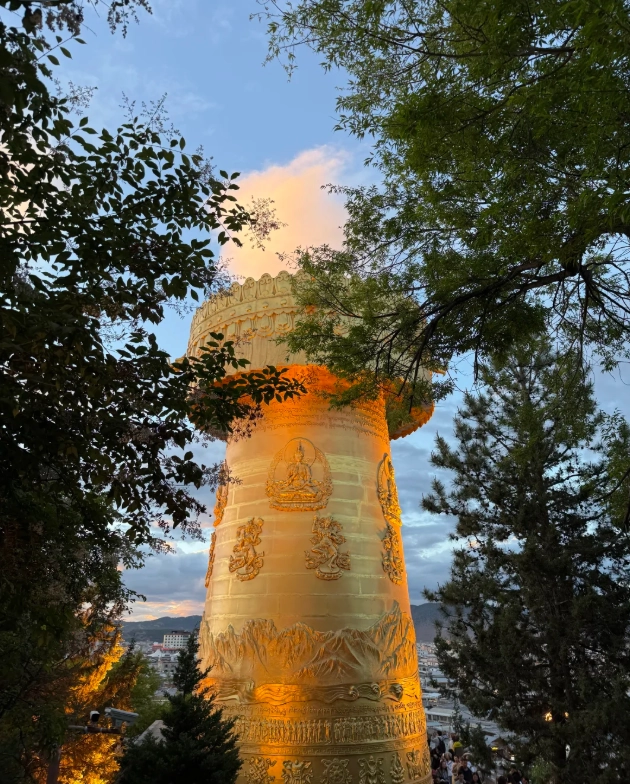
What to Pack for Spring
- Layered clothing – thermal base, fleece, windproof jacket
- Comfortable walking shoes (cobblestones get slippery after rain)
- Sunscreen – UV is strong at altitude even when cool
Autumn (September–October): Golden Season
Autumn is the second peak season, and for good reason. The monsoon ends, skies turn brilliant blue, and the old town glows under golden light. October especially brings stunning views of the surrounding hills turning yellow and red. Temperatures are similar to spring: 10–16°C (50–61°F).
But beware of China’s National Day Golden Week (October 1–7). Dukezong becomes packed with domestic tourists. If you can, aim for late September or mid-October. I always tell my clients: “Come the week after Golden Week—you’ll have the town almost to yourself.”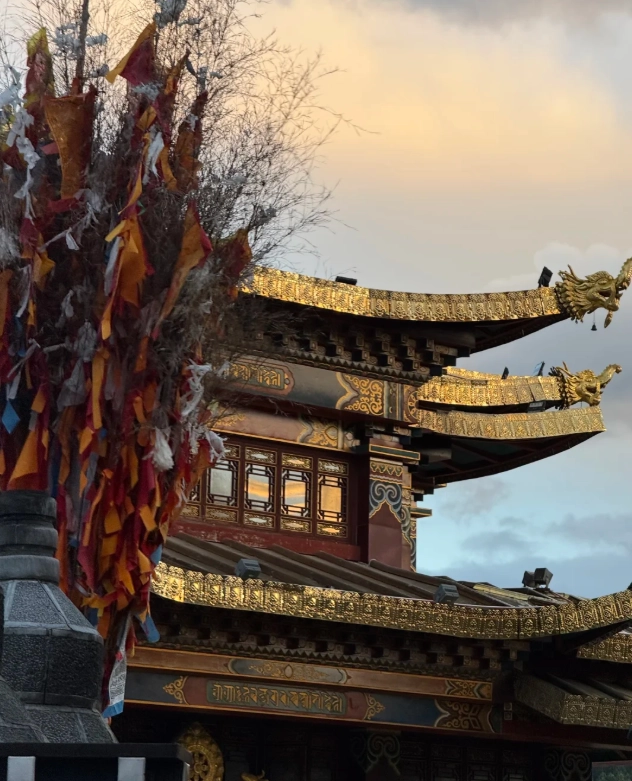
Summer (June–August): Rainy Season Reality
Summer is the lowest season for foreign tourists, but also the most frustrating. Rainfall averages 150mm per month. The humidity makes the cold feel bone-chilling, and visibility from the prayer wheel can drop to zero. Pro tip: If you only have summer available, go in early June before the heavy rains peak. And always carry a compact umbrella—sudden downpours are daily.
On the bright side, summer is the greenest time, and tickets are easier to get without reservation. But honestly? Unless you’re a botanist, skip it.
Winter (November–March): Cold but Quiet
Winter offers the truest solitude. Temperatures drop to -10°C (14°F) at night, and daytime highs struggle to 5°C (41°F). Yet the sun is strong, and the dry air means crystal-clear views of the surrounding mountains. The old town’s red lanterns against white snow make for incredible photos.
Here’s the reality: many small shops close in winter, and some restaurants shorten hours. Also, heating in older guesthouses is minimal—choose a hotel with underfloor heating or check reviews carefully. But if you want zero crowds and don’t mind bundling up, winter is your secret weapon.
Monthly Weather Breakdown
| Month | Avg High (°C) | Avg Low (°C) | Rainfall (mm) | Sunshine (hrs) |
|---|---|---|---|---|
| Jan | 5 | -8 | 5 | 7 |
| Feb | 7 | -5 | 10 | 7 |
| Mar | 10 | -2 | 20 | 7 |
| Apr | 14 | 2 | 30 | 8 |
| May | 17 | 6 | 60 | 7 |
| Jun | 18 | 9 | 120 | 6 |
| Jul | 18 | 10 | 180 | 5 |
| Aug | 17 | 9 | 150 | 5 |
| Sep | 15 | 7 | 80 | 6 |
| Oct | 12 | 3 | 40 | 7 |
| Nov | 8 | -2 | 15 | 7 |
| Dec | 5 | -7 | 5 | 7 |
Practical Tips for Foreign Travelers
Navigating Dukezong as a foreigner comes with hurdles. Here’s what I’ve learned from years of helping visitors:
- Payments: Cash is rarely accepted now. Set up Alipay or WeChat Pay before you come—tie it to your international card. Most shops and even street vendors only scan QR codes.
- Navigation: Google Maps is blocked and inaccurate. Use Apple Maps (works okay) or download AMap (高德地图) which has an English interface “AMap Global”. Always have the hotel’s Chinese address written down for taxis.
- Booking: The ancient town itself is free to enter, but attractions like the Tibetan Buddhist Prayer Wheel have no extra fee. However, to visit Songzanlin Monastery, you need a ticket (¥90). Book via Trip.com or Klook—they accept foreign passports.
- VPN & Translation: Install a VPN before arriving (ExpressVPN or NordVPN). For translation, Apple Translate or Baidu Translate work offline.
- Altitude Sickness: Take it easy the first day. Don’t rush up the hill to the prayer wheel. Drink plenty of water, avoid alcohol, and consider buying a small oxygen can at local pharmacies (¥25).
“I once had a guest who used Google Maps to find a restaurant and ended up walking 40 minutes in the wrong direction. Use AMap or ask your hotel to mark locations on your phone.”


I was a bit let down. Followed the advice to go early (around 7:30) but it was overcast and drizzling, so the whole place felt gloomy. Half the shops were shuttered, and the ones open were clearly aimed at tourists with inflated prices. The ancient town itself is pretty, but I've seen similar in other parts of Yunnan without the heavy commercialization. Maybe I just got unlucky with the weather, but I wouldn't rush back.
Overall a nice experience but not perfect. I went on a weekday afternoon in late September. The main alleys were still pretty packed with tour groups, and some souvenir shops tried to charge double. The old town itself is beautiful — love the wooden carvings and the giant prayer wheel — but the commercial vibe was a bit strong. Still, if you time it right (maybe early morning on a weekday), you'll have a much better time. Worth a visit, just manage expectations.
Visited in mid-November — absolutely zero rain, thin crowds, and the snow-capped mountains behind the town were crystal clear. I snagged a room in a traditional inn for half the summer price. The red lanterns at dusk with the mountain backdrop? Unreal. Best part: no umbrella needed, no elbowing through people. Just peaceful wandering. One tip: bring warm clothes; it gets chilly at night even when the sun is out.
I came at the tail end of the rainy season (early October) and it was brilliant. The rain had just stopped when I arrived, leaving the cobblestones glistening and the air super fresh. No crowds at all — I chatted with a local shopkeeper who said this is the sweet spot between the summer monsoons and the peak autumn tourist rush. The prayer flags stood out vividly against the wet rooftops. Only downside? A few restaurants were closed for renovation, but the atmosphere made up for it.
Absolutely magical early morning visit! I got there just after 7am and had the whole place almost to myself. The stone streets were still wet from the night before, catching golden sunlight — perfect photos without a single tourist in frame. The air was crisp, and I found a tiny tea stall where an old lady made me the best butter tea I've ever had. If you want to avoid the chaos and the summer rain, go at dawn. 10/10 recommend.
Heard from a local that sunset is the golden hour — they were right. I strolled in around 5pm on a weekday, the tour buses had left, and the sky was clear. No rain, minimal people, just peaceful lanes and the sound of prayer bells. If you want to avoid both the crowds and the wet weather, this window is perfect. Can't recommend it enough.
Picked a clear, dry day in late October — smart move. The streets were quiet, no rain in sight, and I could actually enjoy the local yak butter tea and handmade dumplings without fighting for a table. The views from the top of the town were incredible without a crowd. This is the way to experience Dukezong. 10/10 timing.
Absolutely nailed it! I visited on a random Tuesday in November, arrived right at 7am. The town was nearly empty, the morning light turned the old Tibetan houses golden, and not a single raindrop fell. I had the prayer wheels and narrow alleys all to myself. Best decision ever — do this and you'll understand why timing is everything.
Decent overall. I went at dawn and had the place mostly to myself for about an hour, which was magical. But by 10am the crowds started pouring in and it got noisy. Also, a quick rain shower left the stone paths super slick — nearly twisted my ankle. I'd still recommend it, but go even earlier and bring proper shoes.
I followed every tip about going in the off-season to avoid crowds and rain, but when I got there on a weekday morning in late spring, it was packed with tour groups. Then a sudden drizzle hit and the cobblestones got treacherously slippery. The ancient town itself is charming, but my timing felt all wrong. Wish I'd done more research on the exact week.