 Ting Chen
What You'll Find Here
I still remember my first time in Shangri-La. Stepping off the bus at 3,300m, head pounding from altitude and no idea where to sleep. Fast forward a decade and dozens of trips later, I've booked accommodations for countless foreign friends and clients. And one thing is clear: where you stay can make or break your trip. Pick the wrong area and you'll waste precious time in traffic or feel isolated. Pick the right one and you'll be steps away from ancient temples, cozy teahouses, and the best views.
So, where to stay in Shangri-La for first timers? Let me save you the headache. I'll break down the best areas, hotels for every budget, and the little-known traps—like how Google Maps fails here and why you need cash even in a "cashless" city.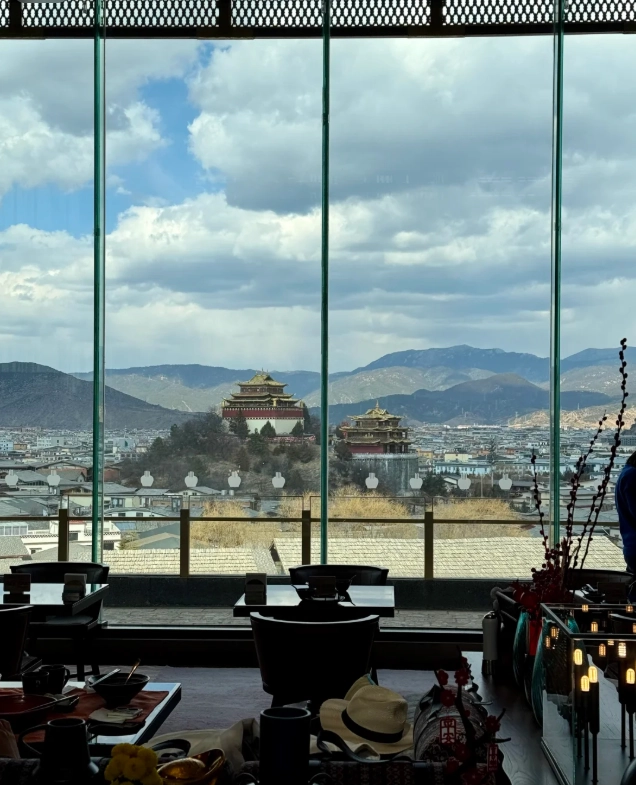
Why Your Hotel Choice Matters More Than You Think
Shangri-La (formerly Zhongdian) is not like Kunming or Dali. It's spread out, and the altitude zone changes the rules. The main tourist hub is Dukezong Old Town, but the newer city area (Jian Tang) has different pros. Foreigners often book a cheap hotel near the bus station thinking it's central—big mistake. The bus station is a 20-minute taxi ride from the old town, and taxis aren't always easy to flag.
Plus, internet coverage is patchy. Many hotels claim "Wi-Fi" but it'll be slower than dial-up. Pro Tip: Always message the hotel before booking to confirm they have a stable Wi-Fi router in your room, not just in the lobby.
Another thing: most hotels don't accept international credit cards. You'll need Alipay or WeChat Pay linked to your foreign card. Even so, carry some cash—many small guesthouses only take cash. I always tell my clients: bring at least 500 RMB in small bills for deposits and tips.
Best Areas to Stay: Old Town vs New Town
| Area | Best For | Distance to Old Town | Price Range (per night) | Altitude |
|---|---|---|---|---|
| Dukezong Old Town | Atmosphere, walkability, photo spots | 0 (inside) | 150–800 RMB | 3,300m |
| Jian Tang (New City) | Budget, modern amenities, hospitals | 15-min taxi (15 RMB) | 100–350 RMB | 3,200m |
| Songzanlin Monastery area | Peace, nature, monastery view | 15-min drive | 200–600 RMB | 3,400m |
Dukezong Old Town — The Heartbeat of Shangri-La
If you're a first timer, this is where I recommend you stay. The old town is a maze of cobblestone alleys, traditional Tibetan houses, and the massive prayer wheel at Guishan Park. Everything is walkable—restaurants, bars, souvenir shops. The vibe at night is magical.
But here's the catch: the old town has no elevator-friendly buildings. Most guesthouses are 2–3 stories with steep stairs. If you have heavy luggage or mobility issues, book a ground-floor room or consider a hotel in Jian Tang. Also, some older inns have paper-thin walls—pack earplugs.
Insider Advice: Avoid staying directly on the main pedestrian street (Sifang Street). It's noisy till midnight with karaoke. Instead, pick a side alley like Jinshan Street or Cangfang Street—quieter but still central.
Jian Tang (New City) — Local Life & Convenience
Jian Tang is where most locals live. You'll find real restaurants (not English-menu tourist traps), supermarkets, and the long-distance bus station. Hotels here are cheaper and usually have better heating (important in winter). I often stay here when I'm on a budget or need to catch an early bus.
Downside: No character. It's all concrete buildings and wide roads. You'll need to taxi to the old town for sightseeing. But if you're the type who wants a hot shower and reliable internet over charm, this is your spot.
Songzanlin Monastery Area — For the Spiritual
If you're visiting the famous Songzanlin Monastery (the "Little Potala Palace"), consider staying nearby. A handful of guesthouses offer incredible mountain views and utter silence. Perfect for photographers and meditators. But you'll be isolated—no restaurants except your hotel's, and no nightlife.
Risk: Taxis are rare. You'll need to negotiate with your hotel for a driver, or use ride-hailing apps (DiDi, but it's unreliable here). Good only if you have a private car.
Top Hotels for First Timers (I've Personally Stayed)
Luxury: Songtsam Retreat Shangri-La
This is my go-to for clients who want comfort after a tough trek. It's beautifully designed in traditional Tibetan style, with heated floors (a godsend in winter) and a restaurant that serves both Western and local dishes. They accept foreign cards (rare!) and have English-speaking staff. Located just outside the old town—a 5-minute walk. Price: 600–1200 RMB per night.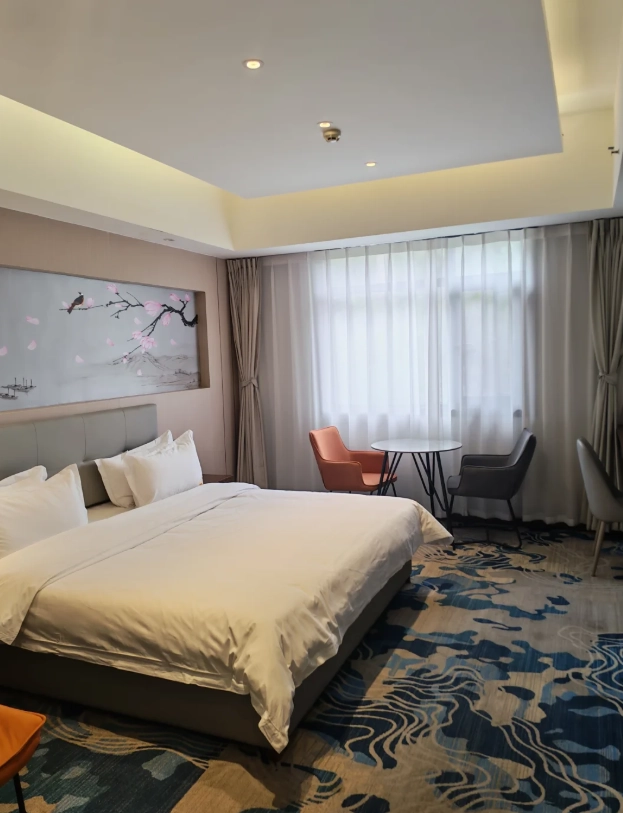
Mid-Range: Shangri-La Ancient Town Inn (藏式精品客栈)
Hidden in a quiet alley off Cangfang Street, this family-run inn offers clean rooms with private bathrooms and a lovely courtyard. The owner speaks basic English and can arrange taxi tours. Price: 200–400 RMB. Wi-Fi: Good for video calls. Catch: No elevator, but they help with luggage.
Budget: Shangri-La International Youth Hostel
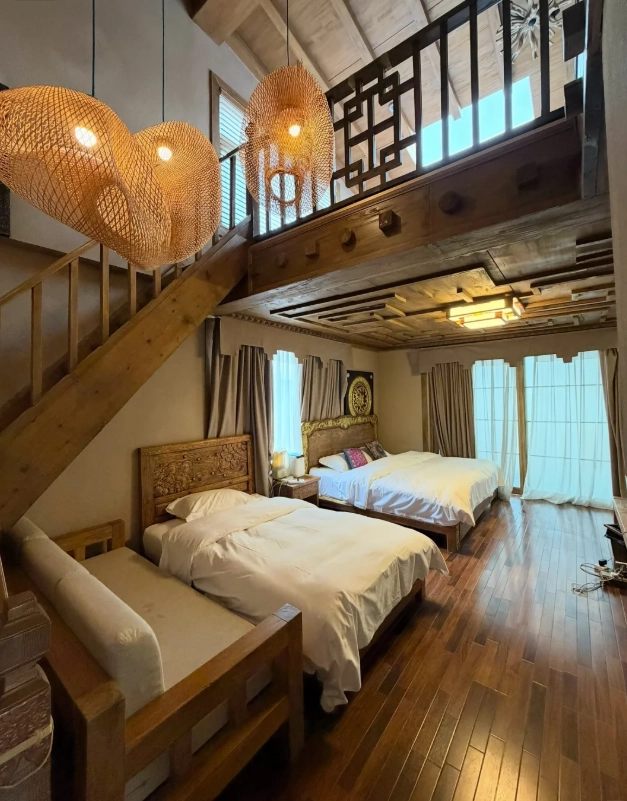
Don't let the name fool you—it's not just for backpackers. Private rooms are available from 120 RMB. The common area is lively, perfect to meet other travelers. But note: the dorm rooms have no lockers, so bring your own lock. Location? Right at the edge of the old town, next to a supermarket.
Warning: Many cheap hostels don't provide towels or toilet paper. Always bring your own.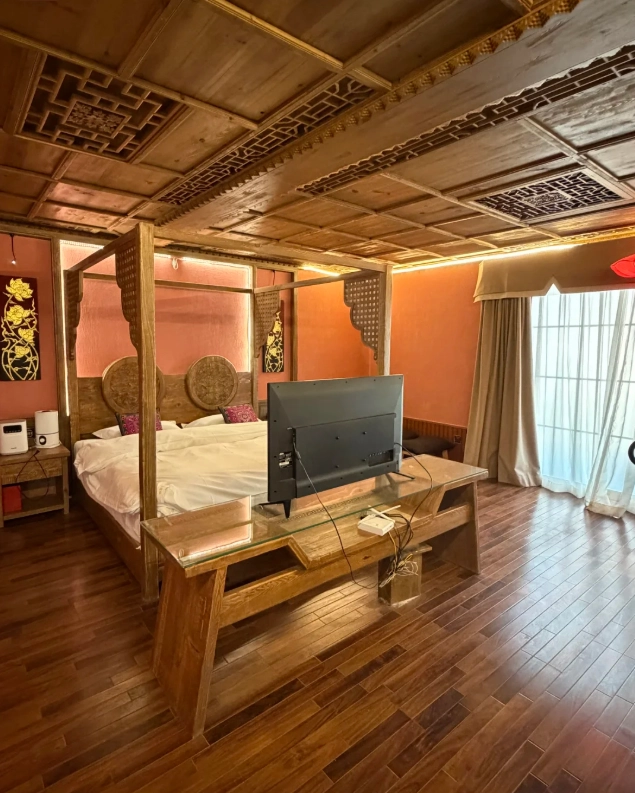
Budget & Hostel Options
If you're on a tight budget, look for guesthouses on Klook or Trip.com rather than Booking.com—they often have better deals. Hostels near the old town start at 60 RMB per dorm bed. My favorite budget pick: N's House Hostel (a bit worn but good location).
Payment trap: Even if listed online, many budget places will ask for cash at check-in. Always confirm payment method in advance via message.
Booking Tips for Foreigners (Crucial!)
- Use Trip.com or Klook: These accept international cards and provide English customer support. Avoid domestic platforms like Qunar or Fliggy unless you read Chinese.
- Check passport policy: All hotels must register your passport. Some will need to see the visa page and take a photo. Have your passport ready at check-in.
- VPN required: Many hotels block Google, Instagram, etc. You'll need a VPN to access your usual sites. The hotel Wi-Fi will be fast enough for basic browsing but might throttle streaming.
- Maps: Google Maps is a mess in Shangri-La. Download Apple Maps (works surprisingly well) or the Amap app (set to English). I always screenshot my hotel's Chinese name and address to show taxi drivers.
Altitude & Health Precautions
Most first timers don't realize that Shangri-La's altitude (3,300m) can hit hard. I've seen tourists collapsed on the street from altitude sickness. Your hotel choice matters: stay at a lower floor (less climbing) and look for hotels with oxygen supply or oxygen rooms.
Pro Tip: For the first two nights, avoid hotels in the old town that require uphill walks. Book a hotel near the entrance of the old town (e.g., near the Moonlight Square) so you can retreat quickly if you feel dizzy.
Also, ask the hotel if they provide free oxygen cans. Most mid-range places do. Drink lots of water, avoid alcohol, and eat light meals. If symptoms persist, head to the city hospital—your hotel staff can call a taxi.
FAQs
Verified and fact-checked by the editorial team. This content has been fact-checked to ensure informational precision.





Okay, let me be honest. The hotel was fine for the price, but I wasn't as wowed as the reviews suggested. The room was clean enough, but the 'mountain view' was basically a parking lot with a sliver of mountain in the distance, and there were a lot of narrow stairs to climb at 3,300m—pack light! The hot water also took forever to arrive in the morning. Good location right by the old town gate, and the free breakfast was basic but filling. I'd say it's an okay budget option, not the 'authentic Tibetan experience' I was hoping for.
Really solid stay overall. The location was ideal—right between Dukezong Old Town and the big prayer wheel, with plenty of small restaurants downstairs. The room was spotless and had lovely Tibetan decor, but I found it a bit hard to keep warm at night; there was a heater but it was noisy, and the walls were thin so I heard every conversation in the hallway. Staff were incredibly helpful, though, and even helped me book a guided tour to Pudacuo. Maybe just ask for a room away from the staircase if you're a light sleeper.
I was nervous as a solo first-timer, but the guesthouse in the old town felt like a warm hug from day one. The owner called me before I arrived to ask about my flight, and when I got there he brought a bottle of oxygen and explained the easiest route to the Old Mill—shout out for the altitude tips! The common room has a big stove where everyone gathered over yak butter tea and board games. I ended up extending an extra night because I didn't want to leave. If you're looking for a community vibe, this is the spot.
Choosing a hotel near Songzanlin Monastery was the best decision. I stayed at Songtsam Retreat and the view from my balcony was unreal—golden roofs against a valley of yaks, with the chant of monks drifting up in the early morning. The heated floors made the cold obsolete, and the staff remembered my name and my tea order by day two. They even arranged a car to Napa Lake for sunrise. It’s a bit outside the old town, but that’s exactly why you should stay here if you want peace after exploring.
Stayed at a Tibetan courtyard guesthouse just off Dukezong Old Town, and it completely made my trip. The owner met me at the gate with a warm scarf and butter tea—exactly what I needed after landing at 3,300m. My room had wooden beams, bright Tibetan carpets, and a heated blanket that I never wanted to leave. In the morning I could hear prayer flags flapping and horses clip-clopping outside. Walked to the old town’s wooden pagoda in five minutes. If you’re a first-timer, stay close to Dukezong but not right on the noisy square. This place was perfect.