 Ming Yang
What You'll Find Here
I'll never forget the first time I led a group into a hotpot joint on Jiefangbei Pedestrian Street. One of my guests, a brave Texan, took a bite of a Sichuan peppercorn and immediately yelled "My tongue is having a seizure!" That's the magic of Chongqing hotpot — it's a full sensory assault that leaves you craving more. You're here because you want the real deal, not some watered-down tourist version. Let me take you beyond the tourist traps and into the heart of China's hotpot capital.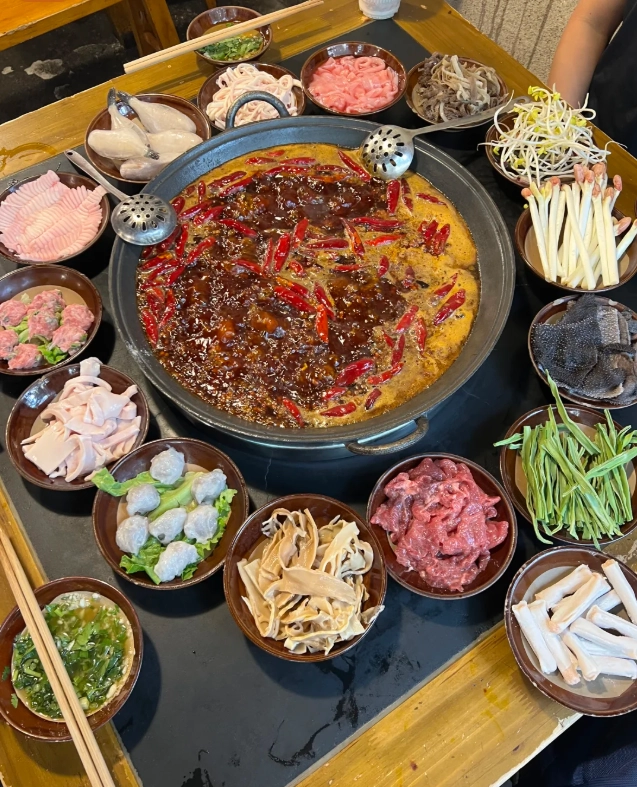
Why Chongqing is the Undisputed Hotpot Capital
Chongqing isn't just famous for hotpot — it lives hotpot. The city's humid, foggy climate practically demands a spicy, warming meal. Every street corner has a hotpot restaurant, and locals eat it year-round, even in sweltering summer. The key difference from other Chinese hotpot styles? The broth. Chongqing hotpot uses a heavy beef tallow base, giving it a rich, clinging mouthfeel that's distinct from the lighter broths in Beijing or Sichuan. Add a fistful of dried chilies and Sichuan peppercorns, and you get a numbing-spicy (málà) punch that's addictive.
Pro Tip: Don't let the red oil scare you. I always tell my groups: "The broth is more flavorful than fiery. Start with a small bowl of sesame oil dipped with garlic and vinegar — it coats your stomach and tames the heat."
How to Choose the Perfect Hotpot Broth
Selecting the right base is the most important decision you'll make. Most locals opt for a hongyou guodi (red oil pot) that's 100% spicy, but if you're not fully committed, choose a yuanyang guodi (split pot) with a mild tomato or mushroom broth on one side. Don't assume the non-spicy side is boring — the tomato broth in Chongqing is often slow-cooked for hours and bursting with umami.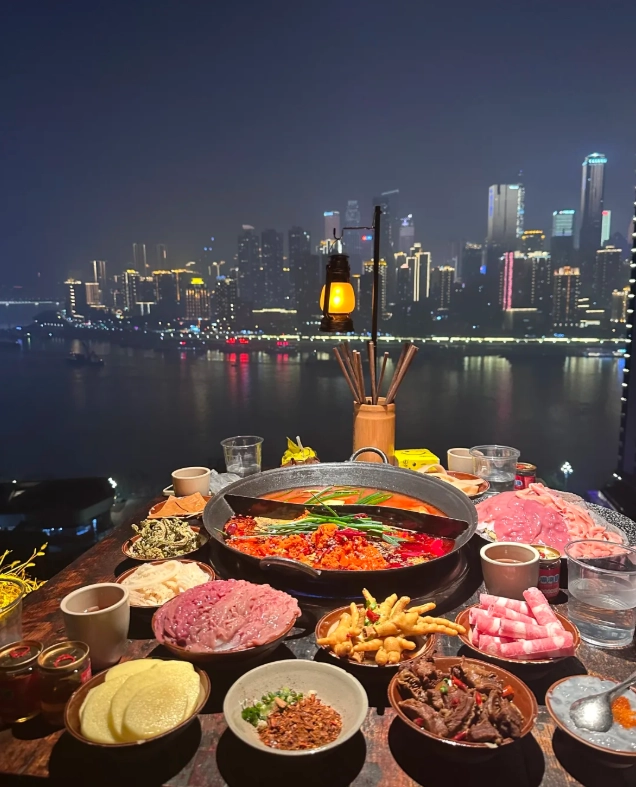
Broth Options at a Glance
| Broth Type | Heat Level | Best For |
|---|---|---|
| Hongyou (Red Oil) | Extra Spicy | Adventurous eaters, locals |
| Yuanyang (Split) | Mild + Spicy | First-timers, groups with mixed tolerance |
| Qingtang (Clear Broth) | Not Spicy | Kids, spice-averse |
| Tomato Base | Not Spicy | Rich flavor without heat |
My personal recommendation? Go for the split pot if you're unsure. I've seen too many tourists order a full red pot and spend the meal sweating through napkins. The split pot lets you dip in the spicy side for taste and retreat to the mild side for relief.
Essential Hotpot Ingredients You Can't Miss
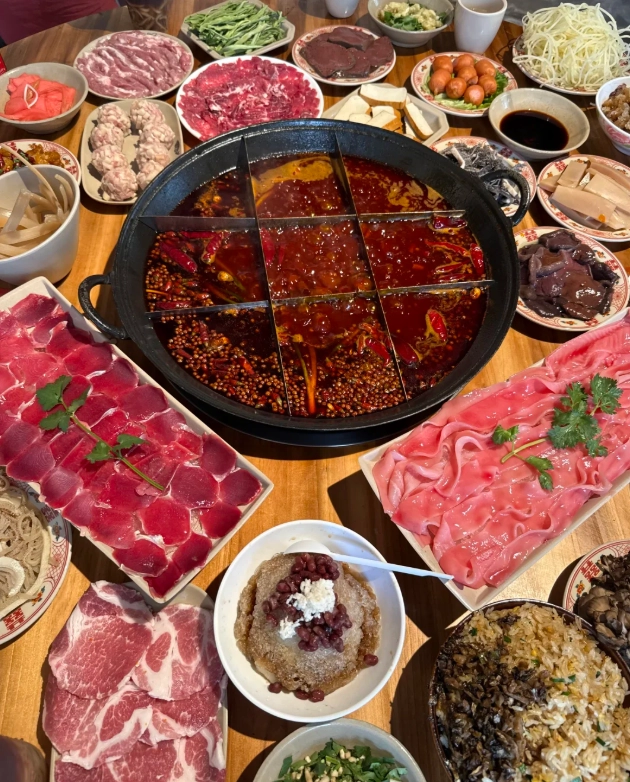
The magic of hotpot lies in the dipping ingredients. Walk into any Chongqing hotpot restaurant and you'll see a menu with dozens of options. Here's what to prioritize:
- Máodù (beef tripe) — the king of hotpot. Look for the honeycomb tripe; cook it for 10-15 seconds until it curls. Any longer and it turns rubbery.
- Écháng (duck intestine) — a local favorite. It's crunchy and absorbs the broth perfectly. Swish it for about 20 seconds.
- Huánghóu (yellow throat, pork aorta) — chewy and gelatinous. People either love or hate it. Try it once; you might be surprised.
- Niú ròu (beef slices) — marbled beef like ribeye works best. Dip for 30 seconds max.
- Yā xuè (duck blood curd) — silky and rich. It sinks, so keep an eye on it. Cook for 3-5 minutes.
- Lotus root and potato slices — they add texture and soak up the spice.
Top Hotpot Restaurants in Chongqing
Choosing a restaurant can be overwhelming, but here are three I personally frequent. Note: prices and wait times vary, so always check recent reviews on Dianping (大众点评) before heading out.
| Restaurant | Location (English) | Price Range per Person | Best For |
|---|---|---|---|
| Peijie La Huoguo (佩姐老火锅) | 121-1, Cangbai Rd, Yuzhong District | ¥80-120 | Classic broth, great tripe |
| Zhou Shixiong (周师兄) | 389 Minzu Rd, Jiefangbei | ¥100-150 | Premium beef, elegant ambiance |
| Yuxin La Huoguo (渝辛老火锅) | Near Hongyadong (use address: 181 Changbin Rd) | ¥60-90 | Budget-friendly, local vibe |
All three accept Alipay and WeChat Pay; cash is not preferred. Bring your passport if you need to scan for tax refunds. Pro tip: Peijie often has a queue of 1-2 hours on weekends. Arrive before 5 PM or go on a weekday. The wait is worth it, but you can order takeout from their delivery window next door if you're in a rush.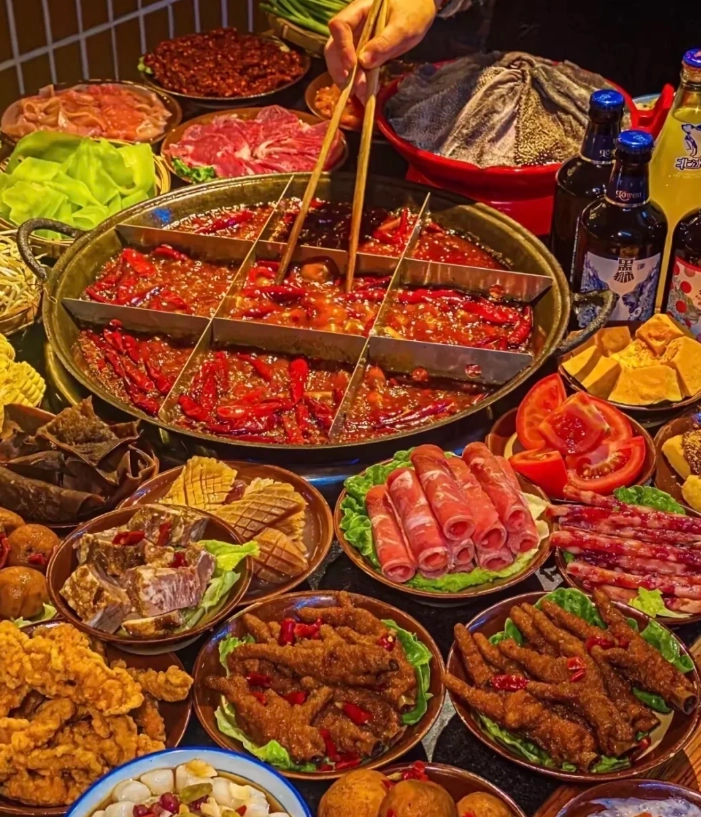
Hotpot Etiquette: Do's and Don'ts
Hotpot is a social ritual, and there are unspoken rules. Here are the ones I always share with my guests:
- Do use the communal spoon for raw items, not your personal chopsticks. Nobody wants your saliva in the bubbling broth.
- Don't put too many items in at once. Cook in small batches so everyone can track their food.
- Do dip cooked items into your personal dipping sauce (often sesame oil, garlic, vinegar, and cilantro). The sauce cools the food and adds flavor.
- Don't drink the spicy broth. It's not soup — it's for cooking.
- Do pace yourself. Hotpot is a marathon, not a sprint.
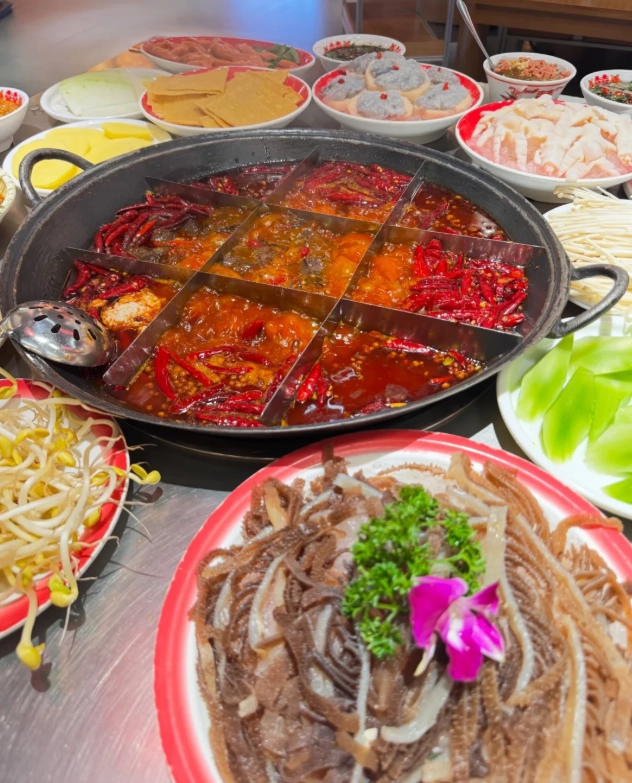
Common Mistake: Many tourists pile in all the ingredients at once, then the broth overflows or the ingredients get lost. I always emphasize: "Cook one or two items per person per batch. Use the strainer spoon to retrieve food before it sinks."
Surviving the Spice: Tips for Sensitive Tummies
Even if you love spicy food, Chongqing hotpot can be a shock to the system. I've seen big guys crying after a few bites. Here's how to handle it:
- Always have a glass of cold milk or yogurt nearby. It neutralizes capsaicin better than water.
- Order a cold dessert like bīng fěn (ice jelly with brown sugar) or dòuhuā (tofu pudding) to soothe your mouth between bites.
- If the spice is too much, ask for a bowl of plain white rice. Eating rice with the meat helps absorb the oil.
And here's a trick I learned from a local: add a bit of sugar to your dipping sauce. It balances the heat without dumbing down the flavor. Not many tourists know this.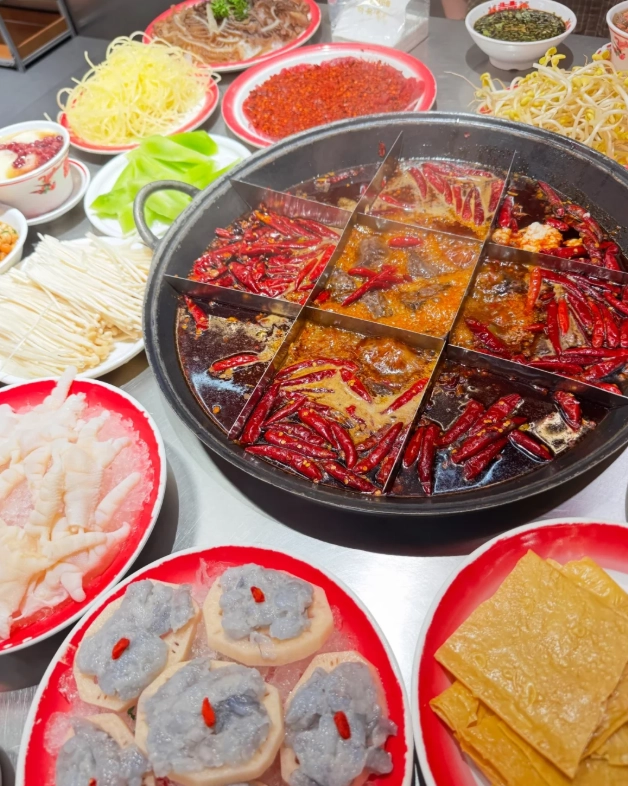






This article completely changed my trip. It breaks down the different hotpot styles — nine-grid, sour bamboo shoot, tomato — and tells you exactly how to eat each one properly. The warning about not boiling tripe too long was spot on, and the section on the spice levels is brutally honest. I thought I was prepared, but the nose-run, tear-up, gasp-for-air heat was real. Somehow that shock was half the fun. Easily the most entertaining and useful piece I’ve read about Chongqing food.
As a budget traveler, I really appreciated that this article includes street-side hotpot chains and hidden alley spots, not just touristy restaurants. The tip about going before 6pm to avoid the endless wait saved our whole evening. My group also loved the dipping sauce explanations — we were able to order with confidence instead of awkwardly pointing at the menu. The insider anecdotes make it read like a fun story rather than a dry travel brochure. Already shared it with two friends who are heading there next month.
Finally a guide that gets it! I’ve been obsessed with Chongqing hotpot for years, and this article made me feel like I was already sitting at a steaming iron pot. The descriptions of the mala numbness, the crunchy beef tripe, the cool oil-lowering tea — so vivid and accurate. I landed at Jiangbei, pulled up the recommended spots straight from this piece, and had the best fiery meal of my life on night one. This is the only guide you need for a spicy-food pilgrimage. 10/10.
Really solid article — I loved the neighborhood-by-neighborhood suggestions and the deep dive into what makes Chongqing hotpot different from other regional styles. I only took off one star because I wish it had pinyin for every dish and a few more recommendations for people who can’t handle extreme heat. That said, I found three amazing spots because of it, and the section on ordering like a local made me feel way less intimidated.
This guide has some genuinely interesting background on Chongqing's hotpot culture, but I was hoping for more practical, current logistics. A couple of the restaurants mentioned seemed to have shut down when I tried to look them up, and the spice-level ratings felt inconsistent from section to section. It’s fine if you want a general intro before your trip, but I wouldn’t call it a fully reliable insider handbook.