 Ting Chen
What's Inside (Quick Navigation)
I've been guiding foreign visitors through Chongqing for over eight years. And every time I mention “Bayu culture,” I get blank stares — then, lots of follow-up questions. Let me save you the confusion.
Bayu culture is the ancient soul of Chongqing — a blend of Ba Kingdom traditions (3,000 years old), riverside boatman customs, spicy food rituals, and dramatic mountain architecture. Most tourists rush to Hongya Cave for photos and leave. They miss the real story. Here's how to dig deeper without wasting time or money — and yes, I'll include the payment and navigation hacks you'll need.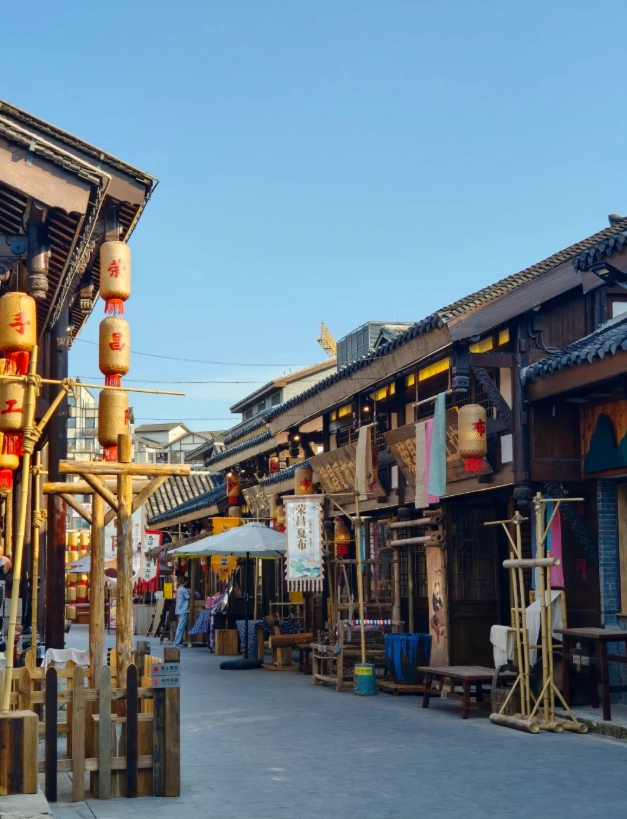
1. What Exactly Is Bayu Culture?
Bayu culture refers to the historic heritage of the Ba people who ruled this region for centuries. After the Ba Kingdom was conquered by the Qin dynasty around 316 BC, their customs mixed with later Han immigration, creating a unique subculture. Key elements: spicy cuisine (born from humid climate preservation needs), stilted houses (diaojiaolou) built on cliffs, folk dances like the “Ba Yu Dance”, and a strong sense of community in the old port areas.
Today, you'll see Bayu culture in everyday life — locals playing mahjong in tea houses, eating hotpot at midnight, and chatting in the thick Chongqing dialect that even other Chinese struggle to understand.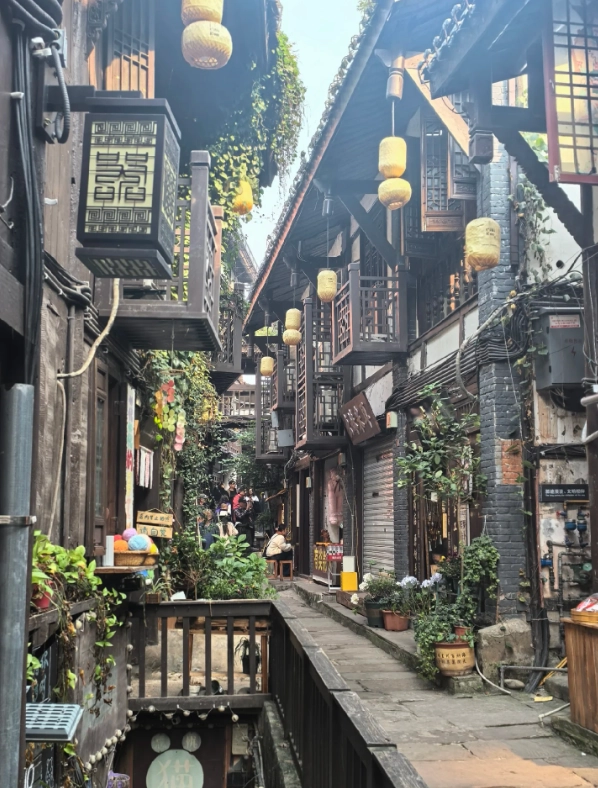
2. Top 5 Must-Do Experiences to Feel Bayu Culture
2.1 Walk Ciqikou Ancient Town (But Skip the Main Street)
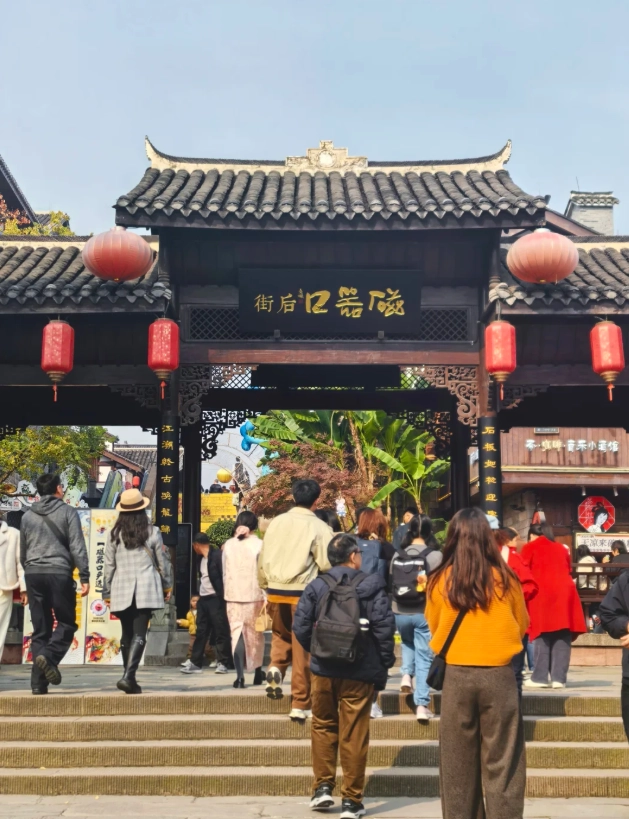
Ciqikou (Porcelain Village) is the most accessible spot for Bayu culture, but the main street is a zoo. Instead, turn right at the entrance into the side alleys — Hengjie and Xiao Xiangzi. There you'll find elderly artisans making Shu embroidery, a tiny temple with incense smoke, and a stilted teahouse where locals play card games for hours.
- Address: 17 Ciqikou Main Street, Shapingba District (English: Ciqikou Ancient Town, Shapingba). Show your driver: 磁器口古镇 (Cíqìkǒu Gǔzhèn).
- Hours: 8:00–22:00 (most shops open by 9:30). Avoid weekends 11:00–15:00 — it's shoulder-to-shoulder.
- Tickets: Free entry. Some historic residences inside charge 10–20 RMB (cash or WeChat).
- Payment: Most vendors accept Alipay/WeChat, but bring 50–100 RMB in cash for the tiny stalls that don't.
2.2 Watch a Sichuan Opera Face-Changing Show
This ancient performance art — part of Bayu culture — is thrilling even if you don't understand Chinese. The mask changes happen in a blink, often with fire breathing. Best place: Chongqing Huguang Guild Hall (湖广会馆) has a nightly show at 7:30 PM. Book tickets on Trip.com or Klook using your passport — the WeChat mini-program is in Chinese only.
| Venue | Price Range | Booking Note | Best For |
|---|---|---|---|
| Huguang Guild Hall | 180–280 RMB | Reserve online; passport required | Authentic atmosphere, historic theater |
| Chongqing Grand Theatre | 120–200 RMB | Online booking recommended | Modern sound/light, comfortable seats |
| Teahouse impromptu (Ciqikou) | Free (buy a tea ~30 RMB) | No reservation; 10-min mini shows | Casual, up-close experience |
2.3 Taste Authentic Chongqing Hotpot — The Bayu Way
Hotpot isn't just food here — it's a social ritual that embodies Bayu culture's fiery, communal spirit. Avoid tourist traps on Jiefangbei Pedestrian Street. I always take my groups to Lao Sancun (老三村) near the Chongqing People's Hall. It's a local chain with English menu photos and a separate mild broth section for weak stomachs.
- Address: 118 Renmin Road, Yuzhong District (人民路118号). Show the Chinese: 老三村火锅 (Lǎo Sān Cūn Huǒguō).
- What I order: Duck intestines (yàocháng), tripe (máo dù), and the crispy fried pork — it's divine.
- Payment: They accept cash, and international cards via UnionPay terminal (ask for “POS”). But Alipay is easiest.
- Wait time: 6:30 PM is peak — expect 30–40 min. Go at 5:00 PM to walk right in.
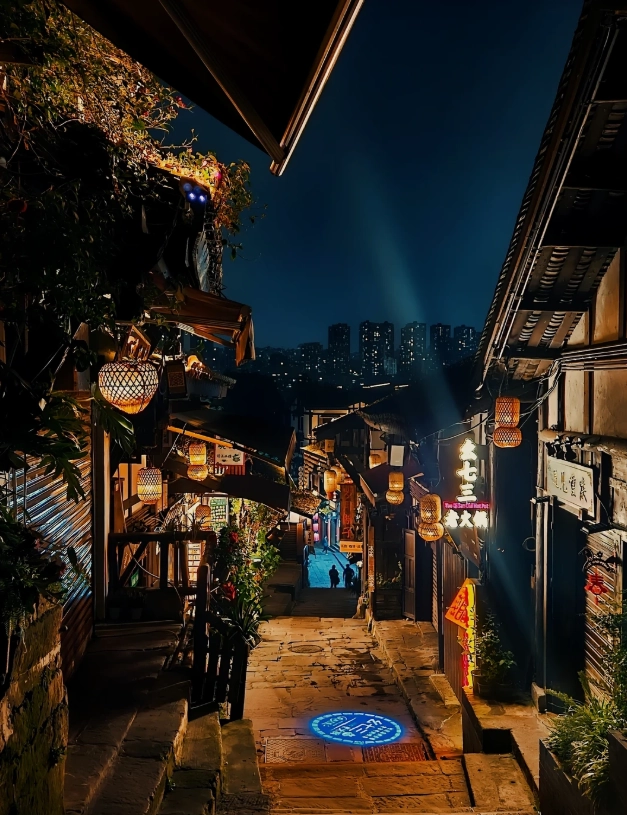
2.4 Explore Chongqing Three Gorges Museum
Skip the standard exhibits — head straight to the “Bayu Culture” hall on the 3rd floor. It houses bronze weapons from the Ba Kingdom, ancient boat models, and an immersive video showing how stilted houses were built. Free admission with passport. Closed on Mondays.
2.5 Ride the Yangtze River Cable Car at Golden Hour
This isn't a gimmick — the cable car has been part of daily life for 30+ years, connecting the two hilly banks. It's a great way to see the city's dramatic geography, which shaped Bayu culture's “mountain fortress” mentality. Go at 4:30 PM for soft light. Buy tickets via WeChat or cash at the booth (20 RMB one way, 30 RMB round trip).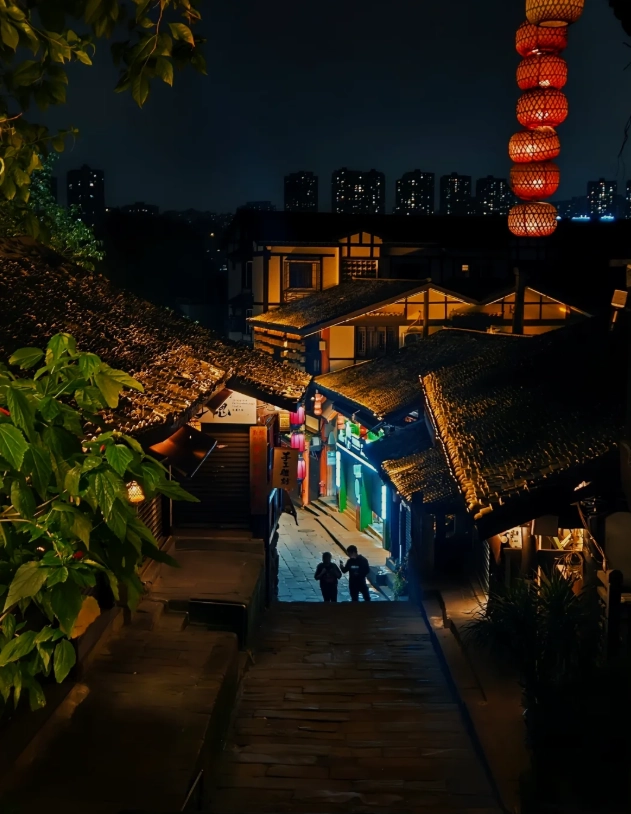
3. Survival Tips for First-Timers
Payment Reality Check
Most places accept Alipay and WeChat Pay. But you absolutely need a VPN installed before you arrive to connect to these apps if your international SIM doesn't work. I've seen too many travelers stuck at a street food stall with no cash. Carry at least 200 RMB in small bills. Taxi drivers prefer cash or WeChat — not all have card machines.
Language Barrier
Download Baidu Translate or Apple Translate offline for Chinese. Many older Chongqing locals speak only thick dialect. When taking Didi (Chinese Uber), use the app's built-in chat translator. Or simply ask your hotel reception to write your destination in Chinese for you to show.
Getting Around
Google Maps is blocked and often wrong for transit in China. Use AMap (高德地图) with the English interface. For metro, the Chongqing Metro app (available on iOS App Store) works without VPN and shows routes in English. Taxi flagfall is 10 RMB; Didi rides within the city center average 15–30 RMB.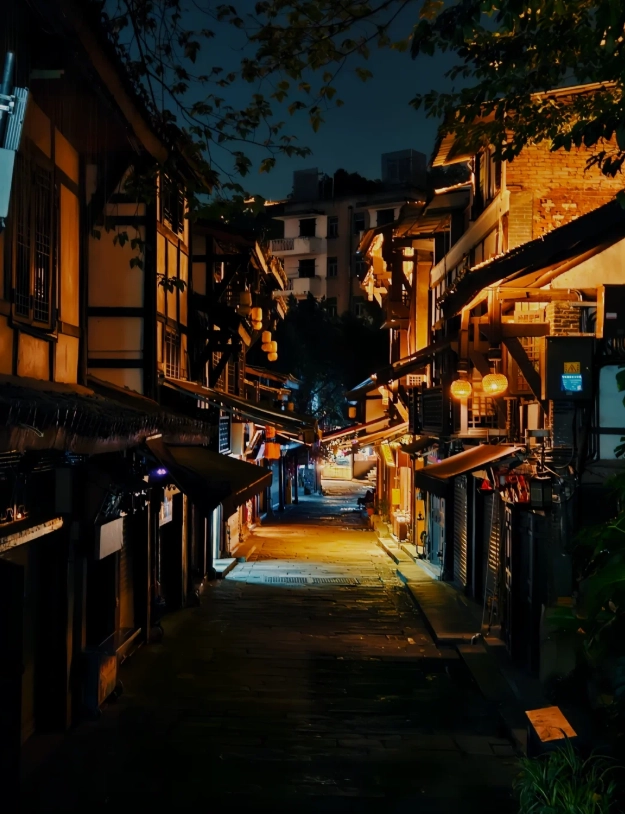
4. One-Day Bayu Culture Itinerary (With Backup Plans)
This is the route I design for friends who only have 24 hours — it covers the essence without killing your feet.
| Time | Activity | Duration | Notes |
|---|---|---|---|
| 8:30–10:00 | Ciqikou side alleys & teahouse | 1.5h | Go early; main street opens late. Head straight to Hengjie. |
| 10:30–12:00 | Three Gorges Museum (Bayu hall) | 1.5h | Metro Line 2 to Zengjiayan, Exit C. Free, passport needed. |
| 12:30–13:30 | Lunch at Lao Sancun Hotpot | 1h | Walk from museum (15 min). Order “yuanyang” broth if you don't do spicy. |
| 14:00–15:30 | Huguang Guild Hall & face-changing show | 1.5h | Book 2:30 PM show online. Walk from hotpot (20 min). |
| 16:00–17:00 | Yangtze River cable car | 1h | From guild hall, walk 10 min or taxi 5 min to cable car station. |
| 17:30–19:00 | Chaotianmen Wharf & sunset | 1.5h | Take cable car to south bank, then walk 15 min along river. Listen for boatmen songs. |
| 19:30 onwards | Dinner on Jiefangbei Pedestrian Street (optional) | — | If you still have energy. Avoid the “Chongqing Hotpot” chains with English signs — they're overpriced. |
5. FAQs — Real Answers from a Local Guide
I hope this guide helps you uncover the layers of Chongqing Bayu culture that most tourists miss. Remember to slow down, chat with a shopkeeper, and try something spicy — that's the real experience. Got more questions? Drop them in the comments below (if this page has them) and I'll answer personally.
Verified and fact-checked by the editorial team.
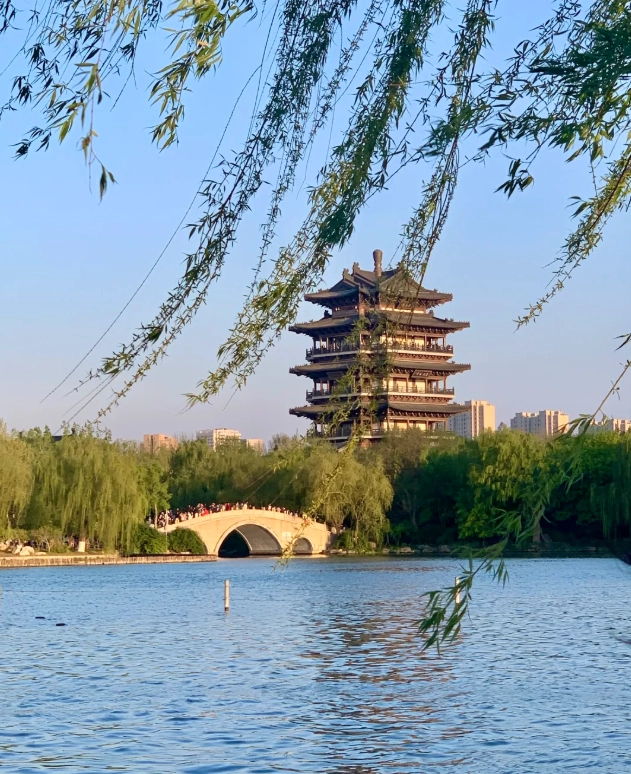
Brilliant article. I’ve seen Chongqing’s crazy modern side many times, but I never understood what lay underneath until now. The author’s image of an ancient mountain city still breathing beneath the elevated highways changed the way I look at the place. I loved the stories about Bayu shamans, the steep winding stairs, and how the city still moves to an old, stubborn rhythm. By the final paragraph, I was already checking flights. Five stars without a doubt.
As someone born in the upper Yangtze region, this piece brought me straight back to my childhood. The descriptions of the old stone docks and the buzz of riverside markets were so vivid I could almost hear the mahjong tiles clacking and feel the humid river wind. The way it connects that deep Bayu heritage to the endless construction and skyline of today made me feel proud and a little emotional. This is exactly the kind of writing that makes a culture truly travel beyond its borders.
This article is a gem. I read it on the metro and caught myself smiling at the passage about the stilted houses huddled along the river. The writer clearly understands Chongqing’s soul—the fog rolling over the hills, the sharp smell of chili oil in narrow alleys, the hollering from teahouses. It made the ancient traditions feel not like museum pieces but living rhythms. I shared it with three friends already. Absolutely worth your time.
Solid read overall. I enjoyed the way the author described the old riverfront neighborhoods and the deep roots of Bayu customs. The photos would have been wonderful if I could have seen them better—I think the article needs more practical details, like how to actually visit some of these cultural spots in Chongqing. Still, it gave me a nice overview before a future trip. Just not quite as immersive as I hoped.
I really wanted to love this after all the hype, but it left me a little flat. The historical sections about Bayu culture are fascinating, and the writing is often beautiful. But the “modern Chongqing” part felt almost like an afterthought—just a couple of references to bridges and neon lights. I kept waiting for a story about how these old traditions actually show up in daily life today. In the end I closed the page feeling like I only got half the picture.