 Jing Song
Quick Guide to the Seasons
I've been guiding tours across China for nearly a decade. And every time a traveler asks, “Should I come in winter or summer?” I pause — because the answer isn't simple. Both seasons offer wildly different experiences, and neither is universally better. The truth is: it depends on what you want.
Let me break it down from a guide's perspective — no fluff, just real talk. After reading this, you'll know exactly which season matches your travel style, and how to dodge the common pitfalls that even seasoned travelers miss.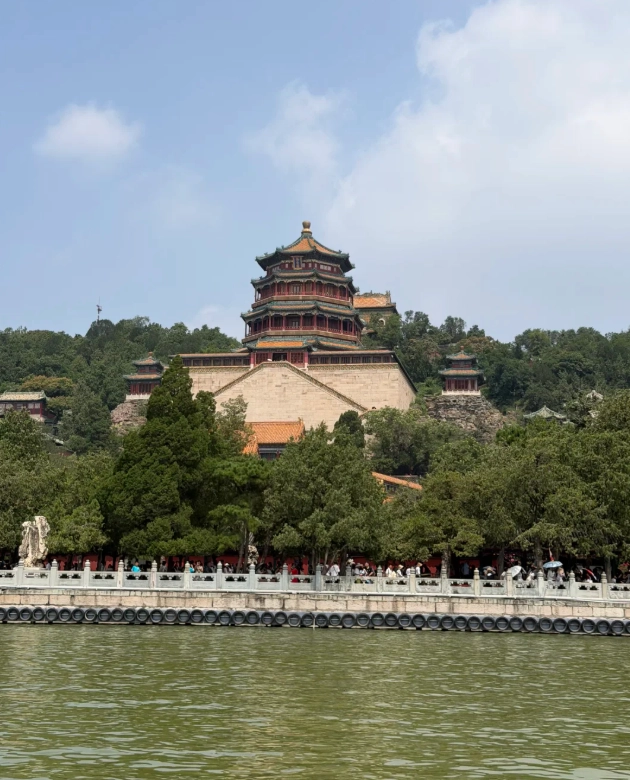
Why Choose Winter? (December – February)
Winter in China is cold but magical. If you're after snow, fewer crowds at major sights, and lower domestic flight prices, this is your season.
Top Winter Experiences
- Harbin Ice & Snow Festival (黑龙江): Massive ice castles lit up at night — unreal. The festival runs from early January to late February. Entrance to Ice and Snow World costs around ¥330 (adult), and you'll need to book on Trip.com using your passport info. Pro tip: Go after 4 PM when the lights turn on, but avoid weekends if possible – it gets packed.
- Skiing in the North: Resorts like Yabuli (亚布力) near Harbin offer world-class slopes. A day ski pass is about ¥400–600. English-speaking instructors are rare, so download a translator app. Bring your own gloves — the rental ones smell.
- Beijing in Snow: The Forbidden City and Great Wall look stunning with a dusting of snow. But check the air quality index (AQI) — winter can have smoggy days. Use the "AirVisual" app to monitor.
Winter downside: Many outdoor attractions close early (e.g., Zhangjiajie's glass bridge may shut due to ice). Also, heating in budget hotels can be weak — always check recent reviews mentioning "heating" or "warm."
Why Choose Summer? (June – August)
Summer brings lush green landscapes, longer days, and vibrant festivals. But also: heat, humidity, and domestic tourist crowds.
Top Summer Experiences
- Guilin & Yangshuo (桂林, 阳朔): The karst peaks are at their greenest. A Li River cruise from Guilin to Yangshuo costs ¥450–600, but book at least 3 days ahead on Klook — same-day tickets often sell out. Bring an umbrella; afternoon showers pop up fast.
- Escape to the Mountains: Huangshan (黄山) and Zhangjiajie (张家界) are cooler than the cities. Huangshan sunrise is best at 5:30 AM — cable car starts at 6:00, so staying overnight on the mountain is worth it. Book the Xihai Hotel on Trip.com months in advance.
- Festivals: The Dragon Boat Festival (June) features boat races in Hangzhou's West Lake. It's crowded but memorable.
Summer downside: The big cities (Beijing, Shanghai, Xi'an) are hot and muggy. Many attractions have long queues under direct sun. Plus, heavy rain can disrupt travel in southern regions — always have a Plan B.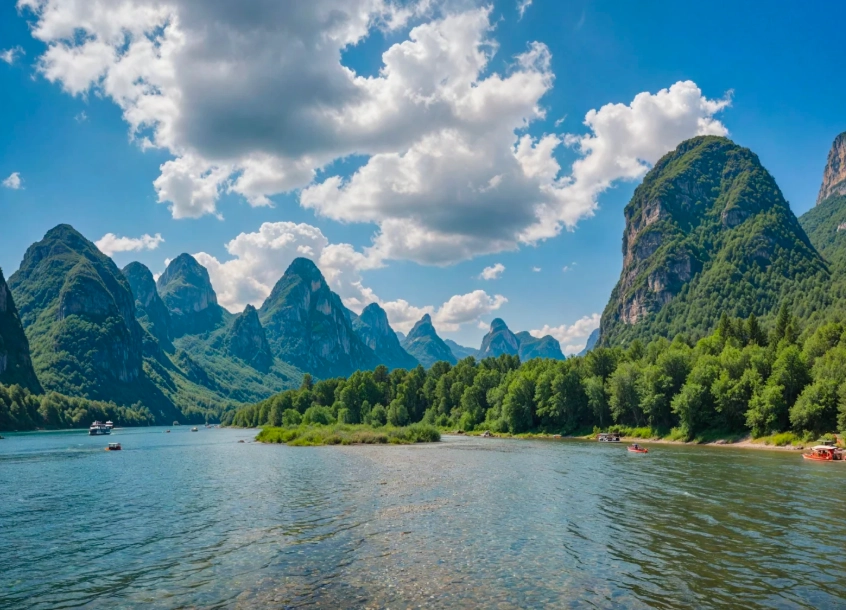
Weather & Packing: What You Actually Need
| Season | Temperature Range (Major Cities) | Rainfall | Must-Pack Items |
|---|---|---|---|
| Winter | -5°C to 10°C (Beijing), -20°C to -5°C (Harbin) | Low – snow in north, dry in south | Thermal underwear, heavy coat, gloves, lip balm, moisturizer (indoor heating dries skin) |
| Summer | 25°C to 38°C (Beijing), 28°C to 35°C (Guangzhou) | High – afternoon thundershowers common | Lightweight clothes, rain jacket, sunscreen (SPF 50), insect repellent, portable fan |
Insider advice: In winter, layers are key. Many indoor places (malls, metro) have heating on full blast, so you'll want to peel off a sweater. In summer, expect to sweat through shirts — quick-dry fabrics are lifesavers.
Cost Comparison: Which Season Is Cheaper?
Generally, winter is cheaper for flights and hotels except for the Chinese New Year period (late January/February). Summer sees peak domestic tourism (school holidays). Here's a rough idea:
| Expense | Winter (off-peak) | Summer (peak) |
|---|---|---|
| International flight to Beijing | From $500 (Dec) | From $700 (Jul) |
| 4-star hotel in Shanghai | $60–90/night | $100–150/night |
| Train ticket (Beijing-Shanghai, 2nd class) | ¥553 | ¥553 (same price but harder to book) |
| Entrance to Great Wall (Mutianyu) | ¥45 | ¥45 |
But watch out: During Chinese New Year (late Jan to mid-Feb), domestic transport is chaotic — trains sell out in minutes. If you visit during that time, book everything 2 months ahead. Summer, while expensive, has more flight options.
Crowds & Booking Tips
Summer crowds are no joke. The Forbidden City caps daily visitors at 80,000 — and it often hits that limit by noon. Always reserve tickets online using your passport information. For summer, use Trip.com or the Forbidden City official site (en.dpm.org.cn). Winter is more relaxed — you can often buy tickets a day before, except for the Harbin Ice Festival.
One thing most guides won't tell you: Google Maps is unreliable in China. Download Apple Maps or use AMap (高德) with its English mode. For directions, always have the Chinese name of your destination written down — taxis and DiDi drivers rarely read English.
Payment: Alipay and WeChat Pay are king. International credit cards only work at large hotels and some restaurants. Bring cash as backup — small vendors often don't accept cards. Set up Alipay before you arrive (it works with foreign Visa/Mastercard).
Top 3 Winter Destinations (With Pro Tips)
1. Harbin (哈尔滨)
Must-do: Ice and Snow World + Siberian Tiger Park. Pitfall: The city is freezing (often -25°C). Wear two layers of thermal underwear. Food: Try Harbin-style red sausage and Russian bread at Central Street. Most restaurants accept cash or WeChat Pay — credit cards rarely work.
2. Zhangjiajie (张家界)
Winter sees far fewer tourists. The misty peaks look like a Chinese painting. But the glass bridge occasionally closes due to ice — check the official WeChat account (or ask your hotel). Book entrance tickets (¥225) on Trip.com.
3. Xi'an (西安)
Colder but less crowded. The Terracotta Warriors' indoor pits are comfortable year-round. Tip: Hire an official guide at the entrance (about ¥100 for 1 hour) — they bring the history to life.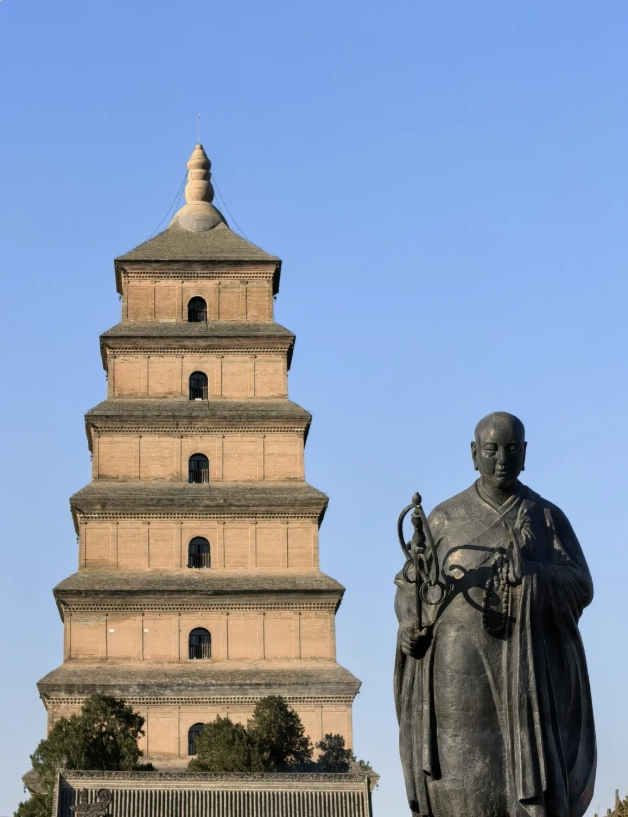
Top 3 Summer Destinations (With Pro Tips)
1. Guilin & Yangshuo (桂林, 阳朔)
Summer heat is intense (35°C), but the scenery is unbeatable. Rent a scooter (¥50/day) to explore countryside — need an international driver's permit? Not strictly enforced for electric bikes. Watch out for afternoon rain: carry a poncho.
2. Lijiang & Shangri-La (丽江, 香格里拉)
Yunnan's altitude keeps it cool. Lijiang Old Town is charming but can be packed. Take a day trip to Jade Dragon Snow Mountain — book the cable car ticket (¥180) on Trip.com weeks ahead; they sell out fast.
3. Chengdu (成都)
Hot and spicy — literally. Giants pandas at the Breeding Base (¥55) are most active in the morning (Insider move: skip the indoor viewing and go straight to the outdoor enclosures after 8:30 AM when keepers feed them.
Hidden Pain Points & Solutions (What No One Tells You)
VPN is mandatory. Google, Instagram, WhatsApp are blocked. Install a reliable VPN (like ExpressVPN or Astrill) on your phone and laptop before arrival. Without it, you can't use many Western apps.
Translation apps are lifesavers. Baidu Translate (百度翻译) works offline and supports camera translation for menus. Apple Translate also works well offline once you download the Chinese language pack.
Toilet paper is not guaranteed. Public restrooms often lack paper. Always carry a small pack of tissues.
Personal story: Last summer, a couple I guided got stuck at the Shanghai Disneyland entrance because their Alipay wasn't verified. I always tell clients: verify your Alipay account at least a week before you fly. The same goes for WeChat Pay — link your international card early.
Frequently Asked Questions
Verified and fact-checked by the editorial team.

I was stuck between a December Beijing trip and a July Tibet trip, and this article made me realize the right answer is actually both — just for completely different reasons. Winter gave me ice lanterns, hotpot steam on cold glass, and empty museums. Summer gave me green valleys in Sichuan and long, light evenings wandering town streets. The breakdown of northern versus southern China is exactly the kind of practical comparison I needed. This is now the first thing I send to anyone who asks me 'when should I go to China?'
This article convinced me to try summer in the highlands instead of the beach. I went to Yunnan in July — the rains came as short, dramatic afternoon showers, and afterward everything smelled of pine and wet stone. In Lijiang, the canals were loud at night, but by morning the mountains were wrapped in mist. I also did the Li River boat through Guilin in August, which was too hot until a storm broke right over the karst peaks — it looked like a Chinese painting come to life. The advice about layers and flexibility is spot on. Best summer trip I've ever taken.
As someone who absolutely hates humidity, I was all-in on winter after reading this. Spent two weeks in February: Beijing's Forbidden City nearly empty at sunrise, and the Great Wall at Jinshanling dusted with snow with not another soul on the tower. At night in Xi'an, I ate hand-pulled noodles in a tiny shop lit by warm yellow bulbs — exactly the mood the article promised. Winter in China feels quieter, more reflective, and somehow personal. I've already booked another trip for January.
Useful comparison overall. I've done both: Xi'an in July was hot and hazy, but the Muslim Quarter at 10pm was unforgettable, and Chengdu in January was warmer than you'd think with tea houses full of old men playing cards. The article's strength is its region-by-region logic — it helped me pick Yunnan for a spring trip. Only reason I'm not giving 5 is that it skips seasonal food entirely, like winter mutton soup in Lanzhou or cold noodles in Chengdu during summer. Still, a solid starting point.
Read this before a two-week trip last January. The author's right about winter in the north being crisp, but “magical” ignores how brutal it can be. In Harbin, the ice festival was gorgeous at night, but after 20 minutes my fingers couldn't feel anything and the wind off the Songhua River cut through every layer. The article also didn't mention that several small restaurants in Zhangjiajie close during the off-season. I still saw the Great Wall dusted with snow, which was amazing, but “cozy” felt like a stretch.