 Ming Yang
What’s inside?
You’ve booked your flights. The Great Wall, Forbidden City, and Zhangjiajie’s floating peaks are on your list. Then you realize: it’s July. Temperatures above 40°C. Crowds that make Times Square look empty. I’ve been guiding through Chinese summers for over a decade, and I’ve seen countless tourists melt—both literally and figuratively. But here’s the good news: a China summer vacation can be incredible if you know where to go, how to move, and what to skip. Let me show you the exact strategies I use with my private groups to beat the heat and the masses.
Why China Summer is Worth the Sweat
Yes, June through August is hot and humid in most of eastern China. But it’s also when the country is most alive: lush green landscapes, summer festivals, and long daylight hours for sightseeing. Plus, flights and hotels are often cheaper than in spring or autumn—if you avoid the absolute peak of Chinese school holidays (late July to mid-August). Pro tip: schedule your trip for early June or late August, when weather is still manageable and crowds thinnest.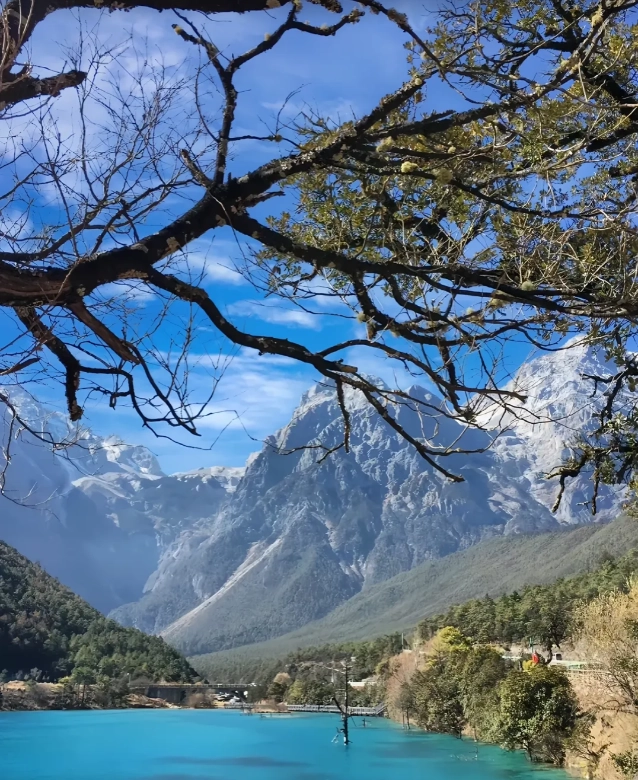
Top 4 Cool Destinations for Summer
I always tell my clients to escape the central heating in Beijing and Shanghai. Head to these spots where temperatures hover around 20-28°C in summer:
1. Yunnan – The Eternal Spring Province
With average highs of 24°C in Kunming, Yunnan is my number one recommendation. Lijiang’s ancient town and the Jade Dragon Snow Mountain are must-sees. Don’t miss Tiger Leaping Gorge—it’s a world-class hike with jaw-dropping views, and summer brings water to the river. You’ll need a full day; start by 8 AM to avoid the midday heat. Entrance is 45 RMB, and you can book via Trip.com. Bring waterproof shoes because the mist can get heavy.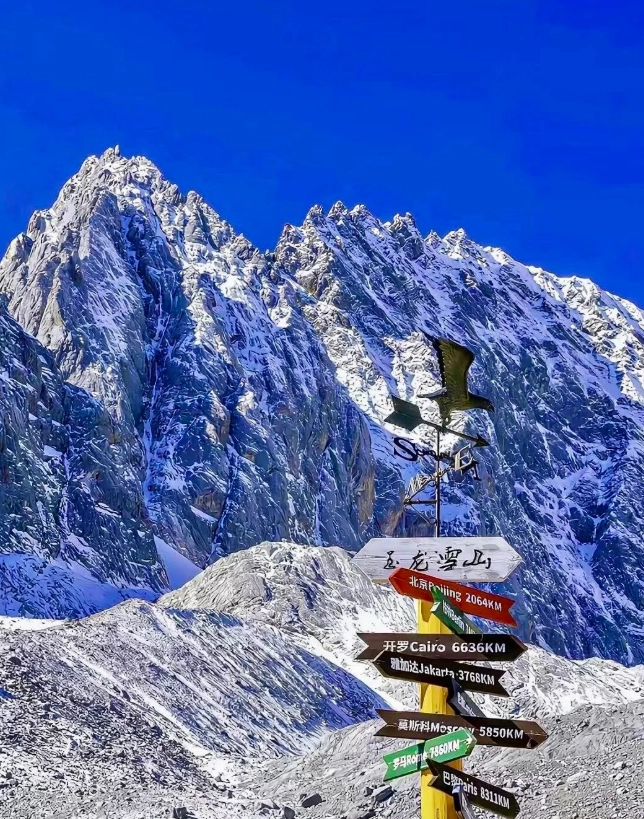
2. Tibet – Rooftop of the World
Lhasa averages 20°C in July. The low oxygen means you need a few days to acclimatize, but the Potala Palace and Namtso Lake are worth the altitude. You’ll need a Tibet Travel Permit, which your tour operator can arrange. I recommend at least 6 days for Lhasa plus a lake day.
3. Zhangjiajie – Avatar Mountains Without the Sweat
The stone pillars stay cool in the mist. My favorite route is entering via the Forest Park East Gate—fewer crowds than the main gate, and you’re straight into the Avatar Hallelujah Mountain area. Book tickets on Klook or directly through the official WeChat mini-program (though that requires Chinese reading assistance). Summer afternoon thunderstorms are common; bring a rain jacket and start hiking before 9 AM.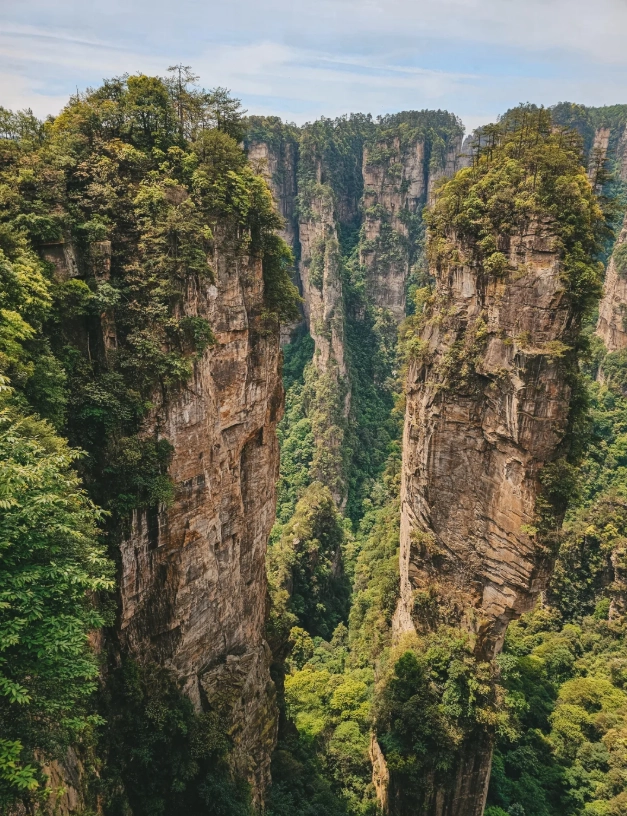
4. Qinghai Lake – China’s Sapphire
This massive salt lake sits at 3,200 meters, keeping summer highs around 18°C. Cycling the 360-kilometer loop is popular, but even a half-day trip from Xining is rewarding. Take a bus from Xining’s Qiyi Bus Station (2.5 hours, 50 RMB) or hire a driver for the day. The best photo spot is at the Erlangjian Scenic Area: entrance 100 RMB. Watch for altitude sickness and drink plenty of water.
How to Book Tickets & Avoid Scams
The biggest headache for foreign tourists is the online booking system. Most major attractions now require pre-booked tickets with passport numbers. Here is the catch: the official WeChat mini-programs are in Chinese and often don’t accept international credit cards. I always tell my clients to use Trip.com or Klook—they have English interfaces, accept Visa/Mastercard, and handle the passport input. For popular spots like the Forbidden City, tickets sell out 7 days in advance; book as soon as your dates are fixed. If you can’t book online, the hotel concierge can often do it for you. But never pay a tout outside the attraction—it’s almost always a fake ticket.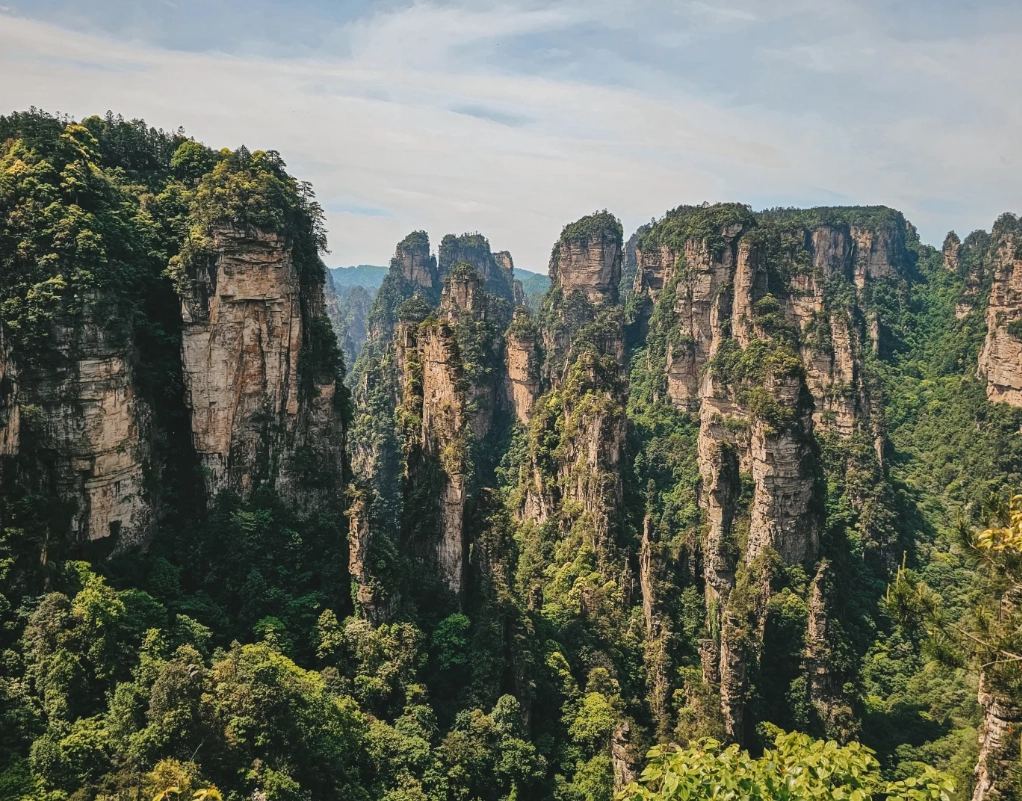
Payment & Navigation: Your Lifelines
Forget Google Maps. It won’t work reliably. Use Apple Maps (which uses Chinese data) or install Amap (高德地图) and switch to English mode. For taxis, always have your destination written in Chinese characters. Didi (Chinese Uber) is the best way to get around; it’s available in English and accepts Alipay linked to your international card.
Payment: Cash is still king in smaller shops and street food stalls, but most mid-range restaurants and all tourist sites accept Alipay or WeChat Pay. Link your Visa or Mastercard to Alipay before you leave (it’s simple via the app). Always carry at least 500 RMB in small bills—ATMs are plentiful, but they sometimes run out of cash on weekends.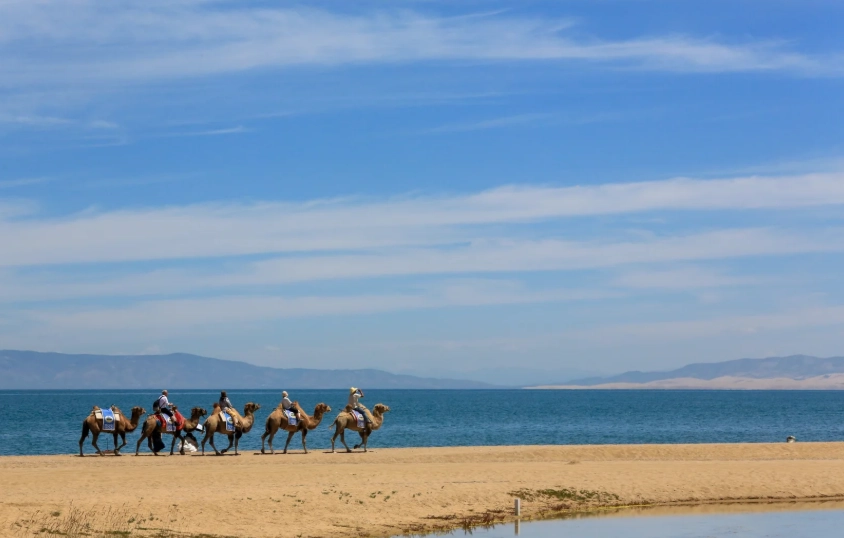
Packing Essentials for the Heat
- UV-protective clothing and a wide-brim hat (the sun at high altitude can burn in 20 minutes)
- Reusable water bottle with a filter (tap water is not drinkable; use bottled or filtered)
- Portable fan or misting spray
- Comfortable, quick-dry walking shoes (you’ll easily hit 15,000 steps a day)
- VPN pre-installed on your phone (necessary to access Google, Facebook, Instagram, and WhatsApp)
FAQ: Common Summer Trip Concerns
Verified and fact-checked by the editorial team.


I'm usually a museum type, not a crowd hater, but the 38°C heat in Shanghai nearly broke me. This article's idea of late-afternoon tea houses and sticky rice breakfast before sightseeing worked perfectly. The author even mentions which metro exits lead to shaded sidewalks—small detail but huge in July. Buy this person a cold drink. Best article on summer China I've read.
As someone who lived in China for five years, I was skeptical of another tourist article. But this one actually gets the local stuff right—the tip about early morning city parks and the garlic scallion noodles at small stalls had me nodding. Also loved the warning about afternoon rain in Guangzhou; we packed a travel umbrella and it saved us. Already shared it with my sister who's visiting next month.
I liked the overall idea of doing summer activities like night markets and indoor malls, but I expected more budget-specific breakdowns. The article says 'eat where locals eat' but doesn't mention that many places don't have English menus or photos. We ended up pretty confused in Xi'an. Some useful tips, but it reads more like a Pinterest list than a real local guide.
Solid article! I really appreciated the section on avoiding the Great Wall crowds by taking the bus to Mutianyu instead of Badaling. We did exactly that and had the wall almost to ourselves. Only reason it's not five stars: the suggested offline map app didn't work on my Android, so I had to fall back on WeChat instead. Still, the overall strategy is sound.
I read this before our Beijing stop in June and honestly it changed everything. The advice to hit the Summer Palace at opening before the tour groups gave us a peaceful boat ride on Kunming Lake with barely any queue. Also the tip about late-night baozi near the hutongs? Genius. My family thought I hired a local guide. Five stars.