 Lei Li
I’ve led countless tours across both cities, and here’s my honest take: there’s no single “better” city. It depends entirely on what you want from your trip. But I can tell you this—most travelers leave one of them slightly disappointed because they chose based on hype, not fit. Let me break it down so you don’t make that mistake.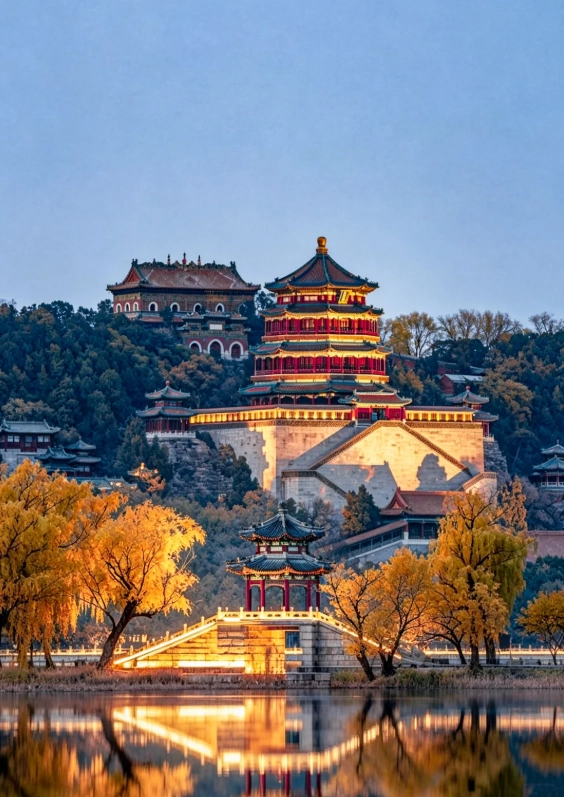
Historical & Cultural Attractions
If you’re a history buff, Beijing wins hands down. The sheer concentration of UNESCO World Heritage sites is unmatched. You’ve got the Great Wall, Forbidden City, Temple of Heaven, Summer Palace, and the Ming Tombs—all within a day’s reach. But here’s the catch many guides won’t tell you: you need to book most of these weeks in advance during peak season (April–October). And forget about walking up to the ticket booth—they barely accept cash anymore. Download Trip.com or Klook on your phone, and make sure your passport is handy for the real-name registration.
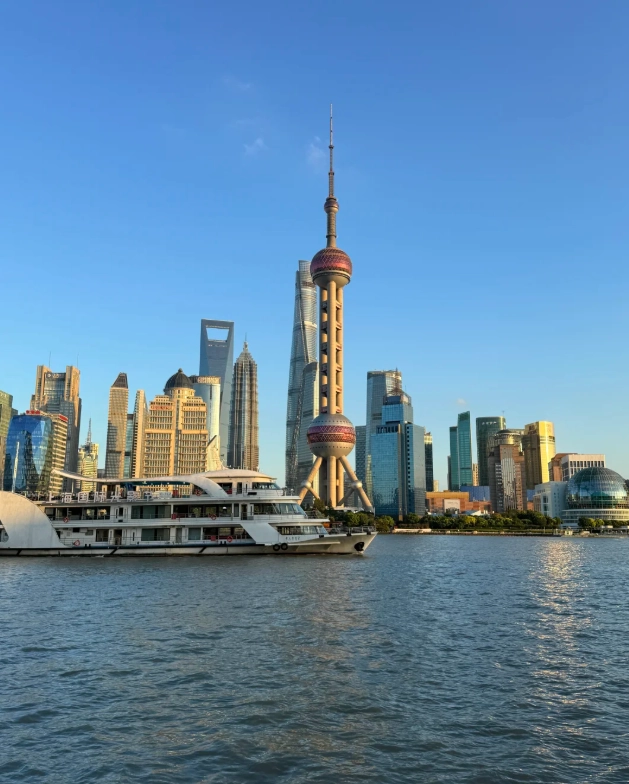
Shanghai, on the other hand, offers a different kind of history—modern, colonial, and revolutionary. The Bund showcases 1920s Art Deco, while Yu Garden gives you a taste of Ming Dynasty elegance. It’s more compact and walkable, but if you’re expecting ancient wonders, you’ll be let down.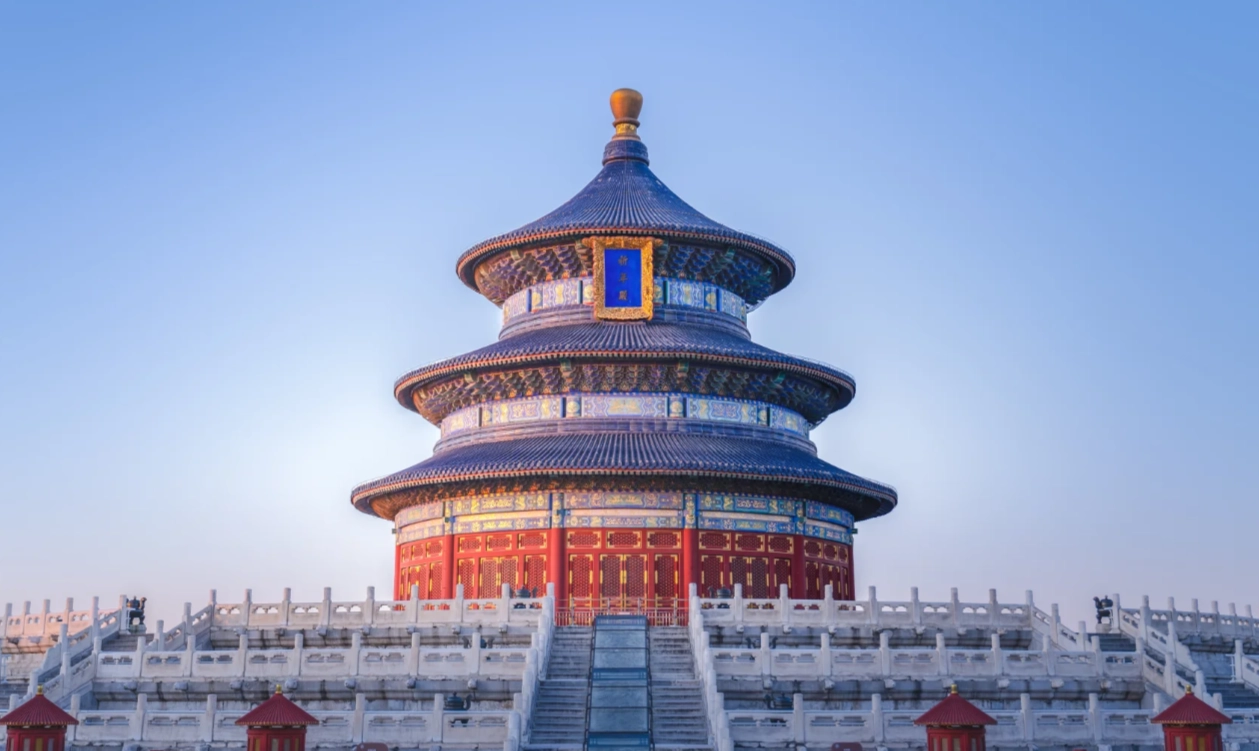
Key Contrasts at a Glance
| Category | Beijing | Shanghai |
|---|---|---|
| Ancient sites | Abundant (Forbidden City, Great Wall) | Few (Yu Garden, City God Temple) |
| Colonial architecture | Limited | Rich (Bund, French Concession) |
| Museum quality | World-class (National Museum, Palace Museum) | Excellent (Shanghai Museum, Power Station of Art) |
| Best for | Deep history lovers | Architecture & urban explorers |
Food Scene
Beijing’s food is hearty and bold; Shanghai’s is delicate and sweet. You can’t leave Beijing without trying Peking duck—I always recommend Quanjude for tradition or Dadong for a modern twist. But don’t overlook the street food: jianbing (savory crepes) and lamb skewers are legit. One warning: many places in Beijing still use only WeChat Pay. Carry some cash because international credit cards are often rejected, especially in smaller joints.
Shanghai is a food paradise for those who love variety. The xiao long bao (soup dumplings) from Din Tai Fung are famous, but I prefer the ones from Jia Jia Tang Bao—locals queue for them. Also try the braised pork belly (hong shao rou) and sheng jian bao (pan-fried buns). English menus are more common here, and many upscale restaurants accept Visa, but street stalls are still cash-only.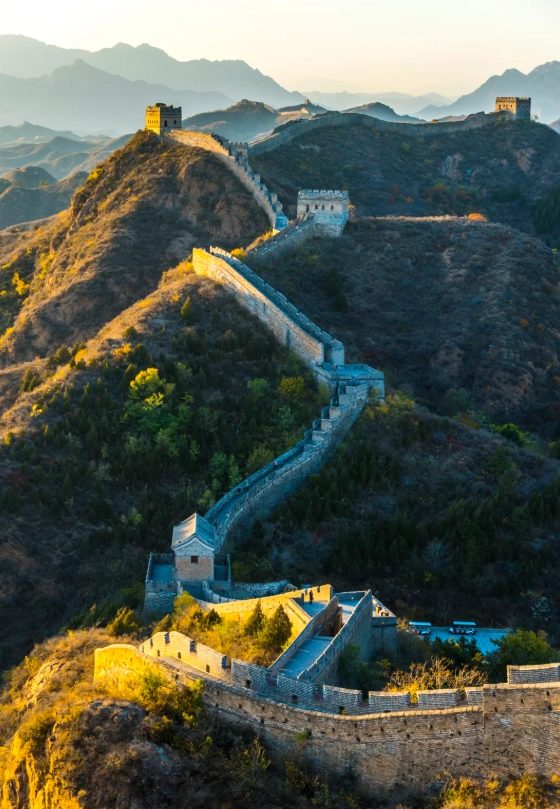
Nightlife & Entertainment
Shanghai is the undisputed nightlife king. If you want rooftop bars, speakeasies, and clubs that stay open till 4 AM, this is your city. The Bund view at night is iconic, and areas like Xintiandi and Jing’an are packed with options. Aperitivo culture is strong here—many bars have happy hours from 5–8 PM.
Beijing’s nightlife is more low-key, but not dead. Sanlitun has a cluster of bars and clubs, but they close earlier (around 2 AM). For a unique experience, try a courtyard (hutong) bar in the central area—much more intimate. One thing: both cities have strict drunk-driving laws, so always use Didi (China’s Uber) or the subway.
Transportation & Getting Around
Beijing’s subway is extensive but sprawls; Shanghai’s is compact and foreigner-friendly. In Beijing, you’ll rely heavily on the subway and Didi. But here’s the problem: Google Maps is practically useless in China. Switch to Apple Maps (it works okay) or download Amap (also known as Gaode) which has an English interface. For taxi drivers, always have your destination written in Chinese characters—I can’t overstate this.
Shanghai’s subway announcements are in English, and most station signs are bilingual. It’s way easier for a first-timer. The Maglev train from Pudong Airport hits 431 km/h—worth the ride even if you’re not going far. In both cities, consider buying a transportation card (Yikatong in Beijing, Shanghai Public Transportation Card) to avoid fumbling with cash or QR codes.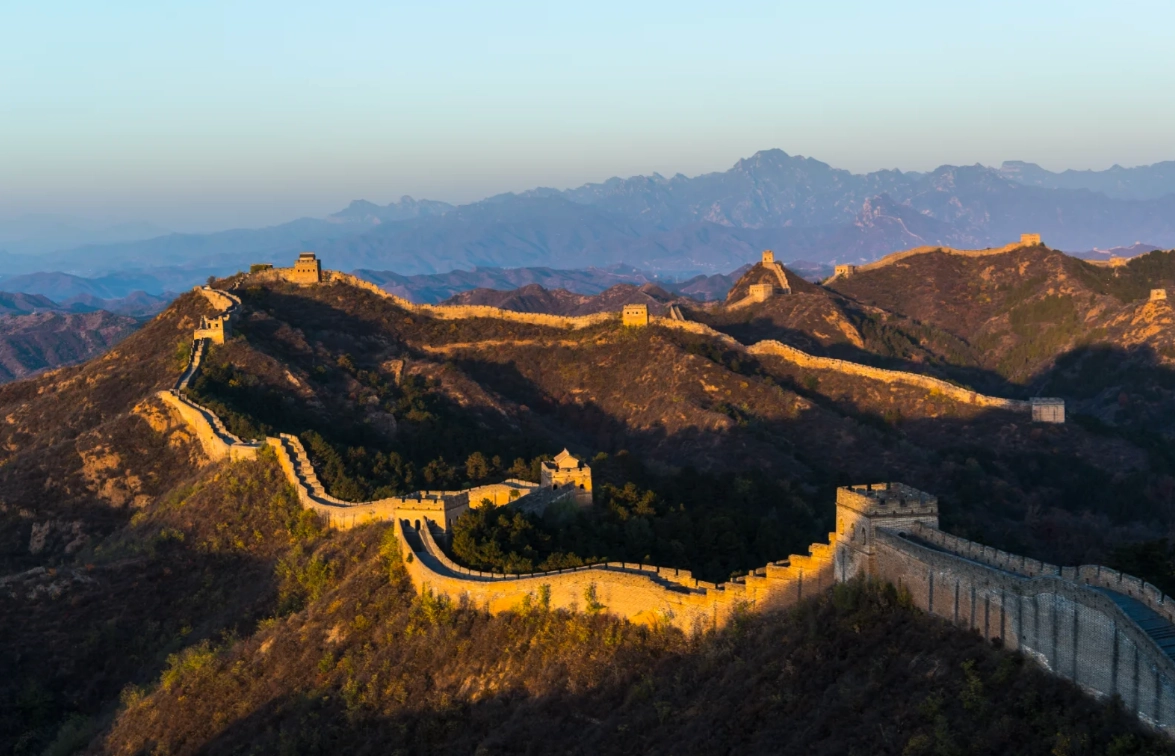
Cost & Budget
Shanghai is slightly more expensive overall, but Beijing has hidden costs. Accommodation: mid-range hotels in Shanghai average $80–120 per night, Beijing $60–100. Food: a meal at a local restaurant runs $5–10 in both cities, but a fancy dinner in Shanghai can easily hit $50. Entrance fees: Beijing’s major sites are pricier—Forbidden City 60 RMB ($8), Great Wall 40 RMB ($6); Shanghai’s top attractions like the Oriental Pearl Tower cost around 100 RMB ($14). But Beijing’s size means you’ll spend more on transport between sights.
Weather & Best Time to Visit
Both cities have four distinct seasons, but the climates differ. Beijing is dry and can be brutally cold in winter (below -10°C) and hot and dusty in summer (above 35°C). Spring and autumn (March–May, September–November) are ideal—clear skies, mild temperatures. Shanghai is more humid: summers are sticky and often rainy, winters are damp and chilly. The best months are also spring and autumn, but be prepared for occasional typhoons in August.
I always tell my clients: if you hate crowds, avoid Chinese national holidays (Golden Week in October, May Day, and Chinese New Year). Everything is packed, and prices triple.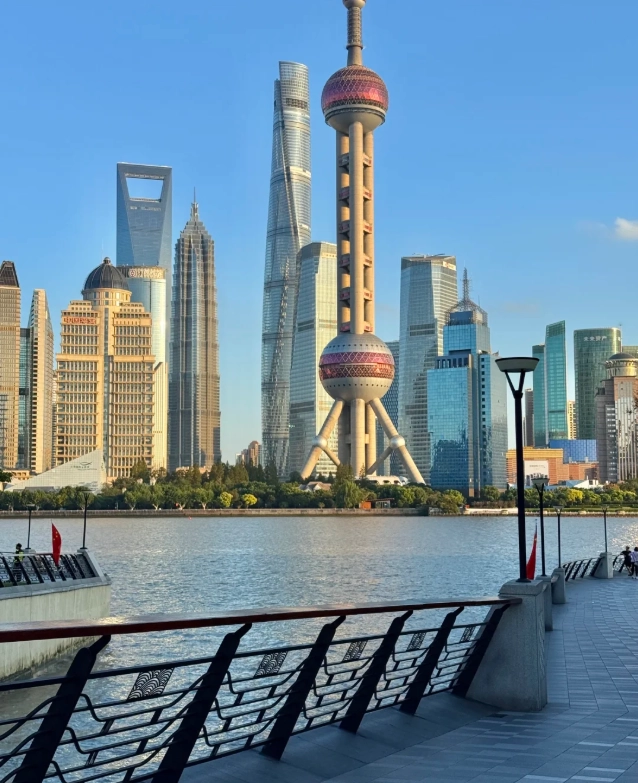
Which City for Which Traveler?
- Choose Beijing if: you crave ancient history, want to see the Great Wall, love hearty food, and don’t mind a bit more logistical hassle.
- Choose Shanghai if: you prefer modern attractions, vibrant nightlife, diverse cuisine, and a more user-friendly environment for first-time visitors.
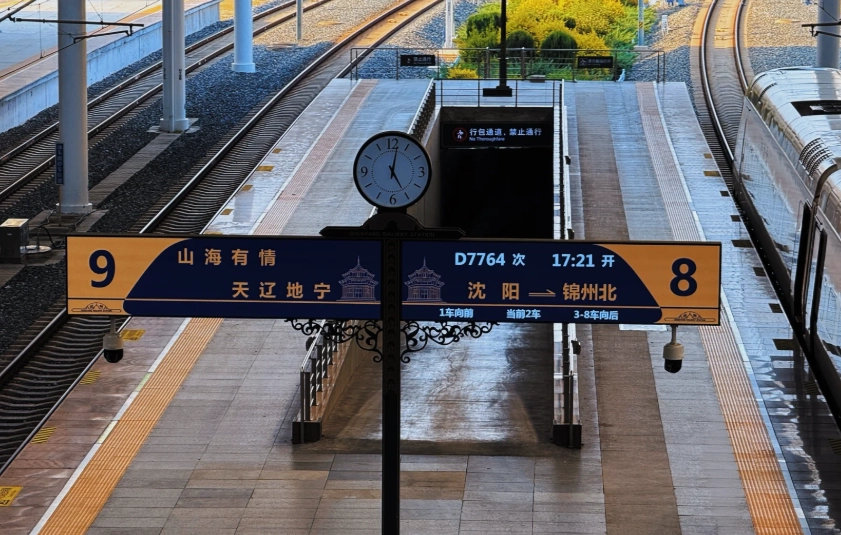
- Do both? If you have 10 days or more, combine them. They’re only 1.5 hours apart by high-speed train (123 RMB–550 RMB, book on Trip.com or 12306.cn). I often recommend 5 days in Beijing and 4 in Shanghai—you’ll get the best of both worlds.
I was nervous about language and getting around, but both cities were surprisingly easy, and each has its own vibe. In Beijing I got lost in the hutongs and found a tiny family-run noodle shop where the owner insisted on teaching me how to use chopsticks. In Shanghai, the French Concession felt like a European street with Chinese characteristics, and the view from Shanghai Tower at night was unreal. Honestly, don't pick one — do both. I loved every second.
Spent 10 days split between both cities. Beijing is a pearl of history: the Great Wall at Jinshanling, Summer Palace at sunset, and sizzling street food in Wangfujing. Shanghai gave me cafe mornings in the French Concession, the Shanghai Museum, and the neon skyline from the Bund. There's no winner for me — they feel like two completely different trips. Public transport was smooth, paying with my phone was easy, and people were kind even when my Mandarin was terrible. Will go back.
Hands down, Beijing gave me the more memorable tourist experience. Standing on the Mutianyu section of the Great Wall with the hills covered in autumn colour, no crowds, just wind — that alone is worth the trip. The Forbidden City and Temple of Heaven are stunning. Shanghai is slick and futuristic, but it lacks that deep layer of history you can feel in Beijing. If you only have time for one, choose Beijing.
Beijing and Shanghai are so different that it's almost unfair to compare. Beijing won me over with its hutong alleys, the Peking duck at a local restaurant, and cycling through the older streets. Shanghai's metro and skyline are world-class, but it felt a bit too polished and Westernized for my taste. My only real complaint was that service in some small Beijing shops was pretty indifferent. Still, a solid trip overall.
I went expecting to pick one winner, but honestly walked away a little let down by both. Beijing's Forbidden City is massive, but I spent most of my time being shoved around in shoulder-to-shoulder queues, and the smog made all my photos look grey. Shanghai's Bund was pretty at night, but the area felt overrun with selfie sticks and identical tourist shops. It's not bad, just not the magical experience I hoped for.
I traveled solo and found both cities incredibly rewarding. Shanghai was easier to navigate and the art-deco buildings along the Bund were stunning, but it felt a bit polished and pricey. Beijing, on the other hand, gave me real travel energy — cheap noodles in a hidden hutong, old men playing chess in the park, and the sheer scale of the Great Wall took my breath away. Every time I got lost, a stranger walked me where I needed to go. For value, authenticity, and that raw sense of history, Beijing wins for me. Both are must-dos, but Beijing stayed in my heart.
As a food-obsessed traveler, this comparison is easy for me: Shanghai’s xiaolongbao literally burnt my tongue because I couldn’t wait to bite into that hot broth — 10/10. But Beijing won me over with its street food in the hutongs: lamb skewers dripping with cumin smoke, candied hawthorn, and warm soy milk on a cold morning. I loved the contrast between ancient gates and neon skyscrapers in both cities, and the locals were endlessly patient with my broken Mandarin. If you eat your way through both, you’ll leave with a full belly and a full heart. Can’t recommend enough.
I really wanted to love this trip, but it left me a bit flat. Beijing’s famous spots are impressive in photos, but in real life you’re herded like cattle through the Forbidden City, and the queues at the Lama Temple were chaotic. Outside the Summer Palace, vendors grabbed my arm trying to sell me the same fake jade necklace four times. Shanghai felt like a generic global megacity — expensive coffee, skyscrapers, nothing that made me feel I was in China. Maybe my expectations were too high. I had a decent time, but I wouldn’t call it a ‘better tourist experience.’
Solid trip overall. Beijing’s Mutianyu Great Wall was genuinely spectacular — the walk between watchtowers with the mountains rolling beyond was worth every step. But the city itself is tiring: endless queues, pushy selfie-stick sellers, and a constant layer of dust in my eyes. Shanghai was smoother and more comfortable — clean Metro, easy navigation, lovely French Concession strolls. I’d say Beijing for unforgettable sights, Shanghai for everyday convenience. A few logistical hiccups keep it from a perfect score.
I split my two weeks between Beijing and Shanghai, and honestly they feel like two different countries. Beijing broke me in the best way — watching the sunrise tint the Forbidden City’s golden roofs while the first crowds trickled in was a moment I’ll never forget. The hutong alleys near Shichahai smelled of fried dough and old wood, and every turn had a story. Shanghai was dazzling at night, especially the Bund skyline reflecting in the Huangpu River, but it felt more like a futuristic film set. If you want ancient soul and raw drama, Beijing wins. I’m already planning a return trip.